About ESP
ESP is a Japan-based cross-border ecommerce logistics operator established in September 2015. ESP provides import and export logistics, customs clearance, bonded handling, warehousing, freight coordination, sorting and last-mile delivery. Its own last-mile service handles eligible post-clearance shipments in Tokyo, Kanagawa, Chiba, Saitama and Osaka City.
Carrier Overview
| Field | Verified information |
|---|
| Official name | ESP |
| Official website | https://www.espoirer.com/ |
| Carrier type | Cross-border ecommerce logistics, international parcel and air-cargo operator, customs broker, bonded operator, warehouse operator and last-mile carrier |
| Primary region | Japan, with inbound and outbound international logistics |
| Tracking page | Cargo Delivery Status through the official ESP website |
| Founded | September 2015 |
| Headquarters | Harumi Island Triton Square Office Tower W, 12F, 1-8-8 Harumi, Chuo-ku, Tokyo 104-0053, Japan |
Carrier Entity Relationships
| Entity | Entity type |
|---|
| ESP | Canonical carrier |
View all details for ESP
| Relationship to ESP | ESP operates an integrated cross-border logistics business in Japan. |
|---|
| Why it matters to tracking | ESP may appear at import clearance, bonded handling, sorting or last-mile stages rather than at every stage of an international journey. |
|---|
| Official evidence | ESP company profile |
|---|
|
| Import, export, warehousing and last-mile operations | Operated services |
View all details for ESP services
| Relationship to ESP | ESP operates import logistics from overseas to Japan, export logistics from Japan, warehouses and an own-delivery last-mile service. |
|---|
| Why it matters to tracking | The responsible party changes as cargo moves from an airline or overseas forwarder to customs processing, bonded handling and domestic delivery. |
|---|
| Official evidence | ESP services |
|---|
|
| ESP-NACCS and E-NACCS systems | Customs and logistics systems |
View all details for ESP logistics systems
| Relationship to ESP | ESP uses proprietary systems for electronic declarations, customs support, partner communication, billing and delivery-tracking workflows. |
|---|
| Why it matters to tracking | Electronic data may be created before physical handling, so a record can exist before a shipment receives its next operational scan. |
|---|
| Official evidence | ESP service systems |
|---|
|
| Airlines, overseas forwarders and Japanese delivery companies | Transport and handoff partners |
View all details for ESP transport partners
| Relationship to ESP | ESP coordinates air transport and works with overseas forwarders and major Japanese logistics companies within cross-border delivery chains. |
|---|
| Why it matters to tracking | A partner may issue or scan a separate identifier before ESP receives the physical parcel or after ESP hands it to another delivery company. |
|---|
| Official evidence | ESP international logistics services |
|---|
|
| 17TRACK | Independent tracking platform |
View all details for 17TRACK
| Relationship to ESP | 17TRACK can aggregate available carrier events but does not transport ESP shipments. |
|---|
| Why it matters to tracking | 17TRACK helps users view multi-carrier events while operational requests remain with ESP, the merchant or the current delivery partner. |
|---|
| Official evidence | 17TRACK |
|---|
|
Quick Answer
Track an ESP shipment by entering the shipment inquiry number in the Cargo Delivery Status area of the official ESP website, or enter the same identifier on 17TRACK. ESP tells customers contacting support to provide an 11-character inquiry number beginning with E. If no result appears, first remove spaces, distinguish the inquiry number from the store order number and ask the merchant whether the shipment has been physically handed to a logistics operator.
Pro Tip: 17TRACK is an independent tracking platform. It cannot change an address, schedule an ESP redelivery, release cargo from customs, approve a claim or issue a merchant refund.
How to Track ESP Packages
Use the official ESP tracking path for carrier-specific delivery actions and 17TRACK when you need a consolidated view across an international handoff.
- Copy the shipment inquiry number from the merchant’s shipping notice, parcel label or delivery notice. ESP gives an example structure of E followed by ten characters.
- Open the official ESP website and select Cargo Delivery Status.
- Enter the inquiry number exactly as supplied. If pasted text fails, remove spaces and surrounding punctuation.
- For multi-carrier visibility, open 17TRACK and submit the same number.
- Read the latest event together with its location and time. A data-created event does not prove physical receipt, and arrival at a customs facility does not prove customs release.
Which Identifier Should You Use?
| Identifier | How to use it |
|---|
| ESP inquiry number | Use for ESP tracking, redelivery and parcel support; ESP describes the customer-service example as an 11-character number beginning with E. |
| Merchant order number | Use with the seller to identify the purchase. It is not automatically a carrier tracking number. |
| Partner tracking number | Use when the merchant or upstream carrier identifies another operator. It may cover only the origin, line-haul or final-mile stage. |
| Air waybill or freight reference | Used mainly by shippers and forwarders for consolidated cargo; it may not expose parcel-level consumer scans. |
| Delivery notice number | Use for the redelivery process specified on the notice, especially if the last-mile identifier differs from the original ecommerce reference. |
Tracking Statuses and Meanings
ESP tracking events should be interpreted as a chain of data creation, physical receipt, customs and bonded handling, sorting, handoff and delivery. The wording displayed may be translated or normalized by the tracking platform.
Status Quick Lookup
| Status | Lifecycle stage |
|---|
| Shipment information received | Pre-shipment |
View all details for shipment information received
| What it means | Electronic shipment data or a label record exists, but the event alone does not prove physical possession. |
|---|
| Current responsible party | The merchant, origin forwarder or party preparing the cargo. |
|---|
| What happens next | Pickup, consolidation or an acceptance scan. |
|---|
| What you should do | Confirm dispatch with the seller if the status does not progress. |
|---|
|
| Accepted or collected | Accepted |
View all details for accepted cargo
| What it means | A logistics operator has recorded physical receipt of the parcel or cargo. |
|---|
| Current responsible party | The operator named in the scan. |
|---|
| What happens next | Sorting, export preparation or transport to a processing facility. |
|---|
| What you should do | Monitor the next processing event unless the shipment misses the seller’s promised window. |
|---|
|
| In transit or departed facility | In transit |
View all details for in-transit cargo
| What it means | The shipment is moving between facilities or transport stages. |
|---|
| Current responsible party | The named carrier, forwarder or line-haul operator. |
|---|
| What happens next | Arrival, unloading, import processing or partner handoff. |
|---|
| What you should do | Allow for a scan gap during flights, bonded movements and closed-container transport. |
|---|
|
| Customs processing | Customs and bonded handling |
View all details for customs processing
| What it means | Declaration review, document checks, inspection response or bonded movement is occurring. |
|---|
| Current responsible party | Customs authorities and the appointed customs or bonded operator each control their respective tasks. |
|---|
| What happens next | Release, request for information, inspection or continued bonded processing. |
|---|
| What you should do | Respond promptly if the merchant, broker or carrier requests product, value or recipient information. |
|---|
|
| Customs released | Post-clearance |
View all details for customs release
| What it means | The applicable customs process has permitted the shipment to proceed. |
|---|
| Current responsible party | The bonded, sorting or domestic delivery operator receiving released cargo. |
|---|
| What happens next | Sorting, labeling and transfer to final-mile delivery. |
|---|
| What you should do | Watch for a domestic acceptance or delivery-depot scan. |
|---|
|
| Transferred to delivery partner | Partner handoff |
View all details for partner handoff
| What it means | A transfer has been planned or recorded; the first receiving scan provides stronger evidence of physical handoff. |
|---|
| Current responsible party | The dispatching operator remains operationally relevant until the receiving carrier accepts the shipment. |
|---|
| What happens next | The delivery partner scans and sorts the parcel. |
|---|
| What you should do | Track both identifiers if a second number is supplied. |
|---|
|
| Out for delivery | Final-mile delivery |
View all details for out for delivery
| What it means | The parcel has been assigned to a delivery route. |
|---|
| Current responsible party | ESP or the named final-mile delivery company. |
|---|
| What happens next | Delivery, unattended placement where applicable, or a failed attempt. |
|---|
| What you should do | Keep the delivery location accessible and monitor any delivery instruction or notice. |
|---|
|
| Delivered | Delivered |
View all details for delivered shipments
| What it means | A delivery completion scan was recorded, including unattended placement where the service permits it. |
|---|
| Current responsible party | The final-mile delivery operator for scan investigation; the merchant remains responsible for purchase-resolution obligations. |
|---|
| What happens next | The shipment is normally closed unless the recipient disputes receipt. |
|---|
| What you should do | Check entrances, parcel areas, household members, reception and the delivery notice before contacting the final-mile carrier. |
|---|
|
| Delivery exception or failed attempt | Exception |
View all details for delivery exceptions
| What it means | Delivery could not be completed because of access, address, recipient, weather or operational conditions. |
|---|
| Current responsible party | The final-mile carrier, with recipient action required if the notice requests it. |
|---|
| What happens next | Redelivery, customer contact, depot handling or return processing. |
|---|
| What you should do | Use the official Cargo Delivery Status path or contact ESP with the inquiry number. |
|---|
|
| Returning to sender | Return |
View all details for return processing
| What it means | The parcel is moving back because delivery or clearance could not be completed. |
|---|
| Current responsible party | The carrier moving the return and the merchant arranging the commercial resolution. |
|---|
| What happens next | Return transport, sender receipt and seller review. |
|---|
| What you should do | Contact the merchant immediately; address correction may no longer be possible after return movement begins. |
|---|
|
Services and Delivery Times
ESP operates integrated import, export, warehousing and last-mile logistics. Its published speed statements apply to defined processing stages, not to every international shipment from merchant dispatch to final delivery.
Service Comparison
| Service | Service type |
|---|
| Import logistics | Overseas to Japan |
View all details for ESP import logistics
| Best for | Cross-border ecommerce imports requiring coordinated customs, bonded, sorting and delivery work. |
|---|
| Coverage | International origins to Japan. |
|---|
| Tracking level | System-supported processing and delivery tracking within the contracted workflow. |
|---|
| Key size/weight condition | Shipment acceptance is governed by the contracted transport and customs arrangement. |
|---|
| Included protection/extra service | Import declaration support, bonded handling, cargo checks, sorting and delivery coordination. |
|---|
| Main limitation | Customs review, inspections and upstream transport can extend the end-to-end journey. |
|---|
|
| Export logistics | Japan to overseas |
View all details for ESP export logistics
| Best for | Businesses shipping ecommerce parcels or air cargo from Japan. |
|---|
| Coverage | Overseas destinations, including direct ecommerce parcel delivery arrangements covering six Asian countries. |
|---|
| Tracking level | Tracking functions are integrated with customs and billing workflows. |
|---|
| Key size/weight condition | Depends on cargo type, airline space and destination requirements. |
|---|
| Included protection/extra service | Pickup, packing, export declarations, flight booking, air waybill issuance and airline tender coordination. |
|---|
| Main limitation | Destination coverage and delivery conditions depend on the contracted route and partner network. |
|---|
|
| Warehousing | Storage and fulfillment support |
View all details for ESP warehousing
| Best for | Import, export, agency dispatch and inventory-storage operations. |
|---|
| Coverage | ESP-operated warehouse facilities in Japan. |
|---|
| Tracking level | Operational warehouse records rather than a standalone consumer postal product. |
|---|
| Key size/weight condition | Defined by the business agreement and facility handling capability. |
|---|
| Included protection/extra service | Centralized checking and processing for bonded and delivery cargo. |
|---|
| Main limitation | Warehouse events do not necessarily represent physical movement toward the recipient. |
|---|
|
| ESP last-mile delivery | Post-clearance delivery |
View all details for ESP last-mile delivery
| Best for | Eligible cross-border parcels after Japanese import clearance. |
|---|
| Coverage | Tokyo, Kanagawa, Chiba, Saitama and Osaka City. |
|---|
| Tracking level | Domestic delivery events and parcel inquiry support. |
|---|
| Key size/weight condition | Eligibility depends on the contracted parcel flow. |
|---|
| Included protection/extra service | Unattended placement is part of the described last-mile model. |
|---|
| Main limitation | The published next-day rate begins after same-day post-clearance collection and applies to eligible own-delivery cargo. |
|---|
|
Delivery Time
| Service | Published delivery standard |
|---|
| Integrated import processing | ESP states that its systemized bonded, cargo-checking, customs and delivery workflow can achieve 1.5 to 2 days for the described import process. |
View timing conditions for ESP import processing
| Business or calendar days | The official service page expresses the period in days without labeling it as business or calendar days. |
|---|
| Guarantee status | Presented as an achieved processing speed, not a money-back delivery guarantee. |
|---|
| Starts counting from | The service description concerns the coordinated Japanese import-processing stage, not merchant order placement. |
|---|
| Main delay factors | Incomplete declaration data, customs inspection, flight timing, cargo availability and handoff conditions. |
|---|
| Official source date/validity | Current ESP service description. |
|---|
|
| ESP own-delivery last mile | ESP states that 95% of eligible cargo collected on the same day after customs clearance can be delivered the following day. |
View timing conditions for ESP last-mile delivery
| Business or calendar days | The official statement says following-day delivery and does not define a universal business-day calculation. |
|---|
| Guarantee status | A performance-rate statement, not a guarantee for every parcel. |
|---|
| Starts counting from | Same-day collection by ESP after customs clearance. |
|---|
| Main delay factors | Late release, route capacity, address quality, recipient access, weather and operational disruption. |
|---|
| Official source date/validity | Current ESP service description. |
|---|
|
| International export journey | Timing depends on origin pickup, export formalities, airline booking, destination clearance and the receiving delivery network. |
View timing conditions for ESP export logistics
| Business or calendar days | Defined by the contracted route and destination service. |
|---|
| Guarantee status | Any contractual commitment must be checked against the shipment agreement. |
|---|
| Starts counting from | The applicable tender or acceptance milestone in the business contract. |
|---|
| Main delay factors | Flight availability, export documents, security screening, import customs and partner delivery. |
|---|
| Official source date/validity | Current ESP export-service scope. |
|---|
|
Destination Country Delivery Times
| Destination Country / Region | Primary Service Type |
|---|
| Tokyo, Japan | ESP post-clearance last mile |
View delivery details for Tokyo
| Estimated Delivery Time Range | Following-day delivery is possible for eligible cargo collected by ESP on the day of customs clearance. |
|---|
| Average Delivery Days | ESP reports a 95% following-day delivery rate for the defined eligible own-delivery flow rather than a regional average. |
|---|
| Last-Mile Partner / Handoff Carrier | ESP for eligible own-delivery cargo; another contracted Japanese carrier may appear on other routes. |
|---|
| Customs & Clearance Tips | Count the domestic delivery stage only after customs release and physical collection by the last-mile operator. |
|---|
|
| Kanagawa, Japan | ESP post-clearance last mile |
View delivery details for Kanagawa
| Estimated Delivery Time Range | Following-day delivery is possible for eligible cargo collected by ESP on the day of customs clearance. |
|---|
| Average Delivery Days | The official performance statement is 95% following-day delivery across the defined own-delivery flow. |
|---|
| Last-Mile Partner / Handoff Carrier | ESP for eligible own-delivery cargo. |
|---|
| Customs & Clearance Tips | An airport-arrival scan is not a customs-release scan; wait for release and domestic acceptance. |
|---|
|
| Chiba, Japan | ESP post-clearance last mile |
View delivery details for Chiba
| Estimated Delivery Time Range | Following-day delivery is possible after same-day post-clearance collection for eligible cargo. |
|---|
| Average Delivery Days | The published metric is a 95% following-day delivery rate for the qualifying flow. |
|---|
| Last-Mile Partner / Handoff Carrier | ESP for eligible own-delivery cargo. |
|---|
| Customs & Clearance Tips | Airport and bonded-area processing can create a scan gap before the domestic delivery label is activated. |
|---|
|
| Saitama, Japan | ESP post-clearance last mile |
View delivery details for Saitama
| Estimated Delivery Time Range | Following-day delivery is possible for qualifying shipments collected after clearance on the same day. |
|---|
| Average Delivery Days | ESP publishes a 95% following-day rate for the defined service flow. |
|---|
| Last-Mile Partner / Handoff Carrier | ESP for eligible own-delivery cargo. |
|---|
| Customs & Clearance Tips | Incomplete addresses or access instructions can delay delivery after customs has already released the shipment. |
|---|
|
| Osaka City, Japan | ESP post-clearance last mile |
View delivery details for Osaka City
| Estimated Delivery Time Range | Following-day delivery is possible for eligible cargo collected by ESP after clearance on the same day. |
|---|
| Average Delivery Days | The applicable official metric is a 95% following-day delivery rate for qualifying own-delivery cargo. |
|---|
| Last-Mile Partner / Handoff Carrier | ESP for eligible own-delivery cargo within Osaka City. |
|---|
| Customs & Clearance Tips | Confirm that the destination is within Osaka City and that the shipment has entered the domestic delivery stage. |
|---|
|
These rows reflect the specific Japanese last-mile areas named by ESP. They do not estimate the earlier overseas pickup, export, flight or customs stages. A marketplace ETA is an estimate; the 1.5-to-2-day import statement and 95% following-day last-mile rate are operational performance statements, not universal guaranteed delivery dates.
Common Tracking Problems and Solutions
Start with the latest physical scan, identify which company currently holds the parcel and preserve both the original and final-mile identifiers. Contact ESP with the inquiry number when the latest event belongs to ESP.
Problem & Solution
| Problem/status shown | Likely cause |
|---|
| Invalid number | Order number used instead of shipment number, copying error or wrong carrier selection |
View solution for an invalid ESP number
| Check first | Compare the identifier with the shipping message and look for the 11-character E-prefixed inquiry number. |
|---|
| Immediate action | Remove spaces and punctuation, then retry official ESP tracking and 17TRACK. |
|---|
| When to escalate | Escalate when the merchant confirms shipment but cannot supply a working carrier identifier. |
|---|
| Who to contact | The merchant first; ESP if an ESP inquiry number has been supplied. |
|---|
|
| No tracking events | Electronic data has not synchronized, or the parcel has not reached the scanned stage |
View solution for missing ESP events
| Check first | Confirm the dispatch date and whether the number belongs to an origin partner. |
|---|
| Immediate action | Track the partner number separately and ask the seller for the ESP or final-mile number. |
|---|
| When to escalate | Escalate when the promised dispatch or delivery window has passed without evidence of acceptance. |
|---|
| Who to contact | The seller or origin logistics provider. |
|---|
|
| Label created | Shipment data exists before physical handoff |
View solution for label-created status
| Check first | Look for a later accepted, collected or facility-arrival scan. |
|---|
| Immediate action | Ask the merchant when and to whom the parcel was physically tendered. |
|---|
| When to escalate | Escalate after the seller’s dispatch commitment has passed. |
|---|
| Who to contact | The merchant or upstream shipping partner. |
|---|
|
| Long gap in transit | Flight, closed-container transport, bonded movement, customs review or missed scan |
View solution for a long transit gap
| Check first | Identify the country, facility and operator in the latest event. |
|---|
| Immediate action | Compare the gap with the merchant’s delivery window and check for a second identifier. |
|---|
| When to escalate | Escalate when the promised window passes or an action-required message appears. |
|---|
| Who to contact | The operator named in the latest scan, with merchant assistance for contracted investigations. |
|---|
|
| Partner handoff pending | Electronic pre-advice was sent before the receiving carrier scanned the parcel |
View solution for a pending handoff
| Check first | Look for the receiving carrier’s first acceptance scan. |
|---|
| Immediate action | Continue tracking the dispatching carrier and retain both numbers. |
|---|
| When to escalate | Escalate if neither party records receipt and the delivery window expires. |
|---|
| Who to contact | The dispatching partner before physical acceptance; the receiving carrier after acceptance. |
|---|
|
| Customs delay | Document review, inspection, declaration issue or import requirement |
View solution for a customs delay
| Check first | Check for requests concerning product description, value, recipient information or supporting documents. |
|---|
| Immediate action | Send requested information through the merchant, broker or carrier channel that issued the request. |
|---|
| When to escalate | Escalate immediately when a response deadline or formal hold notice is shown. |
|---|
| Who to contact | The merchant or appointed customs/logistics contact; customs authorities decide release. |
|---|
|
| Incorrect address | Incomplete Japanese address, postal code, building name, unit number or contact data |
View solution for an address problem
| Check first | Compare the order address with the delivery label information. |
|---|
| Immediate action | Contact the merchant and ESP promptly with the inquiry number. |
|---|
| When to escalate | Act before a return event appears; rerouting may be restricted after dispatch. |
|---|
| Who to contact | The merchant for shipment data and ESP for an active ESP delivery. |
|---|
|
| Failed delivery attempt | Access, recipient or route condition prevented completion |
View solution for a failed delivery attempt
| Check first | Read the delivery notice and confirm the carrier named on it. |
|---|
| Immediate action | Request redelivery through Cargo Delivery Status on the official ESP website when ESP is the delivery carrier. |
|---|
| When to escalate | Escalate if redelivery cannot be requested or the parcel begins return processing. |
|---|
| Who to contact | ESP or the final-mile carrier named on the notice. |
|---|
|
| Delivered but not received | Unattended placement, alternate receiving point, household receipt or delivery-scan dispute |
View solution for delivered but missing
| Check first | Check all entrances, parcel boxes, reception, household members, neighbors and any delivery notice. |
|---|
| Immediate action | Save a screenshot of the event and contact the final-mile carrier with the inquiry number, address and delivery time. |
|---|
| When to escalate | Escalate promptly if the location remains unresolved after local checks. |
|---|
| Who to contact | The final-mile carrier for scan investigation and the merchant for replacement or refund decisions. |
|---|
|
| Damaged or missing contents | Handling damage, packaging failure or loss of contents |
View solution for damaged ESP cargo
| Check first | Photograph the outer package, label, internal packaging and damaged contents. |
|---|
| Immediate action | Retain all packaging and notify the merchant and delivery carrier. |
|---|
| When to escalate | Escalate immediately so the contracting shipper can preserve investigation rights. |
|---|
| Who to contact | The merchant or shipper for commercial resolution and the responsible carrier for transport investigation. |
|---|
|
| Returning to sender | Delivery, address, customs or acceptance issue |
View solution for an ESP return
| Check first | Read the event immediately before the return decision. |
|---|
| Immediate action | Ask the merchant whether the parcel can be re-shipped after return receipt. |
|---|
| When to escalate | Escalate before return movement if the event requests recipient action. |
|---|
| Who to contact | The merchant for refund or replacement; the current carrier for movement details. |
|---|
|
International Shipping, Customs and Carrier Handoffs
ESP can coordinate international transport and perform Japanese customs, bonded, sorting and delivery work. Responsibility follows physical custody: electronic pre-advice is different from acceptance, and arrival in Japan is different from customs release.
International Flow
| Stage | Physical custodian/responsible entity |
|---|
| Shipment data creation | Merchant, overseas forwarder or contracting shipper |
View data-creation stage details
| Typical tracking event | Shipment information received or label created. |
|---|
| What is happening | Electronic declaration, routing and label data are prepared. |
|---|
| Can the tracking number change? | Yes. A domestic delivery identifier may be added later. |
|---|
| Normal visibility gap | Until the first physical acceptance scan. |
|---|
| What the customer should do | Ask the seller for evidence of physical tender if the record does not progress. |
|---|
|
| Origin pickup and consolidation | Origin carrier or overseas forwarder |
View origin-stage details
| Typical tracking event | Collected, received at warehouse or consolidated. |
|---|
| What is happening | Individual parcels are collected and prepared for international transport. |
|---|
| Can the tracking number change? | The origin number can remain active while a cargo or final-mile number is added. |
|---|
| Normal visibility gap | During consolidation or movement to the export gateway. |
|---|
| What the customer should do | Track the origin identifier and preserve the merchant order record. |
|---|
|
| Export processing and security | Exporter, broker, forwarder and export authorities |
View export-processing details
| Typical tracking event | Export declaration, security processing or departure preparation. |
|---|
| What is happening | Documents, cargo eligibility and transport arrangements are checked. |
|---|
| Can the tracking number change? | A shipment can be associated with an air waybill or consolidation reference. |
|---|
| Normal visibility gap | While cargo awaits space, clearance or airline tender. |
|---|
| What the customer should do | Respond through the seller if product or value documentation is requested. |
|---|
|
| International line-haul | Airline or international transport operator |
View line-haul details
| Typical tracking event | Departed origin, airline tender or in transit. |
|---|
| What is happening | Cargo moves internationally, often at consolidation level. |
|---|
| Can the tracking number change? | The parcel number usually remains associated, but airline references may not be consumer-searchable. |
|---|
| Normal visibility gap | Between departure and destination unloading. |
|---|
| What the customer should do | Do not interpret a flight-stage scan gap as proof of loss. |
|---|
|
| Arrival and bonded handling in Japan | Airport handler and bonded operator, including ESP where contracted |
View Japanese arrival details
| Typical tracking event | Arrived at destination airport, bonded transfer or cargo check. |
|---|
| What is happening | Arrival records, freight data and cargo are checked before or during bonded movement. |
|---|
| Can the tracking number change? | A Japanese delivery label may be created during preparation. |
|---|
| Normal visibility gap | During unloading, manifest reconciliation and bonded transfer. |
|---|
| What the customer should do | Wait for a customs or release event rather than treating arrival as clearance. |
|---|
|
| Import customs | Japan Customs and the appointed customs broker |
View import-customs details
| Typical tracking event | Declaration submitted, customs processing, inspection or released. |
|---|
| What is happening | Authorities review the declaration and may inspect cargo or request additional information. |
|---|
| Can the tracking number change? | Customs processing does not itself require a number change, but linked domestic identifiers can appear. |
|---|
| Normal visibility gap | No fixed clearance duration applies to every shipment. |
|---|
| What the customer should do | Provide requested information promptly through the designated contact. |
|---|
|
| Post-clearance sorting | ESP or the contracted Japanese logistics operator |
View post-clearance sorting details
| Typical tracking event | Released, sorted, processed or prepared for delivery. |
|---|
| What is happening | Released parcels are checked, labeled and allocated to delivery routes or partners. |
|---|
| Can the tracking number change? | Yes. The last-mile carrier can use a linked domestic number. |
|---|
| Normal visibility gap | Until the delivery operator completes the first acceptance scan. |
|---|
| What the customer should do | Try both the original and domestic identifiers. |
|---|
|
| Partner handoff and final mile | ESP or the receiving Japanese delivery company |
View final-mile handoff details
| Typical tracking event | Handoff planned, accepted by delivery partner, out for delivery or delivered. |
|---|
| What is happening | Electronic pre-advice is followed by physical transfer and the receiving carrier’s acceptance scan. |
|---|
| Can the tracking number change? | Yes. A final-mile number can replace or supplement the origin reference. |
|---|
| Normal visibility gap | Between dispatch from the sorting facility and the receiving carrier’s scan. |
|---|
| What the customer should do | Contact the receiving carrier only after its acceptance is visible; contact the dispatching operator before that point. |
|---|
|
Delivery Management and Post-shipment Options
ESP directs customers to Cargo Delivery Status for redelivery. Its described last-mile model also includes unattended placement for eligible shipments. Availability depends on the active delivery carrier and shipment stage.
Delivery Management
| Option | Who can request |
|---|
| Redelivery | Recipient with the applicable ESP inquiry or delivery-notice information |
View all details for ESP redelivery
| Eligibility | An ESP-handled parcel with a delivery event allowing another attempt. |
|---|
| Deadline/available stage | Use the action path shown after an unsuccessful delivery event and before return processing. |
|---|
| Fee | Any charge or condition is determined by the shipment and delivery arrangement. |
|---|
| Guaranteed? | A request does not guarantee a specific delivery outcome or time. |
|---|
| Official action link | ESP Cargo Delivery Status |
|---|
|
| Unattended placement | Recipient where the contracted ESP last-mile flow permits it |
View all details for unattended placement
| Eligibility | Eligible shipments in the ESP own-delivery service area. |
|---|
| Deadline/available stage | Applies at the final-mile delivery stage under the shipment’s delivery instructions. |
|---|
| Fee | Controlled by the contracted ecommerce delivery arrangement. |
|---|
| Guaranteed? | Placement depends on access, safety and delivery conditions. |
|---|
| Official action link | ESP last-mile service information |
|---|
|
Lost, Damaged, Claims, Insurance and Refunds
A tracking inquiry, carrier investigation and merchant refund are separate processes. The recipient should preserve evidence and report the issue, while the contracting merchant or shipper may need to pursue the transport claim under its logistics agreement.
Claims and Refunds
| Process | Use when |
|---|
| ESP parcel inquiry | Tracking has stopped, a delivery event is disputed or the parcel is damaged |
View ESP parcel inquiry details
| Who files | The recipient, merchant or shipper can contact ESP with the inquiry number. |
|---|
| Earliest/latest filing time | Report delivery disputes and visible damage promptly; contractual claim windows depend on the applicable shipment agreement. |
|---|
| Required evidence | Inquiry number, shipping date, delivery address, latest scan, parcel description and photographs where relevant. |
|---|
| Possible outcome | Tracking clarification, operational review or referral to the contracting shipper. |
|---|
| Official link | Contact ESP |
|---|
|
| Merchant refund or replacement | The purchased item did not arrive, arrived damaged or was returned |
View merchant resolution details
| Who files | The buyer opens the request with the seller or marketplace. |
|---|
| Earliest/latest filing time | Follow the marketplace or seller’s buyer-protection window. |
|---|
| Required evidence | Order number, tracking history, correspondence, photographs and value documentation. |
|---|
| Possible outcome | Replacement, refund, further investigation or denial under the sales terms. |
|---|
| Official link | Use the order’s seller or marketplace resolution channel. |
|---|
|
| Transport claim under a business agreement | The contracting shipper seeks compensation for covered loss or damage |
View business transport claim details
| Who files | The contracting merchant, shipper or authorized logistics customer. |
|---|
| Earliest/latest filing time | The applicable transport contract and service terms control filing windows. |
|---|
| Required evidence | Shipment records, commercial invoice, value proof, packaging, damage photographs and related transport documents. |
|---|
| Possible outcome | Investigation and a decision under the applicable liability or insurance terms. |
|---|
| Official link | ESP contact channel |
|---|
|
17TRACK cannot approve compensation, insurance claims, postage refunds or ecommerce refunds.
Shipping Restrictions and Special Handling
Cross-border acceptance depends on the commodity, airline, route, export rules, Japanese import rules and the business contract. Senders should disclose contents accurately before pickup rather than relying on a tracking event to reveal an acceptance problem.
Shipping Restrictions
| Category | Prohibited or restricted |
|---|
| Dangerous goods | Subject to transport-mode, airline and legal restrictions |
View dangerous-goods handling details
| Typical examples | Flammable, explosive, corrosive or pressurized materials. |
|---|
| Key condition/packaging | Classification, declaration, approved packaging and route eligibility must be established before tender. |
|---|
| Transport limitation | Air transport can impose stricter acceptance controls than surface transport. |
|---|
| Possible tracking/delivery impact | Security hold, refusal, removal from consolidation or return. |
|---|
| Official rules | Confirm commodity eligibility with ESP before shipping. |
|---|
|
| Batteries and powered devices | Restricted according to battery type, configuration and air-transport conditions |
View battery-shipment details
| Typical examples | Lithium batteries, power banks and battery-powered electronics. |
|---|
| Key condition/packaging | Accurate battery classification, protection against short circuit and compliant packaging are essential. |
|---|
| Transport limitation | Acceptance can differ for batteries packed with equipment, contained in equipment or shipped separately. |
|---|
| Possible tracking/delivery impact | Security review, re-routing or rejection before flight tender. |
|---|
| Official rules | Obtain route-specific acceptance instructions from ESP before dispatch. |
|---|
|
| Liquids, perishables and temperature-sensitive goods | Restricted by packaging, leakage, spoilage and route capability |
View special-handling details
| Typical examples | Liquids, food, cosmetics and goods requiring temperature control. |
|---|
| Key condition/packaging | Leak-resistant packaging, accurate product description and adequate protection are required. |
|---|
| Transport limitation | Standard ecommerce flows may not provide controlled temperature or extended storage protection. |
|---|
| Possible tracking/delivery impact | Inspection, repacking, refusal or disposal under applicable rules. |
|---|
| Official rules | Confirm acceptance and handling requirements with ESP before pickup. |
|---|
|
| Customs-controlled commodities | Subject to export, import, licensing and declaration requirements |
View customs-controlled commodity details
| Typical examples | Goods requiring permits, special declarations or agency review. |
|---|
| Key condition/packaging | Correct product description, value, origin and required permits must accompany the shipment data. |
|---|
| Transport limitation | Release depends on the applicable authorities and destination requirements. |
|---|
| Possible tracking/delivery impact | Document request, customs inspection, hold, return or seizure under law. |
|---|
| Official rules | Use ESP customs support and the relevant government requirements for the route. |
|---|
|
Customer Service
For an ESP parcel inquiry, prepare the 11-character E-prefixed inquiry number before calling or emailing. ESP provides automated telephone reception at all times and weekday operator support in Japan.
Customer Service
| Channel | Verified contact/link |
|---|
| Tracking and redelivery | ESP Cargo Delivery Status |
View tracking-channel details
| Best for | Checking parcel events and requesting redelivery. |
|---|
| Region/language | Japan; official website content is primarily Japanese. |
|---|
| Hours and time zone | Web access is available without stated office-hour limits. |
|---|
| Information to prepare | ESP inquiry number and delivery-notice information. |
|---|
| Important limitation | The available actions depend on the shipment stage and actual final-mile carrier. |
|---|
|
| Telephone | 0570-058-222 or 03-6899-3968 |
View ESP telephone support details
| Best for | Shipment inquiries, delivery issues and questions that require operational review. |
|---|
| Region/language | Japan; service is presented on the Japanese contact page. |
|---|
| Hours and time zone | Automated AI reception: 24 hours a day, 365 days a year. Operators: 9:00–18:00 Japan time, excluding Saturdays, Sundays and Japanese public holidays. |
|---|
| Information to prepare | Inquiry number, address, shipping date, latest event and parcel description. |
|---|
| Important limitation | Questions unresolved by automated reception are handled by operators during operator hours. |
|---|
|
| Email | info@espoirer.com |
View ESP email support details
| Best for | Documented shipment questions, photographs and non-urgent business inquiries. |
|---|
| Region/language | Japan; write clearly and include complete shipment information. |
|---|
| Hours and time zone | ESP aims to reply within three business days after reviewing the message, although complex or high-volume periods can take longer. |
|---|
| Information to prepare | Inquiry number, sender and recipient information, parcel description, latest scan, value proof and photographs where relevant. |
|---|
| Important limitation | Email response time is an aim rather than a guaranteed resolution time. |
|---|
|
| Official contact page | ESP contact information |
View official contact-page details
| Best for | Verifying current telephone, email and redelivery instructions. |
|---|
| Region/language | Japan and Japanese-language support information. |
|---|
| Hours and time zone | Channel-specific hours are displayed on the contact page. |
|---|
| Information to prepare | The inquiry number is required for parcel questions. |
|---|
| Important limitation | Operational response can take longer during high parcel volumes. |
|---|
|
Efficient escalation order: check official tracking, identify the latest responsible operator, use redelivery if offered, call ESP with the inquiry number for a time-sensitive delivery issue, then send documentary evidence by email. Buyers should also notify the merchant when a refund, replacement or shipper-filed investigation may be required.
Ecommerce and Business Tracking
ESP business systems connect customs support, billing, partner communication, labels and delivery tracking. 17TRACK serves a different role by normalizing events across multiple carriers for merchant shipment visibility.
Developer/API Comparison
| Option | Provider |
|---|
| ESP business-system integration | ESP |
View ESP business integration details
| Carrier coverage | ESP-contracted import, export, customs, warehouse and delivery workflows. |
|---|
| Primary use | Overseas-forwarder integration, customs support, partner communication, labels, billing and tracking workflows. |
|---|
| Authentication | Established through the applicable ESP business integration arrangement. |
|---|
| Tracking/batch/webhook capability | ESP states that overseas forwarders can connect to the E-NACCS system by API; implementation capabilities depend on the business integration. |
|---|
| Current developer documentation | ESP system and service overview |
|---|
| Migration/deprecation note | Use the technical materials supplied for the active ESP business agreement. |
|---|
|
| 17TRACK multi-carrier API | 17TRACK |
View 17TRACK API details
| Carrier coverage | Multiple carriers through one integration. |
|---|
| Primary use | Registration, consolidated tracking, normalized statuses and multi-carrier shipment monitoring. |
|---|
| Authentication | API key sent in the 17token request header. |
|---|
| Tracking/batch/webhook capability | Capabilities are described in the current 17TRACK API documentation and account plan. |
|---|
| Current developer documentation | 17TRACK API documentation |
|---|
| Migration/deprecation note | Use the current v2.4 documentation and review release information before implementation. |
|---|
|
| Consumer website tracking | ESP |
View consumer tracking details
| Carrier coverage | Applicable ESP shipment and delivery records. |
|---|
| Primary use | Single-shipment lookup and redelivery access. |
|---|
| Authentication | Shipment inquiry information through the official tracking path. |
|---|
| Tracking/batch/webhook capability | Designed for consumer parcel lookup rather than a merchant integration workflow. |
|---|
| Current developer documentation | Official ESP website |
|---|
| Migration/deprecation note | Use the current official website navigation for consumer tracking. |
|---|
|
FAQ
1. How do I track my ESP package?Enter the shipment inquiry number through Cargo Delivery Status on the official ESP website or submit the same identifier to 17TRACK. Use official ESP tracking when you need redelivery or carrier-specific support.
2. Where can I find my ESP tracking number?Look in the merchant’s shipping notice, parcel label or delivery notice. ESP asks customers to provide the shipment inquiry number when contacting support.
3. What does an ESP tracking number look like?ESP gives an example of an 11-character inquiry number beginning with E. The masked example E########## illustrates the stated length without exposing a live shipment identifier.
4. When will the first ESP tracking event appear?The first useful event appears after shipment data is transmitted or physical handling is scanned. A label or electronic record can appear before ESP or another carrier has received the parcel.
5. Why is my ESP tracking not updating?A tracking gap can occur during consolidation, flights, bonded movement, customs review or carrier handoff. Check which operator produced the latest physical scan and look for a linked final-mile number.
6. How long does ESP delivery take?The timing depends on the stage and route. ESP describes a 1.5-to-2-day integrated import process and says 95% of eligible own-delivery cargo collected after clearance on the same day can be delivered the following day; neither statement covers every end-to-end shipment.
7. How do I request ESP redelivery?Use Cargo Delivery Status on the official ESP website and follow the redelivery instructions for the parcel. If another final-mile carrier appears on the notice, use that carrier’s process instead.
8. What should I do if ESP says delivered but I cannot find the parcel?Check entrances, parcel boxes, reception, household members, neighbors and any unattended-placement location first. Then contact the final-mile carrier promptly with the inquiry number, address and recorded delivery time, and notify the merchant if purchase resolution is needed.
9. What should I do about a lost or damaged ESP shipment?Preserve the parcel, label, internal packaging, photographs and proof of value, then notify ESP and the merchant promptly. The contracting shipper may need to open the formal transport investigation or claim.
10. How do I contact ESP customer service?Call 0570-058-222 or 03-6899-3968, or email info@espoirer.com. ESP provides automated telephone reception at all times and operator support from 9:00 to 18:00 Japan time on weekdays excluding public holidays.
11. Does an ESP shipment record prove that ESP physically has the parcel?No. Electronic shipment data, a prepared label or partner pre-advice can exist before physical acceptance. Look for an accepted, collected or facility-arrival scan that identifies the receiving operator.
12. What role does ESP play after an international parcel arrives in Japan?ESP can perform or coordinate bonded handling, import declaration support, cargo checks, sorting and delivery after arrival in Japan. The exact role depends on the contracted shipment flow, and customs authorities retain control over release decisions.
13. Can an ESP shipment have more than one tracking number?Yes. An origin forwarder reference, cargo reference and Japanese final-mile number can be linked to the same shipment. Keep every identifier because each may expose a different transport stage.
14. Does arrival at a Japanese airport mean an ESP package cleared customs?No. Airport arrival is followed by manifest checks, bonded handling, declaration review and possible inspection before release. Wait for an explicit release or post-clearance processing event.
15. Who is responsible during an ESP partner handoff?The dispatching operator remains the primary movement contact until the receiving carrier records physical acceptance. Electronic pre-advice or a planned-handoff message alone does not establish that the receiving carrier holds the parcel.
16. Is the ESP following-day delivery statement a guarantee?No. ESP reports that 95% of eligible own-delivery cargo collected on the same day after customs clearance can be delivered the following day. This is a performance statement for a defined flow, not a universal money-back guarantee.
17. Can businesses connect their systems to ESP?ESP states that overseas forwarders can connect by API to its E-NACCS customs-support and partner-communication system. Access and technical requirements are handled through the applicable ESP business relationship.
18. When should a business use 17TRACK instead of an ESP integration?Use 17TRACK when a merchant needs one integration for multiple carriers and normalized tracking visibility. Use the ESP business connection for ESP-specific customs, partner, label, billing and logistics workflows.
Tracking API
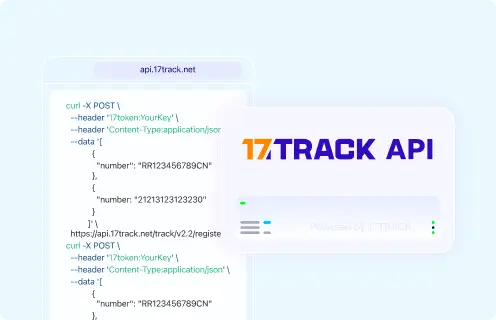
ESP describes business API connectivity for overseas forwarders through its E-NACCS system, but the cited public service page does not provide a consumer tracking endpoint, authentication specification or public request schema. Businesses should obtain active integration documentation directly from ESP. For multi-carrier tracking, use the current 17TRACK API documentation. The ESP-specific 17TRACK carrier code is left as a placeholder rather than guessed.
# 1. ESP official business API
# ESP states that its E-NACCS system can integrate with overseas
# forwarders by API. Obtain the current endpoint, method,
# credentials and request schema directly through ESP.
# Current public official consumer tracking API specification
# is not included in the cited public service documentation.

# 2. 17TRACK multi-carrier API
curl --request POST \
  --url https://api.17track.net/track/v2.4/register \
  --header '17token: YourKey' \
  --header 'Content-Type: application/json' \
  --data '[
    {
      "number": "TRACKING_NUMBER",
      "carrier": "CARRIER_CODE"
    }
  ]'

# Replace TRACKING_NUMBER with the shipment identifier.
# Replace CARRIER_CODE only after confirming the current ESP
# carrier code in 17TRACK documentation or account tools.
Sources & References
17TRACK is an independent tracking platform and is not affiliated with ESP.