SL

SL Tracking

Please enter the SL tracking number to check the latest shipping status.

TRACK

About SL

SL(ShangLiu Logistics or 商流供应链) is the display name used on this tracking guide for Guangzhou Shangliu Supply Chain Management Co., Ltd. The company describes itself as a China-based integrated cross-border ecommerce logistics provider offering planning, consolidation, packaging, sorting, warehousing and fulfillment, international air and sea transport, multimodal transport, commercial courier services, and destination delivery coordination.

SL Company Overview

Company fieldVerified information
Official name广州商流供应链管理有限公司, rendered in English here as Guangzhou Shangliu Supply Chain Management Co., Ltd.
Official websitehttp://www.sl-global56.com/
Carrier typeCross-border logistics and supply-chain provider combining freight forwarding, warehousing, fulfillment, line-haul coordination and local delivery channels.
Primary regionOrigin operations in China, with advertised China–United States, China–Australia, China–Europe and China–Japan routes.
Tracking pageSL logistics query page

Carrier Entity Relationships

EntityEntity type
SLCanonical carrier
View all details for SL
Relationship to SLSL represents Guangzhou Shangliu Supply Chain Management Co., Ltd. in this guide.
Why it matters to trackingThe name identifies the logistics coordinator whose shipment record may connect origin handling, line-haul and destination delivery events.
Official evidenceCompany introduction
International air, sea and commercial courier servicesOperated and coordinated services
View all details for SL services
Relationship to SLSL offers or coordinates international air transport, international sea transport, traditional ecommerce parcels, trade logistics and commercial courier fulfillment.
Why it matters to trackingAvailable scans and delivery speed depend on whether the shipment moves as a parcel, air consignment, sea consignment or warehouse-fulfilled order.
Official evidenceSL company services
ERP and WMSBusiness tracking products
View all details for SL tracking products
Relationship to SLSL describes a self-developed warehouse system integrating ERP and WMS functions.
Why it matters to trackingBusiness customers may see order, warehouse and transport records before a downstream carrier produces a physical acceptance scan.
Official evidenceSL service platform overview
Origin warehouses and transfer warehousesNetwork facilities
View all details for SL facilities
Relationship to SLSL uses domestic pre-positioning, commercial courier storage and border-transfer facilities for consolidation and dispatch.
Why it matters to trackingA warehouse processing event is not necessarily proof that an airline, ocean carrier or last-mile carrier has accepted the physical shipment.
Official evidenceInternational air service
Destination delivery channelsInternational and last-mile partners
View all details for SL destination delivery channels
Relationship to SLSL states that it integrates local courier channels and offers multiple destination delivery options, including 24-hour and 48-hour delivery choices in applicable operations.
Why it matters to trackingThe destination carrier may create the final delivery scan and may issue or expose a separate last-mile identifier.
Official evidenceSL destination-channel description
17TRACKIndependent tracking platform
View all details for the 17TRACK relationship
Relationship to SL17TRACK displays available tracking information from supported carrier data sources; 17TRACK does not transport SL shipments.
Why it matters to tracking17TRACK can simplify multi-carrier visibility, but SL, the contracting shipper and the physical carrier retain control of delivery, claims and shipment changes.
Official evidence17TRACK API documentation

Quick Answer

To track a SL shipment, copy the transport tracking number from the merchant’s shipping notice, SL shipping record or parcel label and enter it on the SL logistics query page or 17TRACK. If no result appears, first remove accidental spaces, distinguish the tracking number from the store order number, and ask the sender whether the parcel has physically left the warehouse.

Pro Tip: A shipment record or label can exist before physical acceptance. 17TRACK is an independent tracking platform and cannot change an address, release customs cargo, arrange delivery, approve a claim or issue a refund.

How to Track SL Packages

Use the SL query entry for shipment-specific records or 17TRACK when you need one view across SL and possible downstream carriers.

  1. Find the transport number in the shipping email, seller account, SL shipping record, waybill or parcel label.
  2. Copy the complete identifier without surrounding punctuation. Keep letters and any country suffix exactly as shown.
  3. Open the SL query page and submit the shipment identifier available to you.
  4. Alternatively, open 17TRACK, paste the number and review carrier detection and available events.
  5. If a destination-carrier number appears after handoff, save both identifiers. One may show international movement while the other shows final-mile delivery.

Where to Find the Correct Identifier

IdentifierHow to use it
Transport tracking numberUse for shipment-event lookup. It normally appears in a dispatch notice, waybill, label or seller logistics record.
Store order numberUse with the merchant’s order system. It is not automatically a carrier tracking number.
Merchant referenceUse when speaking with the seller or SL account representative; ask for the linked transport number.
Partner or last-mile numberUse after destination handoff when the local delivery network exposes a separate identifier.
Warehouse or label IDMay identify an order inside ERP or WMS records but does not by itself prove physical carrier acceptance.

SL Tracking Number Formats and Examples

Use the exact identifier supplied with the shipment. The cited SL service pages do not establish a universal length, prefix or prefix-to-service map, and a number accepted by SL may have been issued by a merchant, freight partner or destination carrier.

Tracking Number Format

Identifier familyNormalized pattern
SL shipment identifierCopy exactly from the shipping record; remove only accidental surrounding spaces.
View all details for the SL shipment identifier
Length/structureUse the complete value shown by SL or the contracting merchant rather than assuming a fixed length.
Issued bySL or the booking workflow used by a SL business customer.
Typical service/useCross-border parcel, fulfillment, air or multimodal shipment lookup.
Who sees it and whereMerchant in the shipping system; buyer in a dispatch message or logistics page.
Tracking scopeCan cover warehouse processing and available transport events associated with the SL record.
Important caveatAn electronic record does not establish that a physical handoff has occurred.
Partner-issued transport numberPreserve letters, digits and any country suffix exactly as issued.
View all details for partner-issued numbers
Length/structureDepends on the airline, postal operator, courier, freight carrier or local delivery network.
Issued byThe physical transport or delivery partner rather than SL.
Typical service/useLine-haul visibility, customs-linked movement or final-mile delivery.
Who sees it and whereMerchant in partner records; recipient after handoff or on a relabeled parcel.
Tracking scopeOften strongest during the issuing partner’s custody stage.
Important caveatSL may display or associate the number without being its issuer.
Destination last-mile identifierUse the mapped local number exactly as displayed after handoff.
View all details for destination last-mile identifiers
Length/structureVaries with the destination network selected for delivery.
Issued byDestination courier, postal operator or delivery contractor.
Typical service/useLocal depot, out-for-delivery, delivery-attempt and delivery scans.
Who sees it and whereRecipient in the local carrier result or merchant’s mapped shipment record.
Tracking scopeUsually destination-country delivery rather than the entire origin journey.
Important caveatKeep the original and mapped numbers because either may be needed for support.
Merchant order or reference IDIllustrative display only: ORDER-####-TEST.
View all details for merchant references
Length/structureMerchant-defined and unrelated to a SL numbering rule.
Issued byMarketplace, online store or seller ERP.
Typical service/useOrder lookup, invoicing and seller support.
Who sees it and whereBuyer in the order confirmation and merchant account.
Tracking scopeOrder status only unless the merchant explicitly maps it to a transport number.
Important caveatDo not submit an order number as a tracking number unless the shipping system instructs you to do so.

SL Tracking Statuses and Meanings

SL shipments can pass through warehouse, export, line-haul, customs, partner-handoff and final-delivery stages. The wording below is a lifecycle interpretation; the exact event text can come from SL or a connected transport partner.

Status Quick Lookup

StatusLifecycle stage
Shipment information receivedPre-shipment
View all details for shipment information received
What it meansA label or electronic order exists, but physical acceptance is not established.
Current responsible partySeller, warehouse or booking party.
What happens nextThe parcel is packed, consolidated and handed to the first physical carrier.
What you should doConfirm dispatch with the seller if the status does not progress.
Received at warehouseAccepted or fulfillment
View all details for warehouse receipt
What it meansThe shipment is in a warehouse workflow for inspection, consolidation, packing or dispatch.
Current responsible partySL or its contracted warehouse operation.
What happens nextSorting, documentation and route assignment precede line-haul dispatch.
What you should doMonitor the next departure event; the sender should correct documentation issues.
Departed origin facilityIn transit
View all details for origin departure
What it meansThe cargo has left an origin processing point for a gateway or line-haul movement.
Current responsible partySL-arranged transport provider.
What happens nextGateway processing, export controls or departure loading.
What you should doAllow for a scan gap while consolidated cargo moves between facilities.
Customs processingCustoms or security
View all details for customs processing
What it meansA customs or security authority is reviewing the shipment or its declaration.
Current responsible partyCustoms authority, broker and importer for requested information.
What happens nextRelease, document request, duty assessment, inspection or refusal.
What you should doRespond through the merchant or broker if documents, tax or product information are requested.
Transferred to destination carrierPartner handoff
View all details for destination handoff
What it meansThe destination network is receiving or has received responsibility for local processing.
Current responsible partyResponsibility transfers only when the destination carrier accepts the physical parcel.
What happens nextA local depot or delivery scan should appear, sometimes under a mapped number.
What you should doTrack both identifiers and distinguish electronic pre-advice from a physical acceptance scan.
Out for deliveryFinal mile
View all details for out for delivery
What it meansThe parcel is assigned to a local delivery route.
Current responsible partyDestination last-mile carrier.
What happens nextDelivery, a delivery attempt or a local exception.
What you should doKeep the address accessible and follow instructions from the local carrier.
DeliveredCompleted
View all details for delivered
What it meansThe delivery network recorded completion at an address, reception point or authorized location.
Current responsible partyDestination carrier for delivery evidence; merchant for order-resolution support.
What happens nextThe shipment closes unless delivery is disputed.
What you should doCheck the delivery location, household, reception, neighbors and delivery evidence before escalating.
Delivery exception or failed attemptException
View all details for delivery exceptions
What it meansDelivery was interrupted by access, address, recipient, weather or operational conditions.
Current responsible partyLocal carrier, with recipient action where requested.
What happens nextRedelivery, pickup, address review or return processing.
What you should doFollow the local carrier’s instructions promptly and notify the sender if the address is wrong.
Return in progressReturn
View all details for return in progress
What it meansThe shipment is moving away from the recipient after refusal, failed delivery, customs action or another return reason.
Current responsible partyReturn carrier and contracting shipper.
What happens nextReturn transport, warehouse receipt and merchant disposition.
What you should doContact the seller about reshipment or refund; 17TRACK cannot reverse the return.

SL Services and Delivery Times

SL advertises international air and sea transport, commercial courier fulfillment, traditional ecommerce parcels, and dedicated routes from China to the United States, Australia, Europe and Japan. Published route times are service descriptions rather than universal delivery guarantees.

Service Comparison

ServiceService type
International air transportCross-border air and multimodal logistics
View all details for international air transport
Best forCross-border ecommerce cargo requiring scheduled air movement and coordinated clearance.
CoverageRoutes described for the United States, Australia, Europe and Japan.
Tracking levelSL states that parcels can be queried and monitored through the route.
Key size/weight conditionAcceptance depends on the booked route and cargo characteristics.
Included protection/extra serviceWarehousing, sorting, clearance coordination and destination-channel integration may be included in the logistics solution.
Main limitationCustoms, flight capacity and partner scans affect end-to-end visibility and timing.
International sea transportOcean freight and localized fulfillment support
View all details for international sea transport
Best forInventory replenishment and larger commercial consignments where ocean transport is suitable.
CoverageInternational transport with an official service description focused on United States localization.
Tracking levelSL describes queryable logistics movement and ERP integration.
Key size/weight conditionConditions depend on freight booking, cargo type and shipment plan.
Included protection/extra serviceWarehouse and fulfillment coordination can support localized dispatch.
Main limitationPort schedules, consolidation, customs and warehouse receiving create longer scan intervals than parcel delivery.
Commercial courier fulfillmentWarehouse storage and one-piece dispatch
View all details for commercial courier fulfillment
Best forCross-border sellers needing inventory handling, order processing and dispatch.
CoverageDomestic origin handling and overseas fulfillment networks described by SL.
Tracking levelWarehouse records plus available downstream transport events.
Key size/weight conditionSolutions are customized according to weight, dimensions, turnaround and timing requirements.
Included protection/extra servicePackaging, storage, sorting, ERP/WMS support and return handling can be part of the solution.
Main limitationWarehouse-order status and physical carrier acceptance are separate milestones.
Dedicated cross-border routesChina–United States, China–Australia, China–Europe and China–Japan lines
View all details for dedicated cross-border routes
Best forDirect ecommerce parcels and seller inventory movements on the advertised corridors.
CoverageUnited States nationwide delivery, European Union countries and Japan nationwide delivery are described on the air-service page; Australia is listed as a dedicated route.
Tracking levelSL advertises full-process monitoring and queryable parcels on applicable routes.
Key size/weight conditionRoute eligibility depends on product type, total weight and booked handling model.
Included protection/extra serviceRoute-specific clearance and destination delivery coordination.
Main limitationPublished route claims apply only to eligible bookings and do not remove customs or destination exceptions.

Delivery Time

ServicePublished delivery standard
China–United States line6–12 days for the cited direct-delivery service.
View delivery conditions for the China–United States line
Business or calendar daysThe official page states days without defining a business-day convention.
Guarantee statusTreat the range as a published service claim, not a universal money-back guarantee.
Starts counting fromThe route description connects timing with cargo received into the applicable SL workflow.
Main delay factorsWarehouse cutoff, flight loading, T86 processing where applicable, destination handoff and address quality.
Official source date/validityCurrent service-page description; confirm the booked quotation and contract.
China–Europe line10–15 days to European countries for the cited route.
View delivery conditions for the China–Europe line
Business or calendar daysThe official page states days without defining a business-day convention.
Guarantee statusThe range is a route description rather than a documented universal refund guarantee.
Starts counting fromUse the accepted booking milestone defined in the merchant’s SL shipment record.
Main delay factorsFlight scheduling, import data, customs review, taxes and final-mile network capacity.
Official source date/validityCurrent service-page description; route eligibility should be checked at booking.
China–Japan line3–5 days to Japan for the cited dedicated route.
View delivery conditions for the China–Japan line
Business or calendar daysThe official page states days without defining a business-day convention.
Guarantee statusThe route page presents a performance claim; shipment contracts determine enforceable commitments.
Starts counting fromUse the accepted route milestone shown in the applicable booking record.
Main delay factorsFlight cutoff, customs review, cargo eligibility, island or remote delivery and local holidays.
Official source date/validityCurrent service-page description; confirm terms for the actual shipment.
International sea transportCalculated by origin, destination, sailing, customs and fulfillment plan.
View delivery conditions for international sea transport
Business or calendar daysThe shipment quotation and sailing plan should define the working convention.
Guarantee statusUse the contract rather than assuming a parcel-style guarantee.
Starts counting fromCommon milestones include warehouse acceptance, consolidation close or vessel departure; verify the booking.
Main delay factorsConsolidation, port congestion, vessel schedule, customs, drayage and destination receiving.
Official source date/validityService scope is described on the current SL sea-service page.

Destination Country Delivery Times

Destination Country / RegionEstimated Delivery Time Range
United States6–12 days on the cited China–United States route.
View all details for United States delivery
Primary Service TypeDedicated cross-border air line and commercial courier fulfillment.
Average Delivery DaysPublished-range midpoint: approximately 9 days; this is not a measured shipment average.
Last-Mile Partner / Handoff CarrierLocal delivery channel selected for the shipment; use the mapped carrier shown in tracking.
Customs & Clearance TipsEnsure the product description, value, importer data and any route-specific T86 information are accurate.
Japan3–5 days on the cited China–Japan route.
View all details for Japan delivery
Primary Service TypeDedicated China–Japan air and local delivery route.
Average Delivery DaysPublished-range midpoint: approximately 4 days; this is not a measured shipment average.
Last-Mile Partner / Handoff CarrierSL-arranged local delivery operation or partner identified in the shipment record.
Customs & Clearance TipsUse accurate Japanese recipient details, product description and declared value; remote islands can require additional delivery time.
Germany10–15 days on the cited China–Europe route.
View all details for Germany delivery
Primary Service TypeChina–Europe dedicated line.
Average Delivery DaysPublished-range midpoint: approximately 12.5 days; not a measured average.
Last-Mile Partner / Handoff CarrierDestination delivery network shown after handoff.
Customs & Clearance TipsMatch VAT and ecommerce import data to the commercial declaration; monitor the first destination-carrier scan after release.
France10–15 days on the cited China–Europe route.
View all details for France delivery
Primary Service TypeChina–Europe dedicated line.
Average Delivery DaysPublished-range midpoint: approximately 12.5 days; not a measured average.
Last-Mile Partner / Handoff CarrierDestination delivery network shown in tracking.
Customs & Clearance TipsProvide consistent recipient, value and tax data; customs arrival does not mean customs release.
Spain10–15 days on the cited China–Europe route.
View all details for Spain delivery
Primary Service TypeChina–Europe dedicated line.
Average Delivery DaysPublished-range midpoint: approximately 12.5 days; not a measured average.
Last-Mile Partner / Handoff CarrierLocal network identified after destination handoff.
Customs & Clearance TipsUse complete recipient and import data; island destinations may add transfer time.
Italy10–15 days on the cited China–Europe route.
View all details for Italy delivery
Primary Service TypeChina–Europe dedicated line.
Average Delivery DaysPublished-range midpoint: approximately 12.5 days; not a measured average.
Last-Mile Partner / Handoff CarrierDestination network displayed in shipment tracking.
Customs & Clearance TipsEnsure value, product description and tax records agree across the order and customs declaration.
Netherlands10–15 days on the cited China–Europe route.
View all details for Netherlands delivery
Primary Service TypeChina–Europe dedicated line.
Average Delivery DaysPublished-range midpoint: approximately 12.5 days; not a measured average.
Last-Mile Partner / Handoff CarrierSL-arranged European delivery channel shown after handoff.
Customs & Clearance TipsA gateway scan can precede onward movement to another European destination; keep tax and declaration data consistent.
Belgium10–15 days on the cited China–Europe route.
View all details for Belgium delivery
Primary Service TypeChina–Europe dedicated line.
Average Delivery DaysPublished-range midpoint: approximately 12.5 days; not a measured average.
Last-Mile Partner / Handoff CarrierDestination carrier identified by the mapped tracking record.
Customs & Clearance TipsDo not treat arrival at a European gateway as final customs release or local-carrier acceptance.
Austria10–15 days on the cited China–Europe route.
View all details for Austria delivery
Primary Service TypeChina–Europe dedicated line.
Average Delivery DaysPublished-range midpoint: approximately 12.5 days; not a measured average.
Last-Mile Partner / Handoff CarrierLocal delivery network shown after import processing.
Customs & Clearance TipsAccurate recipient contact and tax data help resolve import requests and failed-delivery notices.
Poland10–15 days on the cited China–Europe route.
View all details for Poland delivery
Primary Service TypeChina–Europe dedicated line.
Average Delivery DaysPublished-range midpoint: approximately 12.5 days; not a measured average.
Last-Mile Partner / Handoff CarrierDestination network shown in the shipment record.
Customs & Clearance TipsAllow for transfer from an entry gateway to the Polish delivery network and retain both tracking numbers.
Sweden10–15 days on the cited China–Europe route.
View all details for Sweden delivery
Primary Service TypeChina–Europe dedicated line.
Average Delivery DaysPublished-range midpoint: approximately 12.5 days; not a measured average.
Last-Mile Partner / Handoff CarrierLocal carrier selected for the booked route.
Customs & Clearance TipsRecipient tax or payment requests can pause delivery; verify requests through the identified destination carrier.
Denmark10–15 days on the cited China–Europe route.
View all details for Denmark delivery
Primary Service TypeChina–Europe dedicated line.
Average Delivery DaysPublished-range midpoint: approximately 12.5 days; not a measured average.
Last-Mile Partner / Handoff CarrierDestination delivery network shown after handoff.
Customs & Clearance TipsUse a reachable recipient telephone number and monitor payment or document requests.
Finland10–15 days on the cited China–Europe route.
View all details for Finland delivery
Primary Service TypeChina–Europe dedicated line.
Average Delivery DaysPublished-range midpoint: approximately 12.5 days; not a measured average.
Last-Mile Partner / Handoff CarrierLocal network displayed in the mapped tracking result.
Customs & Clearance TipsRemote destinations and import-information requests can extend final delivery after gateway arrival.
Ireland10–15 days on the cited China–Europe route.
View all details for Ireland delivery
Primary Service TypeChina–Europe dedicated line.
Average Delivery DaysPublished-range midpoint: approximately 12.5 days; not a measured average.
Last-Mile Partner / Handoff CarrierDestination network shown after the European handoff.
Customs & Clearance TipsConfirm that the destination-country tax and address data are correct rather than assuming an EU gateway completed Irish delivery processing.
Portugal10–15 days on the cited China–Europe route.
View all details for Portugal delivery
Primary Service TypeChina–Europe dedicated line.
Average Delivery DaysPublished-range midpoint: approximately 12.5 days; not a measured average.
Last-Mile Partner / Handoff CarrierLocal delivery carrier exposed by the shipment record.
Customs & Clearance TipsComplete import and recipient data reduce avoidable document holds; island delivery can add a transfer stage.
Czech Republic10–15 days on the cited China–Europe route.
View all details for Czech Republic delivery
Primary Service TypeChina–Europe dedicated line.
Average Delivery DaysPublished-range midpoint: approximately 12.5 days; not a measured average.
Last-Mile Partner / Handoff CarrierSL-arranged destination carrier identified after handoff.
Customs & Clearance TipsRetain the original identifier during cross-border transfer and use the mapped number for local delivery enquiries.
Hungary10–15 days on the cited China–Europe route.
View all details for Hungary delivery
Primary Service TypeChina–Europe dedicated line.
Average Delivery DaysPublished-range midpoint: approximately 12.5 days; not a measured average.
Last-Mile Partner / Handoff CarrierLocal delivery network displayed in tracking.
Customs & Clearance TipsMonitor for destination tax, document or address requests before local dispatch.
Romania10–15 days on the cited China–Europe route.
View all details for Romania delivery
Primary Service TypeChina–Europe dedicated line.
Average Delivery DaysPublished-range midpoint: approximately 12.5 days; not a measured average.
Last-Mile Partner / Handoff CarrierDestination carrier selected for the booked route.
Customs & Clearance TipsAccurate importer contact information is important if the local broker or carrier requests supporting documents.
Greece10–15 days on the cited China–Europe route.
View all details for Greece delivery
Primary Service TypeChina–Europe dedicated line.
Average Delivery DaysPublished-range midpoint: approximately 12.5 days; not a measured average.
Last-Mile Partner / Handoff CarrierLocal delivery network identified in the mapped result.
Customs & Clearance TipsIsland or remote-area delivery may require an extra transfer after import release.
Slovakia10–15 days on the cited China–Europe route.
View all details for Slovakia delivery
Primary Service TypeChina–Europe dedicated line.
Average Delivery DaysPublished-range midpoint: approximately 12.5 days; not a measured average.
Last-Mile Partner / Handoff CarrierSL-arranged destination network shown after handoff.
Customs & Clearance TipsA European gateway event may be followed by cross-border road transfer before the local acceptance scan.
Slovenia10–15 days on the cited China–Europe route.
View all details for Slovenia delivery
Primary Service TypeChina–Europe dedicated line.
Average Delivery DaysPublished-range midpoint: approximately 12.5 days; not a measured average.
Last-Mile Partner / Handoff CarrierDestination network identified in tracking.
Customs & Clearance TipsKeep order value, product description and recipient details aligned with the customs declaration.
Croatia10–15 days on the cited China–Europe route.
View all details for Croatia delivery
Primary Service TypeChina–Europe dedicated line.
Average Delivery DaysPublished-range midpoint: approximately 12.5 days; not a measured average.
Last-Mile Partner / Handoff CarrierLocal carrier displayed after destination processing.
Customs & Clearance TipsCoastal and island addresses may add domestic transfer time after clearance.
Bulgaria10–15 days on the cited China–Europe route.
View all details for Bulgaria delivery
Primary Service TypeChina–Europe dedicated line.
Average Delivery DaysPublished-range midpoint: approximately 12.5 days; not a measured average.
Last-Mile Partner / Handoff CarrierDestination carrier exposed in the shipment record.
Customs & Clearance TipsRespond promptly if recipient identification or import evidence is requested.
Lithuania10–15 days on the cited China–Europe route.
View all details for Lithuania delivery
Primary Service TypeChina–Europe dedicated line.
Average Delivery DaysPublished-range midpoint: approximately 12.5 days; not a measured average.
Last-Mile Partner / Handoff CarrierLocal network identified after handoff.
Customs & Clearance TipsTrack the first local acceptance scan separately from the European gateway arrival event.
Latvia10–15 days on the cited China–Europe route.
View all details for Latvia delivery
Primary Service TypeChina–Europe dedicated line.
Average Delivery DaysPublished-range midpoint: approximately 12.5 days; not a measured average.
Last-Mile Partner / Handoff CarrierDestination carrier shown in tracking.
Customs & Clearance TipsUse complete address and telephone information and retain both origin and local identifiers.
Estonia10–15 days on the cited China–Europe route.
View all details for Estonia delivery
Primary Service TypeChina–Europe dedicated line.
Average Delivery DaysPublished-range midpoint: approximately 12.5 days; not a measured average.
Last-Mile Partner / Handoff CarrierLocal delivery network identified by the mapped shipment record.
Customs & Clearance TipsCustoms release and destination-carrier receipt are separate events and may have a visibility gap.
Luxembourg10–15 days on the cited China–Europe route.
View all details for Luxembourg delivery
Primary Service TypeChina–Europe dedicated line.
Average Delivery DaysPublished-range midpoint: approximately 12.5 days; not a measured average.
Last-Mile Partner / Handoff CarrierSL-arranged destination network displayed after handoff.
Customs & Clearance TipsA neighboring-country gateway or sorting event can precede final local delivery.
Malta10–15 days on the cited China–Europe route.
View all details for Malta delivery
Primary Service TypeChina–Europe dedicated line.
Average Delivery DaysPublished-range midpoint: approximately 12.5 days; not a measured average.
Last-Mile Partner / Handoff CarrierDestination carrier shown in the shipment record.
Customs & Clearance TipsIsland transfer, customs review and local delivery schedules can add time after the main European gateway.
Cyprus10–15 days on the cited China–Europe route.
View all details for Cyprus delivery
Primary Service TypeChina–Europe dedicated line.
Average Delivery DaysPublished-range midpoint: approximately 12.5 days; not a measured average.
Last-Mile Partner / Handoff CarrierLocal carrier identified after destination handoff.
Customs & Clearance TipsIsland routing and import processing may create a gap between gateway arrival and local acceptance.

The country rows apply SL’s published route ranges to destinations covered by the cited United States, Japan and European services. Midpoints are simple calculations from those ranges, not observed averages or guarantees. Actual delivery can shift with booking cutoff, cargo eligibility, flight or sailing capacity, customs, holidays, remote delivery and partner handoff.

Common SL Tracking Problems and Solutions

Start with the latest physical scan and identify the party holding the parcel. Sellers control order data and booking support, SL coordinates the contracted logistics flow, customs controls release, and the destination carrier controls final delivery.

Problem & Solution

Problem/status shownLikely cause
Invalid number or no resultOrder number used instead of transport number, typing error, new record or wrong carrier.
View actions for an invalid SL number
Check firstCompare the value with the label or dispatch message and preserve all letters.
Immediate actionTry the SL query page and 17TRACK, then request the transport number from the seller.
When to escalateEscalate when the seller states physical dispatch occurred but cannot provide a traceable transport record.
Who to contactSeller or contracting SL account holder.
Shipment information received onlyElectronic booking exists while the parcel remains with the seller or warehouse.
View actions for pre-shipment tracking
Check firstLook for a physical warehouse-receipt or departure event.
Immediate actionAsk the sender for the actual handoff date.
When to escalateUse the dispatch commitment in the purchase or shipping agreement.
Who to contactMerchant or origin warehouse.
Long gap in transitConsolidated movement, flight or vessel transit, customs processing or missing partner scan.
View actions for a long tracking gap
Check firstIdentify whether the last event was warehouse, export, line-haul or customs-related.
Immediate actionTrack any associated partner number and compare progress with the booked service range.
When to escalateEscalate through the sender when the shipment exceeds the contracted route expectation or an exception appears.
Who to contactContracting shipper or SL account support.
Partner awaiting handoffDestination carrier has electronic pre-advice but no physical acceptance scan.
View actions for a partner handoff delay
Check firstFind a destination-carrier acceptance event rather than relying on pre-advice.
Immediate actionContinue tracking the original number while SL completes transfer.
When to escalateAsk the sender to investigate when the transfer exceeds the booked service window.
Who to contactSender or SL before physical acceptance; local carrier after acceptance.
Customs holdDocument, value, tax, product, security or inspection requirement.
View actions for a customs hold
Check firstReview notices from the broker, merchant, customs authority or destination carrier.
Immediate actionProvide requested invoice, product description, identification or tax payment through the verified channel.
When to escalateEscalate immediately if a formal deadline, refusal or document request is issued.
Who to contactMerchant, broker or customs contact named in the notice.
Address problem or failed deliveryIncomplete address, restricted access, unavailable recipient or local delivery rule.
View actions for address and delivery problems
Check firstConfirm the label address and identify the destination carrier.
Immediate actionFollow the destination carrier’s redelivery or pickup instruction where offered.
When to escalateAct before the parcel enters return processing.
Who to contactDestination carrier for delivery; sender for label errors.
Pickup requiredThe local carrier could not complete delivery or routed the parcel to a service point.
View actions for pickup-required shipments
Check firstRead the local event for location, identification and collection instructions.
Immediate actionCollect through the destination carrier’s authorized location.
When to escalateEscalate before the local carrier’s stated collection deadline.
Who to contactDestination carrier or pickup facility.
Delivered but not receivedSafe-place delivery, reception acceptance, neighbor delivery, premature scan or misdelivery.
View actions for delivered but not received
Check firstCheck entrances, parcel areas, household members, reception, neighbors and available delivery evidence.
Immediate actionContact the destination carrier with the local number and ask the merchant to preserve shipment records.
When to escalateEscalate promptly if the carrier cannot locate the parcel or the delivery location is inconsistent.
Who to contactDestination carrier first, then seller for investigation or order resolution.
Lost or damagedPhysical loss, handling damage, missing contents or packaging failure.
View actions for lost or damaged SL shipments
Check firstPreserve packaging, labels, contents, photos, invoice and tracking history.
Immediate actionNotify the seller and the contracting SL account holder before disposing of evidence.
When to escalateUse the booking contract’s notice and claim deadlines.
Who to contactSeller or contracting shipper; 17TRACK cannot adjudicate claims.
Return to senderFailed delivery, refusal, customs outcome, prohibited cargo or address issue.
View actions for returned SL shipments
Check firstRead the first return-reason event and determine whether physical return movement has started.
Immediate actionAsk the merchant whether interception remains possible under the active carrier’s rules.
When to escalateEscalate before disposal, abandonment or return completion if a formal notice gives a deadline.
Who to contactMerchant and contracting SL account holder.

SL International Shipping, Customs and Carrier Handoffs

SL coordinates multiple stages rather than acting as the sole physical carrier at every point. Electronic data transfer, physical custody transfer and the first acceptance scan are separate events.

International Flow

StagePhysical custodian/responsible entity
Order and label creationMerchant or fulfillment warehouse
View order and label details
Typical tracking eventShipment information received.
What is happeningShipment data is created before physical movement.
Can the tracking number change?A transport or partner number can be added later.
Normal visibility gapUntil warehouse receipt or first carrier acceptance.
What the customer should doAsk the seller for physical dispatch confirmation if progress stops.
Origin warehouse processingSL or contracted warehouse
View origin warehouse details
Typical tracking eventReceived, sorted, packed or dispatched from warehouse.
What is happeningCargo is checked, consolidated and assigned to a route.
Can the tracking number change?A consolidated or downstream carrier identifier may be associated.
Normal visibility gapBetween internal warehouse completion and external carrier scan.
What the customer should doMerchants should correct product and declaration data before export.
Export processingSL-arranged carrier, broker and export authorities
View export processing details
Typical tracking eventExport declaration, gateway receipt or departure preparation.
What is happeningDocuments, security controls and transport loading are completed.
Can the tracking number change?The shipment may gain an airline, freight or partner reference.
Normal visibility gapConsolidated freight may not receive parcel-level scans at each step.
What the customer should doThe sender should respond to compliance requests.
International line-haulAirline, ocean carrier or multimodal provider
View international line-haul details
Typical tracking eventDeparted origin, in transit or arrived at destination gateway.
What is happeningThe shipment moves internationally, often inside a consolidated load.
Can the tracking number change?The customer-facing number can remain while internal freight references change.
Normal visibility gapDuring flight, sailing or transfer between unlinked systems.
What the customer should doMonitor the route range and avoid interpreting a scan gap as proof of loss.
Destination gatewayGround handler, destination warehouse or exchange facility
View destination gateway details
Typical tracking eventArrived at destination facility or import gateway.
What is happeningCargo is unloaded, reconciled and prepared for import processing.
Can the tracking number change?A local identifier may be created.
Normal visibility gapBetween unloading, manifest reconciliation and parcel induction.
What the customer should doDo not equate gateway arrival with customs release.
Import customsCustoms authority, broker and importer
View import customs details
Typical tracking eventCustoms processing, held, released or documentation requested.
What is happeningAuthorities evaluate admissibility, declaration data and taxes.
Can the tracking number change?Usually the identifier is mapped rather than replaced solely because of customs.
Normal visibility gapNo fixed clearance duration applies to every shipment.
What the customer should doRespond only through verified merchant, broker, carrier or customs channels.
Partner handoffSL-arranged transfer operation until destination-carrier acceptance
View partner handoff details
Typical tracking eventPre-advised to carrier, transferred, accepted by destination carrier.
What is happeningElectronic data may arrive before the physical parcel; responsibility changes at actual acceptance.
Can the tracking number change?Yes, a mapped last-mile number can appear.
Normal visibility gapBetween customs release, transport to the induction point and first local scan.
What the customer should doSave both numbers and check which carrier has produced the latest physical scan.
Final mileDestination delivery carrier
View final-mile details
Typical tracking eventAt local depot, out for delivery, attempted or delivered.
What is happeningThe local carrier sorts and delivers to the recipient.
Can the tracking number change?The local carrier may use its own mapped identifier.
Normal visibility gapBetween induction and local sorting, especially on weekends or holidays.
What the customer should doUse the destination carrier for redelivery, pickup and delivery-evidence questions.

SL Delivery Management and Post-shipment Options

Delivery changes depend on the active destination carrier and shipment contract. SL describes cross-channel return handling and destination delivery integration, but users should not assume that an address change or interception will succeed after dispatch.

Delivery Management

OptionWho can request
Pre-dispatch address correctionMerchant or contracting SL account holder
View address-correction details
EligibilityShipment must remain editable in the merchant or warehouse workflow.
Deadline/available stageRequest before route dispatch or label lock.
FeeDetermined by the booking agreement and reprocessing required.
Guaranteed?No; acceptance depends on shipment stage and carrier rules.
Official action linkSL website
Destination redelivery or pickupRecipient, where the destination carrier permits
View redelivery and pickup details
EligibilityAvailable only under the identified local carrier’s rules.
Deadline/available stageUsually after a local induction or delivery-attempt event and before return.
FeeControlled by the local carrier.
Guaranteed?No; operational and identity checks apply.
Official action linkUse the destination carrier named in the tracking result.
Commercial return handlingMerchant or SL business customer
View commercial return-handling details
EligibilityDepends on the merchant’s fulfillment and return solution.
Deadline/available stageFollow the merchant’s return authorization and warehouse instructions.
FeeDefined by the merchant’s SL service agreement.
Guaranteed?No; return acceptance and disposition depend on product and contract conditions.
Official action linkSL commercial courier service

SL Lost, Damaged, Claims, Insurance and Refunds

A tracking inquiry, transport investigation, cargo claim and merchant refund are different processes. The contracting shipper should follow the applicable quotation, service contract and downstream carrier terms.

Claims and Refunds

ProcessUse when
Tracking investigationEvents stop, conflict or do not show the current physical custodian.
View tracking investigation details
Who filesContracting shipper or SL account holder.
Earliest/latest filing timeUse the service contract and escalate when the booked route expectation is exceeded or an exception requires action.
Required evidenceTracking number, booking record, dispatch date, last scan and consignee details.
Possible outcomeStatus clarification, partner trace, document request or confirmation of delay.
Official linkSL website
Loss, damage or missing-content claimThe shipment is declared lost, arrives damaged or has missing contents.
View cargo claim details
Who filesUsually the contracting shipper, subject to the booked transport terms.
Earliest/latest filing timeFollow the shipment contract and active carrier’s notice and claim windows.
Required evidenceWaybill, invoice, value proof, photos, packaging, damage record and contents description.
Possible outcomeInvestigation, evidence request, settlement under applicable liability terms or denial.
Official linkSL company information
Merchant order refundThe buyer seeks reimbursement for an undelivered, damaged or incorrect ecommerce order.
View merchant refund details
Who filesBuyer through the seller or marketplace.
Earliest/latest filing timeFollow the seller or marketplace purchase-protection deadline.
Required evidenceOrder number, tracking, photos, delivery dispute details and seller correspondence.
Possible outcomeReplacement, refund, rejection or further investigation under the sales agreement.
Official linkUse the original merchant or marketplace order channel.

Keep the package, inner cushioning, shipping label and damaged contents until the responsible party confirms that inspection is unnecessary. 17TRACK cannot approve compensation, insurance, postage refunds or merchant refunds.

SL Shipping Restrictions and Special Handling

Cargo eligibility is route-specific. SL states that certain dedicated routes can accept ordinary goods and selected special goods, including magnetic items, battery-powered goods, liquids or powders, but this is not blanket approval for every product, quantity, packaging method or transport mode.

Shipping Restrictions

CategoryProhibited or restricted
Battery-powered and magnetic goodsRestricted and route-dependent
View battery and magnetic-goods details
Typical examplesProducts containing batteries or magnets.
Key condition/packagingDeclare the product accurately and obtain route approval before dispatch.
Transport limitationAirline, security, destination and dangerous-goods rules can restrict carriage.
Possible tracking/delivery impactScreening, route change, rejection or return can delay scans.
Official rulesSL route descriptions
Liquids and powdersRestricted and subject to product review
View liquid and powder details
Typical examplesConsumer liquids, cosmetic formulations and powdered products.
Key condition/packagingComposition, leak prevention, labeling and supporting documents must satisfy the booked route.
Transport limitationSome substances may be dangerous, controlled or incompatible with air transport.
Possible tracking/delivery impactInspection or reclassification can stop warehouse dispatch or customs release.
Official rulesSL international air service
Electronic cigarettesSpecialized handling and legal-compliance controls
View electronic-cigarette handling details
Typical examplesElectronic-cigarette products booked under the specialized service described by SL.
Key condition/packagingRequires product review, compliant storage and route-specific clearance arrangements.
Transport limitationLegal, aviation, battery, age-restriction and destination rules apply.
Possible tracking/delivery impactCompliance review can prevent induction or cause return if requirements are not met.
Official rulesSL China–United States route information
General merchandiseAccepted only when lawful and compatible with the selected route
View general-merchandise details
Typical examplesOrdinary ecommerce merchandise.
Key condition/packagingUse protective packaging and an accurate commercial description and value.
Transport limitationExport, import, intellectual-property and carrier rules still apply.
Possible tracking/delivery impactIncorrect declarations can cause warehouse holds, customs requests or return.
Official rulesSL service overview

SL Customer Service

For the fastest resolution, recipients should begin with the seller and the carrier shown in the latest physical scan. Contracting merchants can use their SL account relationship for booking, warehouse, customs-coordination and partner-trace questions.

Customer Service

ChannelVerified contact/link
Shipment querySL logistics query page
View shipment-query channel details
Best forChecking a SL-linked shipment record.
Region/languageOfficial Chinese-language website.
Hours and time zoneWeb access; staff response arrangements follow the customer account relationship.
Information to prepareTracking number and any linked order or partner number.
Important limitationA query result cannot itself change delivery or customs processing.
SL website and account accessSL official website
View SL website channel details
Best forService information, account login, registration and quote or logistics-query entry points.
Region/languageChina-origin business users; Chinese interface.
Hours and time zoneWeb access; operational support follows the applicable account arrangement.
Information to prepareCustomer account, shipment reference, service route and dispatch details.
Important limitationRecipients without a direct SL contract may need the merchant to open an investigation.
Destination carrierUse the carrier and local identifier displayed after physical handoff.
View destination-carrier support details
Best forDelivery attempts, pickup, local-depot status and delivery evidence.
Region/languageDestination-country support channels and languages.
Hours and time zoneFollow the identified local carrier’s current schedule.
Information to prepareLocal tracking number, recipient address and latest delivery scan.
Important limitationThe local carrier may be unable to change merchant data or investigate origin movement.

Prepare the tracking number, partner number, order reference, booking date, service route, sender and recipient addresses, latest scan, contents description, declared value, invoice, and damage photographs where relevant.

SL Ecommerce and Business Tracking

SL describes ERP/WMS integration, multi-channel inventory, unified order processing and return handling. Businesses needing normalized multi-carrier tracking, batch registration and webhook workflows can separately evaluate 17TRACK’s API.

Developer/API Comparison

OptionProvider
ERP/WMS business integrationSL
View all details for SL business integration
Carrier coverageSL warehouse, order and logistics workflows under the contracted solution.
Primary useInventory, order, fulfillment and transport-process coordination.
AuthenticationDefined through the SL business account and integration project.
Tracking/batch/webhook capabilityThe cited pages describe ERP connectivity and informationized operations without publishing a public endpoint workflow.
Current developer documentationSL international sea service and ERP connection description
Migration/deprecation noteUse the current account integration specification supplied for the contracted implementation.
Multi-carrier tracking API17TRACK
View all details for the 17TRACK API
Carrier coverageMulti-carrier tracking subject to supported carrier integrations.
Primary useCentralized shipment registration, normalized tracking and exception workflows.
Authentication17token request header.
Tracking/batch/webhook capabilityAPI functions are documented for shipment registration and related tracking workflows.
Current developer documentation17TRACK API documentation
Migration/deprecation noteImplement against the current documented API version and monitor provider notices.

SL FAQ

1. How do I track my SL package?

Enter the transport tracking number on the official SL logistics query page or track it with 17TRACK. Use any mapped destination-carrier number when final-mile events begin.

2. Where can I find my SL tracking number?

Look in the merchant’s dispatch email, order logistics page, SL shipping record, waybill or parcel label. Ask the seller for the transport number if you only have an order reference.

3. What does a SL tracking number look like?

Use the complete identifier shown in the shipment record because SL’s cited service pages do not define one universal public format. Do not infer a route or service from a prefix alone.

4. When will the first SL tracking update appear?

The first transport update appears after the relevant warehouse or carrier records the shipment. A label-created event can precede physical acceptance, so ask the sender for the handoff date if only electronic information appears.

5. Why is my SL tracking not updating?

A scan gap can occur during consolidation, flight or vessel movement, customs processing, or transfer to a destination carrier. Check both the original and partner identifiers before asking the contracting shipper to trace the shipment.

6. How long does SL delivery take?

SL publishes 6–12 days for the cited China–United States route, 10–15 days for the cited China–Europe route and 3–5 days for the cited China–Japan route. These route descriptions are not universal guarantees and remain subject to booking and clearance conditions.

7. What should I do after a failed SL delivery attempt?

Follow the identified destination carrier’s redelivery or pickup instructions. Contact the seller if the label address is incorrect or the parcel has started return processing.

8. What should I do if SL tracking says delivered but I cannot find the package?

Check entrances, secure locations, household members, reception and neighbors first. Then request delivery evidence from the destination carrier and ask the seller to open an investigation if the parcel remains missing.

9. How do I report a lost or damaged SL shipment?

Notify the seller or contracting SL account holder and preserve the label, packaging, contents, photographs, invoice and value evidence. The applicable booking contract and physical carrier terms determine the claim process.

10. How do I contact SL about a shipment?

Use the SL website and shipment-query entry, or ask the merchant with the SL account to escalate the case. For local delivery attempts and pickup, contact the destination carrier shown after handoff.

11. Does a SL warehouse scan mean an airline or final-mile carrier has the parcel?

No. A warehouse scan can represent receipt, packing, consolidation or route assignment; look for a departure or physical partner-acceptance event to establish the next custody stage.

12. Why can a SL shipment have two tracking numbers?

A SL shipment can retain an origin record while a line-haul or destination carrier issues a separate identifier. Keep both because the original number may show cross-border movement and the mapped number may show final delivery.

13. Does arrival at a destination gateway mean a SL shipment cleared customs?

No. Gateway arrival means the cargo reached a destination processing point; customs review, release and destination-carrier induction are separate milestones.

14. Who is responsible when the destination carrier is awaiting a SL shipment?

SL or its transfer provider remains responsible for completing the handoff until the destination carrier records physical acceptance. Electronic pre-advice alone does not prove that the local carrier has the parcel.

15. Can SL delivery estimates be treated as guaranteed dates?

No. Published route ranges describe expected service performance, while an enforceable guarantee must come from the shipment quotation or contract and its stated exclusions.

16. Can SL carry batteries, liquids, powders or magnetic goods?

Some SL route descriptions include selected battery-powered, magnetic, liquid and powder goods, but acceptance is product- and route-specific. The merchant must obtain approval and provide accurate composition, packaging and compliance information.

17. How should ecommerce businesses track SL warehouse and transport events?

Businesses should distinguish ERP/WMS order milestones from physical carrier scans and retain mappings among order, SL shipment and partner identifiers. This separation helps identify whether an exception belongs to fulfillment, line-haul, customs or final delivery.

18. Can businesses track SL shipments through an API?

SL describes business ERP integration but the cited service pages do not publish a current public tracking endpoint and authentication workflow. Businesses can obtain integration specifications through their SL account or evaluate the 17TRACK multi-carrier API.

Tracking API

SL describes ERP integration and a self-developed ERP/WMS environment, but a current public official tracking API endpoint is not established by the cited pages. The 17TRACK carrier code for SL should be taken from the current account or carrier-reference data rather than guessed, so the example keeps the CARRIER_CODE placeholder.

# 1. SL official tracking API
# Current public official tracking API not confirmed.
# Obtain any private ERP/WMS integration specification directly
# through the applicable SL business account.

# 2. 17TRACK API
# Documentation: https://api.17track.net/en/doc
# Replace TRACKING_NUMBER, CARRIER_CODE and YourKey.
# Keep CARRIER_CODE as a placeholder until verified.

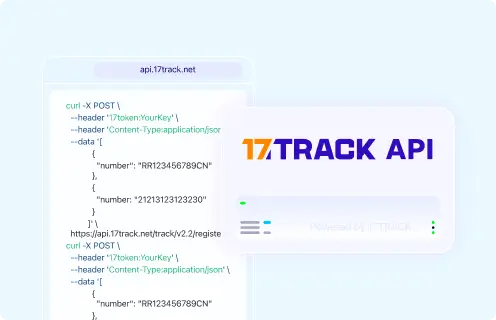
curl --request POST \
  --url https://api.17track.net/track/v2.4/register \
  --header '17token: YourKey' \
  --header 'Content-Type: application/json' \
  --data '[
    {
      "number": "TRACKING_NUMBER",
      "carrier": "CARRIER_CODE"
    }
  ]'

Sources & References

17TRACK is an independent tracking platform and is not affiliated with SL.

A professional and stable global package tracking platform.

17TRACK
Loading