GLS

GLS Tracking

Please enter the GLS tracking number to check the latest shipping status.

TRACK

About GLS

GLS is the parcel logistics brand of General Logistics Systems B.V., a European parcel carrier group providing domestic parcel delivery, cross-border parcel delivery, freight-related services in selected markets, returns and business delivery tools through national GLS companies and partner networks. For tracking, GLS may be the pickup carrier, the cross-border network carrier, the destination delivery carrier, or the visible brand used by a local GLS company.

GLS Overview

FieldVerified information
Official nameGeneral Logistics Systems B.V.; GLS is the operating brand used by the GLS Group and national GLS companies.
Official websitehttps://gls-group.eu/EU/en/home
Carrier typeParcel carrier and logistics network; domestic delivery, international parcel transport, returns and business shipping services vary by country.
Primary regionEurope, with connections to international partner and postal networks for selected cross-border destinations.
Tracking pageGLS Parcel Tracking
Parent organizationInternational Distribution Services plc, the parent group of Royal Mail and GLS.
Founded and headquartersGLS Group traces its formation to 1999; group headquarters information is published by GLS and IDS corporate sources as Amsterdam, the Netherlands.

Carrier Entity Relationships

EntityEntity type
GLSCanonical carrier brand
View all details for GLS
Relationship to GLSGLS is the public carrier brand used by General Logistics Systems B.V. and its national operating companies.
Why it matters to trackingA parcel may show local GLS country events while still being part of the wider GLS network.
Official evidenceGLS Group website and IDS corporate information identify GLS as the parcel logistics group brand.
GLS Parcel TrackingOfficial tracking product
View all details for GLS Parcel Tracking
Relationship to GLSGLS Parcel Tracking is the official consumer tracking interface for GLS parcels and delivery notifications.
Why it matters to trackingThe official page can validate a parcel number, display GLS country events and offer delivery options where available.
Official evidenceThe GLS website provides a parcel tracking page and parcel tracking help content.
Domestic GLS parcel servicesOperated services
View all details for domestic GLS parcel services
Relationship to GLSDomestic parcel services are operated by the relevant national GLS company in its own country.
Why it matters to trackingCustomer service, delivery options, shop pickup and claims rules are usually country-specific.
Official evidenceGLS country websites publish local parcel services, delivery options and contact pages.
International GLS networkNetwork and handoff entity
View all details for the international GLS network
Relationship to GLSThe international GLS network connects national GLS companies and partners for cross-border parcel movement.
Why it matters to trackingA visible gap can occur while a parcel moves between export processing, line-haul and the first import scan.
Official evidenceGLS describes international parcel shipping and European network coverage on its service pages.
Partner and last-mile carriersExternal delivery entities
View all details for GLS partner carriers
Relationship to GLSPartner carriers may transport or deliver parcels in countries, islands, overseas territories or lanes not handled solely by GLS.
Why it matters to trackingA partner scan does not always mean GLS physically holds the parcel at that moment.
Official evidenceGLS tracking and country service pages refer users to local country tools and delivery partners where relevant.
17TRACKIndependent multi-carrier tracking platform
View all details for 17TRACK and GLS
Relationship to GLS17TRACK aggregates available tracking events for GLS and other carriers when a supported number is submitted.
Why it matters to tracking17TRACK helps users compare carrier recognition and follow cross-border handoffs, but it does not transport parcels.
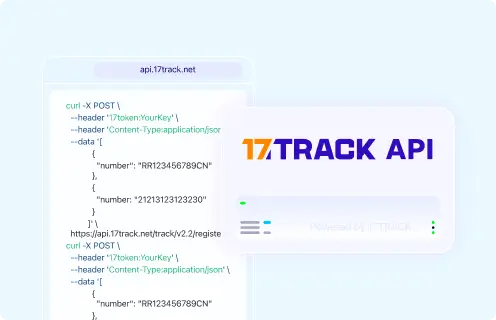
Official evidence17TRACK API documentation describes multi-carrier tracking registration and retrieval workflows.

Quick Answer

To track a GLS package, enter the parcel number from the shipper, order shipment email, GLS delivery notice or label on the official GLS Parcel Tracking page or on 17TRACK. If the result is empty, first check whether the seller has only created a label, whether the number is a marketplace order number rather than a GLS parcel number, and whether a local GLS country site or partner carrier is responsible for the current delivery stage.

Pro Tip: 17TRACK is an independent tracking platform. 17TRACK can display available tracking events and help identify carriers, but 17TRACK cannot change a GLS address, arrange a redelivery, approve a refund, open a GLS claim or speed up customs clearance.

How to Track GLS Packages

GLS tracking works best when you use the parcel number or delivery notification number issued for the shipment, not the merchant order number. The first physical GLS scan usually appears after the parcel is handed to GLS or processed in a GLS depot.

Tracking pathSteps
Official GLS trackingOpen GLS Parcel Tracking, enter the parcel number or notice number, select the correct country page if prompted, and review the latest depot, delivery and delivery-option events.
17TRACK trackingEnter the shipment number on 17TRACK, let carrier recognition detect GLS or a partner, and compare GLS events with any origin, marketplace or last-mile carrier events.
Seller or marketplace order pageUse the order page to confirm the carrier name, shipment date and parcel number; contact the seller if only an order ID is shown.
GLS delivery noticeUse the notification card, email or SMS to find the parcel or notification number and access delivery options such as pickup, redirection or delivery instructions where offered locally.

A tracking number identifies a shipment in the carrier network. An order number identifies your purchase with the seller. A reference number may be created by the shipper. A delivery notice number is usually created after a delivery attempt or notification event. If a number was reused from an old order, copied with spaces incorrectly, or assigned to another carrier, confirm it with the shipper before escalating to GLS.

Tracking Number Formats and Examples

GLS parcel identifiers vary by country, shipper integration and handoff route. A number that can be queried on GLS may be a GLS-issued parcel number, a shipper reference linked to a GLS label, a delivery notice number, or a partner identifier mapped to GLS events.

Tracking Number Format

Identifier familyNormalized pattern
GLS parcel numberCommonly numeric or alphanumeric; remove spaces and hyphens before searching.
View all details for GLS parcel number
Length/structureCountry and system dependent; commonly displayed as a parcel number on a GLS label or shipping email.
Issued byGLS or the national GLS shipping system used by the sender.
Typical service/useDomestic GLS parcel and international GLS parcel movements.
Who sees it and whereShippers see it in label software or a collection receipt; recipients see it in merchant emails, GLS notifications or tracking pages.
Tracking scopeTracks events available in the GLS country and international GLS network.
Important caveatGLS does not publish one universal global prefix rule; do not infer the exact service from the prefix alone.
GLS delivery notice numberNotice or card number printed or sent after a notification or delivery attempt.
View all details for GLS delivery notice number
Length/structureVaries by country and notification type.
Issued byThe local GLS delivery process.
Typical service/useRedelivery, pickup, delivery option management and proof-of-delivery checks.
Who sees it and whereRecipients see it on a paper notice, email, SMS or GLS app notification where offered.
Tracking scopeUsually works for the destination-country delivery phase and parcel-management options.
Important caveatA notice number is not the same as the original shipper order number.
Shipper reference linked to GLSMerchant-defined letters or numbers, often shown as reference rather than tracking number.
View all details for shipper reference linked to GLS
Length/structureDefined by the merchant or shipping software, not by one GLS public format.
Issued byThe sender, marketplace or fulfillment platform.
Typical service/useInternal order matching, customer service search and shipment reconciliation.
Who sees it and whereMarketplace buyers may see it on an order page; business shippers see it in export files or label software.
Tracking scopeOnly trackable if the GLS system maps the reference to a parcel.
Important caveatA seller order ID is often not queryable on GLS or 17TRACK.
International partner identifierPartner-issued numeric, alphanumeric or postal-style number that may be associated with GLS events.
View all details for international partner identifier
Length/structureDepends on the origin carrier, postal operator, consolidator or last-mile partner.
Issued byThe origin or partner carrier, not necessarily GLS.
Typical service/useCross-border ecommerce, overseas lane injection, partner delivery or return logistics.
Who sees it and whereCross-border buyers may see the origin number first and a GLS number later after induction into the GLS network.
Tracking scopeMay show origin events before GLS receives the parcel and GLS events after handoff.
Important caveatBeing visible in GLS tracking does not prove GLS issued the number.
Clearly fictional examplesGLS #### #### ##, AB12 3456 7890, REF-ORDER-XXXX
View all details for fictional examples
Length/structureExamples use placeholders only and are not intended to be valid numbers.
Issued byNot issued; examples are masked for explanation.
Typical service/useUse only to understand spacing, normalization and identifier differences.
Who sees it and whereUsers should compare with their actual GLS label, delivery notice or seller email.
Tracking scopeNo tracking scope because examples are not real.
Important caveatNever publish another person’s full tracking number in a public forum.

Tracking Statuses and Meanings

GLS tracking events should be read as a lifecycle: electronic shipment data, physical handover, depot processing, cross-border movement, destination depot, out for delivery, delivered, pickup, exception or return. The responsible party changes as the parcel moves.

Status Quick Lookup

StatusLifecycle stage
The parcel data was entered into the GLS systemPre-shipment
View all details for parcel data entered
What it meansThe sender created electronic shipment data, but GLS may not yet have physically received the parcel.
Current responsible partySender or fulfillment warehouse until a physical acceptance scan appears.
What happens nextThe parcel is handed to GLS or collected and scanned at a depot.
What you should doWait for the first physical scan; ask the seller for the handover date if the status does not change.
The parcel was handed over to GLSAccepted
View all details for parcel handed over to GLS
What it meansGLS has received the parcel or the parcel has entered a GLS depot process.
Current responsible partyGLS or the relevant national GLS company.
What happens nextSorting, routing and transport to the next depot or export point.
What you should doMonitor normal movement; no action is needed unless the parcel stops for longer than the local service guidance.
The parcel has reached the parcel centerIn transit
View all details for parcel center scan
What it meansThe parcel was scanned at a GLS depot or hub for sorting.
Current responsible partyGLS depot or hub operation.
What happens nextThe parcel is loaded for the next transport leg or routed to the delivery depot.
What you should doCheck whether the location is origin, transit or destination before assuming it is near delivery.
The parcel has left the parcel centerIn transit
View all details for parcel left parcel center
What it meansThe parcel was dispatched from a GLS facility to another depot, hub or destination country.
Current responsible partyGLS transport network or a contracted line-haul provider.
What happens nextThe next scan appears at another GLS facility or the destination delivery depot.
What you should doAllow for transport and scanning gaps, especially for cross-border routes and weekends.
The parcel is in customs clearanceCustoms/Handover
View all details for customs clearance
What it meansThe shipment is subject to import or export customs, security or documentation checks.
Current responsible partyCustoms authority, broker, sender, recipient or GLS depending on the missing requirement.
What happens nextRelease, request for information, duty payment, inspection or return.
What you should doWatch for a payment or document request and ask the sender for commercial invoice details if required.
The parcel is expected to be delivered during the dayOut for delivery
View all details for GLS out for delivery
What it meansThe parcel is with the delivery route or destination depot for the current delivery attempt.
Current responsible partyLocal GLS delivery depot or delivery driver.
What happens nextDelivery, failed attempt, pickup routing or updated delivery instructions.
What you should doCheck GLS delivery notifications and ensure someone can receive the parcel if signature is required.
The parcel was deliveredDelivered
View all details for GLS delivered
What it meansGLS recorded a delivery scan, signature, safe-place delivery or other local completion event.
Current responsible partyDelivery is recorded as complete; investigation requires local GLS, the sender or the recipient depending on the country.
What happens nextProof of delivery may be available where supported.
What you should doCheck mailbox, safe place, reception, neighbors and proof of delivery before escalating.
The parcel is stored in the parcel shopPickup
View all details for GLS parcel shop pickup
What it meansThe parcel is available at a GLS ParcelShop, depot or pickup point according to the local GLS process.
Current responsible partyPickup location under the GLS country network.
What happens nextThe recipient collects the parcel or the parcel is returned after the local holding period.
What you should doBring the notification and required ID; check the local holding period on the GLS country page.
Delivery attempt not successfulException
View all details for unsuccessful delivery attempt
What it meansGLS could not complete delivery because nobody was available, the address was incomplete, access was blocked, cash or duty was unpaid, or another delivery condition failed.
Current responsible partyRecipient for access or payment issues; sender for wrong address or shipment data issues; GLS for route rescheduling.
What happens nextRedelivery, pickup, address clarification, return or further instructions depending on country rules.
What you should doUse GLS delivery options promptly and contact the sender if the address must be changed.
The parcel is being returned to senderReturn
View all details for GLS return to sender
What it meansThe shipment is moving back to the sender because delivery could not be completed or the sender requested return handling.
Current responsible partyGLS network during return transport; sender after receipt.
What happens nextThe parcel is delivered back to the sender or merchant warehouse.
What you should doContact the seller because refunds or reshipments are handled by the merchant, not by 17TRACK.

Services and Delivery Times

GLS services are country-specific. The tables below summarize common GLS service families; use the relevant GLS country website for binding service conditions, size limits, delivery options and claim rules.

Service Comparison

ServiceService type
Domestic parcel deliveryNational parcel service
View all details for domestic parcel delivery
Best forBusiness-to-consumer and business-to-business parcels within one GLS country network.
CoverageCountry-specific domestic coverage published by each GLS country company.
Tracking levelParcel scans from data creation through depot handling, delivery attempt and delivery.
Key size/weight conditionDepends on the local GLS country tariff and service guide.
Included protection/extra serviceLiability, signature, pickup point, notification or cash services vary by country and contract.
Main limitationRecipient changes and claims usually follow local GLS rules and shipper contract terms.
International parcel deliveryCross-border parcel service
View all details for international parcel delivery
Best forEuropean ecommerce and cross-border parcels moving between GLS countries or partner networks.
CoverageEuropean network and selected international destinations depending on origin country.
Tracking levelExport, hub, import and last-mile events when scanned and exchanged between systems.
Key size/weight conditionOrigin-country GLS rules apply; non-EU shipments require customs data.
Included protection/extra serviceContract and country dependent.
Main limitationCustoms, islands, remote areas and partner handoffs can extend transit and reduce scan frequency.
ReturnsReverse logistics
View all details for GLS returns
Best forMerchant-authorized returns, ParcelShop drop-off and ecommerce reverse logistics.
CoverageAvailable options vary by merchant contract and GLS country.
Tracking levelReturn label activation, drop-off scan, transport and delivery back to merchant where available.
Key size/weight conditionReturn parcel must meet the merchant’s label and local GLS acceptance rules.
Included protection/extra serviceDepends on the merchant return agreement.
Main limitationRefund timing is controlled by the seller after return receipt, not by GLS tracking.
Freight or bulky services in selected countriesCountry-specific logistics service
View all details for selected freight or bulky services
Best forShipments that local GLS companies accept under freight, pallet, business or special handling products.
CoverageOnly where the relevant GLS country publishes and sells the service.
Tracking levelUsually shipment or consignment tracking, not always identical to standard parcel tracking.
Key size/weight conditionMust follow country-specific service conditions.
Included protection/extra serviceContract dependent.
Main limitationDo not assume freight rules apply to normal parcels or vice versa.

Delivery Time

ServicePublished delivery standard
Domestic GLS parcelsOften next business day in many national GLS networks, subject to country conditions.
View all details for domestic GLS delivery time
Business or calendar daysBusiness days unless a local GLS country page states otherwise.
Guarantee statusUsually a delivery standard or expected transit time, not a universal money-back guarantee.
Starts counting fromPhysical handover to GLS or acceptance at a depot, not merely electronic label creation.
Main delay factorsLate pickup, incorrect address, remote areas, depot workload, weekends, public holidays and weather.
Official source date/validityUse the current origin-country GLS service page for binding conditions.
European cross-border GLS parcelsCommonly about 24 to 96 hours between many European countries, depending on route and service.
View all details for European cross-border GLS delivery time
Business or calendar daysBusiness-day transit estimate for many network lanes.
Guarantee statusEstimate unless the shipper purchased a specific guaranteed local service.
Starts counting fromAfter GLS acceptance and successful export routing.
Main delay factorsDistance, hub connection, islands, customs for non-EU movements, address quality and local delivery attempts.
Official source date/validityValidate with the current GLS international shipping and country service pages.
Non-EU or overseas partner routesVaries by origin, destination, customs, service and partner handoff.
View all details for non-EU or overseas GLS delivery time
Business or calendar daysUsually quoted in business days by the selling GLS country or partner.
Guarantee statusNo universal guarantee confirmed at group level.
Starts counting fromAfter acceptance and completion of required export documentation.
Main delay factorsCustoms inspection, duty payment, restricted goods, air capacity, partner scans and remote last mile.
Official source date/validityUse the origin GLS country international tariff or service guide.

Destination Country Delivery Times

Destination Country / RegionEstimated Delivery Time Range
Germany1-2 business days domestic; 2-4 business days from nearby EU origins.
View all details for Germany
Primary Service TypeGLS domestic and EU parcel.
Average Delivery DaysAverage about 2-3 business days for common EU lanes.
Last-Mile Partner / Handoff CarrierGLS Germany where handled in-network.
Customs & Clearance TipsEU-to-EU parcels normally avoid import customs; non-EU imports require commercial data and possible VAT or duty.
France1-3 business days domestic; 2-5 business days from many EU origins.
View all details for France
Primary Service TypeGLS domestic, EU parcel and ParcelShop delivery options.
Average Delivery DaysAverage about 3 business days for common EU ecommerce lanes.
Last-Mile Partner / Handoff CarrierGLS France where available.
Customs & Clearance TipsOverseas territories are not the same as mainland France for customs and transit assumptions.
Netherlands1-2 business days domestic; 2-4 business days from many EU origins.
View all details for Netherlands
Primary Service TypeGLS domestic and EU parcel.
Average Delivery DaysAverage about 2 business days for neighboring EU lanes.
Last-Mile Partner / Handoff CarrierGLS Netherlands where handled in-network.
Customs & Clearance TipsPort and airport imports can show a gap before first GLS import scan.
Belgium1-2 business days domestic; 2-4 business days from nearby EU origins.
View all details for Belgium
Primary Service TypeGLS domestic and EU parcel.
Average Delivery DaysAverage about 2-3 business days.
Last-Mile Partner / Handoff CarrierGLS Belgium where available.
Customs & Clearance TipsEU parcels are usually straightforward; non-EU VAT data quality affects clearance.
Italy1-4 business days domestic; 3-6 business days from many EU origins.
View all details for Italy
Primary Service TypeGLS domestic, EU parcel and regional delivery services.
Average Delivery DaysAverage about 3-5 business days depending on islands and southbound routes.
Last-Mile Partner / Handoff CarrierGLS Italy where handled in-network.
Customs & Clearance TipsSicily, Sardinia and remote areas can add delivery time; non-EU imports require accurate customs value.
Spain1-4 business days domestic; 3-6 business days from many EU origins.
View all details for Spain
Primary Service TypeGLS Spain domestic and EU parcel.
Average Delivery DaysAverage about 4 business days for common EU lanes.
Last-Mile Partner / Handoff CarrierGLS Spain where available.
Customs & Clearance TipsCanary Islands, Ceuta and Melilla require different customs treatment from mainland Spain.
Portugal1-3 business days domestic; 3-7 business days from central Europe.
View all details for Portugal
Primary Service TypeGLS domestic and EU parcel.
Average Delivery DaysAverage about 4-5 business days from central EU origins.
Last-Mile Partner / Handoff CarrierGLS Portugal where available.
Customs & Clearance TipsMadeira and Azores may involve longer transit and customs-style formalities depending on lane.
Austria1-2 business days domestic; 2-4 business days from nearby EU origins.
View all details for Austria
Primary Service TypeGLS domestic and EU parcel.
Average Delivery DaysAverage about 2-3 business days.
Last-Mile Partner / Handoff CarrierGLS Austria where available.
Customs & Clearance TipsAlpine remote routes can add time despite EU customs simplicity.
Poland1-2 business days domestic; 2-5 business days from many EU origins.
View all details for Poland
Primary Service TypeGLS Poland domestic and EU parcel.
Average Delivery DaysAverage about 3 business days.
Last-Mile Partner / Handoff CarrierGLS Poland where available.
Customs & Clearance TipsHigh ecommerce volume can create depot congestion in peak periods.
Czech Republic1-2 business days domestic; 2-4 business days from neighboring EU origins.
View all details for Czech Republic
Primary Service TypeGLS domestic and EU parcel.
Average Delivery DaysAverage about 2-3 business days.
Last-Mile Partner / Handoff CarrierGLS Czech Republic where available.
Customs & Clearance TipsEU-to-EU movement generally avoids import clearance, but address validation remains important.
Hungary1-2 business days domestic; 2-5 business days from many EU origins.
View all details for Hungary
Primary Service TypeGLS domestic and EU parcel.
Average Delivery DaysAverage about 3 business days.
Last-Mile Partner / Handoff CarrierGLS Hungary where available.
Customs & Clearance TipsNon-EU imports may require VAT and customs documentation before release.
Romania1-3 business days domestic; 3-6 business days from western Europe.
View all details for Romania
Primary Service TypeGLS domestic and EU parcel.
Average Delivery DaysAverage about 4 business days.
Last-Mile Partner / Handoff CarrierGLS Romania where available.
Customs & Clearance TipsRural delivery and peak-season depot load can add time.
Sweden2-5 business days from central Europe; domestic timing depends on service.
View all details for Sweden
Primary Service TypeGLS or partner parcel depending on lane and delivery address.
Average Delivery DaysAverage about 4-6 business days for EU ecommerce lanes.
Last-Mile Partner / Handoff CarrierGLS network or local partner depending on service.
Customs & Clearance TipsRemote northern areas and pickup-point routing may extend final delivery.
Denmark1-3 business days domestic or nearby EU; 2-5 business days from central Europe.
View all details for Denmark
Primary Service TypeGLS Denmark and EU parcel.
Average Delivery DaysAverage about 3 business days.
Last-Mile Partner / Handoff CarrierGLS Denmark where available.
Customs & Clearance TipsGreenland and Faroe Islands are not mainland Denmark delivery equivalents.
Ireland2-6 business days from continental Europe, route dependent.
View all details for Ireland
Primary Service TypeGLS or partner-supported EU parcel.
Average Delivery DaysAverage about 4-6 business days.
Last-Mile Partner / Handoff CarrierGLS Ireland or partner network depending on service.
Customs & Clearance TipsEU status simplifies customs for EU-origin parcels, but ferry and line-haul connections can create scan gaps.
United Kingdom3-8 business days from EU origins, customs and service dependent.
View all details for United Kingdom
Primary Service TypeInternational parcel with UK import and last-mile delivery by the contracted network.
Average Delivery DaysAverage about 5-7 business days for many EU ecommerce parcels.
Last-Mile Partner / Handoff CarrierDepends on GLS lane and UK delivery partner; Royal Mail or Parcelforce may appear on some postal/partner flows, but not every GLS shipment.
Customs & Clearance TipsPost-Brexit customs data, VAT treatment and duty payment can be the main delay source.
Switzerland2-5 business days from many EU origins, customs dependent.
View all details for Switzerland
Primary Service TypeInternational parcel to a non-EU customs territory.
Average Delivery DaysAverage about 3-5 business days after export handoff.
Last-Mile Partner / Handoff CarrierGLS Switzerland or local partner depending on product.
Customs & Clearance TipsCommercial invoice accuracy and recipient tax payment strongly affect release.
Norway3-7 business days from EU origins, customs dependent.
View all details for Norway
Primary Service TypeInternational parcel with non-EU import clearance.
Average Delivery DaysAverage about 5-7 business days.
Last-Mile Partner / Handoff CarrierGLS or local partner depending on route.
Customs & Clearance TipsNorway import VAT and customs declarations must be correct; remote regions add delivery time.
United States6-15 business days for many economy partner routes; faster contract services may differ.
View all details for United States
Primary Service TypeInternational parcel or partner-injected ecommerce service, not standard intra-Europe GLS delivery.
Average Delivery DaysAverage about 9-12 business days for economy cross-border flows.
Last-Mile Partner / Handoff CarrierUSPS, regional carriers or contracted parcel partners may appear depending on the purchased service.
Customs & Clearance TipsUS customs entry, de minimis rules, product description and security screening can create tracking gaps.
Canada7-18 business days for common economy partner routes.
View all details for Canada
Primary Service TypeInternational parcel or partner-injected ecommerce service.
Average Delivery DaysAverage about 12-15 business days.
Last-Mile Partner / Handoff CarrierCanada Post or contracted last-mile carrier depending on route.
Customs & Clearance TipsDuties, taxes and remote province delivery can extend the final mile.
Australia8-20 business days for common economy partner routes.
View all details for Australia
Primary Service TypeInternational parcel or partner-injected ecommerce service.
Average Delivery DaysAverage about 12-16 business days.
Last-Mile Partner / Handoff CarrierAustralia Post or contracted last-mile partner depending on service.
Customs & Clearance TipsBiosecurity screening and incomplete product descriptions can delay release.
Japan7-18 business days for common economy partner routes.
View all details for Japan
Primary Service TypeInternational parcel or partner service.
Average Delivery DaysAverage about 10-14 business days.
Last-Mile Partner / Handoff CarrierJapan Post or contracted parcel partner depending on route.
Customs & Clearance TipsAccurate item description and recipient contact details help avoid import holds.
Singapore6-15 business days for common partner routes.
View all details for Singapore
Primary Service TypeInternational parcel or ecommerce partner service.
Average Delivery DaysAverage about 9-12 business days.
Last-Mile Partner / Handoff CarrierSingPost or contracted last-mile partner depending on service.
Customs & Clearance TipsGST and import documentation may affect clearance for commercial goods.
Brazil12-35 business days for economy partner routes.
View all details for Brazil
Primary Service TypeInternational parcel or postal/partner handoff.
Average Delivery DaysAverage about 20-28 business days.
Last-Mile Partner / Handoff CarrierCorreios or contracted partner depending on route.
Customs & Clearance TipsCPF/tax ID requirements, import tax assessment and customs queues commonly affect delivery.
United Arab Emirates6-16 business days for common partner routes.
View all details for United Arab Emirates
Primary Service TypeInternational parcel or partner delivery service.
Average Delivery DaysAverage about 9-13 business days.
Last-Mile Partner / Handoff CarrierEmirates Post or contracted courier partner depending on service.
Customs & Clearance TipsRecipient phone number and complete address are critical for final-mile contact and duties.

The country estimates above are planning ranges for common GLS and partner-enabled ecommerce flows, not official guarantees. Actual delivery can vary because of customs, public holidays, islands, weather, depot workload, missed delivery attempts and partner scan frequency.

Common Tracking Problems and Solutions

Problem & Solution

Problem/status shownLikely cause
Number invalidWrong identifier, copied spaces, order ID, or unsupported partner number.
View all details for invalid GLS number
Check firstCompare with the seller email, label or GLS notice; remove spaces and hyphens.
Immediate actionTry official GLS tracking and 17TRACK carrier auto-detection.
When to escalateEscalate to the sender if the shipment confirmation still does not provide a valid parcel number.
Who to contactSeller or shipper first; GLS only after a valid GLS parcel or notice number is confirmed.
No tracking eventsLabel created but the parcel has not been physically handed to GLS.
View all details for no GLS events
Check firstLook for the first physical scan such as handover or parcel center arrival.
Immediate actionWait for collection and depot processing after the seller marks the order shipped.
When to escalateAsk the seller for proof of handover if no physical scan appears after the seller’s dispatch window.
Who to contactSeller or fulfillment warehouse.
Long time without updateLine-haul movement, weekend, cross-border handoff, missed scan or customs processing.
View all details for GLS no update
Check firstCheck last scan location, service type and whether the route crosses a border.
Immediate actionUse 17TRACK to see whether a partner carrier has newer events.
When to escalateEscalate when the parcel is beyond the relevant local service guidance or delivery window.
Who to contactSender for investigation requests; local GLS customer service for destination delivery questions.
Delivery exceptionAddress, access, recipient availability, duty payment or operational issue.
View all details for GLS delivery exception
Check firstRead the exact GLS event and check for a delivery notice or email.
Immediate actionUse local GLS delivery options for redelivery, pickup or instructions where available.
When to escalateEscalate immediately if the address is wrong or customs payment information is missing.
Who to contactRecipient for delivery options; sender for address correction or commercial data.
Delivered but not receivedSafe-place delivery, neighbor/reception delivery, misdelivery, premature scan or theft after delivery.
View all details for GLS delivered but not received
Check firstCheck mailbox, safe place, building reception, household members, neighbors and proof of delivery.
Immediate actionContact the local GLS delivery depot or customer service with the parcel number and delivery timestamp.
When to escalateAsk the sender to open a formal investigation if GLS cannot resolve the delivery discrepancy.
Who to contactLocal GLS customer service and the seller; 17TRACK cannot verify physical delivery location.
Customs holdMissing invoice data, restricted goods, duty or VAT assessment, or inspection.
View all details for GLS customs hold
Check firstLook for a request for payment or documents from GLS, customs, broker or partner carrier.
Immediate actionProvide requested information only through official channels and ask the sender for invoice details.
When to escalateEscalate if customs requests remain unanswered or the recipient cannot pay assessed charges.
Who to contactSender, broker, customs contact shown in the notice or local GLS customer service.
Return to senderFailed delivery, pickup not collected, refused parcel, wrong address or customs non-compliance.
View all details for GLS return to sender problem
Check firstFind the first return event and the reason shown by GLS.
Immediate actionContact the seller quickly if the return might still be interceptable under local rules.
When to escalateEscalate to the seller for refund or reshipment after return movement starts.
Who to contactSeller or shipper; GLS may not be able to reverse a return after it is processed.
Lost or damaged parcelNetwork loss, damage during handling, missing contents or incorrect delivery.
View all details for lost or damaged GLS parcel
Check firstKeep packaging, photos, invoice, tracking number and delivery evidence.
Immediate actionNotify the seller and local GLS promptly according to the country-specific claim process.
When to escalateEscalate when local GLS or the sender confirms an investigation or claim is required.
Who to contactUsually the sender or contracting party files the transport claim; recipients provide evidence.

International Shipping, Customs and Carrier Handoffs

For international GLS shipments, electronic data, physical handover and customs release are separate events. A parcel can be announced to GLS before GLS receives it, and a destination-country arrival scan does not automatically mean customs has released it.

International Flow

StagePhysical custodian/responsible entity
Shipment data createdSender or shipping platform
View all details for shipment data created
Typical tracking eventParcel data entered or shipment information received.
What is happeningElectronic label and customs data may be created before pickup.
Can the tracking number change?A partner or GLS number may be added later.
Normal visibility gapUntil collection or depot scan.
What the customer should doAsk the seller for the actual handover date if there is no scan.
Origin pickup and depot sortOrigin GLS country company or origin partner
View all details for origin pickup and depot sort
Typical tracking eventHanded over to GLS, parcel center arrival or parcel center departure.
What is happeningThe parcel is physically accepted, sorted and prepared for export or domestic routing.
Can the tracking number change?Usually the GLS parcel number remains; partner references may be linked.
Normal visibility gapShort gaps between depot scans are common.
What the customer should doMonitor the official tracking page and confirm address data with the seller.
Export processing and line-haulGLS network, contracted transport or partner line-haul
View all details for export and line-haul
Typical tracking eventLeft parcel center, in transit, export processed or no intermediate event.
What is happeningThe parcel travels by road, air or partner network toward the destination country.
Can the tracking number change?Partner carrier labels may be associated, especially outside the core GLS network.
Normal visibility gapOne or more business days in Europe; longer for overseas partner routes.
What the customer should doDo not assume the parcel is lost during a normal line-haul scan gap.
Customs and import controlsCustoms authority, broker, recipient, sender and carrier as required
View all details for customs and import controls
Typical tracking eventCustoms clearance, held by customs, released or information required.
What is happeningAuthorities assess import eligibility, tax, duty, security or documentation.
Can the tracking number change?Usually no, but the partner’s local number may become more useful.
Normal visibility gapUnpredictable; clearance time is not guaranteed by tracking.
What the customer should doRespond to official document or payment requests and avoid unofficial payment links.
Destination handoff and last mileDestination GLS company or delivery partner
View all details for destination handoff and last mile
Typical tracking eventArrived at destination depot, out for delivery, delivered, pickup point or failed attempt.
What is happeningThe local delivery network attempts delivery, pickup routing or exception resolution.
Can the tracking number change?Sometimes a local delivery partner number is used for final-mile support.
Normal visibility gapUsually shorter after destination depot scan; partner systems may update at different times.
What the customer should doUse the destination GLS or partner tool for delivery options and prepare ID for pickup if routed to a shop.

Delivery Management and Post-shipment Options

GLS delivery-management features are controlled by the destination GLS country and by the shipper’s service. Options commonly include parcel redirection, ParcelShop pickup, delivery authorization, notification and proof of delivery, but availability is not identical in every country.

Delivery Management

OptionWho can request
Redelivery or new delivery dateRecipient where the local GLS country offers the option.
View all details for GLS redelivery
EligibilityUsually requires a parcel number or delivery notification.
Deadline/available stageBefore final delivery or before return processing.
FeeCountry and service dependent.
Guaranteed?Not guaranteed if the parcel is already loaded, returned or restricted by sender instructions.
Official action linkGLS Parcel Tracking
ParcelShop or pickup point collectionRecipient or sender depending on product.
View all details for GLS pickup point collection
EligibilityAvailable where GLS operates ParcelShops or pickup points for the destination.
Deadline/available stageAfter routing to a shop and before the local holding period expires.
FeeUsually determined by local service terms or shipper contract.
Guaranteed?Pickup availability depends on shop opening hours, ID checks and local holding rules.
Official action linkGLS ParcelShop information
Delivery instruction or safe placeRecipient where local GLS rules allow it.
View all details for GLS delivery instructions
EligibilityMay be limited by sender restrictions, signature requirement, payment on delivery or product type.
Deadline/available stageBefore the delivery attempt is completed.
FeeCountry dependent.
Guaranteed?No; driver safety, access and sender rules can override instructions.
Official action linkGLS Parcel Tracking
Proof of deliveryRecipient, sender or account customer where provided.
View all details for GLS proof of delivery
EligibilityAvailable after a delivery scan where the local GLS country provides proof data.
Deadline/available stageAfter delivery completion.
FeeMay depend on country and account terms.
Guaranteed?Proof content varies; it may not resolve all delivered-not-received disputes without investigation.
Official action linkGLS Parcel Tracking

Lost, Damaged, Claims, Insurance and Refunds

A GLS tracking inquiry, a transport investigation, a damage claim, a liability claim and an ecommerce refund are different processes. The contracting sender or account holder is often the party that can file the formal transport claim, while the recipient supplies photos, packaging and delivery evidence.

Claims and Refunds

ProcessUse when
Tracking inquiryUse when events are unclear, delayed or inconsistent.
View all details for GLS tracking inquiry
Who filesRecipient, sender or merchant customer support.
Earliest/latest filing timeFollow local GLS country guidance; no universal group-level deadline should be assumed.
Required evidenceParcel number, ship date, addresses, last scan and service type.
Possible outcomeStatus clarification, depot check or request to contact the sender.
Official linkGLS contact
Damage or missing contents claimUse when parcel contents arrive damaged or incomplete.
View all details for GLS damage claim
Who filesUsually the sender or contracting account customer; recipient provides evidence.
Earliest/latest filing timeReport promptly and follow the deadline on the relevant GLS country terms.
Required evidencePhotos of outer packaging, inner packaging, contents, invoice, value proof and parcel number.
Possible outcomeInvestigation, compensation under applicable liability limits, denial or request for more evidence.
Official linkGLS contact
Lost parcel investigationUse when GLS or the sender suspects the parcel cannot be located.
View all details for GLS lost parcel investigation
Who filesUsually the sender or account holder opens the formal case.
Earliest/latest filing timeBased on country service terms and the shipment’s expected delivery window.
Required evidenceParcel number, shipping receipt, contents description, value proof and correspondence.
Possible outcomeDepot search, delivery proof, claim settlement or return confirmation.
Official linkGLS contact
Seller refund or reshipmentUse when you bought from an online shop or marketplace.
View all details for seller refund or reshipment
Who filesBuyer requests help from the seller; seller handles refund, replacement or carrier claim.
Earliest/latest filing timeMarketplace buyer-protection deadlines apply, not GLS transport claim deadlines.
Required evidenceOrder number, tracking number, screenshots, delivery dispute evidence and photos if damaged.
Possible outcomeRefund, replacement, investigation or denial under seller policy.
Official linkUse the seller or marketplace order-help page.

Shipping Restrictions and Special Handling

GLS restrictions depend on origin country, destination country, service, dangerous-goods rules and the shipper’s contract. Always check the current GLS country terms before shipping regulated goods.

Shipping Restrictions

CategoryProhibited or restricted
Dangerous goodsRestricted or prohibited unless specifically accepted under country rules and contract.
View all details for dangerous goods
Typical examplesAerosols, flammable liquids, certain chemicals and some batteries.
Key condition/packagingRequires compliant classification, labeling and packaging if accepted.
Transport limitationMay be barred from air, international or parcel services.
Possible tracking/delivery impactHold, return, seizure, disposal or service refusal.
Official rulesCheck the relevant GLS country terms and dangerous-goods guidance.
Prohibited valuable or illegal itemsOften prohibited under carrier terms and law.
View all details for prohibited valuable or illegal items
Typical examplesCash, illegal drugs, prohibited weapons, counterfeit goods or goods banned in the destination.
Key condition/packagingPackaging cannot make a prohibited item acceptable.
Transport limitationTransport may be refused or stopped at any stage.
Possible tracking/delivery impactException, customs hold, investigation or return.
Official rulesCheck GLS country general terms and customs rules.
Perishable, fragile or temperature-sensitive goodsMay be restricted or shipped at sender risk unless accepted by a special service.
View all details for perishable or fragile goods
Typical examplesFresh food, plants, glass, liquids and temperature-sensitive products.
Key condition/packagingRequires robust packaging; some items may be excluded from compensation.
Transport limitationWeekend delays and depot handling can make standard parcel service unsuitable.
Possible tracking/delivery impactDamage, leakage, delay, disposal or claim denial if rules were breached.
Official rulesCheck GLS packaging and excluded-goods rules for the origin country.
Oversize or overweight parcelsRestricted by country-specific size and weight limits.
View all details for oversize or overweight parcels
Typical examplesLarge furniture, long items, heavy boxes and non-conveyable parcels.
Key condition/packagingMust meet the local GLS parcel dimensions, girth and weight rules.
Transport limitationMay require freight or special handling rather than standard parcel service.
Possible tracking/delivery impactManual handling, surcharge, delay or refusal.
Official rulesCheck current GLS country service conditions.

Customer Service

GLS customer service is organized by country. Use the GLS country selector or the contact link shown in the tracking result, because phone numbers, forms, language and opening hours differ by country.

Customer Service

ChannelVerified contact/link
Official trackingGLS Parcel Tracking
View all details for official GLS tracking support
Best forLatest scan, delivery options and proof-of-delivery checks.
Region/languageRedirects or links to local GLS country language pages.
Hours and time zoneOnline tool availability is generally continuous; depot actions follow local business hours.
Information to prepareParcel number, notification number, postcode and recipient details if requested.
Important limitationTracking cannot by itself approve compensation or seller refunds.
Country contact pageGLS Contact
View all details for GLS country contact page
Best forLocal forms, phone numbers and country-specific customer service.
Region/languageCountry-specific; choose the shipment destination or origin country.
Hours and time zoneNot uniform at group level; check the selected country page.
Information to prepareParcel number, sender, recipient address, last scan, delivery date, photos and invoice if relevant.
Important limitationFormal claims may require the sender or account holder to file.
ParcelShop locatorGLS ParcelShops
View all details for GLS ParcelShop support
Best forFinding pickup and drop-off points where available.
Region/languageCountry-specific shop networks and opening hours.
Hours and time zoneDepends on the individual shop.
Information to preparePickup notice, parcel number and identity document if collection requires ID.
Important limitationShops usually cannot change customs, claims or sender restrictions.
Seller or merchant supportUse the shop or marketplace order-help page.
View all details for seller support
Best forIncorrect address before dispatch, missing tracking number, refund, replacement and formal shipper claim.
Region/languageMarketplace or seller support language.
Hours and time zoneSeller-specific.
Information to prepareOrder number, GLS number, payment proof, screenshots and delivery issue description.
Important limitationThe seller may need to contact GLS because the seller is the transport customer.

Ecommerce and Business Tracking

Businesses should separate three use cases: a consumer tracking page for customer service, GLS shipping or tracking integrations provided by the relevant GLS country or contract, and a multi-carrier visibility layer such as 17TRACK for mixed carrier networks.

Developer/API Comparison

OptionProvider
Official GLS consumer trackingGLS
View all details for official GLS consumer tracking
Carrier coverageGLS parcels and linked partner events exposed through GLS tracking.
Primary useCustomer self-service tracking and delivery management.
AuthenticationNo API authentication for normal web tracking; user enters parcel data.
Tracking/batch/webhook capabilitySingle shipment web tracking; batch or webhook is not the purpose of the consumer page.
Current developer documentationUse GLS country business integration pages or account documentation where provided.
Migration/deprecation noteNo universal public group tracking API endpoint is confirmed here.
GLS business integrationRelevant GLS country company
View all details for GLS business integration
Carrier coverageUsually that country’s GLS shipping products and contracted services.
Primary useLabel creation, shipment data transfer, manifests and business tracking.
AuthenticationAccount credentials, contract approval or country-specific developer access.
Tracking/batch/webhook capabilityCapabilities depend on the local GLS integration product and contract.
Current developer documentationAvailable through local GLS business support, shipping systems or integration guides.
Migration/deprecation noteCheck local GLS documentation before building because country systems and versions differ.
17TRACK API17TRACK
View all details for 17TRACK API
Carrier coverageMulti-carrier tracking for supported carriers, including carrier auto-detection and normalized events where available.
Primary useBulk tracking, customer visibility, exception monitoring and WISMO reduction across carrier mixes.
Authentication17TRACK API token in the 17token header.
Tracking/batch/webhook capabilityRegister tracking numbers, query results and integrate notifications according to 17TRACK API documentation.
Current developer documentation17TRACK API documentation
Migration/deprecation noteUse the current API version documented by 17TRACK; do not rely on old endpoints.

FAQ

1. How do I track my GLS package?

Enter the GLS parcel number on the official GLS Parcel Tracking page or track it with 17TRACK to view available GLS and partner shipment events.

2. Where can I find my GLS tracking number?

You can find it on the shipper’s dispatch email, marketplace order page, GLS label, collection receipt or GLS delivery notice. If you only have an order number, ask the seller for the GLS parcel number.

3. What does a GLS tracking number look like?

GLS tracking identifiers can be numeric or alphanumeric and vary by country and shipper system. Remove spaces and hyphens before searching, and do not infer the exact GLS service from the prefix alone.

4. When will the first GLS tracking update appear?

The first meaningful GLS update usually appears after the parcel is physically handed to GLS or scanned at a GLS depot. Electronic parcel data can appear before GLS has the parcel.

5. Why is my GLS tracking not updating?

GLS tracking may pause during line-haul transport, weekends, cross-border handoff, customs or missed scans. Check the last location and contact the sender if the parcel is beyond the expected service window.

6. How long does GLS delivery take?

Many domestic GLS parcels move in about one to two business days, and many European cross-border parcels move in about two to five business days, but the binding estimate depends on origin, destination, service and local GLS terms.

7. What should I do after a failed GLS delivery attempt?

Use the GLS delivery notice or tracking page to choose available redelivery, pickup or delivery instruction options. If the address is wrong, contact the sender because the sender may need to authorize changes.

8. GLS says delivered but I have not received the parcel. What should I do?

Check safe places, mailbox, reception, household members and neighbors first, then request proof of delivery or contact local GLS customer service. If the parcel remains missing, ask the seller to open a formal investigation.

9. Who handles a lost or damaged GLS parcel?

The sender or GLS account holder usually files the transport claim, while the recipient provides photos, packaging, invoice and tracking evidence. Seller refunds are handled by the merchant, not by 17TRACK.

10. How do I contact GLS customer service?

Use the GLS contact page and select the relevant country, or follow the contact link shown in the GLS tracking result. Prepare the parcel number, delivery address, last scan, shipment date and photos if damage is involved.

11. Is GLS the same carrier in every country?

GLS is one carrier group brand, but national GLS companies operate local services, customer support and delivery options. This is why a parcel may require the destination GLS country page for accurate delivery management.

12. Can GLS track a partner number that GLS did not issue?

Sometimes yes, if the partner identifier is mapped to a GLS parcel or handoff event. A number being visible on GLS does not prove GLS issued the number or physically held the parcel at every stage.

13. What is the difference between GLS parcel data and GLS handover?

Parcel data means the shipment was electronically created, while handover means the parcel was physically received by GLS or entered a GLS depot process. Responsibility usually remains with the sender before handover.

14. Does a GLS customs event mean the parcel is cleared?

No. A customs event can mean the parcel is entering, waiting for, being inspected by or leaving customs processing. Clearance is only complete when the tracking or the carrier indicates release or movement after clearance.

15. Can I change the delivery address for a GLS parcel?

Address changes depend on the local GLS country, delivery stage and sender restrictions. Recipients may be able to choose delivery options, but major address corrections often require the sender.

16. Does GLS provide proof of delivery?

GLS may provide proof of delivery where the local country system and service support it. Use the tracking page first, and ask the sender or GLS customer service if proof is needed for a dispute.

17. Can businesses track GLS shipments through an API?

Businesses may receive GLS integration access through the relevant GLS country company or can use 17TRACK API for multi-carrier visibility. A single public GLS Group tracking API endpoint is not confirmed here, so developers should use current official country documentation.

18. Can 17TRACK solve a GLS delivery exception?

No. 17TRACK can help you read tracking events and identify carrier handoffs, but GLS, the sender, the destination delivery partner or customs must resolve the physical delivery issue.

Tracking API

For official GLS API access, use the relevant GLS country business integration documentation or account support because GLS integrations are country and contract specific. For multi-carrier tracking, 17TRACK provides a documented tracking API; if the current 17TRACK GLS carrier code is not confirmed in your account metadata, keep the carrier field as a placeholder or rely on supported carrier recognition.

// 1. GLS official tracking API
// Current public official GLS Group tracking API endpoint, method and authentication are not confirmed here.
// GLS integrations are normally handled by the relevant GLS country company or account documentation.
// Do not build against an old or unofficial GLS endpoint without current GLS confirmation.

// 2. 17TRACK API
// Register a GLS tracking number with 17TRACK.
// Replace YourKey and TRACKING_NUMBER.
// CARRIER_CODE is left as a placeholder unless your 17TRACK account documentation confirms the current GLS carrier code.

POST https://api.17track.net/track/v2.4/register
Headers:
  17token: YourKey
  Content-Type: application/json

Body:
[
  {
    "number": "TRACKING_NUMBER",
    "carrier": "CARRIER_CODE"
  }
]

Sources & References

Disclaimer: 17TRACK is an independent tracking platform and is not affiliated with GLS.
A professional and stable global package tracking platform.

17TRACK
Loading