Matson Tracking
Please enter the Matson tracking number to check the latest shipping status.
About Matson
Matson is a maritime transportation carrier serving ocean freight movements, including containerized cargo and vehicle transportation. Matson tracking is generally associated with a booking, container, bill of lading, or other shipment reference rather than a small-parcel postal number. The exact tracking view depends on the shipment service, booking party, route, and reference supplied by the shipper.
| Field | Confirmed overview |
|---|---|
| Official display name | Matson |
| Official website | https://www.cargo.chinamatson.com/ |
| Carrier type | Ocean transportation carrier and logistics provider. |
| Tracking scope | Shipment references used for ocean cargo, containers, bookings, or bills of lading, depending on the service. |
Carrier Entity Relationships
| Entity | Relationship to Matson |
|---|---|
| Matson | Matson operates ocean transportation services and provides shipment information for eligible cargo references. |
| Booking, container and bill-of-lading references | These identifiers connect cargo to a commercial shipment record; they are different from a retail order number. |
| Port, terminal and inland providers | Different transport stages can be handled by port, terminal, customs, trucking, or other logistics parties. A third-party scan does not by itself prove that Matson physically received the cargo. |
| 17TRACK | 17TRACK is an independent tracking platform that may aggregate available shipment events; it does not operate Matson transportation or resolve commercial cargo claims. |
Quick Answer
To track Matson cargo, start with the official Matson cargo portal and enter the shipment identifier supplied by the booking party. If the identifier is supported, 17TRACK may also show available events. Use a booking number, container number, bill of lading, or carrier reference—not an online-store order number—unless the seller specifically identifies the order number as the transport reference.
How to Track Matson Packages
Matson tracking is best performed by the shipment owner, freight forwarder, seller, or booking party because those parties normally hold the complete cargo reference and commercial documents.
| Path | Steps |
|---|---|
| Official Matson tracking | Open the official cargo portal, choose the applicable tracking or shipment search function, enter the reference, and compare the latest event with the vessel, port, or delivery information supplied by the shipper. |
| 17TRACK | Open 17TRACK, enter the identifier, allow automatic carrier recognition where available, and review the event timeline. Treat the official Matson record and the shipper’s commercial documents as the controlling sources when events differ. |
| No reference available | Ask the seller, freight forwarder, or booking party for the carrier reference. An order number, invoice number, or warehouse reference may not be searchable as a Matson shipment. |
Tracking Number Formats and Examples
Matson does not use one universal consumer-parcel format for every cargo movement. The issuing party and shipment document determine which reference should be searched. Do not infer a service solely from a prefix or from the length of an identifier.
Tracking Number Format
| Identifier family | Normalized pattern and use |
|---|---|
| Container reference | Often an internationally standardized container identifier with letters and digits, shown on the container, shipping documents, or booking record. Search exactly as supplied; the identifier identifies equipment, not necessarily the retail order. |
| Booking reference | An alphanumeric commercial reference issued for a reserved movement. The format and length depend on the booking system and service. |
| Bill of lading reference | A document identifier connecting cargo, shipper, consignee, and voyage information. The bill of lading number may differ from the container number. |
| Merchant or order reference | A seller-created identifier used for commerce or customer service. It may not be searchable in Matson systems unless the seller mapped it to a carrier reference. |
Tracking Statuses and Meanings
Cargo events describe a transport stage, not always the physical location of every piece of cargo. Port, customs, terminal, vessel, and inland events may be recorded by different parties.
Status Quick Lookup
| Status stage | Meaning and next action |
|---|---|
| Booking or pre-advice | A shipment record or electronic pre-advice exists. It does not necessarily prove that cargo has been received at a terminal. |
| Received at terminal or facility | The cargo or container has been recorded at a facility. The shipper should verify cut-off, documentation, and appointment requirements. |
| Loaded or departed | The cargo has been associated with a vessel movement or departure event. The next milestone is normally arrival or discharge at the destination port. |
| Arrived or discharged | The vessel or cargo has reached a port stage. Arrival does not by itself mean customs release or final delivery. |
| Customs or documentation hold | Government clearance, duties, documents, inspection, or data may be delaying release. The importer or customs broker should respond to requests. |
| Available for pickup or inland movement | The cargo may be ready for collection or arranged for a subsequent inland leg. Confirm release, charges, appointment, and identification requirements with the responsible party. |
| Delivered or completed | The carrier record indicates completion of the recorded movement. If the cargo cannot be located, the consignee should request delivery evidence and contact the shipper or responsible cargo party. |
Services and Delivery Times
Ocean cargo delivery is planned around vessel schedules, port operations, customs, terminal availability, inland transportation, and documentation. A tracking estimate is not automatically a guaranteed delivery commitment.
Service Comparison
| Service category | Best use |
|---|---|
| Ocean container transportation | Commercial or personal cargo moving between served ports by container vessel. |
| Vehicle transportation | Movement of vehicles through a scheduled ocean transportation network where the shipment is accepted under the applicable terms. |
| Logistics and inland coordination | Cargo requiring port, terminal, delivery, or related logistics coordination. |
Delivery Time
| Planning stage | Time guidance |
|---|---|
| Port-to-port ocean movement | Depends on origin, destination, sailing schedule, vessel availability, port conditions, and cargo readiness. |
| Customs and terminal release | Depends on complete documents, government review, duties, inspection, terminal rules, and payment or release instructions. |
| Final inland delivery | Depends on appointment availability, inland distance, equipment, delivery address, and consignee readiness. |
Destination Country Delivery Times
| Destination region | Planning guidance |
|---|---|
| United States and Pacific destinations | Use the booked sailing schedule and allow additional time for discharge, customs, terminal release, and inland delivery. |
| Asia-Pacific destinations | Confirm the exact port pair and service rotation; vessel schedules and port handoffs determine the practical transit window. |
| Other destinations | Confirm whether Matson is the ocean carrier, a connecting carrier, or a logistics party for the specific movement before relying on a delivery estimate. |
Common Tracking Problems and Solutions
The fastest resolution usually comes from identifying the reference type and the last responsible party before requesting an investigation.
Problem & Solution
| Problem | Immediate action |
|---|---|
| Invalid or empty result | Check whether the number is a booking, container, bill-of-lading, or merchant reference. Remove accidental spaces and ask the shipper to confirm the searchable identifier. |
| Reference created but no physical scan | Electronic booking or pre-advice may exist before cargo acceptance. Confirm cargo tender, terminal receipt, and documentation with the booking party. |
| No update during transit | Ocean movements can have visibility gaps between port and vessel events. Compare the latest event with the scheduled voyage and ask the shipper to escalate if the schedule has materially changed. |
| Customs or documentation delay | The importer, consignee, or customs broker should provide requested documents and settle applicable charges. Matson tracking cannot replace customs instructions. |
| Delivered or released but cargo is missing | Request delivery or release evidence, verify the terminal or delivery address, check with the consignee, and ask the shipper to open the applicable cargo inquiry. |
| Damage or shortage | Record the condition immediately, preserve packaging and cargo, photograph the damage, and notify the shipper or consignee under the applicable transport terms. |
International Shipping, Customs and Carrier Handoffs
International Matson cargo typically moves through booking, origin port handling, vessel transportation, destination discharge, customs or government clearance, terminal release, and inland delivery. Arrival at a destination port is not the same as customs release.
International Flow
| Stage | What to expect |
|---|---|
| Origin booking and acceptance | The booking party submits cargo information and the carrier or facility records the accepted movement. A booking record alone may precede physical receipt. |
| Origin terminal and export processing | Cargo is received, documented, and prepared for loading subject to cut-offs, security, and export requirements. |
| Vessel line-haul | Cargo travels on the scheduled ocean movement. Event visibility may be intermittent between port milestones. |
| Destination discharge and customs | Cargo is discharged and may be reviewed by customs or other authorities. The importer or broker handles requested information and charges. |
| Terminal release and inland handoff | A terminal, trucker, warehouse, or other logistics party may take responsibility for the next movement. The reference may remain the same or be supplemented by a local reference. |
| Final delivery or pickup | The consignee follows appointment, identification, payment, release, and delivery instructions for the destination operation. |
Delivery Management and Post-shipment Options
Cargo delivery changes are normally controlled by the booking party, consignee, terminal, or inland provider. Request changes before the cargo reaches the operational cut-off and obtain written confirmation.
| Option | Who should request it |
|---|---|
| Delivery appointment or address instruction | The consignee or authorized shipper should contact the responsible delivery or logistics party and provide the complete shipment reference. |
| Pickup or terminal collection | The consignee should confirm release status, identification, charges, appointment rules, and operating hours before attending. |
| Reroute, hold, or interception request | The shipper or authorized account party should request the change; feasibility, timing, and charges depend on the cargo stage and transport terms. |
Lost, Damaged, Claims, Insurance and Refunds
A tracking inquiry, cargo investigation, damage notice, insurance claim, freight refund, and seller refund are separate processes. The shipper or contracting party should use the claim procedure in the applicable Matson terms and preserve evidence.
| Process | Use when |
|---|---|
| Tracking inquiry | The event history is unclear or a shipment reference produces an unexpected result. |
| Cargo investigation | Cargo is delayed, missing, short, or recorded at an unexpected facility. |
| Damage or loss claim | Cargo or contents are damaged, missing, or otherwise affected under the applicable transport contract. |
| Seller refund | The purchaser seeks a commercial refund from the seller. 17TRACK and Matson do not decide the seller’s consumer refund policy. |
Prepare the shipment reference, bill of lading or booking record, dates, cargo description, value documents, photographs, delivery evidence, inspection notes, and packaging. Follow the applicable contract for filing deadlines.
Shipping Restrictions and Special Handling
Cargo acceptance depends on the route, commodity, packaging, documentation, customs rules, and applicable dangerous-goods requirements. Obtain approval before tendering restricted cargo.
| Category | Handling guidance |
|---|---|
| Dangerous goods | Declaration, classification, packaging, marks, labels, and carrier acceptance may be required. Incorrect data can cause refusal or delay. |
| Batteries, liquids, and chemicals | Requirements depend on composition, quantity, packing method, and route. Obtain route-specific instructions before booking. |
| Perishable or temperature-sensitive cargo | Confirm equipment, handling, temperature, documentation, and delivery arrangements before shipment. |
| Oversized, regulated, or high-value cargo | Special equipment, approval, security documentation, insurance, or additional charges may apply. |
Customer Service
Use the official Matson cargo portal or the contact route supplied by the booking party. Commercial shipment questions are usually resolved faster by the shipper, freight forwarder, consignee, or account holder than by a retail buyer contacting a general tracking platform.
| Channel | Best use |
|---|---|
| Official cargo website | Open the official Matson cargo website for shipment information and available contact routes. |
| Shipper or booking party | Ask for the correct reference, voyage or port information, commercial documents, and escalation route. |
| Terminal, customs broker, or inland provider | Contact the party shown as responsible for the latest operational stage, especially for clearance, release, appointment, or final delivery. |
Have the shipment reference, booking or bill-of-lading details, origin and destination, cargo description, latest event, consignee information, and photographs or value documents ready.
Ecommerce and Business Tracking
Businesses should map the customer-facing order number to the Matson booking, container, or bill-of-lading reference and retain the original identifier. A multi-carrier platform can normalize available events, but it cannot create scans, change cargo instructions, or replace the contractual carrier account.
Developer/API Comparison
| Option | Provider |
|---|---|
| Official carrier integration | Matson |
| Multi-carrier tracking API | 17TRACK |
Before implementation, confirm authentication, supported identifier types, event coverage, request limits, batch behavior, notifications, and current documentation with the selected provider. Do not assume that a portal search field is an API endpoint.
FAQ
Basic FAQs
Enter the booking, container, bill-of-lading, or other supported reference in the official Matson cargo portal, or try 17TRACK when the identifier is supported.
Look in the booking confirmation, bill of lading, shipping notice, container document, or message from the seller or freight forwarder.
No; a seller’s order number may be separate from the carrier booking, container, or bill-of-lading reference.
The identifier may be mistyped, may belong to another reference family, or may have been created before the shipment entered the searchable carrier system.
Ocean cargo can have gaps between port and vessel milestones; compare the latest event with the sailing schedule and ask the shipper to investigate a material delay.
The total time depends on the port pair, sailing schedule, cargo readiness, customs, terminal release, and inland delivery arrangement.
Contact the importer, consignee, or customs broker to provide requested documents and resolve duties or release requirements.
Request delivery or release evidence, check the terminal or delivery location, and ask the shipper to open a cargo inquiry.
Notify the shipper or authorized cargo account party promptly, preserve packaging and contents, photograph the condition, and follow the applicable claim terms.
Start with the official Matson cargo website or the booking party, and provide the complete shipment reference and latest event.
Expert FAQs
No; a booking or electronic pre-advice can exist before terminal receipt, so look for a facility, gate, or cargo acceptance event.
No; arrival or discharge identifies a port stage, while customs release requires the relevant government and importer procedures.
Yes; the container identifies equipment, while the bill of lading identifies the documented cargo movement and commercial parties.
The responsible terminal, inland provider, consignee, or booking party controls the applicable appointment and release instructions.
No; 17TRACK can display available events but cannot create scans, change cargo instructions, approve claims, or alter Matson transport records.
Businesses can evaluate an official carrier integration or the 17TRACK API, but they must confirm supported Matson reference types and current documentation before building an integration.
Tracking API
// Official Matson API:
// A current public official tracking API endpoint is not established by the available evidence.
//
// 17TRACK API
// Confirm the current carrier code for Matson in 17TRACK documentation before production use.
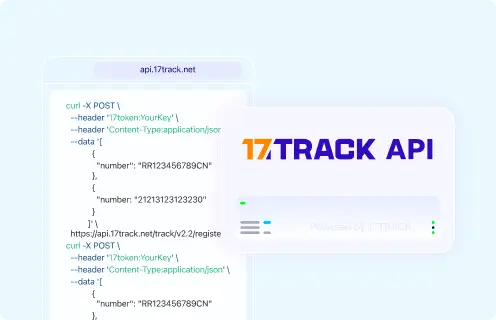
POST https://api.17track.net/track/v2.4/register
Headers:
  17token: YourKey
  Content-Type: application/json

Body:
[
  {
    "number": "TRACKING_NUMBER",
    "carrier": "CARRIER_CODE"
  }
]
Sources & References
- Matson cargo website. Matson
- Matson corporate website. Matson
- 17TRACK tracking platform. 17TRACK
- 17TRACK API documentation. 17TRACK
17TRACK is an independent tracking platform and is not affiliated with Matson.
Track your package
Global express parcel tracking service