About KQ
KQ is the carrier label used for this tracking guide. The official web address supplied for KQ is http://jytexpress.cn/. Use the exact shipment identifier shown by the seller or on the shipping receipt when checking a parcel.
Carrier Overview
| Field | Guide information |
|---|
| Carrier display name | KQ |
| Official website supplied | http://jytexpress.cn/ |
| Tracking role in this guide | Shipment-event lookup using a KQ-associated tracking identifier or a marketplace-provided identifier. |
Carrier Entity Relationships
| Entity | Relationship summary |
|---|
| KQ | KQ is the carrier label selected for this tracking page. |
| Seller or marketplace | The seller may provide the first identifier, order reference, or a later last-mile identifier. |
| 17TRACK | 17TRACK is an independent tracking platform that may aggregate available events; it does not transport parcels or decide claims. |
| Destination delivery operator | A destination operator may display later events when a shipment is handed over; a destination scan does not by itself prove who issued the original number. |
Quick Answer
Enter the shipment tracking number supplied by the seller or shown on the shipping receipt in the official KQ tracking route or in 17TRACK. If no result appears, first remove spaces and punctuation, compare the identifier with the seller’s dispatch notice, and allow time for the first physical acceptance scan.
Pro Tip: An order number and a tracking number are different identifiers. 17TRACK can display available carrier events, but 17TRACK cannot change an address, issue a refund, approve a claim, or control delivery.
How to Track KQ Packages
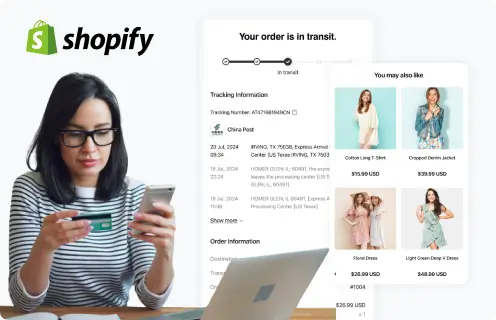
Use the official route when the seller identifies KQ as the carrier. Use 17TRACK when the shipment may involve multiple operators or when you need one view of available events.
Tracking Steps
| Route | Action |
|---|
| Official KQ route | Open the official website, locate its tracking function, enter the shipment identifier, and review the latest event and event time. |
| 17TRACK route | Open 17TRACK, enter the identifier, allow carrier detection where offered, and compare the event history with the seller’s dispatch information. |
| No identifier | Ask the seller for the tracking number, dispatch date, carrier name, and any replacement or last-mile number. |
| Identifier rejected | Check for copied order numbers, extra spaces, transposed characters, an inactive label, or a different carrier selected by the seller. |
Tracking Statuses and Meanings
Tracking events describe the latest recorded scan, not necessarily the parcel’s continuous physical location. Responsibility can change when a parcel moves between KQ, a line-haul operator, customs, and a destination delivery operator.
Status Quick Lookup
| Status | Meaning and next action |
|---|
| Label created or pre-shipment | Electronic shipment data exists; physical acceptance may not have occurred. Ask the seller to confirm handover. |
View all details for pre-shipment status| Lifecycle stage | Shipment preparation. |
|---|
| Responsible party | Usually the seller, warehouse, or first receiving operator. |
|---|
| What happens next | A physical acceptance or processing scan should be recorded after handover. |
|---|
| Customer action | Confirm dispatch timing with the seller. |
|---|
|
| Accepted or in transit | A receiving or movement event has been recorded; wait for the next facility or transport scan. |
View all details for in-transit status| Lifecycle stage | Sorting, line-haul, or transfer. |
|---|
| Responsible party | The operator shown by the latest event. |
|---|
| What happens next | Another processing, handover, customs, or delivery scan. |
|---|
| Customer action | Compare the event date with the seller’s delivery estimate and contact the seller if the shipment exceeds that estimate. |
|---|
|
| Customs or handover | The shipment may be undergoing import processing or transfer; arrival at a customs facility does not prove release. |
View all details for customs and handover status| Lifecycle stage | Cross-border processing or operator transfer. |
|---|
| Responsible party | Customs, the origin operator, or the destination operator shown in the event. |
|---|
| What happens next | Clearance, data review, physical handover, or a request for information. |
|---|
| Customer action | Respond promptly to a customs or tax request and retain invoices and shipment documents. |
|---|
|
| Out for delivery or delivered | The parcel is assigned to a delivery route or has a delivery scan. If delivery is disputed, check the delivery location and contact the seller. |
View all details for delivery status| Lifecycle stage | Final-mile delivery. |
|---|
| Responsible party | The delivery operator associated with the latest scan. |
|---|
| What happens next | Delivery, pickup, a delivery attempt, or an exception event. |
|---|
| Customer action | Check household members, reception areas, neighbors, delivery photographs, and pickup notices. |
|---|
|
Services and Delivery Times
Delivery timing depends on the service selected by the seller, origin and destination, handover arrangements, customs, address quality, weekends, holidays, weather, and operating conditions. A marketplace estimate is not automatically a guaranteed delivery date.
Service Comparison
| Service type | Practical use |
|---|
| Seller-selected parcel service | Use the service name shown in the order or dispatch record; tracking depth and delivery timing depend on that service. |
| Cross-border shipment | Expect separate origin, line-haul, customs, destination handover, and last-mile events where supported. |
| Return shipment | Use the return label identifier and retain proof of handover until the seller records receipt. |
Delivery Time
| Timing reference | How to interpret it |
|---|
| Seller delivery estimate | A planning window based on the order, origin, destination, and selected service; it may change after dispatch. |
| Carrier service standard | A published operating target where the selected service provides one; review the applicable service terms. |
| Guaranteed date | Use this wording only when the applicable service terms expressly provide a delivery guarantee. |
Destination Country Delivery Times
| Destination | Planning guidance |
|---|
| Any destination | Use the seller’s service-specific estimate rather than a generic country table; customs and destination handover can create visibility gaps. |
View all details for destination delivery planning| Primary service type | Use the service name recorded on the order or shipping label. |
|---|
| Average delivery days | A generic average should not replace the shipment-specific estimate. |
|---|
| Last-mile partner | Check the latest event for the destination operator or local delivery handover. |
|---|
| Customs and clearance tips | Keep the invoice, recipient details, tax information, and any requested import documents ready. |
|---|
|
Common Tracking Problems and Solutions
Start with the latest event, the event date, and the party named in that event. The seller is usually the best escalation point for an online purchase because the seller can confirm the label, shipping contract, and available after-sales process.
Problem & Solution
| Problem or status | Immediate action |
|---|
| Invalid number | Re-copy the identifier, remove spaces, and ask the seller whether it is an order number or a tracking number. |
View all details for an invalid number| Likely cause | Typing error, inactive label, wrong carrier, or merchant reference. |
|---|
| Check first | Dispatch email, label image, order page, and carrier selection. |
|---|
| Escalation | Ask the seller to confirm the identifier and handover status. |
|---|
| Contact party | Seller first; the operator shown on a valid scan afterward. |
|---|
|
| No update or stuck in transit | Compare the last scan date with the promised delivery window, then ask the seller to open an inquiry where the shipping contract permits it. |
View all details for delayed tracking| Likely cause | Facility backlog, transport movement without an intermediate scan, customs processing, or partner handover. |
|---|
| Check first | Latest facility, event timestamp, destination, and seller estimate. |
|---|
| Escalation | Use the seller’s support or the applicable carrier inquiry route after the relevant service window. |
|---|
| Evidence | Tracking history, order record, dispatch date, and delivery address. |
|---|
|
| Delivered but not received | Check the delivery location, household members, reception desk, neighbors, safe place, and any delivery image or notice; then contact the seller promptly. |
View all details for delivered but missing parcels| Check first | Address, delivery notes, proof of delivery, building staff, and local delivery point. |
|---|
| Immediate action | Record when the delivery status appeared and preserve screenshots. |
|---|
| Escalation | Seller or shipper should request an investigation where required by the service terms. |
|---|
| Refund boundary | 17TRACK cannot approve a refund or determine responsibility. |
|---|
|
| Customs hold, address issue, failed delivery, or return | Follow the latest instruction, provide requested information, and contact the seller or named delivery operator before the parcel is returned. |
International Shipping, Customs and Carrier Handoffs
International tracking normally follows a chain of custody rather than one uninterrupted scan stream. Electronic pre-advice, physical handover, the first receiving scan, customs processing, and final-mile delivery are separate events.
International Flow
| Stage | What the customer should understand |
|---|
| Origin preparation and acceptance | A label or electronic record may appear before the parcel is physically accepted. |
View all details for origin acceptance| Physical custodian | The origin shipper or receiving operator shown by the latest scan. |
|---|
| Typical event | Shipment information received, accepted, or processed. |
|---|
| Number change | A seller or destination identifier may later be linked to the shipment. |
|---|
| Visibility gap | Preparation and consolidation can occur before the first movement scan. |
|---|
|
| Export, line-haul, and customs | Export security, transport, and import review can produce gaps between scans. Customs arrival is not the same as customs release. |
View all details for international processing| Responsible entity | Origin or destination customs, the transport operator, or the operator named in the event. |
|---|
| Typical event | Departed origin, arrived destination, customs review, or clearance information. |
|---|
| Customer action | Provide accurate invoice, value, recipient, tax, and import information when requested. |
|---|
| Tax responsibility | Tax and duty treatment follows destination-country rules and the sale or shipping arrangement. |
|---|
|
| Partner handoff and last mile | A partner may receive electronic data before physical possession. The first partner acceptance scan is stronger evidence of custody than pre-advice alone. |
View all details for partner handoff| Physical custodian | The operator named in the latest physical acceptance or processing event. |
|---|
| Number change | A new last-mile identifier can be created or linked, while the original identifier may remain visible. |
|---|
| Visibility gap | Bag opening, handover, facility sorting, and local delivery can delay the next public scan. |
|---|
| Customer action | Search the latest partner identifier and contact the seller if the handover does not progress. |
|---|
|
Delivery Management and Post-shipment Options
Delivery changes depend on the selected service, destination operator, shipment stage, and the person authorized by the shipping contract. Ask the seller before requesting a change on a marketplace shipment.
Delivery Management
| Option | Practical guidance |
|---|
| Address correction | Contact the seller or the operator shown in the latest event as soon as an address problem appears. |
| Redelivery or pickup | Follow the delivery notice or local operator instruction; eligibility depends on the destination service. |
| Proof of delivery | Request delivery evidence through the seller or delivery operator when the service provides it. |
Lost, Damaged, Claims, Insurance and Refunds
A tracking inquiry, missing-mail search, transport investigation, insurance claim, postage refund, and marketplace refund are different processes. The shipper often controls a carrier claim because the shipper purchased the transport service.
Claims and Refunds
| Process | Use when |
|---|
| Tracking inquiry | The event history needs clarification or a movement scan has stopped. |
View all details for tracking inquiries| Who starts it | The seller, shipper, recipient, or authorized account holder according to the service arrangement. |
|---|
| Evidence | Tracking number, dispatch date, latest scan, addresses, and order record. |
|---|
| Outcome | Status explanation, investigation, additional request, or referral to the responsible operator. |
|---|
|
| Loss or damage claim | The parcel is lost, damaged, or missing contents and the applicable shipping terms provide a claim route. |
View all details for loss and damage claims| Who files | Usually the shipper or account holder, subject to the applicable service terms. |
|---|
| Evidence | Tracking number, invoice, value proof, photographs, packaging, contents description, and damage details. |
|---|
| Filing time | Follow the deadline stated in the applicable service terms; deadlines vary by service and destination. |
|---|
| Possible outcome | Investigation, request for evidence, settlement, denial, or referral to another responsible party. |
|---|
|
| Marketplace refund | The seller or marketplace reviews delivery, buyer protection, and order terms; 17TRACK cannot issue it. |
Shipping Restrictions and Special Handling
Before shipping, consult the current rules attached to the selected service and destination. Prohibited or restricted goods can be refused, delayed, returned, confiscated, or require additional declarations.
Shipping Restrictions
| Category | Handling guidance |
|---|
| Dangerous goods and batteries | Check service-specific acceptance, packaging, declaration, and transport restrictions before tendering the parcel. |
| Liquids, perishables, and fragile goods | Use suitable packaging and confirm destination restrictions; unsuitable contents can affect acceptance and delivery. |
| Documents and declared value | Use accurate descriptions, recipient information, invoices, and customs data for cross-border shipments. |
Customer Service
For a marketplace purchase, contact the seller first when the parcel has no valid scan, is delayed, arrives damaged, or is marked delivered but missing. Use the official KQ website for any current contact route presented there.
Customer Service
| Channel | Best use |
|---|
| Official website | http://jytexpress.cn/ — use the tracking or contact route displayed by KQ. |
| Seller or marketplace support | Best for order-linked delivery estimates, replacement identifiers, refunds, and shipper-controlled investigations. |
| 17TRACK | Best for viewing aggregated events; it does not replace the carrier or seller for claims and delivery changes. |
Prepare the tracking number, order number, dispatch date, recipient address, service name, latest scan, item description, value evidence, photographs, and a clear description of the requested resolution.
Ecommerce and Business Tracking
Businesses should distinguish the seller’s order system, any official carrier integration, and a multi-carrier tracking platform. Standardized events can support customer notifications and exception workflows, but the underlying carrier remains responsible for physical transport.
Developer/API Comparison
| Option | Provider |
|---|
| Official carrier integration | KQ |
View all details for the official carrier integration| Carrier coverage | Use only the carrier services and identifiers supported by the current KQ developer materials. |
|---|
| Primary use | Direct carrier-connected tracking or operational workflows. |
|---|
| Authentication | Follow the credentials and authentication method stated in the current official documentation. |
|---|
| Migration note | Do not rely on an old endpoint or undocumented example. |
|---|
|
| 17TRACK API | 17TRACK |
View all details for the 17TRACK API| Carrier coverage | Multi-carrier tracking subject to 17TRACK support and carrier recognition. |
|---|
| Primary use | Batch registration, normalized events, exception monitoring, and multi-carrier workflows. |
|---|
| Authentication | Use the 17TRACK token described in the current developer documentation. |
|---|
| Migration note | Use the current API documentation rather than legacy examples. |
|---|
|
FAQ
Basic FAQs
1. How do I track my KQ package?Enter the shipment tracking number on the official KQ website or in 17TRACK, then review the latest event and event time.
2. Where can I find my KQ tracking number?Look in the seller’s dispatch email, order page, parcel label, receipt, or delivery notice.
3. What does a KQ tracking number look like?The format depends on the shipment and issuing operator; use the complete identifier supplied by the seller instead of relying on a prefix alone.
4. When will the first KQ tracking event appear?The first event appears after shipment data is created or a physical acceptance scan is recorded, depending on the shipping workflow.
5. Why is my KQ tracking not updating?A parcel can be moving between facilities, awaiting handover, undergoing customs processing, or waiting for the next scan; compare the last scan with the seller’s delivery estimate.
6. How long does KQ delivery take?Use the service-specific estimate supplied by the seller because timing depends on origin, destination, service, handovers, customs, and local delivery.
7. What should I do after a KQ delivery attempt fails?Read the latest delivery notice, check for pickup or redelivery instructions, and contact the seller before the parcel is returned.
8. What should I do if KQ shows delivered but I have not received the package?Check the address, household members, reception desk, neighbors, safe place, and proof of delivery, then ask the seller to investigate.
9. How do I report a lost or damaged KQ parcel?Contact the seller or shipper with the tracking number, dispatch details, value evidence, photographs, and packaging information so the applicable inquiry or claim route can begin.
10. How can I contact KQ about tracking?Use the contact route displayed on the official KQ website, while marketplace buyers should also contact the seller because the seller may control the shipping account.
Expert FAQs
11. Does a KQ label prove that KQ has physically received the parcel?No; a label or electronic pre-advice record can exist before physical acceptance, so look for an acceptance or processing scan.
12. Can a destination operator display a KQ-associated tracking number?Yes; a destination operator may display an original or linked identifier after handover, but display does not prove that the destination operator issued the number.
13. Does arrival at customs mean that a KQ shipment has been released?No; arrival, inspection, a request for information, and release are separate customs events.
14. Why can 17TRACK show fewer events than the seller’s system?17TRACK displays events made available through supported data connections, while a seller or operator may have additional internal scans.
15. Can businesses track KQ shipments through an API?Businesses should use current official KQ developer documentation where provided or use the current 17TRACK API documentation for supported multi-carrier workflows.
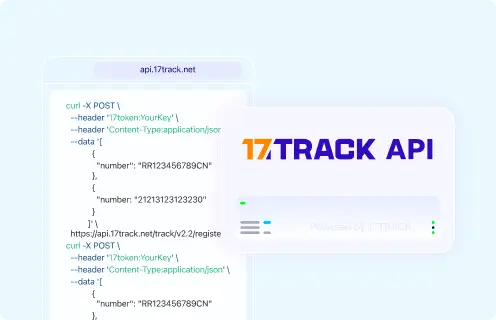
Tracking API
// Carrier official API:
// Current public official tracking API for KQ was not established from the supplied evidence.

// 17TRACK API:
POST https://api.17track.net/track/v2.4/register
Headers:
  17token: YourKey
  Content-Type: application/json

Body:
[
  {
    "number": "TRACKING_NUMBER",
    "carrier": "CARRIER_CODE"
  }
]

// Replace CARRIER_CODE only with the current value documented by 17TRACK.
// Do not use an order number in place of TRACKING_NUMBER.
Sources & References
17TRACK is an independent tracking platform and is not affiliated with KQ.