About PAC
PAC(YiTai or 亿泰供应链) is a China-based cross-border logistics provider serving ecommerce and commercial shippers. PAC’s published network includes postal small packets, a China-to-United States parcel line, Middle East routes, Central Asia routes, warehousing, customs-related support and last-mile coordination.
| Profile field | Verified information |
|---|
| Official name | PAC |
| Official website | https://www.etscp.com/ |
| Carrier type | Cross-border logistics provider, freight forwarder, warehouse operator and delivery-network coordinator |
| Primary region | Origin operations in China, with published routes to the United States, the Middle East and Central Asia |
| Tracking page | PAC English shipment tracking |
| Headquarters | Shenzhen, China |
Carrier Entity Relationships
| Entity | Relationship to PAC |
|---|
| PAC | PAC arranges cross-border transport, warehousing, customs support and delivery handoffs. |
View all details for PAC| Entity type | Canonical carrier |
|---|
| Why it matters to tracking | PAC controls or coordinates the origin and international logistics stages shown in its shipment system. |
|---|
| Official evidence | PAC’s official website describes cross-border logistics and warehouse operations. |
|---|
|
| Published route services | Postal small-packet, United States, Middle East and Central Asia services are offered through PAC. |
View all details for PAC route services| Entity type | Operated or coordinated services |
|---|
| Why it matters to tracking | The route determines the customs process, transport mode and destination delivery party. |
|---|
| Official evidence | PAC’s product directory and individual route pages. |
|---|
|
| PAC tracking system | The official system accepts a reference number or tracking number and displays destination, local time and latest record. |
View all details for PAC tracking| Entity type | Tracking product |
|---|
| Why it matters to tracking | It is the direct PAC lookup channel for waybill records. |
|---|
| Official evidence | PAC’s Chinese and English tracking pages. |
|---|
|
| Warehouses and customs facilities | PAC describes facilities in the United States, Middle East and Central Asia as processing points in selected routes. |
View all details for PAC facilities| Entity type | Network and processing facilities |
|---|
| Why it matters to tracking | A warehouse or customs scan may represent processing rather than final-mile acceptance. |
|---|
| Official evidence | PAC’s route and overseas warehouse descriptions. |
|---|
|
| Transport and last-mile partners | PAC uses airline, postal and local delivery partners for transport stages outside its own facilities. |
View all details for PAC handoff partners| Entity type | International and last-mile partners |
|---|
| Why it matters to tracking | Physical responsibility changes only after the partner receives and scans the shipment; electronic data alone does not prove handoff. |
|---|
| Official evidence | PAC’s route pages describe airline agency relationships and local final-mile coordination. |
|---|
|
| 17TRACK | 17TRACK independently aggregates available shipment events and does not transport PAC packages. |
View all details for 17TRACK| Entity type | Independent tracking platform |
|---|
| Why it matters to tracking | It can consolidate available events but cannot change an address, release customs, deliver a parcel or approve a claim. |
|---|
| Official evidence | 17TRACK tracking and API documentation. |
|---|
|
Quick Answer
Track a PAC shipment by entering the waybill’s tracking number or reference number on the official PAC tracking page, or submit the carrier-issued tracking number to 17TRACK. If no result appears, remove accidental spaces, compare every character with the label or dispatch message, and ask the sender whether the shipment data has been submitted.
Pro Tip: An order number from a marketplace may identify the purchase but may not be the logistics number accepted by PAC. Request the carrier tracking number or PAC reference number from the seller.
17TRACK is an independent tracking platform. It cannot transport a parcel, change delivery instructions, collect tax, authorize a refund or decide a PAC claim.
How to Track PAC Packages
Use the official PAC lookup for direct waybill records or 17TRACK when you want normalized events in a multi-carrier view.
- Find the tracking number or PAC reference number on the shipping label, waybill, seller dispatch message or order-shipment page.
- Open the official PAC tracking page.
- Enter the identifier exactly as supplied and review the destination, local event time and latest record.
- Alternatively, enter the carrier tracking number on 17TRACK.
- If a destination partner number appears later, save both identifiers because either may be needed for last-mile support.
| Identifier | How to use it |
|---|
| Tracking number | Use for parcel-event tracking when issued for the shipment. |
| PAC reference number | Use in the PAC system when the shipper supplies it as the waybill reference. |
| Merchant order number | Use with the seller to locate the purchase; obtain the logistics identifier if the order number is rejected. |
| Partner tracking number | Use with the destination delivery party after a physical handoff is shown. |
| Delivery notice number | Use with the local delivery party for pickup or redelivery when a notice has been issued. |
Tracking Statuses and Meanings
PAC events should be read as a shipment lifecycle. Electronic information may appear before physical receipt, and a destination or customs arrival is not the same as customs release or final delivery.
Status Quick Lookup
| Status | What it means |
|---|
| Shipment information received | A waybill or electronic record exists, but physical acceptance may still be pending. |
View all details for shipment information received| Lifecycle stage | Pre-shipment |
|---|
| Current responsible party | The sender remains responsible until physical tender is recorded. |
|---|
| What happens next | Pickup, warehouse acceptance or origin scan. |
|---|
| What you should do | Ask the sender to confirm handover if the status persists. |
|---|
|
| Accepted or received | PAC or its contracted origin facility has recorded physical receipt. |
View all details for accepted or received| Lifecycle stage | Accepted |
|---|
| Current responsible party | PAC or the named origin handling partner. |
|---|
| What happens next | Sorting, security screening and route dispatch. |
|---|
| What you should do | Monitor for the next processing or departure event. |
|---|
|
| In transit or departed facility | The shipment is moving between processing points or awaiting the next scheduled leg. |
View all details for in transit| Lifecycle stage | In transit |
|---|
| Current responsible party | PAC, an airline, a road or rail provider, or a contracted hub. |
|---|
| What happens next | Arrival at another hub, gateway or destination facility. |
|---|
| What you should do | Allow for scheduled transport and event-upload gaps. |
|---|
|
| Customs processing | The shipment is undergoing declaration review, inspection, tax assessment or release processing. |
View all details for customs processing| Lifecycle stage | Customs and handover |
|---|
| Current responsible party | The relevant customs authority, broker or declarant controls the pending action. |
|---|
| What happens next | Release, request for information, payment request, inspection or return decision. |
|---|
| What you should do | Respond only through verified channels and provide accurate invoice or recipient information when requested. |
|---|
|
| Handed to destination carrier | The destination delivery network has received or is processing the parcel. |
View all details for destination handoff| Lifecycle stage | Handover |
|---|
| Current responsible party | The destination carrier after its first physical receipt scan. |
|---|
| What happens next | Local sorting and route assignment. |
|---|
| What you should do | Use the local tracking number if one is displayed. |
|---|
|
| Out for delivery | The parcel has been assigned to a local delivery route. |
View all details for out for delivery| Lifecycle stage | Out for delivery |
|---|
| Current responsible party | Destination last-mile carrier. |
|---|
| What happens next | Delivery, attempted delivery or pickup instruction. |
|---|
| What you should do | Ensure access, address visibility and availability for any required signature or payment. |
|---|
|
| Delivered | A final delivery scan has been recorded at the stated location or recipient point. |
View all details for delivered| Lifecycle stage | Delivered |
|---|
| Current responsible party | The destination carrier holds the delivery record; the recipient should check the location. |
|---|
| What happens next | The shipment normally closes unless a delivery dispute is opened. |
|---|
| What you should do | Check entrances, mail areas, reception, household members and neighbors, then contact the local carrier and sender. |
|---|
|
| Available for pickup | The parcel is being held at a designated local facility or collection point. |
View all details for pickup| Lifecycle stage | Pickup |
|---|
| Current responsible party | Destination carrier or collection point. |
|---|
| What happens next | Collection by the recipient or return after the local holding period. |
|---|
| What you should do | Follow the notice and bring the required identification and shipment details. |
|---|
|
| Delivery exception | An address, access, weather, customs, capacity or recipient issue has interrupted normal progress. |
View all details for a delivery exception| Lifecycle stage | Exception |
|---|
| Current responsible party | The party named in the latest event, which may be PAC, customs or the local carrier. |
|---|
| What happens next | Correction, payment, reattempt, collection or return. |
|---|
| What you should do | Read the event text and contact the party currently holding the parcel. |
|---|
|
| Returning to sender | The shipment has entered the reverse route after an unresolved delivery, customs or compliance issue. |
View all details for return to sender| Lifecycle stage | Return |
|---|
| Current responsible party | The local carrier, return consolidator or PAC, depending on the latest scan. |
|---|
| What happens next | Return transport and sender receipt. |
|---|
| What you should do | The sender should request the return reason and decide whether to refund or reship. |
|---|
|
Services and Delivery Times
PAC publishes route-based logistics products rather than one universal delivery promise. Transit depends on the contracted service, origin acceptance, transport schedule, customs, destination and final-mile delivery conditions.
Service Comparison
| Service | Best for |
|---|
| Postal small packet | Economy international parcels using postal delivery networks. |
View all details for postal small packets| Service type | Postal economy parcel |
|---|
| Coverage | PAC describes access to postal outlets across more than 230 countries and regions. |
|---|
| Tracking level | Depends on the selected postal product and event exchange. |
|---|
| Key size/weight condition | Use the limits in the booked postal product and current acceptance rules. |
|---|
| Included protection/extra service | Determined by the booked postal option. |
|---|
| Main limitation | Economy postal routes can have fewer scans and longer handoff gaps. |
|---|
|
| United States parcel line | China-to-United States ecommerce parcels with destination customs and last-mile coordination. |
View all details for the United States parcel line| Service type | Cross-border parcel line |
|---|
| Coverage | China origin to the United States. |
|---|
| Tracking level | End-to-end system events with destination last-mile handoff. |
|---|
| Key size/weight condition | Contracted parcel-channel limits apply. |
|---|
| Included protection/extra service | Determined by the shipper’s PAC agreement. |
|---|
| Main limitation | Customs and destination handoff can create event gaps. |
|---|
|
| Central Asia line | Commercial and ecommerce transport from China to Kazakhstan, Uzbekistan, Kyrgyzstan and Tajikistan. |
View all details for the Central Asia line| Service type | Air, road and rail logistics |
|---|
| Coverage | Published China-to-Central Asia routes. |
|---|
| Tracking level | PAC describes full-process tracking for the integrated service. |
|---|
| Key size/weight condition | Depends on transport mode and cargo classification. |
|---|
| Included protection/extra service | Pickup, transport, customs-related services, tax collection support and local delivery may be arranged. |
|---|
| Main limitation | Road, rail and border processing conditions can affect transit. |
|---|
|
| Middle East line | China-origin shipments to the United Arab Emirates and Saudi Arabia, including ecommerce delivery and COD workflows. |
View all details for the Middle East line| Service type | Air line-haul, customs processing, warehousing and destination delivery |
|---|
| Coverage | United Arab Emirates and Saudi Arabia. |
|---|
| Tracking level | PAC describes system tracking from receipt through delivery. |
|---|
| Key size/weight condition | Booking and cargo-acceptance conditions apply. |
|---|
| Included protection/extra service | COD and overseas warehouse functions are described for this route. |
|---|
| Main limitation | Remote delivery and recipient confirmation can extend the final-mile stage. |
|---|
|
Delivery Time
| Service | Published delivery standard |
|---|
| Middle East line: arrival and customs stage | PAC states a 72-hour target from taking possession to destination arrival and customs completion for the described route. |
View timing conditions for Middle East processing| Business or calendar days | The page expresses the target in hours. |
|---|
| Guarantee status | Treat the statement as route-specific; confirm contractual remedies separately. |
|---|
| Starts counting from | PAC’s receipt of the customer’s goods. |
|---|
| Main delay factors | Flight capacity, documentation, customs controls, taxes and security screening. |
|---|
| Official source date/validity | Current route page should be checked when booking. |
|---|
|
| Middle East line: major-city delivery | PAC describes delivery to major cities within 72 hours for the published route workflow. |
View timing conditions for major-city delivery| Business or calendar days | The page expresses the target in hours. |
|---|
| Guarantee status | Confirm the booked product and service agreement before treating a target as compensable. |
|---|
| Starts counting from | Route acceptance under the stated service workflow. |
|---|
| Main delay factors | Recipient confirmation, COD coordination, customs, address quality and delivery capacity. |
|---|
| Official source date/validity | Current route page should be checked when booking. |
|---|
|
| Middle East line: remote areas | PAC states 5–8 days for remote-area door delivery. |
View timing conditions for remote-area delivery| Business or calendar days | The route page uses days without defining a universal working-day rule. |
|---|
| Guarantee status | Use the booking agreement to determine whether a remedy applies. |
|---|
| Starts counting from | Applies within the route’s described delivery workflow. |
|---|
| Main delay factors | Distance from delivery hubs, address access, recipient availability and local schedules. |
|---|
| Official source date/validity | Current route page should be checked when booking. |
|---|
|
| Postal, United States and Central Asia routes | Use the route-specific booking estimate, because timing is determined by origin, mode, destination, customs and service selection. |
View timing conditions for other PAC routes| Business or calendar days | Defined in the shipment quote or contracted channel. |
|---|
| Guarantee status | A planning estimate is not a money-back guarantee. |
|---|
| Starts counting from | Check whether the quote starts at pickup, warehouse acceptance or export dispatch. |
|---|
| Main delay factors | Handoffs, customs, weekends, holidays, weather, peak volume and remote delivery. |
|---|
| Official source date/validity | Confirm against the active shipment quote. |
|---|
|
Destination Country Delivery Times
| Destination Country / Region | Estimated Delivery Time Range |
|---|
| United Arab Emirates | Major-city workflow: 72-hour route target; remote delivery: 5–8 days. |
View all destination details for the United Arab Emirates| Primary Service Type | Middle East air line and local delivery |
|---|
| Average Delivery Days | Use the booked major-city or remote-area target rather than a blended average. |
|---|
| Last-Mile Partner / Handoff Carrier | Destination delivery network assigned within the PAC route. |
|---|
| Customs & Clearance Tips | Ensure recipient details, commodity description and declared value match the shipping documents; customs completion is separate from final delivery. |
|---|
|
| Saudi Arabia | Major-city workflow: 72-hour route target; remote delivery: 5–8 days. |
View all destination details for Saudi Arabia| Primary Service Type | Middle East air line, customs processing and local delivery |
|---|
| Average Delivery Days | Use the booked major-city or remote-area target rather than a blended average. |
|---|
| Last-Mile Partner / Handoff Carrier | Destination delivery network assigned within the PAC route. |
|---|
| Customs & Clearance Tips | Accurate recipient contact information is important for customs, COD and delivery confirmation. |
|---|
|
| United States | Use the shipment-specific PAC quote and tracking ETA. |
View all destination details for the United States| Primary Service Type | Cross-border small-parcel line |
|---|
| Average Delivery Days | Judge progress from acceptance, customs and first destination-carrier scan. |
|---|
| Last-Mile Partner / Handoff Carrier | PAC describes a contracted United States last-mile delivery handoff. |
|---|
| Customs & Clearance Tips | A customs-arrival scan does not prove release; monitor for release or local-carrier acceptance. |
|---|
|
| Kazakhstan | Use the mode-specific air, road or rail quote. |
View all destination details for Kazakhstan| Primary Service Type | Central Asia air, road or rail logistics |
|---|
| Average Delivery Days | Use the contracted transport mode and border schedule. |
|---|
| Last-Mile Partner / Handoff Carrier | PAC-arranged destination delivery and warehouse network. |
|---|
| Customs & Clearance Tips | Commercial invoices, consignee details and tax instructions should be settled before dispatch. |
|---|
|
| Uzbekistan | Use the mode-specific air, road or rail quote. |
View all destination details for Uzbekistan| Primary Service Type | Central Asia logistics and overseas-warehouse fulfillment |
|---|
| Average Delivery Days | Use the booked transport mode and warehouse workflow. |
|---|
| Last-Mile Partner / Handoff Carrier | PAC-arranged local warehouse and delivery operations. |
|---|
| Customs & Clearance Tips | Match inventory, consignee and customs records to avoid release or warehouse intake delays. |
|---|
|
| Kyrgyzstan | Use the mode-specific air, road or rail quote. |
View all destination details for Kyrgyzstan| Primary Service Type | Central Asia air, road or rail logistics |
|---|
| Average Delivery Days | Use the contracted route schedule. |
|---|
| Last-Mile Partner / Handoff Carrier | PAC-arranged local delivery operation. |
|---|
| Customs & Clearance Tips | Prepare accurate commodity classifications, values and consignee contacts before border processing. |
|---|
|
| Tajikistan | Use the mode-specific air, road or rail quote. |
View all destination details for Tajikistan| Primary Service Type | Central Asia logistics |
|---|
| Average Delivery Days | Use the contracted transport mode and customs workflow. |
|---|
| Last-Mile Partner / Handoff Carrier | PAC-arranged customs and destination delivery operation. |
|---|
| Customs & Clearance Tips | Border clearance and remote-area transport may be separate milestones; follow the latest physical scan. |
|---|
|
| Turkey | Use the active route quote supplied for the shipment. |
View all destination details for Turkey| Primary Service Type | Cross-border logistics route |
|---|
| Average Delivery Days | Assess against the booking confirmation and latest gateway scan. |
|---|
| Last-Mile Partner / Handoff Carrier | Destination network assigned to the booked PAC route. |
|---|
| Customs & Clearance Tips | Import taxes, recipient identity requirements and commodity controls can affect release and delivery. |
|---|
|
| Other postal destinations | Use the selected postal product’s destination estimate. |
View all destination details for postal routes| Primary Service Type | Postal small packet |
|---|
| Average Delivery Days | Evaluate using the booked postal tier and destination-country tracking events. |
|---|
| Last-Mile Partner / Handoff Carrier | Destination postal or contracted delivery network. |
|---|
| Customs & Clearance Tips | Postal handoffs can produce scanning gaps; an arrival event does not by itself indicate import release. |
|---|
|
Delivery targets are route-specific planning information. Weekends, holidays, flight or line-haul schedules, border controls, customs requests, prohibited goods, address quality, remote-area delivery and omitted scans can change the actual arrival date.
Common Tracking Problems and Solutions
Start with the latest physical scan, identify who currently holds the parcel, and contact that party or the contracting sender. A seller usually has the PAC account and shipment documents needed for route investigations.
Problem & Solution
| Problem/status shown | Check first |
|---|
| Invalid number | Compare every character with the waybill and determine whether it is a tracking number, reference number or order ID. |
View actions for an invalid PAC number| Likely cause | Typing error, wrong identifier type, inactive record or wrong carrier selection. |
|---|
| Immediate action | Retry the exact value in PAC tracking and ask the sender for the carrier-issued identifier. |
|---|
| When to escalate | Escalate after the sender confirms dispatch and the correct number still fails. |
|---|
| Who to contact | Sender first, then PAC with the waybill details. |
|---|
|
| No events or shipment information received | Ask whether the parcel was physically handed over or only electronically created. |
View actions for missing PAC events| Likely cause | Pre-advice exists, pickup has not occurred or the first scan has not synchronized. |
|---|
| Immediate action | Request the physical handover date and acceptance evidence from the sender. |
|---|
| When to escalate | Use the booked route’s expected acceptance or dispatch schedule. |
|---|
| Who to contact | Sender or merchant account holder. |
|---|
|
| Long gap or stuck in transit | Identify whether the last event was at an origin warehouse, line-haul departure, customs point or partner handoff. |
View actions for a PAC transit gap| Likely cause | Scheduled transport, consolidated movement, customs processing or delayed event exchange. |
|---|
| Immediate action | Compare the gap with the shipment quote and check both PAC and any partner number. |
|---|
| When to escalate | Escalate when the route estimate has passed or an action-required event appears. |
|---|
| Who to contact | PAC through the contracting shipper, or the named destination carrier after handoff. |
|---|
|
| Partner awaiting handoff | Look for a first physical acceptance scan from the named partner. |
View actions for a partner handoff| Likely cause | Electronic shipment data reached the partner before the parcel. |
|---|
| Immediate action | Continue using PAC tracking until the partner confirms receipt. |
|---|
| When to escalate | Escalate if the handoff remains incomplete beyond the route schedule. |
|---|
| Who to contact | PAC or the sender before physical partner acceptance. |
|---|
|
| Delivery exception or address issue | Read the full local event and compare the recipient name, phone, postal code and street details. |
View actions for a delivery exception| Likely cause | Incomplete address, blocked access, recipient absence, unpaid charge or local operational issue. |
|---|
| Immediate action | Contact the destination carrier promptly and ask the sender to support any authorized correction. |
|---|
| When to escalate | Escalate before the local holding or return process ends. |
|---|
| Who to contact | Destination carrier and sender. |
|---|
|
| Available for pickup | Check the stated location, identification requirement and collection notice. |
View actions for PAC pickup| Likely cause | Delivery attempt, selected collection service or local delivery practice. |
|---|
| Immediate action | Contact the collection point before traveling if the location is unclear. |
|---|
| When to escalate | Act promptly because holding rules belong to the destination carrier. |
|---|
| Who to contact | Destination carrier or collection point. |
|---|
|
| Customs hold | Check for a request concerning identification, invoice, value, tax or commodity description. |
View actions for a customs hold| Likely cause | Document review, inspection, tax assessment or import restriction. |
|---|
| Immediate action | Respond through the verified broker, customs or carrier channel and preserve payment records. |
|---|
| When to escalate | Escalate immediately when a response deadline or return warning is issued. |
|---|
| Who to contact | Named broker, customs channel, PAC account holder or sender. |
|---|
|
| Delivered but not received | Check entrances, parcel lockers, mail areas, reception, household members and neighbors. |
View actions for delivered but missing| Likely cause | Alternate safe location, building reception, neighbor delivery, premature scan or misdelivery. |
|---|
| Immediate action | Request delivery details or proof from the destination carrier, then notify the seller. |
|---|
| When to escalate | Escalate promptly if local checks do not locate the parcel. |
|---|
| Who to contact | Destination carrier first, then seller or PAC account holder. |
|---|
|
| Returning to sender | Identify whether the reason is address, refusal, customs, prohibited contents or an expired pickup period. |
View actions for a PAC return| Likely cause | Unresolved delivery, import or compliance issue. |
|---|
| Immediate action | The sender should request the return reason and monitor reverse movement. |
|---|
| When to escalate | Escalate if the sender does not receive the return within the quoted reverse-logistics schedule. |
|---|
| Who to contact | Sender, PAC and the merchant platform where relevant. |
|---|
|
| Lost or damaged | Preserve the parcel, contents, packaging, label, photos and value evidence. |
View actions for loss or damage| Likely cause | Handling damage, missing contents, misrouting or an unresolved transit loss. |
|---|
| Immediate action | Photograph all sides before disposal and notify the sender or contracting account holder. |
|---|
| When to escalate | Use the filing window in the service contract or seller policy. |
|---|
| Who to contact | Sender or PAC account holder; the recipient should also use marketplace protection when applicable. |
|---|
|
International Shipping, Customs and Carrier Handoffs
PAC coordinates multiple international stages. The physical custodian can change from PAC to an airline, customs facility, destination warehouse or local delivery network, while the same tracking number may continue to display exchanged events.
International Flow
| Stage | What is happening |
|---|
| Electronic shipment creation | Waybill and customs data are prepared before or during tender. |
View details for electronic shipment creation| Physical custodian/responsible entity | Sender until pickup or warehouse acceptance. |
|---|
| Typical tracking event | Shipment information received. |
|---|
| Can the tracking number change? | A later partner number can be linked. |
|---|
| Normal visibility gap | No physical event until tender or acceptance. |
|---|
| What the customer should do | Confirm the handover date with the sender. |
|---|
|
| Origin acceptance and sorting | The parcel is received, checked, consolidated and assigned to its route. |
View details for origin processing| Physical custodian/responsible entity | PAC or its contracted origin facility. |
|---|
| Typical tracking event | Accepted, received or processed at origin facility. |
|---|
| Can the tracking number change? | The PAC identifier normally remains available; transport references may be added. |
|---|
| Normal visibility gap | Consolidation may occur between warehouse scans. |
|---|
| What the customer should do | Verify shipment data if processing generates an exception. |
|---|
|
| Export and security processing | Documents, cargo and transport eligibility are checked before departure. |
View details for export processing| Physical custodian/responsible entity | PAC, export declarant, security facility or transport operator. |
|---|
| Typical tracking event | Export processing, security check or departure preparation. |
|---|
| Can the tracking number change? | House and transport references can coexist. |
|---|
| Normal visibility gap | Events may pause while goods wait for a consolidated departure. |
|---|
| What the customer should do | Provide corrected documentation through the shipper if requested. |
|---|
|
| International line-haul | The shipment moves by air, road or rail to the destination region. |
View details for international line-haul| Physical custodian/responsible entity | Contracted airline, road provider or rail network. |
|---|
| Typical tracking event | Departed origin, line-haul in transit or arrived destination gateway. |
|---|
| Can the tracking number change? | The customer-facing number may remain while transport references differ. |
|---|
| Normal visibility gap | Movement may have no customer-visible intermediate scans. |
|---|
| What the customer should do | Wait for gateway arrival unless the route estimate has passed. |
|---|
|
| Import customs | Authorities or brokers review the declaration and decide release, inspection, tax or further-information actions. |
View details for import customs| Physical custodian/responsible entity | Customs-controlled facility, customs authority or broker. |
|---|
| Typical tracking event | Arrived for clearance, customs processing or released. |
|---|
| Can the tracking number change? | A customs or local-carrier reference may be added. |
|---|
| Normal visibility gap | Duration depends on authority action and document completeness. |
|---|
| What the customer should do | Respond to verified requests and do not treat gateway arrival as customs release. |
|---|
|
| Partner pre-advice | The destination carrier receives electronic data before physical transfer. |
View details for partner pre-advice| Physical custodian/responsible entity | PAC, customs facility or transfer operator may still hold the parcel. |
|---|
| Typical tracking event | Information received or partner awaiting item. |
|---|
| Can the tracking number change? | A destination number may already appear. |
|---|
| Normal visibility gap | Electronic pre-advice can precede physical handoff. |
|---|
| What the customer should do | Wait for the destination carrier’s first acceptance scan. |
|---|
|
| Physical partner handoff | The destination carrier receives and scans the parcel into its network. |
View details for physical partner handoff| Physical custodian/responsible entity | Destination carrier after acceptance. |
|---|
| Typical tracking event | Received by destination carrier or processed at local facility. |
|---|
| Can the tracking number change? | Yes; both PAC and local identifiers may remain searchable. |
|---|
| Normal visibility gap | Manifest reconciliation can delay the first local scan. |
|---|
| What the customer should do | Use the local number for delivery questions after acceptance. |
|---|
|
| Last mile and delivery | The parcel is sorted locally, assigned to a route and delivered or held for pickup. |
View details for last-mile delivery| Physical custodian/responsible entity | Destination last-mile carrier. |
|---|
| Typical tracking event | Out for delivery, attempted, available for pickup or delivered. |
|---|
| Can the tracking number change? | The local number is often the most useful identifier. |
|---|
| Normal visibility gap | Local updates follow the destination carrier’s scanning practice. |
|---|
| What the customer should do | Contact the destination carrier for access, pickup or delivery-location questions. |
|---|
|
Delivery Management and Post-shipment Options
Delivery changes depend on the booked route and the party currently holding the shipment. The sender or PAC account holder should request route-level changes; recipients should use the destination carrier’s instructions after local acceptance.
Delivery Management
| Option | Who can request |
|---|
| Shipment-data correction | Sender or PAC account holder. |
View conditions for a shipment-data correction| Eligibility | Depends on whether dispatch, customs filing or partner handoff has occurred. |
|---|
| Deadline/available stage | Request as soon as an error is identified. |
|---|
| Fee | Controlled by the service contract and resulting operational work. |
|---|
| Guaranteed? | No; customs and downstream systems may prevent changes. |
|---|
| Official action link | Use the PAC contact channel or contracted account representative. |
|---|
|
| Local redelivery or pickup | Recipient, subject to destination-carrier rules. |
View conditions for local redelivery or pickup| Eligibility | A local acceptance, attempt or pickup event is normally required. |
|---|
| Deadline/available stage | Follow the destination carrier’s notice before return processing begins. |
|---|
| Fee | Set by the destination carrier. |
|---|
| Guaranteed? | No; availability depends on local service rules. |
|---|
| Official action link | Use the destination carrier identified in tracking. |
|---|
|
| Return and relabel through overseas warehouse | Contracted business customer. |
View conditions for warehouse return handling| Eligibility | Applies to qualifying warehouse and return-service contracts. |
|---|
| Deadline/available stage | After return receipt or warehouse intake. |
|---|
| Fee | Determined by the contracted warehouse services. |
|---|
| Guaranteed? | Processing depends on inventory condition and instructions. |
|---|
| Official action link | Use the PAC overseas-warehouse ordering workflow or account contact. |
|---|
|
Lost, Damaged, Claims, Insurance and Refunds
A tracking inquiry, transport investigation, insurance claim, postage adjustment and seller refund are separate processes. Use the PAC service agreement and marketplace order terms to identify the eligible filer, evidence and deadline.
Claims and Refunds
| Process | Use when |
|---|
| Tracking inquiry | The parcel has no recent event or an event needs operational clarification. |
View all details for a PAC tracking inquiry| Who files | Sender or PAC account holder; the recipient can provide supporting details. |
|---|
| Earliest/latest filing time | Use the route estimate and contract escalation terms. |
|---|
| Required evidence | Tracking number, route, handover date, latest event and recipient details. |
|---|
| Possible outcome | Status clarification, partner trace or request for further documents. |
|---|
| Official link | PAC official website |
|---|
|
| Loss or damage claim | The shipment is declared lost, arrives damaged or has missing contents. |
View all details for a PAC loss or damage claim| Who files | The contracting sender or account holder normally leads the carrier claim. |
|---|
| Earliest/latest filing time | Use the booked service’s contract and protection terms. |
|---|
| Required evidence | Waybill, invoice, value proof, photos, packaging, contents and damage description. |
|---|
| Possible outcome | Investigation, evidence request, settlement under applicable terms or denial. |
|---|
| Official link | PAC official website |
|---|
|
| Seller or marketplace refund | The buyer seeks a purchase refund for nondelivery, damage or a return. |
View all details for a seller refund| Who files | Buyer through the seller or marketplace. |
|---|
| Earliest/latest filing time | Follow the order-protection period shown by the seller or marketplace. |
|---|
| Required evidence | Order record, tracking history, photographs and communication with the delivery party. |
|---|
| Possible outcome | Refund, replacement, return request or dispute review. |
|---|
| Official link | Use the original seller or marketplace order page. |
|---|
|
Do not discard damaged packaging until the case closes. 17TRACK can display available events but cannot approve compensation, insurance, refunds or reshipment.
Shipping Restrictions and Special Handling
Acceptance depends on the selected transport mode, destination law, customs rules and partner requirements. Obtain written route approval for regulated goods before tendering them to PAC.
Shipping Restrictions
| Category | Prohibited or restricted |
|---|
| Dangerous goods | Restricted and subject to route-specific approval. |
View dangerous-goods conditions| Typical examples | Explosives, flammable materials, compressed gases and corrosives. |
|---|
| Key condition/packaging | Classification, documentation and approved packaging may be required. |
|---|
| Transport limitation | Air, road, rail and destination rules differ. |
|---|
| Possible tracking/delivery impact | Security hold, refusal, return or disposal under applicable rules. |
|---|
| Official rules | Confirm through PAC before booking. |
|---|
|
| Batteries and electronics | Restricted according to battery type, equipment configuration and transport mode. |
View battery-shipment conditions| Typical examples | Lithium cells, power banks and battery-powered devices. |
|---|
| Key condition/packaging | Protect terminals, prevent movement and declare the battery accurately. |
|---|
| Transport limitation | Standalone batteries can face stricter air-transport rules. |
|---|
| Possible tracking/delivery impact | Security review, rerouting or rejection. |
|---|
| Official rules | Obtain route acceptance from PAC before shipment. |
|---|
|
| Liquids, powders and cosmetics | Restricted according to composition, leakage risk and destination controls. |
View liquid and powder conditions| Typical examples | Perfume, skincare liquids, aerosols and unidentified powders. |
|---|
| Key condition/packaging | Leak-resistant packaging and accurate product documentation may be required. |
|---|
| Transport limitation | Air security and import-health controls can apply. |
|---|
| Possible tracking/delivery impact | Inspection, document request, return or destruction. |
|---|
| Official rules | Confirm product eligibility with PAC and the destination authority. |
|---|
|
| Food, plants and perishables | Restricted by shelf life, biosecurity and destination import rules. |
View perishable-goods conditions| Typical examples | Fresh food, seeds, plants and temperature-sensitive goods. |
|---|
| Key condition/packaging | Health certificates, protective packaging or temperature control may be necessary. |
|---|
| Transport limitation | Customs or biosecurity inspection can exceed product shelf life. |
|---|
| Possible tracking/delivery impact | Inspection, quarantine, delay or disposal. |
|---|
| Official rules | Check PAC route acceptance and destination import rules before shipping. |
|---|
|
| High-value or regulated goods | Restricted and subject to documentation, value and destination controls. |
View regulated-goods conditions| Typical examples | Currency, precious items, medicines, weapons and controlled technology. |
|---|
| Key condition/packaging | Licenses, value evidence, secure packaging and special handling may apply. |
|---|
| Transport limitation | Some items cannot enter standard parcel channels. |
|---|
| Possible tracking/delivery impact | Compliance hold, seizure, refusal or return. |
|---|
| Official rules | Obtain written acceptance and appropriate legal advice before tender. |
|---|
|
Customer Service
For an efficient PAC inquiry, start with the sender or merchant account holder, then provide PAC with the tracking number, reference number, route, tender date, latest scan and requested outcome.
Customer Service
| Channel | Verified contact/link |
|---|
| Official tracking | PAC English tracking page |
View official tracking support details| Best for | Destination, local event time and latest shipment record. |
|---|
| Region/language | English interface. |
|---|
| Hours and time zone | Online self-service access. |
|---|
| Information to prepare | Tracking number or PAC reference number. |
|---|
| Important limitation | The tracking page displays records but does not itself resolve delivery changes or claims. |
|---|
|
| Telephone | +86 0755 28686510 |
View PAC telephone details| Best for | Account, route and shipment escalation. |
|---|
| Region/language | Shenzhen, China; prepare a Chinese-speaking contact when needed. |
|---|
| Hours and time zone | Check the current official contact page before calling from another time zone. |
|---|
| Information to prepare | Tracking number, reference number, sender account, route, dates and latest event. |
|---|
| Important limitation | International calling charges may apply, and the account holder may need to authorize action. |
|---|
|
| Official website | PAC official website |
View PAC website support details| Best for | Service descriptions, company contact details and route information. |
|---|
| Region/language | Chinese and English navigation. |
|---|
| Hours and time zone | Website access is self-service. |
|---|
| Information to prepare | Route, origin, destination, parcel details and business requirements. |
|---|
| Important limitation | Published route descriptions do not replace the active shipment agreement. |
|---|
|
| Sender or merchant | Use the order page or seller support channel. |
View sender escalation details| Best for | Missing tracking numbers, address data, carrier investigations, replacement and refunds. |
|---|
| Region/language | Use the language and region of the original purchase. |
|---|
| Hours and time zone | Defined by the merchant’s support policy. |
|---|
| Information to prepare | Order number, PAC identifier, item value, delivery address and issue evidence. |
|---|
| Important limitation | The seller may need to contact PAC because the seller holds the transport contract. |
|---|
|
For loss or damage, also prepare an invoice, content description, value proof, photographs of the parcel and contents, and all original packaging.
Ecommerce and Business Tracking
PAC supports ecommerce logistics and system-based tracking, while 17TRACK provides multi-carrier tracking workflows for businesses that need normalized statuses across PAC and other carriers.
Developer/API Comparison
| Option | Provider |
|---|
| Consumer web tracking | PAC |
View all details for PAC web tracking| Carrier coverage | PAC waybills and linked route events. |
|---|
| Primary use | Manual shipment lookup. |
|---|
| Authentication | Public lookup by reference or tracking number. |
|---|
| Tracking/batch/webhook capability | The public page is intended for direct searches. |
|---|
| Current developer documentation | Use the official tracking interface for consumer lookup. |
|---|
| Migration/deprecation note | Integrators should obtain current technical requirements directly from PAC before development. |
|---|
|
| Carrier account integration | PAC |
View all details for a PAC account integration| Carrier coverage | PAC contracted services and account workflows. |
|---|
| Primary use | Order submission, warehouse operations and shipment visibility for business customers. |
|---|
| Authentication | Account-specific credentials and onboarding terms apply. |
|---|
| Tracking/batch/webhook capability | Confirm required interfaces, polling limits and event delivery during onboarding. |
|---|
| Current developer documentation | Request current documentation through the PAC account channel. |
|---|
| Migration/deprecation note | Validate endpoints and versions before production use. |
|---|
|
| Multi-carrier Tracking API | 17TRACK |
View all details for the 17TRACK API| Carrier coverage | Multiple carriers through one integration. |
|---|
| Primary use | Registration, centralized tracking, standardized statuses and exception monitoring. |
|---|
| Authentication | 17token request header. |
|---|
| Tracking/batch/webhook capability | Capabilities depend on the API product and documented endpoint. |
|---|
| Current developer documentation | 17TRACK API documentation |
|---|
| Migration/deprecation note | Use the current version and monitor the developer documentation for changes. |
|---|
|
FAQ
1. How do I track my PAC package?Enter the tracking number or reference number on the official PAC tracking page, or enter the carrier tracking number on 17TRACK. Check both PAC and any destination number shown after a handoff.
2. Where can I find my PAC tracking number?Look on the shipping label, waybill, seller dispatch message or shipment section of the order page. If only an order ID appears, ask the sender for the PAC tracking or reference number.
3. What does a PAC tracking number look like?PAC uses route- and system-assigned identifiers rather than one universal public pattern. Copy the complete value exactly and do not infer the service from a prefix alone.
4. When will the first PAC tracking event appear?The first physical event usually follows pickup or warehouse acceptance. An electronic shipment record can appear earlier and does not prove that PAC has received the parcel.
5. Why is my PAC tracking not updating?Consolidated transport, customs processing, scheduled line-haul and partner event exchange can create gaps. Identify the last physical scan and escalate through the sender if the booked route estimate has passed.
6. How long does PAC delivery take?PAC timing depends on the route, mode, customs and final-mile area. PAC publishes a 72-hour target for described Middle East major-city workflows and 5–8 days for remote delivery on that route; use the shipment quote for other services.
7. What should I do after a failed PAC delivery attempt?Use the local tracking number and contact the destination carrier for redelivery or pickup instructions. Act before local holding expires, and ask the sender to support any address correction.
8. What should I do if PAC says delivered but I cannot find the parcel?Check entrances, reception, parcel lockers, household members and neighbors first. Then request delivery details from the destination carrier and notify the seller if the parcel remains missing.
9. How do I report a lost or damaged PAC shipment?Notify the sender or PAC account holder and preserve the label, packaging, contents, photos and value evidence. The applicable service agreement determines who files and the filing window.
10. How do I contact PAC customer service?Use the official PAC website or call +86 0755 28686510 with the tracking number, reference number, route, tender date and latest event. Buyers should contact the seller first when the seller holds the transport contract.
11. Why can a PAC shipment have two tracking numbers?A destination carrier may issue a local number while PAC keeps the original waybill reference. Retain both because PAC events may cover the cross-border route while the local number provides more detailed final-mile scans.
12. Does a destination-arrival event mean my PAC shipment cleared customs?No, arrival at a gateway only confirms physical arrival at that stage. Wait for a customs-release or onward-handoff event before assuming import processing is complete.
13. Who is responsible during a PAC partner handoff?Responsibility follows physical custody, not electronic pre-advice. Until the destination carrier records receipt, the sender should escalate through PAC; after acceptance, local delivery questions should go to the destination carrier.
14. Can the PAC delivery estimate be treated as a guarantee?A route target or tracking ETA is not automatically a money-back guarantee. Check the booked service agreement for eligibility, exclusions and any contractual remedy.
15. Can businesses track PAC shipments through an API?Businesses can request current account-integration requirements from PAC or use the 17TRACK multi-carrier API. Validate the PAC identifier and carrier code during onboarding instead of guessing either value.
16. Can 17TRACK change a PAC delivery or approve a refund?No, 17TRACK only provides independent tracking visibility. Delivery changes belong to PAC or the destination carrier, while refunds and claims belong to the sender, seller, marketplace or contracted carrier process.
Tracking API
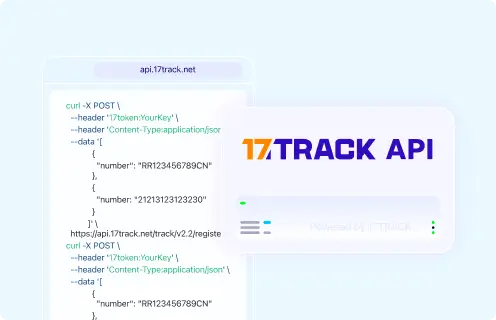
Use current PAC account documentation for any direct integration. For 17TRACK, authenticate with the documented 17token header. The PAC carrier code should be validated from the active 17TRACK carrier configuration, so the example retains a placeholder rather than guessing.
# 1. PAC official tracking API
# Current public official tracking API not confirmed.
# Obtain the active endpoint, method, authentication and payload
# directly through PAC business onboarding before integration.

# 2. 17TRACK API
curl --request POST \
  --url https://api.17track.net/track/v2.4/register \
  --header '17token: YourKey' \
  --header 'Content-Type: application/json' \
  --data '[
    {
      "number": "TRACKING_NUMBER",
      "carrier": "CARRIER_CODE"
    }
  ]'

# Replace CARRIER_CODE only after confirming the active PAC carrier
# code in the current 17TRACK documentation or account configuration.
Sources & References
17TRACK is an independent tracking platform and is not affiliated with PAC.