About WestLink
WestLink(XiYou Logistics or 西游跨境物流) is the carrier identity associated with the supplied company website. Shipment-specific responsibility, route coverage and the party physically holding a parcel should be determined from the latest tracking event and the shipping documents supplied by the merchant or sender.
WestLink Overview
Carrier Entity Relationships
| Entity | Relationship to WestLink |
|---|
| WestLink |
WestLink is the canonical carrier identity used for this tracking guide. |
View all details for the WestLink identity
| Entity type | Carrier identity |
|---|
| Why it matters to tracking | Use this name when selecting or confirming the carrier for a shipment associated with WestLink. |
|---|
| Official evidence | The supplied company website identifies the carrier context for this page. |
|---|
|
| 17TRACK |
17TRACK independently aggregates available tracking events for supported carriers and does not transport WestLink shipments. |
View all details for the 17TRACK relationship
| Entity type | Independent multi-carrier tracking platform |
|---|
| Why it matters to tracking | 17TRACK can present available shipment events in one interface, including normalized lifecycle categories. |
|---|
| Official evidence | 17TRACK tracking platform |
|---|
|
Quick Answer
To track a WestLink shipment, copy the carrier tracking number from the shipping confirmation, label or merchant order page and enter it on the supplied WestLink website or 17TRACK. If no result appears, remove spaces, check every letter and digit, confirm that the identifier is a carrier tracking number rather than an order number, and ask the sender whether the parcel has physically entered the carrier network.
Pro Tip: A shipping confirmation or electronic label can exist before the first physical acceptance scan. 17TRACK displays available carrier data but cannot change an address, arrange delivery, release customs, approve a claim or issue a refund.
How to Track WestLink Packages
Use either the WestLink website for carrier-originated information or 17TRACK for a multi-carrier view. The tracking number must be copied exactly.
- Open the merchant dispatch email, marketplace order page, shipping label or sender-provided receipt.
- Find the carrier tracking number. Do not substitute the store order number, payment reference or product number.
- Remove accidental leading or trailing spaces while preserving letters and digits.
- Open the WestLink website and use its available shipment-tracking path.
- Alternatively, open 17TRACK, enter the number and use carrier detection or select WestLink when offered.
- Read the latest event together with its location and timestamp; the newest event identifies the latest recorded stage, not necessarily the parcel’s precise current position.
Which identifier should you use?
| Identifier | How to use it |
|---|
| Carrier tracking number | Use this for WestLink or 17TRACK shipment tracking. |
| Merchant order number | Use this with the seller or marketplace; it may not work in a carrier tracker. |
| Seller reference | Use this when contacting the sender so the sender can locate the shipment record. |
| Last-mile tracking number | Use it with the destination delivery carrier after a documented handoff. |
Tracking Statuses and Meanings
Tracking wording can differ by service and partner. Use the event timestamp, location and event description together; a normalized category is a summary rather than proof of the parcel’s exact location.
Status Quick Lookup
| Status | What it means |
|---|
| Shipment information received | Electronic shipment data may exist before physical acceptance. |
View all details for shipment information received| Lifecycle stage | Pre-shipment |
|---|
| Current responsible party | The sender remains responsible for tendering the parcel until a physical acceptance event appears. |
|---|
| What happens next | A pickup, acceptance or facility scan should follow after physical handover. |
|---|
| What you should do | Confirm with the sender that the parcel was handed over if the status does not progress. |
|---|
|
| Accepted or received | A logistics facility or carrier has recorded physical receipt. |
View all details for accepted or received| Lifecycle stage | Accepted |
|---|
| Current responsible party | The entity named in the acceptance event or facility record. |
|---|
| What happens next | Sorting and dispatch to the next processing point. |
|---|
| What you should do | Monitor tracking unless the shipment exceeds the booked service expectation. |
|---|
|
| In transit | The shipment is moving through sorting, transfer or line-haul stages. |
View all details for in transit| Lifecycle stage | In transit |
|---|
| Current responsible party | The carrier or transport partner operating the current route segment. |
|---|
| What happens next | Arrival, departure or handoff scans may appear. |
|---|
| What you should do | Check the latest location and allow for scheduled non-scanning transport between facilities. |
|---|
|
| Customs processing | The shipment is subject to export or import review; arrival does not equal release. |
View all details for customs processing| Lifecycle stage | Customs or border processing |
|---|
| Current responsible party | The customs authority controls clearance decisions; the broker, carrier, sender or recipient may need to supply information. |
|---|
| What happens next | Release, assessment, document request, inspection, return or other border action. |
|---|
| What you should do | Respond only through official carrier, broker or customs channels and provide accurate invoice and recipient information. |
|---|
|
| Handed to delivery partner | A partner is expected to control the next transport or last-mile stage. |
View all details for a carrier handoff| Lifecycle stage | Handover |
|---|
| Current responsible party | The party shown in the latest physical-receipt event; electronic pre-advice alone does not prove custody transfer. |
|---|
| What happens next | The receiving partner should record an intake or processing scan. |
|---|
| What you should do | Use a displayed partner number with the partner tracker after the first physical receipt scan. |
|---|
|
| Out for delivery | The destination delivery operator has assigned the parcel to a delivery route. |
View all details for out for delivery| Lifecycle stage | Out for delivery |
|---|
| Current responsible party | The local delivery operator named in the event. |
|---|
| What happens next | Delivery, attempted delivery, pickup availability or an exception scan. |
|---|
| What you should do | Keep the delivery location accessible and follow any verified delivery instructions. |
|---|
|
| Delivered | A delivery completion scan was recorded. |
View all details for delivered| Lifecycle stage | Delivered |
|---|
| Current responsible party | The local delivery operator recorded completion; the sender may need to initiate a formal inquiry where required. |
|---|
| What happens next | The shipment normally closes unless delivery is disputed. |
|---|
| What you should do | Check the address, safe places, household members, reception, mailroom and neighbors before reporting non-receipt. |
|---|
|
| Delivery exception | Delivery could not continue because of an operational, address, access or recipient issue. |
View all details for a delivery exception| Lifecycle stage | Exception |
|---|
| Current responsible party | The operator shown in the latest event controls the next operational action; the sender or recipient may need to correct information. |
|---|
| What happens next | Reattempt, pickup, address review, delay or return. |
|---|
| What you should do | Read the detailed reason and contact the current delivery operator or sender with the tracking number. |
|---|
|
| Available for pickup | The parcel is being held at the location named in tracking. |
View all details for available for pickup| Lifecycle stage | Pickup |
|---|
| Current responsible party | The pickup facility or local delivery operator. |
|---|
| What happens next | Collection by an eligible recipient or return after the applicable holding process. |
|---|
| What you should do | Check the location, identification requirements and collection instructions before traveling. |
|---|
|
| Returning to sender | The parcel has entered a reverse route instead of normal delivery. |
View all details for returning to sender| Lifecycle stage | Return |
|---|
| Current responsible party | The carrier or return partner handling the reverse journey. |
|---|
| What happens next | Processing and transport back to the sender or return address. |
|---|
| What you should do | Contact the merchant about refund or reshipment; interception is not assured once return movement begins. |
|---|
|
Services and Delivery Times
Use the service name, route and delivery commitment printed on the booking or shipping record. A tracking estimate is a forecast; only an explicit commitment in the applicable shipping contract should be treated as a service guarantee.
Service Comparison
| Service | Best for |
|---|
| Booked WestLink shipment service | The shipment type and route shown on the sender’s booking record. |
View all details for a booked WestLink service
| Service type | Use the exact service description supplied by the sender. |
|---|
| Coverage | Determined by the booked origin, destination and routing agreement. |
|---|
| Tracking level | Depends on the scanning and partner-data coverage attached to the shipment. |
|---|
| Key size/weight condition | Follow the accepted booking, label and shipment contract. |
|---|
| Included protection/extra service | Use the sender’s contract or shipping confirmation to determine included liability or protection. |
|---|
| Main limitation | The carrier name alone does not identify the service tier, route or delivery commitment. |
|---|
|
Delivery Time
| Service | Published delivery standard |
|---|
| Booked WestLink service | Use the route-specific standard or estimate stated on the booking record. |
View all delivery-time details for a booked WestLink service
| Business or calendar days | Apply the counting convention shown with the booked estimate. |
|---|
| Guarantee status | An estimate or expected-delivery window is not a guarantee unless the applicable service terms expressly say so. |
|---|
| Starts counting from | Use the start event stated in the service terms; label creation should not be assumed to equal physical acceptance. |
|---|
| Main delay factors | Late tender, non-working days, peak volume, weather, address quality, transport capacity, security review, customs and partner handoff. |
|---|
| Official source date/validity | Apply the terms attached to the sender’s current booking and route. |
|---|
|
Destination Country Delivery Times
| Destination Country / Region | Estimated Delivery Time Range |
|---|
| Destination shown on the booked shipment | Use the route-specific estimate supplied for that shipment rather than a generic country average. |
View all destination delivery-time guidance
| Primary Service Type | The service tier stated on the booking or shipping record. |
|---|
| Average Delivery Days | Assess progress against the shipment’s own estimate and scan history. |
|---|
| Last-Mile Partner / Handoff Carrier | Use the partner explicitly named in tracking, a handoff notice or the sender’s shipment record. |
|---|
| Customs & Clearance Tips | Keep the commercial invoice, accurate goods description, recipient contact details and any requested tax or import information ready. Customs arrival does not mean customs release. |
|---|
|
Route estimates can change after acceptance as new scans, customs events and last-mile data become available. Weekends, public holidays, remote delivery areas and peak-season backlogs may affect the final date.
Common Tracking Problems and Solutions
Start with the latest event, shipment identifier and responsible party. The sender controls booking corrections and commercial remedies, while the carrier or current delivery partner controls physical transport actions.
Problem & Solution
| Problem/status shown | Immediate action |
|---|
| Invalid number or no result | Copy the identifier again, remove accidental spaces and confirm it is a carrier number. |
View all details for an invalid number| Likely cause | Typing error, order number used instead of tracking number, carrier mismatch or shipment data not yet registered. |
|---|
| Check first | Compare the number character by character with the shipping confirmation. |
|---|
| When to escalate | Escalate when the sender cannot provide a working carrier identifier or confirms physical tender without any trackable record. |
|---|
| Who to contact | The sender or merchant first. |
|---|
|
| Label created with no acceptance | Ask the sender whether and when the parcel was physically handed over. |
View all details for label created| Likely cause | Electronic pre-advice exists but a physical receipt scan has not appeared. |
|---|
| Check first | Look for an acceptance, pickup or processing-facility event. |
|---|
| When to escalate | Use the sender’s promised dispatch timing and booked-service terms. |
|---|
| Who to contact | The sender, because the sender controls tender evidence. |
|---|
|
| Long period without an update | Check whether the parcel is between facilities, crossing a border or awaiting a partner intake scan. |
View all details for no tracking update| Likely cause | Scheduled transport without intermediate scans, delayed data exchange, customs processing or operational disruption. |
|---|
| Check first | Review the last event’s location, timestamp and responsible entity. |
|---|
| When to escalate | Escalate according to the booked service’s inquiry rules or after the sender’s promised delivery window passes. |
|---|
| Who to contact | The sender for a contractual inquiry or the current carrier named in tracking. |
|---|
|
| Shipping partner handoff pending | Wait for the receiving carrier’s first physical acceptance scan and keep both identifiers. |
View all details for a pending partner handoff| Likely cause | The receiving carrier has electronic shipment information but may not yet hold the parcel. |
|---|
| Check first | Look for wording that confirms physical receipt rather than data receipt. |
|---|
| When to escalate | Escalate through the sender when the expected handoff window has passed. |
|---|
| Who to contact | The sender or current physical carrier, not a partner that only has pre-advice. |
|---|
|
| Address problem or failed delivery | Read the event reason and ask the current delivery operator whether correction, pickup or reattempt is permitted. |
View all details for an address or delivery problem| Likely cause | Incomplete address, access restriction, recipient absence, local routing issue or unsafe conditions. |
|---|
| Check first | Verify the address against the order record without publishing personal details. |
|---|
| When to escalate | Act before tracking shows irreversible return movement. |
|---|
| Who to contact | The current delivery operator and the sender, because some changes require sender authorization. |
|---|
|
| Customs hold | Check for a document, tax, identity or broker request and respond through an official channel. |
View all details for a customs hold| Likely cause | Routine review, valuation, missing documents, restricted goods, tax assessment or inspection. |
|---|
| Check first | Verify invoice data, goods description, recipient contact details and any official request. |
|---|
| When to escalate | Escalate promptly when an official request has a response deadline. |
|---|
| Who to contact | The broker, carrier customs contact, sender or customs authority identified in the notice. |
|---|
|
| Delivered but not received | Check the address, safe places, household members, reception, mailroom and neighbors in that order. |
View all details for delivered but not received| Likely cause | Alternative delivery location, reception by another person, scanning discrepancy or misdelivery. |
|---|
| Check first | Review the complete event, delivery location and any proof of delivery available from the delivery operator. |
|---|
| When to escalate | Report the issue promptly under the delivery operator’s inquiry process and notify the merchant. |
|---|
| Who to contact | The local delivery operator for delivery details and the sender for a formal investigation or commercial remedy. |
|---|
|
| Lost, damaged or contents missing | Preserve the parcel, contents, label and all packaging; photograph the condition before disposal. |
View all details for loss or damage| Likely cause | Transport damage, packaging failure, loss, shortage or tampering. |
|---|
| Check first | Compare contents with the invoice and record the external and internal packaging. |
|---|
| When to escalate | Start the applicable process promptly because eligibility and filing windows depend on the service contract. |
|---|
| Who to contact | The sender or merchant and the party entitled to file under the shipping contract. |
|---|
|
International Shipping, Customs and Carrier Handoffs
When a WestLink shipment crosses borders or uses partners, custody and tracking visibility can change by stage. Electronic data transfer, physical handover, customs release and last-mile acceptance are separate events.
International Flow
| Stage | What is happening |
|---|
| Shipment data created | The sender creates booking or label data before or during tender. |
View all details for shipment data creation| Physical custodian/responsible entity | The sender until physical handover is recorded. |
|---|
| Typical tracking event | Information received or label created. |
|---|
| Can the tracking number change? | A partner or last-mile identifier may later be associated with the shipment. |
|---|
| Normal visibility gap | No physical movement event may appear before acceptance. |
|---|
| What the customer should do | Ask the sender for tender confirmation if the status remains at pre-shipment. |
|---|
|
| Origin acceptance and processing | The parcel enters the logistics network and is sorted for its route. |
View all details for origin processing| Physical custodian/responsible entity | The entity identified by the acceptance or facility event. |
|---|
| Typical tracking event | Accepted, received, processed or departed facility. |
|---|
| Can the tracking number change? | The original number may remain active while an internal or partner reference is added. |
|---|
| Normal visibility gap | Movement between facilities may not generate public intermediate scans. |
|---|
| What the customer should do | Monitor progress against the booked service expectation. |
|---|
|
| Export control and line-haul | Security or export processing is followed by transport toward the destination country. |
View all details for export and line-haul| Physical custodian/responsible entity | The export handler or contracted transport operator, subject to government control. |
|---|
| Typical tracking event | Export processing, departure, dispatched or line-haul movement. |
|---|
| Can the tracking number change? | A consolidated transport reference may exist, but the customer should retain the original number. |
|---|
| Normal visibility gap | Long-distance transport may create a gap until destination arrival or deconsolidation. |
|---|
| What the customer should do | Avoid treating a lack of intermediate scans as proof of loss. |
|---|
|
| Import customs | The destination authority determines admissibility, tax assessment and release. |
View all details for import customs| Physical custodian/responsible entity | A customs-controlled facility, carrier, postal operator or broker may hold the shipment while the customs authority controls the decision. |
|---|
| Typical tracking event | Arrived for clearance, customs processing, document request, held or released. |
|---|
| Can the tracking number change? | The shipment may acquire a broker or destination reference. |
|---|
| Normal visibility gap | Public tracking may remain unchanged during review. |
|---|
| What the customer should do | Respond to official requests and do not assume destination arrival means release. |
|---|
|
| Partner handoff | Shipment data and then the physical parcel transfer to a destination or last-mile operator. |
View all details for partner handoff| Physical custodian/responsible entity | The last entity with a confirmed physical scan remains the best evidence of custody until the receiving partner records intake. |
|---|
| Typical tracking event | Pre-advised to partner, handed over, received by destination carrier or partner acceptance. |
|---|
| Can the tracking number change? | Yes. A linked last-mile number may appear while the original number remains searchable. |
|---|
| Normal visibility gap | A gap may occur between electronic pre-advice, physical transfer and the first partner scan. |
|---|
| What the customer should do | Keep both identifiers and use the destination operator only after it acknowledges receipt. |
|---|
|
| Last-mile delivery | The destination operator sorts the parcel locally and attempts delivery or makes it available for pickup. |
View all details for last-mile delivery| Physical custodian/responsible entity | The local delivery operator named in the latest physical event. |
|---|
| Typical tracking event | Received at delivery facility, out for delivery, attempted, pickup or delivered. |
|---|
| Can the tracking number change? | The local operator may use its own identifier. |
|---|
| Normal visibility gap | Data synchronization can delay the display of local scans on another platform. |
|---|
| What the customer should do | Use the local operator’s instructions for delivery access, pickup or proof of delivery. |
|---|
|
Delivery Management and Post-shipment Options
Post-shipment changes depend on the booked service, current transport stage and the authority of the requester. The sender should request booking-level changes; the recipient should follow instructions from the current destination delivery operator.
Delivery Management
| Option | Who can request |
|---|
| Address review or correction request | The sender should initiate booking-level corrections; recipient eligibility depends on the delivery operator. |
View all details for an address request| Eligibility | Depends on service, identity checks, customs status and whether delivery routing has started. |
|---|
| Deadline/available stage | Request action before final delivery or irreversible return movement. |
|---|
| Fee | Any charge follows the applicable booking terms. |
|---|
| Guaranteed? | No; submitting a request does not prove operational completion. |
|---|
| Official action link | WestLink website |
|---|
|
| Redelivery or pickup inquiry | The recipient may follow instructions issued by the local delivery operator. |
View all details for redelivery or pickup| Eligibility | The tracking event or delivery notice must offer the applicable option. |
|---|
| Deadline/available stage | Act during the local operator’s active delivery or holding process. |
|---|
| Fee | Determined by the local operator and service. |
|---|
| Guaranteed? | No; route capacity, identity checks and shipment restrictions may apply. |
|---|
| Official action link | Use the verified destination operator identified in the latest tracking event. |
|---|
|
| Proof of delivery inquiry | The sender, recipient or authorized account holder may request delivery evidence where the service supports it. |
View all details for proof of delivery| Eligibility | Depends on service features, local law and requester authorization. |
|---|
| Deadline/available stage | After a delivered event appears. |
|---|
| Fee | Determined by the booked service or account agreement. |
|---|
| Guaranteed? | The form of available evidence can differ by service and delivery method. |
|---|
| Official action link | Contact the operator that recorded the final delivery event. |
|---|
|
Lost, Damaged, Claims, Insurance and Refunds
A tracking inquiry, transport investigation, carrier claim and merchant refund are different processes. The shipping contract determines who can file a carrier claim, while the merchant controls order-level refunds or replacement decisions.
Claims and Refunds
| Process | Use when |
|---|
| Tracking inquiry | Use when shipment events need clarification or movement appears delayed. |
View all details for a tracking inquiry| Who files | The sender, recipient or account holder may ask for tracking clarification, subject to identity rules. |
|---|
| Earliest/latest filing time | Follow the inquiry rules attached to the booked service and route. |
|---|
| Required evidence | Tracking number, shipping date, service, addresses and latest event. |
|---|
| Possible outcome | Status explanation, investigation, request for more information or referral to the sender. |
|---|
| Official link | WestLink website |
|---|
|
| Loss, damage or shortage claim | Use when the parcel is lost, damaged or missing contents and the shipment terms provide a claims process. |
View all details for a transport claim| Who files | The party entitled under the shipping contract, commonly the sender or account holder. |
|---|
| Earliest/latest filing time | Use the service-specific claims window stated in the applicable contract. |
|---|
| Required evidence | Tracking number, invoice, value proof, item description, photographs and retained packaging. |
|---|
| Possible outcome | Investigation, request for evidence, settlement under applicable liability, or denial. |
|---|
| Official link | Use the contact path connected to the sender’s booking or account. |
|---|
|
| Merchant refund or replacement | Use when the buyer seeks an order-level commercial remedy. |
View all details for a merchant remedy| Who files | The buyer submits the request to the merchant or marketplace. |
|---|
| Earliest/latest filing time | Follow the merchant or marketplace buyer-protection policy. |
|---|
| Required evidence | Order number, tracking history, item details, correspondence and photographs where relevant. |
|---|
| Possible outcome | Refund, replacement, further investigation or denial under the seller’s policy. |
|---|
| Official link | Use the order page or verified merchant support channel. |
|---|
|
17TRACK cannot approve claims, determine liability, refund postage, reimburse an order or alter a carrier investigation.
Shipping Restrictions and Special Handling
The sender must check the booked service rules, origin export controls, destination import rules and transport-mode restrictions before tender. Acceptance or a tracking scan does not establish that an item is legally admissible.
Shipping Restrictions
| Category | Prohibited or restricted |
|---|
| Dangerous goods | Subject to transport-mode, classification, documentation and packaging restrictions. |
View all details for dangerous goods| Typical examples | Flammable, explosive, corrosive, toxic or pressurized materials. |
|---|
| Key condition/packaging | Classification, declaration, approved packaging and trained handling may be required. |
|---|
| Transport limitation | Air, road, sea and destination rules can differ. |
|---|
| Possible tracking/delivery impact | Security hold, inspection, rerouting, refusal or return. |
|---|
| Official rules | Use the rules attached to the booked service and relevant government regulations. |
|---|
|
| Batteries and electronic devices | Restricted according to battery type, condition, power rating, packing method and transport mode. |
View all details for batteries| Typical examples | Lithium-ion batteries, lithium-metal batteries, power banks and battery-powered devices. |
|---|
| Key condition/packaging | Protect terminals, prevent activation and use compliant inner and outer packaging. |
|---|
| Transport limitation | Standalone batteries may face stricter conditions than batteries contained in equipment. |
|---|
| Possible tracking/delivery impact | Security screening, service change, refusal or return. |
|---|
| Official rules | Confirm acceptance before booking and declaring the shipment. |
|---|
|
| Liquids, perishables and temperature-sensitive goods | Restricted by packaging, leakage risk, shelf life, route duration and destination controls. |
View all details for liquids and perishables| Typical examples | Food, cosmetics, liquid products and goods requiring controlled temperature. |
|---|
| Key condition/packaging | Leakproof containment, absorbent material and appropriate protective packaging may be needed. |
|---|
| Transport limitation | Transit and customs delays may exceed product shelf life. |
|---|
| Possible tracking/delivery impact | Inspection, leakage exception, disposal, refusal or return. |
|---|
| Official rules | Check service and destination acceptance before tender. |
|---|
|
| Controlled, sanctioned or destination-restricted goods | May be prohibited or require permits, licenses, tax documents or regulatory approval. |
View all details for controlled goods| Typical examples | Weapons, medicines, plants, food, currency, cultural property and sanctioned goods. |
|---|
| Key condition/packaging | Accurate declaration and applicable permits are essential. |
|---|
| Transport limitation | Origin, transit and destination laws all apply. |
|---|
| Possible tracking/delivery impact | Customs hold, seizure, abandonment, return or regulatory investigation. |
|---|
| Official rules | Consult the relevant customs and regulatory authorities as well as the service terms. |
|---|
|
Customer Service
For the fastest resolution, first identify whether the sender, WestLink, customs or a destination delivery partner controls the requested action. Use verified contact information displayed on the official website or shipment record.
Customer Service
| Channel | Verified contact/link |
|---|
| WestLink website | http://www.westlinkintl.com/ |
View all details for the WestLink website
| Best for | Carrier information and any current contact or tracking path displayed by WestLink. |
|---|
| Region/language | Use the site options applicable to the shipment record. |
|---|
| Hours and time zone | Follow the hours shown on the current contact channel before calling or visiting. |
|---|
| Information to prepare | Tracking number, sender, shipping date, origin, destination, latest event and requested action. |
|---|
| Important limitation | The website cannot replace sender authorization where the shipping contract requires it. |
|---|
|
| 17TRACK | https://www.17track.net/en |
View all details for 17TRACK
| Best for | Viewing available multi-carrier tracking events. |
|---|
| Region/language | Use the language and regional options offered by 17TRACK. |
|---|
| Hours and time zone | The tracking website is accessible online. |
|---|
| Information to prepare | Carrier tracking number and carrier name when manual selection is needed. |
|---|
| Important limitation | 17TRACK does not transport parcels or approve delivery changes, claims or refunds. |
|---|
|
| Sender or merchant | Use the verified support channel on the order confirmation or marketplace order page. |
View all details for contacting the sender
| Best for | Missing tracking number, dispatch confirmation, booking correction, formal carrier inquiry, refund or replacement. |
|---|
| Region/language | Determined by the merchant or marketplace. |
|---|
| Hours and time zone | Follow the merchant’s support schedule. |
|---|
| Information to prepare | Order number, tracking number, item description, value, delivery address and supporting photographs. |
|---|
| Important limitation | The merchant cannot directly override customs decisions or completed carrier scans. |
|---|
|
Recommended escalation order: verify the number and latest event, contact the sender for booking evidence, contact the current physical carrier for operational details, respond to an identified customs or broker request, and preserve documents and packaging if a formal claim may follow.
Ecommerce and Business Tracking
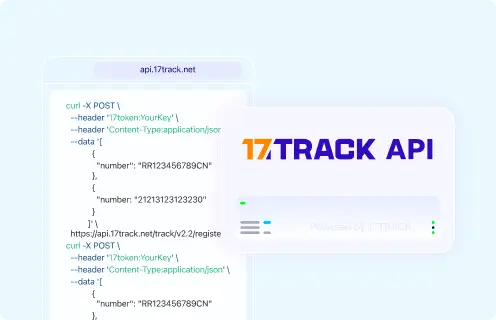
Consumers can use a web tracker for individual shipments. Merchants managing multiple carriers can use 17TRACK’s documented API to register tracking numbers and build standardized shipment monitoring into order-support workflows.
Developer/API Comparison
| Option | Provider |
|---|
| Carrier website tracking | WestLink |
View all details for WestLink website tracking
| Carrier coverage | WestLink shipment context and any connected partner data exposed through the carrier’s current system. |
|---|
| Primary use | Individual shipment lookup and carrier-specific support. |
|---|
| Authentication | Follow the access method shown by the current website. |
|---|
| Tracking/batch/webhook capability | Use only capabilities documented in the current carrier interface or account agreement. |
|---|
| Current developer documentation | WestLink website |
|---|
| Migration/deprecation note | Integrators should verify current documentation before implementing or retaining an integration. |
|---|
|
| Multi-carrier Tracking API | 17TRACK |
View all details for the 17TRACK API
| Carrier coverage | Multiple supported carriers through one integration. |
|---|
| Primary use | Shipment registration, normalized tracking workflows and multi-carrier operations. |
|---|
| Authentication | The documented request header uses a 17token API key. |
|---|
| Tracking/batch/webhook capability | Use the capabilities and limits defined in the current 17TRACK API documentation. |
|---|
| Current developer documentation | 17TRACK API documentation |
|---|
| Migration/deprecation note | Implement against the currently documented API version and review release or migration guidance before changing production integrations. |
|---|
|
FAQ
1. How do I track my WestLink package?Enter the carrier tracking number through the WestLink website or use 17TRACK to view available shipment events. Copy the number exactly and select WestLink when manual carrier selection is required.
2. Where can I find my WestLink tracking number?Look in the dispatch email, marketplace order page, shipping label, receipt or message from the sender. Ask the merchant for the carrier tracking number if you only have an order reference.
3. What does a WestLink tracking number look like?Use the complete identifier printed on the shipment record rather than identifying the service from a prefix. Preserve all letters and digits, and remove formatting spaces only when a tracker rejects them.
4. When will the first WestLink tracking event appear?The first physical event normally depends on tender and acceptance, while electronic shipment information may appear earlier. Ask the sender for physical handover evidence when tracking remains at the label or information stage.
5. Why is my WestLink tracking not updating?A shipment may be between facilities, in line-haul transport, undergoing customs review or waiting for a partner intake scan. Review the latest location and contact the sender if the booked delivery expectation has passed.
6. How long does WestLink delivery take?Delivery time depends on the booked service, route, acceptance time, customs and partner handoffs. Use the route-specific estimate on the shipment record and do not treat a tracking forecast as a guarantee.
7. What should I do after a failed WestLink delivery?Read the detailed failure reason and follow instructions from the current local delivery operator. Contact the sender as well when an address correction or authorization must come from the shipping account holder.
8. What should I do if WestLink shows delivered but I cannot find the package?Check the delivery address, safe places, household members, reception, mailroom and neighbors before escalating. Then request delivery details from the final delivery operator and notify the sender promptly.
9. How do I report a lost or damaged WestLink shipment?Notify the sender and preserve the item, label, contents and all packaging. The party entitled under the shipping contract should follow the service-specific investigation or claims process with value proof and photographs.
10. How do I contact WestLink?Use the current contact path displayed on the WestLink website or on the shipment record. Prepare the tracking number, shipping date, addresses, latest event and requested action.
11. Does a label-created event mean WestLink physically has the parcel?No; label or shipment-information events can represent electronic pre-advice only. A pickup, acceptance or processing scan provides stronger evidence that a physical handover occurred.
12. Can a WestLink shipment receive a second tracking number?A partner or destination carrier may associate a secondary identifier with a shipment. Keep both numbers because the original may show origin events while the secondary number shows the partner-controlled segment.
13. Who is responsible during a WestLink carrier handoff?The last confirmed physical-receipt event is the best evidence of custody until the receiving partner records intake. Electronic pre-advice to a partner does not by itself establish physical transfer.
14. Does arrival in the destination country mean a WestLink shipment cleared customs?No; destination arrival, customs presentation and customs release are separate stages. Wait for a release or onward-processing event and respond promptly to official document or tax requests.
15. Can businesses track WestLink shipments through an API?Businesses can use the documented 17TRACK API for supported multi-carrier tracking workflows. Confirm the current carrier code through 17TRACK documentation or account tools rather than guessing it, and verify any direct WestLink integration against current carrier documentation before implementation.
Tracking API
Use the current 17TRACK API documentation for authentication, request limits and response handling. The carrier code is intentionally retained as a placeholder and should be replaced only with the code confirmed through current 17TRACK documentation or account tools.
# 1. WestLink official tracking API
# Current public official tracking API not confirmed.
# Verify current direct integration documentation with WestLink before implementation.

# 2. 17TRACK API
curl --request POST \
  --url https://api.17track.net/track/v2.4/register \
  --header '17token: YourKey' \
  --header 'Content-Type: application/json' \
  --data '[
    {
      "number": "TRACKING_NUMBER",
      "carrier": "CARRIER_CODE"
    }
  ]'

# Replace TRACKING_NUMBER with the shipment identifier.
# Replace CARRIER_CODE only after confirming the current 17TRACK carrier code.
Sources & References
17TRACK is an independent tracking platform and is not affiliated with WestLink.