TFWW Tracking
Please enter the TFWW tracking number to check the latest shipping status.
About TFWW
TFWW is a non-asset-based logistics provider operating through agent stations, corporate sales personnel, carrier partnerships and a multi-modal transportation platform. TFWW arranges and manages freight rather than acting as the physical carrier for every movement. Its documented services include domestic and international airfreight, ocean freight, less-than-truckload, truckload, intermodal, expedited ground, trade-show logistics and white-glove delivery.
| Fact | Confirmed information |
|---|---|
| Official website | https://tfwwi.com/ |
| Carrier type | Non-asset-based logistics provider and freight forwarder using selected transportation carriers. |
| Primary operating region | United States agent-station network with global logistics services through air, ocean and ground carrier relationships. |
| Parent organization | TFI International provides the broader transportation and logistics resources described by TFWW. |
| Corporate headquarters | 1000 Windham Parkway, Bolingbrook, Illinois 60490, United States. |
Carrier Entity Relationships
| Entity | Relationship and tracking significance |
|---|---|
| TFWW | TFWW coordinates freight services and provides shipment-management visibility; the physical shipment may move with a selected partner carrier. |
| TFWW Connect | TFWW Connect is TFWW’s proprietary transportation-management system for quoting, shipping, freight management, reporting and tracking. |
| Agent Station Network | TFWW’s agent stations provide local support across the United States and can help identify the operating carrier or shipment owner. |
| Selected carrier partners | Partner carriers may perform pickup, line-haul, terminal processing or delivery; their own reference may be needed for a detailed physical scan. |
| 17TRACK | 17TRACK is an independent tracking platform that aggregates available carrier events; it does not operate TFWW shipments. |
Quick Answer
Use the reference number supplied by TFWW, your shipper or the freight booking system. TFWW’s official MG Tracking page accepts up to 10 comma-separated, case-sensitive reference numbers and supports an upload template for up to 25 shipments. You can also try the same reference through 17TRACK, but the result depends on the underlying carrier’s event feed. An order number, invoice number or purchase-order number may not be a transport reference.
How to Track TFWW Packages
For the most authoritative result, use the reference generated by the booking or freight-management system on TFWW’s official tracking page. Use 17TRACK when you want a second view across supported transportation carriers.
Tracking paths
| Path | Steps and limitations |
|---|---|
| Official TFWW MG Tracking | Open TFWW MG Tracking, enter up to 10 exact reference numbers separated by commas, or use the official upload template for up to 25 shipments. |
| 17TRACK | Enter the available shipment identifier at 17TRACK. Automatic recognition may identify the physical carrier, but TFWW’s booking reference and the carrier’s parcel or freight number may be different. |
| Business account | TFWW Connect is intended for quoting, shipping, freight management, invoices and reports. Account access is required where the account workflow requests credentials. |
Look for the number on a booking confirmation, bill of lading, freight label, shipper email or TFWW Connect record. The reference number identifies a shipment in a system; an order number identifies a commercial purchase; a carrier tracking number identifies a physical carrier’s movement. Ask the shipper to map these identifiers when several numbers appear.
Tracking Number Formats and Examples
TFWW’s official tracking page describes its input as case-sensitive reference numbers rather than publishing one universal TFWW number pattern. Because TFWW selects carriers and modes, the identifier visible to a customer can be a TFWW reference, a partner-carrier number, a bill-of-lading reference or a freight-management record.
Tracking Number Format
| Identifier family | Normalized pattern and use |
|---|---|
| TFWW MG reference | A case-sensitive reference entered exactly as issued by the TFWW or MercuryGate workflow; the official page does not publish a single fixed length or prefix rule. |
| Carrier-issued freight number | The selected LTL, truckload, air, ocean or intermodal carrier may issue its own number. Its syntax, scan coverage and carrier portal depend on the selected partner. |
| Bill of lading or shipment reference | A transport or commercial reference used by the shipper, forwarder or carrier. It may locate a freight movement without being a parcel barcode. |
| Order or purchase reference | A merchant-side identifier used for commerce or accounting. It is not automatically searchable in TFWW MG Tracking. |
| International forwarding identifiers | Air waybill, ocean bill of lading, container, booking or destination-carrier references can appear at different stages. A handoff can create a second searchable identifier. |
Do not infer a service or carrier solely from a prefix. Preserve capitalization and punctuation unless the official system instructs otherwise. A marketplace buyer should ask the seller for the TFWW reference and the physical carrier number when both exist; an API or EDI customer should use the identifier defined in its TFWW Connect integration rather than guessing from a label.
Tracking Statuses and Meanings
TFWW tracking combines freight-management information with events supplied by the selected transportation carrier. The physical custodian can therefore change during the journey.
Status Quick Lookup
| Status | Lifecycle meaning |
|---|---|
| Reference created | A shipment record or label exists, but this does not prove that a carrier has physically received the freight. Check with the shipper if no acceptance event follows. |
| Pickup scheduled or tendered | The shipment is being arranged for pickup or has been presented to a transportation provider. The pickup carrier is the next operational party. |
| In transit | A carrier or terminal has reported movement. Freight can remain in this state between scans, especially during line-haul. |
| At terminal or transfer | The shipment is being sorted, cross-docked or transferred. The terminal or operating carrier controls the next scan. |
| Customs or document review | International freight requires clearance or additional information. Arrival at customs is not the same as release. |
| Out for delivery | The final delivery provider has assigned the freight to a delivery route. Confirm appointment or receiving requirements where applicable. |
| Delivered or signed | A delivery event has been recorded. If the freight is missing, check the proof of delivery and contact the shipper or delivering carrier. |
| Exception or return | A delivery, document, address, capacity, damage or routing issue needs attention. The shipper normally controls corrective instructions. |
Services and Delivery Times
TFWW matches shipment characteristics and customer priorities with a mode and carrier. The official service pages publish selected air-service estimates, while transit for LTL, truckload, ocean, intermodal and customized forwarding is determined by the shipment, route and carrier.
Service Comparison
| Service | Best fit |
|---|---|
| LTL | Freight that does not require a full trailer; routing considers weight, density, dimensions and pallet count. |
| Truckload | Higher-volume shipments requiring truck capacity and customized tracking. |
| Air freight | Domestic or international freight where speed and carrier selection are important; listed options include next-flight-out, premium and standard services. |
| Ocean freight | Full-container, less-than-container and drayage movements within a global forwarding network. |
| White glove | First- and final-mile projects involving inside delivery, unpacking, installation, assembly or debris removal. |
Delivery Time
| Service | Published or operational timing |
|---|---|
| Next flight out | A rapid air-freight option selected for the next available flight; the actual schedule depends on origin, destination, capacity and handling. |
| Same day, next day or two day air | Named service choices shown by TFWW; the applicable commitment and cutoff must be confirmed in the shipment quotation. |
| Premium air | TFWW lists a 2–4 day service option; customs, pickup timing and destination handling can affect the actual movement. |
| Standard air | TFWW lists a 4–7 day service option; it should be treated as a service estimate unless the shipment documents state a guarantee. |
| LTL, truckload, ocean and intermodal | Transit is quoted per shipment and depends on route, equipment, terminal transfers, capacity, weather, customs and receiving conditions. |
Destination Country Delivery Times
| Destination or lane | Planning guidance |
|---|---|
| United States domestic | Select LTL, truckload, expedited ground, air or intermodal according to the quoted route and service level. |
| Canada and Mexico | International forwarding timing must include border documentation, customs and the destination carrier’s delivery plan. |
| Other international destinations | Use the shipment-specific air or ocean quotation; TFWW does not publish a universal country-by-country delivery table on the reviewed service pages. |
Common Tracking Problems and Solutions
Most tracking problems are resolved by identifying which reference is being searched and which party currently has the freight. The shipper or account holder usually has greater authority than a recipient to correct booking, address, service and claim details.
Problem & Solution
| Problem or status | First action |
|---|---|
| Invalid reference | Copy the identifier exactly, preserve capitalization, remove accidental spaces and ask the shipper whether it is a TFWW reference, carrier number or order number. |
| No tracking event | A record may exist before physical pickup. Confirm tender, pickup date and selected carrier with the shipper or TFWW account contact. |
| No update during transit | Freight can move between terminal scans. Compare the promised service with the latest event and request a carrier trace when the quoted window is exceeded. |
| Address or delivery problem | Contact the shipper or TFWW representative promptly; the booking party may need to authorize correction, appointment or re-delivery. |
| Customs or document hold | Provide commercial, consignee or commodity information through the responsible forwarder or customs contact. Customs arrival does not mean release. |
| Delivered but missing | Check the receiving dock, signed proof of delivery, building staff and delivery address, then ask the shipper to open a delivery investigation with the physical carrier. |
| Damage or shortage | Photograph packaging and contents, preserve the freight and notify the shipper or carrier according to the governing transport terms. |
International Shipping, Customs and Carrier Handoffs
TFWW’s international role is freight forwarding and coordination across air, ocean and ground partners. The selected carrier, forwarder, customs party and destination provider may each produce separate events or references.
International Flow
| Stage | What the customer should understand |
|---|---|
| Booking and origin pickup | TFWW or an agent creates the shipment and an origin carrier collects or receives the freight. A booking record alone is not physical acceptance. |
| Export preparation | The forwarder and carrier prepare routing, security, export documents and consolidation. A document issue can stop movement before departure. |
| Line-haul | Air, ocean, ground or intermodal partners carry the freight. Scan visibility may pause between origin and destination facilities. |
| Import customs | The destination authority or appointed customs broker reviews declarations, duties, taxes and admissibility. Customs arrival is not customs release. |
| Partner handoff | Electronic pre-advice, physical tender and the first destination-carrier scan are separate events; the delivery carrier becomes operationally responsible after its accepted handoff. |
| Final delivery | The destination carrier or appointed delivery team completes appointment, delivery, signature or exception processing. |
Delivery Management and Post-shipment Options
Delivery changes depend on the physical carrier, shipment terms, service and stage. TFWW’s published services support scheduling, pickup management, carrier selection and white-glove delivery coordination, but a recipient should not assume that every carrier offers the same redirect or hold option.
Delivery Management
| Option | Responsible party and condition |
|---|---|
| Pickup scheduling | The shipper or authorized account user schedules pickup through the TFWW workflow; availability depends on the selected carrier and route. |
| Delivery appointment | The receiving party should coordinate appointment requirements with the shipper, TFWW representative or delivering carrier before the freight reaches the final terminal. |
| White-glove services | TFWW lists inside delivery, unpacking, debris removal, assembly and technical installation as possible service elements when selected and quoted. |
| Address correction or re-delivery | Request through the shipper or account contact; success, timing and charges are controlled by the operating carrier and shipment terms. |
Lost, Damaged, Claims, Insurance and Refunds
A tracking inquiry asks where freight is; a carrier investigation examines a service failure; a cargo claim seeks compensation; and a merchant refund is a separate commercial decision. Preserve the freight, packaging, photographs, invoices, value evidence, bill of lading and delivery record.
Claims and Refunds
| Process | Use when and who acts |
|---|---|
| Tracking inquiry | Use when an event or delivery location needs clarification; the shipper, recipient or account contact can request assistance. |
| Carrier investigation | Use for a suspected loss, delay, shortage or delivery discrepancy; the shipper normally opens the case with the operating carrier or TFWW contact. |
| Cargo or damage claim | Use when compensation is sought under the governing carrier, forwarding or insurance terms; deadlines and eligible filers depend on those terms. |
| Postage or service refund | Use only where the quoted service terms provide a refund remedy; this is separate from a merchant refund and cannot be approved by 17TRACK. |
Shipping Restrictions and Special Handling
TFWW services may involve air, ocean, ground, intermodal and freight-forwarding rules. The operating carrier, origin and destination authorities determine the applicable restrictions. Confirm the current terms before tendering regulated or unusual freight.
Shipping Restrictions
| Category | Operational consideration |
|---|---|
| Dangerous goods | TFWW identifies dangerous-goods-certified operations and references CFR, IATA and IMDG frameworks; classification, packing, marking and documentation are required. |
| Batteries, liquids and chemicals | Acceptance depends on mode, quantity, packaging, declarations and the selected carrier; an undeclared item can be refused or delayed. |
| Oversize or dense freight | Weight, density, dimensions and pallet count influence LTL recommendations, equipment and pricing. |
| International commodities | Export and import documents, admissibility, duties and taxes are destination-specific and can affect clearance and delivery. |
Customer Service
Start with the TFWW tracking page for a reference lookup. For a delay, address issue, claim or carrier-specific scan, the shipper or account representative is usually the fastest escalation route because the booking party can authorize operational changes.
Customer Service
| Channel | Verified contact and best use |
|---|---|
| Tracking | TFWW MG Tracking; use for exact references and batch upload. |
| Main phone | 877-744-3818; use for general TFWW assistance. The official site also directs payment callers to a menu option, so have the account and shipment details ready. |
| Headquarters and contact form | 1000 Windham Parkway, Bolingbrook, Illinois 60490, United States. Use the contact route on the official website for a written request. |
| Local agent | TFWW describes an agent network of more than 130 United States stations with 24/7 availability; use the official agent contact route to identify a local representative. |
Prepare the reference, ship date, origin and destination, service or mode, latest scan, consignee details, commodity description, package or pallet count, photographs and value documents before contacting TFWW.
Ecommerce and Business Tracking
TFWW Connect is designed for business freight workflows, including quotes, shipping, shipment tracking, freight history, invoices and reports. TFWW describes integration options including single sign-on, EDI, API and plugins for major CMS platforms. Access and onboarding are arranged through TFWW.
Developer/API Comparison
| Option | Provider | ||||||||||
|---|---|---|---|---|---|---|---|---|---|---|---|
| TFWW Connect integration | TFWW | ||||||||||
View all details for TFWW Connect integration
| |||||||||||
| 17TRACK API | 17TRACK | ||||||||||
View all details for 17TRACK API
| |||||||||||
FAQ
Basic FAQs
Enter the exact TFWW reference on the official MG Tracking page, or try the identifier in 17TRACK when the underlying carrier is supported.
Look in the booking confirmation, freight label, bill of lading, shipper email or TFWW Connect record.
TFWW does not publish one universal public format; the reference is case-sensitive and may be accompanied by a separate operating-carrier number.
A shipment record may exist before physical pickup or the carrier’s first scan; confirm tender and the selected carrier with the shipper.
Timing depends on mode, route, carrier, capacity, customs and receiving conditions; TFWW lists premium air at 2–4 days and standard air at 4–7 days as service options.
Check the last scan and quoted service window, then ask the shipper or TFWW representative to request a carrier trace if the expected window has passed.
Contact the shipper or account representative promptly because re-delivery, appointment and address instructions depend on the operating carrier.
Check the receiving dock, signed proof of delivery, building staff and delivery address, then ask the shipper to open an investigation.
Preserve packaging and contents, collect photographs and value documents, and have the shipper or account owner start the applicable carrier or cargo claim.
Use the official tracking and contact routes or call 877-744-3818 with the reference, route, service and latest event ready.
Expert FAQs
No. TFWW is a non-asset-based logistics provider that selects and coordinates transportation carriers, so the physical custodian can be a partner carrier.
A TFWW reference locates the shipment in a TFWW or management workflow, while a carrier number identifies scans created by the physical transportation provider.
No. Booking or reference creation is administrative; physical acceptance requires a pickup, terminal or carrier event.
No. Customs arrival starts or records a review; release requires the responsible authority or broker to complete the applicable process.
The official MG Tracking page accepts up to 10 comma-separated references and provides an upload workflow for up to 25 shipments.
TFWW describes API, EDI, single sign-on and CMS plug-in integration through TFWW Connect; implementation details are handled through account onboarding.
No. 17TRACK reports available events but cannot authorize address changes, re-delivery, claims, refunds or carrier instructions.
Tracking API
// TFWW official API:
// A current public TFWW tracking endpoint, method and authentication format
// are not published on the reviewed public pages. Use TFWW Connect onboarding
// documentation rather than copying an unverified endpoint.

// 17TRACK API: current documented registration endpoint
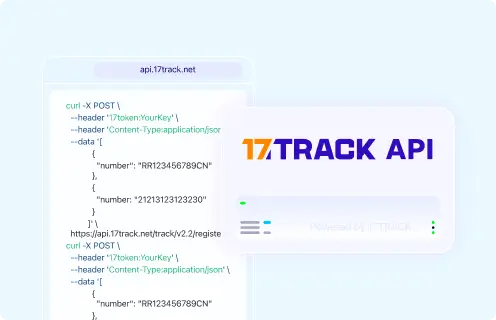
POST https://api.17track.net/track/v2.4/register
Headers:
  17token: YourKey
  Content-Type: application/json

Body:
[
  {
    "number": "TRACKING_NUMBER",
    "carrier": "CARRIER_CODE"
  }
]

// Replace CARRIER_CODE only with the value confirmed in the current
// 17TRACK carrier documentation for the physical carrier.
Sources & References
- About Us — TFWW. TFWW
- Services — TFWW. TFWW
- MG Tracking — TFWW. TFWW
- Agent Station Network — TFWW. TFWW
- Home — TFWW. TFWW
- API Documentation — 17TRACK. 17TRACK
17TRACK is an independent tracking platform and is not affiliated with TFWW.
Track your package
Global express parcel tracking service