QS Tracking
Please enter the QS tracking number to check the latest shipping status.
About QS
QS(钦顺国际) is a cross-border consolidation and forwarding platform serving international parcel movements from China. QS describes its service as global consolidation, with self-operated domestic receiving warehouses, parcel storage, consolidation, international forwarding, customs-related handling and destination delivery arrangements.
| Field | Confirmed information |
|---|---|
| Official website | https://www.qinshunwl.com/ |
| Carrier type | Cross-border consolidation and forwarding platform with warehouse receiving and arranged destination delivery. |
| Primary regions | China-origin shipments to Canada, the United States, Australia, Taiwan, Japan, South Korea, Southeast Asia, the United Kingdom and other listed destinations. |
| Tracking page | QS shipment tracking entry |
| Customer service | The official contact pages list 15221212348. |
Carrier Entity Relationships
| Entity | Relationship to QS |
|---|---|
| QS | QS receives, stores, consolidates and forwards eligible customer parcels. |
| QS warehouse | QS identifies domestic self-operated receiving warehouses as the place where parcels can be received and stored before consolidation. |
| Destination delivery providers | QS arranges delivery through its listed service routes; a destination postal operator or local delivery company may appear after handoff. |
| 17TRACK | 17TRACK is an independent tracking platform that aggregates available carrier events and does not operate QS transportation. |
Quick Answer
Enter the QS shipment or waybill identifier in the official QS tracking area, or enter it in 17TRACK for aggregated events. If no result appears, check whether the number is a parcel identifier rather than an order number, remove spaces or punctuation, and ask the seller or QS to confirm that the parcel has been registered.
How to Track QS Packages
Use the identifier shown in a QS account, warehouse notice, waybill, dispatch message or seller notification. An order number identifies a purchase; a reference number identifies a customer or transaction record; a tracking number identifies a transport record.
| Step | Action |
|---|---|
| 1. Locate the identifier | Check the QS account, warehouse arrival message, shipping invoice, seller email or waybill. Use the transport identifier instead of the marketplace order number. |
| 2. Check with QS | Open the official QS tracking entry and submit the identifier exactly as issued. |
| 3. Check with 17TRACK | Submit the same identifier to 17TRACK when you need a consolidated view of available origin, handoff and destination events. |
| 4. Resolve a blank result | Confirm spelling, remove spaces and hyphens, allow time for registration after label creation, and ask the seller or QS to identify the active waybill. |
Tracking Number Format
| Identifier family | Normalized pattern and use | ||||||||
|---|---|---|---|---|---|---|---|---|---|
| QS waybill or consolidation identifier | Use the exact alphanumeric identifier shown in the QS account, waybill or shipment notice. QS pages also display shipment records such as warehouse and transport references. | ||||||||
View all details for QS identifiers
| |||||||||
| Partner or destination waybill | A second identifier can appear when the shipment is transferred for customs, line-haul or last-mile delivery. Use the newer identifier with the destination provider when QS displays it. | ||||||||
| Order or reference number | An order, customer or reference number identifies a transaction or account record and may not produce transport scans in a carrier tracking system. | ||||||||
Services and Delivery Times
QS publishes route-based pricing and service categories rather than one universal transit promise. Published pages show air, sea, EMS, SAL, economy, sensitive-goods and special-cargo options, with delivery arranged by QS on several routes.
Service Comparison
| Service | Best fit |
|---|---|
| Air freight | Standard goods requiring air forwarding to listed destinations such as Canada, the United States and Australia. |
| EMS route | Users selecting an EMS-labelled route for Canada or the United States; QS lists destination delivery as company-arranged. |
| Sea freight | Heavier consignments and Canadian routes where sea forwarding is selected. |
| SAL or economy | Lower-cost forwarding where the published route and cargo category allow it. |
Delivery Time
| Service or route | Published timing guidance |
|---|---|
| QS air routes | The official pricing page identifies air forwarding but does not publish one universal delivery standard for every origin, destination and cargo type. |
| QS sea routes | Sea forwarding is listed for Canada and is generally a slower transport mode than air; route-specific timing should be obtained from QS. |
| Destination delivery | Timing depends on warehouse receipt, consolidation, departure, customs, destination handoff, address and local delivery conditions. |
Destination Country Delivery Times
| Destination | Route guidance |
|---|---|
| Canada | QS lists air, sea, SAL, EMS, economy and sensitive-cargo routes; customs and local delivery handoff affect the final interval. |
| United States | QS lists United States air and EMS routes; customs, address quality and destination delivery affect the final interval. |
| Australia | QS lists an Australia air route for standard goods; clearance and local delivery conditions affect completion. |
| Taiwan | QS lists Taiwan service with company-arranged delivery. |
| Japan and South Korea | Both destinations appear in QS registration options; route selection and the destination handoff determine timing. |
| United Kingdom and Southeast Asia | These destinations appear in QS registration options; service availability and route-specific estimates should be checked with QS. |
A QS rate or route listing is not automatically a guaranteed delivery date. Weekends, holidays, consolidation cutoffs, weather, customs, prohibited or restricted contents, incomplete addresses and partner scans can extend the shipment lifecycle.
Tracking Statuses and Meanings
| Status stage | Meaning and next action |
|---|---|
| Label created or pre-advice | Shipment data exists, but physical receipt by QS or a transport partner may not have occurred. The sender should confirm handover. |
| Warehouse received | QS has recorded arrival at a receiving warehouse. Consolidation, inspection or storage may follow. |
| Consolidating | QS is combining or preparing parcels for an international route. The recipient should wait for dispatch information unless the record requests action. |
| In transit | The shipment is moving through forwarding or line-haul. Scan gaps can occur between facilities or during customs processing. |
| Customs or handoff | A customs authority or destination provider is handling a stage. Arrival at customs does not itself mean release. |
| Delivered | A delivery event was recorded by the responsible destination provider. Check the delivery location and contact QS or the local provider if the parcel is missing. |
| Exception or return | An address, customs, payment, acceptance or contents issue may prevent normal delivery. The sender should contact QS promptly. |
Common Tracking Problems and Solutions
| Problem | Immediate action |
|---|---|
| Number invalid | Remove spaces or hyphens, verify every character and ask the sender whether the number is an order reference rather than a waybill. |
| No first scan | A label or pre-advice record may exist before physical acceptance. Ask the sender or warehouse to confirm receipt and dispatch. |
| No update during transit | Check the last facility and wait for the next origin, customs or destination scan; contact QS when the route-specific estimate has passed. |
| Customs delay | Prepare invoice, contents description, value and recipient information. The sender or recipient may need to respond to a customs request. |
| Address or delivery failure | Contact QS with the complete corrected address. A failed delivery can lead to collection, another attempt or return. |
| Delivered but missing | Check the entrance, reception desk, household members, neighbours and any local delivery notice; then request delivery evidence and contact QS or the destination provider. |
| Lost or damaged | The sender should preserve packaging, photographs, invoices and proof of value and submit a written claim to QS within the contractual period. |
| Returned to sender | Ask QS for the return reason, including address, customs, prohibited-content or payment issues, before arranging a new shipment. |
International Shipping, Customs and Carrier Handoffs
QS coordinates a multi-stage international movement. The active physical custodian can change from a QS warehouse to an origin transport provider, customs authority, destination provider and final-mile delivery service.
| Stage | What customers should understand |
|---|---|
| Domestic warehouse | QS receives and stores eligible parcels before consolidation. A warehouse record is not the same as international departure. |
| Consolidation and export preparation | QS prepares the selected route, freight calculation and transport documents; the identifier may remain unchanged or be associated with a partner number. |
| Export and line-haul | The shipment moves through export controls and international transport. Visibility can pause between scans. |
| Import customs | The destination authority assesses the shipment. Duties, taxes, invoices, value and contents descriptions may affect release. |
| Destination handoff | A local provider may receive the parcel for final delivery. A new local identifier can appear, and QS may remain the customer-service contact for the forwarding contract. |
| Final delivery or return | The destination provider records delivery, collection, failed delivery or return. Recipients should follow local notices and contact QS when assistance is required. |
Shipping Restrictions
QS terms exclude or restrict goods that cannot be transported safely or legally. Customers should review the current QS rules before warehouse dispatch.
| Category | Examples and consequence |
|---|---|
| Prohibited goods | Counterfeits, animals, cash, gems, weapons, explosives, ammunition, human remains, illegal goods, ivory and narcotics are listed as unacceptable. |
| Dangerous or regulated goods | Goods regulated by air, road or international dangerous-goods rules require special treatment and may be refused. |
| Packaging and address | Incorrect addresses, inadequate packaging or an address limited to a postal box may prevent carriage or delivery. |
| Customs information | Incorrect or undervalued declarations can cause delay, charges, return or disposal under the applicable terms. |
Customer Service
| Channel | Verified contact and best use |
|---|---|
| Official website | QS official website; use it for account access, tracking, rate information and service rules. |
| Telephone | 15221212348; use the number listed on QS contact and news pages for shipment assistance. |
| Published service hours | The QS news page lists 9:00–20:00, while the terms page lists 8:30–18:30. Confirm the applicable hours when contacting QS. |
| Warehouse address | Head office and international warehouse address shown by QS: Guangdong Province, Dongguan, Shatian Town, Suilong Middle Road 18, 3rd Floor, Area D, international warehouse transfer ID area. |
| Information to prepare | Waybill, sender and recipient details, dispatch date, latest scan, service route, contents description, value evidence and photographs. |
FAQ
Basic FAQs
Enter the QS waybill or shipment identifier on the official QS website or use 17TRACK for available aggregated events.
Look in the QS account, warehouse arrival notice, waybill, freight record, seller message or dispatch notification.
QS identifiers can be shown as shipment or waybill references in an account or notice; use the exact letters and digits supplied for the shipment.
The record may have been created before warehouse receipt or the number may be an order reference; verify the identifier with the sender or QS.
Timing depends on the selected air, sea, SAL, EMS or economy route, warehouse consolidation, customs and destination delivery.
Check the last scan and route stage, then contact QS when the route estimate has passed or a customs or address action is requested.
The parcel may be held, redelivered or returned; provide QS with a corrected address and ask which destination option applies.
Check household members, reception, neighbours and delivery notices, then request delivery evidence and contact QS or the destination provider.
The sender should preserve packaging and evidence and submit a written claim to QS within the contractual claim period.
Use the official website or the listed telephone number 15221212348 and provide the waybill, latest scan and recipient information.
Expert FAQs
QS coordinates consolidation and forwarding, while origin transport, customs and destination delivery may be performed by separate responsible entities.
No. A warehouse scan records receipt into the QS handling process; international departure and destination acceptance are later events.
Yes. A destination or last-mile provider can associate another waybill after handoff, so customers should retain both identifiers.
No. Customs arrival indicates processing at the destination stage; release requires the applicable customs decision and information.
The sender is normally the party with the transport contract and should submit the written claim, while the recipient supplies delivery or damage evidence.
QS terms state that a written claim must be submitted within 30 days after QS accepts the shipment.
QS terms state that insurance may be arranged when the sender requests it through the applicable shipment or electronic process and pays the required premium.
No. 17TRACK displays available tracking events but cannot transport the parcel, change delivery instructions, approve a QS claim or issue a refund.
Tracking API
// QS official public tracking API: current public documentation was not established from the supplied official pages.
// 17TRACK API
// POST https://api.17track.net/track/v2.4/register
// Headers: 17token: YourKey
//          Content-Type: application/json
// The current QS carrier code should be obtained from 17TRACK documentation.
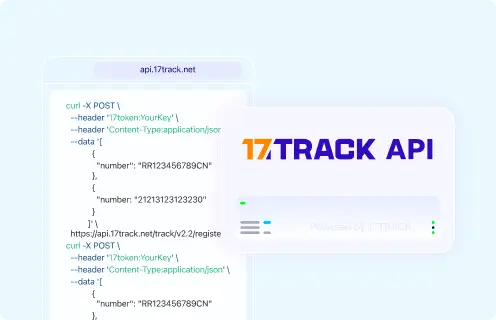
POST https://api.17track.net/track/v2.4/register
17token: YourKey
Content-Type: application/json

[
  {
    "number": "TRACKING_NUMBER",
    "carrier": "CARRIER_CODE"
  }
]
Sources & References
- QS official website. QS
- QS service and rate information. QS
- QS shipping terms and conditions. QS
- QS news and customer service page. QS
- QS registration destinations. QS
- 17TRACK API documentation. 17TRACK
17TRACK is an independent tracking platform and is not affiliated with QS.
Track your package
Global express parcel tracking service