About Aloha Freight Forwarders
Aloha Freight Forwarders is a freight-forwarding business. In a forwarding movement, Aloha Freight Forwarders may coordinate transportation and shipment visibility while an underlying motor, ocean, air, terminal, customs, or destination carrier physically handles one or more stages. The booking document and latest scan should therefore be used to identify the party currently responsible for the freight.
Carrier Overview
| Field | Verified information |
|---|
| Official display name | Aloha Freight Forwarders |
| Official website | https://www.alohafreight.com/ |
| Carrier type | Freight forwarder |
| Tracking approach | Use the shipment identifier supplied on the booking, bill, receipt, shipping notice, or customer paperwork. |
Carrier Entity Relationships
| Entity | Relationship |
|---|
| Aloha Freight Forwarders | Aloha Freight Forwarders is the canonical freight-forwarding entity addressed by this guide. |
View all details for the canonical carrier
| Entity type | Freight forwarder |
|---|
| Why it matters to tracking | The forwarder can associate a booking or shipment reference with the transport stages arranged for the customer. |
|---|
| Official evidence | Aloha Freight Forwarders official website |
|---|
|
| Underlying transport carrier | A contracted carrier may physically possess the freight during a road, ocean, air, terminal, or delivery stage. |
View all details for underlying transport carriers
| Entity type | Physical carrier or handling facility |
|---|
| Why it matters to tracking | A forwarding status does not necessarily prove that every underlying carrier has physically received the shipment. |
|---|
| Official evidence | The responsible carrier should be identified from the customer’s current transport document or status record. |
|---|
|
| 17TRACK | 17TRACK is an independent platform that displays available tracking events when it can identify and support the submitted carrier and number. |
View all details for the 17TRACK relationship
| Entity type | Independent multi-carrier tracking platform |
|---|
| Why it matters to tracking | 17TRACK can centralize supported events but does not transport freight, correct delivery instructions, clear customs, or decide claims. |
|---|
| Official evidence | 17TRACK carrier directory |
|---|
|
Quick Answer
To track an Aloha Freight Forwarders shipment, copy the shipment or tracking identifier exactly as it appears on the booking confirmation, receipt, bill, shipping notice, or merchant message. Check the official Aloha Freight Forwarders website or submit the identifier to 17TRACK. If no result appears, first check for transcription errors and confirm that the number is a transport identifier rather than an order number or invoice reference.
Pro Tip: 17TRACK is an independent tracking platform. Address changes, delivery appointments, cargo release, refunds, and claims must be handled by Aloha Freight Forwarders, the booking party, the merchant, or the carrier currently holding the freight.
How to Track Aloha Freight Forwarders Packages
Use the transport identifier associated with the shipment, not merely the retailer’s order number. Freight movements may also have separate booking, bill, container, pallet, partner-carrier, or delivery references.
- Locate the identifier on the booking confirmation, transport document, invoice attachment, receipt, dispatch email, or merchant account.
- Remove accidental leading or trailing spaces, but preserve letters, digits, and meaningful punctuation shown on the document.
- Open the official Aloha Freight Forwarders website and use the shipment-tracking or contact route presented there.
- Alternatively, enter the number on 17TRACK and select Aloha Freight Forwarders if carrier selection is requested.
- Read the latest event together with its location, time, and responsible carrier. A booking event is not proof of physical acceptance.
Which Identifier Should You Use?
| Identifier | How to use it |
|---|
| Tracking or shipment number | Use first when the document explicitly labels it for shipment tracking. |
| Booking or bill reference | Use when Aloha Freight Forwarders associates status with freight documentation rather than a parcel label. |
| Partner-carrier number | Use with the named physical or last-mile carrier after a documented handoff. |
| Merchant order number | Use with the seller to retrieve the actual transport identifier; it may not work in a carrier tracker. |
| Invoice or customer reference | Provide it to the booking party as supporting information, not as a substitute unless the carrier system accepts it. |
Tracking Statuses and Meanings
Status wording can come from a forwarding system or an underlying carrier. Use the event time, location, and named handler to determine who currently controls the freight.
Status Quick Lookup
| Status | What it means |
|---|
| Booking or shipment information received | Electronic or administrative shipment data exists; physical possession should be confirmed by a later acceptance event. |
View all details for booking information received| Lifecycle stage | Pre-shipment |
|---|
| Current responsible party | The shipper or booking party may still hold the freight. |
|---|
| What happens next | Pickup, tender, or terminal acceptance should generate the next operational event. |
|---|
| What you should do | Ask the shipper whether the freight was physically tendered if no acceptance event follows. |
|---|
|
| Accepted or received | A handling party recorded physical receipt of the shipment. |
View all details for accepted freight| Lifecycle stage | Accepted |
|---|
| Current responsible party | The facility or carrier named in the event. |
|---|
| What happens next | Consolidation, terminal processing, or dispatch. |
|---|
| What you should do | Monitor the next scheduled movement unless the booking requires an appointment or document action. |
|---|
|
| In transit or departed facility | The freight is moving between operational points or has left the scanned facility. |
View all details for in-transit freight| Lifecycle stage | Line-haul |
|---|
| Current responsible party | The named physical carrier or contracted transport provider. |
|---|
| What happens next | Arrival, terminal unloading, transfer, or destination processing. |
|---|
| What you should do | Compare progress with the booked schedule rather than expecting parcel-style scans at every point. |
|---|
|
| Transferred or handed to partner | Responsibility is moving between providers, but an electronic notice can precede physical receipt. |
View all details for a partner handoff| Lifecycle stage | Handover |
|---|
| Current responsible party | The last carrier with a physical receipt scan remains the clearest custody indicator. |
|---|
| What happens next | The receiving partner records an arrival or acceptance event. |
|---|
| What you should do | Use the partner number only after the receiving carrier recognizes it. |
|---|
|
| Customs or document review | A border agency, broker, or carrier is reviewing entry data, documents, duties, or admissibility. |
View all details for customs or document review| Lifecycle stage | Customs or regulatory processing |
|---|
| Current responsible party | The customs authority controls release while the broker, importer, shipper, or carrier may need to supply information. |
|---|
| What happens next | Release, assessment, inspection, request for documents, or refusal. |
|---|
| What you should do | Respond promptly to requests for invoice, commodity, identity, permit, or tax information. |
|---|
|
| Out for delivery or delivery arranged | The destination carrier has scheduled or begun the final delivery stage. |
View all details for final delivery| Lifecycle stage | Last mile |
|---|
| Current responsible party | The destination delivery carrier. |
|---|
| What happens next | Delivery, appointment rescheduling, or an exception scan. |
|---|
| What you should do | Ensure the receiving site is accessible and prepared for the freight type. |
|---|
|
| Delivered | The delivery carrier recorded completion at the destination, recipient, dock, agent, or agreed location. |
View all details for delivered freight| Lifecycle stage | Delivered |
|---|
| Current responsible party | The receiving party should verify receipt; the delivering carrier retains delivery records. |
|---|
| What happens next | Receipt confirmation, discrepancy reporting, or claim review if needed. |
|---|
| What you should do | Check the dock, receiving department, property manager, household, and proof of delivery before escalating. |
|---|
|
| Exception, hold, or return | Normal movement stopped because of an operational, address, document, payment, damage, refusal, or compliance issue. |
View all details for an exception or return| Lifecycle stage | Exception or return |
|---|
| Current responsible party | The event should identify the carrier, terminal, broker, or consignee action needed. |
|---|
| What happens next | Correction, release, redelivery, storage, refusal handling, or return transport. |
|---|
| What you should do | Contact the booking party promptly with the shipment reference and exact event text. |
|---|
|
Services and Delivery Times
Freight delivery time should be taken from the booked service, routing, cutoff, departure schedule, and final-delivery arrangement. A tracking estimate is operational guidance unless the customer’s written transport terms expressly create a service guarantee.
Service Comparison
| Service | Best for |
|---|
| Freight forwarding | Coordinating a shipment that may involve more than one carrier, facility, or transportation stage. |
View all details for freight forwarding
| Service type | Forwarding and transportation coordination |
|---|
| Coverage | Use the booked quote and route confirmation to determine the applicable origin, destination, and connecting carriers. |
|---|
| Tracking level | Shipment milestones may combine forwarder records with events supplied by physical carriers. |
|---|
| Key size/weight condition | Acceptance depends on the quoted cargo dimensions, weight, handling characteristics, and equipment requirements. |
|---|
| Included protection/extra service | Confirm declared-value, insurance, signature, appointment, and special-handling terms in writing before tender. |
|---|
| Main limitation | Not every handling point produces a public parcel-style scan. |
|---|
|
Delivery Time
| Service | Published delivery standard |
|---|
| Booked freight-forwarding movement | Use the route-specific schedule or ETA stated in the customer’s current booking documents. |
View all delivery-time details for booked freight
| Business or calendar days | The booking should state how the quoted transit interval is calculated. |
|---|
| Guarantee status | Treat the ETA as an estimate unless the applicable written terms explicitly state a guarantee and remedy. |
|---|
| Starts counting from | Confirm whether transit starts at pickup, cargo cutoff, physical acceptance, carrier departure, or another contractual milestone. |
|---|
| Main delay factors | Late tender, missed cutoff, consolidation, equipment availability, port or terminal congestion, weather, documentation, customs, address quality, appointment availability, and partner handoffs. |
|---|
| Official source date/validity | The current booking, quote, tariff, and transport terms govern the individual shipment. |
|---|
|
Destination Country Delivery Times
| Destination Country / Region | Estimated Delivery Time Range |
|---|
| Booked destination shown on the Aloha Freight Forwarders transport document | Use the confirmed departure, connection, arrival, customs, and delivery schedule for the individual booking. |
View all destination timing details
| Primary Service Type | Freight forwarding under the quoted mode and route. |
|---|
| Average Delivery Days | The shipment-specific ETA is more reliable than an unsupported cross-customer average. |
|---|
| Last-Mile Partner / Handoff Carrier | Use the destination carrier named in the booking, arrival notice, handoff event, or delivery appointment message. |
|---|
| Customs & Clearance Tips | Where border clearance applies, ensure the invoice, commodity description, value, origin, consignee details, permits, and tax information match the shipment. Arrival at a destination facility does not itself prove customs release. |
|---|
|
Freight schedules are booking-specific. Publishing invented country averages would obscure differences in mode, consolidation, cutoff, customs requirements, final-mile appointments, and cargo handling.
Common Tracking Problems and Solutions
Start with the exact identifier, latest event, booking schedule, and named responsible carrier. The shipper normally controls booking changes and commercial claims, while the consignee is best placed to resolve access, appointment, and receipt issues.
Problem & Solution
| Problem/status shown | Immediate action |
|---|
| Invalid number or no result | Copy the identifier from the original transport document and confirm that it is not an order or invoice number. |
View all details for an invalid number| Likely cause | Typing error, inactive booking, wrong identifier family, or wrong carrier selection. |
|---|
| Check first | Letters versus digits, spaces, punctuation, and the issuer printed beside the number. |
|---|
| When to escalate | After the shipper confirms tender and the correct transport reference still cannot be recognized. |
|---|
| Who to contact | The shipper or booking party first, then Aloha Freight Forwarders through its official website. |
|---|
|
| Booking created but no acceptance | Ask the shipper whether the freight was physically picked up or tendered. |
View all details for booking without acceptance| Likely cause | Electronic data was created before physical transfer. |
|---|
| Check first | Pickup confirmation, cargo receipt, cutoff, and tender location. |
|---|
| When to escalate | When the confirmed pickup or tender has occurred but no custody record follows. |
|---|
| Who to contact | The shipper and the party that performed or scheduled pickup. |
|---|
|
| Long gap or stuck in transit | Compare the latest location with the booked sailing, flight, line-haul, or transfer schedule. |
View all details for a tracking gap| Likely cause | Movement between scanning points, consolidation, missed connection, congestion, weather, or delayed partner data. |
|---|
| Check first | Departure confirmation, revised ETA, partner reference, and service alerts supplied with the booking. |
|---|
| When to escalate | When the booked milestone or revised ETA passes without a new operational update. |
|---|
| Who to contact | The booking party or Aloha Freight Forwarders with the exact last event. |
|---|
|
| Partner handoff pending | Wait for the receiving carrier’s first physical acceptance event before treating custody as transferred. |
View all details for a pending handoff| Likely cause | Electronic pre-advice preceded physical transfer or partner processing. |
|---|
| Check first | The last physical scan and the partner number, if one was issued. |
|---|
| When to escalate | When the expected handoff milestone passes without partner acceptance. |
|---|
| Who to contact | The forwarder or last carrier with a confirmed custody scan. |
|---|
|
| Address error or delivery exception | Have the authorized booking party provide the corrected address and site-access details immediately. |
View all details for an address exception| Likely cause | Incomplete address, restricted access, unavailable receiver, equipment mismatch, or appointment issue. |
|---|
| Check first | Street address, unit or dock, contact phone, receiving hours, access limits, and appointment requirements. |
|---|
| When to escalate | Immediately, because storage, redelivery, or return handling may follow. |
|---|
| Who to contact | The destination carrier and Aloha Freight Forwarders through the booking party. |
|---|
|
| Customs or documentation hold | Respond to the broker, customs authority, or carrier request with complete and consistent shipment documents. |
View all details for a customs hold| Likely cause | Missing invoice data, classification review, duty or tax, inspection, permit, or restricted commodity. |
|---|
| Check first | The exact request, importer details, invoice, commodity description, value, origin, and permits. |
|---|
| When to escalate | When requested documents were supplied but the broker or authority needs clarification. |
|---|
| Who to contact | The designated broker or importing party, with Aloha Freight Forwarders copied where appropriate. |
|---|
|
| Delivered but not received | Check the receiving dock, office, household, property manager, authorized agent, and proof of delivery before reporting a discrepancy. |
View all details for delivered but not received| Likely cause | Receipt by another authorized person, alternate dock, adjacent location, premature status, or delivery-record mismatch. |
|---|
| Check first | Delivery address, time, recipient name, signature, photos, dock records, and all receiving personnel. |
|---|
| When to escalate | Promptly after local checks fail and while delivery records can be reviewed. |
|---|
| Who to contact | The delivering carrier, Aloha Freight Forwarders, and the shipper or merchant. |
|---|
|
| Lost, damaged, short, or returned freight | Photograph the freight and packaging, preserve all materials, note exceptions on delivery records, and notify the booking party promptly. |
View all details for loss, damage, shortage, or return| Likely cause | Handling damage, missing unit, routing failure, refusal, non-delivery, or compliance issue. |
|---|
| Check first | Piece count, seal condition, delivery receipt, photos, value evidence, packaging, and last custody event. |
|---|
| When to escalate | Immediately under the applicable booking and carrier terms; do not wait for packaging or evidence to be discarded. |
|---|
| Who to contact | The contracting shipper, Aloha Freight Forwarders, and any insurer or physical carrier identified in the transport documents. |
|---|
|
International Shipping, Customs and Carrier Handoffs
When a booked movement crosses a customs boundary or uses connecting carriers, tracking should be read as a chain of custody. Electronic pre-advice, physical transfer, customs release, and final-mile acceptance are separate milestones.
International Flow
| Stage | What is happening |
|---|
| Booking and pre-advice | Shipment data and transport instructions are created before or around physical tender. |
View all details for booking and pre-advice| Physical custodian/responsible entity | The shipper may retain physical custody until pickup or tender. |
|---|
| Typical tracking event | Booking created, information received, or documentation prepared. |
|---|
| Can the tracking number change? | A partner reference may be added later. |
|---|
| Normal visibility gap | Until the first physical receipt event. |
|---|
| What the customer should do | Confirm tender, cutoff, and document completeness. |
|---|
|
| Origin acceptance and consolidation | Freight is received, checked, staged, or combined for onward movement. |
View all details for origin acceptance| Physical custodian/responsible entity | The receiving warehouse, terminal, forwarder, or origin carrier. |
|---|
| Typical tracking event | Received, accepted, picked up, or processed at origin. |
|---|
| Can the tracking number change? | House and master transport references can coexist. |
|---|
| Normal visibility gap | During staging or consolidation before departure. |
|---|
| What the customer should do | Check piece count and acceptance exceptions. |
|---|
|
| Export processing and security | Export documents, security requirements, and departure eligibility are checked. |
View all details for export processing| Physical custodian/responsible entity | The origin carrier, terminal, broker, or authority controls the relevant step. |
|---|
| Typical tracking event | Export processing, document review, security screening, or departure preparation. |
|---|
| Can the tracking number change? | The physical carrier may add a transport-document reference. |
|---|
| Normal visibility gap | Between terminal processing and confirmed departure. |
|---|
| What the customer should do | Respond to document or commodity questions promptly. |
|---|
|
| Line-haul movement | The shipment moves by the booked transport mode between origin and destination gateways. |
View all details for line-haul movement| Physical custodian/responsible entity | The contracted road, ocean, air, rail, or connecting carrier. |
|---|
| Typical tracking event | Departed, in transit, loaded, or arrived at gateway. |
|---|
| Can the tracking number change? | The original reference may remain while a carrier-specific number is added. |
|---|
| Normal visibility gap | During movement between operational scans. |
|---|
| What the customer should do | Use the booked schedule and revised ETA rather than expecting continuous scanning. |
|---|
|
| Import customs and release | The authority evaluates admissibility while the broker or importer supplies entry information and settles required charges. |
View all details for import customs| Physical custodian/responsible entity | The freight may remain with a terminal or carrier while the customs authority controls release. |
|---|
| Typical tracking event | Customs review, documents required, inspection, charges due, or released. |
|---|
| Can the tracking number change? | Broker or entry references may be added without replacing the transport number. |
|---|
| Normal visibility gap | There is no universal clearance interval. |
|---|
| What the customer should do | Provide accurate invoice, origin, value, commodity, consignee, permit, and tax information. |
|---|
|
| Partner handoff | The destination or last-mile carrier receives electronic data and then physically accepts the freight. |
View all details for destination handoff| Physical custodian/responsible entity | Custody remains clearest with the last party recording physical receipt until the receiving partner scans acceptance. |
|---|
| Typical tracking event | Pre-advised to partner, transferred, received by destination carrier, or available for delivery. |
|---|
| Can the tracking number change? | A destination number may be linked to the original shipment reference. |
|---|
| Normal visibility gap | Between electronic notice, physical transfer, and first receiving scan. |
|---|
| What the customer should do | Keep both identifiers and use the destination number after recognition begins. |
|---|
|
| Final delivery | The destination carrier arranges delivery, records receipt, or reports an exception. |
View all details for final delivery| Physical custodian/responsible entity | The destination delivery carrier. |
|---|
| Typical tracking event | Appointment requested, out for delivery, delivered, refused, or returned. |
|---|
| Can the tracking number change? | The delivery carrier may use its own operational reference. |
|---|
| Normal visibility gap | Between terminal availability, appointment scheduling, and delivery. |
|---|
| What the customer should do | Prepare access, receiving personnel, equipment, and delivery documents. |
|---|
|
Delivery Management and Post-shipment Options
Freight changes normally require authorization from the booking party and acceptance by the carrier currently controlling the shipment. A request is not effective until it is acknowledged.
Delivery Management
| Option | Who can request |
|---|
| Address or consignee correction | The authorized shipper, account holder, or booking party. |
View all details for an address correction| Eligibility | Depends on shipment status, contract authority, regulatory requirements, and carrier acceptance. |
|---|
| Deadline/available stage | Request before final dispatch or delivery whenever possible. |
|---|
| Fee | Storage, reconsignment, redelivery, or routing charges can depend on the applicable terms. |
|---|
| Guaranteed? | No; operational and legal constraints can prevent a change. |
|---|
| Official action link | Aloha Freight Forwarders official website |
|---|
|
| Delivery appointment or redelivery request | The consignee may coordinate access, while material booking changes may require shipper approval. |
View all details for delivery appointments| Eligibility | Depends on the booked service and destination carrier. |
|---|
| Deadline/available stage | After destination availability and before dispatch. |
|---|
| Fee | Applicable terms may include appointment, waiting, storage, or redelivery charges. |
|---|
| Guaranteed? | A requested slot is not secured until acknowledged by the delivery carrier. |
|---|
| Official action link | Aloha Freight Forwarders official website |
|---|
|
| Proof of delivery request | The shipper, consignee, merchant, or authorized account contact may request delivery evidence. |
View all details for proof of delivery| Eligibility | Availability depends on the delivery record and underlying carrier process. |
|---|
| Deadline/available stage | After a delivered event is recorded. |
|---|
| Fee | Check the customer’s applicable service terms. |
|---|
| Guaranteed? | The form of evidence can vary by delivery method. |
|---|
| Official action link | Aloha Freight Forwarders official website |
|---|
|
Lost, Damaged, Claims, Insurance and Refunds
A tracking inquiry, cargo investigation, insurance claim, freight-charge dispute, and merchant refund are separate processes. Preserve the cargo, packaging, delivery receipt, photographs, invoices, and correspondence until the responsible party closes the matter.
Claims and Refunds
| Process | Use when |
|---|
| Tracking or shipment inquiry | A milestone is missing, delayed, inconsistent, or attributed to the wrong stage. |
View all details for a shipment inquiry| Who files | The shipper, consignee, merchant, or authorized booking contact. |
|---|
| Earliest/latest filing time | Start after checking the booked milestone and latest physical custody event; follow the governing transport terms for formal deadlines. |
|---|
| Required evidence | Shipment reference, booking date, route, service, last event, addresses, piece count, and contact details. |
|---|
| Possible outcome | Status clarification, partner trace, revised ETA, document request, or escalation to an investigation. |
|---|
| Official link | Aloha Freight Forwarders official website |
|---|
|
| Loss, shortage, or damage claim | Freight is lost, damaged, or missing contents or pieces. |
View all details for a cargo claim| Who files | The party authorized by the contract, bill, or insurance policy—often the shipper or account holder. |
|---|
| Earliest/latest filing time | Notify promptly and follow the deadlines in the applicable booking, bill, carrier terms, and insurance policy. |
|---|
| Required evidence | Transport documents, delivery receipt, photos, packaging, contents, piece count, invoice, value proof, repair or replacement evidence, and written exception records. |
|---|
| Possible outcome | Investigation, request for more evidence, settlement under applicable liability, insurer decision, or denial. |
|---|
| Official link | Aloha Freight Forwarders official website |
|---|
|
| Merchant refund or replacement | A buyer seeks a commercial remedy from the seller for an undelivered or damaged purchase. |
View all details for a merchant remedy| Who files | The buyer contacts the merchant or marketplace; the merchant handles any separate carrier claim. |
|---|
| Earliest/latest filing time | Follow the seller or marketplace purchase-protection policy. |
|---|
| Required evidence | Order number, tracking events, delivery discrepancy, photographs, and merchant correspondence. |
|---|
| Possible outcome | Replacement, refund, denial, or further investigation under the seller’s policy. |
|---|
| Official link | Use the merchant or marketplace order-support channel associated with the purchase. |
|---|
|
17TRACK can display supported shipment events but cannot approve cargo claims, insurance payments, postage or freight refunds, or merchant remedies.
Shipping Restrictions and Special Handling
Cargo acceptance depends on the booked mode, route, carrier, packaging, documentation, and applicable law. Disclose regulated or unusual cargo before booking rather than relying on a general tracking description.
Shipping Restrictions
| Category | Prohibited or restricted |
|---|
| Dangerous or hazardous materials | Restricted and subject to prior acceptance, classification, documentation, packaging, marking, and mode-specific rules. |
View all details for hazardous materials| Typical examples | Flammable, corrosive, toxic, pressurized, oxidizing, or otherwise regulated substances. |
|---|
| Key condition/packaging | Accurate classification and approved packaging, labels, marks, and declarations may be required. |
|---|
| Transport limitation | Eligibility varies by mode, route, quantity, carrier, and law. |
|---|
| Possible tracking/delivery impact | Inspection, rejection, route change, hold, or return. |
|---|
| Official rules | Obtain written acceptance through the official Aloha Freight Forwarders website before tender. |
|---|
|
| Batteries, liquids, and pressurized items | May be restricted according to chemistry, energy rating, quantity, packaging, and transport mode. |
View all details for batteries and liquids| Typical examples | Lithium batteries, wet batteries, aerosols, fuels, paints, chemicals, and leaking products. |
|---|
| Key condition/packaging | Prevent short circuit, leakage, movement, pressure damage, and undeclared hazardous contents. |
|---|
| Transport limitation | Air, ocean, and road rules can differ. |
|---|
| Possible tracking/delivery impact | Security hold, reclassification, rebooking, or rejection. |
|---|
| Official rules | Supply product and safety documentation during quotation and booking. |
|---|
|
| Perishable or temperature-sensitive cargo | Restricted to services and equipment capable of meeting the required handling plan. |
View all details for perishable cargo| Typical examples | Food, plants, medicines, biological materials, and heat- or cold-sensitive goods. |
|---|
| Key condition/packaging | Use suitable insulation, coolant, monitoring, labeling, permits, and contingency planning. |
|---|
| Transport limitation | Transit schedule and storage conditions must match the cargo’s tolerance. |
|---|
| Possible tracking/delivery impact | Priority handling, inspection, spoilage risk, or refusal if requirements are unmet. |
|---|
| Official rules | Confirm eligibility and handling terms before pickup. |
|---|
|
| High-value, fragile, oversized, or unusual freight | Requires accurate disclosure and service-specific acceptance. |
View all details for special-handling freight| Typical examples | Machinery, artwork, glass, long pieces, heavy units, and cargo requiring liftgate or special equipment. |
|---|
| Key condition/packaging | Provide exact dimensions, weight, center of gravity, declared value, packaging method, and handling instructions. |
|---|
| Transport limitation | Equipment, terminal, route, and site-access constraints apply. |
|---|
| Possible tracking/delivery impact | Manual handling, appointment requirements, additional transfers, or delayed release. |
|---|
| Official rules | Obtain a shipment-specific quote and written acceptance. |
|---|
|
Customer Service
Use the current contact route published by Aloha Freight Forwarders and provide enough shipment context for the team to identify the booking and responsible carrier.
Customer Service
| Channel | Verified contact/link |
|---|
| Official website | https://www.alohafreight.com/ |
View all details for the official website channel
| Best for | Current shipment-tracking access, office information, service questions, booking support, and escalation routes. |
|---|
| Region/language | Use the location or department relevant to the customer’s booking. |
|---|
| Hours and time zone | Check the current office information displayed on the official website before contacting the team. |
|---|
| Information to prepare | Shipment number, booking date, shipper and consignee, origin and destination, service, piece count, last event, cargo description, value evidence, and photos where relevant. |
|---|
| Important limitation | A recipient may need the shipper or account holder to authorize contractual changes or formal claims. |
|---|
|
| 17TRACK tracking platform | https://www.17track.net/en |
View all details for 17TRACK
| Best for | Checking available events for a supported carrier and identifier. |
|---|
| Region/language | Online multi-carrier tracking. |
|---|
| Hours and time zone | Online access is not a substitute for carrier office support. |
|---|
| Information to prepare | The transport identifier and correct carrier selection. |
|---|
| Important limitation | 17TRACK cannot change a booking, release cargo, schedule delivery, approve a claim, or issue a refund. |
|---|
|
A practical escalation order is: verify the identifier and latest event; ask the shipper whether tender occurred; identify the latest physical custodian; contact the booking party or Aloha Freight Forwarders; then preserve and submit formal evidence if an investigation or claim is required.
Ecommerce and Business Tracking
Businesses should retain the relationship among order number, Aloha Freight Forwarders shipment reference, partner-carrier identifier, pieces, route, and delivery record. This prevents a customer-service team from confusing a commercial order with the transport number needed for tracking.
Developer/API Comparison
| Option | Provider |
|---|
| Carrier website or account workflow | Aloha Freight Forwarders |
View all details for the carrier workflow
| Carrier coverage | Aloha Freight Forwarders bookings and shipment records available to the authorized customer. |
|---|
| Primary use | Shipment lookup, customer-service coordination, booking documents, and operational status. |
|---|
| Authentication | Use only credentials and access instructions supplied through an authorized Aloha Freight Forwarders relationship. |
|---|
| Tracking/batch/webhook capability | Implement only capabilities documented for the customer’s active account. |
|---|
| Current developer documentation | Aloha Freight Forwarders official website |
|---|
| Migration/deprecation note | Do not build against an undocumented endpoint or copy credentials from a browser session. |
|---|
|
| Multi-carrier Tracking API | 17TRACK |
View all details for the 17TRACK API
| Carrier coverage | Multiple carriers supported by 17TRACK; the submitted carrier and identifier must match current platform support. |
|---|
| Primary use | Centralized registration and monitoring of supported shipment numbers across carriers. |
|---|
| Authentication | 17token request header. |
|---|
| Tracking/batch/webhook capability | Use the current 17TRACK API documentation for registration, quotas, callbacks, and related capabilities. |
|---|
| Current developer documentation | 17TRACK API documentation |
|---|
| Migration/deprecation note | Use the documented v2.4 interface shown below and review the documentation before production deployment. |
|---|
|
FAQ
1. How do I track my Aloha Freight Forwarders shipment?Enter the transport identifier supplied on the booking or shipping document on the official Aloha Freight Forwarders website, or try it with 17TRACK. Confirm the carrier and number with the shipper if no result appears.
2. Where can I find my Aloha Freight Forwarders tracking number?Look on the booking confirmation, receipt, transport document, invoice attachment, dispatch email, merchant account, or arrival notice. If you only have an order number, ask the seller for the carrier-issued shipment reference.
3. What does an Aloha Freight Forwarders tracking number look like?Use the exact alphanumeric identifier printed on the customer’s transport paperwork rather than relying on a prefix guess. Freight documents may contain separate booking, bill, partner-carrier, and delivery references.
4. When will the first Aloha Freight Forwarders tracking event appear?The first operational event should follow physical pickup, tender, or facility acceptance. A booking-created event can appear earlier and does not prove that Aloha Freight Forwarders or a partner carrier physically possesses the freight.
5. Why is my Aloha Freight Forwarders tracking not updating?Freight can move between terminals without parcel-style scans, and partner data may arrive after the physical movement. Compare the latest event with the booked schedule and escalate when the next confirmed milestone or revised ETA has passed.
6. How long does Aloha Freight Forwarders delivery take?Use the shipment-specific schedule or ETA in the current booking. Transit depends on the mode, route, cutoff, consolidation, departure, terminal handling, customs where applicable, partner handoff, and final-delivery appointment.
7. What should I do after an Aloha Freight Forwarders delivery failure?Check the exception reason, address, receiving hours, access, contact phone, appointment, and unloading requirements. The authorized booking party should request any contractual address or routing change promptly.
8. What should I do if Aloha Freight Forwarders shows delivered but I cannot find the freight?Check the receiving dock, office, household, property manager, neighboring receiving point, and proof of delivery first. Then contact the delivering carrier, Aloha Freight Forwarders, and the shipper with the delivery time and discrepancy.
9. How do I report lost or damaged freight to Aloha Freight Forwarders?Notify the booking party promptly, preserve all packaging and contents, photograph the condition, and retain the delivery receipt and value evidence. The party authorized by the transport contract or insurance policy should submit the formal claim.
10. How do I contact Aloha Freight Forwarders?Use the current contact route on the official Aloha Freight Forwarders website. Prepare the shipment reference, booking date, origin, destination, shipper, consignee, service, latest event, cargo description, piece count, and supporting photos.
11. Why can an Aloha Freight Forwarders shipment have more than one tracking number?A forwarding movement can link a house shipment reference, booking or bill number, master transport reference, and partner-carrier identifier. Each number can describe a different contractual or physical stage, so businesses should store the relationships among them.
12. Who is responsible during an Aloha Freight Forwarders partner handoff?The latest physical custody record is more reliable than electronic pre-advice for identifying the responsible handler. Responsibility becomes clearer when the receiving partner records its first acceptance scan.
13. Does arrival in an Aloha Freight Forwarders tracking record mean customs has released the shipment?No. Arrival at a port, airport, terminal, or destination gateway is distinct from customs release. Look for an explicit release event or confirmation from the broker, authority, or carrier before assuming the freight can continue.
14. Is an Aloha Freight Forwarders ETA a delivery guarantee?An ETA is an operational estimate unless the applicable written service terms expressly establish a guarantee and remedy. Missed cutoffs, schedule changes, weather, congestion, customs, and appointment availability can revise the estimate.
15. Can I change an Aloha Freight Forwarders delivery address after shipment?The authorized shipper or account holder should request the correction as early as possible. A change depends on shipment status, legal requirements, carrier acceptance, equipment, routing, and any storage, redelivery, or reconsignment terms.
16. Can businesses track Aloha Freight Forwarders shipments through an API?Businesses should use only interfaces and credentials supplied through an authorized Aloha Freight Forwarders relationship. For multi-carrier workflows, the 17TRACK API can register supported numbers, but the current carrier code must be taken from 17TRACK documentation or account configuration rather than guessed.
17. Can 17TRACK change or refund an Aloha Freight Forwarders shipment?No. 17TRACK can display available events for supported identifiers, but shipment changes, cargo release, delivery appointments, claims, insurance decisions, and refunds remain with the authorized carrier, forwarder, shipper, merchant, or insurer.
Tracking API
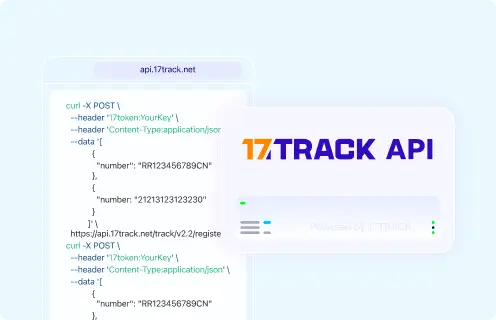
Implement a carrier-specific integration only from current documentation and credentials supplied through an authorized Aloha Freight Forwarders relationship. The 17TRACK example uses the documented registration endpoint. Replace the placeholders with an actual shipment number, API key, and current 17TRACK carrier code; do not guess the carrier code.
# 1. Aloha Freight Forwarders official tracking API
# No carrier endpoint is included here because an implementation should use
# only current documentation and credentials supplied to an authorized customer.

# 2. 17TRACK API: register a supported tracking number
curl --request POST \
  --url https://api.17track.net/track/v2.4/register \
  --header '17token: YourKey' \
  --header 'Content-Type: application/json' \
  --data '[
    {
      "number": "TRACKING_NUMBER",
      "carrier": "CARRIER_CODE"
    }
  ]'

# Documentation:
# https://api.17track.net/en/doc
Sources & References
17TRACK is an independent tracking platform and is not affiliated with Aloha Freight Forwarders.