ED POST Tracking
Please enter the ED POST tracking number to check the latest shipping status.
About ED Post
ED Post is the carrier identity supplied for this tracking page. Shipment-specific service names, operating regions, tracking-number rules, and contact channels should be taken from the label, shipping confirmation, or the official ED Post website.
| Field | Verified information |
|---|---|
| Canonical display name | ED Post |
| Official website | https://www.666post.com/ |
| Tracking platform | 17TRACK can aggregate available events from supported carrier systems; 17TRACK does not transport shipments. |
Carrier Entity Relationships
| Entity | Relationship |
|---|---|
| ED Post | ED Post is the carrier name used by this page for shipment identification and tracking guidance. |
| Origin seller or logistics provider | A seller or logistics provider may create a label or electronic pre-advice before a physical acceptance scan occurs. |
| Destination delivery operator | A destination operator may perform customs processing or last-mile delivery when a shipment crosses borders; the operator shown in tracking should be treated as the current physical custodian. |
| 17TRACK | 17TRACK is an independent tracking platform that displays available events and does not approve refunds, change addresses, or decide claims. |
Quick Answer
Enter the shipment tracking number shown in the seller’s dispatch message, label, receipt, or delivery notice into the official ED Post tracking page or 17TRACK. If no result appears, check the number character by character, remove spaces or hyphens, confirm that it is a tracking number rather than an order number, and allow time for the first carrier scan.
How to Track ED Post Packages
Use the official ED Post tracking route when the seller identifies ED Post as the carrier. Use 17TRACK when you need a consolidated view or when a shipment may change operators during transit.
| Path | Steps |
|---|---|
| Official ED Post tracking | Open the official website, locate its tracking function, enter the shipment identifier, and compare the newest event with the shipment’s physical stage. |
| 17TRACK tracking | Open 17TRACK, enter the number, review the detected carrier and event history, then follow the named current operator for delivery or claim actions. |
| Seller or marketplace | Check the dispatch email or order page when the number is missing, inactive, or replaced by a destination-country identifier. |
A tracking number identifies a shipment record. An order number identifies a purchase, a reference number identifies a merchant or internal transaction, and a delivery notice number may identify a local delivery attempt. If the number is absent, ask the seller or sender to confirm the carrier and the exact shipment identifier.
Tracking Number Formats and Examples
A number that can be queried through ED Post or 17TRACK is not necessarily issued by ED Post. Cross-border shipments may retain an origin identifier, receive a destination last-mile identifier, or show both identifiers in a marketplace account.
Tracking Number Format
| Identifier family | Normalized pattern and use | ||||||
|---|---|---|---|---|---|---|---|
| Carrier-issued identifier | Use the exact alphanumeric or numeric identifier printed on the ED Post label or shipment record; the supplied evidence does not establish a universal public pattern. | ||||||
View all details for carrier-issued identifiers
| |||||||
| Origin-post identifier | An international postal identifier may follow a two-letter service code, eight or nine serial digits with a check digit, and a two-letter origin code; use the official operator to validate it. | ||||||
View all details for origin-post identifiers
| |||||||
| Merchant order or reference ID | An order, seller reference, or marketplace number is used for purchase support and may not produce carrier events. | ||||||
| Last-mile identifier | A destination delivery operator may assign a local identifier after handoff; the seller should provide it when the original number stops resolving. | ||||||
Do not submit a barcode image, order number, or invoice reference unless the tracking page specifically accepts it. For business systems, retain the original number and any linked partner number so that handoff events can be reconciled.
Tracking Statuses and Meanings
Tracking events describe the latest electronic scan or message, not necessarily the exact real-time location of a parcel. The current responsible party is the operator named in the latest event.
Status Quick Lookup
| Status | Lifecycle stage | ||||
|---|---|---|---|---|---|
| Label created / awaiting item | Pre-shipment: shipment data exists, while physical acceptance may still be pending. | ||||
View all details for label created status
| |||||
| Accepted / received | The shipment has received an acceptance or induction event from the named operator. | ||||
| In transit | The shipment is moving between processing, transport, or exchange points; scans may be intermittent. | ||||
| Customs or handover | The shipment is undergoing import or export processing, or is being transferred between operators. | ||||
| Out for delivery | The destination delivery operation has assigned the shipment to a delivery route. | ||||
| Delivered | A delivery scan was recorded; check the location, recipient, building desk, and proof of delivery if the item is missing. | ||||
| Exception / delivery attempt | A condition prevented normal progress, such as an address issue, access problem, weather event, or customs request. | ||||
| Return to sender | The shipment is moving back after an unsuccessful delivery, refusal, address problem, or other return decision. | ||||
Services and Delivery Times
The service selected by the sender controls the applicable routing, tracking depth, handling, and delivery estimate. A general tracking page cannot convert an unverified service into a guaranteed delivery date.
Service Comparison
| Service type | Best use and tracking guidance |
|---|---|
| Domestic parcel | Use the shipment identifier supplied by the sender and follow the official route for the relevant domestic service. |
| International parcel | Expect origin processing, export controls, destination customs, and possible last-mile handoff before delivery. |
| Economy or untracked service | Lower-cost services may provide fewer scans and less useful delivery evidence than fully tracked services. |
| Express or priority service | Use the exact service name on the receipt; priority wording alone does not establish a money-back guarantee. |
Delivery Time
| Shipment stage | Planning guidance |
|---|---|
| Before acceptance | Delivery counting should not be treated as having started solely because a label was created. |
| Domestic transit | Use the service-specific estimate supplied by the sender or official tracking route. |
| International transit | Timing depends on origin, destination, transport capacity, customs, handoff, weekends, holidays, and local delivery. |
Destination Country Delivery Times
| Destination country or region | Route planning instruction |
|---|---|
| United States, Canada, Mexico | Use the shipment-specific estimate; inspect customs and destination-operator events before treating a scan gap as a loss. |
| United Kingdom and European Union | Allow for import data, VAT or duty handling where applicable, and destination delivery processing. |
| Japan, South Korea, Australia, New Zealand, Singapore | Check the destination operator after handoff and allow for customs inspection or local routing. |
| Southeast Asia, South Asia, Latin America, Middle East, and Africa | Use a route-specific estimate because handoff visibility, customs processing, and local delivery conditions can differ substantially. |
No destination-country delivery standards are stated here without a verified ED Post service document. An estimate is a planning window, while a guarantee applies only when the applicable service terms expressly provide one.
Common Tracking Problems and Solutions
Start with the newest event and the party named in it. The seller is usually the fastest escalation route for label, payment, fulfillment, and refund issues; the current physical carrier handles transport events.
Problem & Solution
| Problem or status | Check first and immediate action |
|---|---|
| Invalid number | Remove spaces, compare every character, and ask the sender whether the number is an order or reference ID. |
| No events | Confirm dispatch and allow the first acceptance scan to appear; ask the seller to verify the carrier. |
| Long scan gap | Check for customs, handoff, or transport events and ask the seller to open a carrier inquiry when the service terms permit it. |
| Shipping partner handoff | Separate electronic pre-advice from physical receipt; follow the named destination operator after its first acceptance scan. |
| Address or delivery exception | Check the address, access instructions, attempted-delivery notice, and available redelivery or pickup instructions. |
| Delivered but missing | Check the delivery location, household members, reception desk, neighbors, delivery photo or proof, and then contact the seller and delivery operator. |
| Return to sender | Ask the seller whether a replacement or refund is available and confirm the reason for return with the operator. |
| Lost or damaged parcel | Preserve packaging and contents, collect invoices and photographs, and have the eligible claimant use the applicable carrier claims process. |
International Shipping, Customs and Carrier Handoffs
For an international shipment, arrival in a destination exchange facility does not by itself mean that customs has released the parcel. The latest named operator determines which party should be contacted for the next action.
International Flow
| Stage | What the stage means |
|---|---|
| Origin preparation | The sender prepares the parcel, customs data, and shipment record. |
| Export processing | The origin network sorts the shipment and may submit it to export security or customs controls. |
| Line-haul transport | The shipment moves between countries; event visibility can pause between departure and arrival scans. |
| Destination customs | The destination authority assesses the declaration and may request information, tax, duty, or payment. |
| Partner handoff | Electronic pre-advice, physical transfer, and first receiving scan are separate events; a pre-advice message does not prove receipt. |
| Last mile | The destination delivery operator routes the parcel for delivery, pickup, exception handling, or return. |
Delivery Management and Post-shipment Options
Delivery changes depend on the current operator, shipment service, destination rules, and the stage reached. Requestors should use the official operator named in the latest scan rather than 17TRACK.
| Option | Responsible party and guidance |
|---|---|
| Redelivery or pickup | The destination delivery operator may provide instructions after an attempted delivery; follow the notice or official tracking page. |
| Address correction | Ask the sender or current carrier promptly; an address change may be restricted after dispatch. |
| Proof of delivery | Request it from the delivery operator or sender when the service provides delivery evidence. |
Lost, Damaged, Claims, Insurance and Refunds
A tracking inquiry, a missing-mail search, a carrier claim, a postage refund, and a marketplace refund are different processes. The sender should preserve the receipt, invoice, declared value, packaging, photographs, and shipment correspondence.
| Process | Use when and who acts | ||||
|---|---|---|---|---|---|
| Tracking inquiry | Use for an unclear or stalled event; the sender or recipient can first ask the seller to identify the current operator. | ||||
View all details for tracking inquiries
| |||||
| Carrier loss or damage claim | Use the applicable carrier or insurance process when the service terms permit a claim; filing eligibility and deadlines depend on the service and contract. | ||||
| Seller or marketplace refund | Ask the merchant when the order is late, missing, damaged, or materially different; a merchant refund is separate from carrier compensation. | ||||
17TRACK cannot approve a claim, issue a postage refund, alter a delivery record, or compel a seller to refund an order.
Shipping Restrictions and Special Handling
Before dispatch, confirm the current ED Post rules and the destination-country requirements. Restrictions can lead to rejection, inspection, delay, return, or disposal.
| Category | Practical handling guidance |
|---|---|
| Dangerous goods | Check the carrier and destination rules before tendering batteries, chemicals, aerosols, flammables, or other regulated goods. |
| Liquids and perishables | Packaging, leakage prevention, temperature exposure, and destination acceptance can affect transport and delivery. |
| Valuables and restricted goods | Review declared-value, insurance, customs, and prohibited-item provisions for the exact route. |
| Incomplete customs data | Missing or inaccurate descriptions, values, recipient details, or tax information can delay import processing. |
Customer Service
Use the official ED Post website for the current tracking and contact route. When another operator appears in the latest event, contact that operator for delivery action and contact the seller for order, refund, or fulfillment issues.
Customer Service
| Channel | Verified route and best use |
|---|---|
| Official website | ED Post official website; use it to locate the current tracking and contact options. |
| Seller or sender | Best for a missing number, label issue, dispatch confirmation, order dispute, replacement, or marketplace refund. |
| Destination operator | Best for a delivery attempt, local address issue, pickup instruction, proof of delivery, or delivered-but-missing report. |
Prepare the tracking number, sender and recipient details, mailing date, service name, latest scan, parcel contents, declared value, and photographs where relevant.
Ecommerce and Business Tracking
Businesses can use shipment identifiers to reconcile fulfillment, monitor exceptions, standardize events, and answer delivery questions. A merchant workflow should preserve both the original carrier number and any destination or partner number.
Developer/API Comparison
| Option | Provider | ||||||
|---|---|---|---|---|---|---|---|
| Official carrier integration | ED Post | ||||||
View all details for the official carrier integration
| |||||||
| 17TRACK API | 17TRACK | ||||||
View all details for the 17TRACK API
| |||||||
FAQ
Basic FAQs
Enter the tracking number on the official ED Post website or use 17TRACK to view available shipment events.
Look in the seller’s dispatch email, marketplace order page, shipping label, receipt, or delivery notice, and ask the seller if none of these contains a shipment identifier.
ED Post tracking identifiers may depend on the service or transport route, so use the exact number supplied with the shipment rather than guessing from a prefix.
The first event appears after shipment data is processed and a carrier or partner scan is received; label creation alone may occur before physical acceptance.
A scan gap can occur during sorting, transport, customs, or partner handoff; check the newest event, then ask the seller or current operator to investigate.
Delivery time depends on the selected service, route, customs, transport, and local delivery conditions; use the shipment-specific estimate shown by the seller or official tracking route.
Read the latest exception or notice, verify the address and access details, and follow the destination operator’s redelivery or pickup instructions.
Check the delivery location, household members, reception desk, neighbors, delivery photo, and proof of delivery before contacting the seller and the local delivery operator.
Preserve the packaging and contents, collect value evidence and photographs, and ask the sender to use the applicable carrier or insurance claim route.
Use the contact route published on the official ED Post website, and provide the tracking number, shipment dates, addresses, latest scan, and a concise description of the issue.
Expert FAQs
No; a number can be issued by an origin postal operator, seller, or logistics partner and later be queried through ED Post or a destination operator.
Electronic pre-advice transmits shipment data, while physical handoff requires the receiving operator to accept the parcel and record a receiving event.
No; arrival means the shipment reached a customs or exchange stage, while release requires a later customs decision or clearance event.
It may keep the original identifier or receive a linked last-mile number, so merchants should retain both identifiers when the tracking history displays them.
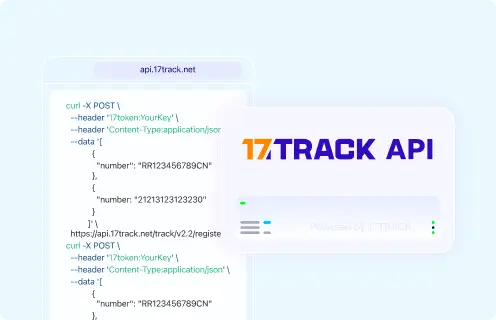
Businesses can use 17TRACK’s documented tracking API for supported carrier coverage, while any direct ED Post API integration must follow current official developer documentation.
Tracking API
// 1. Current public official ED Post tracking API:
// Current public official tracking API not confirmed.

// 2. 17TRACK API
// Confirm the supported carrier code in the current 17TRACK documentation.
POST https://api.17track.net/track/v2.4/register
Headers:
  17token: YourKey
  Content-Type: application/json

Body:
[
  {
    "number": "TRACKING_NUMBER",
    "carrier": "CARRIER_CODE"
  }
]
Sources & References
- ED Post official website. ED Post
- 17TRACK tracking platform. 17TRACK
- 17TRACK API documentation. 17TRACK
17TRACK is an independent tracking platform and is not affiliated with ED Post.
Track your package
Global express parcel tracking service