DHT Tracking
Please enter the DHT tracking number to check the latest shipping status.
About DHT
DHT is the carrier name supplied for this tracking guide. Use the official DHT website and the shipment record supplied by the seller or sender to identify the applicable service, origin, destination, and responsible delivery operator.
| Field | Verified page reference |
|---|---|
| Official website | DHT official website |
| Tracking identity | Enter the shipment identifier supplied by the sender; the visible tracking result determines the current event and handling party. |
A tracking result can contain events created by an origin operator, a line-haul partner, a customs authority, or a destination delivery operator. A scan appearing in a DHT-related result does not by itself establish who physically held the parcel at every earlier or later stage.
Quick Answer
To track a DHT shipment, copy the tracking number from the dispatch email, order page, shipping label, receipt, or sender message and enter it on the official DHT website or in 17TRACK. If no event appears, first check the characters, remove spaces or hyphens, confirm that you are using a tracking number rather than an order number, and allow time for the first acceptance scan.
How to Track DHT Packages
Use the official DHT route when you need the carrier’s own event display, and use 17TRACK when you need one view across a marketplace, origin operator, DHT, and a destination delivery operator.
| Step | Action |
|---|---|
| 1 | Find the shipment tracking number in the seller’s dispatch notice, shipping label, receipt, or order shipment page. |
| 2 | Enter the identifier on the official DHT website or submit it to 17TRACK without changing significant characters. |
| 3 | Compare the latest event, location, event time, delivery estimate, and named handling party. |
| 4 | If the result remains empty, ask the sender to verify the number and shipment handoff before opening a delivery investigation. |
An order number identifies a purchase, while a tracking number identifies a transport record. A reference number, label number, delivery notice number, and last-mile identifier may be different fields. The seller or sender can confirm which identifier is intended for tracking.
Tracking Number Formats and Examples
A carrier result can accept an identifier issued by DHT, an origin operator, a marketplace logistics system, or a last-mile partner. Prefixes alone should not be treated as proof of service type. Use masked examples and verify the identifier through an official result.
Tracking Number Format
| Identifier family | Masked pattern or use | ||||||||
|---|---|---|---|---|---|---|---|---|---|
| Carrier or logistics identifier | Use the exact alphanumeric string supplied by the sender; a masked example is DHT######## or #### #### ####. | ||||||||
View all details for carrier or logistics identifiers
| |||||||||
| International postal identifier | A masked S10-style example is AA#########CC, where CC is a country code; the origin postal operator generally issues it. | ||||||||
View all details for international postal identifiers
| |||||||||
| Order or reference number | Examples include ORDER-#### or a marketplace reference; these identify the transaction and may not return transport events. | ||||||||
Tracking Statuses and Meanings
The latest scan normally identifies the current operational stage, but a label event is not the same as physical acceptance and a customs arrival event is not the same as customs release.
Status Quick Lookup
| Status | What it means | ||||||||
|---|---|---|---|---|---|---|---|---|---|
| Label created or pre-shipment | Shipment data exists; the parcel may still be with the sender or a shipping partner. | ||||||||
View all details for label created or pre-shipment
| |||||||||
| In transit | The shipment has received a movement or processing event and is travelling through the recorded network. | ||||||||
| Customs or handoff | The shipment is being reviewed, transferred, or presented to another operator; this does not itself prove release. | ||||||||
| Out for delivery | A delivery route has been assigned for the current delivery attempt. | ||||||||
| Delivered | A delivery scan was recorded; check the scan location and proof-of-delivery information if the parcel is not visible. | ||||||||
| Exception or return | A delivery, address, customs, damage, refusal, or routing issue requires review by the sender, recipient, or handling operator. | ||||||||
Services and Delivery Times
A reliable delivery estimate must come from the selected DHT service, origin, destination, acceptance time, customs process, and destination handoff. A tracking platform’s estimate is not automatically a carrier guarantee.
Service Comparison
| Service | Best use |
|---|---|
| Service selected on the shipment record | Use the service shown by the sender or official tracking result; service names, coverage, protection, and limits depend on the shipment contract. |
Delivery Time
| Timing basis | How to interpret it |
|---|---|
| Official service standard | Apply only when the DHT service terms identify the origin, destination, counting method, exclusions, and guarantee conditions. |
| Tracking estimate | Treat as an operational estimate that can move because of weekends, holidays, weather, address quality, customs, and partner handoffs. |
Destination Country Delivery Times
| Destination | Planning guidance |
|---|---|
| Any destination | Use the service-specific estimate shown in the shipment record; country-by-country ranges should not be substituted without a verified DHT service, origin, route, and handoff. |
Common Tracking Problems and Solutions
The fastest resolution depends on the last physical scan and the party currently holding the parcel. The sender should usually handle commercial disputes, while the recipient can verify delivery conditions and provide access or address information.
Problem & Solution
| Problem or status | First action |
|---|---|
| Invalid number | Recheck every character, remove formatting spaces, and ask the sender whether an order number was supplied instead. |
| No event or label created | Ask the sender to confirm physical dispatch and wait for the first acceptance scan before treating the parcel as moving. |
| No update during transit | Compare the last location and event date; the sender should contact the responsible operator when the service’s inquiry conditions are met. |
| Customs or delivery exception | Check requests for documents, taxes, address correction, or recipient action and follow the destination operator’s instructions. |
| Delivered but not received | Check the delivery location, household members, reception desk, neighbours, safe place, proof of delivery, and local delivery office; then contact the sender. |
| Lost or damaged parcel | Preserve packaging and evidence. The sender should begin the carrier inquiry or claim under the shipment’s applicable terms. |
| Return to sender | Ask the sender why the return was triggered and whether a new address, customs document, or re-shipment is required. |
International Shipping, Customs and Carrier Handoffs
For a cross-border shipment, the tracking number can remain the same while physical custody changes. Electronic pre-advice, physical handoff, first acceptance scan, customs presentation, customs release, and last-mile delivery are separate events.
International Flow
| Stage | Customer interpretation |
|---|---|
| Origin acceptance | The origin operator or DHT records receipt; label creation alone does not establish acceptance. |
| Export processing and line-haul | The parcel is sorted, cleared for export where applicable, and moved toward the destination network. |
| Partner handoff | Electronic data may appear before the destination operator physically receives and scans the parcel. |
| Import customs | The shipment may require documents, tax payment, inspection, or other destination action; arrival does not equal release. |
| Last mile | The destination delivery operator performs local routing and delivery according to its own procedures. |
Customer Service
Begin with the official DHT website for carrier-specific support. If the shipment was purchased through a marketplace, contact the seller as well because the sender may control inquiries, claims, address corrections, and refunds.
Customer Service
| Channel | Use it for |
|---|---|
| Official DHT website | Tracking and carrier contact entry point. |
| Sender or marketplace | Order disputes, seller refunds, shipment verification, commercial invoices, and claims where the sender must file. |
| Destination delivery operator | Local delivery attempts, access instructions, pickup arrangements, and delivery-location questions after handoff. |
Prepare the tracking number, order reference, sender and recipient details, dispatch date, latest scan, contents description, declared value, photographs, and packaging before escalating.
FAQ
Basic FAQs
Enter the tracking number on the official DHT website or use 17TRACK to view available shipment events.
Check the shipping label, sender receipt, dispatch email, marketplace shipment page, or message from the seller.
The identifier can vary by shipment and issuing party, so use the exact string supplied by the sender rather than relying on a prefix.
The label may have been created before physical acceptance, or the first scan may not yet have been published; ask the sender to verify dispatch.
Use the estimate associated with the selected service and route; customs, weekends, handoffs, weather, and address issues can change the delivery window.
Review the last scan and ask the sender to contact the responsible operator when the shipment’s inquiry conditions are reached.
Check the recorded delivery location, household members, reception areas, neighbours, safe places, and proof of delivery before contacting the sender.
Keep the packaging and photographs, then ask the sender to start the appropriate carrier inquiry or claim.
Check the exception instructions first, then contact the local delivery operator or sender according to the latest scan.
Use the official DHT website as the starting point and include the tracking number, shipment date, latest event, and recipient details.
Expert FAQs
No; label creation records shipment data, while physical custody is better established by an acceptance or processing scan.
Yes; cross-border and partner networks can expose origin, customs, handoff, and destination delivery events in one tracking history.
No; arrival, inspection, documentation, tax assessment, and release are separate customs stages.
It can remain unchanged or be linked to a destination identifier; the sender or official tracking result can explain the relationship for the shipment.
No; address changes, delivery instructions, claims, and refunds must be requested from the carrier, destination operator, sender, or seller that controls the shipment.
Tracking API
// 1. Current public official DHT tracking API was not established from the supplied evidence.
//    Consult the official DHT website before building a direct carrier integration.

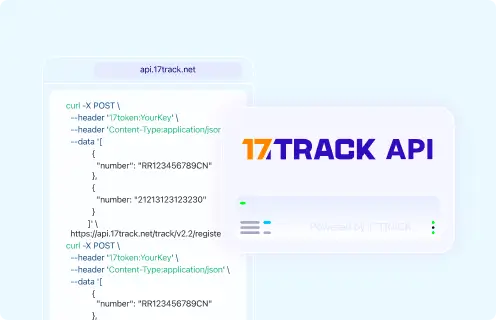
// 2. 17TRACK API
// Documentation: https://api.17track.net/en/doc
POST https://api.17track.net/track/v2.4/register
Headers:
  17token: YourKey
  Content-Type: application/json

Body:
[
  {
    "number": "TRACKING_NUMBER",
    "carrier": "CARRIER_CODE"
  }
]

// Replace CARRIER_CODE with the current value shown in 17TRACK documentation.
// Do not treat an order number as the tracking number.
Sources & References
- DHT official website. DHT
- 17TRACK API documentation. 17TRACK
17TRACK is an independent tracking platform and is not affiliated with DHT.
Track your package
Global express parcel tracking service