logsoeasy Tracking
Please enter the logsoeasy tracking number to check the latest shipping status.
About Logsoeasy
Logsoeasy is the carrier identity supplied for this tracking guide. Use the shipment documentation and the official Logsoeasy website to determine the service, operating region, and party responsible for the latest physical scan.
| Field | Verified page information |
|---|---|
| Displayed carrier name | Logsoeasy |
| Official website | https://www.logsoeasy.com/ |
| Tracking identity | Enter the shipment identifier supplied by the sender or seller; the displayed carrier may change during a partner handoff. |
Carrier Entity Relationships
| Entity | Relationship summary |
|---|---|
| Logsoeasy | Logsoeasy is the carrier identity selected for this page and should be matched against the shipping record. |
| Shipment identifier | The identifier may be issued by Logsoeasy, a merchant, an origin carrier, or a last-mile partner; successful lookup alone does not establish who issued it. |
| 17TRACK | 17TRACK is an independent tracking platform that aggregates available carrier events and does not operate the shipment. |
Quick Answer
To track a Logsoeasy shipment, copy the tracking identifier from the seller’s dispatch message, label, receipt, or order portal and enter it on the official Logsoeasy website or in 17TRACK. If no result appears, first remove spaces and punctuation, check every character, confirm that you are using a tracking number rather than an order number, and ask the sender whether the parcel has received its first physical scan.
How to Track Logsoeasy Packages
The official route is the appropriate first choice for carrier-specific instructions. 17TRACK is useful when a parcel passes between multiple carriers or when the final-mile carrier is not yet obvious.
| Tracking route | Recommended action |
|---|---|
| Official Logsoeasy route | Open the official website, locate its tracking function, enter the shipment identifier, and preserve the result page or event history. |
| 17TRACK route | Open 17TRACK, enter the identifier, review automatic carrier detection, and compare the latest event with the seller’s dispatch information. |
| No usable identifier | Contact the seller or sender. An order number, invoice number, reference number, label number, or delivery notice number may not be searchable as a parcel tracking number. |
- Copy the complete identifier without adding the order number.
- Try the official route and 17TRACK separately.
- Check whether the label has been created but the parcel has not yet been accepted.
- For an international shipment, retain both the original identifier and any destination-country identifier shown later.
- Ask the sender to open a carrier inquiry when the shipment record belongs to the sender.
Tracking Number Formats and Examples
A Logsoeasy tracking number format should be taken from the actual shipping record rather than inferred from a prefix. Use the following distinctions when deciding which identifier to submit.
Tracking Number Format
| Identifier family | Normalized pattern | ||||||||||
|---|---|---|---|---|---|---|---|---|---|---|---|
| Carrier-issued parcel identifier | Use the exact letters and digits supplied for the shipment; a redacted example is TRACK #### ####. | ||||||||||
View all details for carrier-issued parcel identifiers
| |||||||||||
| Postal S10 identifier | Two letters, eight serial digits, one check digit, and a two-letter country code, shown in redacted form as AA #### #### # ZZ. | ||||||||||
View all details for postal S10 identifiers
| |||||||||||
| Merchant order or reference ID | A seller-defined value such as ORDER #### or REF ####; it is not necessarily a transport identifier. | ||||||||||
| Last-mile identifier | A destination partner may create a second identifier after handoff; retain both values. | ||||||||||
Tracking Statuses and Meanings
Tracking status wording varies by system. The key distinction is whether the event represents electronic preparation, physical custody, customs processing, delivery, or an exception.
Status Quick Lookup
| Status | What it means | ||||||||
|---|---|---|---|---|---|---|---|---|---|
| Label created / pre-shipment | Electronic shipment data exists; physical acceptance may not have occurred. | ||||||||
View all details for pre-shipment status
| |||||||||
| Accepted / in transit | A transport party has recorded receipt and the shipment is moving through the network. | ||||||||
| Customs or handoff | The shipment is being reviewed by customs or transferred between transport parties; arrival at a facility is not proof of customs release. | ||||||||
| Out for delivery | The last-mile delivery party has assigned the shipment to a delivery route. | ||||||||
| Delivered | A delivery event was recorded; check the delivery location and proof of delivery if the item is missing. | ||||||||
| Exception or return | A delivery, address, customs, damage, or routing issue requires review by the sender, recipient, or responsible carrier. | ||||||||
Services and Delivery Times
A delivery estimate depends on the origin, destination, service selected, acceptance time, address quality, operating interruptions, partner handoffs, and customs. A tracking page estimate is not automatically a guaranteed delivery commitment.
Service Comparison
| Service category | Best use | ||||||||||
|---|---|---|---|---|---|---|---|---|---|---|---|
| Domestic parcel service | Shipments moving within the provider’s domestic network. | ||||||||||
View all details for domestic parcel service
| |||||||||||
| International parcel service | Cross-border shipments requiring export, import, and last-mile coordination. | ||||||||||
| Express or priority service | Time-sensitive shipments when the booking record identifies an express or priority product. | ||||||||||
| Economy or deferred service | Lower-priority shipments where the selected service permits a wider delivery window. | ||||||||||
Delivery Time
| Shipment condition | Practical timing guidance |
|---|---|
| Before physical acceptance | The delivery clock may not have started because a label or electronic pre-advice is not a possession scan. |
| Domestic movement | Use the service-specific estimate shown by the seller or official tracking record, allowing for weekends, holidays, remote areas, and network disruption. |
| Cross-border movement | Allow for export processing, line-haul, import customs, tax handling, handoff, and destination delivery. |
Destination Country Delivery Times
| Destination country or region | Planning guidance | ||||||||||
|---|---|---|---|---|---|---|---|---|---|---|---|
| United States, Canada, United Kingdom, European Union, Australia, or other international destination | Use the booked service’s official estimate and destination tracking record; a reliable country-by-country Logsoeasy schedule requires the exact product, origin, destination, and handoff data. | ||||||||||
View all details for destination delivery planning
| |||||||||||
Common Tracking Problems and Solutions
Problem & Solution
| Problem or status shown | Check first and immediate action | ||||||
|---|---|---|---|---|---|---|---|
| Invalid number | Check characters, spaces, hyphens, and whether the value is an order or reference number; ask the sender for the carrier tracking number. | ||||||
View all details for an invalid number
| |||||||
| No movement after label creation | Wait for physical acceptance information and ask the sender whether the parcel was handed over. | ||||||
| Long tracking gap or stuck in transit | Compare the last scan location with the expected route, allow for weekends and handoffs, then ask the sender to open an inquiry under the applicable service terms. | ||||||
| Customs hold | Review destination customs messages, provide requested documents, and pay assessed charges only through an authenticated official channel. | ||||||
| Delivery exception or failed attempt | Check the address, notice, delivery instructions, and local carrier options; the recipient may need to arrange redelivery or collection. | ||||||
| Delivered but not received | Check the entrance, mailbox, safe place, household members, reception desk, and neighbours; then request proof of delivery and contact the seller. | ||||||
| Lost or damaged parcel | Photograph packaging and contents, retain all materials, and have the eligible claimant start the carrier inquiry or claim. | ||||||
| Return to sender | Ask why the return was triggered and coordinate address correction or reshipment with the sender. | ||||||
International Shipping, Customs and Carrier Handoffs
For a cross-border shipment, an electronic pre-advice event, physical export custody, customs processing, destination acceptance, and final delivery are separate events. A destination scan does not by itself prove that customs has released the shipment.
| Stage | Typical interpretation | ||||||||
|---|---|---|---|---|---|---|---|---|---|
| Origin booking and acceptance | The sender creates shipment data and an origin transport party records possession. | ||||||||
View all details for origin acceptance
| |||||||||
| Export and line-haul | The parcel moves through export screening, transport arrangements, and international carriage. | ||||||||
| Import customs | Authorities or their appointed broker assess the declaration and may request information or charges. | ||||||||
| Partner handoff and last mile | Electronic data, physical possession, and the first receiving scan can occur at different times; responsibility follows the latest physical custody event. | ||||||||
| Delivery, collection, or return | The destination delivery party completes delivery, offers an eligible collection route, or records an exception and return. | ||||||||
Delivery Management and Post-shipment Options
| Option | Action guidance |
|---|---|
| Address correction | The sender should request changes through the booking channel; the recipient should contact the local delivery party when a delivery attempt already exists. |
| Redelivery or pickup | Follow the delivery notice or official tracking instructions; eligibility depends on the shipment stage and destination service. |
| Proof of delivery | Request the delivery record from the responsible carrier or seller when a delivered scan conflicts with receipt. |
Lost, Damaged, Claims, Insurance and Refunds
A tracking inquiry asks where a shipment is; a missing-mail search investigates non-delivery; a claim seeks compensation under the applicable carriage terms; and a merchant refund is a separate seller decision.
| Process | Use when | ||||||
|---|---|---|---|---|---|---|---|
| Carrier inquiry | The tracking history needs clarification or a shipment appears delayed. | ||||||
View all details for a carrier inquiry
| |||||||
| Damage or loss claim | The shipment is lost, damaged, or missing contents and the service terms permit a claim. | ||||||
| Merchant refund | The buyer seeks a purchase remedy from the seller or marketplace; 17TRACK cannot approve it. | ||||||
Shipping Restrictions and Special Handling
| Category | Handling guidance |
|---|---|
| Dangerous goods and batteries | Check the current carrier and destination rules before booking; incorrect declarations can cause rejection, delay, or return. |
| Liquids, perishables, and temperature-sensitive goods | Packaging and route eligibility must be verified for the selected service. |
| Prohibited or restricted goods | Use the current official shipping rules and destination-country import requirements rather than relying on a generic list. |
Customer Service
| Channel | Best use |
|---|---|
| Official website | Open Logsoeasy official website for the current tracking and support route. |
| Sender or marketplace | Use this route for missing numbers, address corrections, refunds, and claims where the sender controls the shipping account. |
| Destination delivery carrier | Use the local carrier shown in the latest handoff event for delivery attempts, pickup, or delivered-but-missing issues. |
Prepare the tracking number, sender and recipient details, posting date, service name, latest scan, delivery address, contents description, declared value, and photographs of damage before escalating.
Ecommerce and Business Tracking
Merchants should distinguish the carrier’s own developer service from a multi-carrier platform. A business workflow can normalize events, monitor exceptions, and send customer notifications only when the underlying provider supplies a usable event.
Developer/API Comparison
| Option | Provider | ||||||||||
|---|---|---|---|---|---|---|---|---|---|---|---|
| Official carrier integration | Logsoeasy | ||||||||||
View all details for the official carrier integration
| |||||||||||
| 17TRACK API | 17TRACK | ||||||||||
View all details for the 17TRACK API
| |||||||||||
FAQ
Basic FAQs
Enter the tracking number on the official Logsoeasy website or track it with 17TRACK to view available shipment events.
Look in the seller’s dispatch email, order portal, parcel label, receipt, or delivery notice; ask the sender if none of these shows a transport identifier.
The exact structure depends on the shipment record, so use the complete value supplied by the sender instead of inferring the service from a prefix.
A first event may appear after electronic pre-advice or after physical acceptance; label creation alone does not prove that Logsoeasy has received the parcel.
A scan gap can occur between facilities, during a partner handoff, over weekends, or during customs processing; ask the sender to investigate when the delay exceeds the applicable service expectation.
Delivery time depends on the selected service, origin, destination, address, operating conditions, and customs; use the shipment-specific estimate rather than a generic promise.
Read the exception or notice, verify the address, and follow the official redelivery or collection instruction shown for the shipment.
Check all delivery locations, household members, reception staff, and neighbours, then request proof of delivery and contact the seller.
Keep the packaging, photograph the damage, gather value evidence, and have the eligible sender or account holder start the applicable carrier inquiry or claim.
Use the current contact or tracking route on the official Logsoeasy website and provide the complete tracking number and latest scan.
Expert FAQs
No. A label or electronic pre-advice event proves that shipment data was created, while a physical acceptance scan indicates entry into a transport party’s custody.
17TRACK can display the latest available carrier event, but custody should be interpreted from the event wording and physical scan rather than the brand name alone.
Yes, a destination partner may create or expose another identifier after handoff; keep the original number and any linked destination number together.
No. Arrival, inspection, document requests, assessment, and release are different customs events, and the tracking record should be read accordingly.
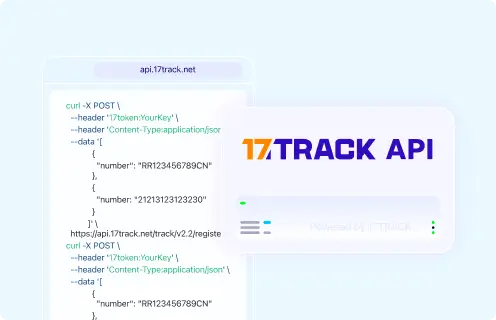
Businesses can use the 17TRACK API for supported multi-carrier tracking or an approved Logsoeasy interface when current carrier documentation provides one.
Store the original identifier, detected carrier, event timestamp, location, status category, raw event text, and last-mile identifier separately so handoffs remain auditable.
Tracking API
// 1. Current public official Logsoeasy tracking API:
// Current public official tracking API not confirmed.

// 2. 17TRACK API
// Confirm the supported Logsoeasy carrier code in current 17TRACK materials
// before replacing CARRIER_CODE.
POST https://api.17track.net/track/v2.4/register
17token: YourKey
Content-Type: application/json

[
  {
    "number": "TRACKING_NUMBER",
    "carrier": "CARRIER_CODE"
  }
]
Sources & References
- Logsoeasy official website. Logsoeasy
- 17TRACK official tracking platform. 17TRACK
- 17TRACK API documentation. 17TRACK
17TRACK is an independent tracking platform and is not affiliated with Logsoeasy.
Track your package
Global express parcel tracking service