PostPlus

PostPlus Tracking

Please enter the PostPlus tracking number to check the latest shipping status.

TRACK

About Postplus

Postplus is treated on this page as the independent logistics carrier associated with the official website http://www.post-plus.net/. Publicly verifiable carrier data from the official website is limited, so this guide separates confirmed facts from practical tracking guidance and does not attribute unverified company history, headquarters, network size, phone numbers, or delivery guarantees to Postplus.

Postplus Overview

FieldVerified information
Official namePostplus
Official websitehttp://www.post-plus.net/
Carrier typePublicly confirmed details are limited; use the official site and shipment events to verify whether Postplus is acting as origin carrier, forwarding partner, line-haul operator, or tracking-visible logistics provider for a specific parcel.
Primary regionNot publicly confirmed from the available official entry point.
Tracking pageUse the official website if a tracking tool is available, or use 17TRACK to aggregate available Postplus events and downstream partner scans.
Parent organizationNot publicly confirmed.
FoundedNot publicly confirmed.
HeadquartersNot publicly confirmed.

Carrier Entity Relationships

EntityEntity type
PostplusCanonical carrier entity
View all details for Postplus
Relationship to PostplusPostplus is the canonical carrier name used for this tracking guide and should not be replaced with another similarly named logistics company.
Why it matters to trackingCarrier identity controls which tracking tool, support channel, and responsibility boundary applies to a shipment.
Official evidenceThe official entry point supplied for Postplus is http://www.post-plus.net/.
Postplus servicesOperated or arranged logistics services
View all details for Postplus services
Relationship to PostplusPostplus may appear on tracking records as the party providing or arranging a parcel movement, but service names and coverage must be verified against the shipment record.
Why it matters to trackingA tracking number visible under Postplus does not by itself prove who physically holds the parcel at every stage.
Official evidencePublic service catalog details were not confirmed from the available official entry point.
Official Postplus websiteOfficial web property
View all details for the official Postplus website
Relationship to PostplusThe website is the official source to check current tracking, notices, contact routes, and service information when available.
Why it matters to trackingOfficial tracking is the best place to validate whether a label has been created, received, processed, delivered, or returned.
Official evidenceThe supplied official website is http://www.post-plus.net/.
Last-mile postal or courier partnerPotential destination delivery entity
View all details for last-mile partners
Relationship to PostplusA destination postal operator or courier may complete delivery after a Postplus-originated or Postplus-visible cross-border movement.
Why it matters to trackingThe party that performs the final delivery is usually the party that can verify local delivery scans, pickup availability, or address issues.
Official evidenceSpecific partner names are shipment-dependent and not publicly confirmed as a universal Postplus network list.
17TRACKIndependent tracking platform
View all details for 17TRACK
Relationship to Postplus17TRACK aggregates available tracking events for Postplus shipments and other carriers when a valid tracking number is provided.
Why it matters to tracking17TRACK can help compare carrier detection and partner scans, but 17TRACK does not transport parcels or approve claims.
Official evidence17TRACK API documentation describes carrier-agnostic tracking registration and query workflows.

Quick Answer

To track Postplus, enter the tracking number exactly as shown by the seller, shipping label, receipt, or notification on the official Postplus website or on 17TRACK. If no result appears, first check for copied spaces, an order number entered instead of a tracking number, a label that has not received its first acceptance scan, or a shipment that is currently handled by a partner carrier.

Pro Tip: 17TRACK is an independent tracking platform. 17TRACK can display available Postplus and partner-carrier tracking events, but 17TRACK cannot change an address, reroute a parcel, issue a refund, approve a claim, or force a carrier scan.

How to Track Postplus Packages

Use official Postplus tracking for carrier-confirmed events and use 17TRACK when you need multi-carrier detection, partner handoff visibility, or batch tracking across several marketplaces.

Tracking Paths

PathSteps
Official Postplus tracking1. Open the official Postplus website. 2. Locate the tracking function if available. 3. Paste the tracking number without added text. 4. Compare the latest event, location, and event time with the seller’s shipping date.
17TRACK tracking1. Open 17TRACK. 2. Paste the Postplus tracking number. 3. Let carrier auto-detection run or select Postplus if available. 4. Review Postplus events together with partner-carrier updates when detected.
Marketplace or seller order pageUse the marketplace page to confirm whether the seller has uploaded a true carrier tracking number or only an internal order/reference number.

A tracking number is not the same as an order number, invoice number, customer reference, or delivery notice. If the number is not recognized, ask the seller or shipper for the carrier tracking number and the carrier name assigned to the parcel.

Tracking Number Formats and Examples

Postplus does not provide a publicly confirmed universal tracking-number rule set in the official entry point reviewed for this guide. Therefore, identify a Postplus shipment by combining the number, the seller’s carrier name, official tracking response, and any downstream carrier handoff events rather than by prefix alone.

Tracking Number Format

Identifier familyNormalized pattern
Postplus carrier tracking IDNot publicly confirmed; enter exactly as supplied, after removing spaces around the number.
View all details for Postplus carrier tracking ID
Length/structureMay be numeric or alphanumeric depending on the label system; no complete official public rule was confirmed.
Issued byPostplus or a Postplus shipping system when Postplus assigns the shipment identifier.
Typical service/useConsumer parcel tracking, seller shipment confirmation, and logistics exception monitoring.
Who sees it and whereBuyers may see it in a shipment email or marketplace order page; shippers may see it on a label, manifest, or shipping dashboard.
Tracking scopeVisible where Postplus or a connected tracking platform receives scan data.
Important caveatA recognized number does not prove Postplus physically holds the parcel at that moment.
Partner-issued tracking IDCarrier-specific partner format; examples should be treated as masked, such as AB #### #### CD.
View all details for partner-issued tracking ID
Length/structureDepends on the origin carrier, line-haul provider, postal operator, or last-mile courier.
Issued byA shipping partner, origin post, destination post, or marketplace logistics provider.
Typical service/useCross-border handoff tracking where multiple carriers exchange data.
Who sees it and whereBuyers may see either the original partner number or a converted last-mile number on the marketplace page.
Tracking scopeMay show origin, export, airline, import, and local delivery events if data is shared.
Important caveatIf Postplus can query the number, that does not mean Postplus issued the number.
UPU S10 postal identifierTwo letters + nine digits + two-letter country code, shown as XX ######### XX.
View all details for UPU S10 postal identifier
Length/structureThirteen characters: service indicator, serial digits including check digit, and issuing country code.
Issued byUsually a designated postal operator, not necessarily Postplus.
Typical service/useInternational postal parcels, registered items, EMS-like services, or inbound postal handoffs.
Who sees it and whereCross-border shoppers may see it on the seller page, customs declaration, or destination postal tracking page.
Tracking scopeOrigin post, international exchange, import customs, and destination post when events are exchanged.
Important caveatThe country code at the end indicates the issuing postal administration, not the delivery country.
Merchant order or reference numberMarketplace-specific; not a carrier tracking format.
View all details for merchant order or reference number
Length/structureVaries by seller, order system, or marketplace.
Issued byMerchant, ecommerce platform, warehouse, or payment system.
Typical service/useOrder lookup, customer service, and seller internal reconciliation.
Who sees it and whereBuyers see it on order confirmation pages and invoices.
Tracking scopeUsually cannot be tracked by Postplus unless the seller maps it to a carrier number.
Important caveatIf tracking is empty, verify that you are not entering the order ID instead of the carrier tracking ID.

Tracking Statuses and Meanings

Postplus tracking should be read as a lifecycle: data received, item accepted, movement through sorting or line-haul, possible customs and partner handoff, delivery attempt, delivery, pickup, exception, or return.

Status Quick Lookup

StatusLifecycle stage
Shipment information receivedPre-shipment
View all details for shipment information received
What it meansElectronic shipment data exists, but the parcel may not have received a physical acceptance scan.
Current responsible partySeller, warehouse, or pickup partner until physical handoff is scanned.
What happens nextPickup or acceptance scan should appear after the item enters the logistics network.
What you should doConfirm the seller’s handover date if there is no movement after dispatch was promised.
Accepted / received by carrierAccepted
View all details for accepted by carrier
What it meansThe parcel has entered the carrier or partner network.
Current responsible partyThe accepting carrier or facility shown in the event.
What happens nextSorting, export preparation, or domestic transit.
What you should doMonitor normal progress unless the parcel stops moving for an unusual period.
In transitIn transit
View all details for in transit
What it meansThe shipment is moving between facilities or waiting for the next scheduled dispatch.
Current responsible partyThe carrier or transportation partner that controls the leg shown by the latest scan.
What happens nextArrival at a hub, export office, import facility, or delivery depot.
What you should doCheck for service alerts, customs requirements, and address accuracy before escalating.
Customs clearance in progressCustoms/Handover
View all details for customs clearance in progress
What it meansThe shipment is under import or export review, or data is being exchanged with customs authorities.
Current responsible partyCustoms authority, broker, carrier, or destination postal operator depending on the event.
What happens nextRelease, request for information, tax/duty payment, inspection, or return.
What you should doRespond quickly to requests for invoice, ID, tax payment, or import authorization.
Out for deliveryOut for delivery
View all details for out for delivery
What it meansThe parcel is with a local courier or delivery route for an attempt.
Current responsible partyThe destination last-mile carrier or local delivery depot.
What happens nextDelivery, failed attempt, pickup notice, or exception.
What you should doBe available, check building access, and monitor for delivery instructions.
DeliveredDelivered
View all details for delivered
What it meansA carrier delivery event says the parcel was delivered, left, signed for, or collected.
Current responsible partyLocal delivery carrier for proof of delivery; recipient and seller for order resolution.
What happens nextNo further transit scans are expected unless a correction or return is posted.
What you should doCheck the delivery location, household, front desk, locker, neighbors, and seller support if not found.
Delivery exception / failed attemptException
View all details for delivery exception
What it meansThe delivery could not be completed because of address, access, recipient availability, customs, damage, or operational issues.
Current responsible partyThe entity named in the latest event, usually the local delivery carrier or customs authority.
What happens nextRedelivery, pickup, address correction, return, or investigation.
What you should doContact the local carrier or seller with the tracking number and latest event.
Returned to senderReturn
View all details for returned to sender
What it meansThe carrier is sending the parcel back after failed delivery, refusal, customs failure, prohibited contents, or address problems.
Current responsible partyThe carrier currently moving the return leg and the shipper for refund or reshipment decisions.
What happens nextReturn transit and final return delivery to the sender or warehouse.
What you should doContact the seller quickly; recipients often cannot stop an active international return.

Services and Delivery Times

Postplus public service names, guaranteed standards, and price tables were not confirmed from the available official entry point. The following tables classify practical tracking scenarios without presenting unverified Postplus promises as official guarantees.

Service Comparison

ServiceService type
Tracked parcel movementTracked package service or arranged logistics movement
View all details for tracked parcel movement
Best forBuyers and sellers who need basic parcel visibility.
CoverageShipment-specific; confirm through Postplus tracking and partner events.
Tracking levelMilestone tracking when scans are supplied by Postplus or partners.
Key size/weight conditionNot publicly confirmed; follow the seller’s shipping terms and official rules.
Included protection/extra serviceNot publicly confirmed.
Main limitationTracking may have gaps during pickup, export, customs, or partner handoff.
Cross-border ecommerce parcelInternational or multi-carrier parcel flow
View all details for cross-border ecommerce parcel
Best forMarketplace orders where origin, line-haul, customs, and last-mile delivery may involve different entities.
CoverageDepends on origin, destination, customs data, and last-mile carrier integration.
Tracking levelOrigin and delivery milestones may be visible; air or customs legs can show limited scans.
Key size/weight conditionNot publicly confirmed for Postplus; destination import limits still apply.
Included protection/extra serviceSeller contract dependent.
Main limitationCustoms and partner handoff events can create visibility gaps.
Return or exception handlingPost-shipment problem resolution
View all details for return or exception handling
Best forUndeliverable, refused, failed delivery, customs-returned, or seller-approved return shipments.
CoverageShipment-specific and may require seller authorization.
Tracking levelReturn scans may be fewer than outbound scans.
Key size/weight conditionDepends on the original service and return route.
Included protection/extra serviceNot publicly confirmed.
Main limitationRecipients may not be able to redirect a return once it has started.

Delivery Time

ServicePublished delivery standard
Tracked parcel movementNo publicly confirmed universal Postplus standard found.
View all details for tracked parcel movement delivery time
Business or calendar daysNot publicly confirmed.
Guarantee statusNo public money-back guarantee was confirmed.
Starts counting fromUse the first physical acceptance scan rather than label creation.
Main delay factorsPickup delay, missing scan, flight allocation, customs, tax payment, restricted goods, address quality, and last-mile capacity.
Official source date/validityUse the current official website and shipment-specific terms.
Cross-border ecommerce parcelVaries by origin, destination, customs, service level, and last-mile partner.
View all details for cross-border ecommerce parcel delivery time
Business or calendar daysIndustry estimates are usually discussed in calendar-day ranges unless a service states business days.
Guarantee statusNot confirmed as guaranteed by Postplus.
Starts counting fromUsually from carrier acceptance or export processing, not from order placement.
Main delay factorsExport queue, airline uplift, customs inspection, VAT/duty payment, remote address, and local delivery attempt failure.
Official source date/validityConfirm with official Postplus tracking, seller contract, and destination carrier events.

Destination Country Delivery Times

Destination Country / RegionEstimated Delivery Time Range
United States8–25 days; average about 14–18 days.
View all details for United States
Primary Service TypeTracked ecommerce parcel or postal/courier handoff.
Average Delivery DaysAverage about 14–18 days.
Last-Mile Partner / Handoff CarrierOften USPS or a local courier, depending on label routing.
Customs & Clearance TipsExpect import scan gaps; verify ZIP code and respond to duty or broker requests where applicable.
Canada10–28 days; average about 16–21 days.
View all details for Canada
Primary Service TypeTracked ecommerce parcel.
Average Delivery DaysAverage about 16–21 days.
Last-Mile Partner / Handoff CarrierCanada Post or courier partner may complete delivery.
Customs & Clearance TipsRemote provinces and customs assessment can extend delivery.
United Kingdom7–22 days; average about 12–16 days.
View all details for United Kingdom
Primary Service TypeTracked ecommerce parcel.
Average Delivery DaysAverage about 12–16 days.
Last-Mile Partner / Handoff CarrierRoyal Mail, Evri, Yodel, or courier partner depending on routing.
Customs & Clearance TipsIOSS or VAT data quality can affect clearance and delivery release.
Germany8–24 days; average about 13–18 days.
View all details for Germany
Primary Service TypeTracked ecommerce parcel.
Average Delivery DaysAverage about 13–18 days.
Last-Mile Partner / Handoff CarrierDeutsche Post DHL or courier partner may handle last mile.
Customs & Clearance TipsEU VAT and accurate HS description reduce holds.
France8–25 days; average about 14–19 days.
View all details for France
Primary Service TypeTracked ecommerce parcel.
Average Delivery DaysAverage about 14–19 days.
Last-Mile Partner / Handoff CarrierLa Poste, Colissimo, or courier partner.
Customs & Clearance TipsVAT, recipient phone, and pickup-point notices are common friction points.
Spain9–26 days; average about 15–20 days.
View all details for Spain
Primary Service TypeTracked ecommerce parcel.
Average Delivery DaysAverage about 15–20 days.
Last-Mile Partner / Handoff CarrierCorreos or courier partner.
Customs & Clearance TipsCanary Islands, Ceuta, and Melilla may require different customs handling.
Italy9–28 days; average about 16–21 days.
View all details for Italy
Primary Service TypeTracked ecommerce parcel.
Average Delivery DaysAverage about 16–21 days.
Last-Mile Partner / Handoff CarrierPoste Italiane, SDA, or courier partner.
Customs & Clearance TipsLocal depot processing and recipient tax notices can add time.
Netherlands7–21 days; average about 12–16 days.
View all details for Netherlands
Primary Service TypeTracked ecommerce parcel.
Average Delivery DaysAverage about 12–16 days.
Last-Mile Partner / Handoff CarrierPostNL or courier partner.
Customs & Clearance TipsEU import data quality usually determines whether customs release is smooth.
Poland10–28 days; average about 16–22 days.
View all details for Poland
Primary Service TypeTracked ecommerce parcel.
Average Delivery DaysAverage about 16–22 days.
Last-Mile Partner / Handoff CarrierPoczta Polska, InPost, or courier partner.
Customs & Clearance TipsParcel lockers require correct phone and pickup notification details.
Sweden9–26 days; average about 15–20 days.
View all details for Sweden
Primary Service TypeTracked ecommerce parcel.
Average Delivery DaysAverage about 15–20 days.
Last-Mile Partner / Handoff CarrierPostNord or courier partner.
Customs & Clearance TipsTax collection and pickup-point routing may create notification-dependent delays.
Belgium8–24 days; average about 13–18 days.
View all details for Belgium
Primary Service TypeTracked ecommerce parcel.
Average Delivery DaysAverage about 13–18 days.
Last-Mile Partner / Handoff Carrierbpost or courier partner.
Customs & Clearance TipsEU VAT and pickup-point notice accuracy matter.
Australia9–27 days; average about 15–21 days.
View all details for Australia
Primary Service TypeTracked ecommerce parcel.
Average Delivery DaysAverage about 15–21 days.
Last-Mile Partner / Handoff CarrierAustralia Post or courier partner.
Customs & Clearance TipsRemote area line-haul and biosecurity inspection can extend timelines.
Japan6–18 days; average about 10–14 days.
View all details for Japan
Primary Service TypeTracked ecommerce parcel.
Average Delivery DaysAverage about 10–14 days.
Last-Mile Partner / Handoff CarrierJapan Post or courier partner.
Customs & Clearance TipsPrecise address in Japanese or standardized romanization helps last-mile sorting.
South Korea6–18 days; average about 10–14 days.
View all details for South Korea
Primary Service TypeTracked ecommerce parcel.
Average Delivery DaysAverage about 10–14 days.
Last-Mile Partner / Handoff CarrierKorea Post or courier partner.
Customs & Clearance TipsPersonal customs code or recipient ID may be required for ecommerce imports.
Singapore5–15 days; average about 8–12 days.
View all details for Singapore
Primary Service TypeTracked ecommerce parcel.
Average Delivery DaysAverage about 8–12 days.
Last-Mile Partner / Handoff CarrierSingPost or courier partner.
Customs & Clearance TipsCompact geography helps delivery after import release; tax data still matters.
Malaysia7–22 days; average about 12–17 days.
View all details for Malaysia
Primary Service TypeTracked ecommerce parcel.
Average Delivery DaysAverage about 12–17 days.
Last-Mile Partner / Handoff CarrierPos Malaysia or courier partner.
Customs & Clearance TipsRemote East Malaysia routing may add several days.
Thailand7–23 days; average about 13–18 days.
View all details for Thailand
Primary Service TypeTracked ecommerce parcel.
Average Delivery DaysAverage about 13–18 days.
Last-Mile Partner / Handoff CarrierThailand Post or courier partner.
Customs & Clearance TipsPhone number accuracy helps delivery calls and address clarification.
India10–32 days; average about 18–25 days.
View all details for India
Primary Service TypeTracked ecommerce parcel.
Average Delivery DaysAverage about 18–25 days.
Last-Mile Partner / Handoff CarrierIndia Post or courier partner.
Customs & Clearance TipsKYC, tax assessment, and regional delivery distance can affect timing.
Brazil15–45 days; average about 25–35 days.
View all details for Brazil
Primary Service TypeTracked ecommerce parcel.
Average Delivery DaysAverage about 25–35 days.
Last-Mile Partner / Handoff CarrierCorreios or courier partner.
Customs & Clearance TipsCPF data, import tax payment, and customs queue are major variables.
Mexico12–35 days; average about 20–28 days.
View all details for Mexico
Primary Service TypeTracked ecommerce parcel.
Average Delivery DaysAverage about 20–28 days.
Last-Mile Partner / Handoff CarrierCorreos de México or courier partner.
Customs & Clearance TipsCustoms and regional depot transfer can cause long scan gaps.
United Arab Emirates7–20 days; average about 12–16 days.
View all details for United Arab Emirates
Primary Service TypeTracked ecommerce parcel.
Average Delivery DaysAverage about 12–16 days.
Last-Mile Partner / Handoff CarrierEmirates Post or courier partner.
Customs & Clearance TipsMobile number and emirate-level address precision are important.
Saudi Arabia8–24 days; average about 14–19 days.
View all details for Saudi Arabia
Primary Service TypeTracked ecommerce parcel.
Average Delivery DaysAverage about 14–19 days.
Last-Mile Partner / Handoff CarrierSPL or courier partner.
Customs & Clearance TipsNational address and recipient contact details reduce delivery exceptions.
South Africa15–45 days; average about 25–35 days.
View all details for South Africa
Primary Service TypeTracked ecommerce parcel.
Average Delivery DaysAverage about 25–35 days.
Last-Mile Partner / Handoff CarrierSouth African Post Office or courier partner.
Customs & Clearance TipsCustoms and local network capacity can create extended delays.

The country table provides planning estimates for cross-border ecommerce parcels, not official Postplus guarantees. Actual delivery can move faster or slower because of origin cut-off, export uplift, customs, tax payment, address quality, remote delivery, holidays, weather, and partner-carrier scanning practices.

Common Tracking Problems and Solutions

Most Postplus tracking problems are caused by an inactive number, electronic data without physical handoff, partner-carrier visibility gaps, customs action, delivery address problems, or local delivery exceptions.

Problem & Solution

Problem/status shownLikely cause
Invalid numberWrong carrier, copied order ID, missing characters, or number not yet registered.
View all details for invalid number
Check firstRemove spaces, punctuation, and words around the number.
Immediate actionAsk the seller to confirm the carrier name and carrier tracking number.
When to escalateEscalate to the seller if no valid carrier number is provided after the promised dispatch.
Who to contactSeller or shipper first; Postplus only after a valid Postplus tracking ID exists.
Label created but no movementElectronic data exists but physical handoff has not been scanned.
View all details for label created but no movement
Check firstSeller’s actual pickup date and whether a partner carrier collected the parcel.
Immediate actionWait for the first acceptance scan if dispatch is recent.
When to escalateEscalate when the seller cannot prove handoff or the order protection window is closing.
Who to contactSeller or fulfillment warehouse.
Stuck in transitScan gap during line-haul, export, customs, or partner handoff.
View all details for stuck in transit
Check firstLatest location, whether the parcel is crossing a border, and whether the destination carrier has a matching record.
Immediate actionMonitor both Postplus and destination-carrier tracking.
When to escalateEscalate when the shipment exceeds seller protection or carrier inquiry rules for the service.
Who to contactSeller for commercial resolution; current carrier for shipment inquiry.
Customs holdImport data, duty, tax, inspection, prohibited item, or recipient information issue.
View all details for customs hold
Check firstEmail, SMS, destination-carrier portal, and customs payment notices.
Immediate actionProvide invoice, ID, tax payment, or import authorization if requested.
When to escalateEscalate if customs requests information the seller must provide.
Who to contactDestination carrier, customs broker, or seller depending on the request.
Delivered but not receivedDelivered to safe place, locker, front desk, neighbor, wrong address, or premature scan.
View all details for delivered but not received
Check firstMailbox, porch, parcel locker, reception, family members, neighbors, and delivery photo or proof if available.
Immediate actionContact the local delivery carrier quickly with the tracking number and delivery address.
When to escalateEscalate to the seller if the carrier cannot locate the parcel or proof conflicts with the address.
Who to contactDestination last-mile carrier first, seller second.
Lost or damagedNo further scans after investigation threshold, visible damage, missing contents, or carrier exception.
View all details for lost or damaged package
Check firstSeller policy, insurance, photos, packaging, invoice, and latest tracking event.
Immediate actionKeep packaging and contents; document damage before disposal.
When to escalateEscalate under the seller’s dispute window or carrier claim rules.
Who to contactSeller or shipper for claim filing unless the carrier allows recipient claims.

International Shipping, Customs and Carrier Handoffs

For international Postplus-visible shipments, the tracking record may involve Postplus, an origin partner, export handlers, airlines, customs authorities, destination postal operators, and last-mile couriers. Arrival in the destination country does not mean customs has released the parcel.

International Flow

StagePhysical custodian/responsible entity
Electronic pre-adviceSeller, warehouse, Postplus system, or partner system.
View all details for electronic pre-advice
Typical tracking eventShipment information received.
What is happeningData exists before physical carrier acceptance.
Can the tracking number change?Yes, a last-mile or postal number may later be associated.
Normal visibility gapUntil pickup or acceptance scan.
What the customer should doConfirm seller dispatch if no acceptance follows.
Origin acceptance and sortingPostplus or origin pickup/sorting partner.
View all details for origin acceptance and sorting
Typical tracking eventAccepted, received, processed at facility, departed facility.
What is happeningThe parcel is being consolidated and routed to export.
Can the tracking number change?It may remain the same or be linked to a partner ID.
Normal visibility gapBetween consolidation and export dispatch.
What the customer should doWait for export or line-haul events unless the seller protection window is close.
Export and line-haulExport handler, airline, freight forwarder, or postal exchange system.
View all details for export and line-haul
Typical tracking eventDeparted origin country, handed to airline, in transit to destination.
What is happeningThe shipment is waiting for or moving on international transport.
Can the tracking number change?Usually no for the customer, but internal airway bills and bag IDs exist.
Normal visibility gapSeveral days are possible while no parcel-level scan occurs.
What the customer should doMonitor for destination arrival instead of assuming loss from a scan gap alone.
Import customsDestination customs authority, broker, postal operator, or courier.
View all details for import customs
Typical tracking eventArrived at destination country, customs clearance, released from customs.
What is happeningImport data, duties, taxes, and admissibility are being checked.
Can the tracking number change?A local tracking number may be assigned or linked.
Normal visibility gapNo fixed clearance time should be assumed.
What the customer should doWatch for payment or information requests from the destination carrier.
Last-mile deliveryDestination postal operator or courier partner.
View all details for last-mile delivery
Typical tracking eventArrived at delivery depot, out for delivery, attempted, pickup, delivered.
What is happeningThe destination carrier is preparing or attempting final delivery.
Can the tracking number change?Yes, the destination carrier may use a local number or keep the original number.
Normal visibility gapUntil the local depot scans the item.
What the customer should doUse the destination carrier for local delivery proof, pickup, and address questions.

Delivery Management and Post-shipment Options

Publicly confirmed Postplus delivery-management tools such as intercept, address change, redelivery booking, hold for pickup, or proof-of-delivery download were not verified from the available official entry point. In multi-carrier shipments, the destination last-mile carrier usually controls local delivery options.

Delivery Management

OptionWho can request
Address correctionUsually shipper or seller before delivery; recipient options depend on local carrier rules.
View all details for address correction
EligibilityDepends on shipment stage, destination carrier, and whether the parcel has reached delivery depot.
Deadline/available stageEarlier is better; may be impossible after failed delivery or return initiation.
FeeNot publicly confirmed.
Guaranteed?No guarantee confirmed.
Official action linkUse official Postplus tracking or the destination carrier contact route.
Redelivery or pickupRecipient, where the destination carrier offers it.
View all details for redelivery or pickup
EligibilityRequires a failed-attempt or pickup-ready event and a participating local carrier.
Deadline/available stageBefore local carrier holding period ends; period is destination-carrier specific.
FeeDestination-carrier specific.
Guaranteed?No; redelivery depends on local operations and address access.
Official action linkUse the destination carrier page shown by tracking events.

Lost, Damaged, Claims, Insurance and Refunds

A tracking inquiry, missing-parcel investigation, insurance claim, postage refund, and marketplace refund are different processes. For Postplus-visible ecommerce parcels, the seller or shipper usually controls the commercial contract and should be involved early.

Claims and Refunds

ProcessUse when
Tracking inquiryUse when tracking is stalled, inconsistent, or missing a delivery event.
View all details for tracking inquiry
Who filesRecipient, shipper, or seller depending on the carrier channel.
Earliest/latest filing timeNo universal Postplus threshold publicly confirmed; follow service and seller rules.
Required evidenceTracking number, ship date, latest event, recipient address, and order proof.
Possible outcomeCarrier explanation, new scan, delivery instruction, or escalation to investigation.
Official linkUse official Postplus or destination-carrier contact routes.
Damage or missing contents claimUse when contents arrive damaged, leaking, opened, or incomplete.
View all details for damage or missing contents claim
Who filesUsually the shipper or seller if they purchased the service or insurance.
Earliest/latest filing timeNot publicly confirmed for Postplus; preserve evidence immediately.
Required evidencePhotos of outer packaging, inner packaging, labels, damage, invoice, and item value.
Possible outcomeInvestigation, compensation under contract, seller refund, replacement, or denial.
Official linkUse the seller’s claim channel and current carrier rules.
Marketplace refund or reshipmentUse when the order is not received, damaged, or returned under seller policy.
View all details for marketplace refund or reshipment
Who filesBuyer through marketplace or seller support.
Earliest/latest filing timeMarketplace buyer-protection deadlines apply.
Required evidenceOrder number, tracking screenshots, delivery dispute details, photos, and communication history.
Possible outcomeRefund, replacement, seller investigation, or platform decision.
Official linkUse the marketplace order-resolution center.

Shipping Restrictions and Special Handling

Postplus-specific prohibited and restricted goods rules were not publicly confirmed from the available official entry point. Cross-border shipments must still comply with origin export rules, airline safety rules, destination customs law, and the carrier contract used by the shipper.

Shipping Restrictions

CategoryProhibited or restricted
Dangerous goodsRestricted or prohibited depending on substance, quantity, packaging, and transport mode.
View all details for dangerous goods
Typical examplesAerosols, flammable liquids, compressed gases, chemicals, and some batteries.
Key condition/packagingRequires correct declaration, labeling, packaging, and eligible service.
Transport limitationAir transport may be prohibited or require special handling.
Possible tracking/delivery impactSecurity hold, return, disposal, customs seizure, or delay.
Official rulesCheck the current Postplus and destination-carrier rules before shipping.
Batteries and electronicsRestricted depending on lithium type, watt-hour rating, installation, and packaging.
View all details for batteries and electronics
Typical examplesPhones, power banks, battery packs, laptops, toys, and spare cells.
Key condition/packagingMust follow battery declaration, protection against short circuit, and quantity limits.
Transport limitationLoose lithium batteries often face stricter air limits.
Possible tracking/delivery impactExport security rejection or rerouting to a compliant service.
Official rulesVerify current carrier and airline acceptance rules.
Customs-controlled goodsRestricted or prohibited by destination import law.
View all details for customs-controlled goods
Typical examplesFood, medicine, cosmetics, seeds, branded goods, and high-value items.
Key condition/packagingAccurate invoice, HS description, permits, and recipient data may be required.
Transport limitationSome items require broker clearance or are not accepted in postal channels.
Possible tracking/delivery impactCustoms hold, request for documents, tax assessment, seizure, or return.
Official rulesCheck official import rules for the destination country.

Customer Service

Use official Postplus channels for carrier questions and use the seller or marketplace for order refunds, replacements, and commercial disputes. Publicly confirmed Postplus phone numbers, email addresses, service languages, and opening hours were not verified from the available official entry point, so this page does not publish unverified contact data.

Customer Service

ChannelVerified contact/link
Official websitehttp://www.post-plus.net/
View all details for the official Postplus website
Best forOfficial tracking, current notices, and any published support route.
Region/languageNot publicly confirmed.
Hours and time zoneNot publicly confirmed.
Information to prepareTracking number, ship date, sender and recipient city/postcode, latest scan, item description, and order proof.
Important limitationDo not rely on phone numbers or emails from unverified third-party pages.
Seller or marketplaceUse the order page, seller message center, or platform dispute center.
View all details for seller or marketplace support
Best forInvalid tracking, refund, replacement, reshipment, invoice, customs value, and insurance contract questions.
Region/languageMarketplace dependent.
Hours and time zoneMarketplace dependent.
Information to prepareOrder number, tracking number, screenshots, photos, delivery address, and communication history.
Important limitationThe seller may need to open the carrier investigation because the seller holds the shipping contract.
Destination last-mile carrierUse the carrier named in the latest local delivery event.
View all details for destination last-mile carrier support
Best forDelivery attempt, pickup, proof of delivery, local depot, address access, and delivered-not-received checks.
Region/languageDestination country dependent.
Hours and time zoneDestination carrier dependent.
Information to prepareTracking number, local delivery address, recipient name, phone number, delivery notice, and ID if pickup is required.
Important limitationThe destination carrier may not approve seller refunds or international claims.

Ecommerce and Business Tracking

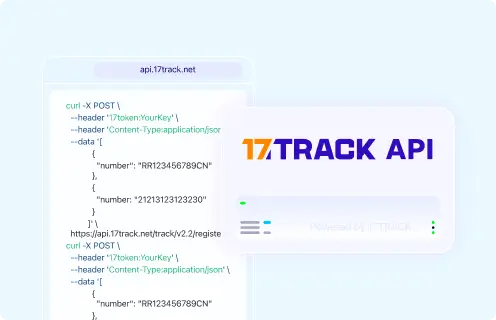
Businesses should distinguish consumer tracking, a carrier’s official API, and a multi-carrier tracking API. For Postplus, a current public official developer API was not confirmed; 17TRACK can support multi-carrier tracking workflows where the carrier code and tracking number are supplied.

Developer/API Comparison

OptionProvider
Official Postplus tracking or developer APIPostplus
View all details for official Postplus API
Carrier coveragePostplus only, if a public official API exists.
Primary useCarrier-direct tracking and shipment operations.
AuthenticationCurrent public authentication method not confirmed.
Tracking/batch/webhook capabilityNot publicly confirmed.
Current developer documentationNo current public official Postplus developer documentation confirmed from the available entry point.
Migration/deprecation noteNo public migration or deprecation notice confirmed.
17TRACK Tracking API17TRACK
View all details for 17TRACK API
Carrier coverageMulti-carrier tracking, including supported carrier integrations and partner detections.
Primary useBatch registration, normalized tracking statuses, ecommerce visibility, and exception monitoring.
Authentication17token header using a 17TRACK API key.
Tracking/batch/webhook capabilityRegister tracking numbers with the API and use 17TRACK documentation for tracking lifecycle workflows.
Current developer documentationhttps://api.17track.net/en/doc
Migration/deprecation noteUse the current 17TRACK API documentation rather than old snippets copied from third-party pages.

FAQ

1. How do I track my Postplus package?

Enter the tracking number on the official Postplus website or track it with 17TRACK to view available Postplus and partner-carrier shipment events.

2. Where can I find my Postplus tracking number?

You can usually find the Postplus tracking number in the seller’s shipping email, marketplace order page, shipping label, receipt, or fulfillment notification.

3. What does a Postplus tracking number look like?

A universal public Postplus tracking-number format is not confirmed, so verify the number by using official tracking or 17TRACK rather than relying on the prefix alone.

4. Why is my Postplus tracking number not found?

The number may be an order ID, not yet activated, copied incorrectly, assigned to a partner carrier, or uploaded before the physical parcel was handed over.

5. When will the first Postplus tracking update appear?

The first useful Postplus tracking update usually appears after physical acceptance or partner handoff, not merely when a seller creates shipment data.

6. Why has my Postplus package stopped updating?

A Postplus package can stop updating during consolidation, export, flight movement, customs processing, or transfer to a destination carrier that has not yet scanned the parcel.

7. How long does Postplus delivery take?

No universal official Postplus delivery standard is publicly confirmed here; cross-border ecommerce delivery depends on origin, destination, customs, service level, and last-mile carrier.

8. What should I do after a Postplus delivery failure?

Check the latest event for the local delivery carrier, then arrange pickup or redelivery if the destination carrier offers that option.

9. What if Postplus tracking says delivered but I did not receive the package?

Check the mailbox, safe place, front desk, parcel locker, neighbors, and family members, then contact the destination delivery carrier and seller with the tracking number.

10. How do I report a lost or damaged Postplus package?

Keep the packaging and evidence, contact the seller or shipper, and ask which party can open the Postplus or partner-carrier investigation under the shipping contract.

11. Can Postplus tracking show customs clearance?

Postplus tracking may show customs-related events when data is shared, but arrival at a destination facility does not mean customs has released the shipment.

12. Can a Postplus tracking number change during international shipping?

A Postplus-visible shipment can be linked to a partner or last-mile number, especially when a destination postal operator or courier completes delivery.

13. Who has my Postplus package during a partner handoff?

The responsible party is the entity shown in the latest physical scan; electronic pre-advice alone does not prove the next carrier has received the parcel.

14. Does 17TRACK deliver Postplus packages?

No. 17TRACK displays available tracking events but does not transport Postplus packages, change delivery instructions, or approve refunds and claims.

15. Can businesses track Postplus shipments through an API?

Businesses can use the 17TRACK API for supported multi-carrier tracking workflows; a current public official Postplus tracking API was not confirmed from the available official entry point.

Tracking API

// 1. Postplus official tracking API
// Current public official tracking API not confirmed.
// Do not implement an unofficial endpoint unless Postplus provides current documentation,
// authentication rules, request limits, and a supported endpoint.

// 2. 17TRACK API
// Register a Postplus tracking number with 17TRACK.
// CARRIER_CODE is left as a placeholder because the current 17TRACK carrier code
// was not confirmed in the available public material for this page.

curl -X POST "https://api.17track.net/track/v2.4/register" \
  -H "17token: YourKey" \
  -H "Content-Type: application/json" \
  -d '[
    {
      "number": "TRACKING_NUMBER",
      "carrier": "CARRIER_CODE"
    }
  ]'

Sources & References

17TRACK is an independent tracking platform and is not affiliated with Postplus.
A professional and stable global package tracking platform.

17TRACK
Loading