About 1st
1st is a China-based logistics brand associated with the official website 1st56.com. Publicly visible information supports treating 1st as a cross-border logistics and forwarding carrier used in ecommerce parcel flows, not as a national postal operator. For tracking, the most important distinction is whether 1st physically has the parcel, whether 1st has only received electronic shipment data, or whether a downstream postal or last-mile carrier has taken over delivery.
Core carrier profile
| Field | Verified information |
|---|
| Official name | 1st; a fuller legal entity name is not publicly confirmed in English from the available official landing page. |
| Official website | http://1st56.com/group/index/ |
| Carrier type | Cross-border logistics provider / freight forwarder role; not publicly confirmed as a designated postal operator. |
| Primary region | China-origin ecommerce logistics and international parcel handoff flows. |
| Tracking page | Use the official website when available, or use 17TRACK to aggregate available 1st and downstream carrier events. |
| Parent organization | Not publicly confirmed from the official page used for this guide. |
| Founded / Headquarters | Not publicly confirmed; this guide does not infer company age, office address, staff size or parcel volume. |
Carrier Entity Relationships
| Entity | Relationship summary |
|---|
| 1st | 1st is the canonical carrier brand for Parcels tracked from 1st56.com-related logistics flows. |
View all details for 1st| Entity type | Canonical carrier / logistics brand. |
|---|
| Why it matters to tracking | Users should search for 1st when the seller provides a 1st tracking reference, but should not assume 1st is the destination last-mile carrier. |
|---|
| Official evidence | The official website supplied for this carrier is 1st56.com. |
|---|
|
| Cross-border parcel services | Cross-border parcel services are arranged or operated by 1st for ecommerce export and forwarding scenarios. |
View all details for 1st services| Entity type | Operated or arranged services. |
|---|
| Why it matters to tracking | A 1st event may describe pickup, warehouse processing, export handling or partner handoff rather than final delivery. |
|---|
| Official evidence | 1st56.com is the official website used to identify the carrier entity; detailed public service standards are not fully confirmed. |
|---|
|
| 17TRACK | 17TRACK aggregates available tracking events from 1st and possible downstream carriers. |
View all details for 17TRACK and 1st| Entity type | Independent multi-carrier tracking platform. |
|---|
| Why it matters to tracking | 17TRACK can help identify whether events come from 1st, a postal operator or a last-mile courier, but 17TRACK does not transport the parcel. |
|---|
| Official evidence | 17TRACK API documentation describes multi-carrier registration and tracking workflows. |
|---|
|
| Destination carrier | A destination postal operator or courier may become the physical last-mile custodian after import handoff. |
View all details for destination handoff partners| Entity type | International or last-mile partners. |
|---|
| Why it matters to tracking | After handoff, delivery instructions, redelivery and local pickup are usually controlled by the destination carrier, not 1st. |
|---|
| Official evidence | Cross-border handoff follows standard postal and commercial logistics practice; exact partner identity must be verified from the shipment events. |
|---|
|
Quick Answer
To track 1st packages, enter the tracking number from the seller, shipping email, label, receipt or order page on the official 1st website or on 17TRACK. If no result appears, first check spaces, hyphens, copied order numbers, carrier auto-detection and whether 1st has received physical handoff rather than only electronic data.
Pro Tip: 17TRACK is an independent tracking platform. 17TRACK can show available 1st and partner tracking events, but 17TRACK cannot change addresses, speed up customs, approve refunds, file carrier claims or issue compensation.
How to Track 1st Packages
Use both the carrier route and the aggregated route when a 1st parcel crosses borders, because a package may move from 1st warehouse events to export line-haul events and then to a destination postal or courier system.
- Copy the tracking number exactly as shown by the merchant or shipper. Remove spaces and hyphens only after saving the original version.
- Check the official 1st website at http://1st56.com/group/index/ if the shipment page or merchant names 1st as the carrier.
- Track the same number with 17TRACK to detect 1st and possible downstream carriers. Aggregated tracking is especially useful after export handoff.
- If tracking is empty, confirm that the number is not an order number, payment reference, internal warehouse reference or delivery notice. Ask the seller for the carrier-issued tracking number and service name.
- If the first event says label created or data received, wait for the first physical acceptance scan before assuming 1st has the parcel.
Tracking Statuses and Meanings
1st tracking statuses should be read by lifecycle stage. The same package can show merchant data, 1st warehouse scans, export movement, customs events, partner handoff and destination delivery scans.
Status Quick Lookup
| Status | Lifecycle stage |
|---|
| Shipment information received | Pre-shipment |
View all details for shipment information received| What it means | Electronic data exists, but physical handoff to 1st may not have happened. |
|---|
| Current responsible party | Merchant, warehouse or shipper until an acceptance scan appears. |
|---|
| What happens next | Parcel is packed, picked up or injected into 1st processing. |
|---|
| What you should do | Check again after the seller’s dispatch window; contact the seller if no acceptance follows. |
|---|
|
| Accepted / received by carrier | Accepted |
View all details for accepted by 1st| What it means | 1st or a collection partner has scanned the shipment. |
|---|
| Current responsible party | 1st or the first-mile collection partner. |
|---|
| What happens next | Sorting, consolidation and export preparation. |
|---|
| What you should do | No action unless address or item restrictions are known problems. |
|---|
|
| In transit / departed facility | In transit |
View all details for in transit| What it means | The parcel is moving between warehouses, export gateways or line-haul nodes. |
|---|
| Current responsible party | 1st, a line-haul provider or a contracted transport partner depending on the event location. |
|---|
| What happens next | Arrival scan, export scan or partner handoff. |
|---|
| What you should do | Monitor for the next scan; cross-border movements may have visibility gaps. |
|---|
|
| Customs clearance in progress | Customs/Handover |
View all details for customs clearance| What it means | Shipment data or the physical parcel is under export or import customs processing. |
|---|
| Current responsible party | Customs authority, broker, postal operator or logistics partner depending on country and stage. |
|---|
| What happens next | Release, request for information, duty assessment or inspection. |
|---|
| What you should do | Watch for tax payment or document requests from the local carrier or seller. |
|---|
|
| Out for delivery | Out for delivery |
View all details for out for delivery| What it means | The destination carrier has assigned the parcel to a delivery route. |
|---|
| Current responsible party | Destination last-mile carrier. |
|---|
| What happens next | Delivery, attempted delivery, pickup notice or exception. |
|---|
| What you should do | Check local delivery instructions and make sure the address is accessible. |
|---|
|
| Delivered | Delivered |
View all details for delivered| What it means | The last-mile carrier recorded delivery, mailbox delivery, front desk delivery, parcel locker delivery or Other final scan. |
|---|
| Current responsible party | Destination carrier for proof of delivery; merchant for order-level support. |
|---|
| What happens next | No further transport movement unless a correction or return is posted. |
|---|
| What you should do | Check delivery location, household members, reception, neighbors and local carrier proof before escalating. |
|---|
|
| Delivery exception / failed attempt | Exception |
View all details for delivery exception| What it means | The parcel could not be delivered because of access, address, customs, payment, damage or local routing issues. |
|---|
| Current responsible party | Usually destination carrier; seller may need to provide corrected data. |
|---|
| What happens next | Redelivery, pickup, return, investigation or customs action. |
|---|
| What you should do | Contact the destination carrier quickly and notify the seller if address or customs data is wrong. |
|---|
|
| Return to sender | Return |
View all details for return to sender| What it means | The parcel is being routed back because delivery, customs clearance or pickup could not be completed. |
|---|
| Current responsible party | Destination carrier until export return handoff; seller or 1st after return processing. |
|---|
| What happens next | Return movement and seller refund or reshipment decision. |
|---|
| What you should do | Contact the seller immediately; recipient-controlled reversal may be unavailable after return dispatch. |
|---|
|
Services and Delivery Times
Public official service standards for 1st are not fully published in a way that supports guaranteed transit-time claims. Treat the ranges below as non-guaranteed planning guidance for common China-origin ecommerce forwarding flows, and use actual tracking events to decide whether the parcel is still in first-mile, export, import or last-mile delivery.
Service Comparison
| Service | Best for |
|---|
| Cross-border tracked parcel | Marketplace Parcels requiring export and destination delivery visibility. |
View all details for cross-border tracked parcel| Service type | International ecommerce parcel forwarding. |
|---|
| Coverage | China-origin to selected overseas destinations depending on seller route. |
|---|
| Tracking level | Milestone tracking across 1st, export and partner events when data is available. |
|---|
| Key size/weight condition | Public universal limit not confirmed; seller route rules apply. |
|---|
| Included protection/extra service | Not publicly confirmed; merchant contract may define protection. |
|---|
| Main limitation | Customs and last-mile partner events may not update continuously. |
|---|
|
| Economy packet route | Low-cost lightweight ecommerce items where speed is less important than price. |
View all details for economy packet route| Service type | Economy international packet or postal-commercial hybrid route. |
|---|
| Coverage | Selected trade-lane coverage based on seller and line-haul availability. |
|---|
| Tracking level | May have fewer scans, especially during line-haul and customs. |
|---|
| Key size/weight condition | Lightweight Parcels; exact thresholds must be confirmed with the seller. |
|---|
| Included protection/extra service | Not publicly confirmed. |
|---|
| Main limitation | Longer transit and larger scanning gaps during peak season. |
|---|
|
| Business logistics integration | Merchants needing batch shipment processing and status monitoring. |
View all details for business logistics integration| Service type | Commercial shipping workflow rather than consumer counter service. |
|---|
| Coverage | Depends on merchant contract and 1st route configuration. |
|---|
| Tracking level | Event visibility may be available through merchant system, carrier site or 17TRACK. |
|---|
| Key size/weight condition | Contract-specific. |
|---|
| Included protection/extra service | Contract-specific. |
|---|
| Main limitation | Consumer recipients usually cannot change merchant-level shipping setup. |
|---|
|
Delivery Time
| Service | Published delivery standard |
|---|
| Cross-border tracked parcel | No public universal guaranteed standard confirmed; commonly varies by origin, destination, customs and last-mile carrier. |
View all details for cross-border tracked parcel delivery time| Business or calendar days | Use business-day interpretation only if the merchant contract says so; otherwise treat ranges as calendar transit guidance. |
|---|
| Guarantee status | Not confirmed as money-back guaranteed. |
|---|
| Starts counting from | Physical carrier acceptance, not label creation. |
|---|
| Main delay factors | Seller dispatch, consolidation, flight capacity, export screening, import customs, tax payment, remote area routing and failed delivery. |
|---|
| Official source date/validity | Official public page confirms the carrier website but not route-specific standards. |
|---|
|
| Economy packet route | No public universal guaranteed standard confirmed; economy routing may take materially longer than priority routing. |
View all details for economy packet delivery time| Business or calendar days | Usually interpreted as non-guaranteed calendar transit guidance unless contract states otherwise. |
|---|
| Guarantee status | Not confirmed as guaranteed. |
|---|
| Starts counting from | First acceptance or warehouse outbound scan. |
|---|
| Main delay factors | Consolidation wait, low-priority uplift, customs backlog and destination postal processing. |
|---|
| Official source date/validity | Route-specific public standard not confirmed. |
|---|
|
Destination Country Delivery Times
| Destination Country / Region | Estimated Delivery Time Range |
|---|
| United States | 8–25 days; average about 14–18 days. |
View all details for United States| Primary Service Type | Tracked ecommerce parcel or postal-commercial hybrid. |
|---|
| Average Delivery Days | Average about 14–18 days. |
|---|
| Last-Mile Partner / Handoff Carrier | USPS or a commercial last-mile partner depending on route. |
|---|
| Customs & Clearance Tips | Expect import screening and possible gaps between airport arrival and USPS acceptance. |
|---|
|
| Canada | 10–30 days; average about 18–22 days. |
View all details for Canada| Primary Service Type | Tracked parcel or postal route. |
|---|
| Average Delivery Days | Average about 18–22 days. |
|---|
| Last-Mile Partner / Handoff Carrier | Canada Post or local courier. |
|---|
| Customs & Clearance Tips | Tax assessment and remote provinces can extend final delivery. |
|---|
|
| Mexico | 15–40 days; average about 24–30 days. |
View all details for Mexico| Primary Service Type | Economy tracked parcel. |
|---|
| Average Delivery Days | Average about 24–30 days. |
|---|
| Last-Mile Partner / Handoff Carrier | Correos de México or courier partner. |
|---|
| Customs & Clearance Tips | Long import and domestic redistribution gaps are common. |
|---|
|
| United Kingdom | 7–22 days; average about 12–16 days. |
View all details for United Kingdom| Primary Service Type | Tracked parcel / postal handoff. |
|---|
| Average Delivery Days | Average about 12–16 days. |
|---|
| Last-Mile Partner / Handoff Carrier | Royal Mail, Evri or courier partner by route. |
|---|
| Customs & Clearance Tips | VAT and correct electronic data reduce clearance interruptions. |
|---|
|
| Germany | 9–25 days; average about 15–19 days. |
View all details for Germany| Primary Service Type | Tracked parcel or postal-commercial route. |
|---|
| Average Delivery Days | Average about 15–19 days. |
|---|
| Last-Mile Partner / Handoff Carrier | Deutsche Post DHL or courier partner. |
|---|
| Customs & Clearance Tips | EU VAT/IOSS data and accurate HS description help avoid delays. |
|---|
|
| France | 9–26 days; average about 16–20 days. |
View all details for France| Primary Service Type | Tracked parcel or postal handoff. |
|---|
| Average Delivery Days | Average about 16–20 days. |
|---|
| Last-Mile Partner / Handoff Carrier | La Poste / Colissimo or courier partner. |
|---|
| Customs & Clearance Tips | EU import VAT and recipient contact details are important. |
|---|
|
| Spain | 10–28 days; average about 17–22 days. |
View all details for Spain| Primary Service Type | Tracked parcel / postal route. |
|---|
| Average Delivery Days | Average about 17–22 days. |
|---|
| Last-Mile Partner / Handoff Carrier | Correos or courier partner. |
|---|
| Customs & Clearance Tips | Canary Islands and tax checks may cause separate delays. |
|---|
|
| Italy | 11–30 days; average about 18–23 days. |
View all details for Italy| Primary Service Type | Tracked parcel or postal route. |
|---|
| Average Delivery Days | Average about 18–23 days. |
|---|
| Last-Mile Partner / Handoff Carrier | Poste Italiane or courier partner. |
|---|
| Customs & Clearance Tips | Address format and recipient phone number are important for final delivery. |
|---|
|
| Netherlands | 8–24 days; average about 14–18 days. |
View all details for Netherlands| Primary Service Type | Tracked parcel / EU injection route. |
|---|
| Average Delivery Days | Average about 14–18 days. |
|---|
| Last-Mile Partner / Handoff Carrier | PostNL or courier partner. |
|---|
| Customs & Clearance Tips | EU routing may show a handoff scan before local delivery scans resume. |
|---|
|
| Poland | 10–28 days; average about 17–22 days. |
View all details for Poland| Primary Service Type | Tracked parcel / EU route. |
|---|
| Average Delivery Days | Average about 17–22 days. |
|---|
| Last-Mile Partner / Handoff Carrier | Poczta Polska, InPost or courier partner. |
|---|
| Customs & Clearance Tips | Parcel locker routing requires accurate Mobile DE contact information. |
|---|
|
| Sweden | 10–28 days; average about 17–22 days. |
View all details for Sweden| Primary Service Type | Tracked parcel / postal route. |
|---|
| Average Delivery Days | Average about 17–22 days. |
|---|
| Last-Mile Partner / Handoff Carrier | PostNord or courier partner. |
|---|
| Customs & Clearance Tips | VAT notification and pickup-point selection may affect delivery completion. |
|---|
|
| Belgium | 9–26 days; average about 16–20 days. |
| Austria | 9–26 days; average about 16–20 days. |
| Switzerland | 10–30 days; average about 18–23 days. |
| Japan | 6–18 days; average about 10–14 days. |
| South Korea | 5–16 days; average about 9–13 days. |
| Australia | 8–25 days; average about 14–19 days. |
| New Zealand | 10–28 days; average about 17–22 days. |
| Singapore | 5–15 days; average about 8–12 days. |
| Malaysia | 7–20 days; average about 12–16 days. |
| Thailand | 7–22 days; average about 13–17 days. |
| India | 12–35 days; average about 22–28 days. |
| Philippines | 10–30 days; average about 18–24 days. |
| Indonesia | 10–32 days; average about 19–25 days. |
| Brazil | 20–60 days; average about 35–45 days. |
| Chile | 15–45 days; average about 26–34 days. |
| United Arab Emirates | 8–24 days; average about 14–18 days. |
| Saudi Arabia | 10–32 days; average about 19–25 days. |
| South Africa | 18–55 days; average about 32–42 days. |
The country ranges are non-guaranteed operational estimates for typical ecommerce Parcels and are not official 1st guarantees. Actual delivery may vary because of route selection, customs seasonality, air capacity, destination postal workload, local holidays, address quality and failed delivery attempts.
Common Tracking Problems and Solutions
Most 1st tracking problems come from number mismatch, pre-shipment delay, cross-border visibility gaps, customs holds or last-mile carrier actions. The table separates what the recipient can do from what the seller or shipper must do.
Problem & Solution
| Problem/status shown | Likely cause |
|---|
| Invalid number | Wrong carrier selected, copied order number, missing characters or not yet activated. |
View all details for invalid number| Check first | Remove spaces, compare with seller email and try 17TRACK carrier auto-detection. |
|---|
| Immediate action | Ask the seller for the carrier name and tracking number. |
|---|
| When to escalate | If the seller claims dispatch but cannot provide a trackable number. |
|---|
| Who to contact | Seller first, then 1st only if the number is confirmed as 1st. |
|---|
|
| Label created / no movement | Electronic data exists but the parcel may still be with the merchant or warehouse. |
View all details for label created| Check first | Seller dispatch promise, pickup date and first acceptance scan. |
|---|
| Immediate action | Wait for physical acceptance; do not treat data received as delivery delay. |
|---|
| When to escalate | Escalate to seller after the seller’s handling time has passed. |
|---|
| Who to contact | Seller or marketplace support. |
|---|
|
| Stuck in transit | Consolidation, line-haul movement, missed scan or customs queue. |
View all details for stuck in transit| Check first | Last event location and whether the parcel has entered destination country. |
|---|
| Immediate action | Compare 1st and 17TRACK results for partner events. |
|---|
| When to escalate | When the shipment exceeds the seller’s promised delivery window or marketplace protection period. |
|---|
| Who to contact | Seller for investigation; destination carrier if it already scanned the parcel. |
|---|
|
| Customs hold | Import data review, tax assessment, prohibited-item inspection or missing recipient information. |
View all details for customs hold| Check first | Messages from local carrier, customs broker, seller and marketplace. |
|---|
| Immediate action | Provide requested tax, ID or invoice information only through official channels. |
|---|
| When to escalate | If customs requests seller commercial documents or the hold exceeds the route’s normal range. |
|---|
| Who to contact | Destination carrier, customs broker or seller depending on who requested information. |
|---|
|
| Delivered but not received | Delivered to mailbox, front desk, parcel locker, neighbor, wrong address or premature scan. |
View all details for delivered but not received| Check first | Mailbox, porch, reception, parcel locker, household members, neighbors and proof of delivery. |
|---|
| Immediate action | Contact the destination carrier quickly with the tracking number and delivery address. |
|---|
| When to escalate | If local carrier confirms misdelivery or cannot locate the parcel. |
|---|
| Who to contact | Destination carrier for delivery scan; seller for order refund or replacement. |
|---|
|
| Return to sender | Failed delivery, unpaid tax, incorrect address, refused shipment or expired pickup period. |
View all details for return to sender| Check first | Local notice, pickup deadline, customs notice and address spelling. |
|---|
| Immediate action | Contact the local carrier before the parcel leaves the destination country. |
|---|
| When to escalate | After return dispatch or if the seller must reship. |
|---|
| Who to contact | Destination carrier first; seller for reshipment or refund. |
|---|
|
| Lost or damaged | No final scan after route investigation, visible damage, missing contents or package mishandling. |
View all details for lost or damaged Parcels| Check first | Photos, packaging, invoice, tracking history and seller protection window. |
|---|
| Immediate action | Keep packaging and report damage to seller and final carrier. |
|---|
| When to escalate | When the seller or carrier confirms loss, or the buyer protection deadline approaches. |
|---|
| Who to contact | Seller or shipper normally files carrier-side claims; recipient supplies evidence. |
|---|
|
International Shipping, Customs and Carrier Handoffs
1st international tracking is a chain of custody: merchant dispatch, 1st processing, export, air or line-haul transport, destination import, customs release and last-mile delivery. Arrival in the destination country does not mean customs has released the parcel.
International Flow
| Stage | Physical custodian/responsible entity |
|---|
| Electronic pre-advice | Merchant, warehouse or 1st system. |
View all details for electronic pre-advice| Typical tracking event | Shipment information received. |
|---|
| What is happening | Label data is created before physical acceptance. |
|---|
| Can the tracking number change? | Yes, a postal or last-mile number can be added later. |
|---|
| Normal visibility gap | Until pickup or warehouse scan. |
|---|
| What the customer should do | Ask seller if no handoff follows the handling window. |
|---|
|
| First-mile pickup and sorting | 1st or collection partner. |
View all details for first-mile pickup| Typical tracking event | Accepted, received, arrived at facility or departed facility. |
|---|
| What is happening | Parcel is consolidated and prepared for export routing. |
|---|
| Can the tracking number change? | Usually the 1st reference remains; partner number may be linked. |
|---|
| Normal visibility gap | One or more days during consolidation. |
|---|
| What the customer should do | No action unless item or address data is wrong. |
|---|
|
| Export and line-haul | Export handler, airline, trucker or contracted line-haul partner. |
View all details for export and line-haul| Typical tracking event | Departed export facility, airline departure, in transit to destination. |
|---|
| What is happening | Parcel leaves origin logistics network and travels internationally. |
|---|
| Can the tracking number change? | A postal S10 or destination number may appear. |
|---|
| Normal visibility gap | Several days until destination scan. |
|---|
| What the customer should do | Monitor; line-haul gaps are common and not necessarily loss. |
|---|
|
| Import customs | Destination customs, broker, postal operator or carrier clearance unit. |
View all details for import customs| Typical tracking event | Arrived at destination, customs clearance, held by customs or released from customs. |
|---|
| What is happening | Import data, duties, restrictions and inspection may be reviewed. |
|---|
| Can the tracking number change? | Yes, local carrier number may be assigned after release. |
|---|
| Normal visibility gap | Unpredictable; customs time is not guaranteed by 1st. |
|---|
| What the customer should do | Respond to official tax or document requests and avoid unofficial payment links. |
|---|
|
| Last-mile delivery | Destination postal operator or courier. |
View all details for last-mile delivery| Typical tracking event | Arrived at local facility, out for delivery, delivered, pickup notice or exception. |
|---|
| What is happening | Local carrier controls route, delivery attempt, pickup location and proof of delivery. |
|---|
| Can the tracking number change? | Yes, final carrier may use a local identifier. |
|---|
| Normal visibility gap | Until local induction scan appears. |
|---|
| What the customer should do | Use the local carrier page for redelivery, pickup and delivery instructions when available. |
|---|
|
Delivery Management and Post-shipment Options
Public recipient self-service features for 1st are not fully confirmed. Most post-shipment options become available only after the destination carrier receives the parcel, while seller-level changes must usually be requested through the merchant.
Delivery Management
| Option | Who can request |
|---|
| Address correction before dispatch | Merchant or shipper. |
View all details for address correction| Eligibility | Possible only before parcel is exported or handed to a partner. |
|---|
| Deadline/available stage | Earliest stage, before line-haul or local delivery allocation. |
|---|
| Fee | Not publicly confirmed. |
|---|
| Guaranteed? | No; depends on processing stage. |
|---|
| Official action link | Use merchant support or official 1st website contact path. |
|---|
|
| Redelivery or pickup | Recipient, after local carrier posts a delivery attempt or pickup notice. |
View all details for redelivery or pickup| Eligibility | Available only if the destination carrier offers it for that parcel. |
|---|
| Deadline/available stage | After failed attempt or pickup-point assignment, before return deadline. |
|---|
| Fee | Varies by destination carrier. |
|---|
| Guaranteed? | No; local carrier rules apply. |
|---|
| Official action link | Use the destination carrier page shown in tracking events. |
|---|
|
Lost, Damaged, Claims, Insurance and Refunds
Tracking inquiries, carrier investigations, insurance claims and seller refunds are different processes. For ecommerce shipments, the seller or contracting shipper usually controls the carrier-side claim, while the recipient supplies evidence and uses marketplace buyer protection if needed.
Claims and Refunds
| Process | Use when |
|---|
| Tracking inquiry | The parcel has no update, unclear handoff or a long visibility gap. |
View all details for tracking inquiry| Who files | Recipient can ask seller; seller can ask 1st or route provider. |
|---|
| Earliest/latest filing time | No public universal 1st deadline confirmed; use seller protection window. |
|---|
| Required evidence | Tracking number, order ID, last scan, purchase date and shipping address. |
|---|
| Possible outcome | Updated status, partner check or advice to wait for destination scan. |
|---|
| Official link | Official 1st website or merchant support. |
|---|
|
| Damage or missing contents report | Package arrives damaged, opened or missing items. |
View all details for damage report| Who files | Recipient reports to seller; shipper usually files carrier claim if available. |
|---|
| Earliest/latest filing time | Report as soon as discovered; route-specific deadlines are not publicly confirmed. |
|---|
| Required evidence | Photos of outer packaging, inner packaging, label, item damage, invoice and contents. |
|---|
| Possible outcome | Seller replacement, refund, carrier investigation or claim denial. |
|---|
| Official link | Seller support and destination carrier damage procedure. |
|---|
|
| Marketplace refund | Seller fails to deliver within the promised order protection period. |
View all details for marketplace refund| Who files | Buyer files with the marketplace or seller. |
|---|
| Earliest/latest filing time | Follow marketplace order protection rules. |
|---|
| Required evidence | Order page, tracking history, delivery promise and communication records. |
|---|
| Possible outcome | Refund, reshipment, partial refund or dispute decision. |
|---|
| Official link | Marketplace dispute center or seller support. |
|---|
|
Shipping Restrictions and Special Handling
Because 1st public route rules are not fully confirmed, shippers must verify the current prohibited and restricted item rules with 1st or the seller’s logistics contract before dispatch. Restricted items can cause export rejection, customs hold, return or disposal.
Shipping Restrictions
| Category | Prohibited or restricted |
|---|
| Dangerous goods | Restricted or prohibited depending on route and declaration. |
View all details for dangerous goods| Typical examples | Aerosols, flammable liquids, chemicals and compressed gas. |
|---|
| Key condition/packaging | Requires route approval and compliant packaging where allowed. |
|---|
| Transport limitation | May be barred from air transport. |
|---|
| Possible tracking/delivery impact | Export rejection, inspection delay or return. |
|---|
| Official rules | Confirm with current 1st or partner carrier restrictions. |
|---|
|
| Batteries and electronics | Restricted; acceptance depends on battery type, watt-hour rating and packing. |
View all details for batteries and electronics| Typical examples | Power banks, lithium batteries, phones and devices with installed batteries. |
|---|
| Key condition/packaging | Insulation, declaration and route eligibility may be required. |
|---|
| Transport limitation | Some loose batteries are not acceptable on common parcel routes. |
|---|
| Possible tracking/delivery impact | Security hold, export failure or rerouting. |
|---|
| Official rules | Confirm with route-specific carrier rules before shipping. |
|---|
|
| Food, liquids and cosmetics | Often restricted because of leakage, import permits and customs rules. |
View all details for food, liquids and cosmetics| Typical examples | Snacks, supplements, perfume, creams and liquid bottles. |
|---|
| Key condition/packaging | Leak-proof packaging, accurate declaration and import eligibility are required where allowed. |
|---|
| Transport limitation | Many air and postal routes restrict liquids and perishables. |
|---|
| Possible tracking/delivery impact | Customs inspection, seizure, return or destruction. |
|---|
| Official rules | Check current origin and destination rules. |
|---|
|
Customer Service
For 1st Parcels bought through an ecommerce seller, contact the seller first if the parcel has not been physically accepted, if the address is wrong, or if a refund/reshipment is needed. Contact the destination carrier first after it posts local delivery, pickup or exception scans.
Customer Service
| Channel | Verified contact/link |
|---|
| Official website | http://1st56.com/group/index/ |
View all details for official 1st website| Best for | Carrier identity, official information and carrier-side inquiry route. |
|---|
| Region/language | China-focused website; language availability may vary. |
|---|
| Hours and time zone | Not publicly confirmed. |
|---|
| Information to prepare | Tracking number, seller name, ship date, consignee country, last event and issue description. |
|---|
| Important limitation | Recipient refunds and order cancellations must usually be handled by the seller or marketplace. |
|---|
|
| Seller or marketplace support | Use the order page or marketplace dispute center. |
View all details for seller support| Best for | No first scan, wrong address before dispatch, refund, replacement and carrier investigation request. |
|---|
| Region/language | Marketplace-specific. |
|---|
| Hours and time zone | Marketplace-specific. |
|---|
| Information to prepare | Order ID, 1st tracking number, promised delivery date, screenshots and message history. |
|---|
| Important limitation | The seller may need time to query 1st or the route provider. |
|---|
|
| Destination carrier | Use the local carrier shown in tracking events. |
View all details for destination carrier support| Best for | Out for delivery, failed attempt, pickup, delivered not received, proof of delivery and redelivery. |
|---|
| Region/language | Destination country and local carrier language. |
|---|
| Hours and time zone | Carrier-specific; check local official website. |
|---|
| Information to prepare | Local tracking number, full delivery address, recipient name, phone number and delivery notice. |
|---|
| Important limitation | Local carrier may not change customs data or merchant-level shipment terms. |
|---|
|
Ecommerce and Business Tracking
Merchants using 1st should separate consumer tracking from operational tracking. Consumer tracking answers “where is my parcel,” while business tracking needs bulk visibility, carrier recognition, exception monitoring and standardized events across 1st and downstream carriers.
Developer/API Comparison
| Option | Provider |
|---|
| Official 1st tracking API | 1st |
View all details for official 1st tracking API| Carrier coverage | 1st only if a current official API is granted. |
|---|
| Primary use | Direct carrier integration for contracted customers. |
|---|
| Authentication | Current public authentication not confirmed. |
|---|
| Tracking/batch/webhook capability | Current public capability not confirmed. |
|---|
| Current developer documentation | No current public developer documentation confirmed from the official page used here. |
|---|
| Migration/deprecation note | Do not implement unofficial endpoints or copied examples without confirmation from 1st. |
|---|
|
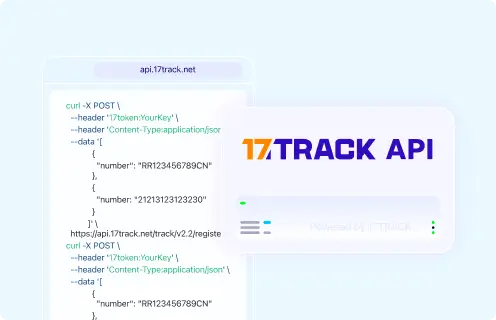
| 17TRACK Tracking API | 17TRACK |
View all details for 17TRACK Tracking API| Carrier coverage | Multi-carrier tracking including supported 1st-related shipments when carrier data is available. |
|---|
| Primary use | Registering tracking numbers, standardizing events and monitoring cross-carrier shipments. |
|---|
| Authentication | 17token header with an API key. |
|---|
| Tracking/batch/webhook capability | Registration, tracking lifecycle and API-based integration as documented by 17TRACK. |
|---|
| Current developer documentation | https://api.17track.net/en/doc |
|---|
| Migration/deprecation note | Use the current 17TRACK v2.4 endpoint format shown in the documentation. |
|---|
|
FAQ
1. How do I track my 1st package?Enter the tracking number on the official 1st website or track it with 17TRACK to view available 1st and partner shipment events.
2. Where can I find my 1st tracking number?Look in the seller’s shipping email, marketplace order page, receipt, label record or logistics dashboard, and ask the seller if only an order number is shown.
3. What does a 1st tracking number look like?1st does not publish a complete public number rule, so a trackable identifier may be a 1st reference, a merchant reference, a postal S10 number or a destination last-mile number.
4. When will my first 1st tracking update appear?The first meaningful update usually appears after physical acceptance, not when the seller creates shipment data.
5. Why is my 1st tracking not updating?1st tracking may stop temporarily during consolidation, export line-haul, customs processing or partner handoff, especially before the destination carrier posts its first scan.
6. How long does 1st delivery take?1st delivery time varies by route, customs and last-mile carrier; public official guaranteed delivery standards are not confirmed for the general routes described here.
7. What should I do after a 1st delivery attempt failed?Use the destination carrier’s notice or tracking page for redelivery or pickup, and contact the seller if the address or customs data is wrong.
8. What if 1st tracking says delivered but I did not receive the parcel?Check mailbox, reception, parcel locker, neighbors and household members first, then ask the destination carrier for delivery details and notify the seller.
9. How do I report a lost or damaged 1st package?Keep the packaging, take photos, save the tracking history and contact the seller, because the contracting shipper normally controls the carrier-side claim.
10. How do I contact 1st customer service?Use the official 1st website for carrier information, but contact the seller first for order refunds, no first scan, address changes before dispatch or marketplace disputes.
11. Does 1st always deliver the parcel in the destination country?No, 1st may arrange the cross-border route while a destination postal operator or courier performs final delivery after import handoff.
12. Can a 1st parcel receive a new tracking number after export?Yes, a postal S10 number or destination carrier number can be linked after export or import, and 17TRACK may show both identifiers when data is available.
13. Does “customs clearance in progress” mean 1st has lost the parcel?No, customs clearance means import or export authorities, brokers or carrier clearance units are reviewing the shipment; it is not the same as loss or final delivery.
14. Who can change the address on a 1st shipment?Before dispatch, the seller or shipper may request a correction; after local handoff, the destination carrier’s rules control any delivery instructions.
15. Can businesses track 1st shipments through an API?A current public official 1st tracking API is not confirmed, but businesses can use the 17TRACK Tracking API for multi-carrier tracking workflows.
16. Can 17TRACK refund or compensate a 1st shipment?No, 17TRACK is an independent tracking platform and cannot approve refunds, claims, customs release, redelivery or address changes for 1st shipments.
Tracking API
# 1. 1st official tracking API
# Current public official tracking API not confirmed.
# Do not implement unofficial 1st endpoints unless 1st provides current
# endpoint, HTTP method, authentication, headers and request body.

# 2. 17TRACK API
# Register a 1st tracking number with 17TRACK.
# CARRIER_CODE is left as a placeholder because a current 17TRACK carrier code
# for 1st was not publicly confirmed in the sources used for this page.

curl -X POST "https://api.17track.net/track/v2.4/register" \
  -H "17token: YourKey" \
  -H "Content-Type: application/json" \
  -d '[
    {
      "number": "TRACKING_NUMBER",
      "carrier": "CARRIER_CODE"
    }
  ]'
Sources & References
Disclaimer: 17TRACK is an independent tracking platform and is not affiliated with 1st.