Flash Routes Tracking
Please enter the Flash Routes tracking number to check the latest shipping status.
About Flash Routes
Flash Routes is the carrier name supplied for this tracking guide. Shipment-specific service, route, tracking-number, and contact details should be taken from the label, merchant dispatch notice, tracking result, or the official Flash Routes website.
| Verified field | Reference |
|---|---|
| Official website | Flash Routes official website |
Carrier Entity Relationships
| Entity | Relationship summary |
|---|---|
| Flash Routes | The supplied carrier entity is the name to test first when a merchant or shipment record identifies Flash Routes. |
| Official tracking source | The official website is the primary place to verify accepted identifiers and shipment events. |
| 17TRACK | 17TRACK is an independent tracking platform that may aggregate available events; it does not transport parcels or decide carrier claims. |
Quick Answer
Enter the shipment tracking number shown in the seller’s dispatch message, label, receipt, or delivery notice on the official Flash Routes website or in 17TRACK. If there is no result, check the characters, remove spaces or hyphens, wait for the first physical acceptance scan, and ask the seller to confirm the identifier.
How to Track Flash Routes Packages
Use the official source first when a shipment needs a carrier-side action; use 17TRACK when you need a consolidated view or want to compare events from a possible handoff carrier.
| Step | Action |
|---|---|
| 1 | Copy the shipment tracking number, not the order number or merchant reference. |
| 2 | Open the official Flash Routes website and use its available tracking route. |
| 3 | If needed, submit the same identifier to 17TRACK and review the named carrier, event time, location, and latest scan. |
| 4 | For a new label, allow the shipping party to complete physical handover and acceptance before treating the shipment as in transit. |
Tracking Number Formats and Examples
A tracking number is assigned in the shipping chain and may be issued by Flash Routes, an origin carrier, a marketplace, or a last-mile partner. A visible identifier that produces Flash Routes events is therefore not automatically a Flash Routes-issued number.
Tracking Number Format
| Identifier family | Normalized pattern | ||||||||||
|---|---|---|---|---|---|---|---|---|---|---|---|
| Shipment tracking number | Use the exact carrier or merchant-issued string shown on the shipment record; a confirmed public pattern should be preferred over prefix guessing. | ||||||||||
View all details for shipment tracking numbers
| |||||||||||
| Order or reference number | Merchant order IDs and reference IDs are not substitutes for a carrier tracking number. | ||||||||||
| International or partner identifier | A postal S10, airline, consolidator, or destination last-mile number may remain visible alongside the original identifier. | ||||||||||
Tracking Statuses and Meanings
| Status | Lifecycle stage and meaning |
|---|---|
| Label created / pre-shipment | Shipping data exists, but physical acceptance may not have occurred. The seller should confirm handover. |
| Accepted / received | A facility or transport participant recorded possession. Normal sorting or movement follows. |
| In transit | The shipment is moving or awaiting the next processing scan. Escalate after the seller’s applicable service window. |
| Customs or handover | The shipment may be awaiting inspection, information, duties, or a partner scan; arrival at customs is not release. |
| Out for delivery / delivered | The last-mile operator reports delivery activity. Check the delivery location and proof of delivery if the parcel is missing. |
| Exception / return | An address, access, customs, damage, or service issue requires action; the sender or seller may have more authority than the recipient. |
Services and Delivery Times
The shipment’s service name and delivery estimate should come from the seller’s shipping record or the official Flash Routes result. Customs, handoffs, weekends, holidays, remote locations, weather, address quality, and peak volume can extend an estimate.
Service Comparison
| Service record | How to interpret it |
|---|---|
| Service selected by sender | Use the named service in the receipt or order record to interpret coverage, tracking level, and delivery expectation. |
| Economy or untracked movement | Events can be less frequent and a destination partner may provide the final delivery scan. |
| Express or time-sensitive movement | Check the applicable service terms before treating an estimate as a guarantee. |
Delivery Time
| Timing source | Customer interpretation |
|---|---|
| Merchant estimate | A planning window that can begin at dispatch or acceptance; confirm the terms shown at checkout. |
| Tracking ETA | A calculation based on available events and route conditions, not necessarily a service guarantee. |
| Destination delivery time | Ask the seller or Flash Routes for the route-specific standard rather than applying a generic country average. |
Destination Country Delivery Times
| Destination country or region | Use for a reliable estimate |
|---|---|
| Any destination | Use the service-specific estimate supplied for the actual origin, destination, handoff route, and customs status. |
| Remote or customs-controlled destination | Allow additional processing time and monitor requests for duties, identity, address, or import documents. |
Common Tracking Problems and Solutions
| Problem or status | First action |
|---|---|
| Invalid number | Recheck every character, remove formatting marks, and request the seller’s original tracking number. |
| No scan | A label may have been created before acceptance. Ask the sender to confirm physical handover. |
| No update in transit | Check the latest facility and route; contact the seller when the promised delivery window has passed. |
| Customs hold | Check the destination authority or delivery partner for duty, document, or address requests. |
| Delivered but missing | Check entrances, lockers, household members, neighbors, reception desks, and proof of delivery; then contact the local delivery operator and seller. |
| Damage, loss, or return | Preserve packaging and evidence and have the sender or merchant start the applicable carrier inquiry or claim. |
International Shipping, Customs and Carrier Handoffs
| Stage | What the customer should understand |
|---|---|
| Origin acceptance | The origin shipping party records the parcel and prepares it for sorting or export. |
| Export processing | Security, export documentation, and line-haul preparation can create scan gaps. |
| International transport | Air or surface movement may produce fewer public events than facility processing. |
| Import customs | Arrival at customs does not mean release; duties or documents may be required. |
| Partner handoff and last mile | The destination operator may issue the next scan or a new local identifier. Check both the original record and destination carrier instructions. |
Delivery Management and Post-shipment Options
| Option | Who should act |
|---|---|
| Address correction or delivery instruction | Ask the carrier or seller through the official route; eligibility depends on shipment stage and destination rules. |
| Redelivery or pickup | Follow the notice or local delivery partner instructions after a failed attempt. |
| Proof of delivery | Request it from the carrier or seller when a delivery scan conflicts with receipt. |
Lost, Damaged, Claims, Insurance and Refunds
| Process | Use when |
|---|---|
| Tracking inquiry | Use when an event needs explanation or a delivery scan needs verification. |
| Carrier investigation or claim | The sender or eligible account holder should use the applicable carrier process for loss, damage, or missing contents. |
| Merchant refund or replacement | Contact the seller under the purchase platform’s policy; 17TRACK cannot approve the outcome. |
Keep the tracking number, dispatch proof, invoice, contents description, value evidence, photographs, and original packaging. Filing windows and eligible filers depend on the service contract and destination.
Shipping Restrictions and Special Handling
| Category | Required action |
|---|---|
| Batteries, liquids, aerosols, and hazardous goods | Check current carrier and destination rules before dispatch; incorrect declaration can cause refusal, delay, or return. |
| Perishable or fragile contents | Use packaging suitable for the route and retain photographs and purchase evidence. |
| Prohibited or restricted imports | Verify destination-country customs requirements because acceptance by one transport participant does not guarantee import clearance. |
Customer Service
| Channel | Best use |
|---|---|
| Official website | Open Flash Routes official website for the current tracking and contact routes. |
| Merchant or marketplace support | Use this route when the parcel was purchased online, the number is missing, or a refund or replacement is required. |
| Destination delivery operator | Use the local operator named in the latest handoff event for delivery attempts, pickup, or proof of delivery. |
Prepare the tracking number, order reference, sender and recipient details, dispatch date, service name, latest scan, address, contents description, value evidence, and photographs before escalating.
Ecommerce and Business Tracking
Merchants should preserve the original carrier identifier, merchant order ID, destination-country identifier, and handoff events as separate fields. This prevents a marketplace order number from being mistaken for a carrier tracking number and supports exception monitoring across multiple operators.
Developer/API Comparison
| Option | Provider | ||||||||||||
|---|---|---|---|---|---|---|---|---|---|---|---|---|---|
| Official Flash Routes integration | Flash Routes | ||||||||||||
View all details for the official Flash Routes integration
| |||||||||||||
| 17TRACK API | 17TRACK | ||||||||||||
View all details for the 17TRACK API
| |||||||||||||
FAQ
Basic FAQs
Enter the shipment tracking number on the official Flash Routes website or track it with 17TRACK to view available events.
Look in the seller’s dispatch email, order page, parcel label, receipt, or delivery notice; the order number may be different.
Use the exact identifier supplied for the shipment because formats can depend on the issuing shipping party and route.
The first event normally appears after shipping data is accepted by the relevant transport participant; label creation alone does not prove physical acceptance.
A parcel may be between facilities, awaiting a handoff, or moving through a stage with limited scans; contact the seller after the applicable delivery window.
Use the route-specific estimate shown by the seller or official tracking result because origin, destination, service, customs, and handoffs affect delivery.
Read the delivery notice, verify the address, and follow the stated redelivery or pickup instructions; the sender may need to request a correction.
Check entrances, lockers, household members, neighbors, reception, and proof of delivery, then contact the local delivery operator and seller.
Preserve the packaging and evidence and ask the sender or merchant to start the applicable carrier inquiry or claim.
Start with the official Flash Routes website and use the contact route shown there; provide the tracking number and latest event.
Expert FAQs
No. 17TRACK aggregates available tracking information, while Flash Routes and its transport partners control physical movement and carrier-side actions.
No. A partner, origin carrier, merchant, or destination operator may issue the identifier that later produces Flash Routes events.
No. Customs arrival indicates processing at an import point; release may require documents, assessment, or payment under destination rules.
Yes, a destination operator may add or expose a local identifier; retain the original number and compare both records.
The sender, merchant, or eligible account holder should initiate the carrier process because contracts and claim rights commonly attach to the shipping account.
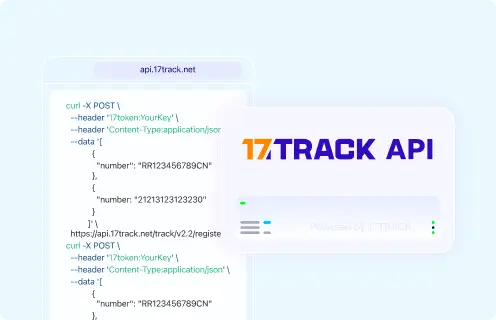
Businesses can review the 17TRACK API documentation for supported carrier recognition and registration workflows, then test the actual account configuration before production use.
Tracking API
// 1. Current public official Flash Routes tracking API:
 // Current public official tracking API not confirmed.
 // 2. 17TRACK API:
 POST https://api.17track.net/track/v2.4/register
 Headers:
   17token: YourKey
   Content-Type: application/json
 Body:
 [
   {
     "number": "TRACKING_NUMBER",
     "carrier": "CARRIER_CODE"
   }
 ]
 // Confirm the current Flash Routes carrier code in the 17TRACK directory
 // before sending production requests.
Sources & References
- Flash Routes — Official website. Flash Routes
- 17TRACK API Documentation. 17TRACK
17TRACK is an independent tracking platform and is not affiliated with Flash Routes.
Track your package
Global express parcel tracking service