Junhe Tracking
Please enter the Junhe tracking number to check the latest shipping status.
About Junhe
The supplied carrier identity for this tracking guide is Junhe. Use the shipment documentation, merchant dispatch notice, or official Junhe entry point to determine which tracking identifier and service apply to a particular parcel.
| Verified item | Information |
|---|---|
| Official display name | Junhe |
| Official website | https://www.gghjtd.com/ |
| Tracking identity | A shipment should be matched by its tracking number and the carrier selected by the merchant or tracking platform. |
Carrier Entity Relationships
| Entity | Relationship summary |
|---|---|
| Junhe | Junhe is the carrier identity supplied for this page and should be selected only when the shipment record identifies Junhe. |
| Merchant or sender | The merchant or sender normally supplies the tracking number and can confirm the service, dispatch date, and shipping label. |
| 17TRACK | 17TRACK is an independent tracking platform that aggregates available shipment events and does not transport parcels. |
Quick Answer
Enter the tracking number exactly as shown in the seller’s dispatch message on the official Junhe website or in the 17TRACK tracking tool. If there is no result, first remove accidental spaces, check every character, confirm that the number is a tracking number rather than an order number, and ask the seller whether the label has been handed to the carrier.
How to Track Junhe Packages
| Tracking route | Steps |
|---|---|
| Official Junhe route | Open the official website, locate its shipment or tracking entry point, enter the tracking number, and preserve the displayed event history for follow-up. |
| 17TRACK route | Open 17TRACK, paste the number, allow automatic carrier recognition or select Junhe when offered, and compare the latest event with the seller’s dispatch information. |
| No usable result | Check the number type and spelling first; then ask the seller to verify label creation, physical handover, and the correct carrier. |
A tracking number is different from an order number, reference number, invoice number, or delivery notice number. The seller is the appropriate first contact when the number was never supplied or the parcel has not entered the carrier network.
Tracking Number Formats and Examples
Junhe tracking formats should be read from the shipment record rather than inferred from a prefix alone. Use a deliberately masked example when sharing a number publicly.
Tracking Number Format
| Identifier family | Normalized pattern and use | ||||||||||
|---|---|---|---|---|---|---|---|---|---|---|---|
| Carrier tracking identifier | Use the exact alphanumeric or numeric identifier printed by the sender; a masked example is TRACK#######. | ||||||||||
View all details for the carrier tracking identifier
| |||||||||||
| Partner or last-mile identifier | A second identifier may appear after handoff; use the number shown in the latest carrier or merchant notice. | ||||||||||
View all details for a partner or last-mile identifier
| |||||||||||
Tracking Statuses and Meanings
| Status | Meaning | ||||||||
|---|---|---|---|---|---|---|---|---|---|
| Label created / pre-shipment | Shipment data may exist while the physical parcel is still with the sender; ask the sender to confirm handover. | ||||||||
View all details for a pre-shipment status
| |||||||||
| Accepted / in transit | The shipment has a recorded movement or acceptance event and is progressing through transport facilities. | ||||||||
| Customs or handoff | The parcel may be undergoing import processing or transfer; arrival at a facility is not the same as customs release. | ||||||||
| Out for delivery | A delivery attempt is planned for the current delivery cycle; keep access instructions available. | ||||||||
| Delivered or exception | Delivered means a delivery scan was recorded; an exception requires checking the event instruction, address, and sender support. | ||||||||
Services and Delivery Times
A reliable delivery estimate requires the actual Junhe service, origin, destination, handoff route, and dispatch date. A tracking page may show an estimate, but an estimate is not automatically a delivery guarantee.
Service Comparison
| Service record | What to compare |
|---|---|
| Service selected by the sender | Confirm the service name, route, tracking coverage, handling conditions, and any delivery commitment on the receipt or order record. |
Delivery Time
| Timing item | How to interpret it |
|---|---|
| Published estimate | Use the seller’s route-specific estimate and treat customs, weekends, holidays, weather, address quality, and handoffs as possible variables. |
| Destination-country estimate | The seller or destination delivery operator should provide the applicable country and service window; a generic global average should not replace that information. |
Destination Country Delivery Times
| Destination | Route-specific information |
|---|---|
| Destination shown on the order | Request the applicable service window, last-mile operator, customs requirements, and delivery estimate from the sender or the destination operator. |
Common Tracking Problems and Solutions
| Problem or status | First action | ||||||||
|---|---|---|---|---|---|---|---|---|---|
| Invalid number | Copy the number again, remove formatting spaces, distinguish it from an order number, and ask the seller to validate it. | ||||||||
View all details for an invalid number
| |||||||||
| No update or stuck in transit | Review the last scan, allow for transport or scanning gaps, and contact the seller when the promised delivery window has passed. | ||||||||
| Delivered but not received | Check the entrance, mailbox, safe place, household members, reception desk, and neighbors; then request delivery evidence and contact the seller. | ||||||||
| Address, customs, or delivery exception | Follow the event instruction promptly, prepare the required address or import information, and ask the seller which party can submit a correction. | ||||||||
| Lost or damaged parcel | Preserve packaging and photographs, notify the seller, and ask the sender to start the carrier inquiry or claim route. | ||||||||
International Shipping, Customs and Carrier Handoffs
| Stage | Customer interpretation |
|---|---|
| Origin processing | The sender prepares the shipment and the origin transport provider records handling events. |
| Export and line-haul | Export screening, customs steps, and international transport may create periods without a new public scan. |
| Destination customs | Arrival in the destination country does not by itself prove that import clearance is complete. |
| Partner handoff and last mile | A destination operator may receive the parcel and may use the original or a linked local identifier; the seller can confirm the handoff. |
Delivery Management and Post-shipment Options
Address changes, interception, redirection, pickup, signature instructions, and redelivery depend on the service and shipment stage. The sender or merchant should request an option through the responsible carrier channel.
Lost, Damaged, Claims, Insurance and Refunds
| Process | Use and first contact |
|---|---|
| Tracking inquiry | Use when an event needs clarification; provide the tracking number and contact the carrier or seller. |
| Loss or damage claim | Use the applicable carrier or shipping-account claim process; the sender should preserve the label, invoice, packaging, contents evidence, and photographs. |
| Merchant refund | A purchase refund is handled by the seller or marketplace and is separate from 17TRACK tracking. |
Shipping Restrictions and Special Handling
| Category | Practical precaution |
|---|---|
| Dangerous goods, batteries, liquids, and perishables | Check the current Junhe shipping rules and destination-country requirements before dispatch; acceptance and transit may depend on packaging and declaration. |
| Prohibited or restricted goods | Do not rely on a tracking result as proof that an item is permitted; verify the applicable route rules with the sender. |
Customer Service
| Channel | Best use |
|---|---|
| Official website | Open Junhe’s official website and use the shipment or contact route presented there. |
| Seller or marketplace | Use this route for an absent number, incorrect address supplied at checkout, delivery dispute, replacement, or purchase refund. |
| Information to prepare | Prepare the tracking number, order reference, dispatch date, destination address, latest event, item description, value evidence, and damage photographs where relevant. |
Ecommerce and Business Tracking
Businesses can use the seller’s shipment records for order-level support and use 17TRACK for multi-carrier visibility where the relevant carrier is supported. Standardized event interpretation can help separate label creation, movement, handoff, customs, delivery, and exception states.
Developer/API Comparison
| Option | Provider | ||||||||
|---|---|---|---|---|---|---|---|---|---|
View all details for the official Junhe API option
| |||||||||
View all details for the 17TRACK API option
| |||||||||
FAQ
Basic FAQs
Enter the tracking number on the official Junhe website or track it with 17TRACK to view available shipment events.
Look in the seller’s dispatch email, marketplace shipment page, label, receipt, or order message.
The format depends on the shipment record; use the complete identifier supplied by the sender instead of guessing from a prefix.
The first scan appears after shipment data is processed and a physical acceptance or handling event is recorded.
A transport, facility, customs, or handoff gap may delay the next event; compare the last scan with the seller’s delivery window.
The delivery estimate depends on the selected service, origin, destination, dispatch handling, customs, and last-mile route.
Read the latest exception instruction, check the address and access details, and contact the seller or responsible delivery operator.
Check delivery locations, household members, reception staff, and neighbors, then request delivery evidence and notify the seller.
Contact the seller first, retain the packaging and contents, and provide the tracking number, photographs, and value evidence for the applicable inquiry or claim.
Use the official Junhe website or ask the seller for the correct shipment-support route and prepare the tracking number and latest scan.
Expert FAQs
No; label creation shows shipment data, while an acceptance or handling scan is the stronger indication of physical possession.
Yes, a cross-border or partner route can expose an origin identifier and a linked destination identifier; ask the seller to associate them.
No; arrival indicates a customs-stage location, whereas release requires a separate clearance event or destination instruction.
No; address changes and delivery instructions must be handled by the responsible carrier, sender, merchant, or destination operator.
Businesses can review the current Junhe developer channel and may use the 17TRACK API for supported multi-carrier tracking, subject to account access and carrier coverage.
Tracking API
// 1. Current public official Junhe tracking API:
// Current public official tracking API not confirmed.

// 2. 17TRACK API
// Confirm the carrier code in the current 17TRACK documentation
// before replacing CARRIER_CODE.
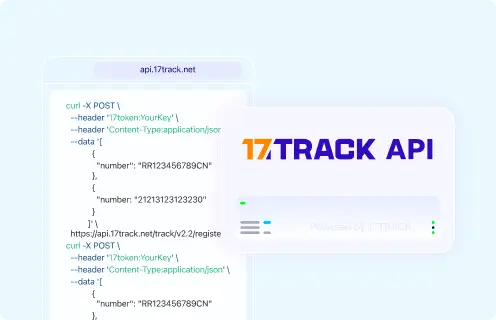
POST https://api.17track.net/track/v2.4/register
17token: YourKey
Content-Type: application/json

[
  {
    "number": "TRACKING_NUMBER",
    "carrier": "CARRIER_CODE"
  }
]
Sources & References
- Official Junhe website. Junhe
- 17TRACK tracking platform. 17TRACK
- 17TRACK API documentation. 17TRACK
17TRACK is an independent tracking platform and is not affiliated with Junhe.
Track your package
Global express parcel tracking service