About SP Express
SP Express is a Polish postal operator and ecommerce logistics company operated by SP Express Sp. z o.o. Its network supports courier and postal parcel flows, international ecommerce delivery, consumer returns, pallet services and tailored logistics. SP Express can coordinate multiple operating or last-mile carriers, so the company shown in a delivery scan may change during the shipment journey.
Carrier Overview
| Field | Verified information |
|---|
| Official name | SP Express Sp. z o.o. |
| Official website | https://sp.express/ |
| Carrier type | Registered postal operator and ecommerce logistics network |
| Primary region | Poland-based operations with international European delivery routes |
| Tracking page | SP Express shipment tracking |
| Postal operator register | B-00701 |
| Registered address | ul. Nowowiejska 17, 48-303 Nysa, Poland |
Carrier Entity Relationships
| Entity | Entity type |
|---|
| SP Express Sp. z o.o. | Canonical carrier |
View all details for the canonical carrier
| Relationship to SP Express | SP Express Sp. z o.o. is the legal company operating the SP Express network. |
|---|
| Why it matters to tracking | This is the entity to identify on official account records, invoices, complaints and shipment documentation. |
|---|
| Official evidence | The official website lists the company name, Polish registration identifiers and postal-operator number. |
|---|
|
| Courier and ecommerce parcel network | Operated service network |
View all details for the parcel network
| Relationship to SP Express | SP Express operates a network intended for courier, postal and ecommerce parcel flows. |
|---|
| Why it matters to tracking | A parcel may pass through consolidation, line-haul and a partner-operated last mile rather than remain with one physical carrier. |
|---|
| Official evidence | The official operational information describes the network as serving courier and ecommerce shipments. |
|---|
|
| Consumer return-point network | Return product |
View all details for consumer returns
| Relationship to SP Express | SP Express promotes a consumer return network of more than 12,000 points. |
|---|
| Why it matters to tracking | Return acceptance and onward movement may produce a separate return identifier from the original outbound parcel. |
|---|
| Official evidence | The official homepage states that the network includes more than 12,000 consumer return points. |
|---|
|
| Last-mile delivery operators | Network partners |
View all details for last-mile operators
| Relationship to SP Express | Destination delivery can be assigned to a local carrier selected through the current SP Express route. |
|---|
| Why it matters to tracking | The local operator may issue additional events, a delivery notice or a linked last-mile number. |
|---|
| Official evidence | The official website provides a last-mile routing overview and publishes routing-change notices. |
|---|
|
| 17TRACK | Independent tracking platform |
View all details for 17TRACK
| Relationship to SP Express | 17TRACK aggregates available tracking events but does not transport SP Express shipments. |
|---|
| Why it matters to tracking | It can provide a single view when ecommerce orders involve multiple carriers or linked identifiers. |
|---|
| Official evidence | 17TRACK documents its multi-carrier tracking and API services separately from carrier operations. |
|---|
|
Quick Answer
To track a SP Express shipment, copy the shipment number from the sender’s dispatch message, label or customer account and enter it on the official SP Express website or 17TRACK. If no result appears, remove spaces, confirm that you copied a shipment number rather than an order number, and allow time for the first physical acceptance scan. 17TRACK is an independent tracking platform; it cannot transport a parcel, change an address, approve a claim or issue a refund.
Pro Tip: When a route includes a local delivery partner, retain both the original SP Express shipment number and any linked last-mile number shown in the tracking history.
How to Track SP Express Packages
Use the official tracker for carrier-account context and 17TRACK for a consolidated multi-carrier view.
- Find the shipment number in the shipping confirmation, marketplace order, parcel label, dispatch document or logged-in SP Express account.
- Open SP Express and select the shipment-tracking function.
- Paste the complete identifier without surrounding text and review the latest event, location and any partner information.
- Alternatively, submit the number to 17TRACK. Automatic carrier detection can help when the merchant has not clearly identified the operator.
- If the number is rejected, compare every character with the original message and ask the sender to confirm the carrier-facing shipment number.
Which Number Should You Use?
| Identifier | How to use it |
|---|
| Shipment or tracking number | Use this in the carrier tracker and 17TRACK. |
| Merchant order number | Use it with the seller; it is usually not a carrier tracking number. |
| Customer reference | Use it for account reconciliation unless the portal explicitly accepts references. |
| Last-mile number | Use it on the destination carrier’s system after the handoff is identified. |
| Return number | Use it for the return journey; do not expect the outbound number to show all return events. |
Tracking Statuses and Meanings
Status wording may come from SP Express or a route partner. Interpret each event by lifecycle stage and responsible party rather than relying only on the translated status label.
Status Quick Lookup
| Status | What it means |
|---|
| Shipment data received | A label or electronic shipment record exists. |
View all details for shipment data received| Lifecycle stage | Pre-shipment |
|---|
| Current responsible party | The sender still has the parcel unless a physical acceptance event appears. |
|---|
| What happens next | Collection, drop-off or first depot receipt. |
|---|
| What you should do | Ask the sender when the parcel was physically handed over if the status persists. |
|---|
|
| Accepted or collected | The parcel has received a physical intake scan. |
View all details for accepted or collected| Lifecycle stage | Accepted |
|---|
| Current responsible party | SP Express or the collection partner shown in the event. |
|---|
| What happens next | Origin sorting and route assignment. |
|---|
| What you should do | Continue monitoring unless the parcel misses the published route expectation. |
|---|
|
| In transit | The parcel is moving between facilities or waiting for the next scheduled movement. |
View all details for in transit| Lifecycle stage | Sorting or line-haul |
|---|
| Current responsible party | The network operator or transport partner associated with the latest scan. |
|---|
| What happens next | Arrival at another hub, border facility or destination depot. |
|---|
| What you should do | Check service alerts and allow for scan gaps between hubs. |
|---|
|
| Customs or regulatory hold | Authorities or a customs representative require review, documents or payment. |
View all details for customs or regulatory hold| Lifecycle stage | Customs or regulatory processing |
|---|
| Current responsible party | The relevant authority, customs representative or declarant. |
|---|
| What happens next | Release, request for information, return or exclusion from transport. |
|---|
| What you should do | Provide requested commodity, value, tax or regulatory information through the designated channel. |
|---|
|
| Handed to delivery partner | A partner has been assigned or has received the parcel for the next transport stage. |
View all details for partner handoff| Lifecycle stage | Carrier handoff |
|---|
| Current responsible party | The party with the latest physical receipt scan; electronic assignment alone does not establish custody. |
|---|
| What happens next | The partner sorts the parcel and may create a linked identifier. |
|---|
| What you should do | Track both identifiers and wait for the partner’s first physical scan. |
|---|
|
| Out for delivery | The destination carrier has assigned the parcel to a delivery route. |
View all details for out for delivery| Lifecycle stage | Final mile |
|---|
| Current responsible party | The named local delivery operator. |
|---|
| What happens next | Delivery, pickup-point diversion or an exception scan. |
|---|
| What you should do | Monitor the local carrier’s instructions and keep the delivery location accessible. |
|---|
|
| Delivered | The delivery operator recorded completion at an address, reception point or other authorized location. |
View all details for delivered| Lifecycle stage | Delivered |
|---|
| Current responsible party | The recipient controls the parcel after valid delivery; the local operator controls delivery evidence. |
|---|
| What happens next | The shipment normally closes unless delivery is disputed. |
|---|
| What you should do | Check safe places, household members, reception staff and delivery evidence before reporting non-receipt. |
|---|
|
| Ready for pickup | The parcel is being held at the location identified in the notice. |
View all details for ready for pickup| Lifecycle stage | Pickup |
|---|
| Current responsible party | The named pickup point or local operator. |
|---|
| What happens next | Collection after identity or pickup-code verification, or return after the stated holding period. |
|---|
| What you should do | Follow the notice and collect before its stated deadline. |
|---|
|
| Delivery exception | Delivery could not proceed because of an address, access, capacity, weather or operational issue. |
View all details for a delivery exception| Lifecycle stage | Exception |
|---|
| Current responsible party | The local operator unless customer information is required. |
|---|
| What happens next | Another attempt, pickup arrangement, correction request or return. |
|---|
| What you should do | Read the detailed event and contact the named local operator when action is requested. |
|---|
|
| Returned to sender | The network has begun or completed reverse transport to the sender. |
View all details for returned to sender| Lifecycle stage | Return |
|---|
| Current responsible party | The carrier performing the return movement. |
|---|
| What happens next | The sender receives the parcel and decides whether to resend or refund. |
|---|
| What you should do | Contact the seller because the recipient usually cannot reverse an established return movement. |
|---|
|
SP Express Services and Delivery Times
SP Express supports ecommerce parcel delivery, consumer returns, pallet movements and tailored logistics. Published homepage transit indications are route-level planning values, not automatic guarantees.
Service Comparison
| Service | Best for |
|---|
| Ecommerce parcel delivery | Businesses shipping individual consumer parcels across European routes. |
View all details for ecommerce parcel delivery| Service type | Courier and postal parcel flow |
|---|
| Coverage | Poland-origin business logistics with international routes, including listed European destinations. |
|---|
| Tracking level | Shipment events can include SP Express and operating-partner scans. |
|---|
| Key size/weight condition | Shipment acceptance depends on the booked route and current terms. |
|---|
| Included protection/extra service | Protection and optional services depend on the commercial agreement. |
|---|
| Main limitation | Last-mile operator and routing can change. |
|---|
|
| Consumer returns | Ecommerce merchants offering local return drop-off. |
View all details for consumer returns| Service type | Return-point network |
|---|
| Coverage | More than 12,000 consumer return points are promoted by SP Express. |
|---|
| Tracking level | Return tracking depends on the generated return product and identifier. |
|---|
| Key size/weight condition | Merchant and route rules apply. |
|---|
| Included protection/extra service | Drop-off evidence may be provided by the accepting location. |
|---|
| Main limitation | The outbound tracking number may not track the return journey. |
|---|
|
| Pallet service | Polish business customers moving palletized freight. |
View all details for pallet service| Service type | Business pallet transport |
|---|
| Coverage | Commercial service for business customers in Poland. |
|---|
| Tracking level | Shipment visibility follows the booked freight workflow. |
|---|
| Key size/weight condition | Current pallet price list and terms govern acceptance. |
|---|
| Included protection/extra service | Contract conditions determine extras and liability. |
|---|
| Main limitation | It should not be treated as an ordinary single-parcel service. |
|---|
|
| Dedicated logistics and regulated transport support | Line-haul, warehouse transfers or goods requiring tailored formal handling. |
View all details for tailored logistics| Service type | Individually arranged logistics |
|---|
| Coverage | Defined by quotation and regulatory requirements. |
|---|
| Tracking level | Determined by the agreed transport solution. |
|---|
| Key size/weight condition | Commodity classification, transport model and documentation are decisive. |
|---|
| Included protection/extra service | May include dedicated transport, formal SENT support, pallet transport or line-haul. |
|---|
| Main limitation | Regulated logistics cannot be placed into the standard courier network without required documentation. |
|---|
|
Delivery Time
| Service | Published delivery standard |
|---|
| Listed European parcel routes | Homepage indications range from 2 to 5 days for the listed destinations. |
View all delivery-time details for European parcel routes| Business or calendar days | The homepage labels the values as days without specifying the counting convention. |
|---|
| Guarantee status | Treat the values as planning indications unless the individual contract expressly provides a guarantee. |
|---|
| Starts counting from | Operational transit should be assessed from physical acceptance, not label creation. |
|---|
| Main delay factors | Cutoff, route schedule, partner handoff, address quality, peak volume, weather and regulatory controls. |
|---|
| Official source date/validity | Current route information should be checked on the official homepage and announcements before dispatch. |
|---|
|
| Pallet or tailored logistics | Transit depends on the quotation, route, handling profile and regulatory requirements. |
View all delivery-time details for tailored logistics| Business or calendar days | Defined in the applicable commercial arrangement. |
|---|
| Guarantee status | Only contractual wording can establish a guarantee. |
|---|
| Starts counting from | After accepted booking, required documents and physical cargo handover. |
|---|
| Main delay factors | Capacity, loading windows, warehouse appointments, route restrictions and SENT documentation. |
|---|
| Official source date/validity | Use the current quotation, terms and operational notices. |
|---|
|
Destination Country Delivery Times
| Destination Country / Region | Estimated Delivery Time Range |
|---|
| Austria | Published indication: 2 days |
View all details for Austria| Primary Service Type | European ecommerce parcel route |
|---|
| Average Delivery Days | Use 2 days as the published planning indication, not an audited shipment average. |
|---|
| Last-Mile Partner / Handoff Carrier | Check the shipment event for the route-specific Austrian operator. |
|---|
| Customs & Clearance Tips | EU circulation normally avoids import customs for Union goods, but excise, restricted-goods and documentation rules can still apply. |
|---|
|
| Bulgaria | Published indication: 4 days |
View all details for Bulgaria| Primary Service Type | European ecommerce parcel route |
|---|
| Average Delivery Days | Use 4 days as the published planning indication, not an audited shipment average. |
|---|
| Last-Mile Partner / Handoff Carrier | Identify the Bulgarian operator from the live handoff event. |
|---|
| Customs & Clearance Tips | Confirm accurate recipient postcode and phone data; regulated goods may require additional controls. |
|---|
|
| Czechia | Published indication: 2 days |
View all details for Czechia| Primary Service Type | European ecommerce parcel route |
|---|
| Average Delivery Days | Use 2 days as the published planning indication, not an audited shipment average. |
|---|
| Last-Mile Partner / Handoff Carrier | Check the current tracking record for the Czech delivery operator. |
|---|
| Customs & Clearance Tips | EU parcel flows still require compliant commodity and transport documentation where special rules apply. |
|---|
|
| France | Published indication: 4 days |
View all details for France| Primary Service Type | European ecommerce parcel route |
|---|
| Average Delivery Days | Use 4 days as the published planning indication, not an audited shipment average. |
|---|
| Last-Mile Partner / Handoff Carrier | The current route-specific French operator should appear after handoff. |
|---|
| Customs & Clearance Tips | Overseas French territories do not follow the same transport and customs profile as mainland France. |
|---|
|
| Greece | Published indication: 4 days |
View all details for Greece| Primary Service Type | European ecommerce parcel route |
|---|
| Average Delivery Days | Use 4 days as the published planning indication, not an audited shipment average. |
|---|
| Last-Mile Partner / Handoff Carrier | Check the live record for the Greek delivery operator. |
|---|
| Customs & Clearance Tips | Island and remote-area transport may add a feeder or regional delivery stage. |
|---|
|
| Spain | Published indication: 5 days |
View all details for Spain| Primary Service Type | European ecommerce parcel route |
|---|
| Average Delivery Days | Use 5 days as the published planning indication, not an audited shipment average. |
|---|
| Last-Mile Partner / Handoff Carrier | Identify the Spanish operator from the handoff event. |
|---|
| Customs & Clearance Tips | Canary Islands, Ceuta and Melilla have distinct customs and tax treatment from mainland Spain. |
|---|
|
| Germany | Published indication: 2 days |
View all details for Germany| Primary Service Type | European ecommerce parcel route |
|---|
| Average Delivery Days | Use 2 days as the published planning indication, not an audited shipment average. |
|---|
| Last-Mile Partner / Handoff Carrier | SP Express publishes routing notices, so verify the current German operator in the live tracking record. |
|---|
| Customs & Clearance Tips | Complete address and weight data help avoid partner verification and routing exceptions. |
|---|
|
| Romania | Published indication: 3 days |
View all details for Romania| Primary Service Type | European ecommerce parcel route |
|---|
| Average Delivery Days | Use 3 days as the published planning indication, not an audited shipment average. |
|---|
| Last-Mile Partner / Handoff Carrier | Check the live handoff record for the Romanian operator. |
|---|
| Customs & Clearance Tips | Accurate locality, county and contact details reduce address-resolution delays. |
|---|
|
| Slovakia | Published indication: 2 days |
View all details for Slovakia| Primary Service Type | European ecommerce parcel route |
|---|
| Average Delivery Days | Use 2 days as the published planning indication, not an audited shipment average. |
|---|
| Last-Mile Partner / Handoff Carrier | Use the tracking event to identify the current Slovak operator. |
|---|
| Customs & Clearance Tips | Regulated commodities remain subject to product-specific documentation even within the EU. |
|---|
|
| Hungary | Published indication: 3 days |
View all details for Hungary| Primary Service Type | European ecommerce parcel route |
|---|
| Average Delivery Days | Use 3 days as the published planning indication, not an audited shipment average. |
|---|
| Last-Mile Partner / Handoff Carrier | Check the tracking details for the assigned Hungarian carrier. |
|---|
| Customs & Clearance Tips | Use a complete postcode, locality and recipient telephone number for delivery coordination. |
|---|
|
| Italy | Published indication: 3 days |
View all details for Italy| Primary Service Type | European ecommerce parcel route |
|---|
| Average Delivery Days | Use 3 days as the published planning indication, not an audited shipment average. |
|---|
| Last-Mile Partner / Handoff Carrier | The assigned Italian operator should be confirmed from the live handoff event. |
|---|
| Customs & Clearance Tips | Islands, remote zones and incomplete civic-address data can add handling time. |
|---|
|
These country values reproduce the route indications displayed by SP Express. Actual elapsed time can change with physical acceptance time, weekends, public holidays, routing updates, remote areas, operational disruption and regulatory review. They are not historical averages or guaranteed delivery commitments.
Common Tracking Problems and Solutions
Start with the latest physical scan, identify who currently controls the parcel and preserve shipment evidence before escalating.
Problem & Solution
| Problem/status shown | Likely cause |
|---|
| Invalid number | Typing error, order number used, or wrong carrier selected. |
View solutions for an invalid number| Check first | Compare every character with the label or dispatch message. |
|---|
| Immediate action | Remove surrounding text and try automatic carrier detection. |
|---|
| When to escalate | When the sender confirms dispatch but cannot provide a searchable shipment number. |
|---|
| Who to contact | The seller or sender first. |
|---|
|
| No tracking events | The record may be new, inactive or associated with another operator. |
View solutions for no tracking events| Check first | Confirm the dispatch date, identifier and carrier name. |
|---|
| Immediate action | Retry after the first scheduled collection and ask for physical handover evidence. |
|---|
| When to escalate | When no acceptance scan appears after the sender’s stated handover and route schedule. |
|---|
| Who to contact | The sender, who can verify the booking and collection. |
|---|
|
| Label created | Electronic data exists, but the parcel may still be with the sender. |
View solutions for label created| Check first | Look for a later acceptance or depot scan. |
|---|
| Immediate action | Ask when and where the parcel was physically handed over. |
|---|
| When to escalate | When collection evidence exists but no intake event follows within the expected operating cycle. |
|---|
| Who to contact | The sender or account holder. |
|---|
|
| Long gap in transit | Line-haul movement, missed scan, weekend, route disruption or depot backlog. |
View solutions for a long transit gap| Check first | Compare the last scan with the route indication and official announcements. |
|---|
| Immediate action | Check for a linked partner number and destination-carrier events. |
|---|
| When to escalate | When the shipment has exceeded its route expectation without a new event. |
|---|
| Who to contact | The logged-in SP Express account holder or sender. |
|---|
|
| Partner handoff pending | Electronic routing data may have been sent before physical transfer. |
View solutions for a pending partner handoff| Check first | Find the last physical facility scan and partner receipt event. |
|---|
| Immediate action | Track both the original and linked identifiers. |
|---|
| When to escalate | When neither system shows physical receipt after the planned transfer window. |
|---|
| Who to contact | The sender or SP Express account holder; contact the partner after its first receipt scan. |
|---|
|
| Address or delivery exception | Incomplete address, access failure, route capacity or recipient unavailability. |
View solutions for a delivery exception| Check first | Read the detailed event and any message from the local carrier. |
|---|
| Immediate action | Use the local operator’s permitted redelivery or pickup channel. |
|---|
| When to escalate | Immediately if the notice requests information or shows return processing. |
|---|
| Who to contact | The named last-mile carrier; the sender if an address correction requires authorization. |
|---|
|
| Ready for pickup | Home delivery was redirected or the selected service uses a pickup location. |
View solutions for pickup status| Check first | Pickup address, code, identity requirement and deadline. |
|---|
| Immediate action | Collect within the period stated by the operating carrier. |
|---|
| When to escalate | If the location cannot find the parcel despite a ready-for-pickup scan. |
|---|
| Who to contact | The pickup-point operator or local carrier. |
|---|
|
| Customs or SENT hold | Commodity classification, declaration or transport documentation requires action. |
View solutions for customs or SENT holds| Check first | Commodity code, invoice, value, transport model and requested declaration. |
|---|
| Immediate action | The sender or declarant should provide the requested documents through the authorized channel. |
|---|
| When to escalate | As soon as a document request, exclusion or regulatory deadline is issued. |
|---|
| Who to contact | The account holder, customs representative or SP Express for case-specific transport review. |
|---|
|
| Delivered but not received | Safe-place delivery, reception handover, neighbor delivery, premature scan or misdelivery. |
View solutions for delivered but not received| Check first | Delivery location, household members, reception, neighbors, parcel lockers and proof of delivery. |
|---|
| Immediate action | Contact the local delivery depot while route details are recent, then notify the seller. |
|---|
| When to escalate | Promptly when local checks do not locate the parcel. |
|---|
| Who to contact | The last-mile carrier for delivery evidence and the sender for a formal investigation. |
|---|
|
| Lost or damaged | The parcel cannot be located or arrived with visible or concealed damage. |
View solutions for loss or damage| Check first | Tracking history, packaging, contents, photos, invoice and value evidence. |
|---|
| Immediate action | Keep all packaging and report the condition to the seller and account holder. |
|---|
| When to escalate | Follow the deadline in the applicable terms or contract; do not wait if evidence may be lost. |
|---|
| Who to contact | The logged-in SP Express account holder normally opens the shipment complaint. |
|---|
|
| Returned to sender | Failed delivery, expired pickup, address problem, refusal or regulatory issue. |
View solutions for return to sender| Check first | The first return event and its stated reason. |
|---|
| Immediate action | Ask the seller whether it will resend or refund after receiving the return. |
|---|
| When to escalate | If the reason is incorrect or the return stops updating beyond the route expectation. |
|---|
| Who to contact | The seller or sender; the carrier cannot decide the merchant’s refund policy. |
|---|
|
International Shipping, Customs and Carrier Handoffs
International SP Express shipments can combine electronic booking, physical collection, consolidation, cross-border transport and local-carrier delivery. Electronic pre-advice is not the same as physical custody, and arrival in a destination country is not the same as customs release.
International Flow
| Stage | Physical custodian/responsible entity |
|---|
| Shipment creation | Sender or merchant |
View all details for shipment creation| Typical tracking event | Shipment data received or label created |
|---|
| What is happening | Data is submitted and routing may be assigned. |
|---|
| Can the tracking number change? | A partner number may be added later. |
|---|
| Normal visibility gap | Until physical acceptance. |
|---|
| What the customer should do | Ask the sender for the actual handover date if no intake scan appears. |
|---|
|
| Collection and origin processing | SP Express or appointed collection operator after physical receipt |
View all details for origin processing| Typical tracking event | Accepted, collected or processed at origin facility |
|---|
| What is happening | The parcel is weighed, sorted and assigned to a route. |
|---|
| Can the tracking number change? | The original number normally remains usable, while internal identifiers may be linked. |
|---|
| Normal visibility gap | Between collection and hub processing. |
|---|
| What the customer should do | Monitor for the first hub or departure event. |
|---|
|
| Export or regulatory processing | Declarant, authority or appointed logistics provider |
View all details for export or regulatory processing| Typical tracking event | Documentation review, hold or cleared for transport |
|---|
| What is happening | Commodity classification and required declarations are checked. |
|---|
| Can the tracking number change? | Usually no, although a declaration or transport reference may be added. |
|---|
| Normal visibility gap | No fixed duration can be inferred from a hold event. |
|---|
| What the customer should do | The sender or declarant should respond to document requests. |
|---|
|
| Cross-border line-haul | Contracted transport operator |
View all details for cross-border line-haul| Typical tracking event | Departed hub or in transit |
|---|
| What is happening | Consolidated parcels move between network facilities. |
|---|
| Can the tracking number change? | Transport references may differ, but the customer-facing number can remain linked. |
|---|
| Normal visibility gap | Events may pause while the sealed load is moving. |
|---|
| What the customer should do | Compare elapsed time with the route indication and alerts. |
|---|
|
| Partner handoff | Responsibility transfers only after the receiving operator physically accepts the parcel |
View all details for partner handoff| Typical tracking event | Pre-advised to partner, handed over, or received by partner |
|---|
| What is happening | Electronic notice may precede unloading, reconciliation and the first partner scan. |
|---|
| Can the tracking number change? | Yes. A local identifier may be added while the original remains searchable. |
|---|
| Normal visibility gap | A gap can occur between pre-advice and physical receipt. |
|---|
| What the customer should do | Track both numbers and identify the latest physical scan. |
|---|
|
| Destination delivery | Named local delivery carrier |
View all details for destination delivery| Typical tracking event | At delivery depot, out for delivery, ready for pickup or delivered |
|---|
| What is happening | The local carrier controls route execution and delivery evidence. |
|---|
| Can the tracking number change? | The local identifier may be the most detailed source for final-mile scans. |
|---|
| Normal visibility gap | Between destination-hub arrival and local induction. |
|---|
| What the customer should do | Follow the local carrier’s delivery or pickup instructions. |
|---|
|
For goods covered by Poland’s SENT monitoring rules, commodity classification, transport type and fulfillment model matter. Standard parcel-flow exemptions must not be assumed solely from weight or ecommerce sale status. A shipment sent without required documentation may be held, excluded from transport or exposed to administrative consequences.
Delivery Management and Post-shipment Options
Delivery changes are controlled by the operator currently handling the parcel and by the booked service. A request is not a guarantee that the route can be changed.
Delivery Management
| Option | Who can request |
|---|
| Shipment inquiry | The logged-in account holder for a specific parcel or invoice. |
View all details for a shipment inquiry| Eligibility | The shipment must be linked to the customer account. |
|---|
| Deadline/available stage | Use when tracking does not explain an exception or prolonged delay. |
|---|
| Fee | Any charge depends on the service agreement. |
|---|
| Guaranteed? | No; an inquiry does not guarantee rerouting or recovery. |
|---|
| Official action link | SP Express inquiry page |
|---|
|
| Local redelivery or pickup | Recipient where the last-mile carrier offers the option. |
View all details for redelivery or pickup| Eligibility | Depends on the local carrier, parcel status and sender restrictions. |
|---|
| Deadline/available stage | Usually after local induction and before return processing. |
|---|
| Fee | The local operator’s terms apply. |
|---|
| Guaranteed? | No; capacity, address and route conditions may prevent a change. |
|---|
| Official action link | Use the carrier link or instructions displayed in the shipment event or delivery notice. |
|---|
|
| Consumer return drop-off | Recipient or buyer authorized by the merchant’s return process. |
View all details for consumer return drop-off| Eligibility | A valid merchant return instruction, label or return code is required. |
|---|
| Deadline/available stage | The merchant’s return-authorization period applies. |
|---|
| Fee | Defined by the merchant’s return policy and service arrangement. |
|---|
| Guaranteed? | Acceptance does not guarantee a merchant refund. |
|---|
| Official action link | SP Express consumer services |
|---|
|
Lost, Damaged, Claims, Insurance and Refunds
A tracking inquiry, carrier complaint, liability claim and merchant refund are separate processes. SP Express states that parcel- or invoice-specific complaints are available to logged-in users, so recipients should normally coordinate with the sender or merchant that owns the shipment account.
Claims and Refunds
| Process | Use when |
|---|
| Tracking inquiry | The shipment has an unexplained delay, handoff gap or exception. |
View all details for a tracking inquiry| Who files | The linked account holder for shipment-specific support. |
|---|
| Earliest/latest filing time | Use after basic tracking and partner checks; applicable terms govern formal deadlines. |
|---|
| Required evidence | Shipment number, dispatch date, latest scan and sender/recipient details. |
|---|
| Possible outcome | Status clarification, operational trace or request for more information. |
|---|
| Official link | SP Express inquiry page |
|---|
|
| Loss or damage complaint | The parcel cannot be located, arrives damaged or has missing contents. |
View all details for a loss or damage complaint| Who files | The logged-in account holder or another party authorized under the applicable contract. |
|---|
| Earliest/latest filing time | Follow the current terms tied to the booked service and report damage promptly. |
|---|
| Required evidence | Tracking record, photographs, packaging, contents, invoice and value evidence. |
|---|
| Possible outcome | Investigation, request for evidence, settlement or rejection under the terms. |
|---|
| Official link | SP Express terms and customer account |
|---|
|
| Merchant refund or replacement | The buyer wants a purchase refund, replacement or reshipment. |
View all details for a merchant refund| Who files | The buyer requests it from the seller or marketplace. |
|---|
| Earliest/latest filing time | The merchant or marketplace purchase-protection rules apply. |
|---|
| Required evidence | Order number, tracking, photos and communication with the carrier or seller. |
|---|
| Possible outcome | Refund, replacement, reshipment or denial under the seller’s policy. |
|---|
| Official link | Use the seller or marketplace order-support channel. |
|---|
|
Keep damaged packaging until the investigation closes. 17TRACK can display available events, but it cannot approve compensation, determine liability or issue a merchant refund.
Shipping Restrictions and Special Handling
Acceptance depends on commodity classification, destination law, operating-carrier rules and the booked transport model. Check the current terms before dispatch rather than treating this summary as a complete legal list.
Shipping Restrictions
| Category | Prohibited or restricted |
|---|
| Goods subject to SENT monitoring | Restricted and documentation-dependent |
View all details for SENT-regulated goods| Typical examples | Commodity groups covered by the applicable Polish monitoring regulation. |
|---|
| Key condition/packaging | Correct CN classification, transport model and required declaration are necessary. |
|---|
| Transport limitation | Transport requiring SENT declaration is outside the standard parcel network unless a tailored solution is arranged. |
|---|
| Possible tracking/delivery impact | Hold, exclusion from transport or administrative action. |
|---|
| Official rules | SP Express SENT operational information |
|---|
|
| Warehouse transfer or line-haul freight | Requires the appropriate logistics service rather than ordinary parcel flow |
View all details for warehouse and line-haul freight| Typical examples | Bulk line-haul and transport between warehouses. |
|---|
| Key condition/packaging | Booking, loading, palletization and documentation must match the tailored service. |
|---|
| Transport limitation | It is not treated as a standard unit-parcel movement. |
|---|
| Possible tracking/delivery impact | Shipment may be stopped or rebooked if entered under the wrong transport model. |
|---|
| Official rules | SP Express operational information |
|---|
|
| Dangerous, battery, liquid or perishable goods | Route-specific restrictions apply |
View all details for special-handling goods| Typical examples | Lithium batteries, aerosols, flammable liquids, temperature-sensitive goods and short-shelf-life products. |
|---|
| Key condition/packaging | Classification, quantity, packaging, marking and documentation must meet all route rules. |
|---|
| Transport limitation | The operating carrier or transport mode may refuse or limit acceptance. |
|---|
| Possible tracking/delivery impact | Inspection, offloading, delay, return or disposal where legally required. |
|---|
| Official rules | Check the current SP Express terms and obtain case-specific acceptance before dispatch. |
|---|
|
SP Express Customer Service
For parcel- or invoice-specific complaints, use the customer account linked to the shipment. General inquiries can use the official inquiry page or published Polish telephone number.
Customer Service
| Channel | Verified contact/link |
|---|
| Shipment tracking | Official SP Express website |
View all details for shipment tracking| Best for | Latest available shipment events and current route context. |
|---|
| Region/language | Polish and English website options. |
|---|
| Hours and time zone | Web access is self-service. |
|---|
| Information to prepare | Complete tracking number. |
|---|
| Important limitation | Tracking does not itself authorize address changes, claims or refunds. |
|---|
|
| General inquiry form | SP Express inquiry form |
View all details for the inquiry form| Best for | General questions that are not tied to a specific parcel or invoice. |
|---|
| Region/language | English and Polish page options. |
|---|
| Hours and time zone | Online submission. |
|---|
| Information to prepare | Email address and a concise description. |
|---|
| Important limitation | Shipment- and invoice-specific complaints require login to the linked account. |
|---|
|
| Customer account | SP Express login and registration |
View all details for the customer account| Best for | Parcel-specific inquiries, complaints and invoice matters. |
|---|
| Region/language | Business account users. |
|---|
| Hours and time zone | Portal access is self-service. |
|---|
| Information to prepare | Account credentials, shipment number, invoice and supporting evidence. |
|---|
| Important limitation | The shipment or invoice must be associated with the account. |
|---|
|
| Telephone | +48 22 122 12 18 |
View all details for telephone support| Best for | General contact and routing to the relevant team. |
|---|
| Region/language | Poland contact number; use the website language options for written support. |
|---|
| Hours and time zone | Check the official contact page before calling. |
|---|
| Information to prepare | Tracking number, account name, dispatch date and latest event. |
|---|
| Important limitation | A call may not replace a logged-in written complaint or evidence submission. |
|---|
|
| Postal address | ul. Nowowiejska 17, 48-303 Nysa, Poland |
View all details for the registered address| Best for | Formal correspondence where the applicable terms require postal delivery. |
|---|
| Region/language | Poland. |
|---|
| Hours and time zone | Postal delivery schedules apply. |
|---|
| Information to prepare | Company name, account details, shipment reference and copies of evidence. |
|---|
| Important limitation | Do not send an unapproved parcel return to the registered address. |
|---|
|
For efficient escalation, prepare the shipment number, dispatch date, sender and recipient addresses, service or route, latest event, contents description, value evidence, invoice and photographs of damage and packaging.
Ecommerce and Business Tracking
SP Express is oriented toward ecommerce businesses shipping internationally. Merchants should distinguish the customer-facing tracker, account-based operational support and a multi-carrier tracking platform used to normalize events across delivery partners.
Developer/API Comparison
| Option | Provider |
|---|
| Consumer web tracking and account workflow | SP Express |
View all details for SP Express web tracking| Carrier coverage | SP Express shipments and partner events made available through its network. |
|---|
| Primary use | Individual tracking, account operations, shipment inquiries and complaints. |
|---|
| Authentication | Public shipment lookup may use the tracking number; account actions require login. |
|---|
| Tracking/batch/webhook capability | Use the capabilities presented in the current customer account. |
|---|
| Current developer documentation | The cited official pages document website and account workflows rather than a public endpoint specification. |
|---|
| Migration/deprecation note | Integrators should obtain current technical onboarding directly from SP Express before implementation. |
|---|
|
| Multi-carrier Tracking API | 17TRACK |
View all details for the 17TRACK API| Carrier coverage | Multi-carrier tracking through one integration. |
|---|
| Primary use | Batch registration, normalized status visibility and multi-carrier ecommerce workflows. |
|---|
| Authentication | API key supplied in the 17token request header. |
|---|
| Tracking/batch/webhook capability | Refer to the current 17TRACK API documentation for supported registration, tracking and notification functions. |
|---|
| Current developer documentation | 17TRACK API documentation |
|---|
| Migration/deprecation note | Use the current documented API version and carrier list rather than copying legacy examples. |
|---|
|
A merchant can reduce “where is my order” inquiries by storing the original and linked last-mile identifiers, mapping carrier events into consistent lifecycle stages, flagging stalled handoffs and directing customers to the party that currently controls the parcel.
SP Express FAQ
1. How do I track my SP Express package?Enter the shipment number on the official SP Express website or use 17TRACK to view available carrier and partner events. Check the sender’s dispatch message if you do not know which number to enter.
2. Where can I find my SP Express tracking number?Look in the shipping confirmation, marketplace order, parcel label, return receipt or sender’s customer account. An order number or invoice number may not be accepted as a tracking number.
3. What does a SP Express tracking number look like?The format can vary with the booked route and operating partner, so use the complete identifier exactly as provided. Do not infer the service solely from a prefix.
4. When should the first SP Express tracking event appear?The first meaningful transport event normally follows physical collection or drop-off. A label-created event only confirms electronic data and does not prove that SP Express or a partner has the parcel.
5. Why is my SP Express tracking not updating?A scan gap can occur during line-haul, consolidation or partner transfer. Check for a linked last-mile number and compare the last physical event with the route indication before the sender opens an inquiry.
6. How long does SP Express delivery take?The official homepage displays route indications of 2 to 5 days for selected European destinations. These values are planning indications and can change with acceptance time, routing, weekends, remote delivery and operational disruption.
7. What should I do after a failed SP Express delivery?Read the detailed event and follow the named local carrier’s redelivery or pickup instructions. Contact the sender if an address correction or authorization is required.
8. What should I do if SP Express shows delivered but I have no parcel?Check safe places, household members, reception staff, neighbors, lockers and available delivery evidence first. Then contact the last-mile depot promptly and ask the sender to open a formal investigation if the parcel remains missing.
9. How do I report a lost or damaged SP Express shipment?Preserve the packaging, photograph the damage and provide tracking, invoice and value evidence to the sender. Parcel-specific complaints are handled through the logged-in account associated with the shipment.
10. How do I contact SP Express?Use the official inquiry page for general questions, the linked customer account for parcel or invoice complaints, or call +48 22 122 12 18. Prepare the tracking number and latest event before making contact.
11. Why can a SP Express shipment show another delivery carrier?SP Express can route parcels through operating and last-mile partners. The partner shown after physical receipt controls that stage, while SP Express remains the network and account contact under the booked service.
12. Can a SP Express shipment have two tracking numbers?Yes, a destination or operating carrier may add a linked identifier. Keep both numbers because the local number may provide more detailed final-mile events while the original number preserves the end-to-end reference.
13. Does a partner pre-advice mean the partner has received my SP Express parcel?No, electronic pre-advice can be transmitted before physical handover. Look for an acceptance, arrival or received-by-partner event before assigning physical custody to the partner.
14. How do SENT rules affect some SP Express shipments?SENT treatment depends on commodity classification, transport character and fulfillment model, not only parcel weight. Goods requiring a declaration may need tailored logistics and required documentation before SP Express accepts them for transport.
15. Can businesses track SP Express shipments through an API?Businesses can use 17TRACK’s multi-carrier API for supported tracking workflows. For a direct SP Express integration, obtain current technical onboarding from SP Express because the cited public pages describe web and account functions rather than a public endpoint specification.
16. Who should open a SP Express shipment complaint?The customer account linked to the parcel should normally open the complaint. A recipient without that account should give evidence to the sender or merchant, who can use the shipment-specific support workflow.
17. Is the SP Express estimated delivery time guaranteed?A displayed route indication is not automatically a guaranteed delivery commitment. Only the applicable service contract or terms can establish a guarantee and its exclusions.
18. Does 17TRACK control my SP Express delivery or claim?No, 17TRACK only aggregates available tracking information. SP Express, the operating carrier, the sender or the merchant handles transport actions, delivery evidence, claims and refunds according to their respective roles.
Tracking API
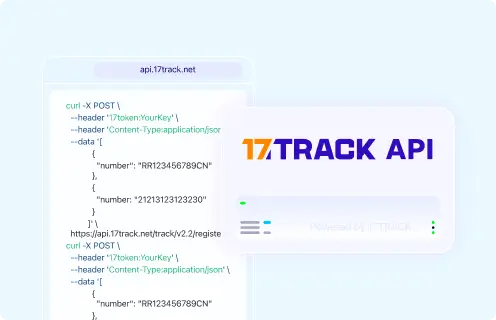
The cited SP Express pages provide website tracking and customer-account workflows but do not publish the endpoint, method and authentication specification needed for a safe public carrier API example. The example below therefore shows only the documented 17TRACK registration endpoint. Confirm the current SP Express carrier code in the 17TRACK carrier list before replacing the placeholder.
# 1. SP Express official tracking API
# Use current technical onboarding supplied directly by SP Express.
# A public endpoint and authentication specification are not included
# because the cited official pages document web/account tracking only.

# 2. 17TRACK API — register a tracking number
curl --request POST \
  --url https://api.17track.net/track/v2.4/register \
  --header '17token: YourKey' \
  --header 'Content-Type: application/json' \
  --data '[
    {
      "number": "TRACKING_NUMBER",
      "carrier": "CARRIER_CODE"
    }
  ]'
Sources & References
17TRACK is an independent tracking platform and is not affiliated with SP Express.