HYE Tracking
Please enter the HYE tracking number to check the latest shipping status.
About HYE
HYE is the carrier identity associated with the supplied website, http://hyexp.net/. Shipment-specific service, coverage, tracking terminology and support instructions should be taken from the shipment record and the carrier’s own tracking channel.
| Field | Confirmed carrier information |
|---|---|
| Official display name | HYE |
| Official website | http://hyexp.net/ |
| Tracking role | Use the tracking number supplied by the merchant, shipping label or HYE shipment record to identify the current tracking channel. |
| Parent organization | Shipment documents are the appropriate source for identifying any contracting party or parent organization. |
Carrier Entity Relationships
| Entity | Relationship to HYE |
|---|---|
| HYE | HYE is the carrier identity that should be selected when a shipment record identifies HYE as the tracking provider. |
| Merchant or marketplace | The merchant normally provides the tracking number and order context; the merchant is not necessarily the physical carrier. |
| 17TRACK | 17TRACK is an independent tracking platform that aggregates available carrier events and does not transport the parcel. |
Quick Answer
Enter the shipment tracking number shown in the seller’s dispatch message, label or receipt into the HYE tracking channel or 17TRACK. If no result appears, first check every character, remove copied spaces or punctuation, confirm that the parcel has been handed to the carrier, and ask the seller which carrier issued the number.
How to Track HYE Packages
The most reliable workflow is to use the carrier path named on the shipment record and then compare available events in 17TRACK.
| Step | Action |
|---|---|
| 1. Find the identifier | Check the dispatch email, order page, shipping label, receipt or delivery notice. An order number is not automatically a tracking number. |
| 2. Check HYE | Open the supplied HYE website and follow its shipment-tracking route using the number exactly as provided. |
| 3. Check 17TRACK | Use 17TRACK to compare available events and identify a possible handoff carrier when the number is supported. |
| 4. Resolve a blank result | Recheck the number, wait for the first acceptance scan, and contact the seller if the label was created but the parcel was not handed over. |
Tracking Number Formats and Examples
A HYE tracking identifier should be copied from the shipment record rather than inferred from a prefix. A marketplace reference, merchant order ID, postal identifier and last-mile identifier can describe the same purchase without being interchangeable.
| Identifier family | Normalized pattern | ||||||||||
|---|---|---|---|---|---|---|---|---|---|---|---|
| HYE shipment identifier | Use the exact alphanumeric identifier printed by the sender; a public universal pattern is not established by the available carrier evidence. | ||||||||||
View all details for HYE shipment identifiers
| |||||||||||
| Partner or destination identifier | A second identifier may appear after a handoff; use the destination carrier’s number when the delivery notice provides one. | ||||||||||
Tracking Statuses and Meanings
| Status | Lifecycle stage |
|---|---|
| Label created | Pre-shipment: electronic data exists; physical acceptance may not have occurred. |
| Accepted or received | Acceptance: a carrier scan indicates possession or an intake event. |
| In transit | Movement: the parcel is progressing through transport or sorting. |
| Customs or handoff | Cross-border or partner stage: another authority or carrier may be processing the shipment. |
| Out for delivery | Final mile: delivery activity is scheduled for the current route. |
| Delivered, exception or returned | Completion or problem stage: check proof of delivery, instructions, seller support or the local delivery operator. |
Services and Delivery Times
A service name and delivery promise must come from the shipment quote or label. Tracking alone does not establish a guaranteed delivery date.
Service Comparison
| Service | Service type |
|---|---|
| Shipment service shown on the label | Use the exact service name supplied by the sender because service coverage, tracking depth and delivery standards depend on the shipment contract. |
Delivery Time
| Service | Published delivery standard |
|---|---|
| HYE shipment | Use the seller’s quoted window for the specific origin, destination and service; customs, handoffs, weekends and local disruptions can extend transit. |
Destination Country Delivery Times
| Destination country or region | Planning guidance |
|---|---|
| Destination shown on the order | Use the service-specific seller estimate; a universal country-by-country HYE schedule should not be substituted for the shipment’s quoted route. |
Common Tracking Problems and Solutions
| Problem or status shown | Check first and immediate action |
|---|---|
| Invalid number | Copy the identifier again, remove accidental spaces, and ask the seller whether an order ID was supplied instead. |
| No movement | Check the timestamp and handoff stage. Ask the seller to confirm physical acceptance before escalating. |
| Delivery exception or failed delivery | Review the latest event for an address, access, weather or customs instruction and follow the named local delivery channel. |
| Delivered but missing | Check the delivery location, household members, reception desk and neighbours; then request proof of delivery and contact the seller. |
| Return to sender or damage | Preserve packaging and photographs, record the latest scan and ask the sender to begin the carrier inquiry or claim route. |
International Shipping, Customs and Carrier Handoffs
| Stage | What the customer should understand |
|---|---|
| Origin acceptance and export | The origin operator prepares and moves the shipment; label creation is different from physical acceptance. |
| Line-haul and customs | Transport, security and import authorities may create gaps between scans. Arrival at customs does not mean release. |
| Partner handoff | Electronic pre-advice, physical transfer and the first receiving scan are separate events. The destination carrier becomes operationally important after acceptance. |
| Last mile | Use any destination tracking number or delivery notice supplied by the seller or local operator; taxes and import documents depend on destination rules. |
Customer Service
| Channel | Verified contact or link |
|---|---|
| Official website | HYE website; prepare the tracking number, shipment date, address, latest event and seller details. |
| Seller or marketplace support | Use the order’s support route when the parcel was purchased online, especially for refunds, replacement orders or sender-only investigations. |
FAQ
Basic FAQs
Enter the shipment tracking number on the HYE website or use 17TRACK to view available events.
Look in the dispatch email, marketplace order page, shipping label, receipt or delivery notice.
The identifier may be alphanumeric; copy the complete value from the shipment record instead of guessing its format.
The first event appears after electronic data is created or the shipment receives an acceptance scan, depending on the process.
A scan gap can occur during sorting, transport or a partner handoff; confirm the latest event and ask the seller to verify acceptance.
Use the delivery window quoted for the exact service and destination because route, customs and handoff conditions affect transit.
Read the latest exception instruction and follow the named local delivery or pickup route.
Check safe places, household members, reception and neighbours, then request proof of delivery and contact the seller.
Preserve packaging and evidence and ask the sender to start the appropriate carrier inquiry or claim.
Use the official HYE website or the seller’s support route, with the tracking number and latest scan ready.
Expert FAQs
No. An order number identifies a purchase, while a tracking number identifies a shipment record; use the value printed on the label or dispatch notice.
No. A label or electronic pre-advice event can exist before physical acceptance, so look for an intake or received scan.
Yes, a destination or last-mile operator may use another identifier; follow the seller’s handoff information and compare both records.
No. Arrival, inspection, duty assessment and release are separate customs events.
No. Address changes, delivery instructions and claims must be handled by the carrier, sender or destination operator with authority for the shipment.
Tracking API
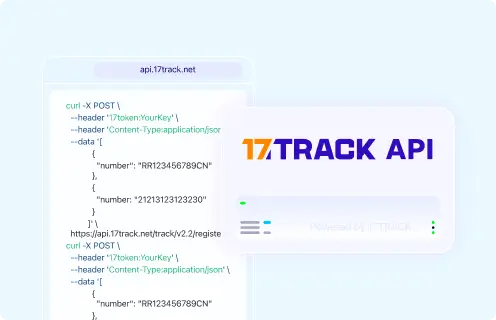
POST https://api.17track.net/track/v2.4/register
17token: YourKey
Content-Type: application/json

[
  {
    "number": "TRACKING_NUMBER",
    "carrier": "CARRIER_CODE"
  }
]

# HYE carrier code must be selected from the current 17TRACK carrier directory.
# Current public official HYE tracking API documentation is not established in the available evidence.
# 17TRACK is an independent multi-carrier tracking API.
Sources & References
- HYE official website. HYE
- 17TRACK tracking platform. 17TRACK
- 17TRACK API documentation. 17TRACK
17TRACK is an independent tracking platform and is not affiliated with HYE.
Track your package
Global express parcel tracking service