accufRATE Tracking
Please enter the accufRATE tracking number to check the latest shipping status.
About AccuFRATE
AccuFRATE is a freight transportation management technology provider focused on simplifying freight processes through API-based tools, quoting, booking, tracking, documentation and delivery visibility. Its published solutions cover less-than-truckload and volume freight, final-mile delivery, ocean freight and air freight.
| Fact | Verified information |
|---|---|
| Official name | AccuFRATE |
| Official website | https://www.accufrate.com/ |
| Carrier type | Freight transportation management and technology provider serving LTL, volume, final-mile, ocean and air freight workflows. |
| Tracking page | Track Shipment on AccuFRATE |
| Published network role | AccuFRATE connects freight-management workflows with carriers and final-mile agents; the published pages do not identify AccuFRATE as the physical operator of every transport leg. |
Carrier Entity Relationships
| Entity | Relationship summary | ||||||||||
|---|---|---|---|---|---|---|---|---|---|---|---|
| AccuFRATE | AccuFRATE provides freight-management technology and shipment visibility across supported freight workflows. | ||||||||||
View all details for AccuFRATE relationships
| |||||||||||
Quick Answer
To track an AccuFRATE shipment, use the official AccuFRATE tracking page and enter the shipment tracking number, or submit the identifier to 17TRACK. If no result appears, first check that you entered a shipment or tracking number rather than an order number, quotation number or customer reference, then ask the shipper to confirm the identifier and the physical carrier handling the shipment. 17TRACK is independent and cannot change delivery instructions, approve refunds or decide claims.
How to Track AccuFRATE Packages
The official AccuFRATE tracking page asks for a tracking number and redirects the user to an external tracking system. A 17TRACK search can be useful when a shipment contains multiple transport legs, but the result depends on available carrier events.
| Path | Steps and practical checks |
|---|---|
| Official AccuFRATE path | Open the AccuFRATE tracking page, enter the shipment tracking number, and follow the external tracking-system result. Use the latest shipment document or booking communication when selecting the identifier. |
| 17TRACK path | Open 17TRACK, submit the shipment identifier, review the detected carrier and event history, and compare the latest event with the shipper’s freight documents. |
| Where the number comes from | Freight customers may see identifiers in booking confirmations, bills of lading, shipment communications, carrier documents or AccuFRATE system records. An order number or quote number may not be trackable. |
| No result | Check spaces, punctuation and transcription; confirm that the shipment has been tendered; ask the shipper whether the identifier belongs to AccuFRATE, an LTL carrier, a final-mile agent or another transport provider. |
Tracking Number Formats and Examples
AccuFRATE’s public tracking page identifies the required field as “Tracking Number,” but the supplied official pages do not publish one universal AccuFRATE-issued number pattern. Freight may therefore be represented by a carrier-issued identifier, a final-mile identifier or a shipment identifier used by an integrated system. Use a redacted example rather than guessing a service from a prefix.
| Identifier family | Normalized pattern or use | ||||||||||
|---|---|---|---|---|---|---|---|---|---|---|---|
| AccuFRATE shipment tracking number | Format is service- and workflow-dependent; use the exact identifier supplied in the shipment record, such as TRACKING-#### or a redacted alphanumeric value. | ||||||||||
View all details for AccuFRATE tracking identifiers
| |||||||||||
| LTL or volume carrier number | Use the physical LTL carrier’s identifier when the shipment record directs you to that carrier; a redacted form such as LTL-#### is illustrative only. | ||||||||||
| Final-mile delivery identifier | A final-mile agent may use a separate delivery reference. AccuFRATE states that accu-Final Mile provides end-to-end tracking and PODs for both LTL and final-mile parts. | ||||||||||
| Business API identifier | The accu-API page describes rate, booking and tracking for shipment types, plus access to BOLs, PODs, Weight & Inspection certificates and invoices. The exact field schema requires AccuFRATE documentation and service access. | ||||||||||
Tracking Statuses and Meanings
Freight status wording is supplied by the physical carrier or connected delivery agent. A label, booking or electronic pre-advice is not the same as physical acceptance.
| Status or stage | Meaning | ||||||||
|---|---|---|---|---|---|---|---|---|---|
| Pre-shipment / label created | Shipment data or a label may exist, but the physical freight may still be with the shipper. Confirm tender or pickup with the shipper. | ||||||||
View all details for AccuFRATE pre-shipment status
| |||||||||
| Accepted / in transit | The physical carrier has recorded acceptance or movement through its network. Facility scans may be separated by periods without a public event. | ||||||||
| Customs or international handoff | The shipment may be moving through export, import, port, customs or partner processing. Arrival at a customs facility does not itself prove release. | ||||||||
| Out for delivery / final mile | The delivery agent has scheduled or dispatched the final leg. The consignee should monitor appointment, signature or access requirements. | ||||||||
| Delivered / POD available | The system records a delivery event. Check the delivery location, recipient, signature or photo evidence and contact the shipper if the freight cannot be located. | ||||||||
| Exception / return | A delivery, address, access, damage, customs or appointment issue requires review. The shipper should coordinate corrective action with the responsible carrier. | ||||||||
Services and Delivery Times
AccuFRATE publishes solution categories rather than a universal delivery timetable. Transit time depends on the selected physical carrier, origin, destination, freight characteristics, appointments, ports and customs processing.
Service Comparison
| Service | Best fit |
|---|---|
| accu-LTL / Volume | LTL and volume freight, especially shipments over six pallets. |
| accu-Final Mile | End-to-end LTL and final-mile delivery, including white-glove service levels and reverse logistics. |
| accu-OCEAN | Automated ocean freight with instant quotes and door-to-door pricing. |
| accu-AIR | International air freight requiring quotes, tracking and door-to-door pricing. |
Delivery Time
| Service | Published timing information |
|---|---|
| accu-LTL / Volume | AccuFRATE states that current transit times are returned with quotes; a universal number of days is not stated on the public product page. |
| accu-Final Mile | Delivery level and appointment conditions are selected by service; timing depends on the LTL and final-mile agents. |
| accu-OCEAN and accu-AIR | Timing varies by origin, destination, route, port or airport handling, customs and selected service. |
Destination Country Delivery Times
AccuFRATE’s public pages do not publish country-by-country delivery ranges or averages. Use the transit time returned for the specific quote and verify the physical carrier’s service standard before promising a customer date.
Common Tracking Problems and Solutions
| Problem or status | First response |
|---|---|
| Invalid number | Remove accidental spaces or punctuation, distinguish tracking from order or quote references, and ask the shipper to verify the identifier. |
| No events | Check whether the freight has been physically tendered and whether the number belongs to a connected LTL or final-mile carrier. |
| Long gap or stuck in transit | Compare the last facility, route and expected transit time from the quote; ask the shipper to open a carrier inquiry when the service’s escalation conditions are met. |
| Delivery exception or address issue | Contact the shipper promptly with the corrected address, access details and appointment information. The shipper or account holder may control changes. |
| Delivered but missing | Check the delivery location, receiving desk, household members, neighbors, signature and photo POD; then contact the final-mile agent through the shipper. |
| Damage or loss | Photograph the freight and packaging, preserve the shipment and documents, and have the party entitled under the transport agreement contact the physical carrier or AccuFRATE account team. |
International Shipping, Customs and Carrier Handoffs
accu-AIR and accu-OCEAN support international freight workflows. AccuFRATE describes door-to-door pricing that can include freight, customs fees, port fees, pickup and delivery, but the public pages do not make AccuFRATE the customs authority or the physical carrier for every leg.
| Stage | What it means |
|---|---|
| Origin booking and pickup | Shipment data, pricing and pickup are arranged through the selected freight workflow; electronic booking is not proof of physical pickup. |
| Export processing and line-haul | The physical air or ocean carrier moves the freight through origin handling and international transport. |
| Customs and port or airport handling | Documents, duties, taxes and inspections can affect visibility and delivery. Customs arrival is not the same as customs release. |
| Destination handoff | A destination carrier or delivery agent may receive the freight. A new last-mile reference can be associated with the shipment. |
| Final mile and POD | The delivery agent completes the consignee delivery. accu-Final Mile states that PODs can be available for both the LTL and final-mile portions. |
Delivery Management and Post-shipment Options
| Option | Published capability and user |
|---|---|
| Delivery appointment | Some accu-Final Mile service levels include appointment scheduling. Eligibility depends on the selected service and shipment characteristics. |
| Signature and photo POD | The 1 Man Threshold service requires signature and photo; curbside options can require a delivery photo. The service selection controls the requirement. |
| Reverse logistics pickup | accu-Final Mile WG Pickups and WG Pickup Only support agent pickup for return transport or field destruction where arranged. |
Lost, Damaged, Claims, Insurance and Refunds
A tracking inquiry, a carrier loss investigation, an insurance claim and a seller refund are separate processes. Keep the tracking number, freight documents, invoices, value evidence, photographs and packaging. The correct claimant and filing deadline depend on the transport contract and physical carrier.
| Process | Use when |
|---|---|
| Tracking inquiry | Use when an event is missing or the latest movement needs clarification; begin with the shipper or account contact. |
| Loss or damage claim | Use when freight is lost, damaged or short; preserve packaging and obtain the physical carrier’s current claim instructions. |
| Insurance or refund | Insurance coverage, postage refunds and merchant refunds require separate contractual or seller processes. 17TRACK cannot approve any of them. |
Shipping Restrictions and Special Handling
Restrictions vary by mode, origin, destination and physical carrier. Before booking, provide accurate commodity, value, dimensions and weight information and confirm the applicable carrier rules.
| Category | Required precaution |
|---|---|
| Dangerous goods, batteries or liquids | Confirm air, ocean and destination restrictions with the selected physical carrier before tendering; inaccurate declarations can cause rejection or delay. |
| Oversize or heavy freight | Confirm dimensions, weight, pallet count, liftgate and delivery conditions. Some accu-Final Mile services specify special handling above 150 pounds. |
| Perishable or regulated goods | Obtain mode- and destination-specific acceptance rules before booking because customs and handling requirements can change transit outcomes. |
Customer Service
| Channel | Best use and verified link |
|---|---|
| Shipment tracking | AccuFRATE Track Shipment; prepare the tracking number and shipment details. |
| Contact and demo | Use the contact or demo route presented on the relevant AccuFRATE product page for commercial, integration or shipment assistance. |
| Escalation order | Start with the shipper or booking account, then the physical LTL, air, ocean or final-mile carrier identified in the tracking record. |
Have the tracking number, pickup date, origin and destination, service type, latest event, delivery address, commodity description, value evidence and photographs ready. Public pages supplied for this guide do not provide a verified telephone number, email address or service-hours schedule.
Ecommerce and Business Tracking
AccuFRATE’s business tools are designed for freight operations rather than a consumer parcel storefront. The published accu-API supports rating, booking, tracking, shipment documents and invoice retrieval, while accu-LTL / Volume provides carrier rates, quote numbers, transit times and automated POD retrieval.
Developer/API Comparison
| Option | Provider | ||||||||||||
|---|---|---|---|---|---|---|---|---|---|---|---|---|---|
| accu-API | AccuFRATE | ||||||||||||
View all details for accu-API
| |||||||||||||
| 17TRACK API | 17TRACK | ||||||||||||
View all details for 17TRACK API
| |||||||||||||
FAQ
Basic FAQs
Enter the tracking number on the official AccuFRATE tracking page or use 17TRACK to review available shipment events.
Look in the booking confirmation, freight document, shipment record or delivery communication supplied by the shipper.
AccuFRATE’s public tracking page does not publish one universal format, so use the exact shipment identifier provided for the selected freight workflow.
The first event generally depends on data creation, pickup and the first physical-carrier scan; a booking record alone does not prove acceptance.
A facility transfer, partner handoff, port process or missing scan can create a visibility gap; compare the last event with the quoted transit time and ask the shipper to investigate.
Transit time depends on the selected service, route and physical carrier; accu-LTL / Volume states that current transit times are returned with quotes.
Check the exception details and contact the shipper promptly with corrected address, access and appointment information.
Check the receiving area, household or building staff, signature and photo POD, then ask the shipper to contact the final-mile agent.
Preserve the packaging, photograph the condition and assemble the freight documents before the shipper or entitled claimant contacts the physical carrier.
Begin with the official tracking page or the AccuFRATE product contact route, and have the tracking number, latest event and shipment details ready.
Expert FAQs
No universal physical-carrier role should be assumed: AccuFRATE publishes technology and management solutions that connect LTL, air, ocean and final-mile participants.
accu-Final Mile links the LTL carrier, final-mile agent and consumer delivery, with PODs described for both the LTL and final-mile portions.
The accu-API page lists Bills of Lading, Proofs of Delivery, Weight & Inspection certificates and carrier invoices in addition to shipment tracking data.
AccuFRATE tracking belongs to AccuFRATE’s freight workflow and redirects to an external tracking system, while 17TRACK independently aggregates available events across supported carriers.
The public pages supplied for this guide publish service categories and quote-based transit information rather than a global country-by-country average table.
Tracking API
// 1. AccuFRATE official tracking API
// The public accu-API page confirms a SOAP-based API for rating, booking,
// tracking and document retrieval. Current endpoint, authentication headers
// and request schema require AccuFRATE customer documentation.

// 2. 17TRACK API
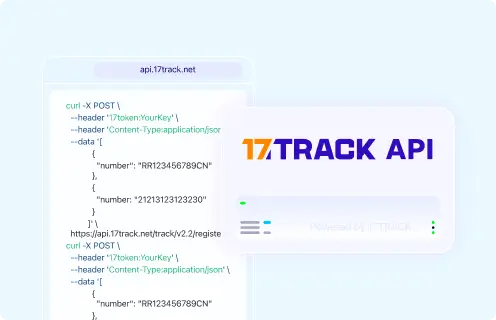
POST https://api.17track.net/track/v2.4/register
Headers:
  17token: YourKey
  Content-Type: application/json

Body:
[
  {
    "number": "TRACKING_NUMBER",
    "carrier": "CARRIER_CODE"
  }
]

// Verify the current AccuFRATE carrier code in 17TRACK documentation
// before production use; do not infer a code from the brand name.
Sources & References
- AccuFRATE — Official website and solutions overview. AccuFRATE
- Track Shipment — AccuFRATE tracking page. AccuFRATE
- Our Services — AccuFRATE service directory. AccuFRATE
- accu-LTL / Volume — LTL and volume solution. AccuFRATE
- accu-Final Mile — Final-mile and white-glove solution. AccuFRATE
- accu-AIR — Air freight solution. AccuFRATE
- accu-API — API capabilities and integration overview. AccuFRATE
- 17TRACK API Documentation. 17TRACK
17TRACK is an independent tracking platform and is not affiliated with AccuFRATE.
Track your package
Global express parcel tracking service