Logistics
What Is Logistics?
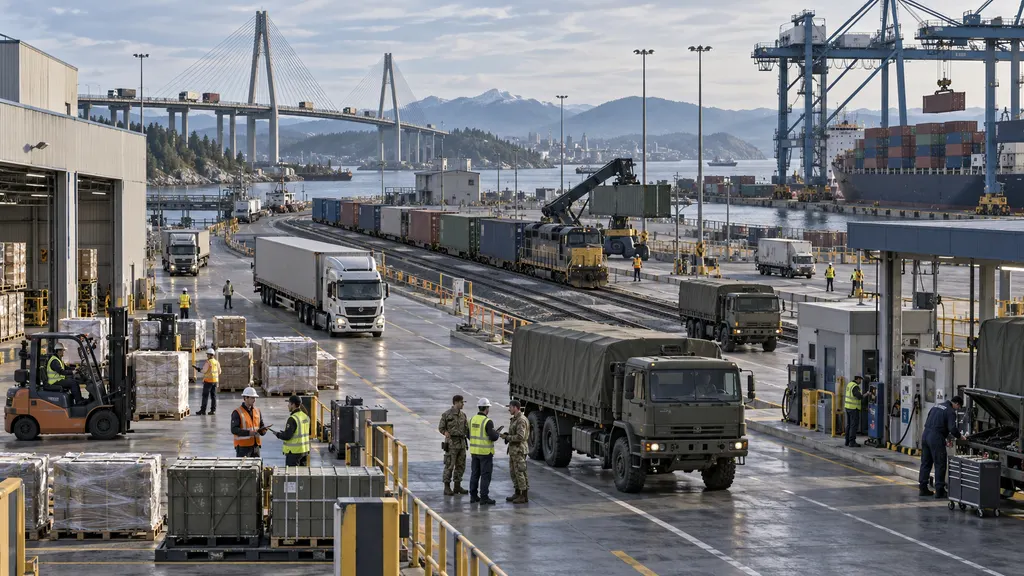
Logistics is the planning, coordination, and control of how goods, information, and related resources move and are stored from a point of origin to a point of use. In business, the term usually refers to activities such as transportation, warehousing, inventory management, order fulfillment, packaging, and delivery. Logistics is a major part of supply chain management, but it is not the same as the entire supply chain.
Logistics in Business and Ecommerce
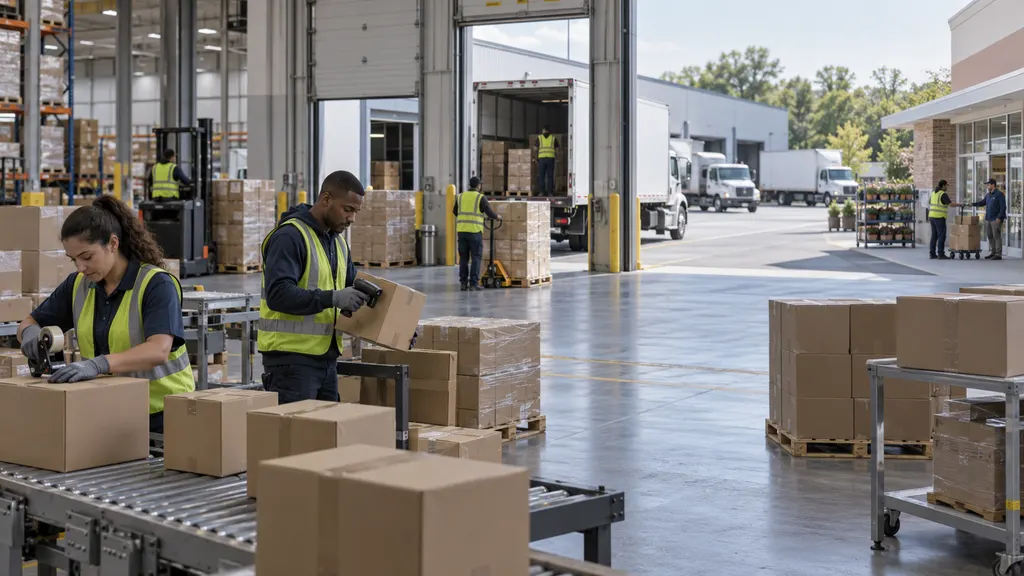
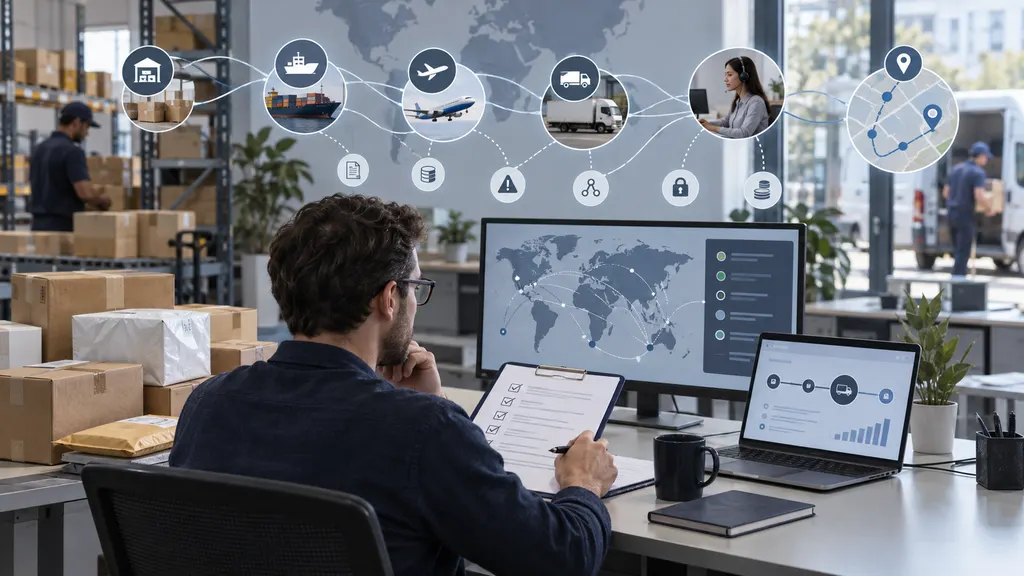
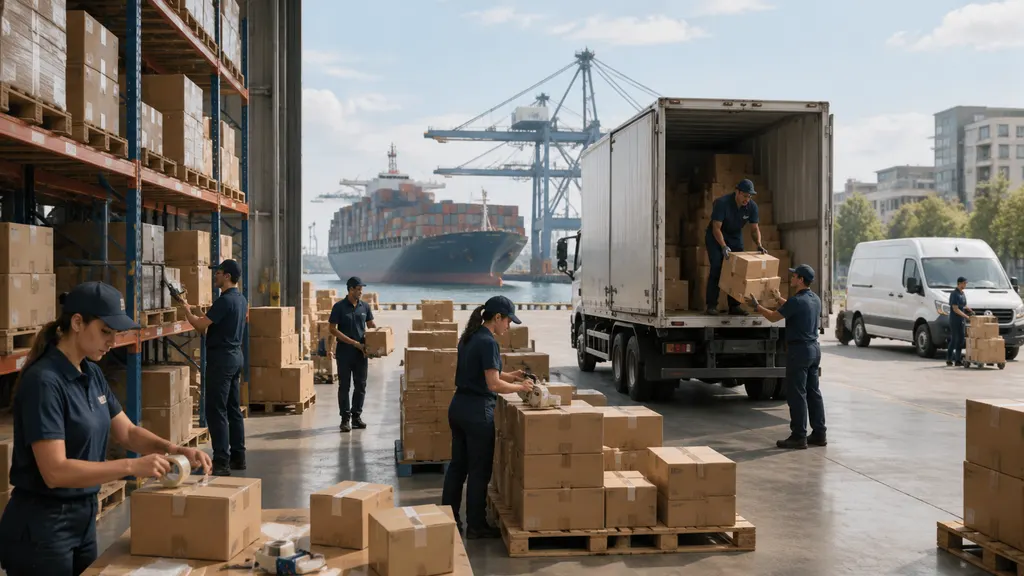
Logistics connects purchasing, inventory, orders, transportation, and delivery. A logistics process may begin when materials or finished goods are received and stored. It may continue through inventory allocation, order picking, packing, shipment handover, tracking, customs processing, final delivery, and, where applicable, returns.
In ecommerce, logistics supports the movement of an order from a seller or fulfillment location to the customer. For cross-border ecommerce, the process may also involve export documentation, international transportation, customs clearance, duties and taxes, multiple carriers, and delivery in the destination country.
Key Activities
| Activity | Purpose | Typical Ecommerce Example |
|---|---|---|
| Transportation | Moves goods between locations. | A carrier transports an order from a fulfillment center to the destination country. |
| Warehousing | Receives, stores, and prepares inventory. | A warehouse stores products and picks items for customer orders. |
| Inventory management | Records and controls the availability and location of goods. | A seller allocates available stock to an online order. |
| Order fulfillment | Processes an order through picking, packing, and shipment handover. | A fulfillment team packs a purchased item and gives it to a carrier. |
| Delivery | Moves a shipment to its intended recipient or destination. | A local delivery operator brings a parcel to the customer. |
| Reverse logistics | Manages goods moving back from the customer or destination. | A returned product is collected, inspected, restocked, repaired, or disposed of. |
How Logistics Works
- Planning: A business determines where goods are needed, when they are needed, and which transport or storage arrangements may be used.
- Receiving and storage: Goods are received, checked, recorded, and placed in an appropriate storage location.
- Inventory allocation: Available inventory is assigned to production, wholesale, retail, or ecommerce orders.
- Fulfillment: Items are picked, packed, labeled, and prepared for handover.
- Transportation: A shipment moves through one or more transport stages and may involve several carriers.
- Customs and delivery: Cross-border shipments may be presented for customs processing before delivery to the recipient.
- Returns or recovery: If goods are returned, the reverse logistics process determines their next destination and disposition.
Logistics and Related Terms
| Term | How It Differs from Logistics |
|---|---|
| Supply chain management | A broader management field that can include sourcing, production, planning, logistics, supplier relationships, and demand coordination. |
| Shipping | Usually refers to the dispatch or transportation of goods, especially from a seller or shipper to a destination. It is one part of logistics. |
| Delivery | Usually refers to bringing a shipment to its intended recipient or destination. It is one stage within many logistics processes. |
| Freight | Goods transported as cargo, or the transportation service associated with those goods. Freight is an object or transport category, not the full logistics function. |
| Shipment | Goods handed over for transportation under a particular movement or transport arrangement. A shipment may contain one or more parcels. |
Examples
For example, an online retailer may receive products from a supplier, store them in a fulfillment facility, allocate inventory to a customer order, pack the order, arrange carrier pickup, provide tracking information, and coordinate final delivery. If the customer sends the product back, the retailer may use a reverse logistics process to inspect and route the returned item.
In a cross-border transaction, logistics may also coordinate the movement between countries and the operational steps associated with export and import processing. The exact process depends on the goods, shipment route, parties involved, and applicable customs requirements.
Common Misunderstandings
- Logistics is not only transportation. Transportation is important, but logistics can also include storage, inventory control, fulfillment, packaging, information flows, and returns.
- Logistics is not identical to supply chain management. Logistics is generally a component of the broader supply chain function, although businesses may use the terms differently in everyday conversation.
- Shipping and delivery are not always interchangeable with logistics. Shipping and delivery describe particular movement stages, while logistics covers the coordination of a wider process.
- Tracking is not the same as logistics. Tracking provides shipment-status information; logistics includes the physical and operational activities that move and manage goods.
QA
What does logistics mean in ecommerce?
In ecommerce, logistics means organizing the storage, fulfillment, transportation, tracking, delivery, and possible return of customer orders.
What is the difference between logistics and supply chain management?
Logistics focuses mainly on the movement and storage of goods and related information. Supply chain management is broader and may also include sourcing, production, planning, and supplier coordination.
Does logistics include customs clearance?
For cross-border shipments, logistics may include coordinating customs-related documentation and processing, although the specific responsibilities depend on the parties and trade arrangement.
Does logistics include returns?
It can. The movement and handling of returned goods is commonly called reverse logistics.
Sources
- Encyclopaedia Britannica: Logistics — reference material for the general business meaning and scope of logistics.