Logistics Activity
Definition
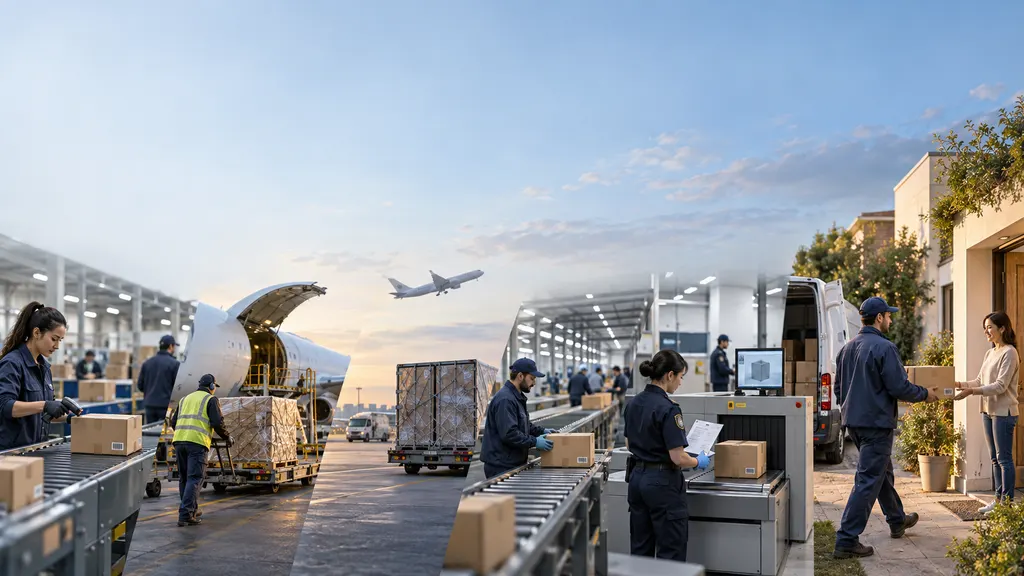
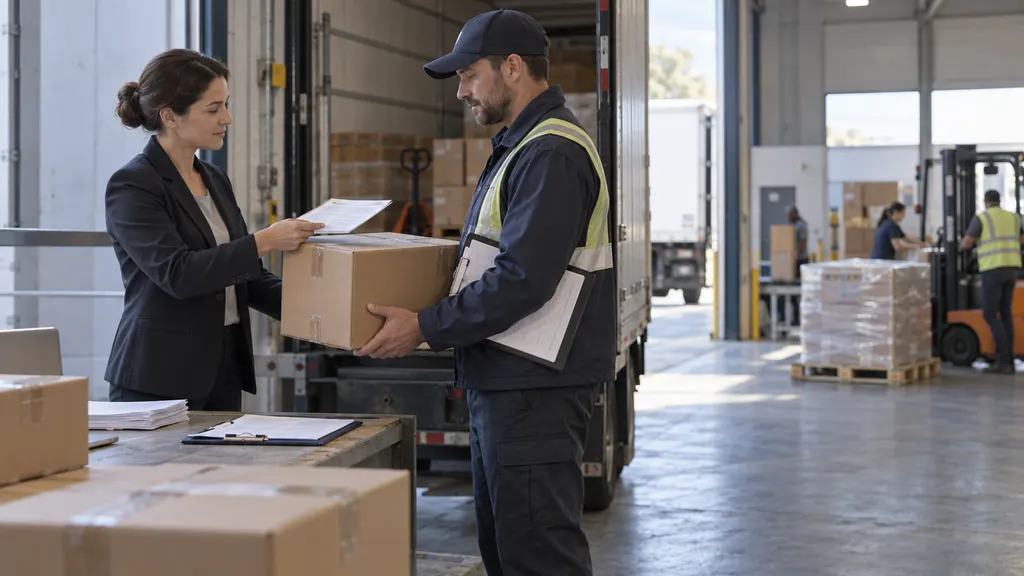
What is logistics activity? Logistics activity refers to an action or operational process involved in planning, controlling, moving, storing, handling, tracking, or returning goods and related information through a supply chain. In logistics and ecommerce, the term may describe a specific task, such as order processing or shipment tracking, or a broader group of activities performed to support the movement of goods from a seller or supplier to a recipient.
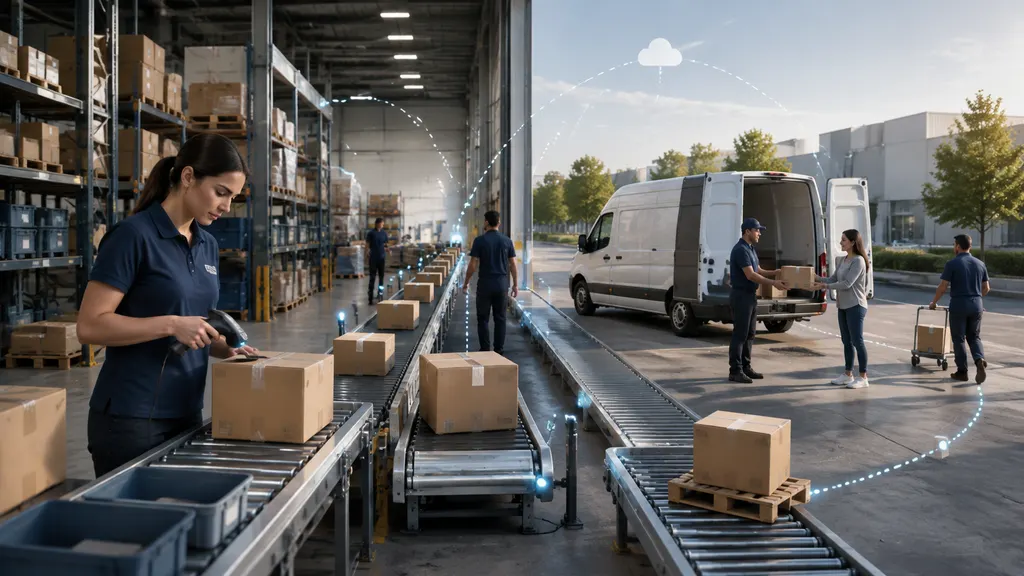
Logistics activity is a broad operational expression rather than a single universally fixed classification. Its meaning depends on the business process, supply-chain stage, and industry context in which it is used.
Logistics Activities in the Supply Chain
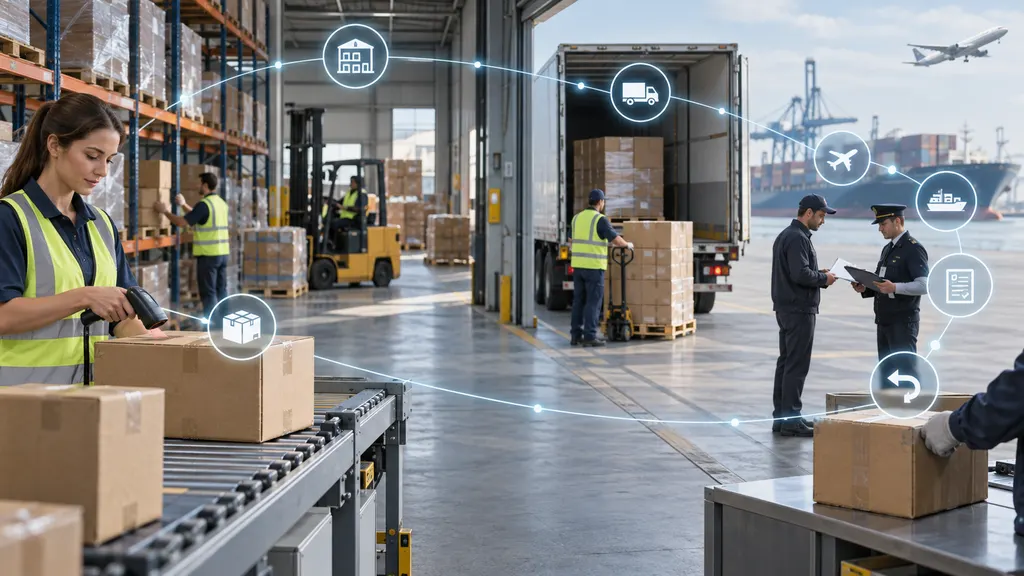
Logistics activities connect products, inventory, orders, transportation, delivery, and returns. They can take place before goods move, while they are in transit, after delivery, or during reverse logistics.
| Supply-chain stage | Typical logistics activity | Relationship to operations |
|---|---|---|
| Order preparation | Order processing and inventory allocation | Links a customer order with available stock and fulfillment instructions. |
| Warehousing | Receiving, put-away, storage, picking, and packing | Prepares goods for shipment and helps maintain inventory control. |
| Transportation | Dispatching, carrier handover, route coordination, and freight handling | Moves goods between facilities, sellers, carriers, and recipients. |
| In-transit management | Shipment tracking, exception monitoring, and delivery-status updates | Provides visibility into a shipment's progress and possible delays. |
| Final delivery | Address validation, delivery coordination, and proof of delivery | Supports the transfer of the shipment to the intended recipient. |
| Reverse logistics | Return authorization, collection, inspection, and disposition | Moves goods back to a retailer, seller, warehouse, repair center, or other destination. |
Common Types of Logistics Activity
The following groupings are descriptive categories used to explain common operations. They are not presented as a single formal industry standard.
- Physical handling: loading, unloading, sorting, packing, consolidation, and deconsolidation.
- Storage and fulfillment: receiving inventory, storing goods, picking items, packing orders, and preparing dispatches.
- Transportation coordination: selecting or assigning a carrier, arranging pickup, managing transfers, and coordinating delivery.
- Information management: creating shipment records, exchanging shipping data, tracking status events, and communicating exceptions.
- Customs-related support: preparing or transmitting information needed for cross-border shipment processing. The exact legal responsibility depends on the parties, transaction terms, and applicable rules.
- Returns and reverse logistics: authorizing returns, arranging collection, receiving returned goods, and deciding whether items are restocked, repaired, resold, recycled, or otherwise handled.
Logistics Activity in Ecommerce
In ecommerce, a logistics activity may be triggered by an order, a shipment event, a delivery problem, or a return request. For example, after a customer places an order, a business may allocate inventory, pick and pack the items, create a shipping label, hand the shipment to a carrier, and provide tracking updates. These are separate activities even when a single platform presents them as one fulfillment workflow.
In cross-border ecommerce, logistics activities may also involve international handovers, customs information, multiple carriers, destination-country delivery, and communication of status changes across different systems. The parties performing these activities may include sellers, fulfillment providers, warehouses, carriers, customs intermediaries, technology platforms, and return service providers.
Logistics Activity and Shipment Tracking
Shipment tracking is an information-management logistics activity. It records or displays shipment events supplied by a carrier or logistics system, such as acceptance, movement between facilities, attempted delivery, or delivery confirmation. Tracking does not itself move the goods; it provides visibility into transportation and delivery operations.
Multi-carrier tracking services illustrate how this activity can be used in ecommerce and cross-border shipping. For example, 17TRACK provides shipment-tracking access across multiple carriers for users who need to follow parcel movements. The specific status information available depends on the carrier and the shipment record.
Logistics Activity vs. Related Terms
| Term | Meaning | Key distinction |
|---|---|---|
| Logistics activity | An action or process that supports the flow or control of goods and related information. | A broad term covering many operational tasks. |
| Logistics operation | A coordinated set of logistics activities performed to achieve an operational objective. | Usually refers to a larger process or organized function. |
| Shipment | Goods being transported from one location or party to another. | Describes the transported consignment, not the activity performed around it. |
| Shipping | The process of sending or transporting goods. | Often focuses on dispatch and transportation arrangements. |
| Delivery | The movement or handover of goods to the intended recipient or destination. | Usually refers to the downstream part of transportation. |
| Tracking | The recording or presentation of shipment status and movement information. | Provides visibility but does not replace physical transportation. |
Examples
- A warehouse receives imported inventory, checks the goods, records them in its system, and places them into storage. Receiving, inspection, system recording, and put-away are separate logistics activities.
- An ecommerce seller creates a shipment, hands it to a carrier, and monitors status updates until delivery. Shipment creation, carrier handover, and tracking are related but distinct activities.
- A customer sends an item back after an approved return. Return authorization, collection, inspection, and restocking are reverse-logistics activities.
Common Misunderstandings
- Logistics activity does not mean transportation only. Warehousing, order processing, information management, and returns can also be logistics activities.
- A logistics activity is not necessarily a complete logistics operation. A single scan, pickup, or inventory update may be one activity within a larger workflow.
- Tracking is not the same as delivery. Tracking reports information about a shipment, while delivery concerns the movement or handover of the goods.
- The term is not limited to one company. Different parties may perform different activities within the same supply chain.
QA
What are logistics activities?
Logistics activities are tasks that support the planning, handling, storage, movement, tracking, delivery, or return of goods and related information.
What is a logistics activity in ecommerce?
It may include inventory allocation, picking and packing, shipment creation, carrier handover, tracking, delivery coordination, or returns processing.
Is shipment tracking a logistics activity?
Yes. Shipment tracking is an information-management logistics activity because it provides visibility into shipment events and status.
Sources
- 17TRACK official website — used to support the example of multi-carrier shipment tracking as a logistics information activity.