Standard Forwarding Tracking
Please enter the Standard Forwarding tracking number to check the latest shipping status.
About Standard Forwarding
Standard Forwarding is the carrier name supplied for this tracking guide. Use the official website and the shipment paperwork together to identify the responsible transportation provider, especially when a shipper, broker, marketplace, or delivery partner arranged the movement.
| Verified item | Information |
|---|---|
| Official website | https://standardforwarding.com/ |
| Tracking identity | The tracking number, bill of lading, freight reference, or delivery document determines which party can provide the latest scan. |
| Independent tracking | 17TRACK can aggregate available events, but it does not transport freight or decide claims, refunds, address changes, or delivery appointments. |
A Standard Forwarding result should not automatically be treated as proof that Standard Forwarding physically collected the shipment. A label, tender record, broker reference, or partner scan may precede physical acceptance.
Carrier Entity Relationships
| Entity | Relationship summary |
|---|---|
| Standard Forwarding | Standard Forwarding is the carrier identity that a shipper may associate with the shipment record. |
| Shipper or broker | The shipper or broker may create the reference and may remain the correct party for pickup instructions, freight charges, and claims. |
| 17TRACK | 17TRACK is an independent platform that displays tracking events available from supported carrier data sources. |
Quick Answer
Enter the tracking number or freight reference exactly as shown on the shipper’s confirmation, bill of lading, receipt, or delivery notice on the official Standard Forwarding website. You can also try 17TRACK. If there is no result, first check whether you entered a shipment number rather than an order number, whether the label has been physically tendered, and whether the number belongs to another carrier.
How to Track Standard Forwarding Packages
| Step | Action |
|---|---|
| 1. Identify the number | Use the shipment, freight, bill-of-lading, PRO, or tracking reference supplied by the shipper. An order number is not necessarily trackable. |
| 2. Check the official route | Open the official Standard Forwarding website and select its current tracking or shipment-status route when one is presented. |
| 3. Try 17TRACK | Submit the same identifier to 17TRACK for aggregated events. Carrier recognition may require selecting or confirming the carrier. |
| 4. Escalate correctly | The recipient should contact the seller first for missing references; the shipper or broker should contact the carrier for pickup, routing, freight, or claim matters. |
A first scan may appear only after a label is created, freight is tendered, or a terminal accepts the shipment. Re-enter the identifier without accidental spaces, compare it with the original document, and avoid repeatedly submitting an old order reference.
Tracking Number Formats and Examples
The supplied official-site evidence does not establish a single public number pattern. Freight identifiers can be alphanumeric and can differ by shipper, service, terminal, broker, or document type. Use the printed identifier rather than inferring a service solely from its prefix.
Tracking Number Format
| Identifier family | Normalized pattern | ||||||
|---|---|---|---|---|---|---|---|
| Carrier shipment reference | Use the exact letters and digits printed on the carrier or shipper document. | ||||||
View all details for carrier shipment references
| |||||||
| Bill of lading or freight document | Use the document number exactly as printed, preserving meaningful letters and digits. | ||||||
View all details for bills of lading
| |||||||
| Order or marketplace reference | Merchant-generated reference; do not assume it is a carrier tracking number. | ||||||
Tracking Statuses and Meanings
| Status | Meaning and next action | ||||||
|---|---|---|---|---|---|---|---|
| Label or shipment created | A record exists, but the carrier may not have physically received the freight. The shipper should confirm tender. | ||||||
View all details for label or shipment created
| |||||||
| In transit | The shipment has a movement record between facilities. Scan gaps can occur between terminals. | ||||||
| At destination or terminal | The shipment is near a receiving or delivery facility. Delivery scheduling may still be required. | ||||||
| Out for delivery | A delivery attempt is planned for the current route; the recipient should remain available if appointment terms require it. | ||||||
| Delivered | A delivery event was recorded. Check the receiving area, dock, signed paperwork, and consignee before escalating. | ||||||
| Exception or hold | An operational issue needs review, such as address, appointment, access, damage, or documentation. | ||||||
Services and Delivery Times
A shipment’s delivery time depends on origin, destination, freight class, pickup timing, terminal routing, appointment requirements, address accuracy, weather, and the service purchased. A public tracking estimate is not automatically a guaranteed delivery commitment.
Service Comparison
| Shipment type | Best next step |
|---|---|
| Freight shipment | Use the shipment or freight reference and confirm pickup and delivery requirements with the shipper or broker. |
| Residential or scheduled delivery | Confirm the consignee address, contact number, receiving hours, and appointment requirement. |
| Business delivery | Prepare dock hours, purchase-order details, receiving contact, and any access instructions. |
Delivery Time
| Timing question | Reliable interpretation |
|---|---|
| Published standard | Use the service quotation or shipment confirmation for the applicable origin-destination commitment. |
| Estimated delivery | An estimate can change after pickup, terminal re-routing, appointment issues, or service disruption. |
| Guarantee | Treat delivery as guaranteed only when the purchased service terms expressly provide that remedy. |
Destination Country Delivery Times
| Destination | Guidance |
|---|---|
| United States | Use the quoted domestic freight standard and confirm terminal or appointment conditions with the shipper. |
| Canada or Mexico | Cross-border timing depends on the contracted service, customs documentation, and the destination delivery provider. |
| Other countries | Obtain a service-specific international quotation; a domestic carrier reference alone does not establish an international delivery time. |
Common Tracking Problems and Solutions
| Problem or status | Immediate solution |
|---|---|
| Invalid number | Compare the identifier with the original document and ask the shipper whether it is a carrier reference or an order number. |
| No scan | Confirm that the freight was tendered and allow the first facility scan to appear before escalating. |
| No update in transit | Ask the shipper or broker for a terminal inquiry using the reference and last scan location. |
| Address or appointment issue | The shipper or authorized consignee should correct the delivery information directly with the carrier. |
| Delivered but not received | Check the dock, receiving desk, signed paperwork, neighbors or building staff, then ask the seller or shipper to request delivery evidence. |
| Damage or loss | Photograph the freight and packaging, preserve the documents, notify the shipper promptly, and follow the applicable claim procedure. |
| Returned or refused | Ask the shipper why the freight was refused and whether a new delivery appointment or return instruction is required. |
International Shipping, Customs and Carrier Handoffs
International responsibility can change between the originating carrier, customs authorities, a broker, and the destination delivery provider. A destination scan does not by itself prove that customs released the shipment.
| Stage | What the customer should do |
|---|---|
| Origin preparation | Confirm the commercial invoice, consignee details, commodity description, and carrier reference. |
| Export movement | Wait for the export or line-haul event; the tracking number may remain unchanged or may be linked to a partner reference. |
| Customs review | Provide requested documents and pay assessed duties or taxes through the authorized party. |
| Destination handoff | Use any destination-carrier reference supplied by the shipper and distinguish electronic pre-advice from physical acceptance. |
| Last mile | Follow the destination provider’s delivery, appointment, signature, or collection instructions. |
Customer Service
| Channel | Best use |
|---|---|
| Official website | Open the current Standard Forwarding website for the carrier’s published contact and tracking routes. |
| Shipper or broker | Best first contact for missing references, pickup confirmation, freight charges, claims, delivery appointments, and seller remedies. |
| 17TRACK | Useful for aggregated scan visibility; it cannot alter delivery, authorize refunds, or approve a claim. |
Prepare the tracking or freight reference, ship date, origin and destination, service description, latest scan, consignee details, photos of damage, and proof of value. Keep the original packaging and signed delivery documents when a loss or damage review may be needed.
FAQ
Basic FAQs
Enter the carrier or freight reference on the official Standard Forwarding website or try 17TRACK.
Check the shipper’s confirmation, bill of lading, freight paperwork, delivery notice, or broker message.
The public evidence does not establish one universal pattern, so use the exact letters and digits printed on the shipment document.
A shipment record may exist before physical tender or the first terminal scan; ask the shipper to confirm pickup.
Delivery depends on the quoted service, route, freight, appointments, terminals, and operational conditions.
Check the address and receiving hours, then ask the shipper or authorized consignee to arrange the next delivery step.
Check the receiving dock, building staff, signed paperwork, and delivery location, then request delivery evidence through the shipper.
Photograph the damage, retain packaging and documents, notify the shipper promptly, and follow the applicable claim process.
The shipper or broker should normally initiate the carrier inquiry because that party holds the shipping contract and documents.
Use the contact route published on the official Standard Forwarding website and include the shipment reference and latest scan.
Expert FAQs
No. A label or electronic record can precede physical tender, so acceptance should be confirmed by a pickup or facility event.
Yes. A broker, shipper, bill of lading, and carrier system may use related but different identifiers.
No. Arrival, customs review, release, and final delivery are separate events and should not be conflated.
A partner or destination provider may use a linked reference; ask the shipper for the relationship between the identifiers.
No. 17TRACK can display available events, while the shipper, carrier, broker, or contractual party handles disputes and remedies.
Provide the shipment reference, ship date, origin, destination, consignee, service description, and latest event.
An estimate is not a guarantee unless the purchased service terms expressly provide a delivery commitment and remedy.
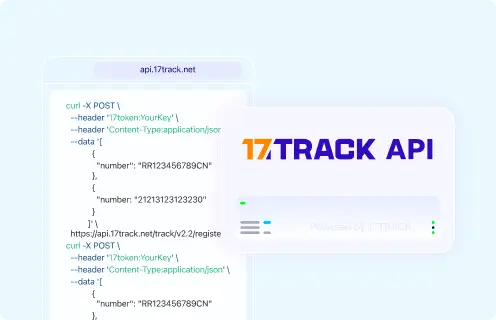
Tracking API
// Standard Forwarding official public tracking API: current endpoint and
// authentication could not be established from the supplied evidence.

// 17TRACK API reference:
// POST https://api.17track.net/track/v2.4/register
// Header: 17token: YourKey
// Header: Content-Type: application/json

[
  {
    "number": "TRACKING_NUMBER",
    "carrier": "CARRIER_CODE"
  }
]
Review the 17TRACK API documentation for current authentication, carrier identification, registration, and response requirements. Use the carrier code supplied by current 17TRACK documentation rather than guessing a code.
Sources & References
- Standard Forwarding — Official website. Standard Forwarding
- 17TRACK API Documentation. 17TRACK
- FMCSA — Official motor carrier information portal. Federal Motor Carrier Safety Administration
17TRACK is an independent tracking platform and is not affiliated with Standard Forwarding.
Track your package
Global express parcel tracking service