About JinYue Freight
JinYue Freight is the carrier identity associated with the supplied official website. Use the exact shipment identifier provided by the sender, merchant, booking record, or shipping label when checking a JinYue Freight shipment. The accessible official page currently presents a system-loading interface, so service names, operating regions, facilities, partners, and corporate details should be taken from the individual shipment contract rather than inferred from the brand name.
Carrier Overview
| Field | Verified information |
|---|
| Official display name | JinYue Freight |
| Official website | http://www.jinyuefreight.com/ |
| Tracking evidence to retain | Tracking identifier, booking or order record, dispatch date, route, latest event, and any partner identifier shown after handoff. |
Carrier Entity Relationships
| Entity | Entity type |
|---|
| JinYue Freight | Canonical carrier identity |
View all details for JinYue Freight
| Relationship to JinYue Freight | JinYue Freight is the name users should select or search when the shipping record identifies this carrier. |
|---|
| Why it matters to tracking | Carrier selection affects event retrieval and prevents a similarly named logistics company from being assigned to the shipment. |
|---|
| Official evidence | The supplied official domain identifies its interface as 今越国际 and is associated with JinYue Freight in the carrier input. |
|---|
|
| Shipment identifier | Tracking product |
View all details for the shipment identifier
| Relationship to JinYue Freight | The shipment identifier links a booking or parcel record to available JinYue Freight events. |
|---|
| Why it matters to tracking | An order number or marketplace reference may identify a purchase without being accepted as a carrier tracking number. |
|---|
| Official evidence | Use the identifier printed in the shipment record supplied by the sender or merchant. |
|---|
|
| 17TRACK | Independent tracking platform |
View all details for the 17TRACK relationship
| Relationship to JinYue Freight | 17TRACK can aggregate available tracking events for supported carrier records; 17TRACK does not transport the shipment. |
|---|
| Why it matters to tracking | 17TRACK supports multi-carrier visibility but cannot alter addresses, release customs goods, approve claims, or issue merchant refunds. |
|---|
| Official evidence | 17TRACK API documentation |
|---|
|
Quick Answer
Copy the JinYue Freight tracking identifier from the shipping notice, label, booking record, or merchant order page and enter it on the official JinYue Freight website or 17TRACK. If no result appears, remove accidental spaces, distinguish the carrier number from the order number, verify the carrier name with the sender, and allow time for the first physical acceptance scan.
Pro Tip: A label or electronic shipment record can exist before JinYue Freight or a transport partner physically receives the goods. 17TRACK is an independent tracking platform and cannot change delivery instructions, clear customs, approve compensation, or refund an order.
How to Track JinYue Freight Packages
Track with the identifier assigned to the shipment record, not a payment transaction or marketplace order number.
- Open the dispatch email, merchant order page, label, receipt, or freight booking record.
- Copy the carrier tracking identifier exactly; remove surrounding spaces but preserve letters and leading zeros.
- Open the JinYue Freight website and use its available shipment interface.
- Alternatively, paste the identifier into 17TRACK and select JinYue Freight if automatic carrier detection chooses the wrong carrier.
- Compare the latest event, event time, location, and any partner or last-mile number with the merchant’s shipping record.
Where to find the number: a tracking number normally appears beside “tracking,” “waybill,” “shipment,” or “logistics number.” An order number identifies the purchase; a reference number identifies a merchant or booking record; and a partner number may become useful only after a carrier handoff. If the seller supplied no carrier identifier, the seller or shipper must provide it.
Tracking Statuses and Meanings
The following lifecycle interpretations explain common logistics events. Read the exact event text, timestamp, and location because a normalized status can combine messages from JinYue Freight and transport partners.
Status Quick Lookup
| Status | Lifecycle stage |
|---|
| Shipment information received | Pre-shipment |
View all details for shipment information received| What it means | Electronic data or a label exists, but physical acceptance is not established by this event alone. |
|---|
| Current responsible party | The sender remains responsible for tendering the goods until a carrier acceptance event appears. |
|---|
| What happens next | Pickup, drop-off, consolidation, or an acceptance scan. |
|---|
| What you should do | Confirm dispatch with the sender if the status does not progress. |
|---|
|
| Accepted or picked up | Accepted |
View all details for accepted or picked up| What it means | A logistics operator recorded physical receipt or pickup. |
|---|
| Current responsible party | The operator named in the event or booking record. |
|---|
| What happens next | Origin sorting, consolidation, or line-haul dispatch. |
|---|
| What you should do | Monitor the next processing event and retain the acceptance record. |
|---|
|
| Departed facility / in transit | In transit |
View all details for in transit| What it means | The shipment is moving between processing points or awaiting its next scheduled movement. |
|---|
| Current responsible party | The carrier or partner holding the shipment during that leg. |
|---|
| What happens next | Arrival, sorting, export, import, or partner-handoff scan. |
|---|
| What you should do | Use the route and service commitment in the booking record before judging a gap. |
|---|
|
| Customs processing | Customs / handoff |
View all details for customs processing| What it means | The shipment or its declaration is being reviewed; arrival at customs is not the same as release. |
|---|
| Current responsible party | Customs authorities, a broker, and the physical custodian have separate responsibilities. |
|---|
| What happens next | Release, request for documents or payment, inspection, or return action. |
|---|
| What you should do | Respond to a documented request and verify that any payment notice is legitimate. |
|---|
|
| Out for delivery | Last mile |
View all details for out for delivery| What it means | The local delivery operator assigned the shipment to a delivery route. |
|---|
| Current responsible party | The last-mile operator identified in the latest event. |
|---|
| What happens next | Delivery, an attempted delivery, pickup routing, or an exception. |
|---|
| What you should do | Keep the delivery location accessible and monitor local instructions. |
|---|
|
| Delivered | Delivered |
View all details for delivered| What it means | A delivery completion event was recorded at the stated location or recipient point. |
|---|
| Current responsible party | The delivering carrier controls delivery evidence; the merchant controls order remedies. |
|---|
| What happens next | No routine transport event is expected unless a correction or return follows. |
|---|
| What you should do | Check the stated location, household, reception, neighbors, lockers, and delivery evidence before escalating. |
|---|
|
| Delivery exception / return | Exception or return |
View all details for a delivery exception or return| What it means | An address, access, compliance, damage, refusal, customs, or routing issue interrupted normal delivery. |
|---|
| Current responsible party | The event text identifies whether the carrier, recipient, sender, broker, or customs authority must act. |
|---|
| What happens next | Correction, reattempt, pickup, investigation, disposal where lawful, or return movement. |
|---|
| What you should do | Follow the stated instruction promptly and involve the sender when contractual changes are required. |
|---|
|
Services and Delivery Times
Use the service name, route, and delivery terms printed in the JinYue Freight booking or merchant record. A tracking event can estimate progress, but it does not create a contractual delivery guarantee.
Service Comparison
| Service | Service type |
|---|
| Service stated in the shipment booking | Contract-specific logistics movement |
View all details for the booked JinYue Freight service
| Best for | Use the service selected by the shipper for the goods, route, speed, and handling requirements. |
|---|
| Coverage | The origin and destination recorded in the shipment booking. |
|---|
| Tracking level | Available event detail depends on the booked route and participating logistics systems. |
|---|
| Key size/weight condition | The accepted dimensions and weight are governed by the shipment quotation and transport terms. |
|---|
| Included protection/extra service | Rely on the booking documents for declared value, insurance, signature, or special-handling terms. |
|---|
| Main limitation | The brand name or tracking-number prefix alone does not establish the purchased service or contractual protection. |
|---|
|
Delivery Time
| Service | Published delivery standard |
|---|
| Booked JinYue Freight shipment | Use the route-specific quotation, service agreement, or merchant delivery promise attached to the shipment. |
View all delivery-time details for the booked shipment
| Business or calendar days | Apply the day-count definition stated in the booking terms. |
|---|
| Guarantee status | An estimate is not a guarantee; only explicit written guarantee terms create a service commitment. |
|---|
| Starts counting from | Use the contractual start event, which may differ from label creation or order placement. |
|---|
| Main delay factors | Late tender, consolidation, route changes, weekends, holidays, weather, customs, address issues, restricted goods, and partner handoffs. |
|---|
| Official source date/validity | Check the shipment-specific quotation and terms that were valid when the booking was accepted. |
|---|
|
Destination Country Delivery Times
| Destination Country / Region | Primary Service Type |
|---|
| Destination stated in the booking | Service selected by the shipper |
View destination delivery guidance
| Estimated Delivery Time Range | Use the shipment quotation or merchant promise for the booked origin, destination, dispatch date, and service. |
|---|
| Average Delivery Days | Calculate account-level averages from completed shipments using the same lane and service rather than combining unrelated routes. |
|---|
| Last-Mile Partner / Handoff Carrier | Use the carrier explicitly named in the tracking events, destination label, or merchant shipment record. |
|---|
| Customs & Clearance Tips | Provide accurate commodity descriptions, values, origin information, recipient contact details, and any destination-required tax or import data. |
|---|
|
Generic country averages can mislead when the booked product, origin gateway, consolidation schedule, customs procedure, or last-mile partner differs. For an actionable estimate, compare completed shipments on the same lane and verify whether the quoted time counts from booking, physical acceptance, line-haul departure, or customs release.
Common Tracking Problems and Solutions
Start with the latest event and determine who currently holds the shipment. The merchant handles order remedies, while the physical carrier or partner handles transport evidence and operational investigation.
Problem & Solution
| Problem/status shown | Likely cause |
|---|
| Invalid number or no result | Typing error, order ID used, wrong carrier selected, or record not yet activated. |
View actions for an invalid number| Check first | Compare every character with the label and preserve leading zeros. |
|---|
| Immediate action | Remove surrounding spaces, retry with JinYue Freight selected, and ask the sender to identify the carrier number. |
|---|
| When to escalate | Escalate when the sender says the shipment was physically tendered but cannot provide a usable acceptance record. |
|---|
| Who to contact | Sender or merchant first; then the logistics contact named in the booking. |
|---|
|
| Label created with no movement | Electronic data exists before physical tender or the first operational scan. |
View actions for label created| Check first | Ask whether the goods were actually collected or dropped off. |
|---|
| Immediate action | Request pickup evidence or an acceptance scan from the sender. |
|---|
| When to escalate | Use the dispatch commitment stated by the merchant rather than an invented universal waiting period. |
|---|
| Who to contact | Sender or merchant. |
|---|
|
| Long gap or stuck in transit | Movement between scan points, consolidation, schedule disruption, customs, or unreported partner activity. |
View actions for a tracking gap| Check first | Review the last location, responsible operator, booked route, and expected delivery window. |
|---|
| Immediate action | Try any partner identifier and check for customs or service-disruption messages. |
|---|
| When to escalate | Escalate after the shipment-specific delivery commitment or inquiry condition is reached. |
|---|
| Who to contact | The booking party or current physical custodian. |
|---|
|
| Partner awaiting handoff | Partner data was transmitted before the receiving carrier recorded physical possession. |
View actions for a partner handoff| Check first | Look for the receiving carrier’s first acceptance scan. |
|---|
| Immediate action | Track both identifiers without assuming electronic pre-advice equals physical receipt. |
|---|
| When to escalate | Escalate through the sender when the handoff exceeds the booked route commitment. |
|---|
| Who to contact | The party holding the shipment before handoff, usually through the shipper’s contract. |
|---|
|
| Address issue, failed delivery, or pickup | Incomplete address, access problem, recipient absence, local rule, or pickup routing. |
View actions for a delivery exception| Check first | Read the exact event and verify the destination address with the merchant. |
|---|
| Immediate action | Follow the local carrier’s authenticated instruction for reattempt or pickup. |
|---|
| When to escalate | Act before the shipment enters return processing. |
|---|
| Who to contact | Last-mile carrier for delivery logistics; sender for contractual address corrections. |
|---|
|
| Customs hold | Documentation, valuation, tax, inspection, licensing, or restricted-goods review. |
View actions for a customs hold| Check first | Identify whether customs, a broker, carrier, sender, or recipient requested action. |
|---|
| Immediate action | Submit accurate documents only through a verified channel. |
|---|
| When to escalate | Escalate immediately when an official deadline or request is shown. |
|---|
| Who to contact | Broker or customs contact in the notice, plus the shipper for invoice corrections. |
|---|
|
| Delivered but not received | Safe-place delivery, reception, neighbor, locker, address mismatch, premature scan, or loss after delivery. |
View actions for delivered but not received| Check first | Check the scan location, household members, reception, mailroom, neighbors, lockers, entrances, and safe places. |
|---|
| Immediate action | Request delivery evidence from the last-mile operator and notify the merchant in writing. |
|---|
| When to escalate | Escalate promptly if local checks fail or the evidence shows the wrong location. |
|---|
| Who to contact | Last-mile operator for proof of delivery; merchant or sender for investigation and order remedy. |
|---|
|
| Lost, damaged, or returned | Transport incident, packaging failure, compliance problem, refusal, or unresolved delivery exception. |
View actions for loss, damage, or return| Check first | Confirm the latest event and the payer or contracting party named in the booking. |
|---|
| Immediate action | Preserve packaging, contents, labels, photos, invoice, and value evidence. |
|---|
| When to escalate | Use the filing window in the shipment contract or insurance certificate. |
|---|
| Who to contact | The shipper usually controls the carrier contract; the buyer should also contact the merchant. |
|---|
|
International Shipping, Customs and Carrier Handoffs
For a cross-border JinYue Freight shipment, responsibility can move among the origin operator, export handler, line-haul provider, customs or broker, and destination carrier. Electronic handoff data may arrive before the goods.
International Flow
| Stage | Physical custodian/responsible entity |
|---|
| Shipment data created | Sender or booking platform |
View shipment-data stage details| Typical tracking event | Information received or label created. |
|---|
| What is happening | Shipment and customs data are prepared before or around physical tender. |
|---|
| Can the tracking number change? | A partner identifier may later be linked. |
|---|
| Normal visibility gap | No physical scan is expected until tender or collection. |
|---|
| What the customer should do | Ask the sender for dispatch evidence if movement does not begin. |
|---|
|
| Origin acceptance and processing | Origin logistics operator named in the booking or event |
View origin-processing details| Typical tracking event | Accepted, picked up, received at facility, or consolidated. |
|---|
| What is happening | Goods are checked, sorted, and prepared for export movement. |
|---|
| Can the tracking number change? | The original identifier usually remains useful, while an operating partner may add another identifier. |
|---|
| Normal visibility gap | Events may pause during consolidation or movement to an export gateway. |
|---|
| What the customer should do | Monitor the booked dispatch plan and retain acceptance evidence. |
|---|
|
| Export and line-haul | Export handler, security authority, and line-haul operator |
View export and line-haul details| Typical tracking event | Export processing, departed gateway, airline or line-haul movement. |
|---|
| What is happening | The shipment undergoes required export controls and moves internationally. |
|---|
| Can the tracking number change? | Consolidation and transport references can coexist with the customer-facing identifier. |
|---|
| Normal visibility gap | There may be no public scan while freight is between gateways. |
|---|
| What the customer should do | Wait for destination arrival unless the route commitment has passed. |
|---|
|
| Import customs | Customs authority, broker, and facility custodian |
View import-customs details| Typical tracking event | Arrived in destination country, submitted to customs, held, or released. |
|---|
| What is happening | Import declarations, admissibility, valuation, duties, taxes, and inspections may be reviewed. |
|---|
| Can the tracking number change? | A broker or local carrier may associate another reference. |
|---|
| Normal visibility gap | Customs processing does not follow a universal scan interval. |
|---|
| What the customer should do | Respond to verified requests; do not interpret destination arrival as customs release. |
|---|
|
| Partner handoff | Releasing operator until physical receipt; receiving operator after acceptance |
View partner-handoff details| Typical tracking event | Pre-advice sent, awaiting handoff, tendered, or accepted by destination carrier. |
|---|
| What is happening | Electronic data, physical tender, and first receiving scan are separate milestones. |
|---|
| Can the tracking number change? | The local carrier may issue a new identifier or continue using the original one. |
|---|
| Normal visibility gap | A gap can occur between dispatch from one network and acceptance by the next. |
|---|
| What the customer should do | Track both identifiers and use the first receiving scan to identify responsibility transfer. |
|---|
|
| Last-mile delivery | Destination delivery operator |
View last-mile details| Typical tracking event | Received at local depot, out for delivery, attempted, available for pickup, or delivered. |
|---|
| What is happening | The destination operator manages local routing and delivery evidence. |
|---|
| Can the tracking number change? | A local identifier may provide more detailed delivery scans. |
|---|
| Normal visibility gap | Local events may appear first in the destination carrier’s system. |
|---|
| What the customer should do | Follow authenticated local delivery or pickup instructions. |
|---|
|
Delivery Management and Post-shipment Options
Treat address changes, interception, redelivery, pickup, and delivery instructions as shipment-specific requests. The contracting shipper may have broader authority than the recipient, and a request does not guarantee operational success.
Delivery Management
| Option | Who can request |
|---|
| Address or route correction | Usually the contracting shipper; recipient requests depend on the delivery operator’s rules. |
View address-correction conditions| Eligibility | Depends on identity verification, customs status, fraud controls, and route stage. |
|---|
| Deadline/available stage | Request before final delivery or return processing whenever the booking terms permit. |
|---|
| Fee | Use the applicable booking or partner-carrier terms. |
|---|
| Guaranteed? | No; operational and compliance constraints may prevent a change. |
|---|
| Official action link | JinYue Freight official website |
|---|
|
| Redelivery, pickup, or delivery instruction | Recipient where the last-mile operator offers an authenticated option. |
View redelivery and pickup conditions| Eligibility | Controlled by the last-mile service, shipment restrictions, sender instructions, and identity requirements. |
|---|
| Deadline/available stage | Follow the authenticated exception or pickup notice before return begins. |
|---|
| Fee | Any fee must be verified through the named delivery operator. |
|---|
| Guaranteed? | No; availability depends on the parcel and local network. |
|---|
| Official action link | Use the destination carrier link or contact shown in the latest tracking event. |
|---|
|
Lost, Damaged, Claims, Insurance and Refunds
A tracking inquiry, carrier investigation, insurance claim, transport-charge refund, and merchant order refund are separate processes. Use the shipment contract to identify who may file and which evidence and deadlines apply.
Claims and Refunds
| Process | Use when |
|---|
| Tracking inquiry or transport investigation | Events stop, conflict, show a delivery problem, or exceed the shipment-specific commitment. |
View investigation requirements| Who files | The contracting shipper normally opens a formal carrier investigation; recipients can provide evidence. |
|---|
| Earliest/latest filing time | Use the inquiry conditions in the booking or transport terms. |
|---|
| Required evidence | Tracking number, acceptance proof, route, dates, addresses, latest scan, and contents description. |
|---|
| Possible outcome | Event clarification, delivery confirmation, continued search, correction, return, or claim referral. |
|---|
| Official link | JinYue Freight official website |
|---|
|
| Loss, damage, or missing-contents claim | A shipment is declared lost or arrives damaged or incomplete under the booked terms. |
View loss and damage claim requirements| Who files | The party holding the transport or insurance contract, unless written terms authorize another party. |
|---|
| Earliest/latest filing time | Follow the applicable contract or insurance certificate and act promptly. |
|---|
| Required evidence | Shipment record, value proof, invoice, photos, damage description, packaging, contents, and any delivery evidence. |
|---|
| Possible outcome | Investigation, request for inspection, settlement under liability limits, or denial. |
|---|
| Official link | Use the claims channel specified in the booking documents. |
|---|
|
| Merchant order refund | The buyer seeks a purchase remedy for nondelivery, damage, or goods not as ordered. |
View merchant refund requirements| Who files | The buyer contacts the merchant or marketplace. |
|---|
| Earliest/latest filing time | Use the seller or marketplace buyer-protection window. |
|---|
| Required evidence | Order record, tracking, correspondence, delivery evidence, and damage photos where relevant. |
|---|
| Possible outcome | Replacement, refund, further investigation, or rejection under the seller’s policy. |
|---|
| Official link | Use the merchant or marketplace order-support channel. |
|---|
|
17TRACK can display available events but cannot approve a JinYue Freight claim, determine contractual liability, or issue a merchant refund.
Shipping Restrictions and Special Handling
Acceptance depends on the booked transport mode, origin, destination, carrier terms, and applicable law. The sender must disclose the goods accurately before tender.
Shipping Restrictions
| Category | Prohibited or restricted |
|---|
| Dangerous goods, batteries, liquids, and chemicals | Acceptance is conditional on classification, documentation, packaging, route, and transport-mode rules. |
View dangerous-goods handling guidance| Typical examples | Lithium batteries, aerosols, fuels, solvents, pressurized articles, and corrosive substances. |
|---|
| Key condition/packaging | Correct declaration, classification, marks, labels, documents, approved packaging, and quantity controls may apply. |
|---|
| Transport limitation | Air, road, rail, and sea rules differ, as do origin and destination laws. |
|---|
| Possible tracking/delivery impact | Inspection, rejection, route change, return, or regulatory hold. |
|---|
| Official rules | Use the written acceptance requirements supplied for the booking. |
|---|
|
| Controlled, valuable, perishable, or regulated goods | May require permits, special handling, declared value controls, or a different service. |
View regulated-goods handling guidance| Typical examples | Food, medicine, plants, animal products, alcohol, tobacco, currency, jewelry, and cultural property. |
|---|
| Key condition/packaging | Commodity-specific licenses, temperature controls, secure packaging, and accurate customs declarations may apply. |
|---|
| Transport limitation | Eligibility depends on the exact commodity, jurisdiction, and service contract. |
|---|
| Possible tracking/delivery impact | Inspection, documentation request, storage, refusal, seizure under law, or return. |
|---|
| Official rules | Confirm eligibility in writing before tendering the shipment. |
|---|
|
Customer Service
For the fastest escalation, start with the merchant or contracting shipper, then use the logistics contact in the booking record. For a last-mile exception, contact the destination carrier named in the latest event.
Customer Service
| Channel | Verified contact/link |
|---|
| Official website | http://www.jinyuefreight.com/ |
View official website contact guidance| Best for | Accessing the official JinYue Freight system and any contact route made available for the shipment. |
|---|
| Region/language | The accessible loading interface displays Chinese text. |
|---|
| Hours and time zone | Use any hours shown within the authenticated booking or service contact. |
|---|
| Information to prepare | Tracking number, booking reference, ship date, origin, destination, latest event, goods description, and sender details. |
|---|
| Important limitation | The public entry page may require its system resources to finish loading before functions appear. |
|---|
|
| Merchant or contracting shipper | Use the contact details on the order, invoice, or freight booking. |
View merchant escalation guidance| Best for | Missing tracking numbers, dispatch evidence, formal investigations, claims, replacements, and order refunds. |
|---|
| Region/language | Defined by the sales or shipping contract. |
|---|
| Hours and time zone | Use the support schedule stated by the merchant or shipper. |
|---|
| Information to prepare | Order number, tracking identifier, payment record, delivery address, communications, and photos where relevant. |
|---|
| Important limitation | The merchant controls order remedies but may need JinYue Freight or partner evidence before deciding a claim. |
|---|
|
| Destination carrier | Use the carrier name or partner link shown in the latest event. |
View destination-carrier contact guidance| Best for | Delivery attempts, pickup instructions, local routing, and delivery evidence. |
|---|
| Region/language | Depends on the destination network. |
|---|
| Hours and time zone | Use the destination carrier’s official local schedule. |
|---|
| Information to prepare | Original and partner tracking identifiers, recipient address, latest local scan, and delivery notice. |
|---|
| Important limitation | The local carrier may not be able to change a shipment controlled by the contracting sender. |
|---|
|
Ecommerce and Business Tracking
Merchants should preserve the relationship between order ID, JinYue Freight shipment identifier, partner identifier, service, route, and customer. Normalized statuses help exception monitoring, but the original event text remains important for responsibility and escalation.
Developer/API Comparison
| Option | Provider |
|---|
| Carrier-direct integration | JinYue Freight |
View carrier-direct integration details| Carrier coverage | JinYue Freight records governed by a direct business arrangement. |
|---|
| Primary use | Direct operational integration where JinYue Freight supplies current developer specifications. |
|---|
| Authentication | Use credentials and security requirements issued through the business relationship. |
|---|
| Tracking/batch/webhook capability | Implement only capabilities stated in current JinYue Freight documentation supplied to the account. |
|---|
| Current developer documentation | Use documentation obtained through the official website or account contact. |
|---|
| Migration/deprecation note | Validate endpoint versions before deployment and do not reuse undocumented legacy examples. |
|---|
|
| Multi-carrier tracking API | 17TRACK |
View 17TRACK API details| Carrier coverage | Multiple supported carriers through one integration. |
|---|
| Primary use | Registering shipment numbers and normalizing available tracking events across carriers. |
|---|
| Authentication | 17token request header. |
|---|
| Tracking/batch/webhook capability | Use the capabilities and limits described in the current 17TRACK API documentation. |
|---|
| Current developer documentation | 17TRACK API documentation |
|---|
| Migration/deprecation note | Pin implementation to the documented API version and review release notices before changing endpoints. |
|---|
|
FAQ
Basic FAQs
1. How do I track my JinYue Freight package?Enter the shipment tracking identifier on the official JinYue Freight website or use 17TRACK to view available events. Select JinYue Freight manually if carrier detection identifies a different company.
2. Where can I find my JinYue Freight tracking number?Look in the dispatch email, shipping label, booking record, merchant order page, or logistics notice. Ask the sender for the carrier identifier if the page displays only an order number.
3. What does a JinYue Freight tracking number look like?Use the full alphanumeric value shown in the shipment record without inferring the service from its prefix. Preserve letters, suffixes, and leading zeros when copying it.
4. When will the first JinYue Freight tracking event appear?The first physical event appears after a logistics operator records acceptance or processing. Electronic shipment information can appear earlier and does not by itself prove that the goods were handed over.
5. Why is my JinYue Freight tracking not updating?A gap can occur between facilities, during consolidation, international movement, customs review, or partner handoff. Compare the last event with the booked route and try any linked partner identifier.
6. How long does JinYue Freight delivery take?Use the delivery terms in the shipment quotation or merchant promise for the specific route and service. Label creation, physical acceptance, customs release, and business-day counting can produce different starting points.
7. What should I do after a failed JinYue Freight delivery?Read the exact exception and follow the authenticated instruction from the destination carrier. Contact the sender when an address correction or contract-level change is required.
8. What should I do if JinYue Freight shows delivered but I have no package?Check the stated location, household members, reception, neighbors, lockers, entrances, and safe places first. Then request delivery evidence from the last-mile carrier and notify the merchant in writing.
9. How do I report a lost or damaged JinYue Freight shipment?Notify the contracting shipper and preserve the packaging, contents, labels, photos, invoice, and value proof. The booking or insurance terms determine who files and which deadlines apply.
10. How do I contact JinYue Freight?Start at the official JinYue Freight website and use the logistics contact recorded in the booking. Recipients should also contact the merchant, which normally controls order remedies and can open a contract-level investigation.
Expert FAQs
11. Does a JinYue Freight label-created event mean the carrier has the goods?No, an electronic record does not prove physical acceptance. Look for an accepted, picked-up, received-at-facility, or equivalent operational scan before transferring custody assumptions from the sender.
12. How should businesses interpret a JinYue Freight partner handoff?Treat pre-advice, physical tender, and the receiving partner’s first scan as separate milestones. The releasing operator may remain the physical custodian until the receiving carrier records acceptance.
13. Can a JinYue Freight tracking number change during international shipping?A partner or destination carrier can associate a second identifier while the original identifier remains linked to the shipment. Store both numbers and use the identifier that provides the most detailed events for the current leg.
14. Does arrival in the destination country mean a JinYue Freight shipment cleared customs?No, destination arrival and customs release are different events. Clearance may require document review, valuation, tax payment, inspection, or broker action before the shipment can move to last-mile delivery.
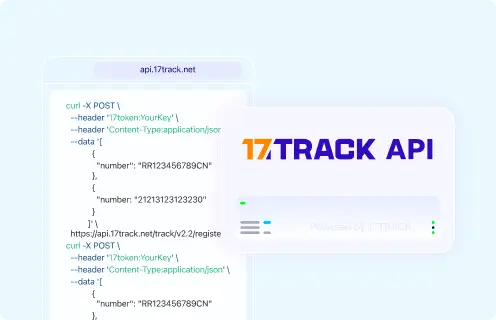
15. Can businesses track JinYue Freight shipments through an API?Businesses can use a carrier-direct integration when current specifications are supplied through their JinYue Freight relationship, or use the 17TRACK multi-carrier API. Keep the carrier code as a configuration value and validate it against current 17TRACK carrier data before production use.
Tracking API
Use a JinYue Freight direct API only with current endpoint and credential documentation supplied through an official business relationship. The 17TRACK registration endpoint below uses a placeholder carrier code because production implementations should resolve the current JinYue Freight carrier code from 17TRACK documentation or account metadata rather than guess it.
# 1. JinYue Freight direct tracking API
# Use only current endpoint, method, authentication, headers, and payload
# supplied through official JinYue Freight developer or account documentation.
# No carrier-direct request example is included here.

# 2. 17TRACK API: register a tracking number
curl --request POST \
  --url 'https://api.17track.net/track/v2.4/register' \
  --header '17token: YourKey' \
  --header 'Content-Type: application/json' \
  --data '[
    {
      "number": "TRACKING_NUMBER",
      "carrier": "CARRIER_CODE"
    }
  ]'

# Replace TRACKING_NUMBER with the shipment identifier.
# Replace CARRIER_CODE only after validating the current JinYue Freight
# code against 17TRACK documentation or account carrier metadata.
Sources & References
17TRACK is an independent tracking platform and is not affiliated with JinYue Freight.