About Crosscountry Freight
Crosscountry Freight is the carrier name supplied for this tracking guide. Shipment-specific service coverage, tracking rules, facilities, and delivery promises should be confirmed from the shipment label, booking record, or the official Crosscountry Freight website.
| Field | Confirmed reference |
|---|
| Carrier display name | Crosscountry Freight |
| Official website | https://ccfs.com/ |
| Tracking identity | Use the carrier selected by the shipper or identified by 17TRACK; a merchant order number is not necessarily a carrier tracking number. |
Crosscountry Freight should not be confused with a marketplace, seller, order-management system, or a different carrier shown in a handoff event. The physical custodian can change during transportation, while the original identifier may continue to display the shipment history.
Quick Answer
Enter the shipment tracking number supplied by the sender into the official Crosscountry Freight tracking route, when provided, or into 17TRACK. If no result appears, check the number character by character, remove accidental spaces or punctuation, confirm that the label has been handed to a carrier, and ask the seller which carrier actually received the parcel.
Pro Tip: 17TRACK aggregates available carrier events. 17TRACK does not transport shipments, change addresses, approve refunds, or decide claims.
How to Track Crosscountry Freight Packages
The reliable starting point is the shipment identifier supplied by the shipper. Compare the official carrier result with the order record when a marketplace or logistics partner is involved.
| Step | Action |
|---|
| 1. Locate the identifier | Check the dispatch email, shipping label, receipt, seller order page, or freight paperwork. |
| 2. Select the carrier | Choose Crosscountry Freight when the carrier is known; otherwise let 17TRACK identify the carrier from the number. |
| 3. Submit the number | Enter the tracking number rather than the order number, invoice number, or payment reference. |
| 4. Interpret the first result | A label-created event can precede physical acceptance. Wait for an acceptance or movement scan before treating the shipment as in transit. |
| 5. Escalate correctly | The sender should contact the booked carrier or freight provider for collection, billing, claims, and investigation questions; the recipient should contact the seller for replacement or refund decisions. |
Tracking Statuses and Meanings
Status Quick Lookup
| Status | Lifecycle stage and meaning |
|---|
| Label created / pre-shipment | The shipment record exists, but physical acceptance may not have occurred. |
View all details for label created / pre-shipment| Current responsible party | The sender or booking party normally controls the next handoff. |
|---|
| What happens next | An acceptance, pickup, or facility scan should create the next visible event. |
|---|
| What you should do | Ask the seller when the item was physically tendered if the status remains unchanged. |
|---|
|
| Accepted / received | A carrier or facility has recorded receipt of the shipment. |
View all details for an accepted shipment| Current responsible party | The receiving carrier or facility has custody recorded in the event history. |
|---|
| What happens next | Sorting, line-haul movement, or another facility scan may follow. |
|---|
| What you should do | Keep the receipt and monitor the next movement event. |
|---|
|
| In transit | The shipment is moving between operational points or awaiting the next scan. |
View all details for an in-transit shipment| Current responsible party | The carrier or contracted transport network handling the current leg. |
|---|
| What happens next | A facility, handoff, customs, or delivery scan may appear. |
|---|
| What you should do | Check the event location and contact the sender if the gap becomes materially longer than the promised service window. |
|---|
|
| Out for delivery / delivered | The parcel is assigned to a delivery route, or a delivery scan has been recorded. |
View all details for an out-for-delivery or delivered event| Current responsible party | The final-mile delivery operation is responsible for the route or scan. |
|---|
| What happens next | The parcel may be delivered, held, or receive an exception. |
|---|
| What you should do | For a delivered parcel, check safe locations, reception areas, household members, and neighbors before contacting the sender. |
|---|
|
| Exception / return | A delivery, address, transport, customs, or routing problem requires review; return means movement back to the sender may be underway. |
View all details for an exception or return event| Current responsible party | The facility or delivery party named in the latest event should handle the operational exception. |
|---|
| What happens next | Another attempt, customer contact, hold, or return routing may occur. |
|---|
| What you should do | Read the precise event wording and have the sender open an investigation when carrier action is required. |
|---|
|
Services and Delivery Times
A service name and delivery promise must come from the booking confirmation or applicable tariff. Do not infer a guaranteed date from a generic tracking estimate.
Service Comparison
| Service record | Best use |
|---|
| The booked Crosscountry Freight service | Use the named service on the receipt or freight document for coverage, handling, and tracking expectations. |
View all details for the booked service| Coverage | Confirm origin, destination, pickup conditions, and any partner leg in the booking. |
|---|
| Tracking level | Event visibility depends on scans received from the responsible operating party. |
|---|
| Size and weight condition | Use the restrictions and dimensions stated in the applicable booking or shipping rules. |
|---|
| Main limitation | Tracking estimates do not themselves create a delivery guarantee. |
|---|
|
Delivery Time
| Timing item | How to use it |
|---|
| Published service standard | Use the service-specific standard in the shipment agreement or booking record. |
| Tracking estimate | Treat an estimated date or window as operational guidance, subject to routing, weekends, weather, and handoffs. |
| Delay factors | Address quality, collection timing, facility congestion, customs, partner scans, and service interruptions can change the expected date. |
Destination Country Delivery Times
| Destination country or region | Planning guidance |
|---|
| Any destination | Use the origin-destination estimate attached to the booked Crosscountry Freight service. |
View all details for destination delivery planning| Primary service type | Confirm the exact domestic, international, freight, or partner service in the booking. |
|---|
| Estimated delivery range | The applicable range is route- and service-specific; a universal country table would not accurately represent the supplied carrier evidence. |
|---|
| Last-mile partner or handoff | Read the latest event to identify the party currently holding the shipment. |
|---|
| Customs and clearance tips | For international shipments, prepare accurate contents, value, recipient details, and any documents requested by the destination authorities. |
|---|
|
Common Tracking Problems and Solutions
Problem & Solution
| Problem or status shown | Check first and immediate action |
|---|
| Invalid number | Compare every character with the label, remove accidental punctuation, and ask the sender to confirm the carrier. |
View all details for an invalid number| Likely cause | An order reference, incomplete number, transcription error, or wrong carrier selection. |
|---|
| When to escalate | Escalate to the sender when the shipment record and the number do not match. |
|---|
| Who to contact | The seller or booking party should verify the carrier-issued identifier. |
|---|
|
| No tracking events | Check whether the label was created without physical acceptance and allow the carrier system time to receive the first scan. |
View all details for no tracking events| Likely cause | Electronic pre-advice may exist before collection or an initial facility scan. |
|---|
| Immediate action | Ask the sender for the physical tender date and receipt. |
|---|
| Escalation owner | The sender normally has the strongest evidence to request a carrier inquiry. |
|---|
|
| Long gap or stuck in transit | Review the last location, expected service window, weekends, route changes, and possible handoff before escalating. |
View all details for a long tracking gap| Likely cause | Movement between facilities, batch processing, customs, or missing partner scans. |
|---|
| Immediate action | Save the latest event and compare it with the seller's promised delivery window. |
|---|
| Who to contact | The sender or account holder should request an investigation where the carrier requires shipper authorization. |
|---|
|
| Delivered but not received | Check the delivery location, household members, reception desk, neighbors, and any proof-of-delivery information. |
View all details for delivered but not received| Priority action | Check safe places first, then ask building staff or neighbors and contact the local delivery operation identified in the event. |
|---|
| Seller action | Notify the seller promptly; the seller may need to open the formal trace or claim. |
|---|
| Evidence | Keep the tracking history, delivery address, delivery date, photographs, and order record. |
|---|
|
| Address, customs, damage, or return exception | Read the precise exception, stop sending duplicate instructions, and have the sender coordinate correction, documents, or a claim. |
View all details for an exception, damage, or return| Likely cause | Incorrect address, unavailable recipient, unpaid import charges, prohibited contents, or transit damage. |
|---|
| Immediate action | Provide the requested address or customs information through the authorized channel and preserve packaging if damaged. |
|---|
| Escalation | Use the booked carrier's investigation or claims route; 17TRACK cannot change the shipment outcome. |
|---|
|
International Shipping, Customs and Carrier Handoffs
For an international shipment, the latest event is the best indication of the current custodian. Arrival in a destination country or exchange facility does not by itself prove that customs has released the shipment.
International Flow
| Stage | Typical event and customer action |
|---|
| Origin booking and acceptance | The origin booking party creates the record; physical acceptance follows collection or facility receipt. |
View all details for origin booking and acceptance| Physical custodian | The party named in the latest acceptance scan. |
|---|
| Visibility gap | Electronic pre-advice can appear before the first physical scan. |
|---|
| Customer action | Confirm the sender has tendered the shipment. |
|---|
|
| Export, line-haul, and destination arrival | The shipment moves through export processing and international transport; scans can be intermittent between facilities. |
View all details for export, line-haul, and destination arrival| Tracking number | The original number may remain in use, while a partner may expose a second local identifier. |
|---|
| Responsible entity | Responsibility follows the physical handoff and the event wording, not merely the destination country. |
|---|
| Customer action | Keep both identifiers and check the destination operator if a local number is supplied. |
|---|
|
| Import customs and last mile | Destination authorities may review documents, charges, and admissibility before a delivery operator completes the final leg. |
View all details for import customs and last mile| Physical custodian | The customs authority, broker, postal operator, or delivery carrier named by the latest event. |
|---|
| Normal visibility gap | Clearance and transfer scans may not appear continuously in an aggregated feed. |
|---|
| Customer action | Provide accurate import information and pay officially assessed charges through the authorized channel. |
|---|
|
Delivery Management and Post-shipment Options
Rerouting, address correction, redelivery, pickup, signature handling, and proof-of-delivery access depend on the booked service and the party authorized on the shipment account.
| Option | Who should request it |
|---|
| Address correction or delivery instruction | The sender or authorized account holder should contact the booked carrier before final delivery. |
View all details for address correction| Eligibility | Eligibility, deadline, and any fee are service-specific. |
|---|
| Guarantee | A request does not guarantee that the parcel can be rerouted. |
|---|
| Information to prepare | Tracking number, correct address, sender authorization, and latest scan. |
|---|
|
| Pickup, redelivery, or proof of delivery | Follow the instruction in the latest delivery event or ask the responsible delivery operation. |
View all details for pickup, redelivery, or proof of delivery| Eligibility | Availability depends on destination operations, service terms, and local delivery rules. |
|---|
| Deadline and fee | Check the carrier's current shipment-specific instructions. |
|---|
| Next step | Use the event's named contact or have the sender coordinate the request. |
|---|
|
Lost, Damaged, Claims, Insurance and Refunds
A tracking inquiry, carrier investigation, insurance claim, postage refund, and marketplace refund are separate processes. Preserve the label, receipt, packaging, contents, invoices, photographs, and tracking history.
Claims and Refunds
| Process | Use when |
|---|
| Tracking inquiry or investigation | Use when the shipment has no movement, an exception, or a disputed delivery event. |
View all details for a tracking investigation| Who files | The sender or account holder commonly has authority to open the carrier inquiry. |
|---|
| Evidence | Tracking number, tender date, addresses, contents description, and proof of value. |
|---|
| Outcome | Location research, delivery clarification, further instructions, or claim referral. |
|---|
|
| Damage or loss claim | Use the carrier's applicable claims route when loss, damage, or missing contents is alleged. |
View all details for a loss or damage claim| Filing window | The applicable service terms control the earliest and latest filing time. |
|---|
| Required evidence | Keep the packaging and contents available, with photographs, invoice, and value evidence. |
|---|
| Possible outcome | Investigation, request for evidence, settlement decision, or denial under the service terms. |
|---|
|
| Seller or marketplace refund | Use when the buyer seeks a replacement or refund under the seller's order policy. |
View all details for a seller or marketplace refund| Who decides | The seller or marketplace decides the commercial refund under its own terms. |
|---|
| Carrier role | The carrier can provide shipment evidence or investigate transportation events. |
|---|
| 17TRACK role | 17TRACK cannot approve a refund, claim, or compensation. |
|---|
|
Shipping Restrictions and Special Handling
Shippers must use the current rules attached to the booked service and origin-destination route. Classification, packaging, declarations, and acceptance decisions can affect transit and tracking.
Shipping Restrictions
| Category | Practical handling |
|---|
| Dangerous goods, batteries, liquids, and aerosols | Confirm acceptance, packaging, labeling, and route rules before tendering. |
View all details for regulated contents| Typical impact | Incorrect declaration or packaging can cause refusal, delay, return, or regulatory action. |
|---|
| Shipper action | Describe contents accurately and obtain route-specific instructions before dispatch. |
|---|
| Tracking impact | Inspection or removal from transport can create an exception or a long scan gap. |
|---|
|
| Perishable, valuable, or fragile contents | Confirm service suitability, packaging, declared value, and any protection or signature option. |
View all details for fragile or valuable contents| Packaging | Use protective packaging appropriate to the contents and preserve it if damage occurs. |
|---|
| Limitations | Eligibility and compensation depend on the booked service and applicable rules. |
|---|
| Action | Review the carrier's current restrictions before creating the shipment. |
|---|
|
Customer Service
Use the official website or the contact details printed on the shipping documents. The sender should normally handle transportation investigations, billing, collection disputes, and claims; the recipient should notify the seller about delivery or refund concerns.
Customer Service
| Channel | Verified contact or best use |
|---|
| Official website | Crosscountry Freight official website |
View all details for the official website channel| Best for | Finding the current company contact route and shipment-specific instructions. |
|---|
| Information to prepare | Tracking number, sender and recipient details, shipment date, service, latest scan, contents description, and supporting photographs where relevant. |
|---|
| Important limitation | Use contact information shown on the current official site rather than relying on an unverified third-party directory. |
|---|
|
| Sender or seller support | Best route for missing tracking data, replacement, commercial refund, and carrier investigation requests. |
View all details for sender or seller support| Region and language | Follow the language and regional route provided in the order or shipping record. |
|---|
| Escalation order | Seller or sender first, booked carrier second, destination delivery party when identified by the latest scan. |
|---|
| Limitation | A recipient may not have authority to change a freight booking or file a shipper-only claim. |
|---|
|
Ecommerce and Business Tracking
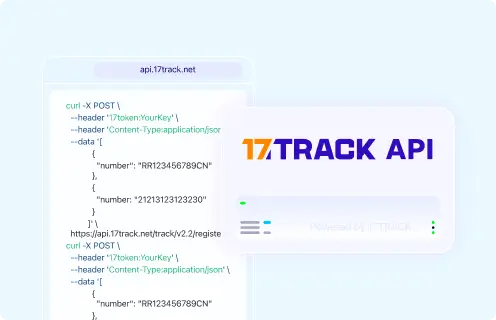
Businesses should separate the consumer tracking page, the carrier's own integration, and 17TRACK multi-carrier tracking. Standardized events and exception monitoring can help reduce “where is my order” contacts, but available fields depend on the source carrier feed.
Developer/API Comparison
| Option | Provider |
|---|
| Carrier integration | Crosscountry Freight |
View all details for the Crosscountry Freight integration| Carrier coverage | Use the carrier's own developer or account documentation if supplied with the commercial agreement. |
|---|
| Primary use | Direct account-level shipment visibility and operational workflows. |
|---|
| Authentication | Follow credentials and authentication requirements issued to the business account. |
|---|
| Tracking, batch, and webhook capability | Confirm each capability in the current carrier documentation before implementation. |
|---|
| Migration or deprecation note | Do not implement an undocumented or legacy endpoint. |
|---|
|
| Multi-carrier tracking | 17TRACK |
View all details for the 17TRACK integration| Carrier coverage | Multiple carriers supported by the 17TRACK platform and its carrier identification system. |
|---|
| Primary use | Unified tracking for merchants handling more than one carrier. |
|---|
| Authentication | 17TRACK API requests use the account token described in the official API documentation. |
|---|
| Tracking, batch, and webhook capability | Review the current documentation for registration, event retrieval, and notification features. |
|---|
| Migration or deprecation note | Use the documented API version rather than copied legacy examples. |
|---|
|
FAQ
Basic FAQs
1. How do I track my Crosscountry Freight package?Enter the shipment tracking number on the official Crosscountry Freight website or use 17TRACK to view available shipment events.
2. Where can I find my Crosscountry Freight tracking number?Check the dispatch notice, shipping label, receipt, freight document, or seller order page.
3. What does a Crosscountry Freight tracking number look like?The supplied evidence does not establish one public format, so use the exact identifier printed on the shipment record instead of guessing from a prefix.
4. When will the first Crosscountry Freight tracking event appear?The first event appears after the carrier or an operating partner receives and scans the shipment; label creation alone may only represent electronic pre-advice.
5. Why is my Crosscountry Freight tracking not updating?A scan gap can occur between facilities, during handoff, or before physical acceptance; ask the sender to confirm the tender date and request an inquiry when the service window is exceeded.
6. How long does Crosscountry Freight delivery take?Use the estimate for the specific origin, destination, service, and booking because a universal delivery time is not established here.
7. What should I do after a Crosscountry Freight delivery attempt fails?Read the latest exception, follow any pickup or redelivery instruction, and ask the sender to coordinate with the responsible delivery operation.
8. What should I do if Crosscountry Freight says delivered but I have not received the parcel?Check safe locations, household members, reception staff, and neighbors, then preserve the event history and notify the seller.
9. How do I report a lost or damaged Crosscountry Freight shipment?Contact the sender or booked carrier and retain the packaging, contents, photographs, receipt, tracking number, and proof of value for the applicable investigation or claim.
10. How can I contact Crosscountry Freight?Use the current contact route on the official Crosscountry Freight website or the contact information printed on the shipping documents.
Expert FAQs
11. Is a Crosscountry Freight label-created event proof that the carrier has the parcel?No; label creation can precede physical acceptance, so look for an acceptance or facility receipt event.
12. Can a Crosscountry Freight shipment have more than one tracking number?Yes, a downstream delivery partner may expose a second identifier, while the original number continues to show the broader shipment history.
13. Does a Crosscountry Freight destination-country scan mean customs has released the shipment?No; arrival, exchange, inspection, and customs release are different events, and the event wording should be read before taking action.
14. Who should request a Crosscountry Freight address correction?The sender or authorized account holder should request it because eligibility depends on the booked service and shipment stage.
15. Can 17TRACK change the delivery result for Crosscountry Freight?No; 17TRACK displays available tracking data and cannot reroute a parcel, approve a claim, or issue a refund.
16. Which identifier should a business submit for Crosscountry Freight tracking?Submit the carrier shipment identifier from the booking or label, not the merchant order number, and preserve any partner identifier separately.
Tracking API
// Crosscountry Freight official tracking API:
// A current public official tracking API example is not included in this guide.

// 17TRACK API
// Confirm the carrier code in the current 17TRACK carrier directory or account documentation.
POST https://api.17track.net/track/v2.4/register
Headers:
  17token: YourKey
  Content-Type: application/json

Body:
[
  {
    "number": "TRACKING_NUMBER",
    "carrier": "CARRIER_CODE"
  }
]
Sources & References
17TRACK is an independent tracking platform and is not affiliated with Crosscountry Freight.