TForce Tracking
Please enter the TForce Freight (UPS Freight) tracking number to check the latest shipping status.
About TForce Freight
TForce Freight is the supplied carrier label for the TForce Freight and UPS Freight naming context. TForce Freight is a less-than-truckload freight carrier serving commercial and business-to-business shipments, rather than a standard parcel-post operator. Tracking normally follows a freight shipment identifier such as a PRO number, bill of lading reference, pickup number, or another reference supplied by the shipper.
| Field | Verified information |
|---|---|
| Official website | https://www.tforcefreight.com/ |
| Carrier type | Less-than-truckload freight transportation provider. |
| Primary operating context | Commercial freight movements, pickup, line-haul, terminal handling, delivery, and shipment visibility. |
| Tracking page | Use the tracking entry on the official website. |
Carrier Entity Relationships
| Entity | Relationship summary |
|---|---|
| TForce Freight | The carrier label in this page identifies the freight-tracking context supplied by the requester. |
| TForce Freight | TForce Freight operates LTL freight transportation and provides shipment visibility through its official website. |
| UPS Freight | UPS Freight is a historical name associated with the freight business; a shipper may still show it on older documents or references. |
| PRO number | A PRO number is a freight shipment identifier commonly used to locate an LTL movement; the shipper or carrier document determines the usable identifier. |
| 17TRACK | 17TRACK aggregates available carrier events but does not transport freight or control carrier investigations, delivery changes, refunds, or claims. |
Quick Answer
Enter the freight tracking identifier supplied by the shipper into the official TForce Freight website or into 17TRACK. Start with the PRO number or the number printed on the freight bill. An order number, purchase-order number, or seller reference may not be trackable until the shipper maps it to the carrier shipment. If no event appears, check the digits, remove spaces or hyphens, confirm that the shipment was physically picked up, and ask the shipper which identifier should be used.
How to Track TForce Freight Packages
For a freight shipment, the shipper’s bill of lading or pickup confirmation is usually the best starting point because it identifies the shipment number and the responsible carrier.
| Path | Steps |
|---|---|
| Official website | Open the official website, choose the shipment-tracking function, enter the PRO or carrier shipment number, and review terminal, transit, appointment, and delivery events. |
| 17TRACK | Open 17TRACK, enter the identifier, allow carrier detection, and compare the latest event with the carrier record. Use the official carrier channel for delivery changes or claims. |
| No number | Ask the seller or freight shipper for the PRO number, bill of lading number, pickup number, or the carrier reference that is intended for tracking. |
| No first scan | A created shipment record may precede pickup. Ask the shipper to confirm the pickup date and whether freight was tendered to the carrier. |
Tracking Number Formats and Examples
TForce Freight does not use one universal consumer-parcel pattern. Freight identifiers can be numeric or alphanumeric and may be printed on a bill of lading, freight bill, pickup document, invoice, or shipper portal. A prefix alone should not be treated as proof of a service or carrier.
Tracking Number Format
| Identifier family | Normalized pattern and use | ||||||||
|---|---|---|---|---|---|---|---|---|---|
| PRO or freight shipment number | Carrier-issued freight identifier; enter the complete value exactly as shown on the freight document. | ||||||||
View all details for PRO or freight shipment numbers
| |||||||||
| Bill of lading number | Document or shipment reference associated with freight tender; usability depends on the carrier’s tracking interface. | ||||||||
View all details for bill of lading references
| |||||||||
| Order or purchase-order reference | Merchant or buyer reference used to identify an order; normally not a carrier-issued tracking number. | ||||||||
Tracking Statuses and Meanings
| Status | Meaning and next action |
|---|---|
| Shipment created | A record or label exists, but physical pickup may not have occurred. The shipper should confirm tender. |
| Picked up or accepted | The carrier has recorded receipt or pickup. Terminal processing and line-haul movement normally follow. |
| In transit | Freight is moving between facilities or is assigned to a line-haul movement. Check the latest scan location. |
| At destination terminal | Freight has reached a destination-area facility and may require appointment or delivery scheduling. |
| Out for delivery | Freight has been assigned for final delivery. Ensure the receiving location can accept the shipment. |
| Delivered | A delivery event was recorded. If freight is missing, inspect the receiving dock and request delivery documentation from the shipper or carrier. |
| Exception or delay | An operational issue may require address, appointment, access, weather, capacity, or shipper action. Contact the shipper first. |
Services and Delivery Times
LTL delivery timing is lane-specific. The applicable origin, destination, freight class, appointment requirement, operating calendar, accessorial service, and service commitment should be confirmed in the shipment quote or official carrier record.
Service Comparison
| Service type | Best suited for |
|---|---|
| LTL freight transportation | Palletized, bulky, or commercial freight that does not require a full truck. |
| Scheduled delivery | Shipments requiring coordination with a consignee, dock, facility, or receiving window. |
| Business freight solutions | Recurring commercial shipping managed through shipper accounts and transportation documents. |
Delivery Time
| Shipment condition | Timing guidance |
|---|---|
| Standard LTL lane | Use the shipment-specific quoted transit standard; timing varies by origin, destination, terminal network, and operating calendar. |
| Appointment delivery | The delivery window can depend on consignee availability and appointment coordination. |
| Exception or weather delay | The quoted window may move when terminals, roads, receiving locations, or line-haul operations are disrupted. |
Destination Country Delivery Times
| Destination | Applicable timing guidance |
|---|---|
| United States | Use the quoted domestic LTL lane and delivery appointment information; no universal country-wide interval applies. |
| Canada | Cross-border timing depends on the selected service, border processing, shipment documents, and destination appointment. |
| Mexico | Cross-border timing depends on routing, customs documentation, border processing, and destination delivery arrangements. |
Common Tracking Problems and Solutions
| Problem or status | Immediate solution |
|---|---|
| Invalid number | Recheck every character and ask the shipper whether the value is a PRO number, bill of lading reference, or purchase-order reference. |
| No tracking events | Ask the shipper to confirm physical pickup and allow the carrier record to be created after tender. |
| No update during transit | Compare the last scan with the quoted lane and contact the shipper if the shipment has passed the expected milestone. |
| Address or delivery issue | The shipper or authorized account party should contact the carrier with corrected delivery instructions; changes may be subject to eligibility or charges. |
| Delivered but missing | Check the receiving dock, signed delivery record, building staff, adjacent receiving area, and consignee records; then request proof of delivery and open a carrier inquiry through the shipper. |
| Damage or shortage | Record the condition before moving freight, preserve packaging, photograph damage, note exceptions on delivery paperwork where possible, and notify the shipper promptly. |
| Return or refusal | The shipper should confirm the reason, destination, charges, and whether a new delivery instruction is required. |
International Shipping, Customs and Carrier Handoffs
International freight can involve origin documentation, export processing, line-haul movement, border or customs review, and destination delivery partners. A destination scan or customs-arrival event does not by itself prove customs release.
| Stage | What the customer should know |
|---|---|
| Origin pickup and export preparation | The shipper prepares the freight, commercial documents, classification, and consignee information before movement. |
| Line-haul and border movement | Tracking may pause between terminal scans while freight is moving or awaiting processing. |
| Customs or partner handoff | A customs authority or destination logistics partner may control the next step; electronic pre-advice is not the same as physical receipt. |
| Destination delivery | The receiving party may need to provide documents, pay assessed charges, or arrange an appointment before delivery. |
Customer Service
| Channel | Best use |
|---|---|
| Official website | Start with the official website for tracking, service information, and available contact routes. |
| Shipper or seller | Best first contact for marketplace orders, freight charges, pickup confirmation, claims ownership, and carrier-account escalation. |
| Carrier service channel | Use the current contact option shown on the official website for shipment-specific delivery or terminal questions. |
| Information to prepare | Tracking identifier, shipper and consignee names, origin and destination, pickup date, latest scan, freight description, photographs, and delivery documents. |
FAQ
Basic FAQs
Enter the PRO or carrier shipment identifier on the official TForce Freight website or use 17TRACK to view available events.
Look on the bill of lading, freight bill, pickup confirmation, invoice, or shipping email, and ask the seller if the document shows only an order reference.
Freight identifiers may be numeric or alphanumeric; the shipper’s document determines which complete identifier should be entered.
A shipment record can exist before physical pickup or the first terminal scan, so ask the shipper to confirm tender to the carrier.
Delivery depends on the origin-destination lane, freight characteristics, terminal network, appointment, and operating conditions; use the quoted shipment standard.
Check the last scan and quoted milestone, then ask the shipper to escalate through the carrier account if the shipment is beyond the expected movement.
Confirm access, receiving hours, address, and appointment requirements with the consignee and have the authorized shipper request updated instructions.
Check the receiving dock, signed paperwork, building staff, and nearby receiving areas, then request proof of delivery through the shipper.
Notify the shipper promptly, preserve packaging and contents, document the condition with photographs, and follow the applicable carrier claim process.
Use the current contact route on the official website and keep the shipment identifier, origin, destination, latest scan, and delivery details ready.
Expert FAQs
No; an order number is normally created by the seller, while a PRO number is a freight shipment identifier used in carrier transportation records.
No; a created record or electronic pre-advice can precede physical tender, so an acceptance or pickup event is the more relevant confirmation.
Delivery changes normally require an authorized shipper or account party and depend on shipment stage, destination, appointment, and applicable charges.
Not necessarily; terminal processing, appointment coordination, accessorial requirements, and receiving availability can remain before final delivery.
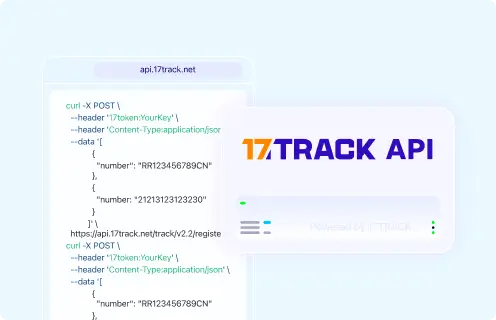
Businesses should use the current carrier documentation or an approved multi-carrier provider and verify authentication, identifier support, batch limits, and webhook availability before implementation.
Tracking API
// Carrier official tracking API:
// Current public official tracking API not confirmed.
//
// 17TRACK API
// POST https://api.17track.net/track/v2.4/register
// Headers: 17token and Content-Type: application/json
fetch("https://api.17track.net/track/v2.4/register", {
  method: "POST",
  headers: {
    "17token": "YourKey",
    "Content-Type": "application/json"
  },
  body: JSON.stringify([
    {
      "number": "TRACKING_NUMBER",
      "carrier": "CARRIER_CODE"
    }
  ])
});
Sources & References
- TForce Freight — Official website. TForce Freight
- TFI International — Corporate website. TFI International
- 17TRACK API Documentation. 17TRACK
17TRACK is an independent tracking platform and is not affiliated with TForce Freight.
Track your package
Global express parcel tracking service