Parcelpoint Tracking
Please enter the Parcelpoint tracking number to check the latest shipping status.
About ParcelPoint
ParcelPoint is an Australian out-of-home parcel network. It provides pickup, drop-off, return and collection services through more than 2,000 local retail locations. ParcelPoint is a carrier-agnostic network layer: carriers and retailers transport the parcel, while ParcelPoint locations receive, hold, scan or accept parcels at the relevant stage.
| Fact | Confirmed information |
|---|---|
| Official website | https://parcelpoint.com.au/ |
| Carrier type | Australian out-of-home pickup, drop-off, returns and last-mile network. |
| Primary region | Australia, with a network of more than 2,000 local shops. |
| Tracking page | ParcelPoint Track Your Parcel |
| Technology relationship | ParcelPoint describes HUBBED as the technology company powering the network. |
Carrier Entity Relationships
| Entity | Relationship and tracking meaning |
|---|---|
| ParcelPoint | ParcelPoint operates the Australian local pickup and drop-off network; its tracking portal displays available parcel events. |
| Australia Post, CouriersPlease, Aramex, Courio, DHL Express, UPS and Team Global Express | ParcelPoint identifies these as examples of carriers using or working with the network. The carrier that physically transports a parcel may issue the original tracking number. |
| HUBBED | HUBBED is described by ParcelPoint as the technology company behind the network; it is not the same visible consumer network brand. |
| 17TRACK | 17TRACK is an independent multi-carrier tracking platform and does not transport, redirect, refund or investigate parcels. |
Quick Answer
Enter the tracking number from the retailer, return label, carrier receipt, SMS or email into the ParcelPoint tracking page. You can also try 17TRACK when the number belongs to a transport carrier supported by 17TRACK. If no result appears, check the number character by character, confirm that a label has been physically scanned, and ask the retailer or transporting carrier which number should be used. ParcelPoint and 17TRACK are not interchangeable: ParcelPoint manages network events, while 17TRACK aggregates available carrier events.
How to Track ParcelPoint Packages
| Path | Steps and responsibility |
|---|---|
| ParcelPoint portal | Open the official tracking page, enter the tracking ID, and review the latest available parcel event. For a return, use the return-label number after the item has been scanned at a ParcelPoint location. |
| 17TRACK | Enter the carrier-issued number into 17TRACK. Automatic carrier recognition may identify the transporting carrier, but a result does not prove that ParcelPoint issued the number. |
| No number or no result | Ask the retailer or sender for the tracking ID. An order number, merchant reference, collection code and tracking number are different identifiers. A collection code is used to collect a parcel; it is not necessarily the transport tracking number. |
Tracking Number Formats and Examples
ParcelPoint’s public pages refer to a tracking number or tracking ID but do not publish one universal ParcelPoint numbering pattern. The number may be issued by the retailer, return platform, transporting carrier or ParcelPoint-connected system. Do not infer the carrier or service solely from a prefix.
Tracking Number Format
| Identifier family | Practical use |
|---|---|
| ParcelPoint tracking ID | Used on the ParcelPoint tracking portal. The public site does not state a fixed length or character pattern; copy it exactly from the notification or label. |
| Carrier-issued tracking number | Issued by the physical transport carrier and may remain the main identifier after a ParcelPoint handoff. |
| Return-label number | Shown on a retailer return label and used to follow the return after the item is scanned at a ParcelPoint location. |
| Collection code | Delivered by SMS or email for pickup. It authorises collection with photo ID but should not be treated as a universal transport-number format. |
| Order or reference number | Created by the retailer or marketplace. It may locate an order but may not produce transport scans in a carrier tracker. |
Tracking Statuses and Meanings
| Status or stage | Meaning and next action |
|---|---|
| Label created or awaiting item | Electronic data exists, but the parcel may not have been physically accepted. The sender should confirm handover or the first scan. |
| Accepted or scanned at ParcelPoint | A ParcelPoint location has recorded the parcel. The next event normally depends on the connected carrier or return flow. |
| In transit | The transporting carrier is moving the parcel between facilities or delivery stages. Wait for the next carrier scan unless the retailer provides a service-specific escalation rule. |
| Ready for collection | The parcel is available at the nominated location. Bring the collection code and photo ID. |
| Delivered or collected | The system records completion. If the parcel is missing, check the location, household, concierge, retailer and transporting carrier before escalating. |
| Return or exception | The parcel needs a sender, retailer or carrier decision. Check the detailed event and contact the party that controls the relevant transport stage. |
Services and Delivery Times
ParcelPoint’s published service pages describe network functions rather than a single carrier delivery timetable. Delivery estimates therefore depend on the retailer, origin carrier, destination, selected service and handoff plan.
Service Comparison
| Service | Best for and limitation |
|---|---|
| Click and collect | Delivery to a selected local shop instead of home; retailer and carrier determine the transport service and estimate. |
| Missed-delivery collection | A missed home delivery may be redirected to a nearby ParcelPoint location; eligibility depends on the carrier arrangement. |
| Drop-off returns | Customers use a return label and hand the item to a ParcelPoint location, where it is scanned and tracking starts. |
| Doorstep returns | A return is booked online and collected from the customer’s door; the retailer or return carrier controls the booking. |
| Big and bulky delivery | Oversized goods use handling and delivery arrangements designed for larger items; the published ParcelPoint page reports 98% DIFOT for this service. |
Delivery Time
| Journey | Time guidance |
|---|---|
| ParcelPoint pickup or return | No universal public delivery standard is stated; use the retailer or carrier estimate shown at checkout or in the notification. |
| Collection holding period | ParcelPoint states that parcels can be held for up to 7 days. Collect before the stated deadline in the notification. |
| Destination-country delivery times | ParcelPoint publishes cross-border capability, but the supplied official pages do not publish country-by-country ranges or averages. Do not treat a generic industry estimate as a ParcelPoint promise. |
Common Tracking Problems and Solutions
| Problem | First action and escalation party |
|---|---|
| Tracking ID not found | Check copied characters and use the correct tracking ID rather than an order number. Ask the sender whether the parcel has been scanned. |
| No update after handover | Check both ParcelPoint and the named carrier. The sender or retailer should investigate if the physical handoff cannot be confirmed. |
| Delivery exception or failed delivery | Read the carrier event and check whether redirection to a ParcelPoint location was offered. Follow the notification deadline. |
| Ready for pickup | Bring the collection code and photo ID. ParcelPoint states that collection is available for up to 7 days. |
| Delivered but not received | Check the nominated shop, household, reception desk and neighbours, then contact the retailer or transporting carrier for proof of delivery or an investigation. |
| Lost or damaged parcel | Photograph the packaging, retain the item and contact the sender or retailer first; the party that purchased transport generally controls the carrier claim. |
| Return not showing | Confirm that the item was scanned at the ParcelPoint location and use the return-label number. Ask the retailer if the return authorisation is active. |
International Shipping, Customs and Carrier Handoffs
ParcelPoint describes cross-border capability and international returns, but its public consumer pages do not identify one universal customs operator, destination postal operator, tax rule or country-specific transit time. The transporting carrier and destination-country authorities remain responsible for those stages.
| Stage | Responsible party and customer action |
|---|---|
| Retailer or origin carrier | Creates the shipment record and transports the parcel. A label or electronic pre-advice is not proof of physical acceptance. |
| Export and line-haul | The selected carrier and authorities process the international movement. Scan gaps can occur between facilities. |
| Import customs | Destination authorities assess declarations, duties and taxes. Arrival at an exchange or customs facility is not the same as release. |
| ParcelPoint or destination last mile | A connected carrier may deliver to a ParcelPoint location for collection. Follow the notification and collection-code instructions. |
Delivery Management and Post-shipment Options
| Option | Eligibility and action |
|---|---|
| Choose a pickup location | Available when the retailer or carrier presents ParcelPoint at checkout. Select the location before shipment creation. |
| Collect from a location | Use the notification’s collection code and photo ID. The stated holding period is up to 7 days. |
| Drop off a return | Start the return through the retailer, obtain the return label, and hand the parcel to a ParcelPoint location for scanning. |
| Redirect after missed delivery | A connected carrier may redirect a missed delivery to a nearby ParcelPoint location; the carrier’s event and notification control eligibility. |
Lost, Damaged, Claims, Insurance and Refunds
| Process | Who should act |
|---|---|
| Tracking inquiry | The recipient can check available events and ask the retailer for clarification. |
| Transport investigation or claim | The sender, retailer or account holder should normally contact the transporting carrier with the tracking number, shipment details and evidence. |
| Retailer refund | The retailer decides the consumer remedy under the sale terms; 17TRACK cannot approve a refund. |
| Damage evidence | Keep the parcel, packaging, contents, receipts and photographs until the carrier or retailer finishes its review. |
Shipping Restrictions and Special Handling
| Category | Guidance |
|---|---|
| Size and weight | ParcelPoint’s FAQ states a maximum of approximately 120 cm for length plus width plus height and a maximum weight of 10 kg for accepted parcels. |
| Dangerous goods, batteries and liquids | Restrictions are controlled by the selected carrier and service. Check the carrier’s current prohibited-goods rules before sending. |
| Bulky goods | Use ParcelPoint’s separate big-and-bulky service rather than assuming standard pickup-point limits apply. |
| International items | Customs declarations, destination rules and carrier restrictions may affect acceptance, clearance and tracking visibility. |
Customer Service
| Channel | Best use and information to prepare |
|---|---|
| ParcelPoint tracking page | Track Your Parcel. Prepare the tracking ID and the latest displayed event. |
| ParcelPoint contact page | Contact ParcelPoint for network or service questions. Include the tracking ID, location, retailer, dates and issue. |
| Retailer or sender | Best for delivery promises, return authorisation, refunds and claims because the retailer or sender controls the commercial shipment relationship. |
| Transporting carrier | Best for physical movement, delivery scans, proof of delivery and carrier investigations when the carrier is identified. |
Ecommerce and Business Tracking
ParcelPoint states that businesses can connect through ecommerce platforms, aggregators such as ShipStation or AfterShip, an API-based integration or a custom portal. The public pages do not publish a current ParcelPoint API endpoint, authentication scheme or webhook specification, so businesses should request technical documentation directly before implementation.
Developer/API Comparison
| Option | Provider |
|---|---|
| ParcelPoint business integration | ParcelPoint and its connected technology ecosystem. |
| Aggregator connection | ShipStation, AfterShip or another connected platform, subject to its current carrier coverage and plan. |
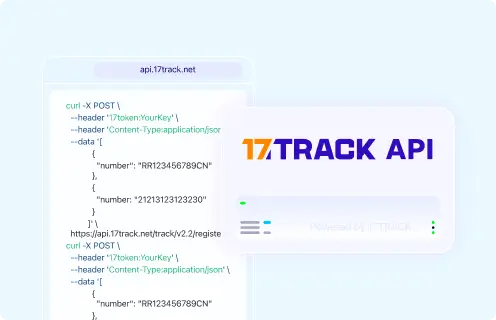
| 17TRACK API | 17TRACK multi-carrier tracking platform; current documentation is available at 17TRACK API documentation. |
FAQ
Basic FAQs
Enter the tracking ID on the official ParcelPoint tracking page and review the latest event.
Check the retailer email, return label, carrier receipt, SMS or ParcelPoint notification.
ParcelPoint does not publish one universal public format, so use the complete identifier supplied for the specific shipment.
Check transcription and confirm that the parcel has received a physical scan rather than only a label record.
A carrier or facility may be between scans; check the transporting carrier and ask the sender to investigate if the gap continues.
ParcelPoint states that parcels can be held for up to 7 days; follow the deadline in your notification.
Bring the collection code received by SMS or email and photo identification.
Check the nominated location, household, reception desk and neighbours, then contact the retailer or transporting carrier.
Start the return with the retailer, obtain the return label, and hand the parcel to a ParcelPoint location for scanning.
Use the official ParcelPoint contact page and include the tracking ID, retailer, location and latest event.
Expert FAQs
ParcelPoint is a carrier-agnostic out-of-home network, so another carrier may transport and issue the original tracking number.
A collection code authorises pickup at a location, while a tracking number identifies shipment events during transport.
ParcelPoint states that tracking starts when the return is scanned at a ParcelPoint location.
A connected carrier may redirect a missed delivery to a nearby ParcelPoint location, depending on the shipment arrangement.
The public pages describe cross-border capability but do not publish one universal country-by-country delivery average.
ParcelPoint describes API-ready business integration, but its public pages do not provide a current endpoint or authentication specification.
ParcelPoint describes itself as the customer-facing network and HUBBED as the technology company powering it.
Tracking API
// ParcelPoint official API:
// Current public official tracking API endpoint and authentication are not published
// on the supplied ParcelPoint pages. Request current business documentation directly.

// 17TRACK API reference:
// POST https://api.17track.net/track/v2.4/register
// Headers: 17token: YourKey
//          Content-Type: application/json
// Body:
[
  {
    "number": "TRACKING_NUMBER",
    "carrier": "CARRIER_CODE"
  }
]
// Confirm the current 17TRACK carrier code in the API documentation before production use.
Sources & References
- ParcelPoint — Official website. ParcelPoint
- Track Your Parcel. ParcelPoint
- Frequently Asked Questions. ParcelPoint
- What We Offer. ParcelPoint
- Pick Up. ParcelPoint
- Returns. ParcelPoint
- Deliveries. ParcelPoint
- Big and Bulky. ParcelPoint
- 17TRACK API documentation. 17TRACK
17TRACK is an independent tracking platform and is not affiliated with ParcelPoint.
Track your package
Global express parcel tracking service