NUO Tracking
Please enter the NUO tracking number to check the latest shipping status.
About NUO
NUO(沈诺国际物流) is the carrier name supplied for this tracking page. The available research evidence does not establish a sufficiently detailed public service profile, network description, or legal entity relationship for NUO. Use the exact shipment identifier and the issuing transport document to determine which party currently holds the parcel.
| Field | Verified information |
|---|---|
| Canonical display name | NUO |
| Official website supplied | http://www.nuo56.com/ |
| Tracking role | The shipment record and its current physical custodian must be confirmed from the tracking result and shipping paperwork. |
| Public service profile | A detailed current profile is not included because the supplied official site could not be fetched for verification. |
Carrier Entity Relationships
| Entity | Relationship summary |
|---|---|
| NUO | NUO is the carrier label supplied by the tracking request; the exact operating entity should be checked against the label, receipt, or merchant shipping notice. |
| Origin carrier or merchant | An origin carrier or merchant may issue a reference before NUO receives the physical parcel; an electronic pre-advice is not proof of acceptance. |
| Destination delivery partner | A destination partner may perform import delivery after handoff; a partner scan does not by itself prove that NUO operated every transport stage. |
| 17TRACK | 17TRACK is an independent platform that aggregates available events and does not transport parcels or decide claims. |
Quick Answer
Enter the parcel tracking number—not the store order number—on the supplied NUO website or in 17TRACK. If no result appears, first remove spaces and punctuation, check each character against the shipping notice, and confirm that the label has been physically accepted rather than merely created.
How to Track NUO Packages
Use the official NUO website when the shipping document identifies NUO as the operating carrier, and use 17TRACK when the parcel may pass between multiple carriers.
| Method | Recommended steps |
|---|---|
| Official NUO tracking | Open the supplied NUO website, locate its tracking function, enter the shipment identifier, and save the displayed event history. |
| 17TRACK | Open 17TRACK, paste the identifier, allow automatic carrier detection, and compare the latest event with the merchant’s shipping notice. |
| No number available | Ask the seller or sender for the carrier tracking number and distinguish it from the order, invoice, reference, or payment number. |
| Number inactive | Check the receipt or dispatch date, allow the sender to confirm handover, and ask the seller to investigate if the first physical scan does not appear. |
Tracking Number Formats and Examples
A NUO-compatible identifier cannot be reliably classified from a prefix alone because merchants, origin carriers, line-haul providers, and last-mile partners can use different identifiers. Use a masked example only and validate the complete number through tracking.
Tracking Number Format
| Identifier family | Normalized pattern and use | ||||||
|---|---|---|---|---|---|---|---|
| Carrier-issued shipment identifier | Use the exact alphanumeric identifier printed on the shipping label or receipt, such as XXXX #### ####; the verified length and service mapping should come from the shipment record. | ||||||
View all details for carrier-issued shipment identifiers
| |||||||
| Merchant order or reference number | A shop order number identifies a transaction and normally is not a transport tracking number. | ||||||
| International postal identifier | A postal S10-style identifier may contain two letters, nine digits, and a two-letter country code; the issuing postal operator—not necessarily NUO—must be confirmed from the label. | ||||||
| Last-mile identifier | A destination delivery partner may assign a second identifier after import or handoff; retain both numbers when the merchant supplies them. | ||||||
| Business reference or API identifier | A business system may submit a carrier number, order reference, or parcel reference; the accepted field depends on the current API documentation. | ||||||
Tracking Statuses and Meanings
Tracking events describe the latest reported scan, not necessarily the parcel’s exact live position. Responsibility changes only when the physical handoff and receiving scan occur.
Status Quick Lookup
| Status | Lifecycle meaning | ||||||
|---|---|---|---|---|---|---|---|
| Label created / Pre-shipment | Electronic data exists, but physical acceptance has not been demonstrated. | ||||||
View all details for label created / pre-shipment
| |||||||
| Accepted / Picked up | A carrier or receiving facility has recorded possession of the parcel. | ||||||
| In transit / Departed facility | The parcel is moving between processing points; scans may be separated by transport time. | ||||||
| Customs or handoff event | The parcel is being reviewed, transferred, or presented to another operator; arrival at customs is not release. | ||||||
| Out for delivery | The destination delivery operation has assigned the parcel to a delivery route. | ||||||
| Delivered / Pickup available | The system reports delivery or availability at a designated collection point; verify the address and proof details. | ||||||
| Exception / Return to sender | An address, access, safety, customs, payment, damage, or delivery issue requires intervention or has triggered return handling. | ||||||
Services and Delivery Times
A current NUO service catalogue and published delivery standards could not be verified from the available evidence. Do not treat a marketplace estimate or a 17TRACK prediction as a guaranteed service commitment.
Service Comparison
| Service category | Use and verification rule |
|---|---|
| Domestic or regional parcel | Select only when the shipping document identifies a domestic NUO service and its destination coverage is shown by the sender. |
| Cross-border parcel | Allow for export, line-haul, customs, partner handoff, and destination delivery scans. |
| Economy or untracked service | Tracking depth and delivery estimates depend on the product purchased; a reference may not produce event-level scans. |
Delivery Time
| Timing factor | How it affects delivery |
|---|---|
| Dispatch and acceptance | The delivery clock may not begin when a label is created; physical acceptance and service terms control. |
| Transport and processing | Facility congestion, weekends, holidays, weather, route capacity, and missed scans can extend the visible interval. |
| Customs and last mile | Import review, taxes, address quality, and destination-partner capacity can affect the final delivery date. |
Destination Country Delivery Times
| Destination country or region | Planning guidance |
|---|---|
| United States | Use the shipping notice and destination partner scan; no NUO-specific delivery range is established by the available evidence. |
| Canada | Allow for destination processing and customs review; confirm the service-specific estimate with the seller. |
| United Kingdom | Import documentation, taxes, and local delivery handoff can affect the final date. |
| European Union | The destination country and customs arrangement determine the applicable import process. |
| Australia or New Zealand | Remote-area routing, biosecurity or customs checks, and local handoff can create scan gaps. |
| Other destinations | Use the origin service terms and destination operator information rather than an unsupported universal average. |
Common Tracking Problems and Solutions
Start with the newest event and the party that created it. The seller is normally the fastest escalation point for a label, order, refund, or shipment-service dispute.
Problem & Solution
| Problem or status | First response |
|---|---|
| Invalid number | Recheck characters, remove punctuation, and ask the sender whether the number is a tracking number rather than an order reference. |
| No event or label created | Ask the sender to confirm physical handover and the intended carrier; electronic pre-advice is not acceptance. |
| Long gap or stuck in transit | Compare the promised dispatch window, weekends, customs status, and partner handoff; ask the seller to open the appropriate inquiry. |
| Delivery exception or address error | Contact the seller and the displayed destination operator promptly; provide the complete address and any access instructions. |
| Delivered but not received | Check the delivery location, household, reception desk, neighbours, safe-place evidence, and proof of delivery before escalating. |
| Lost or damaged parcel | Preserve packaging and photographs, notify the seller, and use the carrier’s investigation or claim process where the service permits. |
| Return to sender | Ask why the return occurred, confirm whether redelivery is possible, and resolve address, customs, payment, or refusal issues with the seller. |
International Shipping, Customs and Carrier Handoffs
For an international parcel, the latest visible event may belong to an origin operator, NUO, customs, or a destination partner. Arrival at an exchange office or customs facility does not prove that customs clearance is complete.
International Flow
| Stage | What the event generally means |
|---|---|
| Origin acceptance | The origin operator records the parcel and transmits transport data. |
| Export processing | The parcel is sorted and prepared for export security or customs processes. |
| Line-haul movement | The parcel moves between gateways; event visibility may pause during transport. |
| Partner handoff | Electronic pre-advice, physical transfer, and the first receiving scan are separate events; a pre-advice message does not prove possession. |
| Import customs | Authorities or their appointed broker assess declarations, admissibility, taxes, and supporting documents. |
| Destination last mile | A local operator performs delivery, pickup, exception handling, or return according to local rules. |
Recipients should keep invoices, identity or tax information when lawfully requested, and the seller’s shipment description. Do not pay a customs request through an unverified message; confirm the request through the destination operator’s official channel.
Delivery Management and Post-shipment Options
Address changes, holds, redelivery, delivery instructions, signatures, and proof of delivery depend on the operating service and destination partner. Request them through the party shown in the latest event, usually the destination operator or the seller.
Lost, Damaged, Claims, Insurance and Refunds
A tracking inquiry, missing-mail search, transport investigation, insurance claim, postage refund, and marketplace refund are different processes. The sender should normally start a carrier claim when the service contract places that right with the sender.
Claims and Refunds
| Process | Use when and who acts |
|---|---|
| Tracking inquiry | Use for an unclear scan or delivery event; the recipient can ask the seller to investigate. |
| Carrier loss or damage claim | Use for confirmed loss, damage, or missing contents; filing rights and deadlines depend on the service terms. |
| Marketplace refund | Use when the order protection or seller agreement applies; 17TRACK cannot approve the refund. |
Keep the tracking number, dispatch evidence, invoice, value proof, photographs, packaging, contents description, and delivery correspondence. Do not discard damaged packaging until the responsible claimant or insurer has completed its review.
Shipping Restrictions and Special Handling
The applicable restrictions come from the operating service, origin and destination law, customs authorities, and any transport partner. A high-level category is not a substitute for the current shipping rules.
| Category | Practical precaution |
|---|---|
| Dangerous goods | Confirm acceptance before tendering; undeclared hazardous contents can cause rejection, removal, delay, or return. |
| Batteries, liquids, and aerosols | Check route-specific packaging, quantity, marking, and transport rules with the seller or carrier. |
| Perishable or fragile goods | Use protective packaging and verify whether compensation or special handling applies. |
| Prohibited imports | Destination customs may seize, return, or request documents for restricted goods even when the origin accepted the parcel. |
Customer Service
Use the supplied NUO website for the carrier’s current contact route. A current phone number, email address, service hours, language coverage, and location directory could not be verified from the available evidence and are therefore not reproduced here.
Customer Service
| Channel | Best use |
|---|---|
| NUO website | Open the supplied NUO website for the current tracking and contact route. |
| Seller or sender | Use for missing numbers, order disputes, address corrections, claims initiation, and marketplace refunds. |
| Destination delivery partner | Use when the latest event names a local operator and the parcel is in the destination delivery stage. |
Prepare the tracking number, order reference, sender and recipient details, dispatch date, service description, latest scan, customs correspondence, contents description, value evidence, and photographs where relevant.
Ecommerce and Business Tracking
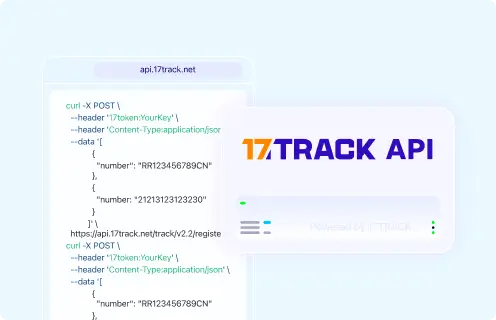
Businesses should separate the merchant order ID from the transport identifier, normalize carrier names, and record every available handoff event. 17TRACK can support multi-carrier workflows, while carrier-specific API access must be confirmed with the carrier’s current developer documentation.
Developer/API Comparison
| Option | Provider | ||||||||||
|---|---|---|---|---|---|---|---|---|---|---|---|
View all details for official NUO API
| |||||||||||
| 17TRACK API | 17TRACK | ||||||||||
View all details for 17TRACK API
| |||||||||||
FAQ
Basic FAQs
Enter the transport tracking number on the supplied NUO website or in 17TRACK, then review the newest event and its location.
Look in the seller’s dispatch email, shipping label, receipt, or marketplace shipment panel; an order number may not work as a tracking number.
The format depends on the issuing transport document, so use the complete identifier exactly as supplied and avoid classifying the service from a prefix alone.
The first event normally appears after electronic data is matched with a physical acceptance or processing scan; label creation alone does not prove handover.
A scan gap can occur during collection, transport, customs, or partner handoff; check the latest event and ask the seller to investigate when the promised window is exceeded.
A service-specific NUO delivery standard was not established from the available evidence, so use the seller’s route and service estimate rather than an unsupported universal number.
Read the exception reason, verify the address and access details, and contact the seller or destination delivery operator named in the latest event.
Check the delivery location, household members, reception desk, neighbours, and proof of delivery, then ask the seller to open a delivery inquiry.
Notify the seller promptly, preserve packaging and photographs, and have the sender use the applicable carrier investigation or claim process.
Use the supplied NUO website for its current contact route, and contact the seller when the shipment number, order, refund, or claim requires sender authorization.
Expert FAQs
No; a number can be issued by a merchant, origin carrier, postal operator, or destination partner and still be recognized by a tracking platform.
Electronic pre-advice transfers shipment data, while physical handoff requires possession and a receiving scan; the first does not establish the second.
It may keep the origin identifier or receive a linked last-mile identifier, so retain every number shown by the merchant and destination operator.
No; arrival means the parcel is presented for processing, while release requires a separate customs decision or event.
No; address changes and delivery instructions must be requested from the seller, NUO, or the destination delivery partner according to service eligibility.
Businesses can review the 17TRACK API for multi-carrier tracking, while a current public official NUO API and its authentication requirements must be confirmed directly with NUO.
The sender commonly starts the carrier claim because the sender holds the shipping contract, but the applicable service terms determine who may file.
Platforms receive scans from different systems and at different times, so event wording and visibility can differ without proving that one record is incorrect.
Tracking API
// Carrier official API:
// Current public official tracking API not confirmed.

// 17TRACK API: verify the current carrier code in 17TRACK documentation.
POST https://api.17track.net/track/v2.4/register
Headers:
  17token: YourKey
  Content-Type: application/json

Body:
[
  {
    "number": "TRACKING_NUMBER",
    "carrier": "CARRIER_CODE"
  }
]
The 17TRACK carrier code for NUO must be taken from the current 17TRACK carrier directory or account documentation; it should not be guessed from the brand name.
Sources & References
- NUO official website. NUO
- 17TRACK — Global package tracking platform. 17TRACK
- 17TRACK API documentation. 17TRACK
17TRACK is an independent tracking platform and is not affiliated with NUO.
Track your package
Global express parcel tracking service