LTGJ Tracking
Please enter the LTGJ tracking number to check the latest shipping status.
About LTGJ
LTGJ is the English display name used for 义乌市朗腾供应链管理有限公司, a Yiwu-based supply-chain management company serving cross-border e-commerce, foreign-trade businesses and domestic merchants. Its published activities include international freight forwarding, warehousing, cross-border e-commerce logistics, purchasing agency and supply-chain management.
Carrier Overview
| Field | Verified information |
|---|---|
| Official name | 义乌市朗腾供应链管理有限公司 |
| Official website | https://www.ltgj-express.com/ |
| Carrier type | Supply-chain management company and international freight-forwarding provider. |
| Primary operating location | Yiwu, Zhejiang, China. |
| Published activities | International small parcels, international express, international dedicated lines, FBA first-mile services, warehousing, purchasing agency and customs-related services. |
| Official tracking entry | The homepage provides a package-number lookup field. |
| Parent organization | The reviewed company pages identify 义乌市朗腾供应链管理有限公司 as the operating company. |
Carrier Entity Relationships
| Entity | Relationship to LTGJ |
|---|---|
| 义乌市朗腾供应链管理有限公司 | This is the company identified on the official site and is the legal operating entity presented on the company pages. |
| International small parcels | International small parcels are a published LTGJ product category for cross-border shipments. |
| International express | International express is listed as a service category, although the product page does not publish a detailed service matrix. |
| International dedicated lines | International dedicated lines are listed as a product category for cross-border logistics. |
| Destination carriers | The website links to TNT, DHL, UPS and FedEx lookup resources; a link to a carrier does not by itself prove that the destination carrier accepted a particular parcel. |
| 17TRACK | 17TRACK can aggregate available events from supported carriers, but 17TRACK does not transport LTGJ shipments or decide claims, refunds or address changes. |
Quick Answer
Enter the shipment or package number supplied by the seller, shipping agent or LTGJ into the package lookup field on the official LTGJ website, or enter it into 17TRACK for an independent multi-carrier view. If no event appears, first check that you entered a tracking number rather than an order number, remove spaces or punctuation, and allow time for the first physical scan. 17TRACK is an independent tracking platform and cannot change delivery instructions, issue refunds or approve claims.
How to Track LTGJ Packages
Use the official LTGJ lookup when the shipper identifies LTGJ as the responsible logistics provider. Use 17TRACK when the shipment may move through several carriers or when you want a consolidated event history.
Tracking Paths
| Path | Steps |
|---|---|
| Official LTGJ lookup | Open the official website, locate the package query field, enter the shipment number, submit it, and compare the returned event with the seller’s dispatch notice. |
| 17TRACK lookup | Open 17TRACK, enter the number, allow carrier recognition, review the latest event and identify whether another carrier is responsible for the next movement. |
| Seller or freight agent | Ask the sender for the carrier-issued number, any destination-carrier number and the date the parcel was physically handed over. |
A tracking number identifies a shipment record; an order number identifies a purchase, and a reference number may identify a customer or warehouse transaction. A label number can exist before physical acceptance. The reviewed LTGJ pages provide a lookup field but do not publish a universal tracking-number pattern, so automatic recognition should be verified through the official lookup or 17TRACK.
Tracking Number Formats and Examples
LTGJ’s public pages do not publish a single normalized number format. Cross-border logistics may expose an origin forwarder number, a destination-carrier number or a merchant reference. Do not infer the service solely from a prefix.
Tracking Number Format
| Identifier family | Normalized pattern and use | ||||||||
|---|---|---|---|---|---|---|---|---|---|
| LTGJ shipment identifier | Use the exact identifier supplied by LTGJ or the seller. A public structure, fixed length and prefix rule are not published on the reviewed pages. | ||||||||
View all details for LTGJ shipment identifiers
| |||||||||
| Destination-carrier identifier | A partner may issue a separate last-mile number after handoff. Ask the seller or inspect later tracking events for the new identifier. | ||||||||
View all details for destination-carrier identifiers
| |||||||||
| Merchant order or reference ID | This identifies a purchase or internal transaction and should not be substituted for the shipment number. | ||||||||
| Postal or express partner number | A partner such as TNT, DHL, UPS or FedEx may have its own tracking record when that carrier performs a transport leg. | ||||||||
Use a redacted example such as LTGJ-XXXX-XXXX or #### #### #### only to explain entry format; never publish a real customer number. S10 postal identifiers, GS1 logistics labels and partner numbers should be treated as separate identifier families unless the shipper confirms that they are linked.
Tracking Statuses and Meanings
Status wording can differ between LTGJ, a freight partner and a destination carrier. The responsible party changes as the shipment moves through the network.
Status Quick Lookup
| Status | Meaning and next action |
|---|---|
| Label created / shipment information received | Electronic data exists, but physical acceptance may not have occurred. The sender should confirm handover. |
| Accepted / picked up | A logistics party has recorded receipt. Continue monitoring sorting and line-haul events. |
| In transit | The shipment is moving between facilities or transport legs. Contact the sender if the record remains unchanged beyond the seller’s stated window. |
| Customs or handover | The shipment may be undergoing import/export processing or transfer to another carrier. Customs arrival is not the same as customs release. |
| Out for delivery | The last-mile carrier has assigned the shipment to a delivery route. Keep the address and delivery contact available. |
| Delivered | A delivery scan was recorded. Check the delivery location, household, reception desk and neighbors before escalating. |
| Exception or delivery failed | A transport, address, access or customs issue needs attention. The sender or responsible carrier should review the event details. |
| Returned to sender | The shipment is moving back after an unsuccessful delivery, address problem, refusal, customs issue or service restriction. |
Services and Delivery Times
The official site lists international small parcels, international express, international dedicated lines, FBA air and sea services, European FBA air and sea services, warehousing and related supply-chain services. Published pages do not provide a universal delivery standard or guaranteed delivery date.
Service Comparison
| Service | Published use |
|---|---|
| International small parcels | Cross-border small-parcel logistics for international destinations. |
| International express | International express category listed by LTGJ; route, carrier and service conditions depend on the quotation. |
| International dedicated lines | Route-specific cross-border logistics for selected destination markets. |
| FBA air and sea | First-mile logistics supporting Amazon FBA shipments, including United States and European categories listed on the site. |
| Warehousing and fulfillment | Domestic and overseas warehousing, sorting, packing, labeling and related supply-chain support. |
Delivery Time
| Service | Delivery-time guidance |
|---|---|
| International small parcels | Varies by origin, destination, route, customs and last-mile service; no general published standard is shown on the reviewed product pages. |
| International express | The quotation and selected express carrier determine the applicable estimate. |
| Dedicated lines and FBA logistics | Transit depends on the origin warehouse, line-haul plan, destination appointment, customs and fulfillment network. |
Destination Country Delivery Times
| Destination region | Reliable planning guidance |
|---|---|
| United States, Canada and Mexico | Request a route-specific estimate. Customs, remote-area delivery and destination-carrier handoff can change the final date. |
| United Kingdom and European countries | Request the selected dedicated-line or express quotation. Import documentation and tax processing can affect delivery. |
| Australia and New Zealand | The applicable estimate depends on the selected service, destination postcode and customs processing. |
| Southeast and East Asia | Ask LTGJ for the route-specific standard because service type and destination handoff differ by country. |
| Other listed destinations | The homepage includes a broad destination selector, but a country-by-country transit table is not published on the reviewed pages. |
Do not treat a seller’s estimated delivery window as a guaranteed service commitment. Weather, holidays, peak season, address quality, customs, prohibited items, flight capacity and missing scans can all affect the actual result.
Common Tracking Problems and Solutions
Start with the latest event, the shipment number and the party that physically holds the parcel. The seller normally controls the commercial order and can ask LTGJ or a freight partner to investigate.
Problem & Solution
| Problem or status | Immediate action |
|---|---|
| Invalid number | Check every character, remove spaces, and ask the seller whether the number is an order ID or a partner number. |
| No tracking events | Confirm physical handover and allow time for the first scan; the seller should contact the shipping agent if dispatch was promised. |
| Label created | Treat it as electronic preparation rather than proof of acceptance. Ask the sender for the handover date. |
| Long gap in transit | Check customs, line-haul and handoff events on both the official lookup and 17TRACK, then ask the seller to open an inquiry. |
| Delivery exception or address error | Provide the correct address to the seller immediately. Do not assume that 17TRACK can edit the shipment. |
| Delivered but missing | Check the entrance, mailbox, reception desk, household members and neighbors; then request proof of delivery and ask the seller to escalate. |
| Returned to sender | Ask why it was returned, whether re-shipment is possible and who bears any new freight or customs cost. |
| Lost or damaged | Preserve packaging and photographs, record the value and notify the seller or contracting shipper so the correct inquiry or claim route can be selected. |
International Shipping, Customs and Carrier Handoffs
LTGJ’s published services cover international logistics, but a specific shipment may be handled by an origin partner, a line-haul provider, customs authorities and a destination carrier. A handoff event shows a change in operational responsibility; it does not necessarily mean the parcel has cleared customs.
International Flow
| Stage | What customers should understand |
|---|---|
| Origin preparation | The merchant or warehouse prepares the shipment and transmits information. A label event is not physical acceptance. |
| Origin pickup and export processing | LTGJ or an origin logistics partner receives, sorts and prepares the shipment for export. |
| Export customs and security | Authorities and logistics operators check export documentation and transport eligibility. |
| Line-haul | Air, sea, rail or other transport moves the shipment internationally; scan frequency may decrease. |
| Destination import processing | The destination country may assess declarations, taxes, duties and admissibility before release. |
| Partner handoff and last mile | A destination carrier may receive the physical parcel and provide the next delivery scan. The original number may continue, or a second number may be introduced. |
| Delivery or return | The destination carrier delivers, holds, attempts redelivery or returns the parcel according to local rules. |
For customs questions, the importer or recipient should prepare an accurate description, value, invoice and any requested authorization. Ask the seller which party is responsible for duties and taxes under the selected service.
Delivery Management and Post-shipment Options
The reviewed LTGJ pages do not publish a self-service redirection, interception, pickup, signature or proof-of-delivery program. Delivery requests should therefore be made through the seller or the carrier currently holding the shipment.
Lost, Damaged, Claims, Insurance and Refunds
A tracking inquiry, transport investigation, insurance claim, postage refund and marketplace refund are different processes. The contracting shipper or seller normally has the documents needed to start a logistics claim.
| Process | Use and responsible party |
|---|---|
| Tracking inquiry | Use when an event is unclear or missing. The recipient can ask the seller; the seller or shipper should contact LTGJ or the operating partner. |
| Loss or damage investigation | The contracting shipper should provide the number, dispatch record, contents, value, photographs and packaging evidence. |
| Insurance or compensation claim | Eligibility, filing period and compensation depend on the selected service and contract. Obtain the applicable terms from the seller or LTGJ before filing. |
| Marketplace refund | The buyer requests a commercial refund from the seller or marketplace; 17TRACK cannot approve it. |
Shipping Restrictions and Special Handling
International shipments must comply with origin, transit and destination-country rules. The correct restrictions depend on the route, transport mode, destination carrier and commodity declaration.
| Category | Practical implication |
|---|---|
| Dangerous goods | Items classified as dangerous goods require route-specific acceptance and documentation and may be refused or delayed. |
| Batteries and liquids | Packaging, declaration and transport-mode restrictions may apply; ask before dispatch. |
| Perishable or fragile goods | Packaging and transit conditions should be agreed with the shipping provider before handover. |
| Customs-controlled goods | Incomplete descriptions, incorrect values or missing permits can cause inspection, return or seizure under local law. |
Customer Service
Prepare the tracking number, order number, sender and recipient details, dispatch date, service category, latest scan, item description, declared value and photographs where relevant. Start with the seller for a marketplace purchase, then ask the contracting logistics party to escalate to LTGJ.
| Channel | Verified contact and best use |
|---|---|
| Official website | LTGJ official website — package lookup, service categories and company navigation. |
| Telephone | 13958443110 — displayed on the official website. Confirm availability and language when calling. |
| Contact page | LTGJ contact page — company contact entry. |
| Seller or marketplace | Best for address corrections, commercial refunds, order disputes and requesting a carrier investigation. |
Ecommerce and Business Tracking
Merchants should store the LTGJ shipment identifier together with the order ID, destination-carrier number, service category and dispatch timestamp. This makes WISMO support easier when a parcel moves across multiple logistics systems.
Developer/API Comparison
| Option | Provider | ||||||||
|---|---|---|---|---|---|---|---|---|---|
| Official LTGJ integration | LTGJ | ||||||||
View all details for the official LTGJ integration
| |||||||||
| 17TRACK API | 17TRACK | ||||||||
View all details for the 17TRACK API
| |||||||||
FAQ
Basic FAQs
Enter the shipment number on the official LTGJ website or use 17TRACK to review available events.
Check the seller’s dispatch message, marketplace order page, shipping label or freight-forwarder notice.
LTGJ’s reviewed public pages do not publish one universal format, so use the exact number supplied by the shipper.
Check for typing errors, distinguish the shipment number from the order number, and ask the seller whether the parcel has been physically handed over.
International transport, customs and carrier handoffs can create scan gaps; ask the seller to investigate when the stated delivery window has passed.
The estimate depends on the selected service, origin, destination, customs and last-mile carrier; the reviewed pages do not publish one general transit standard.
Review the exception, give the seller the correct address and ask which carrier currently controls the parcel.
Check the delivery location, household members, reception desk and neighbors, then ask the seller for proof of delivery and an investigation.
Contact the seller or contracting shipper with the tracking number, packaging, photographs, contents and value evidence.
Use the official contact page or the telephone number displayed on the official website, 13958443110.
Expert FAQs
No conclusion should be drawn from a lookup link alone; TNT, DHL, UPS and FedEx may be transport partners or reference systems for particular routes.
Not necessarily; a destination carrier may issue or manage its own identifier after handoff.
No; arrival at a customs facility and customs release are separate events, and the importer may still need to provide documents or pay charges.
The official site lists international small parcels, international express, international dedicated lines, FBA logistics, warehousing and supply-chain services.
The reviewed official pages show a browser lookup field but do not publish public API documentation; businesses should request integration information directly or use a documented multi-carrier provider.
No; address changes must be requested from the seller, contracting shipper or carrier currently responsible for delivery.
Tracking API
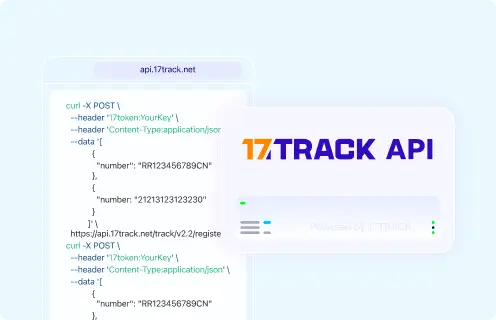
The official LTGJ pages reviewed for this guide provide browser-based package lookup and do not publish a current public LTGJ API endpoint. The following example is for the documented 17TRACK API. Replace the carrier placeholder only after confirming the current 17TRACK carrier directory.
// Official LTGJ API: current public endpoint not published on the reviewed pages.
// 17TRACK API: https://api.17track.net/track/v2.4/register

POST /track/v2.4/register HTTP/1.1
Host: api.17track.net
17token: YourKey
Content-Type: application/json

[
  {
    "number": "TRACKING_NUMBER",
    "carrier": "CARRIER_CODE"
  }
]
Sources & References
- LTGJ official homepage and package lookup. 义乌市朗腾供应链管理有限公司
- Company introduction. 义乌市朗腾供应链管理有限公司
- International small parcels. 义乌市朗腾供应链管理有限公司
- International express. 义乌市朗腾供应链管理有限公司
- International dedicated lines. 义乌市朗腾供应链管理有限公司
- Contact LTGJ. 义乌市朗腾供应链管理有限公司
- 17TRACK API documentation. 17TRACK
17TRACK is an independent tracking platform and is not affiliated with LTGJ.
Track your package
Global express parcel tracking service