LIB Tracking
Please enter the LIB tracking number to check the latest shipping status.
About LIB
LIB(LiBaoTongXu Supply Chain or 莆田市利葆通旭供应链有限公司) is the carrier name supplied for this tracking guide. Enter the shipment identifier issued or displayed by the seller, shipping label, receipt, or LIB tracking service. The supplied official website is http://www.libaotongxu.cn/.
| Field | Available reference |
|---|---|
| Official website | http://www.libaotongxu.cn/ |
| Carrier name | LIB |
| Tracking route | Use the LIB website or 17TRACK after a valid shipment identifier is available. |
A marketplace, freight forwarder, origin postal operator, or destination delivery company may issue or scan a number associated with a LIB shipment. A tracking result therefore identifies an event source; it does not by itself prove which company created the label or currently holds the parcel.
Quick Answer
Copy the shipment tracking number, not the order number, into the LIB tracking page or 17TRACK. If no result appears, check every character, remove spaces or punctuation, wait for the first physical scan, and ask the seller which company accepted the parcel. 17TRACK is an independent tracking platform; it does not transport parcels, change addresses, approve refunds, or decide claims.
How to Track LIB Packages
| Route | Steps |
|---|---|
| Official LIB route | Open the supplied LIB website, locate its tracking function, enter the shipment identifier, and retain the displayed event history. |
| 17TRACK route | Open 17TRACK, paste the identifier, allow carrier recognition, and compare the latest event with the seller’s dispatch information. |
| No usable result | Confirm that the number is a tracking number rather than an order or reference ID; then ask the sender to verify the carrier and handoff status. |
A label-created event can precede physical acceptance. The first carrier scan may appear only after collection, sorting, or a partner handoff. Recipients should contact the seller for shipment facts; senders should contact the shipping provider shown on the receipt or account.
Tracking Number Formats and Examples
LIB-specific numbering rules and public sample identifiers require confirmation from a working official tracking or service document. Do not infer the service solely from a prefix. Use a redacted pattern such as LIB######## only as a placeholder, never as a live number.
| Identifier family | Normalized pattern | ||||||||||
|---|---|---|---|---|---|---|---|---|---|---|---|
| LIB shipment identifier | Use the exact identifier shown by the sender; a redacted example is LIB########. | View all details for LIB shipment identifiers
| |||||||||
Tracking Statuses and Meanings
| Status | Meaning and next action |
|---|---|
| Label created | Electronic data exists, but physical acceptance may not have occurred. Ask the sender to confirm collection. |
| In transit | A movement scan has been recorded. Compare the latest location and date before escalating. |
| Customs or handoff | A border agency or another delivery party may be processing the shipment. Check the destination authority or seller for required information. |
| Out for delivery | The delivery agent has assigned the shipment for a delivery attempt. Monitor the address and delivery instructions. |
| Delivered | A delivery scan was recorded. Check the entrance, mailbox, reception desk, household members, and neighbors before contacting the sender. |
| Exception or return | A delivery obstacle or return process has been recorded. The sender should request the carrier’s investigation or correction path. |
Services and Delivery Times
Select the service shown on the shipping receipt or seller record. A tracking page alone does not establish a delivery promise, guarantee, price, or service coverage.
Service Comparison
| Service record | What to verify |
|---|---|
| Service selected by sender | Coverage, tracking level, weight and size rules, delivery standard, protection, and restrictions must be taken from the applicable receipt or service terms. |
Delivery Time
| Shipment | Timing guidance |
|---|---|
| LIB shipment | Use the applicable service standard or estimate supplied by the sender or LIB; customs, weekends, address quality, weather, peak volume, and partner handoffs can change the delivery date. |
Destination Country Delivery Times
| Destination | Planning guidance |
|---|---|
| Destination country or region | Use the route-specific estimate supplied for the actual service and origin; country-level averages cannot replace a carrier service standard. |
Common Tracking Problems and Solutions
| Problem/status shown | Immediate solution |
|---|---|
| Invalid number | Re-enter the number exactly, remove punctuation, and ask the seller to distinguish it from an order ID. |
| No update | Check the last scan date and handoff party; the sender should open an inquiry when the applicable service terms permit it. |
| Delivery exception or failed attempt | Review the address and notice, follow the destination carrier’s instructions, and ask the sender about redelivery or return options. |
| Delivered but missing | Check all safe locations, reception, household members, and neighbors; request proof of delivery and notify the seller promptly. |
| Loss or damage | Preserve packaging, photographs, invoices, and the tracking record. The eligible claimant should use the applicable carrier or seller claim process. |
International Shipping, Customs and Carrier Handoffs
| Stage | Customer guidance |
|---|---|
| Origin processing | Electronic pre-advice and a label do not necessarily mean the parcel has been physically accepted. |
| Export and line-haul | Security, export procedures, transport capacity, and missed scans can create visibility gaps. |
| Import customs | Arrival in a destination country is not the same as customs release. The importer may need to provide information or pay charges. |
| Destination handoff | A postal operator, courier, or local delivery partner may perform the final delivery while retaining or assigning a related identifier. |
The seller is usually the most effective contact for confirming the route, declared contents, and commercial terms. The recipient should follow destination customs or delivery instructions and should not treat a partner scan as proof that LIB physically accepted the parcel.
Customer Service
| Channel | Use and preparation |
|---|---|
| LIB website | Open the supplied LIB website for the current tracking and contact routes; prepare the tracking number and latest event. |
| Seller or marketplace | Use this route for an uncollected label, incorrect address, refund, order dispute, or shipment investigation initiated by the sender. |
| Destination delivery party | Use the local delivery contact shown in the latest handoff event for delivery attempts, pickup, duties, or proof of delivery. |
FAQ
Basic FAQs
Enter the shipment tracking number on the supplied LIB website or 17TRACK, then compare the latest event with the seller’s dispatch record.
Look on the shipping receipt, label, dispatch email, marketplace shipment page, or message from the seller.
An order number identifies a purchase, while a tracking number identifies a transport record; ask the seller when the two appear together.
The label may exist before physical acceptance, or the number may be entered incorrectly; recheck it and ask the sender to verify collection.
Sorting, transport, customs, or a partner handoff can delay the next scan; use the last event to identify the responsible party.
The delivery estimate depends on the purchased service, origin, destination, customs, and local delivery conditions.
Read the delivery notice, verify the address, and follow the redelivery or pickup instructions provided by the delivery party.
Check the delivery location, household members, reception, and neighbors, then request proof of delivery and contact the seller.
The eligible sender or claimant should use the applicable carrier claim process, while the buyer should also notify the seller and preserve evidence.
Start with the supplied LIB website and prepare the tracking number, shipment date, address, latest scan, contents, value evidence, and photographs.
Expert FAQs
No; a tracking result can combine events from a seller, origin carrier, partner, or destination delivery party, so issuance must be checked against the label or receipt.
A handoff event indicates that shipment information or custody may have moved between transport parties; a partner scan is not necessarily a physical acceptance scan.
No; arrival means the shipment reached an import processing stage, while release requires the applicable customs process and any required information or charges.
A destination or last-mile partner may display a linked identifier; retain the original number and ask the seller for any associated local number.
No; 17TRACK aggregates available events and cannot redirect a parcel, release customs, approve a claim, or issue a refund.
Tracking API
// Carrier official API: current public documentation was not established from the available evidence.
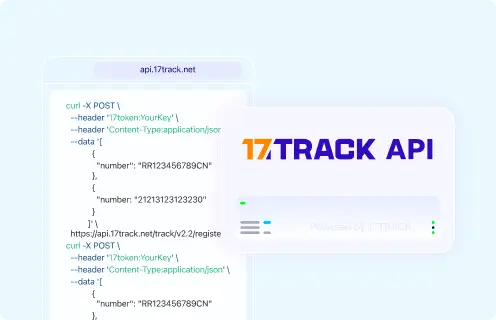
// 17TRACK API: POST https://api.17track.net/track/v2.4/register
// Headers: 17token and Content-Type: application/json
POST https://api.17track.net/track/v2.4/register
17token: YourKey
Content-Type: application/json

[
  {
    "number": "TRACKING_NUMBER",
    "carrier": "CARRIER_CODE"
  }
]
Sources & References
- LIB — supplied official website. LIB
- 17TRACK API Documentation. 17TRACK
17TRACK is an independent tracking platform and is not affiliated with LIB.
Track your package
Global express parcel tracking service