JPSGJ Tracking
Please enter the JPSGJ tracking number to check the latest shipping status.
About JPS
JPS is the carrier name supplied for this tracking page. The official website provided for JPS is the primary place to verify service descriptions, shipment eligibility, tracking instructions and contact routes before taking action on a parcel.
| Verified field | Current reference |
|---|---|
| Carrier display name | JPS |
| Official website | JPS official website |
| Tracking responsibility | Shipment events should be interpreted from the tracking result and the party currently holding the parcel. |
A marketplace order number is not automatically a JPS tracking number. If a seller gives several identifiers, try the parcel or waybill identifier first and retain the order number for communication with the seller.
Quick Answer
Enter the parcel identifier supplied by the merchant or sender into the JPS tracking tool, when available, or into 17TRACK. If no result appears, check spelling, remove copied spaces, confirm that the seller has handed over the parcel, and ask the seller which carrier actually received it.
How to Track JPS Packages
Use the identifier shown on the shipping confirmation, parcel label or sender receipt. The official JPS website is the first route for carrier-specific information; 17TRACK is useful when a shipment changes carriers or when several carriers are involved.
| Step | Action |
|---|---|
| 1 | Copy the parcel, waybill or shipment identifier exactly as supplied by the sender. |
| 2 | Check the official JPS website or enter the identifier in 17TRACK. |
| 3 | Compare the latest event, event location and event date with the promised delivery window. |
| 4 | For a missing result, confirm activation timing with the sender; for a delivery problem, contact the sender and the carrier route shown in the latest event. |
Tracking Number Formats and Examples
A verified public JPS numbering specification is required before a prefix, length or service can be identified reliably. Do not infer the service from a short prefix alone. Use a redacted identifier such as JPS #### #### or XXXX#### in public discussions.
Tracking Number Format
| Identifier family | Normalized pattern |
|---|---|
| Parcel or waybill identifier | Use the exact identifier supplied by the sender; redact most characters before publication. |
| Merchant order or reference number | Usually identifies the purchase rather than the physical shipment; enter it only if the tracking tool explicitly accepts it. |
| Partner or last-mile identifier | A destination or handoff carrier may display a second identifier; the seller can confirm whether it is linked to JPS. |
Tracking Statuses and Meanings
Tracking status text describes the latest recorded event, not necessarily the parcel’s exact physical position. “Label created” generally indicates electronic preparation, while acceptance requires a carrier scan or another confirmed handoff event.
Status Quick Lookup
| Status | Lifecycle stage |
|---|---|
| Label created or pre-shipment | Pre-shipment; electronic data may exist before physical acceptance. |
| Accepted or received | Carrier intake; sorting or transport normally follows. |
| In transit | Movement between processing points; scans can be intermittent. |
| Customs or handoff | Border, import review or transfer to another delivery party; arrival does not equal customs release. |
| Out for delivery | A delivery route has been assigned; monitor the address and delivery instructions. |
| Delivered, pickup or return | Delivery completion, collection availability or movement back to the sender; verify the event location and contact the sender if the parcel is missing. |
Services and Delivery Times
A JPS delivery estimate depends on the service purchased, origin, destination, handoffs, address quality, weekends, holidays, customs and service interruptions. Treat a marketplace promise as separate from a carrier service guarantee.
Service Comparison
| Service | Best use |
|---|---|
| JPS service selected by the sender | Confirm coverage, tracking level, size limits and delivery estimate from the shipment documentation. |
Delivery Time
| Timing item | How to use it |
|---|---|
| Seller or booking estimate | Use the origin, destination and selected service shown on the order or shipping document. |
| Tracking-based estimate | Use the latest scan and actual movement; it can change after handoff or customs processing. |
| Guarantee | Only treat delivery as guaranteed when the applicable JPS service terms expressly say so. |
Destination Country Delivery Times
Country-level delivery ranges should be taken from the selected JPS service and shipment origin. A generic country table would risk presenting unsupported transit promises; customs and last-mile handoff can materially change the result.
Common Tracking Problems and Solutions
Problem & Solution
| Problem or status shown | Immediate action |
|---|---|
| Invalid number | Remove spaces and punctuation, compare every character with the seller’s notice, and ask the sender to confirm the parcel identifier. |
| No tracking event | Allow time for data activation, then verify whether the parcel has physically entered the carrier network. |
| No update for several days | Check the promised window, weekends, customs and handoff events; ask the seller to open any available inquiry. |
| Delivered but not received | Check the entrance, mailbox, household members, reception desk and neighbours; then request delivery evidence and contact the sender promptly. |
| Address, failed delivery or return | Contact the sender and the active delivery party shown in tracking; only the eligible party can request correction or recovery. |
| Customs or damage concern | Keep invoices, photographs and packaging, and follow the carrier or seller’s service-specific inquiry or claim process. |
International Shipping, Customs and Carrier Handoffs
For an international shipment, the latest tracking event identifies the party with the most recent recorded scan. Electronic pre-advice, physical handoff, customs arrival and customs release are separate events.
International Flow
| Stage | What it means |
|---|---|
| Origin acceptance and export processing | The origin party receives or prepares the parcel for dispatch and export checks. |
| Line-haul and border movement | The shipment moves between transport networks; scan gaps may occur. |
| Import customs | Authorities or their appointed agents assess declarations, duties and admissibility. |
| Destination handoff and last mile | A destination delivery party may scan, deliver, hold or return the parcel. |
Lost, Damaged, Claims, Insurance and Refunds
Tracking inquiries, carrier investigations, insurance claims, postage refunds and marketplace refunds are different processes. The sender should normally preserve the shipping receipt, invoice, contents description, value evidence, photographs and original packaging.
Shipping Restrictions and Special Handling
Before shipping, check the current JPS rules and the destination-country requirements for dangerous goods, batteries, liquids, perishables, valuables, medicines and restricted imports. Incorrect declarations or packaging can cause refusal, inspection, delay or return.
Customer Service
Customer Service
| Channel | Best use |
|---|---|
| JPS official website | Start with the current tracking, service or contact route shown on the official website. |
| Sender or marketplace | Use this route for order disputes, seller promises, replacement requests and cases where the sender must open an inquiry. |
| 17TRACK | Use for aggregated tracking visibility; 17TRACK cannot alter delivery or approve a claim. |
Prepare the tracking number, shipping date, origin and destination, latest event, delivery address, service name, contents description and value evidence before escalating.
Ecommerce and Business Tracking
Merchants should retain the carrier identifier separately from the order number, normalize events across carriers, monitor exceptions and provide the latest actionable event to customers. Confirm JPS API capabilities directly before promising batch, webhook or notification functions.
Developer/API Comparison
| Option | Provider |
|---|---|
| Official carrier integration | JPS |
| Multi-carrier integration | 17TRACK |
FAQ
Basic FAQs
Enter the parcel identifier on the official JPS website or use 17TRACK to view available shipment events.
Check the seller’s shipping notice, parcel label, shipment receipt or order shipping section.
Use the exact identifier supplied by the sender; JPS service-specific formats should be verified through the official tracking route.
The first event appears after shipment data is activated and a carrier or partner records an applicable event.
A scan gap can occur during sorting, transport, customs or handoff; compare the gap with the promised window and ask the sender to investigate when appropriate.
Delivery depends on the selected service, route, customs, address and handoffs; use the shipment-specific estimate rather than a generic promise.
Review the event instructions, confirm the address and contact the sender or active delivery party shown in tracking.
Check delivery locations, household members, reception staff and neighbours, then request delivery evidence and contact the sender promptly.
Preserve the packaging and evidence, then follow the applicable carrier or sender inquiry and claim process.
Use the contact route published on the official JPS website and include the shipment identifier and latest event.
Expert FAQs
No. A tracking platform can associate an identifier with JPS events even when the identifier originated with a merchant, partner or another carrier.
Not necessarily; electronic pre-advice and physical acceptance are different events, so look for a receiving scan or explicit acceptance wording.
No. Customs arrival indicates processing at the border; release requires a separate clearance decision or event.
Yes, international and marketplace shipments can display linked origin, carrier or last-mile identifiers; ask the sender to confirm the relationship.
Businesses should verify current JPS developer documentation or use a documented 17TRACK integration for supported multi-carrier workflows.
Tracking API
// JPS official tracking API:
// Current public official tracking API documentation was not established
// from the available authoritative evidence. Verify with JPS before integrating.
//
// 17TRACK API
// Documentation: https://api.17track.net/en/doc
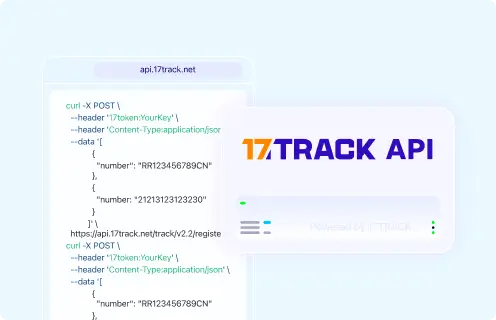
POST https://api.17track.net/track/v2.4/register
Headers:
  17token: YourKey
  Content-Type: application/json

Body:
[
  {
    "number": "TRACKING_NUMBER",
    "carrier": "CARRIER_CODE"
  }
]

// Use the current 17TRACK carrier directory to confirm CARRIER_CODE for JPS.
Sources & References
- JPS official website. JPS
- 17TRACK API documentation. 17TRACK
17TRACK is an independent tracking platform and is not affiliated with JPS.
Track your package
Global express parcel tracking service