About EasyPost
EasyPost is a shipping technology and API platform, not a consumer retailer, marketplace, or DTC store. It provides shipping, rating, label, tracking, address verification, insurance, and related logistics tools that merchants, platforms, and developers can use to manage shipments through supported carriers.
Brand Entity & Order Ownership
| Entity / order party | Role in the order |
|---|
| EasyPost | Shipping API and logistics technology provider used by businesses. |
View all details for EasyPost| What it controls | API objects, label purchase workflows, tracker objects, webhook events, account tools, and documentation for business users. |
|---|
| What it cannot control | It does not own the buyer’s retail order, choose the merchant’s refund policy, or physically deliver the parcel. |
|---|
| Why it matters to tracking | A package may have been created through EasyPost even though the buyer purchased from a separate store; the store remains the order owner. |
|---|
|
| Buyer account | The account at the merchant, marketplace, or store where the purchase was placed. |
View all details for buyer account| What it controls | Order history access, delivery address on the retail order, order email preferences, and return or cancellation requests when the merchant permits them. |
|---|
| What it cannot control | Carrier scans after handoff, EasyPost API credentials, or the seller’s internal fulfillment schedule. |
|---|
| Why it matters to tracking | The buyer often needs the merchant order page or order email to find the carrier tracking number before using 17TRACK. |
|---|
|
| Seller or merchant | The business that sold the goods and may create labels or trackers with EasyPost. |
View all details for seller or merchant| What it controls | Order acceptance, packing, split shipments, carrier service selection, buyer support, cancellations, returns, and refunds. |
|---|
| What it cannot control | Every carrier facility scan or local delivery attempt once the carrier has possession. |
|---|
| Why it matters to tracking | If the merchant has not shipped, EasyPost and 17TRACK usually cannot show meaningful carrier movement. |
|---|
|
| Fulfillment party | Warehouse, 3PL, platform fulfillment service, store location, or seller shipping team. |
View all details for fulfillment party| What it controls | Picking, packing, label application, carrier handoff, and sometimes return receipt processing. |
|---|
| What it cannot control | Refund approval, payment reversal, or carrier network delays after acceptance. |
|---|
| Why it matters to tracking | A label can be created before the parcel is physically scanned by the carrier. |
|---|
|
| Carrier or last-mile carrier | The postal, parcel, freight, or delivery network transporting the package. |
View all details for carrier or last-mile carrier| What it controls | Acceptance scans, in-transit events, delivery attempts, proof of delivery where available, exceptions, and return-to-sender movement. |
|---|
| What it cannot control | Retail refund decisions, seller inventory, or whether the merchant gives the buyer the tracking number. |
|---|
| Why it matters to tracking | 17TRACK depends on available carrier tracking data; missing carrier scans can limit visibility. |
|---|
|
| Payment or refund channel | Merchant checkout, marketplace payment system, card provider, wallet, or invoicing system. |
View all details for payment or refund channel| What it controls | Payment authorization, refund posting, disputes, chargebacks, and transaction records according to its own rules. |
|---|
| What it cannot control | Carrier delivery scans or EasyPost tracker events. |
|---|
| Why it matters to tracking | A delivered or returned tracking status does not automatically prove a refund has been approved or posted. |
|---|
|
| 17TRACK relationship | Independent package tracking platform for carrier tracking numbers. |
View all details for 17TRACK relationship| What it controls | Displaying available tracking events for supported carrier tracking numbers and helping identify carriers when possible. |
|---|
| What it cannot control | Private EasyPost account data, merchant order details, address edits, claims, returns, refunds, or seller communication. |
|---|
| Why it matters to tracking | Use 17TRACK when you have a carrier tracking number; use the merchant or EasyPost business account when you only have internal order data. |
|---|
|
Pro Tip: If an order confirmation says a shipment was “powered by EasyPost” or the tracking page uses EasyPost data, contact the store that sold the item for order changes, refunds, and missing-item issues; contact the carrier for delivery evidence; use 17TRACK for carrier-visible tracking events.
Quick Answer
To track a package associated with EasyPost, first find the carrier tracking number in the merchant’s order page, shipment email, SMS notification, or EasyPost-generated tracking page supplied by the merchant. Then track that number on the carrier website or with 17TRACK.
If you only have a retail order number, invoice number, payment ID, or seller reference, 17TRACK usually cannot use it. EasyPost is not the seller of most consumer purchases and cannot normally resolve refund, exchange, wrong-item, or cancellation requests for buyers.
Quick Tracking Decision Table
| What you have | Best next step |
|---|
| Carrier tracking number | Track it on 17TRACK or the official carrier website. |
View all details for carrier tracking number| What 17TRACK can do | Show available carrier events and help detect a carrier when supported. |
|---|
| What 17TRACK cannot do | Open private EasyPost shipment data, edit the delivery address, contact the seller, or approve refunds. |
|---|
|
| Merchant order number | Open the store’s order page or order email to find the shipment tracking number. |
View all details for merchant order number| Who can use it | The merchant, marketplace, or seller support team can identify the purchase with it. |
|---|
| Limitation | It does not prove carrier possession and is usually not accepted by carrier tracking tools. |
|---|
|
| No tracking number | Check the shipping confirmation email or ask the seller whether the order has shipped. |
View all details for no tracking number| Likely explanation | The order may still be processing, the label may not be created, the shipment may be untracked, or the merchant may not have shared the number yet. |
|---|
| Escalation | Contact the selling store first, not 17TRACK, because the store controls buyer-facing order communication. |
|---|
|
How to Track EasyPost Orders
EasyPost does not provide a universal consumer “Your Orders” page for purchases from unrelated stores. Buyers should start with the merchant’s account or shipment notification, while business users should use the EasyPost dashboard, Trackers API, webhooks, or the carrier tracking number connected to the shipment.
Tracking Path Comparison
| Tracking path | Use when |
|---|
| Merchant account or order page | You bought from a store that may use EasyPost behind the scenes. |
View all details for merchant account or order page| Identifier needed | Merchant login, email address, order number, or order link. |
|---|
| What you can see | Order status, shipment status if shared, split shipments, seller messages, and return options. |
|---|
| Best next step | Open the order, look for shipment, tracking, carrier, or package sections, then copy the carrier tracking number. |
|---|
| Important limitation | EasyPost cannot log you into the merchant’s private order system. |
|---|
|
| Shipping email or SMS | You received a dispatch, label, or tracking notification. |
View all details for shipping email or SMS| Identifier needed | Tracking number or tracking link in the message. |
|---|
| What you can see | Carrier link, estimated delivery if provided, tracking history, and sometimes a branded tracking page. |
|---|
| Best next step | Use the tracking number in 17TRACK or follow the merchant-provided tracking link. |
|---|
| Important limitation | A message that a label was created may appear before the carrier has scanned the parcel. |
|---|
|
| 17TRACK | You have a carrier tracking number and want consolidated tracking. |
View all details for 17TRACK| Identifier needed | Carrier tracking number, not the merchant order number. |
|---|
| What you can see | Available tracking events from carrier data sources supported by 17TRACK. |
|---|
| Best next step | If events stop updating, compare with the carrier site and ask the merchant to confirm shipment handoff. |
|---|
| Important limitation | 17TRACK cannot display private EasyPost account fields unless they are reflected in trackable carrier events. |
|---|
|
| Carrier website | You need delivery attempt details, proof of delivery, pickup location, or carrier-specific instructions. |
View all details for carrier website| Identifier needed | Carrier tracking number and sometimes destination ZIP or postal code. |
|---|
| What you can see | Official carrier scans, delivery options where available, pickup instructions, and local delivery exceptions. |
|---|
| Best next step | Use carrier delivery tools for delivery instructions, rescheduling, or claim guidance when available. |
|---|
| Important limitation | The carrier may direct refund or missing-item issues back to the merchant because the merchant is the shipper of record. |
|---|
|
| EasyPost dashboard or API | You are the merchant, developer, or account owner using EasyPost. |
View all details for EasyPost dashboard or API| Identifier needed | EasyPost account access, tracker ID, shipment ID, or carrier tracking code stored in your system. |
|---|
| What you can see | EasyPost shipment and tracker objects, tracking status, tracking details, and webhook-related data according to account permissions. |
|---|
| Best next step | Use the EasyPost documentation for Trackers, Shipments, and Webhooks, or contact EasyPost support through the account support route. |
|---|
| Important limitation | This path is for EasyPost customers, not recipients who bought from an independent store. |
|---|
|
| Guest or gift order route | Someone else purchased the item or you checked out without a store account. |
View all details for guest or gift order route| Identifier needed | Merchant order link, recipient email, purchaser-provided tracking number, or gift receipt if the store supports it. |
|---|
| What you can see | Only what the merchant or purchaser shares; EasyPost does not provide universal guest order lookup. |
|---|
| Best next step | Ask the purchaser or merchant for the carrier tracking number while avoiding full payment information sharing. |
|---|
| Important limitation | Privacy rules may prevent a merchant from discussing the full order with a gift recipient. |
|---|
|
For a normal buyer journey: sign in to the store where you purchased, open the order list, select the order, check whether it is split into multiple shipments, copy each carrier tracking number, and track each package separately. If the store only shows “label created,” wait for a carrier acceptance scan or ask the seller whether the parcel has been handed over.
Order Numbers, Tracking Numbers and Where to Find Them
The key distinction is simple: a retail order number identifies a purchase in the store’s system; a carrier tracking number identifies a parcel in a delivery network. 17TRACK works with carrier tracking numbers, not with private merchant order numbers or EasyPost account-only IDs.
Identifier & Tracking Number Guide
| Identifier type | Where users find it |
|---|
| Brand or merchant order number | Order confirmation email, store account, invoice, or marketplace order page. |
View all details for merchant order number| Looks like / example | STORE-1000-#### or ORD-####; examples are illustrative and not EasyPost official formats. |
|---|
| Who issues it | The store, marketplace, or seller order system. |
|---|
| Can 17TRACK use it? | Usually no; first locate the carrier tracking number. |
|---|
| What it can and cannot prove | It proves a purchase record with the merchant, but not carrier custody or delivery. |
|---|
|
| Carrier tracking number | Shipping confirmation, merchant tracking page, label, carrier site, or EasyPost shipment data for account users. |
View all details for carrier tracking number| Looks like / example | Carrier-specific strings such as 1Z###########, 9#################, or other carrier formats; do not assume one EasyPost format. |
|---|
| Who issues it | The carrier or shipping label system for the selected carrier service. |
|---|
| Can 17TRACK use it? | Yes, when the carrier and number are supported and tracking data is available. |
|---|
| What it can and cannot prove | It can show carrier events; it does not prove item contents, refund approval, or seller fault by itself. |
|---|
|
| EasyPost tracker ID | EasyPost dashboard, API response, logs, or merchant back-office system. |
View all details for EasyPost tracker ID| Looks like / example | EasyPost API object IDs are account-system identifiers; use official EasyPost docs for current object examples. |
|---|
| Who issues it | EasyPost when a Tracker object is created or retrieved through the account. |
|---|
| Can 17TRACK use it? | No; use the underlying carrier tracking code instead. |
|---|
| What it can and cannot prove | It identifies an EasyPost API object for the account owner, not a public carrier lookup key for buyers. |
|---|
|
| EasyPost shipment ID | EasyPost API response or dashboard for businesses that create shipments. |
View all details for EasyPost shipment ID| Looks like / example | EasyPost account object identifier; current examples are documented in EasyPost’s Shipments documentation. |
|---|
| Who issues it | EasyPost after shipment creation. |
|---|
| Can 17TRACK use it? | No; it is not a carrier tracking number. |
|---|
| What it can and cannot prove | It can link a label or shipment record in EasyPost, but it does not by itself show carrier movement to a public tracker. |
|---|
|
| Return tracking number | Return label, merchant return portal, return email, or carrier receipt. |
View all details for return tracking number| Looks like / example | Uses the selected carrier’s return label format, not a universal EasyPost consumer format. |
|---|
| Who issues it | The carrier label system, often generated by the merchant or its returns platform. |
|---|
| Can 17TRACK use it? | Yes, if the carrier tracking number is supported and visible. |
|---|
| What it can and cannot prove | It can show return movement; it does not prove the merchant inspected the item or approved a refund. |
|---|
|
| RMA or return authorization | Merchant return portal, return confirmation email, or seller support case. |
View all details for RMA or return authorization| Looks like / example | RMA-#### or RETURN-####; examples are illustrative and merchant-specific. |
|---|
| Who issues it | The merchant, marketplace, or returns platform. |
|---|
| Can 17TRACK use it? | No; use the return carrier tracking number. |
|---|
| What it can and cannot prove | It proves a return case exists; it does not show parcel transit. |
|---|
|
| Gift or shared tracking link | Forwarded email, gift receipt, merchant share link, or purchaser message. |
View all details for gift or shared tracking link| Looks like / example | A URL or tracking button; avoid sharing private payment or account links unnecessarily. |
|---|
| Who issues it | The merchant or purchaser. |
|---|
| Can 17TRACK use it? | Only if the link reveals a carrier tracking number that can be copied. |
|---|
| What it can and cannot prove | It may allow limited recipient tracking; it may not allow order changes or returns. |
|---|
|
| Marketplace order ID | Marketplace account, seller message, receipt, or order confirmation. |
View all details for marketplace order ID| Looks like / example | Marketplace-specific; do not apply Amazon TBA or another platform’s internal format to EasyPost. |
|---|
| Who issues it | The marketplace order system. |
|---|
| Can 17TRACK use it? | Usually no; use the carrier tracking number if the seller provides one. |
|---|
| What it can and cannot prove | It identifies the marketplace purchase but not the carrier’s current package position. |
|---|
|
Fulfillment, Sellers and Carriers
EasyPost supports integrations with many carriers through shipping technology, but the carrier for any package varies by merchant, destination, item, service level, and label selection. Do not assume that every EasyPost-associated parcel uses the same delivery company.
Fulfillment & Carrier Relationship
| Fulfillment model | Who ships it |
|---|
| Merchant warehouse shipment | The merchant or its warehouse ships the package, possibly using EasyPost for labels and tracking. |
View all details for merchant warehouse shipment| Typical carriers or delivery network | Carrier varies by order, region, seller, item type, and delivery option. |
|---|
| Who updates tracking | The carrier updates scans; EasyPost can receive and expose tracking events to the merchant. |
|---|
| Who handles delivery issues | Carrier handles route events; merchant handles buyer service, replacements, and refunds. |
|---|
| What the customer should check first | Merchant order page and carrier tracking number. |
|---|
|
| Third-party seller shipment | An independent seller ships directly or through its fulfillment partner. |
View all details for third-party seller shipment| Typical carriers or delivery network | Carrier varies by seller and may include local, postal, international, or consolidated services. |
|---|
| Who updates tracking | The carrier and any tracking platform connected by the seller. |
|---|
| Who handles delivery issues | Seller or marketplace support first; carrier for delivery evidence when the tracking number is accepted. |
|---|
| What the customer should check first | Seller name, marketplace messages, and whether the tracking number belongs to the listed carrier. |
|---|
|
| 3PL or fulfillment partner shipment | A third-party logistics provider packs and ships for the merchant. |
View all details for 3PL shipment| Typical carriers or delivery network | Carrier varies by warehouse contracts, shipping rules, destination, and service level. |
|---|
| Who updates tracking | Carrier events may flow to the 3PL, EasyPost, merchant, and buyer-facing notifications. |
|---|
| Who handles delivery issues | Merchant support coordinates with the 3PL and carrier; buyers usually cannot contact the 3PL directly. |
|---|
| What the customer should check first | Order email for multiple shipments and the latest carrier scan. |
|---|
|
| Cross-border shipment | Merchant, seller, consolidator, postal operator, or international carrier handles movement across countries. |
View all details for cross-border shipment| Typical carriers or delivery network | Origin carrier, line-haul provider, customs process, and last-mile carrier may be different. |
|---|
| Who updates tracking | Multiple carriers may update at different handoff points; scans can pause during export, import, or customs. |
|---|
| Who handles delivery issues | Merchant or seller for order support; carrier or customs broker for available transit evidence. |
|---|
| What the customer should check first | Whether the tracking number changes after handoff and whether the merchant provides a last-mile number. |
|---|
|
| Digital product or service order | No physical parcel is shipped. |
View all details for digital product or service order| Typical carriers or delivery network | No carrier tracking applies. |
|---|
| Who updates tracking | The merchant’s account or service platform updates access status. |
|---|
| Who handles delivery issues | Merchant or platform customer support. |
|---|
| What the customer should check first | Account activation email, license page, or service dashboard instead of 17TRACK. |
|---|
|
Tracking Statuses and Meanings
Order status, EasyPost tracker status, carrier scan status, return status, and refund status are different layers. A package can have a label while the retail order is still processing, and a delivered scan does not automatically resolve refunds or item disputes.
Status Quick Lookup
| Status shown | Lifecycle stage |
|---|
| Order confirmed | Purchase accepted by the merchant. |
View all details for order confirmed| What it usually means | The store recorded the order, but the parcel may not be packed or labeled. |
|---|
| Who is responsible now | Merchant or seller. |
|---|
| What happens next | Payment review, inventory allocation, packing, and label creation. |
|---|
| What the customer should do | Wait for a shipping confirmation or ask the merchant if processing exceeds the store’s stated timeframe. |
|---|
|
| Processing or preparing shipment | Order is being prepared before carrier handoff. |
View all details for processing or preparing shipment| What it usually means | Items are being picked, packed, or waiting for the seller to create or apply a label. |
|---|
| Who is responsible now | Merchant, seller, warehouse, or 3PL. |
|---|
| What happens next | A tracking number may be issued, followed by carrier acceptance. |
|---|
| What the customer should do | Check for split shipments and verify the shipping address in the merchant account if changes are still allowed. |
|---|
|
| Label created | Shipping label exists, but carrier possession may not have started. |
View all details for label created| What it usually means | The merchant generated label data, possibly through EasyPost or another shipping system. |
|---|
| Who is responsible now | Merchant or fulfillment party until carrier acceptance is scanned. |
|---|
| What happens next | The carrier picks up or receives the parcel and records an acceptance event when available. |
|---|
| What the customer should do | If no scan appears after a reasonable merchant-stated processing window, ask the seller to confirm handoff. |
|---|
|
| In transit | Carrier network movement after acceptance. |
View all details for in transit| What it usually means | The parcel is moving between facilities, routes, hubs, or handoff partners. |
|---|
| Who is responsible now | Carrier or carrier partners, with merchant support for customer-facing issues. |
|---|
| What happens next | Additional scans, customs events, arrival at destination facility, or out-for-delivery scan. |
|---|
| What the customer should do | Monitor events and compare carrier site if 17TRACK has delayed updates. |
|---|
|
| Out for delivery | Local delivery route stage. |
View all details for out for delivery| What it usually means | The package is with a local delivery unit or driver for an attempted delivery. |
|---|
| Who is responsible now | Last-mile carrier. |
|---|
| What happens next | Delivered, attempted, held, exception, or rescheduled status. |
|---|
| What the customer should do | Watch carrier instructions and secure access for apartment, front desk, gate, or signature needs. |
|---|
|
| Delivered | Carrier reports delivery completion. |
View all details for delivered| What it usually means | The carrier recorded a completed delivery or pickup event at the address or delivery location. |
|---|
| Who is responsible now | Carrier for delivery evidence; merchant for order-resolution policy. |
|---|
| What happens next | No more outbound transit events unless a correction, return, or investigation occurs. |
|---|
| What the customer should do | Check delivery location, household, front desk, parcel locker, neighbors, photo proof, and then contact merchant or carrier as appropriate. |
|---|
|
| Exception or attempted delivery | Delivery could not proceed normally. |
View all details for exception or attempted delivery| What it usually means | Address issue, access problem, customs hold, weather, damaged label, missed recipient, or other carrier-specific event. |
|---|
| Who is responsible now | Carrier for event handling; recipient may need to provide access or instructions; merchant may need to correct shipment data. |
|---|
| What happens next | Redelivery, hold for pickup, return to sender, or investigation. |
|---|
| What the customer should do | Follow carrier instructions quickly and notify the merchant if address correction or replacement may be needed. |
|---|
|
| Return in transit | Return parcel is moving back to the merchant or return center. |
View all details for return in transit| What it usually means | The return label was used and carrier scans show movement toward the return destination. |
|---|
| Who is responsible now | Carrier for return delivery; merchant for inspection and refund policy. |
|---|
| What happens next | Return delivered, received, inspected, exchanged, credited, rejected, or further support review. |
|---|
| What the customer should do | Keep the drop-off receipt and track the return number separately from the original outbound number. |
|---|
|
| Refund pending or issued | Payment or merchant service stage, not a carrier stage. |
View all details for refund pending or issued| What it usually means | The merchant or payment channel is reviewing, approving, or posting a credit. |
|---|
| Who is responsible now | Merchant, marketplace, payment processor, or bank depending on the case. |
|---|
| What happens next | Refund approval, denial, exchange, store credit, or payment posting. |
|---|
| What the customer should do | Use the merchant refund case or payment channel; 17TRACK cannot determine refund approval. |
|---|
|
Delivery Time and Delay Factors
EasyPost itself does not set one universal delivery time for every consumer order. Delivery estimates come from the merchant’s shipping promise, the selected carrier service, origin and destination, customs if applicable, and carrier network conditions.
Delivery Time & Delay Factors
| Scenario/service | Typical timing source |
|---|
| Domestic merchant shipment | Store shipping policy plus selected carrier service. |
View all details for domestic merchant shipment| What can delay it | Processing backlog, carrier pickup delay, weather, address issue, holidays, or local delivery constraints. |
|---|
| When tracking may update | After label creation, carrier acceptance, facility scans, out-for-delivery, and final delivery events. |
|---|
| Who to contact first | Merchant before handoff; carrier after a clear carrier exception or delivery attempt. |
|---|
| Important caveat | Estimated delivery dates are not the same as guaranteed delivery unless the merchant or carrier explicitly states the guarantee and conditions. |
|---|
|
| Cross-border shipment | Merchant estimate, carrier route, customs process, and last-mile carrier. |
View all details for cross-border shipment| What can delay it | Export processing, import clearance, taxes or duties, missing customs data, carrier handoff, and local postal capacity. |
|---|
| When tracking may update | At origin acceptance, export, arrival, customs release, handoff, and last-mile delivery; gaps can occur between countries. |
|---|
| Who to contact first | Seller or merchant for shipment documents; carrier for customs or delivery notices when the carrier provides a case route. |
|---|
| Important caveat | A lack of scans during international handoff does not always mean the parcel is lost. |
|---|
|
| Third-party seller order | Seller handling time plus selected carrier service. |
View all details for third-party seller order| What can delay it | Seller stock issues, delayed dispatch, incorrect tracking upload, consolidator processing, or marketplace review. |
|---|
| When tracking may update | Only after the seller provides a valid number and the carrier starts scanning it. |
|---|
| Who to contact first | Seller through the marketplace or store message center. |
|---|
| Important caveat | EasyPost may only be a backend shipping tool and may not know the buyer-facing order promise. |
|---|
|
| Preorder, backorder, or made-to-order item | Merchant product page, checkout disclosure, and order status. |
View all details for preorder or backorder| What can delay it | Inventory release, manufacturing, supplier delay, payment review, or item allocation. |
|---|
| When tracking may update | Usually not until the item is packed and a label is created. |
|---|
| Who to contact first | Merchant or seller support. |
|---|
| Important caveat | No tracking number may exist during the waiting period. |
|---|
|
| Split shipment | Merchant order page showing multiple packages or tracking numbers. |
View all details for split shipment| What can delay it | Items shipping from different locations, different carriers, partial stock, or separate fulfillment rules. |
|---|
| When tracking may update | Each package updates independently after its own label and carrier scan. |
|---|
| Who to contact first | Merchant if one package arrives and another does not show shipment progress. |
|---|
| Important caveat | One delivered package does not mean the entire order is complete. |
|---|
|
| Pickup point, locker, or held package | Carrier instructions or merchant delivery option if offered. |
View all details for pickup point or held package| What can delay it | Recipient identification requirements, pickup location capacity, failed delivery attempts, or missed pickup deadline. |
|---|
| When tracking may update | When the carrier places the parcel on hold, makes it ready for pickup, or returns it. |
|---|
| Who to contact first | Carrier for pickup instructions; merchant if the parcel is returned or cannot be released. |
|---|
| Important caveat | Pickup features depend on the actual carrier and service, not on the EasyPost brand name alone. |
|---|
|
Common Problems and Next Steps
Most EasyPost-related tracking problems are really order ownership, label creation, carrier handoff, or delivery evidence problems. Use the table to decide whether to contact the seller, carrier, EasyPost account owner, or 17TRACK.
Problem & Next Step
| Problem shown | Check first |
|---|
| No tracking number | Order email, store account, spam folder, and seller messages. |
View all details for no tracking number| Likely cause | Order not shipped, untracked service, label not shared, or merchant notification delay. |
|---|
| Immediate action | Ask the merchant whether the order has shipped and request the carrier tracking number. |
|---|
| When to escalate | When the merchant’s stated processing window has passed or the seller stops responding. |
|---|
| Who to contact | Merchant or seller first. |
|---|
|
| Tracking number not working | Number copied correctly, carrier selected correctly, and no extra spaces. |
View all details for tracking number not working| Likely cause | New label not yet scanned, wrong carrier, order number entered instead, or seller uploaded incorrect data. |
|---|
| Immediate action | Try carrier site and 17TRACK; verify the number with the merchant if still invalid. |
|---|
| When to escalate | When the seller confirms shipment but the number remains invalid after carrier acceptance should have occurred. |
|---|
| Who to contact | Merchant or seller; carrier if the carrier recognizes the number but has an exception. |
|---|
|
| Shipped but no scans | Whether status means label created or carrier accepted. |
View all details for shipped but no scans| Likely cause | Label created before pickup, missed origin scan, weekend handoff, or seller has not tendered the parcel. |
|---|
| Immediate action | Wait for carrier acceptance and ask the merchant to confirm physical handoff if the gap persists. |
|---|
| When to escalate | When the order remains at label-created status beyond the seller’s normal dispatch period. |
|---|
| Who to contact | Seller or merchant first. |
|---|
|
| Package stuck | Last event location, event type, and whether it is cross-border. |
View all details for package stuck| Likely cause | Carrier backlog, hub transfer, customs, line-haul gap, local delivery delay, or missing scan. |
|---|
| Immediate action | Compare 17TRACK with the carrier website and save the latest event. |
|---|
| When to escalate | When the carrier marks an exception or the merchant’s delivery estimate is materially exceeded. |
|---|
| Who to contact | Carrier for route-level evidence; merchant for replacement or refund options. |
|---|
|
| Delivery attempted | Carrier notice, pickup location, access requirements, and address details. |
View all details for delivery attempted| Likely cause | No recipient, access problem, business closed, signature needed, or incomplete address. |
|---|
| Immediate action | Follow carrier redelivery or pickup instructions as soon as available. |
|---|
| When to escalate | Before return-to-sender occurs or if the carrier cannot deliver due to shipper-required correction. |
|---|
| Who to contact | Carrier for redelivery; merchant for address or shipper restrictions. |
|---|
|
| Address problem | Order shipping address and carrier exception reason. |
View all details for address problem| Likely cause | Missing apartment, invalid postal code, restricted location, or failed address validation. |
|---|
| Immediate action | Contact the merchant to see whether address correction is still possible and check carrier instructions. |
|---|
| When to escalate | If carrier is about to return the parcel or the order was shipped to the wrong address. |
|---|
| Who to contact | Merchant for order address; carrier for delivery attempt logistics. |
|---|
|
| Customs hold | Carrier customs event and merchant invoice or declaration availability. |
View all details for customs hold| Likely cause | Import duties, missing paperwork, regulatory review, recipient tax action, or carrier broker process. |
|---|
| Immediate action | Follow carrier or customs notices and ask the merchant for invoice details if required. |
|---|
| When to escalate | If documentation is missing or the parcel risks return or abandonment. |
|---|
| Who to contact | Carrier or customs broker for clearance steps; merchant for documents. |
|---|
|
| Delivered but not received | Delivery location, household, front desk, neighbors, photo proof, and carrier event. |
View all details for delivered but not received| Likely cause | Hidden delivery spot, building reception, neighbor acceptance, early delivered scan, misdelivery, theft, or carrier error. |
|---|
| Immediate action | Check all likely delivery places, ask household or front desk, review proof of delivery, and contact the carrier if it provides local delivery investigation. |
|---|
| When to escalate | If the package is still missing after checking the premises and carrier evidence. |
|---|
| Who to contact | Merchant or seller for order resolution; carrier for delivery proof; 17TRACK cannot start a refund. |
|---|
|
| Split shipment missing item | Order page for multiple tracking numbers and package contents. |
View all details for split shipment missing item| Likely cause | Different items shipped separately, partial fulfillment, packing error, or delayed second package. |
|---|
| Immediate action | Track every number and compare delivered packages with the packing slip. |
|---|
| When to escalate | If all packages show delivered but an item is missing. |
|---|
| Who to contact | Merchant or seller with photos and packing materials. |
|---|
|
| Return not updating | Drop-off receipt, return tracking number, and carrier acceptance scan. |
View all details for return not updating| Likely cause | Return label not scanned, package not handed to carrier, delayed pickup, or wrong return label used. |
|---|
| Immediate action | Keep the receipt and check the carrier site with the return number. |
|---|
| When to escalate | When the merchant requires proof of return and tracking shows no acceptance. |
|---|
| Who to contact | Carrier for scan evidence; merchant for return case handling. |
|---|
|
| Refund pending | Merchant return status, refund case, and original payment channel. |
View all details for refund pending| Likely cause | Return inspection, policy review, payment processing, marketplace dispute timeline, or bank posting delay. |
|---|
| Immediate action | Check merchant refund status and provide return tracking proof if requested. |
|---|
| When to escalate | When the merchant’s stated refund processing conditions are met but no update appears. |
|---|
| Who to contact | Merchant, marketplace, or payment provider; not 17TRACK. |
|---|
|
Returns, Exchanges and Refunds
For consumer purchases, returns and refunds are controlled by the selling merchant or marketplace, not by EasyPost as a shipping API provider. 17TRACK can help you follow the return parcel if you have the return carrier tracking number, but it cannot decide whether the refund is approved.
Returns & Refunds
| Scenario | Where to start |
|---|
| Start a return | Merchant account, return portal, marketplace order page, or seller support. |
View all details for start a return| Who can start it | Buyer or authorized account holder, subject to the merchant’s policy. |
|---|
| Identifier needed | Order number, email, item details, reason, and sometimes photos. |
|---|
| Return shipping/tracking | Merchant may issue a return label; track the return carrier number separately. |
|---|
| Refund timing dependency | Depends on merchant approval, carrier return delivery, inspection, and payment posting. |
|---|
| Important limitation | EasyPost label generation does not equal merchant approval of the return. |
|---|
|
| Exchange request | Merchant support or return portal if exchange options are offered. |
View all details for exchange request| Who can start it | Buyer or account holder under merchant rules. |
|---|
| Identifier needed | Order number, SKU, size or variant, return authorization, and outbound tracking if already shipped. |
|---|
| Return shipping/tracking | Original return and replacement outbound shipments may each have separate tracking numbers. |
|---|
| Refund timing dependency | Exchange timing depends on inventory, return receipt, and merchant processing. |
|---|
| Important limitation | 17TRACK cannot reserve replacement inventory or change an exchange to a refund. |
|---|
|
| Cancel before shipment | Merchant order page or support channel immediately after ordering. |
View all details for cancel before shipment| Who can start it | Buyer or account holder if the merchant still allows cancellation. |
|---|
| Identifier needed | Order number, account email, and payment or invoice reference if requested. |
|---|
| Return shipping/tracking | No return tracking if the shipment has not entered carrier movement. |
|---|
| Refund timing dependency | Depends on merchant cancellation approval and payment channel processing. |
|---|
| Important limitation | A created label may not mean cancellation is impossible, but only the merchant can confirm. |
|---|
|
| Return package tracking | Return label, drop-off receipt, carrier website, or 17TRACK. |
View all details for return package tracking| Who can start it | Anyone with the return carrier tracking number can check public tracking events. |
|---|
| Identifier needed | Return carrier tracking number, not the RMA alone. |
|---|
| Return shipping/tracking | Track until delivered to the return center or merchant address. |
|---|
| Refund timing dependency | Refund review may start only after merchant receipt or inspection. |
|---|
| Important limitation | Delivered-to-return-center status does not prove the refund amount or approval. |
|---|
|
| Gift return | Merchant gift return flow or purchaser support route if offered. |
View all details for gift return| Who can start it | Recipient or purchaser only if the merchant policy supports gift returns. |
|---|
| Identifier needed | Gift receipt, order link, purchaser-provided order number, or item details. |
|---|
| Return shipping/tracking | Return label and tracking depend on the merchant’s gift process. |
|---|
| Refund timing dependency | May result in store credit, exchange, or refund to original payment method depending on policy. |
|---|
| Important limitation | Privacy rules may restrict what support can disclose to a recipient. |
|---|
|
| Third-party seller return | Seller message center or marketplace return/dispute path. |
View all details for third-party seller return| Who can start it | Buyer through the marketplace or seller’s stated return process. |
|---|
| Identifier needed | Marketplace order ID, seller name, item issue evidence, and tracking numbers. |
|---|
| Return shipping/tracking | Seller or marketplace may provide a label; use 17TRACK only for the carrier number. |
|---|
| Refund timing dependency | Depends on seller response, marketplace rules, return delivery, and dispute outcome. |
|---|
| Important limitation | EasyPost cannot override a marketplace dispute or seller policy. |
|---|
|
Customer Service and Escalation
Choose the support channel based on who owns the problem. Buyers should usually contact the selling merchant; EasyPost support is primarily for businesses using EasyPost; carriers handle route-level delivery evidence; 17TRACK provides tracking visibility only.
Customer Service
| Channel | Best for |
|---|
| Selling merchant or marketplace support | Order changes, missing items, cancellations, returns, refunds, and seller accountability. |
View all details for selling merchant or marketplace support| Where to access | Store order page, help center, app, marketplace message center, or return portal. |
|---|
| Information to prepare | Order number, tracking number, seller name, account email, shipping address, photos, invoice, and latest tracking event. |
|---|
| Who should use it | Buyers, gift purchasers, and recipients when the merchant permits recipient support. |
|---|
| Important limitation | The merchant may require account verification before discussing private order details. |
|---|
|
| EasyPost Support Center | Business account, API, billing, label, tracker, insurance, or integration questions for EasyPost customers. |
View all details for EasyPost Support Center| Where to access | EasyPost Support Center. |
|---|
| Information to prepare | EasyPost account email, shipment ID, tracker ID, carrier tracking code, API request details, and relevant logs. |
|---|
| Who should use it | Merchants, developers, platforms, and account administrators using EasyPost. |
|---|
| Important limitation | EasyPost may not be able to answer private retail-order questions for a recipient who is not the EasyPost account owner. |
|---|
|
| Carrier support | Delivery attempt, pickup, proof of delivery, address issue, customs notice, or local route question. |
View all details for carrier support| Where to access | Official carrier tracking page or carrier customer service route shown on the carrier website. |
|---|
| Information to prepare | Carrier tracking number, destination postal code, delivery address, latest scan, delivery notice, and proof-of-delivery request. |
|---|
| Who should use it | Recipients or shippers needing route-level delivery information. |
|---|
| Important limitation | Some carrier claims must be opened by the shipper of record rather than the recipient. |
|---|
|
| 17TRACK | Checking available carrier tracking events with a carrier tracking number. |
View all details for 17TRACK| Where to access | 17TRACK tracking tools or 17TRACK API for supported tracking numbers. |
|---|
| Information to prepare | Carrier tracking number and, when troubleshooting, the carrier name and latest event shown by the carrier. |
|---|
| Who should use it | Buyers, merchants, and support teams who need tracking visibility. |
|---|
| Important limitation | 17TRACK cannot change addresses, file merchant refunds, contact sellers, or access private EasyPost account objects. |
|---|
|
Seller, Marketplace and Buyer Responsibility
EasyPost is not a public marketplace, but many marketplaces and sellers can use shipping software or APIs to generate labels and tracking. The responsibility split below applies when your package was bought from a marketplace or seller and only the shipping data involves EasyPost.
Marketplace Responsibility
| Issue | Buyer action |
|---|
| Seller has not shipped | Message the seller and use marketplace escalation if seller deadlines are missed. |
View all details for seller has not shipped| Platform role | May provide order status, seller messaging, and dispute path. |
|---|
| Seller role | Controls handling time, label creation, and physical handoff. |
|---|
| Carrier role | No meaningful role until the carrier receives the parcel. |
|---|
| Evidence to keep | Order confirmation, promised handling time, seller messages, and screenshots. |
|---|
|
| Wrong tracking uploaded | Ask seller to correct the tracking number and save invalid tracking screenshots. |
View all details for wrong tracking uploaded| Platform role | May require a valid tracking number and review disputes. |
|---|
| Seller role | Must provide accurate tracking tied to the buyer’s order. |
|---|
| Carrier role | Shows whether the number exists and where it was delivered if public details are available. |
|---|
| Evidence to keep | Tracking mismatch, delivery ZIP mismatch if visible, seller replies, and order address proof. |
|---|
|
| Item not received | Check delivery evidence, then open seller or marketplace support if still missing. |
View all details for item not received| Platform role | May provide buyer protection or dispute review depending on marketplace rules. |
|---|
| Seller role | Responds to missing-package claim and may coordinate with carrier as shipper. |
|---|
| Carrier role | Provides delivery scan, proof of delivery, or investigation where available. |
|---|
| Evidence to keep | Tracking page, photos of delivery area, front desk response, carrier case number, and seller messages. |
|---|
|
| Item not as described or damaged | Document the item and packaging, then use the seller or marketplace claim route. |
View all details for item not as described or damaged| Platform role | May review evidence and require return or seller response. |
|---|
| Seller role | Responsible for product accuracy and customer remedy according to policy. |
|---|
| Carrier role | May be involved in damage evidence if shipping damage is alleged. |
|---|
| Evidence to keep | Photos, video, packaging, label, packing slip, and tracking event history. |
|---|
|
| Refund after delivery failure | Keep carrier exception evidence and request resolution through the merchant or marketplace. |
View all details for refund after delivery failure| Platform role | May decide refund or dispute outcome under platform rules. |
|---|
| Seller role | May need to replace, refund, or file a carrier claim depending on responsibility. |
|---|
| Carrier role | Confirms return-to-sender, loss, damage, or failed delivery evidence. |
|---|
| Evidence to keep | Exception scans, return tracking, carrier case, order details, and support transcripts. |
|---|
|
Brand App, Notifications and Delivery Options
EasyPost is a business shipping platform rather than a consumer shopping app. Buyer-facing notifications and delivery options depend on the merchant’s store, the carrier, and any tracking pages or webhooks the merchant builds with EasyPost.
App, Notifications and Delivery Options
| Feature | Use case |
|---|
| Merchant email or SMS notifications | Buyer receives order and shipment updates from the store. |
View all details for merchant notifications| Where to enable | Merchant account, checkout preferences, or store communication settings. |
|---|
| When it appears | After order confirmation, shipment creation, carrier scans, or merchant-triggered updates. |
|---|
| What it can change | It can inform the buyer; it usually cannot change carrier routing by itself. |
|---|
| Limitations | Availability depends on the store, not on EasyPost alone. |
|---|
|
| EasyPost webhooks | Merchant systems receive tracker and shipment event updates for automation. |
View all details for EasyPost webhooks| Where to enable | EasyPost account and Webhooks configuration for business users. |
|---|
| When it appears | When subscribed EasyPost events are generated for supported objects. |
|---|
| What it can change | It can trigger merchant notifications or workflows, depending on the merchant’s integration. |
|---|
| Limitations | Webhooks are developer tools; recipients cannot manage them without account access. |
|---|
|
| Carrier delivery options | Recipient manages pickup, redelivery, signature, hold, or delivery instructions where carrier permits. |
View all details for carrier delivery options| Where to enable | Official carrier tracking page or carrier account tools. |
|---|
| When it appears | After the carrier recognizes the tracking number and supports options for that service. |
|---|
| What it can change | May allow pickup, redelivery, hold, or instructions depending on carrier rules. |
|---|
| Limitations | Some changes are restricted by shipper settings, destination, service type, or customs rules. |
|---|
|
Business, Seller or Developer API
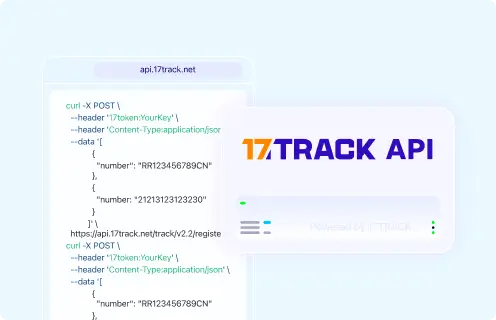
EasyPost has public developer documentation for shipping workflows, including Trackers, Shipments, and Webhooks. This is distinct from the 17TRACK API: EasyPost APIs are for EasyPost account users building shipping operations, while 17TRACK API is for registering carrier tracking numbers for tracking visibility.
Developer/API Comparison
| Option | Primary use |
|---|
| EasyPost Trackers API | Create or retrieve tracking objects and tracking events for business shipments. |
View all details for EasyPost Trackers API| Provider | EasyPost. |
|---|
| Order/tracking coverage | EasyPost tracker objects tied to supported carriers and account access. |
|---|
| Authentication/access | EasyPost account API keys according to EasyPost documentation. |
|---|
| Webhook/batch capability | Tracking updates can be paired with EasyPost webhook workflows when configured. |
|---|
| Current documentation | EasyPost Trackers documentation. |
|---|
| Important limitation | Not a consumer order lookup for buyers without merchant or EasyPost account access. |
|---|
|
| EasyPost Shipments API | Create shipments, buy labels, and manage shipment-related data for merchants. |
View all details for EasyPost Shipments API| Provider | EasyPost. |
|---|
| Order/tracking coverage | Shipping labels and shipment objects created through EasyPost. |
|---|
| Authentication/access | EasyPost account API keys according to official documentation. |
|---|
| Webhook/batch capability | Can be integrated with merchant systems and notification flows. |
|---|
| Current documentation | EasyPost Shipments documentation. |
|---|
| Important limitation | Shipment creation does not guarantee immediate carrier scans or delivery. |
|---|
|
| EasyPost Webhooks | Send event notifications to merchant systems. |
View all details for EasyPost Webhooks| Provider | EasyPost. |
|---|
| Order/tracking coverage | EasyPost account events for configured objects and endpoints. |
|---|
| Authentication/access | EasyPost account configuration and endpoint management. |
|---|
| Webhook/batch capability | Webhook capability is the core feature. |
|---|
| Current documentation | EasyPost Webhooks documentation. |
|---|
| Important limitation | Webhook events are only useful if the merchant builds and maintains the receiving system. |
|---|
|
| 17TRACK API | Register carrier tracking numbers for tracking visibility. |
View all details for 17TRACK API| Provider | 17TRACK. |
|---|
| Order/tracking coverage | Carrier tracking numbers supported by 17TRACK, not merchant order numbers or EasyPost shipment IDs. |
|---|
| Authentication/access | 17TRACK API token in the 17token header. |
|---|
| Webhook/batch capability | Refer to current 17TRACK API documentation for available integration features. |
|---|
| Current documentation | 17TRACK API documentation. |
|---|
| Important limitation | It cannot create EasyPost labels or retrieve private EasyPost shipment objects. |
|---|
|
FAQ
Basic FAQs
1. How do I track my EasyPost order?Use the carrier tracking number from the store that sold you the item, then track it on the carrier website or 17TRACK. EasyPost is usually the shipping technology provider behind the merchant, not the retail order owner.
2. Where do I find my EasyPost tracking number?Look in the merchant’s shipping email, SMS notification, order details page, or branded tracking page. If you are an EasyPost account user, the carrier tracking code may also appear in your EasyPost shipment or tracker data.
3. Can I track with a merchant order number on 17TRACK?Usually no, because an order number identifies the purchase inside the seller’s system rather than the parcel inside a carrier network. Open the order page or ask the seller for the carrier tracking number.
4. What should I do if there is no tracking number?Check whether the order is still processing and whether the merchant has sent a shipping confirmation. If the store’s processing window has passed, contact the seller or merchant because 17TRACK cannot create a tracking number.
5. Why is my tracking number not updating?The most common reason is that a label was created before the carrier scanned the parcel, or the package is between carrier facilities. Compare 17TRACK with the carrier website and ask the seller to confirm handoff if the first scan never appears.
6. How long does EasyPost delivery take?There is no single EasyPost delivery time for all orders because EasyPost is not the delivery promise for every merchant. The store’s shipping policy, selected carrier service, origin, destination, and customs process determine the expected timing.
7. What if tracking says delivered but I did not receive the package?First check the delivery location, household members, front desk, parcel locker, neighbors, and any proof-of-delivery photo. If still missing, contact the carrier for delivery evidence and the merchant or seller for order-resolution options.
8. Can 17TRACK track my EasyPost return?Yes, if you have the return carrier tracking number and the carrier is supported. A return authorization, RMA, or refund case number alone is not enough for package tracking.
9. Does a delivered return mean my refund is approved?No, delivered return tracking only shows that the return parcel reached a destination or was scanned by the carrier. Refund approval depends on the merchant’s inspection, policy, and payment process.
10. Who should I contact about an EasyPost package?Contact the selling merchant for order, refund, and missing-item issues; contact the carrier for delivery attempt or proof-of-delivery issues; contact EasyPost only if you are the business account user or developer.
Expert FAQs
11. Is EasyPost a marketplace seller or the company delivering my package?EasyPost is neither a consumer marketplace seller nor normally the physical delivery carrier. It provides shipping APIs and tools that merchants use with carriers, so the seller remains responsible for the retail order and the carrier remains responsible for transport scans.
12. Why does my merchant say EasyPost but the carrier is different?EasyPost can be the technology layer used to buy labels or receive tracking updates, while the actual parcel moves through a selected carrier. Track with the carrier tracking number rather than searching for a universal EasyPost delivery network.
13. Can an EasyPost tracker ID be used on 17TRACK?No, an EasyPost tracker ID is an account-level API object identifier. 17TRACK needs the public carrier tracking number associated with the shipment.
14. What happens when one order has multiple tracking numbers?The order was likely split into multiple shipments, each with its own carrier number and delivery timeline. Track each number separately and contact the merchant if all packages are delivered but an item is missing.
15. Why can a label exist before the package moves?A merchant can create label data before the parcel is handed to the carrier. Tracking usually becomes more meaningful after carrier acceptance, so “label created” should not be treated as proof that the package is physically moving.
16. How should developers choose between EasyPost API and 17TRACK API?Use EasyPost API when you create shipments, buy labels, manage trackers, or receive EasyPost webhooks as an EasyPost customer. Use 17TRACK API when you need to register carrier tracking numbers for tracking visibility across supported carriers.
17. Can EasyPost change my delivery address after the order ships?Buyers should not assume EasyPost can change the delivery address because the merchant is the order owner and the carrier controls delivery operations after handoff. Contact the merchant first and check carrier options if the carrier accepts delivery changes.
18. What evidence should I keep for a delivery dispute involving an EasyPost-powered shipment?Keep the order number, carrier tracking number, seller name, delivery scan screenshot, proof-of-delivery photo if available, address evidence, package photos, and all seller or carrier messages. This evidence helps the merchant, marketplace, or carrier evaluate the case.
Tracking API
POST https://api.17track.net/track/v2.4/register
Headers:
  17token: YourKey
  Content-Type: application/json

Body:
[
  {
    "number": "TRACKING_NUMBER"
  }
]

Important:
Use the carrier tracking number, not a merchant order number, payment ID, invoice number,
EasyPost shipment ID, EasyPost tracker ID, RMA, or internal seller reference. If you only
have an order number, first open the merchant order page or shipping email to find the
carrier tracking number.
Sources & References
17TRACK is an independent tracking platform and is not affiliated with EasyPost.