International Forwarder
What Is an International Forwarder?
An international forwarder, commonly called an international freight forwarder, is a business that arranges the movement of goods between countries on behalf of a shipper or another customer. Its role may include selecting transport services, booking cargo space, coordinating collection and delivery, preparing shipping documents, and arranging customs-related services. A forwarder does not necessarily operate the ships, aircraft, trucks, or trains that physically transport the goods.

In logistics and international trade, the term describes a coordinating role rather than a single transport mode. A forwarder may arrange ocean, air, road, rail, or multimodal transport. The exact services and legal responsibilities depend on its contract, the capacity in which it acts, and the laws governing the shipment.
In ordinary commercial usage, “international forwarder” and “international freight forwarder” usually refer to the same type of business. However, particular jurisdictions may define narrower regulated categories. For example, United States maritime regulations distinguish an ocean freight forwarder from a non-vessel-operating common carrier, or NVOCC.
Role in the International Supply Chain
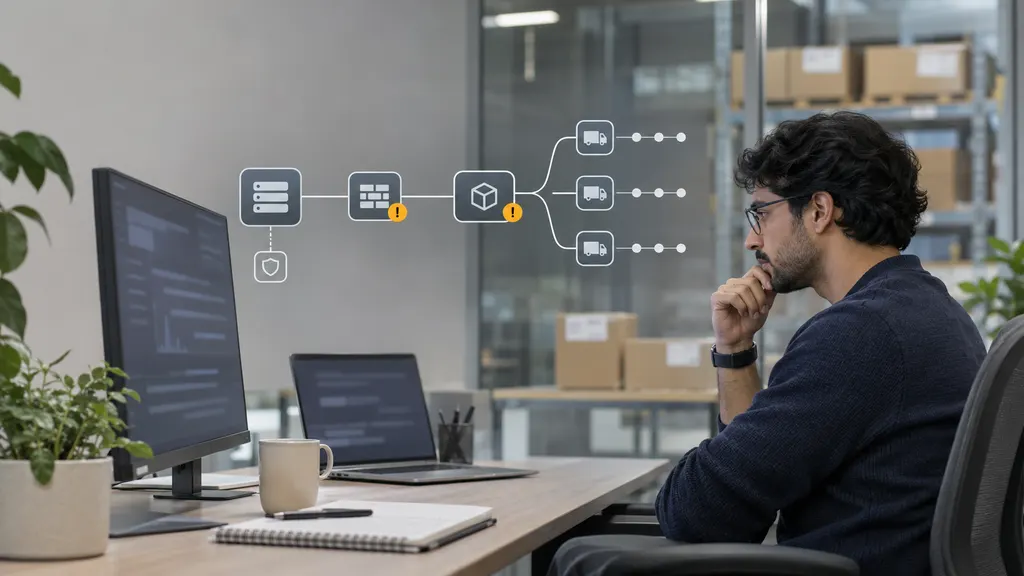
An international forwarder connects the shipper’s transport requirements with the services needed to move cargo across borders. It may coordinate several independent parties, including origin trucking companies, warehouses, ocean or air carriers, customs brokers, destination agents, and delivery providers.
This coordination is important because a shipment may pass through several operational stages under different contracts. Booking the main international journey does not, by itself, arrange export clearance, terminal handling, import clearance, or delivery to the final address. A forwarder can organize some or all of these stages, depending on the agreed scope.
The forwarder’s customer may be an exporter, importer, manufacturer, wholesaler, or ecommerce merchant. The customer is not necessarily the same party that pays every transport charge or acts as the importer of record. Those responsibilities must be established separately through the sale agreement, shipping instructions, service contract, and applicable law.
Services That May Be Included
- Transport planning: identifying routes, transport modes, transfer points, and service options that fit the cargo and delivery requirements.
- Capacity booking: reserving space with carriers or other transport providers.
- Cargo consolidation: combining separate consignments into a larger transport unit where the service permits it.
- Documentation: preparing or coordinating transport documents and checking that shipment information is consistent.
- Customs coordination: arranging clearance through an appropriately authorized provider, or performing customs services where legally permitted.
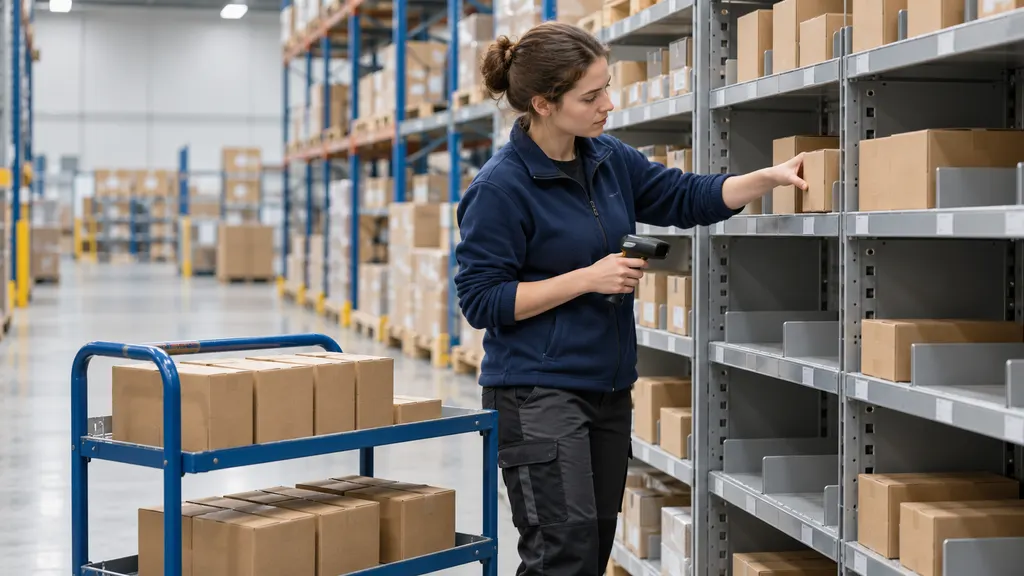
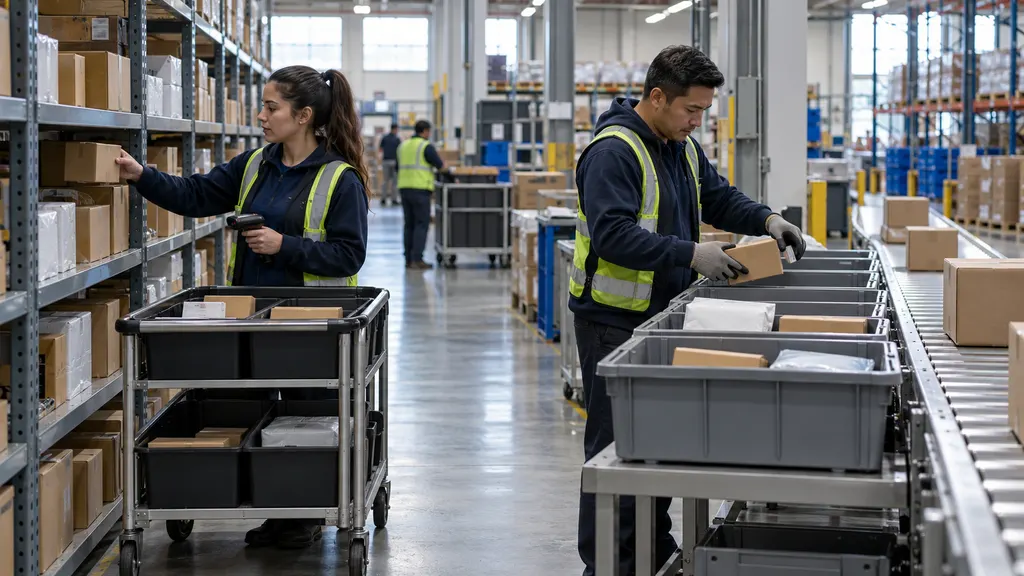
- Handling and storage: arranging collection, temporary warehousing, terminal handling, packing, or destination distribution when included in the service.
- Insurance arrangements: helping arrange cargo insurance when requested and within the provider’s authority.
- Shipment monitoring: communicating milestones, schedule changes, missing information, and transport exceptions.
These are possible functions, not a universal service package. A booking described as port-to-port can have a substantially different scope from a door-to-door arrangement.
How an International Forwarding Shipment Works
The sequence varies by route and transport mode, but the following stages illustrate a shipment for which the forwarder coordinates both origin and destination activities.
| Stage | Forwarder’s Possible Role | Information or Decision Required |
|---|---|---|
| Shipment assessment | Review cargo characteristics and identify suitable transport options. | Commodity description, package count, weight, dimensions, origin, destination, and special handling needs. |
| Quotation and booking | Define the service scope and arrange transport capacity. | Included charges, excluded charges, routing, collection arrangements, and delivery requirements. |
| Origin preparation | Coordinate collection, cargo receipt, document preparation, and export-related activities. | Cargo readiness, commercial documents, required authorizations, and booking cutoffs. |
| International transport | Coordinate the booked movement and communicate relevant milestones. | Departure information, transport references, transfers, and schedule changes. |
| Destination clearance | Coordinate document availability and clearance with the responsible parties. | Importer details, customs information, permits where required, and payment arrangements. |
| Release and delivery | Arrange cargo release and onward transport if included. | Release conditions, receiving address, delivery appointment, and unloading requirements. |
The forwarder depends on accurate information from its customer and other participants. An incomplete goods description, incorrect weight, missing authorization, or inconsistent invoice can prevent booking, clearance, or release. The forwarder’s involvement does not automatically transfer the exporter’s or importer’s statutory obligations to the forwarder.
International Forwarder and Related Roles
Several businesses may participate in the same shipment without performing the same function. Some companies combine multiple roles, but their responsibilities should be identified for the particular transaction.
| Term | Main Function | Important Distinction |
|---|---|---|
| International forwarder | Arranges cross-border transport and related services. | May act as an agent or undertake contractual transport responsibility, depending on the arrangement. |
| Carrier | Undertakes the carriage of goods under a transport contract. | A carrier is not always the operator of the vehicle or vessel; contractual and performing roles can differ. |
| Customs broker | Conducts customs business for clients within the relevant legal framework. | A forwarding business is not automatically authorized to perform regulated customs brokerage. |
| NVOCC | In the United States ocean-shipping framework, provides common carriage without operating the vessels used. | Acts as a carrier in relation to its customer and as a shipper in relation to the vessel-operating carrier. |
| Third-party logistics provider | Provides outsourced logistics functions. | A broader service description that may include forwarding, warehousing, fulfillment, or distribution. |
The distinction between an agent and a contractual carrier is particularly important. A forwarder acting as an agent arranges services for its customer. A forwarder acting as a contractual carrier undertakes carriage under its own contract, even if another business performs the physical movement. Responsibility for loss, damage, or delay therefore cannot be determined solely from the company’s use of the word “forwarder.”
Documents, References, and Visibility
International forwarders work with commercial and transport information, but no single document set applies to every shipment. Depending on the transaction, relevant records may include a commercial invoice, packing list, bill of lading, air waybill, customs declaration, certificate of origin, or commodity-specific permit.
These documents serve different purposes. A commercial invoice describes the sale and goods information used in trade procedures. A packing list describes how the cargo is packed. Transport documents record aspects of the carriage arrangement. Customs declarations submit information required by the relevant customs authority. One document should not be assumed to replace another.
A shipment may also have several references: a forwarder’s job number, a booking number, a transport document number, and a container number. Where house and master transport documents are used, the references represent different contractual or operational layers. A reference that works in the forwarder’s system may not work in the operating carrier’s tracking system.
Visibility is consequently tied to the service and available data. A reported vessel arrival, for example, does not establish that cargo has cleared customs, been released by the terminal, or reached the consignee. Milestones should be interpreted according to the event they actually describe.
Use in Cross-Border Ecommerce
In cross-border ecommerce, an international forwarder may arrange bulk inventory movements to an overseas fulfillment warehouse rather than deliver each customer order individually. This separates the international replenishment shipment from the domestic fulfillment and parcel-delivery processes that follow.
For example, a retailer may ask a forwarder to move cartons from a supplier to a fulfillment facility in another country. The forwarder may coordinate collection, international transport, customs brokerage arrangements, and delivery to the facility. The warehouse then receives the inventory and later dispatches individual orders. In this example, the forwarder’s freight reference is not necessarily the tracking number that an end customer receives.
A forwarder may also arrange transport for a consolidated return shipment, such as goods collected overseas and sent back to the merchant. That transport service is separate from the merchant’s decision to authorize a return, inspect goods, or issue a refund.
Service Scope, Charges, and Responsibility
A forwarding quotation should be read as a defined scope of work, not simply as a price for moving goods between two countries. Collection, main carriage, terminal handling, customs brokerage, storage, inspection-related services, and final delivery may be included, excluded, or charged separately.
Incoterms rules, when incorporated into the sales contract, help allocate specified obligations, costs, and risks between the seller and buyer. They do not replace the forwarding contract or establish every charge a logistics provider may invoice. The parties should ensure that the service booking matches their obligations under the sale agreement.
Useful points to establish before booking include:
- Which locations define the beginning and end of the service?
- Who arranges export and import clearance, and who provides the necessary information?
- Who will be the importer of record, where that role is applicable?
- Which charges are included, and which depend on later events or third-party services?
- Who is responsible for packing, labeling, loading, and unloading?
- Does the forwarder act as an agent or undertake carriage under its own contract?
- What liability terms apply, and has cargo insurance been arranged separately?
- What documents and release conditions must be satisfied before delivery?
Licensing requirements also depend on jurisdiction and activity. United States ocean transportation intermediary rules, for example, contain specific definitions and regulatory requirements. They should not be treated as a universal licensing system for all international forwarders.
Common Misunderstandings
A forwarder does not necessarily own transport equipment. Its principal contribution may be arranging and coordinating services supplied by others. Equipment ownership alone does not define whether a business is acting as a forwarder.
Customs clearance is not automatically included. A forwarder may arrange clearance through a separate broker, provide it through an authorized operation, or leave it outside the agreed service scope.
Forwarding does not automatically include cargo insurance. The forwarder’s contractual liability and an insurance policy covering the cargo are different mechanisms. Customers should establish what protection exists rather than infer coverage from the booking.
A planned arrival date is not the same as a guaranteed delivery date. Main-carriage arrival, customs release, terminal availability, and final delivery are separate events. Whether any date is contractually guaranteed depends on the agreed terms.
QA
Is an international forwarder the same as a freight forwarder?
In ordinary logistics usage, an international forwarder is a freight forwarder arranging cross-border shipments. “Freight forwarder” can also describe a business arranging domestic movements, so “international” identifies the geographic scope.
Can an international forwarder clear goods through customs?
It may provide customs services where authorized or arrange them through an authorized customs broker. Customs clearance should be confirmed in the service scope rather than assumed.
Does using a forwarder remove the importer’s responsibilities?
No. A forwarder can assist with transport and procedures, but the importer retains obligations imposed by applicable law. For example, United States Customs and Border Protection explains that an importer remains responsible for entry information and applicable duties, taxes, and fees even when using a broker.
What information is needed to request a forwarding quotation?
A useful request includes the origin, destination, goods description, package count, dimensions, weight, cargo-ready date, and required service scope. Special handling requirements and the intended allocation of seller and buyer responsibilities should also be identified.
Sources
- FIATA: About Freight Forwarding — Definition and scope of freight forwarding and logistics services.
- International Trade Administration: Freight Forwarders — The forwarder’s role in export transport, documentation, and shipment arrangements.
- Electronic Code of Federal Regulations: 46 CFR 515.2 — United States regulatory definitions of ocean freight forwarders, NVOCCs, and ocean transportation intermediaries.
- U.S. Customs and Border Protection: Tips for New Importers and Exporters — Importer responsibilities and the use of customs brokers.
- International Chamber of Commerce: Incoterms Rules — The role of Incoterms rules in allocating responsibilities, costs, and risks between buyers and sellers.