Transportation
What Is Transportation?
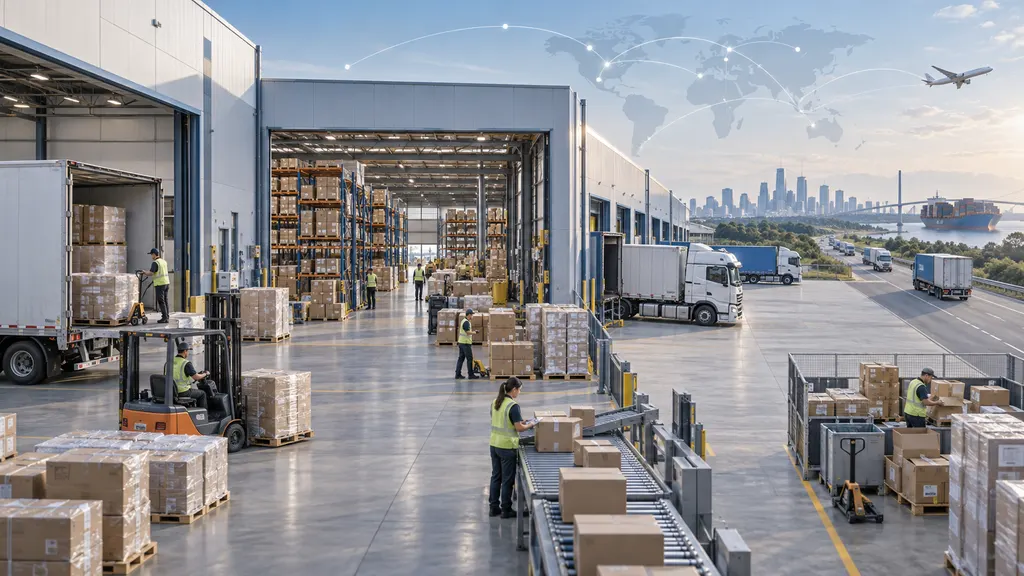
Transportation is the movement of people, goods, or other items from one location to another by a chosen mode and route. In logistics and ecommerce, transportation usually means the physical movement of inventory, orders, parcels, or freight between supply-chain locations, such as suppliers, factories, warehouses, fulfillment centers, ports, distribution hubs, businesses, and customers. It includes the planning, execution, and monitoring of movements performed by a carrier, transport operator, freight forwarder, or another logistics service provider.
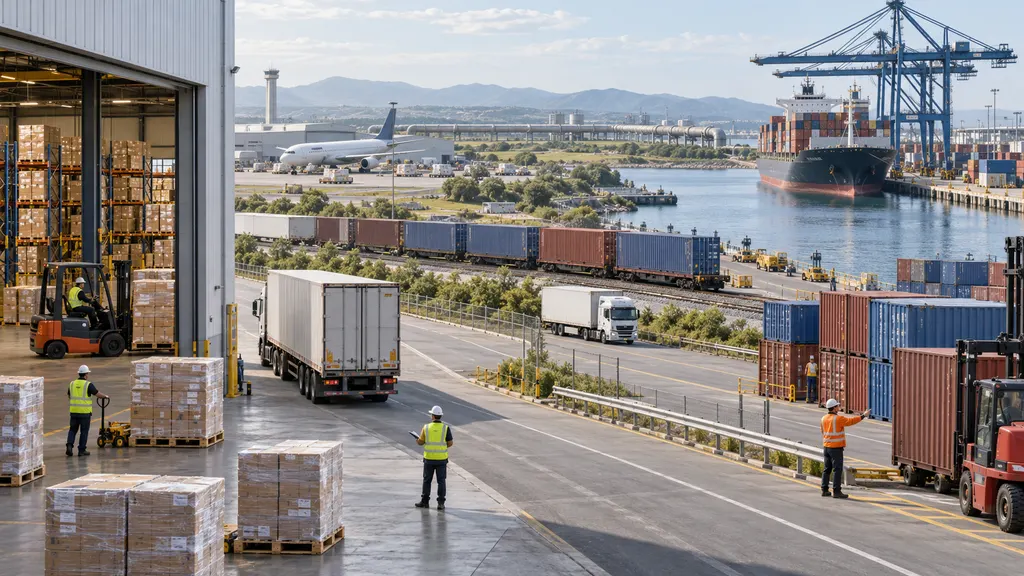
Transportation is broader than shipping and delivery. Shipping often refers to the dispatch or carriage of goods, while delivery usually refers to the final movement to the named recipient or destination. Transportation can include one or several legs before delivery takes place. In cross-border ecommerce, those legs may involve domestic pickup, export handling, international carriage, import clearance, and last-mile delivery.
The word also has meanings in passenger travel, public infrastructure, and urban mobility. This glossary entry focuses on its logistics, ecommerce, supply-chain, shipping, and cross-border trade meanings.
Transportation in Logistics
Transportation connects the different physical stages of a supply chain. A product may move from a supplier to a manufacturing site, from a factory to a distribution center, from a fulfillment center to a regional hub, and from that hub to the customer. The movement may be arranged by the shipper, the seller, a freight forwarder, a third-party logistics provider, or another party identified in a commercial agreement.
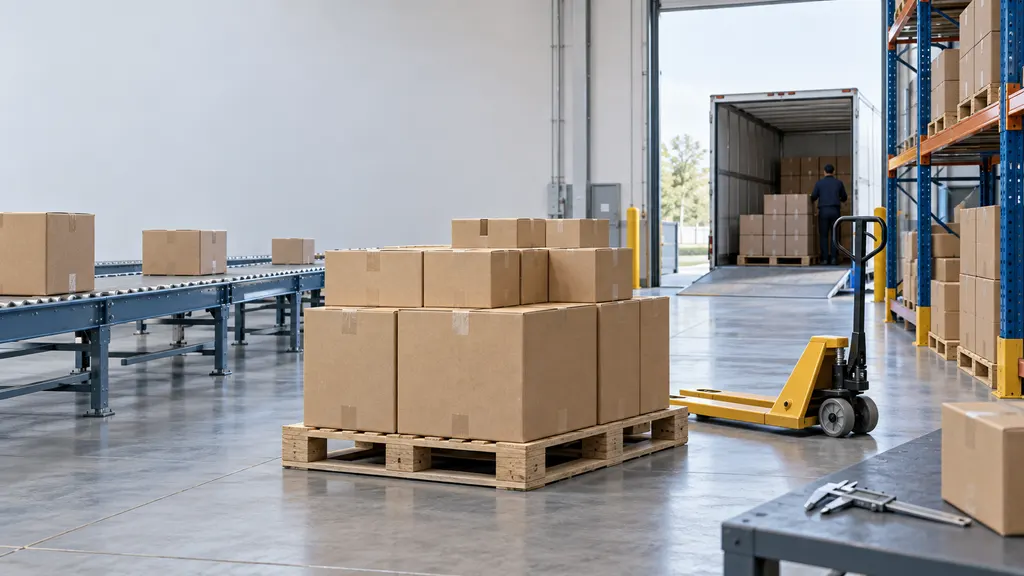
Transportation is related to, but distinct from, inventory and warehousing. Inventory is the stock held for sale, production, or use. Warehousing stores and handles inventory at a location. Transportation moves inventory between locations. A delay in transportation can affect inventory availability, order processing, customer delivery dates, and the timing of returns, but transportation itself is the movement activity rather than the stock or storage activity.
A transportation plan normally considers the origin, destination, shipment characteristics, required service level, route, mode, carrier, documentation, handoff points, and delivery requirements. The appropriate plan depends on factors such as the physical characteristics of the goods, shipment size, urgency, destination, border requirements, and the terms agreed between the parties. These factors should be assessed for the particular movement rather than assumed from the product category alone.
Transportation and Ecommerce
In ecommerce, transportation begins before a customer sees a delivery update. A merchant or marketplace may arrange the movement of inbound inventory to a fulfillment location, then arrange the outbound movement of an order after purchase. An order can contain one or more items, while a shipment is the physical movement created to transport some or all of that order. One order may therefore produce multiple shipments, and one shipment may contain items from more than one order when the logistics process permits it.
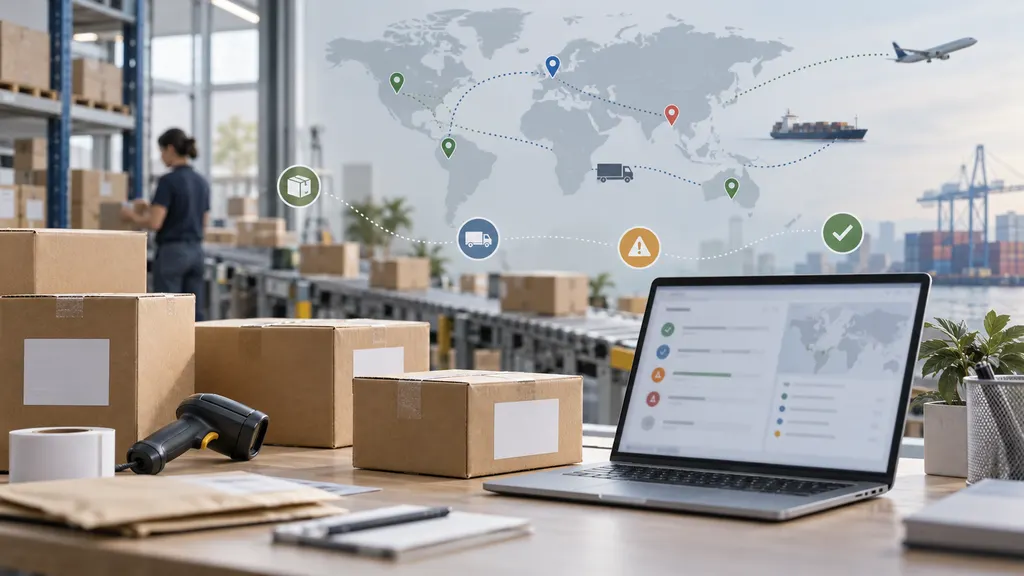
Transportation information can appear in an ecommerce system as a carrier name, service level, tracking number, estimated delivery date, pickup event, transit event, exception, or proof of delivery. These records help connect the commercial order with its physical movement. They do not necessarily show every activity performed by every subcontractor or handling facility.
For a cross-border ecommerce order, transportation may be divided into origin pickup, export transportation, international line-haul, import transportation, and final delivery. Customs clearance is related to the movement but is not identical to transportation. Customs authorities review declarations and other required information; carriers and logistics providers physically move the goods or coordinate that movement. A shipment may be unable to continue because of a customs issue, even when the carrier has otherwise completed its transportation task.
Main Modes of Transportation
Transportation modes are commonly distinguished by the physical system used to move the goods. The following descriptions are practical logistics distinctions rather than a single universal classification for every jurisdiction or contract.
| Mode | Typical use | Operational characteristics | Common ecommerce or trade context |
|---|---|---|---|
| Road transportation | Short- and medium-distance movement by truck, van, or other road vehicle | Flexible routing and access to warehouses, stores, and delivery addresses | Supplier pickup, regional distribution, parcel delivery, and last-mile delivery |
| Rail transportation | Movement over railway networks | Useful for certain inland corridors and larger or consolidated loads | Inland freight movement between terminals, ports, manufacturing areas, and distribution centers |
| Air transportation | Time-sensitive or relatively high-value shipments | Shorter physical transit time on suitable routes, with capacity, handling, security, and regulatory constraints | Urgent replenishment, international parcels, documents, and selected ecommerce goods |
| Maritime transportation | Movement by ocean or other navigable water routes | Often used for international cargo and consolidated or containerized freight | Import and export supply chains, containerized cargo, and large-volume replenishment |
| Pipeline transportation | Continuous movement of certain liquids, gases, or specialized materials | Requires dedicated infrastructure and is not a normal parcel or general-merchandise method | Selected industrial supply chains rather than ordinary ecommerce fulfillment |
A shipment can use more than one mode. For example, a container may move by truck from a factory to a port, by vessel between countries, and by truck or rail after import. The existence of several modes does not by itself determine who is responsible for each leg; that responsibility depends on the contract, shipping arrangement, and applicable trade terms.
Intermodal and Multimodal Transportation
Intermodal transportation uses two or more modes during a movement while the cargo remains in a transport unit, such as a container, for the relevant transfer stages. The individual modes may be operated by different carriers. This arrangement can reduce repeated handling of the goods, although the exact operational and contractual structure varies.
Multimodal transportation also involves two or more modes, but the term is often used to describe a movement arranged under a single coordinated transport contract or by a multimodal transport operator. Terminology is not used identically in every legal system or industry document, so a business should consult the applicable contract and governing rules when the distinction has legal consequences.
These concepts should not be confused with a simple change of vehicle. A truck may be replaced by another truck without creating a new transportation mode. The relevant question is whether the movement uses different transport systems, such as road and sea, rather than merely different equipment within one system.
How Transportation Works
- Planning: The shipper identifies the origin, destination, goods, quantity, dimensions, weight, handling requirements, desired service, and relevant restrictions.
- Booking or tendering: The movement is offered to or booked with a carrier, forwarder, broker, or logistics provider. The provider may confirm capacity, collection details, and service conditions.
- Preparation: Goods are packed, labeled, documented, and made available for pickup. Cross-border movements may require commercial, customs, security, or regulatory information.
- Origin movement: A vehicle or other transport service collects the goods and moves them to a consolidation point, terminal, port, airport, warehouse, or direct destination.
- Line-haul or main carriage: The shipment travels along the principal route. It may be consolidated with other shipments or transferred between transport modes.
- Handoffs and processing: The goods may be unloaded, sorted, stored temporarily, inspected, cleared through customs, or transferred to another carrier or service partner.
- Final delivery: The shipment moves to the receiving business, pickup point, or customer address. Delivery records may include a scan, signature, photo, or other confirmation, depending on the service.
- Exception management: The parties investigate events such as damage, loss, address problems, missed collection, customs holds, capacity disruption, or failed delivery. The response depends on the service terms and the nature of the event.
Tracking systems record transportation events, but a tracking record is not the same as a complete operational history. An event may be generated when a barcode is scanned, when a shipment reaches a facility, or when a carrier receives an electronic update. The level of detail and timing can differ by carrier, service, country, and handoff.
Transportation Documents and Responsibilities
Transportation documentation identifies the parties, goods, route, and conditions of carriage. Depending on the movement, documents may include a waybill, bill of lading, air waybill, consignment note, commercial invoice, packing list, customs declaration, or delivery record. The document used and its legal effect depend on the mode, jurisdiction, contract, and type of transaction.
A carrier transports goods under agreed service conditions. A freight forwarder may arrange transportation and related logistics activities without being identical to the underlying carrier for every leg. A shipper tenders or hands over the goods, while a consignee is the party identified to receive them in the relevant transport or trade documentation. These roles can be performed by different businesses, and the same business may have more than one role in a particular transaction.
Trade terms such as Incoterms rules allocate selected costs, tasks, and risks between a seller and a buyer in an international sale. They do not replace every transportation contract, customs requirement, insurance arrangement, or carrier condition. The applicable rule and named place should therefore be read together with the commercial and transport documents.
Transportation, Shipping, and Delivery
| Term | Primary meaning | Relationship to transportation | Example |
|---|---|---|---|
| Transportation | The movement of goods or people between locations | The broad physical movement activity | Moving inventory from a port to a fulfillment center |
| Shipping | The dispatch or carriage of goods, often as part of a logistics service | May refer to the arrangement, process, or cost of transporting a shipment | A merchant offers standard and expedited shipping options |
| Delivery | The act or result of bringing goods to the stated recipient or destination | Usually describes the destination-oriented portion of a movement | A parcel is delivered to the customer's address |
| Shipment | Goods or parcels transported together under a movement arrangement | The object or movement managed by transportation operations | One order is split into two shipments |
| Freight | Goods transported as cargo, often in a commercial or larger-load context | May describe the goods, the service, or the charges depending on context | A freight booking moves pallets between distribution centers |
These terms overlap in everyday business language. A company may call a parcel movement “shipping” even when the operational activity is transportation, and an ecommerce interface may use “delivery” for the entire period from dispatch to receipt. The precise meaning should be determined from the document, service description, or process in which the term appears.
Examples in Cross-Border Ecommerce
- Small parcel order: A customer places an order for a consumer product. The seller prepares the parcel, a carrier collects it, an international transport service moves it across the border, customs processing occurs where required, and a destination carrier completes delivery.
- Split fulfillment: Items in one customer order are stored at different fulfillment locations. The seller creates separate shipments, and each shipment follows its own transportation route and tracking record.
- Container replenishment: A retailer moves a larger quantity of inventory from an overseas supplier to a domestic distribution center. The movement may combine road transportation at both ends with maritime transportation for the international leg.
- Return movement: A customer sends an unwanted or defective item back to a merchant or returns facility. This is reverse transportation within reverse logistics and may use a different label, carrier service, or destination from the outbound movement.
Common Misunderstandings
- Transportation is not the same as delivery. Delivery normally emphasizes the final destination, while transportation can include every movement leg from origin to destination.
- A carrier is not always the only party involved. A shipment may pass through freight forwarders, postal operators, subcontracted carriers, customs brokers, warehouses, and other service providers.
- Tracking does not guarantee movement at every moment. A period without a new scan may reflect the timing of data transmission, a handoff, processing, or transport between facilities. It does not alone prove loss or delay.
- Transportation is not customs clearance. A carrier can move goods while a broker or customs authority handles declarations, review, and release requirements. The parties and responsibilities depend on the transaction.
- Fast transportation is not automatically the best choice. Mode selection also involves suitability, handling requirements, route availability, service conditions, cost allocation, and regulatory constraints. A speed claim should be understood as a feature of a specified service, not as a universal property of a mode.
QA
What does transportation mean in logistics?
It means moving goods between supply-chain locations, such as suppliers, warehouses, terminals, fulfillment centers, and customers, by one or more transport modes.
What is the difference between transportation and shipping?
Transportation is the broad activity of moving goods. Shipping can refer to dispatching, arranging, or charging for that movement, so the terms may overlap in commercial usage.
Does transportation include last-mile delivery?
Yes. Last-mile delivery is a destination-focused part of transportation in which a shipment moves to the receiving customer, business, or pickup location.
Can one ecommerce order have multiple transportation movements?
Yes. An order may be split into multiple shipments, and each shipment may use several transportation legs or modes.
Sources
- U.S. Bureau of Transportation Statistics: Freight Transportation — transportation systems and freight context.
- International Chamber of Commerce: Incoterms Rules — the relationship between international sales terms, transport tasks, costs, and risks.
- World Customs Organization: Glossary of International Customs Terms — customs terminology and the distinction between customs processes and physical movement.
- United Nations Economic Commission for Europe: Recommendation No. 19 — transport-mode terminology used in trade and logistics information exchange.