Distribution
Definition
In logistics and commerce, distribution is the set of activities used to move, store, allocate, and make goods available from a producer or supplier to business customers or final consumers. It may include inventory positioning, warehousing, order processing, transportation, delivery, and the selection of sales or delivery channels. In other contexts, such as economics, distribution can also refer to how income, goods, or resources are allocated; this article focuses on the logistics and ecommerce meaning.
Distribution in Logistics and Ecommerce
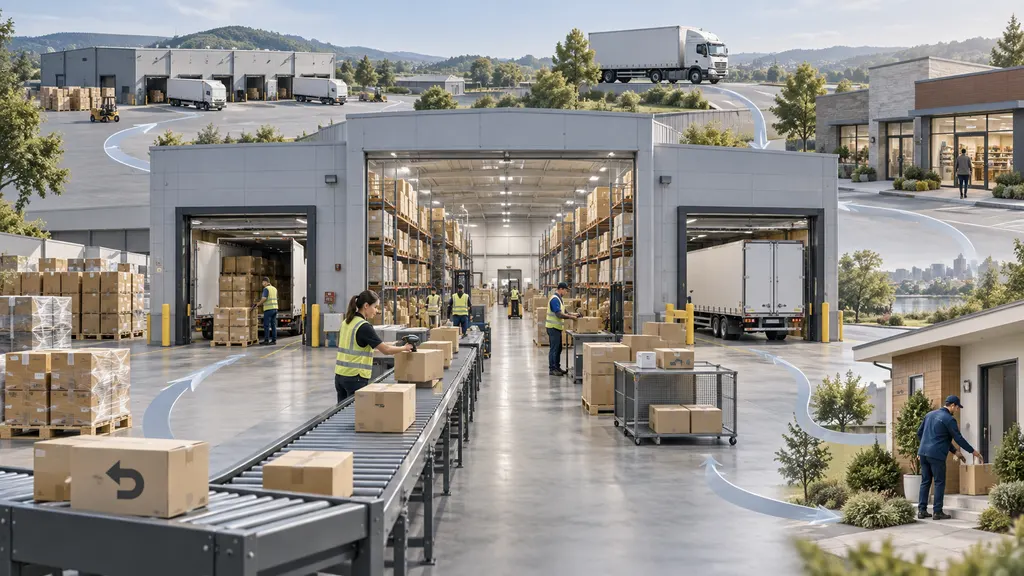
Distribution connects supply with demand. A distribution process may begin when finished goods leave a manufacturing site or supplier and may continue through one or more distribution centers, fulfillment facilities, wholesalers, retailers, carriers, and delivery points.
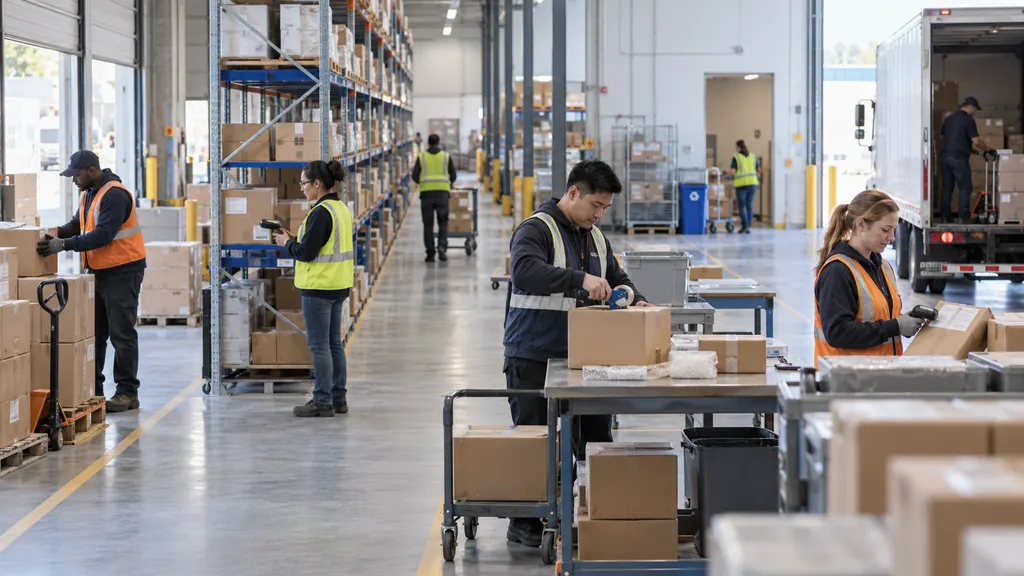
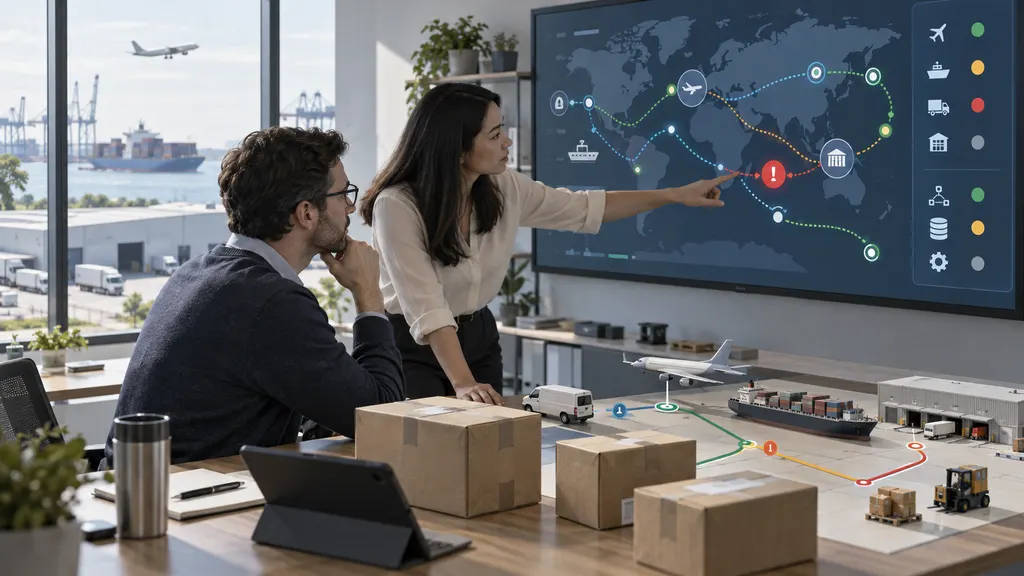
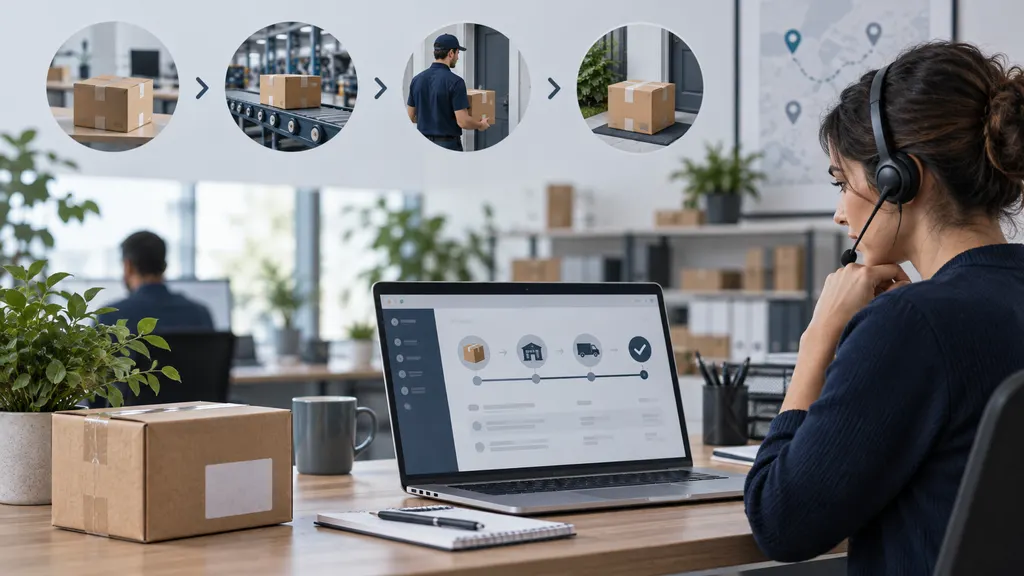
In ecommerce, distribution may involve receiving inventory, storing products, processing customer orders, picking and packing items, handing shipments to carriers, and delivering them to customers. In cross-border ecommerce, the process may also involve export documentation, customs procedures, duties and taxes, international transportation, and delivery through a destination-country network.
Distribution is broader than transportation alone. Transportation concerns the movement of goods between locations, while distribution also concerns where inventory is held, how orders are released, which channels are used, and how products reach the intended recipient.
Key Functions
- Inventory positioning: Placing stock in locations that can support expected orders or service requirements.
- Warehousing: Receiving, storing, handling, and preparing goods for onward movement.
- Order processing: Converting a customer or business order into instructions for inventory allocation and fulfillment.
- Picking and packing: Selecting ordered items and preparing them for shipment.
- Transportation: Moving goods between suppliers, facilities, stores, businesses, and customers.
- Channel management: Coordinating the route through which goods reach a buyer, such as direct sales, a retailer, a marketplace, or a distributor.
- Delivery and exceptions: Managing final delivery, failed delivery attempts, address problems, damage, and other operational exceptions.
- Returns handling: Moving returned goods back through the supply chain for inspection, restocking, repair, resale, recycling, or disposal.
Distribution Channels
A distribution channel is the route through which a product reaches a customer. Channels can be described by the number and role of intermediaries involved. The following categories are descriptive rather than a single universal classification system.
| Channel | Meaning | Example |
|---|---|---|
| Direct distribution | The producer or seller supplies the customer without an independent intermediary controlling the sale. | A brand ships an order placed through its own online store. |
| Retail distribution | A retailer sells products to consumers after obtaining them from a producer, importer, or wholesaler. | A consumer buys a product from a physical or online retailer. |
| Wholesale distribution | A wholesaler purchases or handles goods for resale to businesses, retailers, or other organizations. | A wholesaler supplies inventory to several independent stores. |
| Marketplace distribution | A marketplace connects sellers with buyers, while fulfillment and delivery may be handled by the seller, the marketplace, or a logistics provider. | A seller receives an order through an ecommerce marketplace and arranges shipment. |
| Hybrid distribution | A business uses more than one channel at the same time. | A manufacturer sells through its own website and through retail partners. |
Distribution and Fulfillment
Fulfillment usually refers to the operational process of completing an order, including inventory allocation, picking, packing, and handoff for delivery. Distribution has a wider scope and may include network design, inventory placement, wholesale or retail channels, replenishment, and the movement of goods before an individual order is placed.
A fulfillment center can therefore be part of a distribution network, but the two terms are not exact synonyms. A distribution center may handle inventory for business replenishment, retail delivery, ecommerce orders, or several of these activities.
Distribution and Related Terms
| Term | How it differs from distribution |
|---|---|
| Logistics | Logistics generally covers the planning and control of the movement and storage of goods, information, and related resources. Distribution is one important logistics activity focused on making goods available to downstream users or customers. |
| Transportation | Transportation is the physical movement of goods. Distribution may include transportation as well as storage, inventory placement, order processing, and channel coordination. |
| Fulfillment | Fulfillment focuses on completing specific customer or business orders. Distribution can operate at both network level and order level. |
| Delivery | Delivery is the transfer of a shipment to its intended recipient or destination. It is usually one stage within a broader distribution process. |
| Freight forwarding | Freight forwarding is the arrangement and coordination of shipments, often across carriers, transport modes, and borders. It may support distribution but does not describe the entire distribution function. |
Examples
- A manufacturer may send finished products to regional distribution centers, which then replenish retail stores.
- An online seller may store inventory with a third-party logistics provider, which picks, packs, and hands orders to a carrier.
- A cross-border retailer may ship goods from a fulfillment facility in one country to a customer in another country, with customs processing occurring during the international movement.
- A returned product may move from the customer to a returns facility, where it is inspected and assigned a subsequent disposition.
Common Misunderstandings
Distribution is not only delivery
Delivery is the final or downstream movement of a shipment to a specified recipient or location. Distribution can include earlier decisions and activities, such as inventory placement, channel selection, warehousing, and replenishment.
Distribution is not identical to logistics
Logistics can include inbound movement, production support, storage, distribution, returns, and information flows. Distribution is normally a narrower term within that wider operational area, although companies may use the terms differently.
A distributor is not the same as a carrier
A distributor may buy, resell, hold, allocate, or coordinate goods. A carrier primarily provides transportation. One organization can perform more than one role, but the roles describe different functions.
QA
What does distribution mean in logistics?
Distribution is the process of positioning, storing, handling, and moving goods so they become available to business customers or final consumers.
What is the difference between distribution and fulfillment?
Fulfillment focuses on completing individual orders, while distribution has a broader scope that can include network design, inventory placement, replenishment, and sales or delivery channels.
Is distribution the same as transportation?
No. Transportation is the movement of goods between locations. Distribution may also include warehousing, order processing, inventory allocation, and channel management.
Sources
- Encyclopaedia Britannica, “Distribution” — general business meaning and channel context.
- Shopify, “Distribution Channels” — ecommerce and commercial channel usage.
- Council of Supply Chain Management Professionals, Supply Chain Management Definitions and Glossary — supply chain and logistics terminology.