CTS Tracking
Please enter the CTS tracking number to check the latest shipping status.
About CTS
CTS is the carrier identity associated with the official website supplied for this tracking guide. Use the official CTS website to identify the applicable freight service, shipment reference and contact route before taking action on a shipment.
| Field | Verified information |
|---|---|
| Official display name | CTS |
| Official website | https://www.ctsfreight.com/ |
| Carrier role | Freight and shipment services identified through the supplied official website. |
| Tracking relationship | Shipment tracking should begin with the reference shown on the CTS shipping document, dispatch notice or customer correspondence. |
Carrier Entity Relationships
| Entity | Relationship |
|---|---|
| CTS | CTS is the carrier identity to select when the shipment documentation or official tracking result identifies CTS. |
| Shipment reference | The shipment reference is the identifier used to connect a freight movement with its tracking record; it may be different from an order number. |
| 17TRACK | 17TRACK is an independent tracking platform that aggregates available carrier events and does not operate CTS transportation. |
Quick Answer
Enter the CTS shipment or freight reference shown on the shipping document into the official CTS website when the site provides a tracking field. You can also try 17TRACK with the same reference. If no result appears, check whether you entered an order number instead of a shipment reference, remove accidental spaces, confirm the reference with the sender, and allow time for the first carrier scan.
How to Track CTS Packages
The most reliable route is to use the reference printed on the CTS freight paperwork or supplied by the shipper, then compare the official CTS result with an independent 17TRACK result.
| Route | Action |
|---|---|
| Official CTS route | Open the official CTS website, locate the shipment or freight tracking function, enter the carrier reference and save the result for follow-up. |
| 17TRACK route | Open 17TRACK, enter the same reference, allow carrier detection, and compare the latest event with the official record. |
| Sender route | Ask the sender or freight broker for the carrier-issued shipment reference, pickup date, service description and destination address. |
A purchase order, invoice number, booking number, customer reference and delivery notice are not automatically tracking numbers. If the reference is rejected, do not repeatedly submit unrelated order numbers; ask the party that created the shipment record which identifier CTS accepts.
Tracking Number Formats and Examples
CTS shipment identifiers should be copied exactly from the freight document or sender message. A marketplace order number and a carrier tracking reference can belong to the same transaction without being the same identifier.
Tracking Number Format
| Identifier family | Normalized pattern | ||||||||
|---|---|---|---|---|---|---|---|---|---|
| CTS shipment reference | Use the exact carrier reference displayed on the CTS document; a masked example is REF #### ####. | ||||||||
View all details for CTS shipment references
| |||||||||
| Merchant order or reference ID | Order #### or reference ####; this identifies a commercial transaction and may not query carrier events. | ||||||||
View all details for merchant references
| |||||||||
Tracking Statuses and Meanings
Tracking language describes the latest recorded event, not necessarily the physical position at the moment you view it. The responsible party can change during pickup, line-haul, terminal processing and final delivery.
Status Quick Lookup
| Status | What it means | ||||||
|---|---|---|---|---|---|---|---|
| Label or record created | Shipment data exists; physical acceptance may still be pending. | ||||||
View all details for label or record created
| |||||||
| In transit | A recorded movement is progressing between origin, terminals or delivery locations. | ||||||
| Exception or delay | An event requires attention or has interrupted the planned movement. | ||||||
| Out for delivery | The shipment has entered a delivery attempt or local dispatch stage. | ||||||
| Delivered | A delivery event was recorded; check the delivery location and proof details before reporting non-receipt. | ||||||
| Returned | The shipment is moving back or has been routed back to the sender. | ||||||
Services and Delivery Times
Delivery timing depends on the booked CTS service, origin, destination, pickup cutoff, terminal handling, address quality and any required inspection or handoff. A tracking estimate is not automatically a delivery guarantee.
Service Comparison
| Service type | Best use |
|---|---|
| Freight shipment | Use the service shown on the CTS booking or freight paperwork. |
| Time-sensitive shipment | Confirm the booked service standard and cutoff directly with CTS or the shipper before relying on a date. |
Delivery Time
| Timing factor | Customer guidance |
|---|---|
| Published standard | Use the specific CTS quotation, booking confirmation or service document for the applicable route. |
| Delay factors | Cutoff times, weekends, holidays, terminal congestion, weather, address issues, inspections and partner handoffs can extend transit. |
| Destination country delivery times | A country-specific range cannot be responsibly assigned without the booked service, origin, destination address and current CTS routing record. |
Common Tracking Problems and Solutions
Start with the latest event and the party that created it. The sender normally has the strongest ability to correct booking data, request a freight investigation or submit a claim.
Problem & Solution
| Problem or status | Immediate action | ||||||
|---|---|---|---|---|---|---|---|
| Invalid reference | Check characters, spaces and the identifier type; request the carrier reference from the sender. | ||||||
| No scan or no update | Compare the official result, allow for scan gaps and ask the sender to confirm physical handover. | ||||||
| Exception or failed delivery | Read the event wording, verify the address and contact the party named in the shipment record. | ||||||
| Delivered but missing | Check entrances, receiving desks, neighbors and the delivery proof; then ask the sender to open an investigation. | ||||||
| Damaged or lost | Photograph the package, retain packaging and notify the sender promptly so the eligible claim route can be assessed. | ||||||
View all escalation details for CTS shipment problems
| |||||||
International Shipping, Customs and Carrier Handoffs
For an international CTS movement, the shipment can pass between the origin booking party, freight terminals, customs authorities, line-haul operators and a destination delivery provider. A handoff event records a change in responsibility; it does not by itself prove customs release or final delivery.
| Stage | What to expect |
|---|---|
| Origin collection | The shipper prepares the freight and the first physical acceptance event may be recorded. |
| Export processing | Documentation, security and export procedures can precede line-haul movement. |
| Line-haul | The shipment moves between facilities; scan visibility can be intermittent. |
| Import customs | Authorities assess declarations, documents, duties and restrictions; arrival does not equal release. |
| Destination handoff | A local provider may receive the freight and use the original reference or a linked local identifier. |
| Final delivery | The delivery party records the attempt, proof of delivery, pickup or return event. |
Delivery Management and Post-shipment Options
Address corrections, delivery appointments, reattempts, holds and proof requests depend on the booked CTS service, shipment stage and account permissions. Contact the shipper or CTS through the route shown on the official website before the shipment reaches final delivery.
Lost, Damaged, Claims, Insurance and Refunds
A tracking inquiry, carrier investigation, insurance claim, freight-charge adjustment and marketplace refund are separate processes. The shipper or account holder should preserve the freight record, invoices, packing evidence and photographs and use the applicable CTS contractual route.
Claims and Refunds
| Process | Use when |
|---|---|
| Tracking inquiry | The event history needs clarification or the shipment appears inactive. |
| Loss or damage claim | The eligible claimant has evidence of loss, damage or missing contents and follows the applicable CTS terms. |
| Seller or marketplace refund | The purchase contract requires the seller or marketplace to decide the customer refund. |
17TRACK cannot approve a CTS claim, issue a freight refund, change the shipment record or determine liability.
Shipping Restrictions and Special Handling
Before tendering freight, check the current CTS shipping terms and the rules of every origin, transit and destination jurisdiction. Dangerous goods, batteries, liquids, perishables, controlled products and restricted commodities can require special documentation or may be excluded from a route.
Shipping Restrictions
| Category | Customer action |
|---|---|
| Dangerous goods and batteries | Obtain acceptance guidance before booking and use compliant packaging and declarations. |
| Liquids, perishables and fragile goods | Confirm route eligibility, packaging requirements and temperature or handling limitations. |
| Customs-controlled goods | Provide accurate commercial descriptions, values, origin information and required permits. |
Customer Service
| Channel | Best use |
|---|---|
| Official CTS website | Use the current official website to locate the applicable tracking, service or contact route. |
| Shipper or freight broker | Best for correcting booking data, obtaining documents, starting a claim or clarifying account responsibility. |
| 17TRACK | Best for an independent view of available tracking events across supported carriers. |
Prepare the shipment reference, pickup date, origin, destination, service type, latest event, contact details, contents description, declared value and photographs where relevant.
Ecommerce and Business Tracking
Businesses should preserve the original CTS reference, normalize carrier events in their order system and distinguish booking creation, physical acceptance, in-transit movement, exception, delivery and return. 17TRACK is useful for multi-carrier visibility, while commercial claims and transportation instructions remain matters for the carrier, shipper or account holder.
Developer/API Comparison
| Option | Provider | ||||||
|---|---|---|---|---|---|---|---|
| Official carrier integration | CTS | ||||||
View all details for the official CTS integration
| |||||||
| Multi-carrier tracking API | 17TRACK | ||||||
View all details for the 17TRACK API
| |||||||
FAQ
Basic FAQs
Enter the shipment reference from the CTS freight document on the official CTS website or try the same reference with 17TRACK.
Look in the dispatch notice, freight paperwork, seller message or broker communication and ask the sender if the number is unclear.
Use the exact reference supplied by CTS or the shipper; a prefix alone should not be used to identify a service.
The record may have been created before physical handover or the shipment may be between scan points; ask the sender to verify acceptance.
Transit and terminal gaps can occur, so compare the official result with 17TRACK and escalate through the shipper when the expected service window is exceeded.
Use the booked CTS service standard or quotation; actual delivery can change because of cutoff times, routing, address issues and inspections.
Read the exception, verify the delivery address and contact the shipper or the CTS route identified in the official shipment record.
Check entrances, receiving desks, neighbors and delivery evidence first, then ask the sender to request a delivery investigation.
Keep the packaging, photograph the condition and give the shipment details to the sender so the applicable CTS claim process can begin.
Use the current contact route on the official CTS website or ask the shipper or freight broker to escalate through the account used for booking.
Expert FAQs
No. A created record indicates shipment data exists; physical collection should be supported by an acceptance or movement event.
It may keep the original reference or receive a linked local identifier, so ask the shipper for any secondary delivery reference.
No. Arrival, inspection, duty assessment and release are separate events and the destination authority may require additional information.
The shipper, broker or account holder normally has the strongest standing because that party created the freight record and contractual relationship.
No. 17TRACK displays available tracking information and cannot reroute freight, alter an address, release customs or approve a claim.
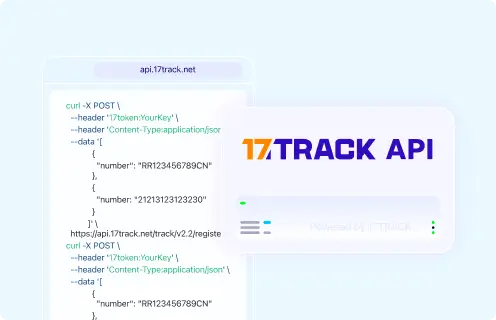
Tracking API
// 1. Current public official CTS tracking API:
// Validate access and endpoint details directly with CTS before implementation.

// 2. 17TRACK API
// Documentation: https://api.17track.net/en/doc
POST https://api.17track.net/track/v2.4/register
17token: YourKey
Content-Type: application/json

[
  {
    "number": "TRACKING_NUMBER",
    "carrier": "CARRIER_CODE"
  }
]

// Replace CARRIER_CODE with the current 17TRACK carrier code after
// confirming it in the current 17TRACK documentation.
Sources & References
- CTS official website. CTS
- 17TRACK API documentation. 17TRACK
17TRACK is an independent tracking platform and is not affiliated with CTS.
Track your package
Global express parcel tracking service