XJWL Tracking
Please enter the XJWL tracking number to check the latest shipping status.
About XJWL
XJWL(XiongJiu Logistics or 雄九供应链) is the carrier name supplied for this tracking guide. The official web address provided for XJWL is the starting point for shipment lookup and service information.
| Field | Verified page information |
|---|---|
| Carrier display name | XJWL |
| Official website | http://www.xiongjiu168.com/ |
| Tracking role | Use the shipment identifier supplied by the sender or seller and compare results across the available tracking pages. |
Carrier Entity Relationships
| Entity | Relationship summary |
|---|---|
| XJWL | XJWL is the carrier entity named in this page request. |
| Official tracking page | The official website is the first-party place to test an identifier when a shipment has been assigned to XJWL. |
| 17TRACK | 17TRACK is an independent tracking platform that may aggregate available events; it does not operate XJWL shipments. |
Quick Answer
Enter the shipment tracking number exactly as shown by the seller, label, receipt, or dispatch message. Try the official XJWL website first, then use 17TRACK for an independent view of available events. If no result appears, check for spaces, mistyped characters, an order number used instead of a tracking number, and whether the sender has physically handed over the parcel.
How to Track XJWL Packages
Use the identifier issued in the dispatch confirmation. The official route gives the carrier’s own available events, while 17TRACK can help identify and consolidate events when a shipment moves between tracking systems.
- Copy the tracking number without changing its characters.
- Open the official XJWL website and use its tracking area if provided.
- Try 17TRACK when the official page gives no event or when the parcel may have crossed a partner network.
- For an empty result, contact the seller first; the seller can confirm the label, handover, destination address, and shipping service.
A tracking number identifies transport activity. An order number identifies a purchase, a reference number identifies a business record, and a delivery notice number identifies a local notice; these identifiers are not automatically interchangeable.
Tracking Number Formats and Examples
XJWL-specific number rules should be verified from the label or dispatch message rather than inferred from a prefix alone. Use masked examples when sharing a number publicly.
Tracking Number Format
| Identifier family | Normalized pattern | ||||||||||
|---|---|---|---|---|---|---|---|---|---|---|---|
| Carrier-issued shipment identifier | Use the exact masked pattern printed on the XJWL label or dispatch notice. | ||||||||||
View all details for carrier-issued identifiers
| |||||||||||
| Partner or last-mile identifier | A second identifier may appear after a transport handoff. | ||||||||||
View all details for partner identifiers
| |||||||||||
| Merchant order or reference ID | A purchase or internal reference string is not necessarily trackable. | ||||||||||
View all details for merchant references
| |||||||||||
Tracking Statuses and Meanings
A status describes the latest recorded event, not necessarily the parcel’s exact position at every moment.
Status Quick Lookup
| Status | What it means | ||||||||
|---|---|---|---|---|---|---|---|---|---|
| Label created / pre-shipment | Shipment data exists, but a physical acceptance scan may not yet exist. | ||||||||
View all details for pre-shipment status
| |||||||||
| Accepted / in transit | A transport network has recorded possession and movement is underway. | ||||||||
View all details for in-transit status
| |||||||||
| Customs / handoff | The parcel is undergoing border processing or transfer between networks. | ||||||||
| Out for delivery / delivered | The parcel is assigned for final delivery or has a recorded delivery scan. | ||||||||
| Exception / return | A problem affects delivery, or the parcel is moving back toward the sender. | ||||||||
Services and Delivery Times
A delivery estimate must come from the selected service, origin, destination, acceptance time, and any handoff or customs activity. Do not treat a tracking estimate as a delivery guarantee.
Service Comparison
| Service | Best for | ||||||||||
|---|---|---|---|---|---|---|---|---|---|---|---|
| Service named on the shipment record | Use the seller’s stated service when estimating delivery or requesting support. | ||||||||||
View all details for the shipment service
| |||||||||||
Delivery Time
| Measure | How to interpret it |
|---|---|
| Estimated delivery date | A planning estimate that can change as new scans arrive. |
| Service standard | A published target, where the selected service provides one. |
| Delay factors | Handoffs, customs, weather, weekends, holidays, remote addresses, volume, and incomplete addresses can extend transit. |
Destination Country Delivery Times
| Destination country or region | Planning guidance | ||||||||
|---|---|---|---|---|---|---|---|---|---|
| Domestic destination | Use the service-specific estimate shown by the sender or official tracking result. | ||||||||
View all details for domestic delivery guidance
| |||||||||
| International destination | Allow additional time for export, line-haul, import processing, customs, and local delivery. | ||||||||
View all details for international delivery guidance
| |||||||||
Common Tracking Problems and Solutions
Start with the latest event and separate a data problem from a transport problem. The sender is usually best placed to correct a label, verify handover, or open a service inquiry.
Problem & Solution
| Problem or status shown | Check first | ||||||||
|---|---|---|---|---|---|---|---|---|---|
| Invalid number | Compare every character with the seller’s dispatch record and remove accidental punctuation only when the tracking page instructs you to. | ||||||||
View all details for an invalid number
| |||||||||
| No update or label created | Check whether physical handover has occurred and retain the dispatch date. | ||||||||
| Stuck in transit | Review the last location, normal handoff gap, address, and any service notice before escalating. | ||||||||
| Customs hold | Read the latest request, prepare invoice or identity information, and follow the destination authority’s instructions. | ||||||||
| Delivered but not received | Check the entrance, safe place, household members, reception desk, neighbors, local delivery point, and proof of delivery; then ask the seller to open an inquiry. | ||||||||
| Address problem, failed delivery, or return | Contact the seller and the latest delivery operator promptly; a return may limit redirection options. | ||||||||
| Lost or damaged parcel | Preserve packaging, photographs, invoices, and the tracking record; the eligible filer should begin the carrier or seller claim route. | ||||||||
International Shipping, Customs and Carrier Handoffs
International visibility follows custody: origin preparation, export processing, line-haul, destination import processing, handoff, and last-mile delivery. Arrival in a destination country does not by itself mean customs release.
International Flow
| Stage | Typical event | ||||||||||
|---|---|---|---|---|---|---|---|---|---|---|---|
| Origin preparation | Shipment data or a label is created before confirmed physical acceptance. | ||||||||||
View all details for origin preparation
| |||||||||||
| Export and line-haul | The shipment is sorted, cleared for export where required, and moved toward the destination. | ||||||||||
| Destination import | Arrival, customs review, duty assessment, or release may generate separate events. | ||||||||||
| Partner handoff and last mile | The destination delivery operator receives or processes the parcel for local delivery. | ||||||||||
| Delivery or return | The final result is delivery, pickup, exception handling, or movement back to the sender. | ||||||||||
Delivery Management and Post-shipment Options
Redirection, pickup, delivery instructions, and signature choices depend on the service and the party controlling the shipment. Ask the seller or the latest delivery operator before the parcel reaches its final stage.
| Option | Who should request it |
|---|---|
| Address correction or redirection | The sender or account holder should request changes; success depends on shipment stage and destination rules. |
| Pickup or redelivery | The recipient should follow the notice or local delivery instructions; the sender can assist with escalation. |
| Proof of delivery | The recipient or seller can request available delivery evidence through the responsible operator. |
Lost, Damaged, Claims, Insurance and Refunds
A tracking inquiry asks about movement; a loss or damage claim seeks a contractual remedy; a postage refund and a marketplace refund are separate processes. Keep the parcel, packaging, proof of value, photographs, and shipment record.
| Process | Use when | ||||||
|---|---|---|---|---|---|---|---|
| Tracking inquiry | The shipment has an unclear, delayed, or inconsistent event. | ||||||
View all details for a tracking inquiry
| |||||||
| Loss or damage claim | The shipment is lost, damaged, or missing contents and the service terms allow a claim. | ||||||
| Seller refund | The buyer seeks a commercial refund under the seller or marketplace policy. | ||||||
Shipping Restrictions and Special Handling
Contents, packaging, destination law, customs declarations, batteries, liquids, perishables, dangerous goods, and restricted items can affect acceptance, routing, clearance, and delivery. Check the current rules before sending.
| Category | Customer check |
|---|---|
| Dangerous goods and batteries | Confirm packaging, declaration, routing, and destination eligibility before tendering the shipment. |
| Liquids and perishables | Check leakage, temperature, packaging, and destination restrictions. |
| Valuables and regulated goods | Verify prohibited or restricted categories and preserve value documentation. |
Customer Service
Use the official website for the current contact route. Prepare the tracking number, sender and recipient details, shipment date, service name, latest scan, contents description, value evidence, and damage photographs before requesting help.
| Channel | Verified contact or purpose |
|---|---|
| Official website | Open the official XJWL website for the current tracking and contact route. |
| Seller or shipper | Best first contact for an unactivated label, address correction, commercial refund, or shipment investigation. |
| 17TRACK | Use for independent event aggregation; 17TRACK cannot change delivery, approve a claim, or issue a refund. |
Ecommerce and Business Tracking
Merchants should retain the carrier tracking number separately from the marketplace order ID, normalize events for customer messaging, and monitor exceptions without promising a delivery date that the service does not guarantee.
Developer/API Comparison
| Option | Provider | ||||||||||
|---|---|---|---|---|---|---|---|---|---|---|---|
| Official carrier integration | XJWL | ||||||||||
View all details for the official carrier integration
| |||||||||||
| Multi-carrier integration | 17TRACK | ||||||||||
View all details for the 17TRACK integration
| |||||||||||
FAQ
Basic FAQs
Enter the shipment tracking number on the official XJWL website or use 17TRACK to view available events.
Look in the seller’s dispatch email, marketplace shipment page, label, receipt, or delivery notice.
Use the exact identifier supplied with the shipment because number structures can differ by service and transport stage.
The first event appears after the relevant network records a shipment scan; label creation alone does not prove physical acceptance.
A scan gap, handoff, transport delay, or uncompleted acceptance may be responsible, so check the latest event and ask the seller to verify handover.
Delivery depends on service, origin, destination, customs, handoffs, and local delivery conditions; use the shipment-specific estimate rather than a universal number.
Read the delivery notice, follow pickup or redelivery instructions, and contact the seller if the next step is unclear.
Check safe places, household members, reception staff, neighbors, and the local delivery point, then request proof of delivery and seller assistance.
Preserve the packaging and evidence, then ask the eligible filer—usually the sender or seller—to start the applicable inquiry or claim.
Use the current contact route on the official XJWL website and provide the tracking number, shipment date, addresses, latest scan, and relevant evidence.
Expert FAQs
A partner may expose a linked local identifier, but retain the original XJWL number because it may continue to carry the shipment history.
No; a label or electronic pre-advice can precede a physical acceptance scan, so the first possession event is the stronger handover signal.
No; arrival, customs review, duty assessment, and release are separate stages that may produce different events.
Responsibility follows physical custody and the latest acceptance scan, while electronic pre-advice alone does not prove that the next operator has received the parcel.
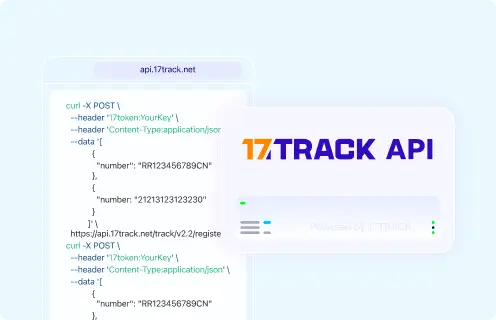
Businesses can use the 17TRACK API for multi-carrier registration when the applicable carrier code and account permissions are available; consult current documentation before deployment.
Tracking API
// Carrier official API: current public endpoint and authentication were not established here.
// 17TRACK API:
POST https://api.17track.net/track/v2.4/register
Headers:
  17token: YourKey
  Content-Type: application/json
Body:
[
  {
    "number": "TRACKING_NUMBER",
    "carrier": "CARRIER_CODE"
  }
]
Sources & References
- XJWL official website. XJWL
- 17TRACK API documentation. 17TRACK
17TRACK is an independent tracking platform and is not affiliated with XJWL.
Track your package
Global express parcel tracking service