InPost (ES) Tracking
Please enter the InPost (ES) tracking number to check the latest shipping status.
About Inpost ES
Inpost ES is the carrier name supplied for this tracking guide. Shipment-specific facts should be taken from the label, merchant dispatch notice, official tracking result, or the official website linked below.
Carrier Overview
| Field | Verified reference |
|---|---|
| Official website | https://www.inpost.es/ |
| Carrier display name | Inpost ES |
| Tracking relationship | 17TRACK may aggregate shipment events when a matching carrier route and tracking identifier are available. |
Carrier Entity Relationships
| Entity | Relationship |
|---|---|
| Inpost ES | Inpost ES is the carrier name that should be selected when the shipment label or merchant notice identifies this entity. |
| Official website | The official website is the primary place to verify the carrier’s current tracking and customer-service instructions. |
| 17TRACK | 17TRACK is an independent tracking platform and does not transport parcels or decide claims. |
Quick Answer
Enter the parcel tracking number shown on the shipping label, dispatch email, marketplace order page, receipt, or delivery notice. Try the official Inpost ES website first, then 17TRACK if you need multi-carrier event aggregation. An order number, invoice number, or merchant reference may not be a tracking number.
How to Track Inpost ES Packages
| Route | Steps |
|---|---|
| Official tracking | Open the official website, locate its tracking function, enter the shipment identifier, and compare the result with the sender’s dispatch information. |
| 17TRACK | Open 17TRACK, enter the tracking number, allow automatic carrier detection where available, and review the latest event and responsible location. |
| No number | Ask the seller or sender for the tracking number. An order number alone may not retrieve transport events. |
Tracking Number Formats and Examples
A carrier may accept identifiers issued by an origin carrier, marketplace, logistics partner, or last-mile operator. A number that can be queried by Inpost ES is not necessarily issued by Inpost ES.
Tracking Number Format
| Identifier family | Normalized pattern and use |
|---|---|
| Carrier or partner identifier | Use the exact alphanumeric identifier printed on the label or dispatch notice; replace the example with a masked form such as XX## #### ####. |
| Merchant reference | An order or reference ID identifies a sale or customer record and may not produce carrier scans. |
| International postal identifier | A postal S10-style identifier may contain two letters, nine digits, and a two-letter country code; the origin postal operator normally issues it. |
Tracking Statuses and Meanings
Status Quick Lookup
| Status | Meaning and next action |
|---|---|
| Label created | Shipment data may exist before physical acceptance. The sender should confirm handover if no acceptance scan follows. |
| In transit | The shipment has a recorded movement. Wait for the next scan unless the seller or official support identifies an exception. |
| Out for delivery | The parcel is assigned to a delivery round or local delivery process. Check the address and delivery instructions. |
| Delivered | A delivery event was recorded. Check the stated location, household, reception desk, neighbours, locker, or pickup point before escalating. |
| Exception or return | A delivery or routing problem requires review. The sender should contact the carrier or merchant with the tracking history. |
Services and Delivery Times
Service Comparison
| Service information | How to verify |
|---|---|
| Service selected by sender | Use the receipt, label, merchant dispatch notice, or official tracking result. Do not infer a service solely from a number prefix. |
| Delivery estimate | Treat an estimate as a planning window rather than a guaranteed delivery date unless the applicable service terms expressly say otherwise. |
Delivery Time
| Factor | Effect on delivery |
|---|---|
| Origin and destination | Transit depends on the selected service, route, local network, and destination handling. |
| Operational events | Weekends, holidays, weather, peak volume, address quality, handoffs, and customs can extend the interval. |
Destination Country Delivery Times
| Destination scope | Responsible estimate |
|---|---|
| Shipment-specific destination | Use the service-specific estimate shown by the sender or official tracking result; a generic country-wide range should not replace the applicable service information. |
Common Tracking Problems and Solutions
Problem & Solution
| Problem | Immediate action |
|---|---|
| Invalid number | Recheck every character, remove accidental spaces, and ask the sender whether the number is an order reference rather than a tracking number. |
| No update | Check the official result, allow time for the next physical scan, and ask the sender to investigate if the parcel has passed the expected service window. |
| Delivered but not received | Check the entrance, safe location, reception desk, household members, neighbours, locker, or pickup point; then contact the sender and carrier with the delivery event. |
| Address or delivery failure | Verify the address and follow the official delivery-management instructions. The sender may need to request a correction or investigation. |
| Return to sender | Contact the seller promptly because return handling, re-dispatch, and refund decisions usually involve the sender. |
International Shipping, Customs and Carrier Handoffs
International Flow
| Stage | What the event means |
|---|---|
| Origin processing | The origin party prepares or accepts the parcel. Electronic pre-advice is not the same as physical acceptance. |
| Line-haul or export | The shipment moves toward the destination network. Scans can be separated by operational gaps. |
| Customs | A customs event indicates processing or review; arrival at customs does not by itself prove release. |
| Partner handoff | A destination or last-mile partner may receive the parcel and continue using the original identifier or issue another local identifier. |
| Last mile | The local delivery party performs delivery, pickup, exception, or return actions according to the destination process. |
Delivery Management and Post-shipment Options
| Option | How to proceed |
|---|---|
| Pickup or redelivery | Use the option shown in the official tracking result or delivery notice, subject to shipment eligibility and local availability. |
| Address change | Ask the sender or official carrier support before delivery; a change is not guaranteed after dispatch. |
| Proof of delivery | Request or review the delivery evidence available through the official channel or sender. |
Lost, Damaged, Claims, Insurance and Refunds
| Process | Use when |
|---|---|
| Tracking inquiry | Use when an event is unclear or the shipment has not received a recent scan. |
| Carrier investigation | The sender should request an investigation when the parcel appears lost, damaged, or incorrectly delivered. |
| Merchant refund | Refund eligibility is governed by the seller or marketplace terms; 17TRACK cannot approve it. |
Keep the packaging, photographs, invoice, shipment receipt, address details, and tracking history. 17TRACK cannot approve claims, refunds, insurance payments, or transport changes.
Shipping Restrictions and Special Handling
| Category | Customer action |
|---|---|
| Restricted or prohibited goods | Review the current official shipping rules before sending batteries, liquids, hazardous goods, perishables, valuable items, or regulated products. |
| Customs documentation | Provide accurate contents, value, recipient details, and any destination documents requested by the official process. |
Customer Service
Customer Service
| Channel | Best use |
|---|---|
| Official website | Open the official website and use the current tracking or help route shown there. |
| Sender or marketplace | Use this route for missing numbers, order details, refunds, seller investigations, and shipment information supplied by the merchant. |
| 17TRACK | Use 17TRACK to view available aggregated events; it cannot change delivery instructions or decide a claim. |
Prepare the tracking number, sender and recipient details, dispatch date, service shown on the receipt, latest scan, delivery address, contents description, value evidence, and photographs where relevant.
Ecommerce and Business Tracking
Developer/API Comparison
| Option | Provider |
|---|---|
| Official carrier integration | Inpost ES |
| Multi-carrier integration | 17TRACK |
Businesses should verify the current developer documentation, authentication requirements, carrier coverage, batch limits, event normalization, and webhook capabilities before implementation. A consumer tracking page and an API response may expose different event detail.
FAQ
Basic FAQs
Enter the tracking number on the official Inpost ES website or use 17TRACK to view available shipment events.
Look on the dispatch email, shipping label, receipt, marketplace order page, or delivery notice.
The identifier can be alphanumeric or issued by a connected origin or last-mile partner, so use the exact masked or printed value rather than guessing a prefix.
Check the characters and ask the sender whether the label has been physically handed over; electronic label creation may precede the first scan.
Scanning gaps can occur during transport or handoff; compare the official result with the seller’s dispatch information and escalate through the sender when the service expectation has passed.
Use the estimate for the selected service and route shown by the sender or official tracking result; customs, weekends, peak volume, and local delivery can affect timing.
Read the delivery notice or tracking instruction, verify the address, and follow the available redelivery, pickup, or sender-contact route.
Check the delivery location, household members, reception desk, neighbours, locker, and pickup point, then contact the sender and carrier with the delivery event.
Keep the packaging and evidence, contact the sender promptly, and ask the sender or carrier about the applicable investigation or claim route.
Start with the current contact or help route on the official Inpost ES website and have the tracking number and shipment details ready.
Expert FAQs
No; label creation can represent electronic pre-advice, while physical acceptance requires a transport scan or confirmation from the responsible party.
Yes, a connected partner identifier may be visible in an Inpost ES route, but query visibility does not prove that Inpost ES issued the number.
No; customs arrival, examination, payment, and release are separate stages and the tracking result must show the applicable release event.
It can when a destination or last-mile party assigns a local identifier; ask the sender for any linked number if the original stops updating.
Businesses should verify the current official carrier documentation and compare it with 17TRACK’s current API documentation before selecting an integration.
Tracking API
// Carrier official API: current public endpoint and authentication were not established from the supplied evidence.
// 17TRACK API reference:
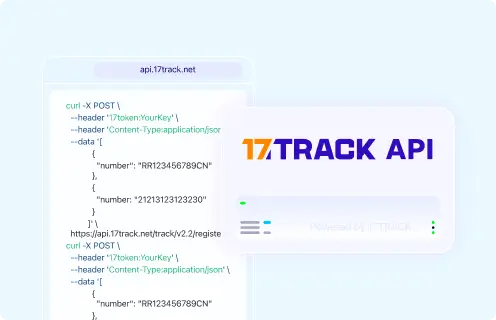
POST https://api.17track.net/track/v2.4/register
17token: YourKey
Content-Type: application/json

[
  {
    "number": "TRACKING_NUMBER",
    "carrier": "CARRIER_CODE"
  }
]

// Verify the current Inpost ES carrier code in 17TRACK documentation before production use.
Sources & References
- Inpost ES — Official website. Inpost ES
- 17TRACK API Documentation. 17TRACK
17TRACK is an independent tracking platform and is not affiliated with Inpost ES.
Track your package
Global express parcel tracking service