HRD Tracking
Please enter the HRD tracking number to check the latest shipping status.
About HRD
HRD is the carrier name supplied for this tracking page. Use the official HRD website for carrier-specific service, shipment, and contact information.
| Field | Verified information |
|---|---|
| Carrier name | HRD |
| Official website | HRD official website |
| Tracking role | The shipment record and tracking number determine which HRD service or logistics stage is involved. |
Carrier Entity Relationships
| Entity | Relationship summary |
|---|---|
| HRD | HRD is the carrier identity that should be selected when the shipment record identifies HRD. |
| 17TRACK | 17TRACK is an independent tracking platform that may aggregate available HRD shipment events. |
Quick Answer
Enter the shipment tracking number supplied by the sender into the official HRD tracking page, when available, or into 17TRACK. If no result appears, check the characters, remove spaces or punctuation, confirm that the number is a tracking number rather than an order number, and ask the sender whether the label has been accepted.
How to Track HRD Packages
- Copy the tracking number from the dispatch email, order page, receipt, label, or message from the sender.
- Open the official HRD website or use 17TRACK and enter the number without adding an order number.
- Review the latest event, location, event time, delivery estimate if shown, and any requested action.
- If the result remains empty, ask the sender to verify the number and confirm physical handover.
A label or electronic pre-advice can exist before HRD receives the parcel. The sender or marketplace should handle missing-number, wrong-item, and order-status questions.
Tracking Number Formats and Examples
Use the complete identifier shown on the shipping document. A number searchable through HRD or 17TRACK is not necessarily issued by HRD; an origin or last-mile partner may issue the identifier.
Tracking Number Format
| Identifier family | Normalized pattern or example | ||||||
|---|---|---|---|---|---|---|---|
| Shipment tracking number | Use the sender-provided identifier; a carrier-specific pattern is not established by the available evidence. | ||||||
View usage details for HRD tracking numbers
| |||||||
| Order or reference number | Marketplace or merchant reference; do not substitute it unless the tracking page explicitly accepts it. | ||||||
Tracking Statuses and Meanings
| Status | Lifecycle meaning |
|---|---|
| Label created or pre-shipment | Shipment data exists, but a physical acceptance scan may not have occurred. |
| Accepted or received | A logistics operator recorded possession; processing normally follows. |
| In transit | The shipment is moving between processing points; scans may be intermittent. |
| Customs or handover | Border processing or transfer to another operator may be occurring; arrival is not proof of release. |
| Out for delivery | The local delivery stage has started; monitor the address and delivery instructions. |
| Delivered or exception | Delivery was recorded or an event requires action; check the event wording and contact the responsible party. |
Services and Delivery Times
A reliable delivery estimate requires the actual HRD service, origin, destination, acceptance time, customs conditions, and local delivery stage. Do not treat a platform estimate as a delivery guarantee.
Service Comparison
| Service information | How to determine it |
|---|---|
| Service type and coverage | Read the service name on the receipt, label, order record, or official tracking result. |
| Tracking level | The displayed events show the level of visibility available for that shipment. |
Delivery Time
| Timing question | Practical answer |
|---|---|
| When does transit usually begin? | Usually after the parcel is physically accepted, although electronic pre-advice may appear earlier. |
| What can delay delivery? | Address issues, weekends, holidays, weather, peak volume, customs, handovers, and missing scans can affect timing. |
Destination Country Delivery Times
| Destination | Reliable planning guidance |
|---|---|
| Any destination | Use the service-specific estimate shown by HRD or the sender; country-level averages cannot be responsibly assigned without a verified service and route. |
Common Tracking Problems and Solutions
| Problem or status | First action |
|---|---|
| Invalid number | Check every character, remove punctuation, and ask the sender whether the identifier is an order reference. |
| No update | Allow time for the next operational scan, then ask the sender to verify physical handover and open any available inquiry. |
| Delivery exception | Read the reason, correct address information through the authorized party, and follow the official action route. |
| Delivered but missing | Check the delivery location, household, reception desk, and nearby safe locations; then contact the sender and the delivery operator. |
| Customs or return | Check requested documents, duties, or address details and contact the party named in the latest event. |
International Shipping, Customs and Carrier Handoffs
| Stage | What customers should understand |
|---|---|
| Origin processing | The origin operator prepares, accepts, and dispatches the shipment. |
| Export and transport | Security, export processing, and line-haul movement can create scan gaps. |
| Import and handover | Destination customs and a local delivery operator may become responsible; arrival does not equal customs release. |
| Last mile | The latest local event identifies the party best placed to explain delivery or collection. |
Claims, Damage and Refunds
A tracking inquiry, transport investigation, insurance claim, postage refund, and marketplace refund are separate processes. Keep the label, receipt, packaging, photographs, invoice, value evidence, and tracking history.
Shipping Restrictions and Special Handling
Before shipping, check the current HRD rules for dangerous goods, batteries, liquids, perishables, valuables, prohibited goods, packaging, weight, dimensions, and destination restrictions. Restrictions can cause refusal, return, customs delay, or limited tracking visibility.
Customer Service
| Channel | Best use |
|---|---|
| Official HRD website | Open the official website for current tracking and contact routes. |
| Sender or marketplace | Use this route for missing numbers, delivery promises, merchant refunds, or a carrier inquiry initiated by the shipper. |
Prepare the tracking number, shipment date, sender and recipient details, service name, latest scan, address, contents description, value evidence, and photographs before requesting help.
Ecommerce and Business Tracking
Merchants should store the carrier-provided tracking number, normalize status events, monitor exceptions, and separate label creation from physical acceptance. Businesses should use current documentation before selecting an official carrier API or a multi-carrier tracking platform.
FAQ
Basic FAQs
Enter the shipment tracking number on the official HRD website or use 17TRACK to view available events.
Check the dispatch message, order page, receipt, parcel label, or ask the sender for the shipment identifier.
Use the complete identifier supplied by the sender; the available evidence does not establish one universal HRD format.
The first event normally appears after an operational scan, while label or pre-advice data may appear earlier.
A scan gap, transport movement, handover, or acceptance delay can prevent immediate updates; ask the sender to verify handover.
Timing depends on the selected service, route, processing, customs, weekends, and local delivery conditions.
Read the exception reason, verify the address, and follow the action shown by HRD or contact the sender.
Check the delivery location, household, reception desk, and nearby safe locations, then contact the sender and delivery operator.
Preserve packaging and evidence, then ask the sender or authorized claimant to start the applicable inquiry or claim.
Use the current contact or tracking route on the official HRD website and provide the complete tracking history.
Expert FAQs
No. A shipment can be searchable by HRD or 17TRACK even when the identifier was issued by an origin, merchant, or delivery partner.
No. Label creation records shipment data, whereas acceptance requires a physical handover or operational scan.
No. Arrival, customs review, release, and last-mile handover are separate events.
It can depend on the route and partner arrangement; retain the original number and check any new identifier supplied by the sender.
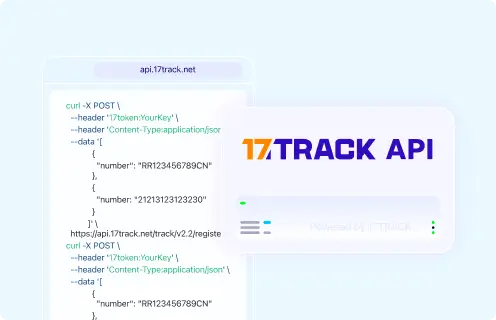
Businesses should consult current HRD developer material or use the documented 17TRACK API for supported multi-carrier workflows.
Tracking API
// Carrier official API: current public official tracking API documentation is not established here.
// 17TRACK API: use the current documentation before production deployment.
POST https://api.17track.net/track/v2.4/register
17token: YourKey
Content-Type: application/json

[
  {
    "number": "TRACKING_NUMBER",
    "carrier": "CARRIER_CODE"
  }
]

// Replace CARRIER_CODE only with the current HRD code shown in 17TRACK documentation.
Sources & References
- HRD official website. HRD
- 17TRACK API documentation. 17TRACK
17TRACK is an independent tracking platform and is not affiliated with HRD.

Track your package
Global express parcel tracking service