About GLS PT
GLS PT is a parcel-delivery carrier serving Portugal and handling domestic and international shipment activity. GLS PT may act as the collecting carrier, network carrier, delivery carrier, or local participant in a cross-border handoff, depending on the shipment route.
Carrier Overview
| Field | Verified information |
|---|
| Official website | https://www.gls-portugal.pt/ |
| Carrier type | Parcel collection, transportation, tracking, and delivery carrier |
| Primary region | Portugal, with international parcel connections |
| Tracking access | Use the shipment-tracking function reached through the official GLS PT website or use 17TRACK. |
Carrier Entity Relationships
| Entity | Relationship |
|---|
| GLS PT | GLS PT is the canonical carrier entity described on this page. |
View all details for the canonical carrier| Entity type | Parcel carrier |
|---|
| Why it matters to tracking | A GLS PT acceptance or processing scan indicates that the carrier has recorded the shipment at that stage. |
|---|
| Official evidence | Official GLS PT website |
|---|
|
| Parcel services | Parcel services are operated through the GLS PT delivery network and connected transport stages. |
View all details for parcel services| Entity type | Operated services |
|---|
| Why it matters to tracking | The selected service, route, cut-off time, and destination affect the event sequence and expected delivery window. |
|---|
| Official evidence | Official GLS PT website |
|---|
|
| Shipment tracking | GLS PT provides shipment-event visibility for identifiers recognized by its tracking system. |
View all details for shipment tracking| Entity type | Tracking product |
|---|
| Why it matters to tracking | The tracking history distinguishes electronic shipment data from physical scans, delivery attempts, and completion events. |
|---|
| Official evidence | Official GLS PT website |
|---|
|
| Depots and sorting facilities | GLS PT facilities sort parcels and route them between collection, line-haul, and delivery stages. |
View all details for network facilities| Entity type | Network and facility entities |
|---|
| Why it matters to tracking | Facility scans usually indicate sorting or route progression, not delivery to the recipient. |
|---|
| Official evidence | Official GLS PT website |
|---|
|
| Destination delivery participant | A destination delivery participant may receive an international parcel after electronic notice and physical handoff. |
View all details for international handoffs| Entity type | International or last-mile participant |
|---|
| Why it matters to tracking | A pre-advice event does not prove physical receipt. Responsibility changes only after the receiving network records the handoff or acceptance. |
|---|
| Official evidence | The responsible participant is identified by the shipment’s event history and destination route. |
|---|
|
| 17TRACK | 17TRACK independently aggregates available GLS PT tracking events for consumer and business visibility. |
View all details for 17TRACK| Entity type | Independent tracking platform |
|---|
| Why it matters to tracking | 17TRACK can display normalized events but does not transport parcels, change addresses, approve claims, or issue refunds. |
|---|
| Official evidence | 17TRACK API documentation |
|---|
|
Quick Answer
Enter the parcel identifier supplied by the sender into the tracking tool reached through the official GLS PT website, or submit it to 17TRACK. If no result appears, remove spaces, distinguish the parcel identifier from the store order number, and check whether the sender has physically handed over the parcel.
Pro Tip: An electronic shipment record can appear before GLS PT has the parcel. Wait for an acceptance, collection, or facility scan before treating the shipment as physically in the carrier network.
17TRACK is an independent tracking platform. Address changes, delivery instructions, transport investigations, compensation, and refunds must be handled by GLS PT, the sender, or the merchant according to the applicable shipment contract.
How to Track GLS PT Packages
Track a GLS PT parcel with the carrier’s official tracking function for carrier-native events, or use 17TRACK when monitoring shipments across more than one carrier.
- Copy the parcel identifier from the sender’s dispatch message, shipping label, receipt, or delivery notice.
- Open the official GLS PT website and select its parcel-tracking function.
- Paste the identifier exactly as supplied. Remove accidental leading or trailing spaces.
- Read the latest event together with its location, date, and preceding scan; one status alone may not show who currently holds the parcel.
- Alternatively, enter the identifier on 17TRACK to view available normalized events and cross-carrier handoffs.
Which Number Should You Use?
| Identifier | How to use it |
|---|
| Parcel or tracking identifier | Use this first for shipment-event tracking. |
| Order number | Use it with the merchant; it is not automatically a carrier tracking identifier. |
| Merchant reference | Use it only when the selected tracking interface explicitly accepts sender references. |
| Delivery notice identifier | Use it for the instructions printed on the notice; it may differ from the parcel identifier. |
| Partner identifier | Use it after a cross-border handoff if the shipment history or sender provides a second identifier. |
If no identifier was supplied, the recipient should ask the sender or merchant. GLS PT generally needs a recognized shipment identifier to locate a specific parcel, while the merchant can link an order number to the transport record.
Tracking Statuses and Meanings
Read GLS PT statuses as lifecycle evidence: electronic data comes first, physical acceptance follows, and facility, customs, delivery, pickup, exception, or return scans document later stages.
Status Quick Lookup
| Status | What it means |
|---|
| Shipment data received | A label or electronic shipment record exists, but physical acceptance may not have occurred. |
View all details for shipment data received| Lifecycle stage | Pre-shipment |
|---|
| Current responsible party | The sender remains responsible until physical handover is recorded. |
|---|
| What happens next | Collection, drop-off, or an acceptance scan. |
|---|
| What you should do | Ask the sender when the parcel was physically handed over if the status does not progress. |
|---|
|
| Accepted or collected | GLS PT has recorded physical receipt or collection of the parcel. |
View all details for accepted or collected| Lifecycle stage | Accepted |
|---|
| Current responsible party | GLS PT or the identified collecting network. |
|---|
| What happens next | Transport to a sorting facility. |
|---|
| What you should do | Monitor the next facility or transit scan. |
|---|
|
| In transit or processed at facility | The parcel is being sorted, transferred, or moved between network locations. |
View all details for in transit| Lifecycle stage | In transit |
|---|
| Current responsible party | The network participant shown by the latest physical scan. |
|---|
| What happens next | Another hub scan, destination-depot arrival, or international handoff. |
|---|
| What you should do | Compare the elapsed time with the sender’s service expectation and watch for an exception. |
|---|
|
| Customs processing | The international shipment is undergoing a customs-related review or data process. |
View all details for customs processing| Lifecycle stage | Customs and handover |
|---|
| Current responsible party | The customs authority, declarant, or transport participant holding the parcel. |
|---|
| What happens next | Release, request for information, assessment of charges, inspection, or return action. |
|---|
| What you should do | Respond promptly to requests for invoices, identity data, payment, or import documentation. |
|---|
|
| Out for delivery | The parcel has been assigned to a delivery route for the current delivery cycle. |
View all details for out for delivery| Lifecycle stage | Out for delivery |
|---|
| Current responsible party | The delivering depot and route operator. |
|---|
| What happens next | Delivery, an attempted-delivery event, or route rescheduling. |
|---|
| What you should do | Ensure the address is accessible and follow any official delivery-management instructions. |
|---|
|
| Delivered | A completion scan records delivery to the stated address, recipient, or authorized location. |
View all details for delivered| Lifecycle stage | Delivered |
|---|
| Current responsible party | The recipient controls the parcel after valid delivery; disputed delivery requires carrier and sender review. |
|---|
| What happens next | The transport record normally closes unless delivery is disputed. |
|---|
| What you should do | Check the entrance, reception, household members, neighbors, and available proof of delivery before escalating. |
|---|
|
| Available for pickup | The parcel is being held at the location identified in the notice or tracking record. |
View all details for pickup| Lifecycle stage | Pickup |
|---|
| Current responsible party | The holding location identified by GLS PT. |
|---|
| What happens next | Collection by an eligible person or return after the applicable holding period. |
|---|
| What you should do | Follow the notice and bring the required identification and shipment information. |
|---|
|
| Delivery exception | An address, access, weather, operational, damage, or recipient issue interrupted normal delivery. |
View all details for a delivery exception| Lifecycle stage | Exception |
|---|
| Current responsible party | GLS PT handles transport recovery; the sender or recipient may need to supply information. |
|---|
| What happens next | Correction, another attempt, collection instructions, investigation, or return. |
|---|
| What you should do | Read the exact exception text and act through the official contact or delivery channel. |
|---|
|
| Returned to sender | The parcel is moving back because delivery could not be completed or the shipment was refused or stopped. |
View all details for returned to sender| Lifecycle stage | Return |
|---|
| Current responsible party | GLS PT or the identified return-network participant until handback. |
|---|
| What happens next | Return transport and delivery to the contractual sender. |
|---|
| What you should do | The recipient should contact the merchant; the sender should review the return reason before reshipping or refunding. |
|---|
|
Services and Delivery Times
GLS PT delivery time depends on the purchased service, collection time, origin, destination, address quality, operating calendar, customs processing, and any international handoff. A tracking estimate is not automatically a guaranteed delivery commitment.
Service Comparison
| Service | Best for |
|---|
| Domestic parcel delivery | Parcels moving between Portuguese addresses. |
View all details for domestic parcel delivery| Service type | Domestic parcel transport |
|---|
| Coverage | Eligible Portuguese origins and destinations. |
|---|
| Tracking level | Electronic and physical shipment events where scans are recorded. |
|---|
| Key size/weight condition | Shipment acceptance depends on the booked product and current rules. |
|---|
| Included protection/extra service | Contractual liability or optional services depend on the shipping agreement. |
|---|
| Main limitation | Remote routes, cut-off times, address problems, and service interruptions can extend transit. |
|---|
|
| International parcel delivery | Cross-border parcels moving through connected transport and destination stages. |
View all details for international parcel delivery| Service type | International parcel transport |
|---|
| Coverage | Eligible destinations supported by the purchased route. |
|---|
| Tracking level | Origin, transport, handoff, customs-related, and destination events may be available. |
|---|
| Key size/weight condition | Limits and acceptance rules vary by destination and service. |
|---|
| Included protection/extra service | Liability and optional coverage depend on the shipment contract. |
|---|
| Main limitation | Border procedures and destination-network events may create longer or less frequent scan intervals. |
|---|
|
| Business returns | Merchant-authorized return movements linked to an ecommerce or business process. |
View all details for business returns| Service type | Return logistics |
|---|
| Coverage | Depends on the merchant’s contract and return instructions. |
|---|
| Tracking level | Return events are associated with the return identifier supplied for that movement. |
|---|
| Key size/weight condition | The returned parcel must comply with the authorized return method. |
|---|
| Included protection/extra service | Defined by the merchant and carrier agreement. |
|---|
| Main limitation | An original outbound tracking identifier may not track the separate return movement. |
|---|
|
Delivery Time
| Service | Published delivery standard |
|---|
| Domestic parcel delivery | Use the service expectation shown in the sender’s booking or shipment confirmation. |
View delivery-time conditions for domestic parcels| Business or calendar days | Transport schedules are generally interpreted using operating days unless the shipment terms state otherwise. |
|---|
| Guarantee status | A displayed estimate is not a guarantee unless the purchased terms expressly provide one. |
|---|
| Starts counting from | Physical acceptance and the applicable collection cut-off, not label creation alone. |
|---|
| Main delay factors | Late handover, weekends, holidays, remote routing, weather, address issues, and operational disruption. |
|---|
| Official source date/validity | Check the current booking terms and official GLS PT service information for the shipment. |
|---|
|
| International parcel delivery | The delivery expectation varies by origin, destination, service, border formalities, and destination route. |
View delivery-time conditions for international parcels| Business or calendar days | Quoted transit periods normally follow the service’s operating-day convention. |
|---|
| Guarantee status | Customs and external transport stages can fall outside an estimated delivery window. |
|---|
| Starts counting from | Physical acceptance, subject to the collection cut-off and export readiness. |
|---|
| Main delay factors | Documentation, security screening, customs, taxes, handoffs, missed connections, and destination conditions. |
|---|
| Official source date/validity | Use the current quotation, shipment confirmation, and applicable official terms. |
|---|
|
Destination Country Delivery Times
| Destination Country / Region | Delivery-time guidance |
|---|
| Portugal | Use the domestic service estimate supplied for the booked shipment. |
View destination details for Portugal| Primary service type | Domestic parcel delivery |
|---|
| Estimated delivery time range | Use the booked service window rather than a generic country estimate. |
|---|
| Average delivery days | The shipment-specific estimate is more reliable than an uncited network average. |
|---|
| Last-mile partner / handoff carrier | GLS PT or the delivery participant identified in tracking. |
|---|
| Customs & clearance tips | Domestic movements normally avoid import clearance; islands and remote routes may follow different schedules. |
|---|
|
| European Union destinations | Use the route-specific estimate shown by the sender or booking system. |
View destination details for European Union routes| Primary service type | International parcel delivery |
|---|
| Estimated delivery time range | Route-specific and dependent on origin, destination, collection cut-off, and service. |
|---|
| Average delivery days | Use the shipment estimate and scan history; no single average applies to every route. |
|---|
| Last-mile partner / handoff carrier | The destination participant shown in tracking. |
|---|
| Customs & clearance tips | Tax-territory exceptions and special goods can still require documentation even on an intra-regional route. |
|---|
|
| Non-European Union destinations | Add time for export, import, and destination delivery processes. |
View destination details for non-European Union routes| Primary service type | International parcel delivery with border formalities |
|---|
| Estimated delivery time range | Use the booked route estimate and treat customs time as separately variable. |
|---|
| Average delivery days | A general average can mislead because clearance and last-mile conditions differ significantly. |
|---|
| Last-mile partner / handoff carrier | The receiving participant identified by the shipment route or tracking events. |
|---|
| Customs & clearance tips | Ensure the invoice, goods description, value, origin, recipient details, and any required tax information are accurate. |
|---|
|
No universal country-by-country average should replace the estimate attached to the purchased service. The latest physical scan, destination, customs state, and delivery route provide the most useful shipment-specific evidence.
Common Tracking Problems and Solutions
Start with the latest physical scan, identify who currently holds the parcel, and then contact the party able to act. Recipients usually need the sender’s help for contractual investigations or compensation.
Problem & Solution
| Problem/status shown | Immediate action |
|---|
| Invalid number | Copy the parcel identifier again and remove accidental spaces. |
View all details for an invalid number| Likely cause | Order number used, typing error, inactive label, or wrong carrier selection. |
|---|
| Check first | The sender’s dispatch message and label. |
|---|
| When to escalate | When the sender confirms physical handover but the identifier remains unrecognized. |
|---|
| Who to contact | Sender first, then GLS PT with the corrected shipment details. |
|---|
|
| No tracking or label created | Ask whether the parcel has been physically collected or dropped off. |
View all details for no tracking| Likely cause | Electronic data exists before physical handover or the first scan has not posted. |
|---|
| Check first | The sender’s actual handover date and collection cut-off. |
|---|
| When to escalate | When the shipment exceeds the sender’s stated activation expectation. |
|---|
| Who to contact | The sender, because the sender can verify collection and booking records. |
|---|
|
| Long gap or stuck in transit | Compare the last physical scan with the service expectation and route. |
View all details for a transit gap| Likely cause | Line-haul movement, missed scan, weekend, congestion, disruption, or handoff delay. |
|---|
| Check first | Latest location, exception text, holidays, and whether the route is international. |
|---|
| When to escalate | When the shipment exceeds the applicable service expectation or shows an unresolved exception. |
|---|
| Who to contact | Sender for a contractual investigation; GLS PT for current operational guidance. |
|---|
|
| Partner handoff pending | Look for the first physical acceptance scan from the receiving network. |
View all details for a pending handoff| Likely cause | Electronic pre-advice was sent before the parcel arrived. |
|---|
| Check first | The last physical scan from the dispatching participant. |
|---|
| When to escalate | When the handoff exceeds the route expectation without a receiving scan. |
|---|
| Who to contact | The sender or the participant shown as the last physical custodian. |
|---|
|
| Address problem or failed delivery | Follow the official notice and provide permitted address or access information promptly. |
View all details for an address or delivery problem| Likely cause | Incomplete address, inaccessible premises, absent recipient, or route issue. |
|---|
| Check first | Postcode, unit number, name, access instructions, and notice text. |
|---|
| When to escalate | Immediately if the address is materially wrong or a return has begun. |
|---|
| Who to contact | GLS PT for eligible delivery options; sender if contractual authorization is required. |
|---|
|
| Available for pickup | Use the identified location and follow its collection requirements. |
View all details for parcel pickup| Likely cause | Delivery was redirected, attempted, or booked for collection. |
|---|
| Check first | Pickup address, eligibility, identification requirements, and notice instructions. |
|---|
| When to escalate | Before the applicable holding period ends if collection is impossible. |
|---|
| Who to contact | The identified pickup location or GLS PT. |
|---|
|
| Customs hold | Respond to requests for documents, import information, or payment. |
View all details for a customs hold| Likely cause | Document review, valuation, classification, inspection, restricted goods, or unpaid charges. |
|---|
| Check first | Official requests sent to the sender or recipient. |
|---|
| When to escalate | When requested information was supplied but no acknowledgement or next step appears. |
|---|
| Who to contact | The requesting clearance party; sender for invoice or export data. |
|---|
|
| Delivered but not received | Check the precise delivery location, household, reception, neighbors, and available proof of delivery. |
View all details for delivered but not received| Likely cause | Alternative recipient, secure location, reception handoff, address error, premature scan, or misdelivery. |
|---|
| Check first | Delivery address, timestamp, recipient name, entrance, reception, household members, and neighbors. |
|---|
| When to escalate | Promptly after local checks fail, while delivery details can still be investigated. |
|---|
| Who to contact | GLS PT for delivery evidence and the sender for a formal investigation or replacement decision. |
|---|
|
| Lost or damaged | Preserve the parcel, contents, packaging, photographs, and value evidence. |
View all details for loss or damage| Likely cause | Transport damage, missing contents, unresolved network loss, or delivery dispute. |
|---|
| Check first | Shipment terms, condition at delivery, tracking record, and merchant policy. |
|---|
| When to escalate | As soon as damage or loss is identified, using the applicable contractual process. |
|---|
| Who to contact | The sender or merchant normally manages the transport claim; GLS PT handles the carrier investigation under the shipping contract. |
|---|
|
| Returned to sender | Ask the sender to review the return reason and decide whether to refund or reship. |
View all details for a return to sender| Likely cause | Failed delivery, refusal, invalid address, expired pickup, customs issue, or shipment restriction. |
|---|
| Check first | The first return event and its stated reason. |
|---|
| When to escalate | Immediately if tracking shows an error and interception may still be possible. |
|---|
| Who to contact | Sender or merchant; GLS PT can explain operational status where permitted. |
|---|
|
International Shipping, Customs and Carrier Handoffs
International tracking can include electronic pre-advice, physical handoff, export movement, customs-related events, import processing, and destination delivery. Arrival in the destination country does not mean customs release.
International Flow
| Stage | What is happening |
|---|
| Shipment creation | The sender creates shipment data and a transport identifier. |
View all details for shipment creation| Physical custodian/responsible entity | The sender until handover. |
|---|
| Typical tracking event | Shipment data received or label created. |
|---|
| Can the tracking number change? | A linked identifier may be added later. |
|---|
| Normal visibility gap | Between data creation and the first physical scan. |
|---|
| What the customer should do | Verify the sender’s physical handover date. |
|---|
|
| Origin acceptance | The parcel is collected or accepted into the dispatch network. |
View all details for origin acceptance| Physical custodian/responsible entity | GLS PT or the identified origin participant. |
|---|
| Typical tracking event | Collected, accepted, or processed at origin facility. |
|---|
| Can the tracking number change? | The original identifier normally remains linked to the movement. |
|---|
| Normal visibility gap | During transport to the export facility. |
|---|
| What the customer should do | Monitor for export or line-haul progression. |
|---|
|
| Export processing | The parcel is sorted, documented, screened, and prepared for international departure. |
View all details for export processing| Physical custodian/responsible entity | The export transport and handling network. |
|---|
| Typical tracking event | Processed for export or departed facility. |
|---|
| Can the tracking number change? | A line-haul or partner identifier may be linked internally. |
|---|
| Normal visibility gap | While consolidated or waiting for departure. |
|---|
| What the customer should do | Ensure the sender supplied accurate commercial data. |
|---|
|
| International line-haul | The parcel moves between origin and destination networks. |
View all details for international line-haul| Physical custodian/responsible entity | The contracted transport chain. |
|---|
| Typical tracking event | Departed origin, in transit, or arrived at destination gateway. |
|---|
| Can the tracking number change? | Public tracking may retain the original number while internal identifiers differ. |
|---|
| Normal visibility gap | During flight, road transport, consolidation, or gateway transfer. |
|---|
| What the customer should do | Allow for route movement unless an exception appears. |
|---|
|
| Electronic partner pre-advice | Shipment data is sent to the receiving participant before physical arrival. |
View all details for partner pre-advice| Physical custodian/responsible entity | The dispatching participant remains custodian until handoff. |
|---|
| Typical tracking event | Information received or awaiting parcel. |
|---|
| Can the tracking number change? | A destination identifier can be created before receipt. |
|---|
| Normal visibility gap | Until the receiving participant scans the physical parcel. |
|---|
| What the customer should do | Do not treat pre-advice as proof of physical handoff. |
|---|
|
| Import customs | Authorities and clearance parties review the declaration and goods where required. |
View all details for import customs| Physical custodian/responsible entity | The parcel may remain with a bonded facility or transport participant while customs controls release. |
|---|
| Typical tracking event | Customs processing, documentation required, charges due, or released. |
|---|
| Can the tracking number change? | Normally unrelated to customs release, though local references may be added. |
|---|
| Normal visibility gap | Review time cannot be inferred from arrival alone. |
|---|
| What the customer should do | Respond to legitimate document or payment requests. |
|---|
|
| Physical handoff and destination acceptance | The receiving network records possession and starts destination processing. |
View all details for destination acceptance| Physical custodian/responsible entity | The receiving participant shown by the first destination acceptance scan. |
|---|
| Typical tracking event | Received at destination facility or processed by destination network. |
|---|
| Can the tracking number change? | The original number may continue or a linked last-mile number may be used. |
|---|
| Normal visibility gap | Between physical arrival and induction scan. |
|---|
| What the customer should do | Use the linked identifier if tracking explicitly provides one. |
|---|
|
| Last-mile delivery | The parcel is routed from the destination depot to the recipient or pickup location. |
View all details for last-mile delivery| Physical custodian/responsible entity | The delivery participant identified by the latest scan. |
|---|
| Typical tracking event | At delivery depot, out for delivery, delivered, attempted, or available for pickup. |
|---|
| Can the tracking number change? | A destination identifier may be the most current lookup key. |
|---|
| Normal visibility gap | Between depot sorting and route scan. |
|---|
| What the customer should do | Follow official delivery or pickup instructions. |
|---|
|
Delivery Management and Post-shipment Options
Available delivery choices depend on the shipment, sender restrictions, current stage, destination, and options shown in an official GLS PT notice. A request does not guarantee that the route can be changed.
Delivery Management
| Option | Eligibility |
|---|
| Delivery instructions | Only when an official shipment notice or GLS PT channel offers the option. |
View all details for delivery instructions| Who can request | An eligible recipient or authorized sender. |
|---|
| Deadline/available stage | Before route completion and within the period shown by the official option. |
|---|
| Fee | Follow the terms displayed for the shipment. |
|---|
| Guaranteed? | No; operational, security, sender, and service restrictions can apply. |
|---|
| Official action link | GLS PT website |
|---|
|
| Redelivery or alternative collection | Available only when shown after an attempt or in an official delivery notice. |
View all details for redelivery or collection| Who can request | The eligible recipient or sender. |
|---|
| Deadline/available stage | After the option becomes available and before return processing. |
|---|
| Fee | Depends on the displayed terms and shipment contract. |
|---|
| Guaranteed? | No; availability depends on route and parcel status. |
|---|
| Official action link | GLS PT website |
|---|
|
| Proof of delivery request | Subject to shipment access, privacy controls, and the applicable transport record. |
View all details for proof of delivery| Who can request | The sender or an eligible recipient, depending on access rights. |
|---|
| Deadline/available stage | After a delivery event is recorded. |
|---|
| Fee | Depends on the shipment agreement. |
|---|
| Guaranteed? | The record may show a delivery event without exposing all personal data. |
|---|
| Official action link | GLS PT website |
|---|
|
Lost, Damaged, Claims, Insurance and Refunds
A tracking inquiry, transport investigation, damage claim, compensation request, postage refund, and merchant refund are separate processes. The contractual sender usually has the strongest claim rights with GLS PT, while the buyer normally seeks a replacement or refund from the merchant.
Claims and Refunds
| Process | Use when |
|---|
| Tracking inquiry | The shipment has an unexplained delay, exception, or disputed event. |
View all details for a tracking inquiry| Who files | Recipient may ask for status; sender may be required for a contractual investigation. |
|---|
| Earliest/latest filing time | Follow the applicable service terms and escalate after the service expectation or upon a clear exception. |
|---|
| Required evidence | Tracking identifier, sender and recipient details, shipping date, service, and last scan. |
|---|
| Possible outcome | Status explanation, delivery action, investigation, or request for more information. |
|---|
| Official link | GLS PT website |
|---|
|
| Loss or damage claim | The parcel is confirmed or reasonably suspected lost, damaged, or missing contents. |
View all details for a loss or damage claim| Who files | The contractual sender or another party authorized under the shipment terms. |
|---|
| Earliest/latest filing time | Use the current deadline stated in the applicable contract and begin promptly after discovery. |
|---|
| Required evidence | Tracking record, invoice or value proof, photographs, contents description, packaging, and damage evidence. |
|---|
| Possible outcome | Investigation, compensation under applicable liability, denial, or request for further evidence. |
|---|
| Official link | GLS PT website |
|---|
|
| Merchant refund or replacement | A buyer did not receive the purchased goods or received damaged goods. |
View all details for a merchant remedy| Who files | The buyer contacts the merchant; the merchant separately handles any carrier claim. |
|---|
| Earliest/latest filing time | Follow the merchant’s current sales, return, and consumer-remedy terms. |
|---|
| Required evidence | Order record, tracking history, photographs, delivery dispute details, and communications. |
|---|
| Possible outcome | Replacement, refund, further investigation, or denial under the sales terms. |
|---|
| Official link | Use the merchant’s order-support channel. |
|---|
|
Keep all packaging and contents until the case is resolved. 17TRACK can display tracking information but cannot approve a claim, determine liability, issue compensation, or reverse a delivery result.
Shipping Restrictions and Special Handling
Acceptance depends on the current GLS PT rules, the purchased service, transport mode, destination law, and correct declaration. Restricted or undeclared goods can cause inspection, delay, refusal, return, or disposal under applicable rules.
Shipping Restrictions
| Category | Prohibited or restricted |
|---|
| Dangerous goods | Restricted or excluded unless expressly accepted under applicable transport rules. |
View all details for dangerous goods| Typical examples | Flammable, explosive, corrosive, toxic, pressurized, or reactive materials. |
|---|
| Key condition/packaging | Classification, marking, documentation, and approved packaging may be required. |
|---|
| Transport limitation | Acceptance varies by product, route, and transport mode. |
|---|
| Possible tracking/delivery impact | Hold, inspection, refusal, return, or regulatory action. |
|---|
| Official rules | Check current GLS PT rules |
|---|
|
| Batteries and electronic devices | Restricted according to battery type, condition, quantity, packaging, and route. |
View all details for batteries| Typical examples | Loose batteries, battery packs, and devices containing batteries. |
|---|
| Key condition/packaging | Protection from short circuit, movement, damage, and accidental activation may be required. |
|---|
| Transport limitation | Air and cross-border routes can apply additional controls. |
|---|
| Possible tracking/delivery impact | Security hold, rerouting, rejection, or return. |
|---|
| Official rules | Check current GLS PT rules |
|---|
|
| Liquids, perishables, and temperature-sensitive goods | Restricted by leakage, spoilage, packaging, transit, and service conditions. |
View all details for sensitive goods| Typical examples | Liquids, food, biological materials, and goods requiring temperature control. |
|---|
| Key condition/packaging | Leak-resistant containment and protection appropriate to normal parcel handling are essential. |
|---|
| Transport limitation | Standard parcel services may not provide controlled temperature or time-critical handling. |
|---|
| Possible tracking/delivery impact | Damage investigation, refusal, disposal, or return. |
|---|
| Official rules | Check current GLS PT rules |
|---|
|
| High-value, regulated, or legally controlled goods | Restricted or excluded depending on law, value, contract, and destination. |
View all details for controlled goods| Typical examples | Currency-like items, weapons, controlled substances, protected goods, or unusually valuable contents. |
|---|
| Key condition/packaging | Legal authorization, accurate declaration, and specialized transport may be required. |
|---|
| Transport limitation | Standard parcel acceptance may be unavailable. |
|---|
| Possible tracking/delivery impact | Inspection, seizure, refusal, investigation, or return. |
|---|
| Official rules | Check current GLS PT rules |
|---|
|
Customer Service
Use the official GLS PT website for current tracking, contact, depot, and shipment-support channels. Prepare the parcel identifier and latest event before contacting support.
Customer Service
| Channel | Verified contact/link |
|---|
| Official website and tracking access | https://www.gls-portugal.pt/ |
View all details for official website support| Best for | Tracking, current contact routes, service information, and official shipment instructions. |
|---|
| Region/language | Portugal; use the language options offered on the site. |
|---|
| Hours and time zone | Online information is accessible through the website; staffed-channel hours should be checked there. |
|---|
| Information to prepare | Tracking identifier, shipping date, sender, recipient postcode, service, last scan, and issue description. |
|---|
| Important limitation | Some actions require sender authorization or a business account. |
|---|
|
| Sender or merchant support | Use the contact route shown on the order confirmation or seller account. |
View all details for sender support| Best for | Missing tracking numbers, order linkage, formal transport investigations, refunds, replacements, and return authorization. |
|---|
| Region/language | Depends on the seller. |
|---|
| Hours and time zone | Follow the seller’s published support hours. |
|---|
| Information to prepare | Order number, parcel identifier, purchase evidence, delivery address, and photographs where relevant. |
|---|
| Important limitation | The merchant controls the sales remedy but does not control carrier scans. |
|---|
|
| 17TRACK tracking support | https://www.17track.net/ |
View all details for 17TRACK tracking| Best for | Viewing available normalized tracking events across carriers. |
|---|
| Region/language | International interface with available language options. |
|---|
| Hours and time zone | Online tracking access. |
|---|
| Information to prepare | The parcel identifier and, where needed, the carrier selection. |
|---|
| Important limitation | 17TRACK cannot modify delivery, contact a driver, approve a claim, or issue a merchant refund. |
|---|
|
For efficient escalation, first confirm the identifier and latest scan, then ask the sender to verify booking and handover records, contact GLS PT for operational review, and use the sender or merchant for a formal claim, replacement, or refund. For damage, prepare photographs of every side of the parcel, the label, internal packaging, damaged contents, and value evidence.
Ecommerce and Business Tracking
Consumer tracking is suited to individual lookups. Businesses managing multiple carriers can use 17TRACK to register identifiers, normalize statuses, monitor exceptions, and connect tracking data to order-support workflows.
Developer/API Comparison
| Option | Provider |
|---|
| Consumer tracking | GLS PT |
View all details for consumer tracking| Carrier coverage | GLS PT shipments and connected events recognized by its tracking system. |
|---|
| Primary use | Individual shipment lookup. |
|---|
| Authentication | Use the shipment information requested by the official interface. |
|---|
| Tracking/batch/webhook capability | Consumer tracking should not be assumed to provide enterprise batch or webhook functions. |
|---|
| Current developer documentation | Official GLS PT website |
|---|
| Migration/deprecation note | Use only current interfaces linked by GLS PT. |
|---|
|
| Multi-carrier tracking API | 17TRACK |
View all details for the 17TRACK API| Carrier coverage | Multi-carrier tracking supported by the 17TRACK platform. |
|---|
| Primary use | Shipment registration, normalized tracking visibility, and business integration. |
|---|
| Authentication | API key supplied in the 17token request header. |
|---|
| Tracking/batch/webhook capability | Capabilities depend on the current API product and documentation. |
|---|
| Current developer documentation | 17TRACK API documentation |
|---|
| Migration/deprecation note | Use the current documented API version and review change notices before implementation. |
|---|
|
| Official carrier API | GLS PT |
View all details for official carrier integration| Carrier coverage | Carrier-specific shipment functions subject to account and contract eligibility. |
|---|
| Primary use | Direct business integration where enabled by GLS PT. |
|---|
| Authentication | Use credentials and methods supplied through the current official business integration process. |
|---|
| Tracking/batch/webhook capability | Use only capabilities documented for the authorized account. |
|---|
| Current developer documentation | Official GLS PT website |
|---|
| Migration/deprecation note | Do not implement endpoints copied from obsolete or regional documentation without current confirmation. |
|---|
|
FAQ
Basic FAQs
1. How do I track my GLS PT package?Enter the parcel identifier through the official GLS PT website or track it with 17TRACK. Review the latest physical scan rather than relying only on a label-created event.
2. Where can I find my GLS PT tracking number?Look in the sender’s dispatch email, shipping label, receipt, account page, or delivery notice. If only an order number is shown, ask the merchant for the carrier parcel identifier.
3. What does a GLS PT tracking number look like?GLS PT shipments can use numeric or alphanumeric identifiers supplied by the shipping system. Copy the identifier exactly and do not infer a service solely from its prefix.
4. When will the first GLS PT tracking update appear?The first physical update appears after collection, drop-off, or facility acceptance is scanned. Electronic shipment data can appear earlier and does not prove that GLS PT already holds the parcel.
5. Why is my GLS PT tracking not updating?A gap can occur during line-haul movement, weekends, congestion, a missed scan, customs processing, or a carrier handoff. Escalate through the sender if the parcel exceeds the applicable service expectation or shows an unresolved exception.
6. How long does GLS PT delivery take?Delivery time depends on the booked service, origin, destination, collection cut-off, operating days, and customs where applicable. Use the shipment-specific estimate supplied by the sender rather than a generic average.
7. What should I do after a failed GLS PT delivery?Read the exact tracking event and follow the official notice for redelivery or collection where offered. Act before return processing starts and contact the sender if authorization is required.
8. What should I do if GLS PT says delivered but I cannot find the parcel?Check the address, entrance, secure locations, reception, household members, neighbors, timestamp, and available proof of delivery. If the parcel remains missing, contact GLS PT promptly and ask the sender to open a delivery investigation.
9. How do I report a lost or damaged GLS PT parcel?Notify the sender promptly and preserve the packaging, contents, label, photographs, invoice, and value evidence. The contractual sender normally handles the carrier claim, while the buyer requests a sales remedy from the merchant.
10. How do I contact GLS PT?Use the current support and contact channels provided on the official GLS PT website. Prepare the tracking identifier, shipping date, addresses, service, latest scan, and a concise description of the issue.
Expert FAQs
11. Does a GLS PT estimated delivery date guarantee arrival?No, an estimated date is a planning prediction unless the purchased terms expressly establish a guarantee. Customs, address problems, remote routing, weather, disruption, and recipient actions can change the actual delivery time.
12. How can I tell whether GLS PT physically has the parcel?Look for an acceptance, collection, or facility-processing scan from GLS PT. Shipment information received or label-created events usually indicate electronic data and may leave the sender as the physical custodian.
13. Can a GLS PT international tracking number change after handoff?A destination participant may assign or expose a linked identifier even when the original number continues to work. Use the second identifier only when the shipment history, sender, or official delivery notice links it to the same parcel.
14. Does arrival in the destination country mean my GLS PT parcel cleared customs?No, physical arrival and customs release are separate events. Wait for a release or destination-processing event and respond promptly if the clearance party requests documents, import data, or payment.
15. Who is responsible during a GLS PT carrier handoff?The participant with the latest physical custody scan remains the practical contact until the receiving network records acceptance. Electronic pre-advice alone does not transfer physical possession.
16. Can businesses track GLS PT shipments through an API?Businesses can use the 17TRACK multi-carrier API for supported tracking workflows and may use carrier-specific integration made available through an eligible GLS PT business arrangement. Implement only current authenticated documentation and do not reuse unverified legacy endpoints.
17. What is the difference between GLS PT proof of delivery and tracking?Tracking shows the shipment-event sequence, while proof of delivery supports the final delivery record. Access to recipient or signature information can depend on privacy controls, service terms, and sender authorization.
Tracking API
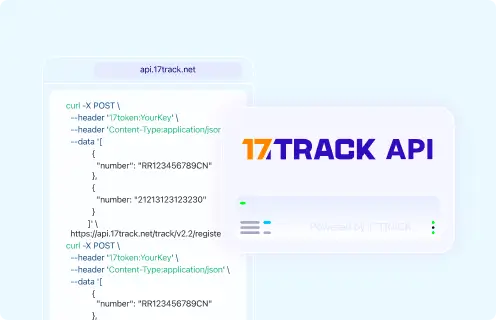
Use only current authenticated documentation for an official GLS PT integration. A public official tracking endpoint, method, and authentication scheme are not reproduced here because they must be verified through the current GLS PT business integration process. The 17TRACK registration endpoint below uses a carrier-code placeholder rather than an unverified code.
# 1. GLS PT official tracking API
# Current public official tracking API endpoint and authentication are not included.
# Obtain current integration documentation through the official GLS PT business channel.

# 2. 17TRACK API
# Documentation: https://api.17track.net/en/doc

curl --request POST \
  --url https://api.17track.net/track/v2.4/register \
  --header '17token: YourKey' \
  --header 'Content-Type: application/json' \
  --data '[
    {
      "number": "TRACKING_NUMBER",
      "carrier": "CARRIER_CODE"
    }
  ]'

# Replace TRACKING_NUMBER with the shipment identifier.
# Replace CARRIER_CODE only with the current code confirmed in 17TRACK documentation.
Sources & References
17TRACK is an independent tracking platform and is not affiliated with GLS PT.