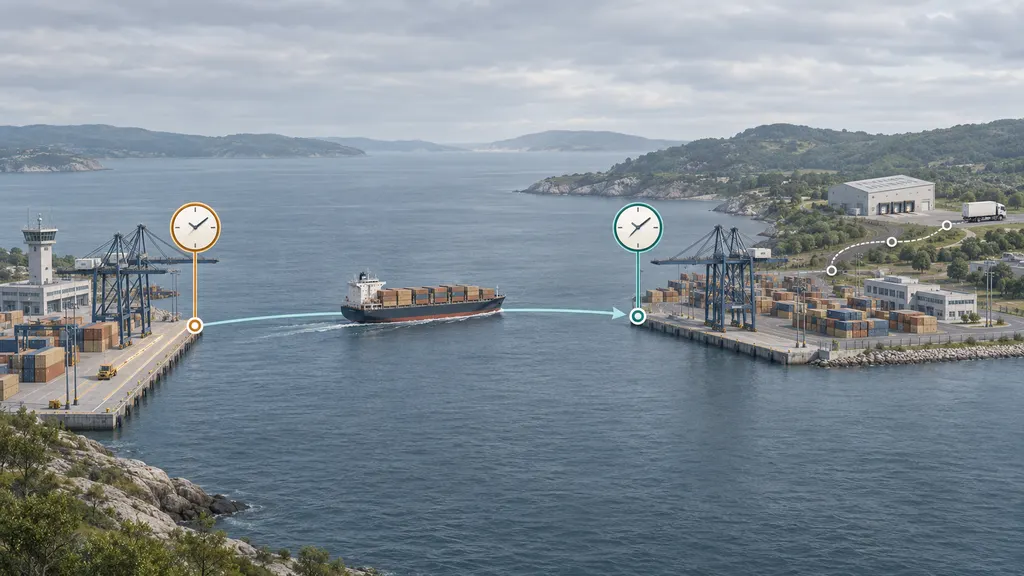
How to Track a Package from the Usa to China (USPS, Express Carriers & Forwarders)
To track a package from the USA to China, start with the tracking number and the carrier that accepted the shipment. Enter the number on the original carrier’s tracking page, then check the destination carrier or a multi-carrier tool when the parcel crosses borders. USPS, DHL, FedEx, UPS, postal operators, and freight forwarders may each display different events, and a gap in updates does not automatically mean the shipment is lost.
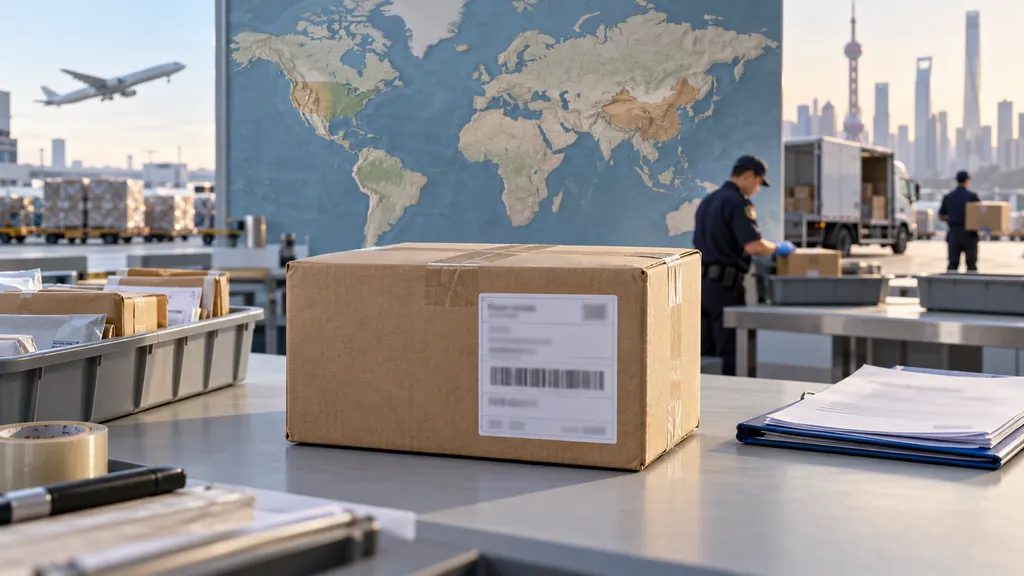
The most reliable approach is to identify who controls the shipment at its current stage, compare the latest event with the promised service, and contact the correct party when the parcel is delayed, held for customs, or marked delivered but cannot be found.
What you need before you start
Locate the shipment confirmation, dispatch email, marketplace order page, or receipt. Look for:
- The tracking number, which may contain letters, numbers, or both.
- The name of the original carrier or shipping service.
- The shipping date and the destination city or province in China.
- The seller’s or forwarder’s reference number, if one is supplied separately.
- Any customs, duty, tax, or delivery instructions sent after dispatch.
A tracking number is not always the same as an order number. A forwarder may issue an internal reference before creating a postal or express-carrier label. If the number produces no result, confirm that you are using the shipment number rather than the merchant’s order ID.
Step 1: Identify the shipping route
Shipments from the United States to China commonly move through one of three arrangements:
- USPS or another postal service: The parcel enters the postal network and may receive new scans as it moves through export processing, international transport, customs, and local delivery.
- Express carrier: DHL, FedEx, UPS, or another courier manages the shipment through its own network, although local authorities or partners may still be involved in customs clearance and final delivery.
- Freight forwarder or shipping agent: The forwarder organizes transport and may combine several carrier services. Its portal may show operational milestones that are not visible on the final-mile carrier’s website.
Start with the carrier named on the label or shipping confirmation. If the seller says the parcel was sent by a forwarder, ask for both the forwarder’s reference and the underlying carrier tracking number. Having both numbers makes it easier to distinguish booking activity from physical movement.
Step 2: Track the package on the original carrier’s website
Use the carrier’s official tracking page first. Official pages are the best place to confirm the carrier’s wording, service alerts, delivery attempts, and instructions for a problem shipment.
USPS shipments
For a USPS parcel, enter the number on the USPS Tracking page. USPS also provides information about its international mailing services. The tracking history may include acceptance, movement within the United States, export-related events, and later destination updates. The exact sequence depends on the service and the scans available for that shipment.
After the parcel leaves the United States, USPS may not be the only useful source of information. The destination postal operator or customs authority may record later events under the same number, a related number, or a locally issued reference. If the USPS page has not changed for some time, check the destination-side information where available and ask the sender whether the parcel was handed to a partner or held for clearance.
Express-carrier shipments
Use the carrier’s own page for courier shipments:
Express-carrier pages typically identify a shipment’s latest scan and may show exceptions such as an incomplete address, an attempted delivery, missing customs information, or a request for payment. Read the event details rather than relying only on a broad label such as “in transit.” An exception often requires action by the shipper, recipient, or customs broker.
Forwarder shipments
A forwarder’s tracking page may show booking, warehouse receipt, consolidation, departure, arrival, customs, and delivery milestones. These events are useful, but they may not be equivalent to a carrier scan. “Shipment information received,” for example, generally indicates that electronic data or a label exists; it does not by itself prove that the parcel has entered the carrier’s physical network.
When a forwarder’s page stops updating, request the latest underlying carrier number, the last physical scan, the current transport leg, and the party responsible for customs communication. A forwarder should also be able to clarify whether the shipment is moving as a parcel, consolidated freight, or a service with a separate last-mile operator.
Step 3: Use a multi-carrier tracker when the carrier changes
A multi-carrier tracker can be useful when the sender has not clearly identified the carrier, when a shipment passes between postal and express networks, or when you want one view of events from different operators. You can track a shipment on 17TRACK by entering the tracking number. Its consumer tracking service is designed for shipment lookup across carriers, so it can be a practical second check alongside the original carrier’s website.
Use the multi-carrier result as a consolidated view, not as a replacement for the carrier’s official instructions. If the two pages disagree, compare the event timestamps, carrier names, and tracking-number format. For customs requests, delivery disputes, address corrections, or compensation claims, contact the carrier or seller that controls the relevant shipment leg.
How to read common tracking statuses
| Status type | What it usually indicates | What to do |
|---|---|---|
| Label or shipment information created | Electronic shipment data may have been submitted, but a physical acceptance scan may not have occurred. | Ask the sender when the parcel was handed to the carrier. |
| Accepted or received by carrier | The carrier has recorded a receipt or acceptance event. | Continue monitoring the next transport or export event. |
| Departed origin facility | The parcel has left a listed processing location. | Do not assume it has already arrived in China. |
| Customs clearance or held by customs | The shipment is being reviewed or requires information, documentation, payment, or another clearance step. | Check official instructions and contact the shipper or carrier promptly. |
| Out for delivery | A delivery attempt is generally being made for the local route. | Confirm the address, phone access, and any building or pickup instructions. |
| Delivered | The carrier has recorded a delivery event. | Check with household members, reception, neighbors, or the stated pickup location before opening a dispute. |
Status wording varies by carrier and service. Treat the table as a decision guide rather than a universal translation of every event. The detailed scan, location, and timestamp are more useful than a generic status category.
What to do when tracking stops updating
A tracking gap can occur between transport legs, at a transfer point, during customs processing, or when a carrier does not publish every scan publicly. It is not enough to conclude that the parcel is lost solely because no new event appears.
- Record the last event, location, date, and time shown by the official carrier.
- Check the number again on the carrier named by the latest event, if it differs from the original carrier.
- Review the seller’s messages for customs requests, address problems, or a replacement tracking number.
- Ask the sender or forwarder to open an inquiry when the carrier requires the shipper to initiate a claim.
- Keep the order record, payment evidence, tracking history, and correspondence until delivery is confirmed.
Do not create multiple claims with different carriers before identifying who physically controlled the parcel at the relevant time. Duplicate requests can make responsibility less clear. If the seller arranged shipping, the seller is usually the most practical contact for obtaining a carrier investigation, although the exact process depends on the service and transaction terms.
Customs and delivery problems in China
Tracking cannot replace customs documentation. A shipment may remain in a clearance stage because authorities or the carrier need information about the contents, value, recipient, address, or applicable charges. The required action depends on the shipment type and the instructions issued by the responsible carrier or authority.
Use only official contact details from the carrier, seller, or relevant authority. Be cautious with unsolicited messages requesting payment or personal information. Verify that the tracking number, destination, and shipment details match your order before responding. If the carrier reports an address problem, provide a corrected address through the carrier’s approved process rather than sending sensitive details to an unknown contact.
When to contact USPS, an express carrier, or the forwarder
Contact the original sender first when you bought the item from a merchant or marketplace. The sender can confirm the service used and may have access to shipping documents that the recipient cannot see. Contact the carrier directly when the tracking page provides a case number, delivery instruction, customs request, or local service contact.
Contact the forwarder when the parcel was purchased through a forwarding service, consolidated shipment, warehouse, or export agent. Ask precise questions: What was the last physical scan? Which carrier currently has the package? Has customs requested anything? Is there a new last-mile tracking number? What deadline applies to an inquiry or claim?
A practical tracking checklist
- Save the tracking number and order number separately.
- Check the original carrier before using an aggregator.
- Compare the latest scan, location, and timestamp across sources.
- Distinguish electronic label creation from physical acceptance.
- Look for customs, address, delivery-attempt, or payment instructions.
- Ask the sender or forwarder for the underlying carrier number when necessary.
- Keep evidence until the parcel is received and the order is resolved.
The best tracking workflow is therefore layered: verify the original carrier, use a multi-carrier tracker when the route is unclear, and escalate through the party that controls the current shipment leg. This approach is more reliable than repeatedly entering the same number into unrelated websites.
FAQ
Why does my USPS tracking number show no new update in China?
The parcel may be between scans, undergoing an international handoff, or awaiting a destination-side event. Check the USPS page, try a reputable multi-carrier tracker, and ask the sender or forwarder whether a local or partner tracking number exists. If the carrier shows a customs or delivery exception, follow that instruction instead of waiting for a routine scan.
Can I track a package with only an order number?
Usually, an order number is not enough for carrier tracking. Request the shipment tracking number from the seller. A forwarder may also provide a separate internal reference, so ask which number belongs to the underlying carrier.
Why do two tracking websites show different statuses?
They may use different carrier feeds, refresh at different times, or display events from different transport legs. Compare the event timestamp, location, and carrier name. For claims or customs action, rely on the carrier that issued the relevant event and its official instructions.
What should I do if the package says delivered but I cannot find it?
Check the delivery address, reception desk, household members, neighbors, and any pickup location named in the event. Then contact the local carrier and the seller promptly. Keep screenshots of the delivered event and any case reference.
Can a forwarder give me a second tracking number?
Yes, a forwarder may use an internal reference and an underlying postal, express, or last-mile tracking number. Ask which number should be used for each stage and whether the shipment has changed carriers.