YLT Tracking
Please enter the YLT tracking number to check the latest shipping status.
About YLT
YLT(YiLiTi Logistics or 亿俐缇国际货运) is the carrier identity supplied for this tracking guide. Use the official website and the shipment documentation associated with the parcel to confirm the operating service, destination coverage, and applicable support route.
| Field | Reference |
|---|---|
| Canonical display name | YLT |
| Official website | https://www.ylt-global.com/ |
| Tracking relationship | 17TRACK can aggregate available shipment events; it does not transport parcels or decide claims. |
Carrier Entity Relationships
| Entity | Relationship and tracking meaning |
|---|---|
| YLT | YLT is the carrier identity used when the shipment record identifies YLT as the relevant tracking entity. |
| Origin seller or logistics provider | The seller or logistics provider may create a label or electronic pre-advice before physical acceptance occurs. |
| Destination delivery operator | A destination operator may perform the final delivery when the shipment is handed over after transit or customs processing. |
| 17TRACK | 17TRACK is an independent tracking platform that displays available events from supported carrier systems. |
Quick Answer
Enter the shipment tracking number supplied by the seller or shown on the shipping receipt in the official YLT tracking route, where available, or in 17TRACK. If no result appears, check the number character by character, confirm that it is a tracking number rather than an order number, and allow time for the first acceptance scan.
How to Track YLT Packages
| Path | Action |
|---|---|
| Official route | Open the official YLT website, locate its tracking function, enter the shipment identifier, and retain the displayed event history. |
| 17TRACK route | Open 17TRACK, enter the tracking number, review the detected carrier, and compare the newest event with the seller’s shipping notice. |
| No result | Check for spaces or copied punctuation, distinguish the tracking number from the order number, and ask the seller whether the parcel has received an acceptance scan. |
A tracking number is normally found in the dispatch email, marketplace order page, shipping receipt, label, or seller conversation. An order number identifies a purchase; a reference number identifies a business record; a label number identifies shipping documentation. These identifiers may not be searchable as parcel events.
Tracking Number Formats and Examples
A shipment identifier should be validated through the tracking system rather than inferred from a prefix alone. A marketplace may show a seller reference, an origin-carrier identifier, a destination last-mile identifier, or a linked identifier for the same parcel.
Tracking Number Format
| Identifier family | Normalized pattern |
|---|---|
| Carrier-issued identifier | Use the exact alphanumeric or numeric value supplied by YLT or the shipping seller; a validated example is preferable to guessing a format. |
| Origin-post or partner identifier | The number may have been issued by an origin postal operator or logistics partner and later displayed by another carrier. |
| Marketplace reference | Order, parcel, merchant, and reference identifiers are not automatically tracking numbers. |
| International postal identifier | Some international postal shipments use S10-style identifiers, but the format alone does not establish the responsible carrier or service. |
Tracking Statuses and Meanings
Status Quick Lookup
| Status | Meaning and next action |
|---|---|
| Label created | Shipping data exists, but a physical acceptance scan may not have occurred. The seller should confirm handover. |
| Accepted or received | A carrier or receiving facility recorded the shipment. Follow the next movement scan. |
| In transit | The shipment is moving between facilities or transport stages. Contact the seller if the gap becomes materially longer than the delivery estimate. |
| Customs or handover | The shipment may be awaiting inspection, clearance, data exchange, or transfer to another operator. Arrival at customs is not proof of release. |
| Out for delivery | A delivery route has been assigned. Keep the address accessible and monitor delivery instructions. |
| Delivered | A delivery event was recorded. Check the delivery location, household, reception desk, neighbors, and proof-of-delivery information. |
| Exception or return | A delivery obstacle or return process is recorded. The seller or responsible delivery operator should be contacted promptly. |
Services and Delivery Times
Delivery timing depends on the service selected, origin, destination, handover arrangements, address quality, weekends, holidays, transport capacity, and customs. A tracking estimate is not automatically a guaranteed delivery commitment.
Service Comparison
| Service selection | Practical tracking guidance |
|---|---|
| Service shown by seller | Use the exact service name on the receipt or dispatch notice because service rules and tracking visibility can differ. |
| International shipment | Allow for export processing, line-haul movement, customs, destination handover, and local delivery. |
| Economy or untracked movement | Event frequency may be limited and a delivery estimate may be less precise. |
Delivery Time
| Timing item | How to interpret it |
|---|---|
| Estimated delivery date | A planning estimate derived from shipment information and available events; it can change. |
| Service standard | A published target or range that may depend on origin, destination, service, and acceptance time. |
| Guaranteed date | Only applicable where the selected service expressly provides a delivery guarantee and its terms are satisfied. |
Destination Country Delivery Times
| Destination category | Operational guidance |
|---|---|
| Domestic destination | Use the service-specific estimate shown by the seller or tracking record. |
| International destination | The complete interval includes origin handling, transport, customs, partner handover, and last-mile delivery. |
| Remote or special destination | Additional routing, local service limits, or customs requirements can extend the delivery window. |
Common Tracking Problems and Solutions
Problem & Solution
| Problem or status | First action |
|---|---|
| Invalid number | Copy the identifier again, remove accidental punctuation, and ask the seller to confirm the carrier and number. |
| No event or label created | Ask the seller whether the parcel was physically handed over; electronic label creation is not acceptance. |
| No update in transit | Compare the last scan with the expected route and contact the seller when the delivery estimate has passed. |
| Customs delay | Check whether duties, identity information, invoices, or import instructions are requested by the destination operator. |
| Delivery exception | Review address details and local delivery instructions, then contact the responsible delivery operator or seller. |
| Delivered but missing | Check the delivery location, household, reception desk, neighbors, and proof-of-delivery details before escalating. |
| Lost or damaged | Preserve packaging and evidence and ask the sender to start the appropriate carrier inquiry or claim. |
| Returned to sender | Ask the seller why the return occurred and confirm whether reshipment or refund is available. |
International Shipping, Customs and Carrier Handoffs
For an international shipment, tracking may move between the origin logistics provider, export processing, transport, customs, a destination operator, and final delivery. A handover event does not necessarily mean that the destination operator has completed a physical acceptance scan.
International Flow
| Stage | What customers should understand |
|---|---|
| Origin preparation | The seller or origin provider creates shipment data and prepares the parcel for acceptance. |
| Export processing | Security, export documentation, and dispatch handling may occur before international transport. |
| Line-haul transport | The parcel moves between transport gateways; event gaps can occur while it is in transit. |
| Import customs | Customs may review declarations, duties, taxes, and admissibility. Arrival at customs is not release. |
| Partner handover | A destination operator may receive the parcel and provide later-mile events, sometimes using the existing or a linked identifier. |
| Final delivery | The local delivery route determines the delivery scan, attempted delivery, pickup, or return outcome. |
Customer Service
| Channel | Best use |
|---|---|
| YLT official website | Start with the official website for current tracking, contact, and service-entry options. |
| Seller or marketplace | Use the seller when the parcel has no acceptance scan, the shipment was purchased through a marketplace, or a refund is needed. |
| Destination delivery operator | Use the local operator after a clear destination handover or local delivery event appears. |
| Information to prepare | Prepare the tracking number, order details, sender and recipient address, shipment date, latest event, contents description, value evidence, and photographs where relevant. |
FAQ
Basic FAQs
Enter the shipment tracking number on the official YLT website where available or use 17TRACK, then compare the newest event with the seller’s dispatch information.
Look in the seller’s dispatch email, marketplace order page, shipping receipt, label, or shipment conversation.
The identifier should be copied exactly from the shipping record; a prefix alone should not be used to identify the service.
The first event appears after shipment data is processed and an applicable acceptance or handling scan is recorded.
The parcel may be between scans, awaiting handover, undergoing processing, or affected by limited event visibility; ask the seller when the delivery estimate has passed.
Timing depends on the purchased service, route, destination, customs, handover, and local delivery conditions shown in the shipment record.
Review the exception message, verify the address, follow any pickup or redelivery instruction, and contact the seller or responsible local operator.
Check the delivery location, household members, reception desk, neighbors, and proof-of-delivery details, then ask the seller to escalate.
Preserve packaging and evidence and ask the sender to initiate the applicable carrier inquiry or claim.
Start with the current contact or tracking route on the official YLT website and include the tracking number and latest event.
Expert FAQs
No; label creation records shipment data, while physical acceptance requires a subsequent handling or receipt event.
Yes; international and marketplace shipments can involve origin, destination, or last-mile partners, and the displayed operator can change by transport stage.
No; customs arrival, inspection, document review, duty payment, and release are separate stages.
A destination operator may continue the original identifier or associate a local identifier; ask the seller for any linked number.
No; 17TRACK aggregates available tracking information and cannot alter carrier scans, delivery decisions, customs outcomes, or claims.
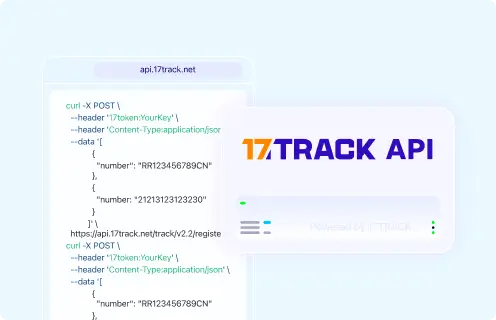
Tracking API
// Carrier official tracking API:
// Current public official tracking API details for YLT are not included here.

// 17TRACK API
// POST https://api.17track.net/track/v2.4/register
// Headers:
//   17token: YourKey
//   Content-Type: application/json
//
// Body:
[
  {
    "number": "TRACKING_NUMBER",
    "carrier": "CARRIER_CODE"
  }
]
Sources & References
- YLT official website. YLT
- 17TRACK API Documentation. 17TRACK
17TRACK is an independent tracking platform and is not affiliated with YLT.
Track your package
Global express parcel tracking service