About Track Your Parcel
Track Your Parcel is the consumer-facing parcel tracking name used at trackyourparcel.eu. The public site functions primarily as a tracking portal: users enter a shipment identifier to view available events for parcels handled through the related delivery network. Public pages do not clearly publish a separate legal carrier name, headquarters, founded date, complete service catalogue, telephone support line, or public carrier API, so those facts should not be assumed from the brand name alone.
Core Profile
| Field | Verified information |
|---|
| Official website | https://www.trackyourparcel.eu/ |
| Common brand name | Track Your Parcel / Track Your Parcel |
| Carrier type | Publicly confirmed role is a parcel tracking portal; the operating carrier, transport partner, or last-mile carrier may vary by shipment. |
| Primary region | Europe-facing tracking domain; exact lane coverage is not publicly confirmed on the tracking page. |
| Parent organization, founded, headquarters | Not publicly confirmed on the available official tracking site. |
Carrier Entity Relationships
| Entity | Relationship to Track Your Parcel |
|---|
| Track Your Parcel | Track Your Parcel is the canonical public tracking brand shown by the official tracking website. |
View all details for Track Your Parcel| Entity type | Tracking portal brand. |
|---|
| Why it matters to tracking | Users should use the portal only for tracking visibility; it should not be treated as proof that the portal itself has physically accepted the parcel. |
|---|
| Official evidence | The official website presents a shipment tracking entry point at trackyourparcel.eu. |
|---|
|
| Operated services | A complete public list of services operated under the Track Your Parcel name is not confirmed. |
View all details for operated services| Entity type | Parcel services or tracking products. |
|---|
| Why it matters to tracking | Delivery speed, claims rights, address-change options, and liability normally depend on the seller’s contracted service and the actual carrier named in shipment documents. |
|---|
| Official evidence | The public official tracking site does not publish a detailed service catalogue. |
|---|
|
| Transport and last-mile partners | A shipment may show events from an origin carrier, a line-haul partner, customs, or a destination carrier before final delivery. |
View all details for partner carriers| Entity type | Network, transport, customs, and last-mile entities. |
|---|
| Why it matters to tracking | A pre-alert, partner handoff, or customs event does not necessarily mean the final delivery carrier already holds the physical parcel. |
|---|
| Official evidence | The public portal supports tracking visibility but does not publish a universal handoff map for all parcels. |
|---|
|
| 17TRACK | 17TRACK is an independent multi-carrier tracking platform that aggregates available tracking events for supported carriers. |
View all details for 17TRACK| Entity type | Independent shipment visibility platform. |
|---|
| Why it matters to tracking | 17TRACK can help identify a carrier and standardize events, but it cannot transport parcels, change addresses, approve refunds, or decide claims. |
|---|
| Official evidence | 17TRACK publishes its API documentation for registering and retrieving tracking data. |
|---|
|
Quick Answer
To track a Track Your Parcel shipment, enter the parcel tracking number on the official Track Your Parcel website or use 17TRACK to check whether supported carriers have published events for the same identifier. If no result appears, first confirm that you entered a carrier tracking number rather than an order number, remove spaces or hyphens, and allow time for the merchant or origin carrier to hand over the parcel.
Pro Tip: 17TRACK is independent from Track Your Parcel. 17TRACK can show available tracking events and carrier recognition results, but transport decisions, address changes, delivery appointments, claims, and seller refunds must be handled by the merchant or the responsible carrier.
How to Track a Track Your Parcel Package
Use the official portal for the carrier’s own visible events and use 17TRACK when you need multi-carrier recognition, cross-border handoff visibility, or a standardized status view.
- Find the parcel tracking number in the seller’s shipping email, marketplace order page, dispatch confirmation, label, receipt, or delivery notice.
- Open trackyourparcel.eu and enter the tracking number exactly as provided.
- If the official page does not identify the shipment, remove spaces and hyphens, check visually similar characters, and confirm that the merchant has actually shipped the parcel.
- Track the same number with 17TRACK when the parcel may involve an origin carrier, a cross-border partner, or a destination last-mile carrier.
- If the number is an order number or reference number, ask the seller for the carrier tracking number. Order IDs are usually created by the merchant and may not be recognized by carriers.
Tracking Statuses and Meanings
Status wording can vary by upstream carrier, customs system, and last-mile partner. The table below explains the main parcel lifecycle stages and the responsibility boundary behind each common event.
Status Quick Lookup
| Status | Lifecycle stage |
|---|
| Shipment information received | Pre-shipment |
View all details for shipment information received| What it means | A label or electronic pre-advice exists, but a physical acceptance scan may not have occurred. |
|---|
| Current responsible party | Seller, warehouse, or origin logistics provider. |
|---|
| What happens next | The parcel should be handed to the first physical carrier and receive an acceptance or processing scan. |
|---|
| What you should do | Wait for the first physical scan; ask the seller if the status does not move after dispatch should have occurred. |
|---|
|
| Accepted or received by carrier | Accepted |
View all details for accepted or received| What it means | A carrier or logistics facility has scanned the parcel. |
|---|
| Current responsible party | The first physical carrier or origin handling facility. |
|---|
| What happens next | Sorting, route assignment, export preparation, or domestic transport. |
|---|
| What you should do | Monitor normal movement; no action is needed unless the parcel stops for an unusual period. |
|---|
|
| In transit | Transport and sorting |
View all details for in transit| What it means | The parcel is moving between facilities or waiting for the next transport leg. |
|---|
| Current responsible party | The carrier or partner currently holding the parcel. |
|---|
| What happens next | Arrival at another sort center, export gateway, import gateway, or delivery depot. |
|---|
| What you should do | Check the latest scan location and compare it with the destination; avoid assuming loss from one missed scan. |
|---|
|
| Customs or import processing | Customs/Handover |
View all details for customs processing| What it means | The shipment is in export or import assessment, security screening, data review, or duty/tax processing. |
|---|
| Current responsible party | Customs authority, broker, postal exchange office, or import carrier depending on the event. |
|---|
| What happens next | Release, request for information, duty/tax collection, inspection, or return/refusal. |
|---|
| What you should do | Respond promptly to official requests and contact the seller if invoice, commodity, or tax data appears missing. |
|---|
|
| Out for delivery | Last mile |
View all details for out for delivery| What it means | The parcel is assigned to a local delivery route or pickup point transfer. |
|---|
| Current responsible party | Destination last-mile carrier or local courier. |
|---|
| What happens next | Delivery attempt, pickup availability, exception scan, or reattempt scheduling. |
|---|
| What you should do | Be available, check delivery instructions, and watch for a pickup notice or call from the local carrier. |
|---|
|
| Delivered | Delivered |
View all details for delivered| What it means | The responsible delivery carrier recorded delivery, pickup, reception-desk handover, locker deposit, or another completion event. |
|---|
| Current responsible party | Recipient, pickup location, household member, building staff, or delivery carrier depending on the proof of delivery. |
|---|
| What happens next | The shipment lifecycle is usually closed unless the recipient reports non-receipt or damage. |
|---|
| What you should do | Check safe places, neighbors, reception, parcel lockers, proof of delivery, and then contact the seller or final-mile carrier. |
|---|
|
| Exception or return | Exception/Return |
View all details for exception or return| What it means | Delivery was interrupted by an address issue, access problem, customs problem, refusal, failed attempt, damage, or return instruction. |
|---|
| Current responsible party | The local carrier, customs authority, seller, or recipient depending on the reason code. |
|---|
| What happens next | Reattempt, pickup hold, information request, return to sender, investigation, or claim review. |
|---|
| What you should do | Act quickly with the party named in the latest scan, because pickup holds and return decisions can be time-sensitive. |
|---|
|
Services and Delivery Times
The official public tracking portal does not publish a complete service matrix or guaranteed delivery standards for Track Your Parcel-branded services. Treat delivery estimates as lane- and service-dependent unless the seller’s shipping contract or final carrier publishes a specific standard.
Service Comparison
| Service | Best for |
|---|
| Portal-tracked parcel shipment | Consumers checking a parcel shipped by an online seller. |
View all details for portal-tracked parcels| Service type | Tracking visibility for parcels handled by a related logistics network or partner carrier. |
|---|
| Coverage | Varies by seller, origin, destination, and carrier handoff. |
|---|
| Tracking level | Event visibility depends on scans transmitted by participating systems. |
|---|
| Key size/weight condition | Not publicly confirmed on the tracking portal; use the seller’s carrier terms. |
|---|
| Included protection/extra service | Not publicly confirmed; insurance and compensation depend on the seller’s shipment contract. |
|---|
| Main limitation | The portal does not by itself prove the service level, guaranteed delivery date, or claims entitlement. |
|---|
|
| International partner shipment | Cross-border ecommerce parcels with origin, transport, customs, and destination-carrier stages. |
View all details for international partner shipments| Service type | Multi-leg international parcel movement. |
|---|
| Coverage | Depends on origin country, export operator, line-haul provider, customs, and last-mile carrier. |
|---|
| Tracking level | May include visibility gaps between export departure, arrival, customs release, and last-mile induction. |
|---|
| Key size/weight condition | Determined by the contracted carrier and destination rules. |
|---|
| Included protection/extra service | Not publicly confirmed by the portal; ask the seller or contracted carrier. |
|---|
| Main limitation | Customs and partner handoff events can delay updates without indicating loss. |
|---|
|
Delivery Time
| Service | Published delivery standard |
|---|
| Portal-tracked parcel shipment | Varies by origin, destination, customs, and contracted service. |
View all details for portal-tracked parcel delivery time| Business or calendar days | Not publicly confirmed as a universal rule. |
|---|
| Guarantee status | No universal money-back guarantee is publicly confirmed on the tracking portal. |
|---|
| Starts counting from | Normally from physical carrier acceptance, not from label creation, unless the seller’s service terms say otherwise. |
|---|
| Main delay factors | Seller dispatch delay, partner handoff, missed scans, customs review, address quality, weather, holidays, peak season, remote areas, and delivery access. |
|---|
| Official source date/validity | The official tracking page provides tracking access but does not publish a universal delivery standard. |
|---|
|
| International partner shipment | Varies by lane, export processing, air or road transport, import customs, and last-mile carrier. |
View all details for international delivery time| Business or calendar days | Depends on the carrier’s local service standard and customs calendar. |
|---|
| Guarantee status | Not publicly confirmed by Track Your Parcel; check the seller’s chosen carrier and product. |
|---|
| Starts counting from | Usually from confirmed handover to the first carrier or export processing event. |
|---|
| Main delay factors | Flight capacity, customs inspection, duty/tax payment, prohibited item review, incorrect recipient data, and destination delivery workload. |
|---|
| Official source date/validity | No fixed lane-by-lane standard is published on the public tracking portal. |
|---|
|
Common Tracking Problems and Solutions
Most tracking problems are caused by identifier mismatch, label creation before handoff, partner transfer gaps, customs holds, address issues, or last-mile delivery exceptions. Use the latest scan to decide who can act.
Problem & Solution
| Problem/status shown | Likely cause |
|---|
| Invalid number or no result | The identifier may be an order number, typed incorrectly, or not yet activated. |
View all details for invalid number| Check first | Remove spaces and hyphens, verify every character, and confirm it is a carrier tracking number. |
|---|
| Immediate action | Retry the official portal and 17TRACK carrier detection. |
|---|
| When to escalate | Escalate to the seller if shipment confirmation exists but no carrier number is provided. |
|---|
| Who to contact | Seller or marketplace first. |
|---|
|
| Label created or shipment information received | Electronic data exists before physical handover. |
View all details for label created| Check first | Seller dispatch date, pickup cutoff, and whether the parcel has a physical acceptance scan. |
|---|
| Immediate action | Allow time for warehouse release and first carrier scan. |
|---|
| When to escalate | Escalate when the seller claims dispatch but no physical scan appears after a reasonable processing period. |
|---|
| Who to contact | Seller or origin warehouse. |
|---|
|
| Stuck in transit or no update | Missed scan, transport wait, customs review, or partner handoff gap. |
View all details for stuck in transit| Check first | Latest location, whether it is export/import, and whether a destination carrier has been assigned. |
|---|
| Immediate action | Track with 17TRACK and any named partner carrier to see if another system has newer events. |
|---|
| When to escalate | Escalate according to the seller’s promised delivery window or the responsible carrier’s inquiry rules. |
|---|
| Who to contact | Seller for contract-level investigation; current carrier if it provides a public inquiry channel. |
|---|
|
| Delivery exception or failed attempt | Address, access, recipient availability, customs payment, or route issue. |
View all details for delivery exception| Check first | Delivery notice, SMS, email, last-mile carrier page, pickup location, and address spelling. |
|---|
| Immediate action | Follow the last-mile carrier’s reattempt, pickup, or information request instructions. |
|---|
| When to escalate | Escalate before the parcel is returned or the pickup hold expires. |
|---|
| Who to contact | Destination last-mile carrier and seller. |
|---|
|
| Customs hold | Import data, duty/tax, inspection, or restricted-goods review is pending. |
View all details for customs hold| Check first | Official duty/tax notice, request for invoice, ID, import authorization, or commodity information. |
|---|
| Immediate action | Provide requested documents only through official carrier, customs, or broker channels. |
|---|
| When to escalate | Escalate if customs or the carrier requests seller-supplied invoice details that you do not have. |
|---|
| Who to contact | Seller, customs broker, import carrier, or customs authority as directed by the notice. |
|---|
|
| Delivered but not received | Safe-place delivery, neighbor/reception handover, locker pickup, wrong scan, or misdelivery. |
View all details for delivered but not received| Check first | Mailbox, porch, parcel room, locker, reception desk, household members, neighbors, and proof of delivery. |
|---|
| Immediate action | Contact the final-mile carrier quickly and ask the seller to start a carrier investigation if needed. |
|---|
| When to escalate | Escalate immediately if the delivery address is wrong, proof of delivery is inconsistent, or theft is suspected. |
|---|
| Who to contact | Final-mile carrier, seller, marketplace, and local authorities if theft is involved. |
|---|
|
| Lost, damaged, or returned to sender | Investigation, failed delivery, damage exception, prohibited item issue, or unclaimed parcel. |
View all details for lost damaged or returned parcels| Check first | Latest scan, item photos, packaging, value proof, seller return policy, and responsible carrier claim rules. |
|---|
| Immediate action | Keep packaging and contents, photograph damage, and report the issue to the seller and responsible carrier. |
|---|
| When to escalate | Escalate under the seller’s buyer-protection window or the carrier’s claim deadline, whichever applies. |
|---|
| Who to contact | Seller or shipper usually files contractual carrier claims; recipients provide evidence and non-receipt details. |
|---|
|
International Shipping, Customs and Carrier Handoffs
For cross-border parcels, Track Your Parcel visibility may involve several entities. Electronic pre-advice, physical handoff, customs release, and final-mile possession are separate events and should not be treated as the same milestone.
International Flow
| Stage | Physical custodian/responsible entity |
|---|
| Seller dispatch and pre-advice | Seller, warehouse, or shipping platform. |
View all details for seller dispatch| Typical tracking event | Shipment information received. |
|---|
| What is happening | Data is created before or during warehouse release. |
|---|
| Can the tracking number change? | Yes, the seller may later provide a carrier or last-mile number. |
|---|
| Normal visibility gap | Until first physical scan. |
|---|
| What the customer should do | Confirm the seller has shipped if no acceptance scan appears. |
|---|
|
| Origin carrier acceptance | Origin carrier or first-mile logistics provider. |
View all details for origin acceptance| Typical tracking event | Accepted, received, processed, or departed origin facility. |
|---|
| What is happening | The parcel has entered a physical logistics network. |
|---|
| Can the tracking number change? | Sometimes, especially when a postal S10 number or partner number is later associated. |
|---|
| Normal visibility gap | Between pickup, consolidation, and export facility scans. |
|---|
| What the customer should do | Track the original number and any partner number shown by 17TRACK. |
|---|
|
| Export, line-haul, and import customs | Export operator, airline or road line-haul provider, customs authority, broker, and import gateway. |
View all details for customs and line-haul| Typical tracking event | Departed export facility, arrived destination country, customs processing, or released from customs. |
|---|
| What is happening | The parcel is transported internationally and assessed for admissibility, duties, taxes, and data completeness. |
|---|
| Can the tracking number change? | Yes, a destination-carrier identifier may be assigned after import. |
|---|
| Normal visibility gap | Longer gaps can occur between export departure and destination import scan. |
|---|
| What the customer should do | Do not assume arrival means customs release; respond to official duty or document requests. |
|---|
|
| Partner handoff and last mile | Destination postal operator, parcel carrier, pickup network, or local courier. |
View all details for last-mile handoff| Typical tracking event | Received by local carrier, out for delivery, available for pickup, delivered, or delivery exception. |
|---|
| What is happening | Responsibility moves to the delivery carrier after physical induction, not merely after electronic data transfer. |
|---|
| Can the tracking number change? | Yes, the destination carrier may use a local tracking or pickup number. |
|---|
| Normal visibility gap | Between customs release, carrier induction, route assignment, and first delivery scan. |
|---|
| What the customer should do | Use the destination-carrier link if shown and act quickly on pickup, duty, or address notices. |
|---|
|
Delivery Management and Post-shipment Options
The official Track Your Parcel tracking page does not publicly confirm universal address-change, intercept, redelivery, or delivery-instruction tools. These options normally belong to the final-mile carrier or to the seller that purchased the shipment.
Delivery Management
| Option | Who can request |
|---|
| Address correction or reroute | Usually the shipper or seller; recipient eligibility depends on final carrier rules. |
View all details for address correction| Eligibility | Depends on shipment status, carrier capability, and customs data. |
|---|
| Deadline/available stage | Before final delivery or return decision; no universal portal deadline is published. |
|---|
| Fee | Not publicly confirmed; may depend on carrier and seller contract. |
|---|
| Guaranteed? | No universal guarantee is publicly confirmed. |
|---|
| Official action link | Use the final-mile carrier’s official instructions or contact the seller. |
|---|
|
| Redelivery or pickup | Recipient when the final-mile carrier offers a notice, pickup point, or reattempt option. |
View all details for redelivery or pickup| Eligibility | Only after a delivery attempt, pickup availability scan, or local carrier instruction. |
|---|
| Deadline/available stage | Before the local hold period expires or return is initiated. |
|---|
| Fee | Depends on the local carrier and service. |
|---|
| Guaranteed? | Reattempt and pickup availability depend on the local carrier’s rules. |
|---|
| Official action link | Use the notice or final-mile carrier tracking page named in the latest event. |
|---|
|
Lost, Damaged, Claims, Insurance and Refunds
A tracking inquiry, a missing-parcel investigation, a carrier insurance claim, a postage refund, and an ecommerce seller refund are separate processes. Track Your Parcel does not publicly publish universal claim deadlines, so use the seller’s contract and the responsible carrier’s current rules.
Claims and Refunds
| Process | Use when |
|---|
| Tracking inquiry | The parcel is delayed, not updating, or unclear after a handoff. |
View all details for tracking inquiry| Who files | Recipient can ask the seller; shipper usually has the carrier contract. |
|---|
| Earliest/latest filing time | No universal deadline is published by the portal; follow carrier and seller rules. |
|---|
| Required evidence | Tracking number, order number, shipment date, latest scan, destination address, and service purchased. |
|---|
| Possible outcome | Updated scan, investigation, delivery, return, or claim instruction. |
|---|
| Official link | Official portal for tracking; responsible carrier or seller for investigation. |
|---|
|
| Damage or missing contents claim | The parcel arrives damaged, empty, wet, resealed, or missing items. |
View all details for damage claims| Who files | Usually the shipper or seller; recipient supplies photos and preserves packaging. |
|---|
| Earliest/latest filing time | Depends on carrier insurance terms and seller policy; no universal Track Your Parcel deadline is published. |
|---|
| Required evidence | Photos of outer packaging, inner packaging, label, contents, invoice, value proof, and delivery scan. |
|---|
| Possible outcome | Carrier inspection, compensation to shipper, seller refund or replacement, or denial. |
|---|
| Official link | Seller and responsible carrier claims page. |
|---|
|
| Marketplace or seller refund | The order is not received, arrives late, or does not match seller promises. |
View all details for seller refunds| Who files | Buyer files with seller or marketplace; seller may file separately with the carrier. |
|---|
| Earliest/latest filing time | Depends on marketplace buyer-protection terms and seller policy. |
|---|
| Required evidence | Order ID, tracking number, messages, delivery proof, non-receipt statement, and photos if damaged. |
|---|
| Possible outcome | Refund, replacement, reshipment, return label, or denial under seller policy. |
|---|
| Official link | Seller or marketplace help center. |
|---|
|
17TRACK cannot approve claims, refunds, insurance settlements, or postage refunds. It can only help you collect tracking evidence to share with the seller or responsible carrier.
Shipping Restrictions and Special Handling
Restrictions depend on the actual contracted carrier, origin country, destination country, airline or road transport rules, and customs law. The tracking portal does not publish a complete prohibited-goods manual, so sellers should follow the current carrier and customs rules for each lane.
Shipping Restrictions
| Category | Prohibited or restricted |
|---|
| Dangerous goods | Often prohibited or restricted depending on carrier and transport mode. |
View all details for dangerous goods| Typical examples | Aerosols, flammable liquids, pressurized items, chemicals, and undeclared hazardous materials. |
|---|
| Key condition/packaging | Requires correct classification, declaration, labels, packaging, and carrier acceptance where allowed. |
|---|
| Transport limitation | Air transport may be more restrictive than ground transport. |
|---|
| Possible tracking/delivery impact | Inspection, refusal, return, seizure, or destruction. |
|---|
| Official rules | Use the actual carrier and customs rules for the origin and destination. |
|---|
|
| Batteries, liquids, and electronics | Restricted when lithium cells, liquids, or magnetized items are present. |
View all details for batteries liquids and electronics| Typical examples | Power banks, phones, laptops, cosmetics, perfumes, and liquid supplements. |
|---|
| Key condition/packaging | Declaration, quantity limits, leakproof packaging, and battery marking may be required. |
|---|
| Transport limitation | Some products may be barred from international air lanes. |
|---|
| Possible tracking/delivery impact | Security screening, export hold, return to shipper, or customs delay. |
|---|
| Official rules | Use the responsible carrier’s current dangerous-goods and restricted-items pages. |
|---|
|
| Customs-controlled goods | Restricted or prohibited by destination import law. |
View all details for customs controlled goods| Typical examples | Food, medicines, plant or animal products, alcohol, tobacco, branded goods, and high-value items. |
|---|
| Key condition/packaging | Accurate description, value, origin, permits, and invoices may be required. |
|---|
| Transport limitation | Eligibility differs by country and carrier service. |
|---|
| Possible tracking/delivery impact | Customs request, duty/tax assessment, inspection, refusal, or return. |
|---|
| Official rules | Check destination customs and the seller’s contracted carrier before shipping. |
|---|
|
Customer Service
For delivery actions, contact the party that controls the shipment: the seller for order, refund, and contract questions; the final-mile carrier for local delivery attempts and pickup; and customs or broker channels for import document requests.
Customer Service
| Channel | Verified contact/link |
|---|
| Official tracking portal | https://www.trackyourparcel.eu/ |
View all details for the official tracking portal| Best for | Checking published tracking events for a parcel identifier. |
|---|
| Region/language | Europe-facing public website; available language options depend on the site interface. |
|---|
| Hours and time zone | Online tracking access; customer-service hours are not publicly confirmed on the tracking page. |
|---|
| Information to prepare | Tracking number, order number, ship date, destination country, seller name, and latest scan. |
|---|
| Important limitation | The portal is a tracking entry point and may not provide delivery modification or claims approval. |
|---|
|
| Seller or marketplace | Use the contact channel on your order page or seller confirmation email. |
View all details for seller support| Best for | Order number mismatch, dispatch confirmation, address correction before shipment, refund, replacement, and carrier investigation. |
|---|
| Region/language | Depends on seller or marketplace. |
|---|
| Hours and time zone | Depends on seller or marketplace support policy. |
|---|
| Information to prepare | Order ID, tracking number, delivery address, promised delivery window, screenshots, value proof, and photos. |
|---|
| Important limitation | The seller may need to contact the carrier because the seller is often the contractual shipper. |
|---|
|
| Final-mile carrier | Use the carrier named in the latest delivery or pickup event, if shown. |
View all details for final-mile carrier support| Best for | Failed attempt, pickup point, locker code, local address issue, proof of delivery, and delivered-not-received checks. |
|---|
| Region/language | Destination country and carrier specific. |
|---|
| Hours and time zone | Use the final carrier’s current local contact page. |
|---|
| Information to prepare | Tracking number, local delivery notice, recipient name, address, phone, and latest scan. |
|---|
| Important limitation | The final carrier may not change shipper-restricted shipments without seller authorization. |
|---|
|
Ecommerce and Business Tracking
Businesses should separate consumer tracking, carrier-specific integrations, and multi-carrier visibility. Track Your Parcel’s public site is useful for shipment lookup, while 17TRACK is designed for multi-carrier tracking workflows such as registration, status normalization, and exception monitoring through API integration.
Developer/API Comparison
| Option | Provider |
|---|
| Consumer website tracking | Track Your Parcel |
View all details for consumer website tracking| Carrier coverage | Shipments visible through the public trackyourparcel.eu portal. |
|---|
| Primary use | Manual tracking by consumers and support teams. |
|---|
| Authentication | No public API authentication is confirmed on the tracking portal. |
|---|
| Tracking/batch/webhook capability | Public batch or webhook capability is not confirmed. |
|---|
| Current developer documentation | No current public official developer documentation confirmed. |
|---|
| Migration/deprecation note | No official public migration or deprecation notice confirmed. |
|---|
|
| Multi-carrier Tracking API | 17TRACK |
View all details for 17TRACK API| Carrier coverage | Supported carriers in the 17TRACK network, subject to carrier availability and account configuration. |
|---|
| Primary use | Bulk tracking registration, shipment visibility, carrier recognition, status normalization, and exception monitoring. |
|---|
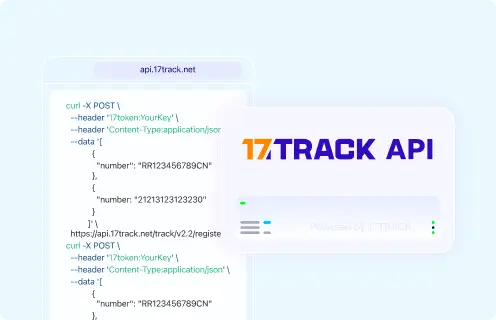
| Authentication | API key sent in the 17token header according to 17TRACK documentation. |
|---|
| Tracking/batch/webhook capability | 17TRACK provides tracking API workflows; merchants should consult the current API documentation for supported endpoints and limits. |
|---|
| Current developer documentation | https://api.17track.net/en/doc |
|---|
| Migration/deprecation note | Use the current 17TRACK documentation rather than copying older endpoint examples from third-party pages. |
|---|
|
FAQ
1. How do I track my Track Your Parcel package?Enter the tracking number on the official Track Your Parcel website or track it with 17TRACK to view available shipment events. If the parcel is cross-border, also check whether 17TRACK finds an origin or last-mile partner carrier.
2. Where can I find my Track Your Parcel tracking number?Look in the seller’s shipping email, marketplace order page, dispatch confirmation, receipt, label, or delivery notice. If you only have an order number, ask the seller for the carrier tracking number.
3. What does a Track Your Parcel tracking number look like?Track Your Parcel does not publicly publish one complete number format. The identifier may be a portal number, partner carrier number, postal S10 number, last-mile number, or merchant reference linked to a shipment.
4. When will the first tracking update appear?The first meaningful update usually appears after the seller or origin provider hands the parcel to a physical carrier. Label creation or electronic shipment information can appear before the parcel is actually scanned.
5. Why is my tracking not updating?Tracking may pause because of missed scans, consolidation, export transport, customs review, or a partner handoff. Check both the official portal and 17TRACK, then contact the seller if the shipment is outside the promised delivery window.
6. How long does Track Your Parcel delivery take?A universal delivery time is not publicly confirmed on the tracking portal. Delivery depends on the seller’s contracted service, origin, destination, customs, last-mile carrier, holidays, and address quality.
7. What should I do after a failed delivery attempt?Follow the final-mile carrier’s notice for redelivery, pickup, or address confirmation. Act quickly because pickup holds and return-to-sender decisions can be time-sensitive.
8. What if tracking says delivered but I did not receive the parcel?Check safe places, mailbox, parcel room, reception, household members, neighbors, and any proof of delivery first. Then contact the final-mile carrier and ask the seller to open an investigation if the parcel is still missing.
9. What should I do if my parcel is lost or damaged?Keep the packaging and contents, take photos, save the invoice and tracking record, and contact the seller. The seller or shipper often has to file the contractual carrier claim.
10. How do I contact Track Your Parcel customer service?Use the official tracking portal for shipment lookup, but contact the seller for order and refund issues and the final-mile carrier for local delivery problems. A universal public phone number is not confirmed on the tracking page.
11. Is Track Your Parcel the same as the carrier that delivers my package?Not necessarily. Track Your Parcel is publicly confirmed as a tracking portal, while the physical parcel may be handled by an origin provider, transport partner, customs process, and destination last-mile carrier.
12. Can the tracking number change during international shipping?Yes, a cross-border parcel can have an origin number and a separate last-mile number. Track both numbers when available because one may show export scans while the other shows import and delivery scans.
13. Does a customs scan mean my parcel is released?No, a customs or import-processing scan only means the shipment is in a customs-related stage. Release, duty payment, inspection, and carrier induction are separate events.
14. Who can change the delivery address after shipment?The shipper or seller usually has the strongest authority to change shipment data. Recipients may have options only if the final-mile carrier offers them for the specific parcel.
15. Can businesses use a public Track Your Parcel API?A current public official Track Your Parcel tracking API is not confirmed from the public tracking site. Businesses that need multi-carrier tracking can evaluate the 17TRACK API and use the current 17TRACK documentation.
16. Why does 17TRACK show a different carrier than Track Your Parcel?17TRACK may identify an origin carrier, transport partner, or last-mile carrier behind the same shipment. That does not mean the tracking portal issued the number or physically handled every leg.
Tracking API
// 1. Track Your Parcel official tracking API
// Current public official tracking API not confirmed from the public trackyourparcel.eu tracking site.
// Do not create integrations from undocumented browser requests or third-party examples.

// 2. 17TRACK API
// Register a shipment for tracking with 17TRACK.
// CARRIER_CODE is left as a placeholder because the current 17TRACK carrier code
// for Track Your Parcel is not confirmed here. Use 17TRACK documentation or dashboard
// carrier lookup before production registration.

POST https://api.17track.net/track/v2.4/register
Headers:
  17token: YourKey
  Content-Type: application/json

Body:
[
  {
    "number": "TRACKING_NUMBER",
    "carrier": "CARRIER_CODE"
  }
]
Sources & References
17TRACK is an independent tracking platform and is not affiliated with Track Your Parcel.