About Land, Sea and Air Logistics
Land, Sea and Air Logistics is presented on its supplied website as a China–Canada logistics specialist. Its published offerings include air and sea freight, customs-clearance arrangements, consolidation and Canadian warehousing. The website identifies the Chinese company as 陆海空国际物流有限公司; this page uses Land, Sea and Air Logistics consistently as its display name. The company describes facilities or branches in Shenzhen, Guangzhou and Yiwu and a customs-clearance presence in Toronto. These statements describe its logistics role, not ownership of every aircraft, vessel or final-mile delivery network. Official company information.
| Company field | Published information |
|---|
| Official name shown in company introduction | 陆海空国际物流有限公司 |
| Official website | https://www.landseaandaircargo.com/ |
| Carrier type | Cross-border logistics and freight-forwarding provider |
| Primary region | China–Canada |
| Tracking page listed by company | Consignment lookup; the company separately links air small-parcel users to 17TRACK. |
Carrier Entity Relationships
| Entity | Entity type |
|---|
| Land, Sea and Air Logistics | Canonical carrier display name |
View all details for the carrier identity| Relationship to Land, Sea and Air Logistics | The company introduction names 陆海空国际物流有限公司 as the logistics business described here. |
|---|
| Why it matters to tracking | Check the shipper’s paperwork against this company before choosing a tracking route. |
|---|
| Official evidence | Company introduction on the supplied official homepage. |
|---|
|
| China–Canada air and sea offerings | Published services |
View all details for air and sea offerings| Relationship to Land, Sea and Air Logistics | Land, Sea and Air Logistics advertises China–Canada air and sea logistics arrangements. |
|---|
| Why it matters to tracking | The transport mode affects where handoff and scan gaps can occur; it does not establish a delivery promise. |
|---|
| Official evidence | Product descriptions on the supplied official homepage. |
|---|
|
| Consignment lookup | Tracking product |
View all details for consignment lookup| Relationship to Land, Sea and Air Logistics | Land, Sea and Air Logistics links customers to a separate WebTrack lookup. |
|---|
| Why it matters to tracking | Use the consignment identifier supplied by the shipper; the lookup host is not the company’s brand name. |
|---|
| Official evidence | Logistics-query links on the supplied official homepage. |
|---|
|
| China facilities and Toronto clearance presence | Network entities |
View all details for published network locations| Relationship to Land, Sea and Air Logistics | Land, Sea and Air Logistics describes Chinese branches or transit warehouses and a Toronto customs-clearance presence. |
|---|
| Why it matters to tracking | A location in the company description does not prove that an individual shipment has arrived there. |
|---|
| Official evidence | Company introduction on the supplied official homepage. |
|---|
|
| Destination delivery provider | Shipment-dependent partner |
View all details for destination delivery| Relationship to Land, Sea and Air Logistics | A shipment may involve a separate Canadian delivery provider; identify that provider from the actual handoff record or shipper. |
|---|
| Why it matters to tracking | Electronic shipment information alone does not establish that a delivery partner physically holds the goods. |
|---|
| Official evidence | The official homepage identifies the China–Canada logistics offering but does not name a universal last-mile provider. |
|---|
|
| 17TRACK | Independent tracking platform |
View all details for 17TRACK| Relationship to Land, Sea and Air Logistics | The company homepage links air small-parcel users to 17TRACK; 17TRACK does not transport those shipments. |
|---|
| Why it matters to tracking | An aggregated event is a tracking observation, not proof that 17TRACK can change delivery or settle a claim. |
|---|
| Official evidence | Air small-parcel query link on the supplied official homepage. |
|---|
|
Quick Answer
To track a Land, Sea and Air Logistics shipment, enter the consignment number provided by the shipper in the lookup linked from the company website. The company also directs air small-parcel users to 17TRACK. If nothing appears, first check whether you have a shipment number rather than a store order ID, then ask the shipper which tracking route applies. 17TRACK is independent: it does not carry parcels, change addresses, issue refunds or decide claims.
How to Track Land, Sea and Air Logistics Packages
Choose the lookup that matches the shipment information supplied by the sender; a booking reference and a last-mile number may serve different purposes.
- Find the shipment or consignment identifier on the shipper’s dispatch message, freight paperwork or account record. If you have only a purchase order number, ask the seller for the transport identifier.
- For the company’s consignment route, open its linked WebTrack page and enter the identifier as supplied.
- For an air small parcel, follow the company’s 17TRACK link and enter the parcel tracking number. Check any carrier identification against the seller’s shipment details.
- If there is no result, recheck transcription, ask whether the shipment has physically been accepted, and request any separate last-mile number from the sender. Do not treat an order ID or delivery notice as interchangeable with a tracking number.
Tracking Number Formats and Examples
The published company page provides tracking routes but no complete number-format specification. The masked placeholders below identify different uses, not validated Land, Sea and Air Logistics prefixes or lengths. Do not infer a service or issuer from a prefix alone.
Tracking Number Format
| Identifier family | Typical service/use |
|---|
| Consignment identifier | Company-linked WebTrack lookup |
View all details for the consignment identifier| Normalized pattern | Use the exact identifier on the shipper’s document; no validated prefix pattern is specified here. |
|---|
| Length/structure | Check the supplied document rather than assuming a fixed length. |
|---|
| Issued by | Verify with the booking party; a searchable identifier need not have been issued by the physical carrier. |
|---|
| Who sees it and where | Shipper on booking records; recipient if the shipper shares it. |
|---|
| Tracking scope | Events returned for that consignment by the linked lookup. |
|---|
| Important caveat | Preserve letters and digits; remove surrounding copied spaces, but do not guess at internal punctuation. |
|---|
|
| Air small-parcel number | Parcel lookup via the company’s 17TRACK link |
View all details for an air small-parcel number| Normalized pattern | Illustrative masked placeholder: XXXX #### XXXX; not a carrier format example. |
|---|
| Length/structure | Depends on the identifier actually supplied with the parcel. |
|---|
| Issued by | Confirm the issuer with the seller or shipper; a tracking platform is not necessarily the issuer. |
|---|
| Who sees it and where | Buyer in a dispatch message if shared; shipper in shipment records. |
|---|
| Tracking scope | Available events for the recognized shipment and any supported handoff. |
|---|
| Important caveat | Carrier selection or automatic identification should be checked against the shipment record. |
|---|
|
| Merchant order or booking reference | Commercial record, not necessarily parcel tracking |
View all details for an order reference| Normalized pattern | Illustrative masked placeholder: ORDER-XXXX. |
|---|
| Length/structure | Set by the merchant or booking system. |
|---|
| Issued by | Merchant or booking party. |
|---|
| Who sees it and where | Buyer on an order confirmation; shipper in sales records. |
|---|
| Tracking scope | Use it to ask the seller for the actual shipment identifier. |
|---|
| Important caveat | An order reference does not itself prove that a label was created or goods were accepted. |
|---|
|
| Canadian last-mile identifier | Possible separate delivery-stage lookup |
View all details for a last-mile identifier| Normalized pattern | Follow the identifier shown in the actual handoff record; no universal pattern applies. |
|---|
| Length/structure | Determined by the delivery provider used for that shipment. |
|---|
| Issued by | The applicable delivery provider if it assigns a separate number. |
|---|
| Who sees it and where | Recipient when the shipper or tracking record communicates a handoff number. |
|---|
| Tracking scope | May cover only the provider’s own delivery stage. |
|---|
| Important caveat | A changed number is not proof that the goods were lost; request the mapping from the shipper. |
|---|
|
Tracking Statuses and Meanings
These are interpretation categories, not a claimed list of verbatim Land, Sea and Air Logistics scan messages. Read each event’s timestamp and named operator before deciding who holds the goods.
Status Quick Lookup
| Status | What it means |
|---|
| Shipment information received | Booking or label information exists; physical acceptance is a separate event. |
View all details for shipment information received| Lifecycle stage | Pre-shipment |
|---|
| Current responsible party | Shipper until an actual receiving scan establishes a handoff. |
|---|
| What happens next | Goods are prepared and handed over. |
|---|
| What you should do | Ask the sender whether and when the goods were physically dispatched. |
|---|
|
| Received or accepted | A receiving party has recorded possession. |
View all details for acceptance| Lifecycle stage | Accepted |
|---|
| Current responsible party | The operator named on the receiving event. |
|---|
| What happens next | Sorting or forwarding. |
|---|
| What you should do | Keep the receipt and compare later scans with the accepted shipment. |
|---|
|
| Departed processing location | The shipment has moved onward from a recorded location. |
View all details for departure| Lifecycle stage | In transit |
|---|
| Current responsible party | The transport or logistics operator identified by the event. |
|---|
| What happens next | Arrival or processing at another location. |
|---|
| What you should do | Check the next physical scan rather than interpreting silence as loss. |
|---|
|
| Customs processing | Border documentation or inspection is under review; arrival does not mean release. |
View all details for customs processing| Lifecycle stage | Customs and handover |
|---|
| Current responsible party | The relevant customs authority and the logistics party handling submission or custody, according to the event. |
|---|
| What happens next | Release, document request, assessment or inspection. |
|---|
| What you should do | Ask the shipper or broker about missing documents or payable charges. |
|---|
|
| Handed to delivery provider | A physical transfer is indicated; an electronic notice alone is different. |
View all details for delivery-provider handoff| Lifecycle stage | Handover |
|---|
| Current responsible party | The receiving provider once physical receipt is recorded. |
|---|
| What happens next | Destination sorting and delivery scheduling. |
|---|
| What you should do | Use the named provider’s number if a separate number appears. |
|---|
|
| Out for delivery | The delivery operator has assigned the goods to a delivery route. |
View all details for out for delivery| Lifecycle stage | Out for delivery |
|---|
| Current responsible party | The named last-mile operator. |
|---|
| What happens next | A delivery attempt or another route event. |
|---|
| What you should do | Check access instructions and monitor the actual delivery provider. |
|---|
|
| Delivered or ready for pickup | The recorded outcome is delivery or availability at a collection point; these are distinct outcomes. |
View all details for delivery or pickup| Lifecycle stage | Delivered or pickup |
|---|
| Current responsible party | For pickup, the holding location; for a delivery dispute, the delivering operator. |
|---|
| What happens next | Collection where required, or confirmation of the delivery location. |
|---|
| What you should do | Read the specific event, check the delivery location and ask for available delivery evidence. |
|---|
|
| Exception or return initiated | Delivery needs intervention, or the goods are moving back through the network. |
View all details for an exception or return| Lifecycle stage | Exception or return |
|---|
| Current responsible party | The operator named on the latest scan; the sender may control return instructions. |
|---|
| What happens next | Correction, another attempt or return movement, depending on the cause. |
|---|
| What you should do | Contact the named operator promptly and involve the sender if booking changes are required. |
|---|
|
Services and Delivery Times
The company advertises China–Canada air, sea and specialist cargo arrangements. Its service descriptions should be used to identify a suitable quotation, not as a universal delivery-time or acceptance guarantee.
Service Comparison
| Service | Best for |
|---|
| Air freight and consolidated small parcels | Shipments booked for the China–Canada air route. |
View all details for air freight| Service type | Cross-border air logistics and consolidation. |
|---|
| Coverage | China to Canada, subject to booking acceptance. |
|---|
| Tracking level | Use the assigned consignment or air small-parcel tracking route. |
|---|
| Key size/weight condition | Confirm limits for the particular booking and goods. |
|---|
| Included protection/extra service | Check the quotation and transport terms for protection or clearance scope. |
|---|
| Main limitation | Air acceptance and customs requirements depend on cargo classification. |
|---|
|
| Sea freight and oversized cargo | Furniture, commercial freight and other larger consignments described on the site. |
View all details for sea freight| Service type | Cross-border sea logistics. |
|---|
| Coverage | China to Canada, according to booking. |
|---|
| Tracking level | Consignment milestones; ask what shipment-level events the booking includes. |
|---|
| Key size/weight condition | Confirm dimensions, loading arrangements and handling requirements before dispatch. |
|---|
| Included protection/extra service | Check the quotation for customs and cargo-protection terms. |
|---|
| Main limitation | Port movement, clearance and onward delivery are separate stages. |
|---|
|
| Food and cold-chain arrangements | Food or refrigerated and frozen cargo described by the company. |
View all details for food and cold-chain arrangements| Service type | Specialist cross-border handling. |
|---|
| Coverage | China–Canada service description. |
|---|
| Tracking level | Confirm which consignment milestones are available. |
|---|
| Key size/weight condition | Provide product, temperature and packaging requirements for assessment. |
|---|
| Included protection/extra service | The site describes cold-storage capability; confirm booking-specific temperature terms. |
|---|
| Main limitation | Food import and temperature-control requirements require advance review. |
|---|
|
| Dangerous-goods and battery arrangements | Eligible declared goods requiring specialist assessment. |
View all details for dangerous-goods arrangements| Service type | Specialist cargo arrangement advertised on the site. |
|---|
| Coverage | China–Canada, only where accepted for the proposed route and mode. |
|---|
| Tracking level | Confirm milestones for the specific booking. |
|---|
| Key size/weight condition | Provide accurate hazard classification and cargo specifications before acceptance. |
|---|
| Included protection/extra service | Check the written quotation for any specialist handling terms. |
|---|
| Main limitation | A product appearing in advertising is not automatic transport approval. |
|---|
|
Delivery Time
| Service | Published delivery standard |
|---|
| China–Canada air arrangements | Obtain a shipment-specific estimate in the booking quotation. |
View all delivery-time details for air arrangements| Business or calendar days | Use the unit stated in the individual quotation. |
|---|
| Guarantee status | Do not assume a money-back delivery guarantee from an estimate. |
|---|
| Starts counting from | Confirm the booking’s accepted-goods milestone and cutoff. |
|---|
| Main delay factors | Acceptance, flights, customs, holidays and destination handoff. |
|---|
| Official source date/validity | Apply the terms issued for the specific shipment; the official homepage describes the service without a route-wide time standard. |
|---|
|
| China–Canada sea arrangements | Obtain a shipment-specific estimate in the booking quotation. |
View all delivery-time details for sea arrangements| Business or calendar days | Use the unit stated in the individual quotation. |
|---|
| Guarantee status | A quoted arrival estimate is distinct from a delivery guarantee. |
|---|
| Starts counting from | Confirm whether the quote starts at cargo acceptance, sailing or another milestone. |
|---|
| Main delay factors | Consolidation, sailing schedules, ports, customs and onward transport. |
|---|
| Official source date/validity | Apply the terms issued for the specific shipment; the official homepage describes the service without a route-wide time standard. |
|---|
|
Destination Country Delivery Times
| Destination Country / Region | Primary Service Type |
|---|
| Canada | Quoted air, sea or specialist cargo arrangement. |
View all destination details for Canada| Estimated Delivery Time Range | Use the origin, cargo and service-specific quotation; no country-wide numerical range should be inferred from the company’s service description. |
|---|
| Average Delivery Days | Calculate from comparable completed shipments with matching origin, mode and destination before using an average. |
|---|
| Last-Mile Partner / Handoff Carrier | Check the shipment’s actual handoff event or ask the shipper which Canadian provider has been assigned. |
|---|
| Customs & Clearance Tips | Confirm importer details, product declaration, duties and taxes with the booking party; arrival in Canada is not customs release. |
|---|
|
The company describes a Canada-focused offering. Adding unsupported destinations or invented country averages would misrepresent that network. A tracking-based estimated arrival can also differ from the service standard or a separately agreed guarantee.
Common Tracking Problems and Solutions
Start with the most recent physical scan and the shipper’s booking information. An electronic record, a customs arrival and a completed delivery are different milestones.
Problem & Solution
| Problem/status shown | Check first |
|---|
| Invalid number or no result | Check the shipment identifier, characters and correct lookup. |
View all details for an invalid number or no result| Likely cause | Order ID used in place of a transport number, transcription error or pending registration. |
|---|
| Immediate action | Copy the identifier from dispatch records and try the applicable linked lookup. |
|---|
| When to escalate | When the shipper confirms dispatch but cannot identify a working tracking route. |
|---|
| Who to contact | Seller or booking party first. |
|---|
|
| Label created; no acceptance scan | Ask whether the goods were physically handed over. |
View all details for label creation| Likely cause | Shipment data submitted ahead of goods receipt. |
|---|
| Immediate action | Request the handover receipt or first physical scan from the shipper. |
|---|
| When to escalate | If the shipper’s stated handover and tracking evidence conflict. |
|---|
| Who to contact | Shipper; then the party shown on the handover record. |
|---|
|
| Long gap or apparently stuck in transit | Identify the last physical event, transport mode and next expected milestone. |
View all details for a transit scan gap| Likely cause | Movement between scan points, consolidation, transport schedule or a missed scan. |
|---|
| Immediate action | Compare progress with the shipment-specific quote and ask the booking party for the next milestone. |
|---|
| When to escalate | When the agreed shipment-specific milestone has passed without an explanation. |
|---|
| Who to contact | Booking party or Land, Sea and Air Logistics through its official site. |
|---|
|
| Partner awaiting item or handoff gap | Determine whether the event is an electronic notice or receiving scan. |
View all details for a partner handoff gap| Likely cause | Advance shipment data preceded physical transfer. |
|---|
| Immediate action | Ask the sender for proof of handover and any new delivery number. |
|---|
| When to escalate | If the receiving provider disputes the sender’s claimed transfer. |
|---|
| Who to contact | Sender and the operator named on the last physical scan. |
|---|
|
| Customs hold | Check for a document, declaration or payment request. |
View all details for a customs hold| Likely cause | Import review, inspection or incomplete shipment information. |
|---|
| Immediate action | Ask the shipper or its clearance contact what information is required. |
|---|
| When to escalate | When a documented request remains unanswered or a quoted milestone is missed. |
|---|
| Who to contact | Shipper or designated customs-clearance contact. |
|---|
|
| Delivery exception, bad address or failed attempt | Read the latest event and verify the booked delivery address. |
View all details for a delivery exception| Likely cause | Access, address, recipient availability or a delivery-provider restriction. |
|---|
| Immediate action | Contact the named last-mile provider and alert the sender if a booking correction is required. |
|---|
| When to escalate | Before any deadline stated in the actual delivery notice or booking terms. |
|---|
| Who to contact | Named delivery provider; sender for shipper-controlled changes. |
|---|
|
| Ready for pickup | Confirm collection location and identification instructions. |
View all details for pickup| Likely cause | Delivery routed to a collection point. |
|---|
| Immediate action | Follow the actual provider’s pickup notice. |
|---|
| When to escalate | If the location cannot find the shipment or the notice’s collection deadline approaches. |
|---|
| Who to contact | Provider or collection point named in the notice. |
|---|
|
| Return to sender | Check the recorded reason and current physical holder. |
View all details for a return| Likely cause | Delivery, customs or shipment-acceptance issue. |
|---|
| Immediate action | Ask the booking party whether intervention is possible and how a return will be handled. |
|---|
| When to escalate | As soon as a return is recorded if the goods are still needed. |
|---|
| Who to contact | Sender or booking party. |
|---|
|
| Delivered but not received | Check delivery location, household, reception and available delivery evidence. |
View all details for delivered but not received| Likely cause | Alternative placement, receipt by another person or a disputed delivery scan. |
|---|
| Immediate action | Check the address and safe locations, ask household or reception, request available proof of delivery, then contact the delivering provider and seller. |
|---|
| When to escalate | Promptly if the delivery location remains unresolved. |
|---|
| Who to contact | Named last-mile provider and seller or shipper. |
|---|
|
| Lost or damaged goods | Preserve tracking, invoices, packaging and photographs. |
View all details for lost or damaged goods| Likely cause | Requires an investigation; a scan gap alone does not establish loss. |
|---|
| Immediate action | Ask the booking party to open an inquiry under the shipment’s transport terms. |
|---|
| When to escalate | Follow the applicable booking or insurance notice requirements without delaying evidence preservation. |
|---|
| Who to contact | Shipper or contracting customer; seller for a buyer refund request. |
|---|
|
International Shipping, Customs and Carrier Handoffs
For a China–Canada shipment, identify the physical custodian at each stage rather than assuming Land, Sea and Air Logistics or a destination partner possesses the goods throughout. The stages below explain the possible flow; individual routes and recorded events differ.
International Flow
| Stage | What is happening |
|---|
| Booking and origin acceptance | Shipment information is recorded; physical receipt requires its own evidence. |
View all details for origin acceptance| Physical custodian/responsible entity | Shipper before handover; the named receiving logistics party after acceptance. |
|---|
| Typical tracking event | Booking information followed by an acceptance scan. |
|---|
| Can the tracking number change? | A booking reference and parcel identifier may differ. |
|---|
| Normal visibility gap | Between data submission and first physical scan. |
|---|
| What the customer should do | Request the handover record if dispatch is disputed. |
|---|
|
| Export processing and security | Goods are consolidated, documented and prepared for international transport. |
View all details for export processing| Physical custodian/responsible entity | The recorded warehouse, forwarder or screening party; export authorities control applicable inspections. |
|---|
| Typical tracking event | Processing, departure or export review. |
|---|
| Can the tracking number change? | Freight movement documents may use additional identifiers. |
|---|
| Normal visibility gap | Between consolidation and departure scans. |
|---|
| What the customer should do | Give the shipper accurate cargo descriptions and documents. |
|---|
|
| Air or sea line-haul | Goods travel between origin and destination transport points. |
View all details for international line-haul| Physical custodian/responsible entity | The transport and handling parties identified in the shipment arrangement. |
|---|
| Typical tracking event | Departure and arrival milestones where available. |
|---|
| Can the tracking number change? | A cargo movement identifier need not equal the buyer-facing parcel number. |
|---|
| Normal visibility gap | Transit between recorded facilities. |
|---|
| What the customer should do | Compare the next milestone with the booked transport mode. |
|---|
|
| Canadian arrival and import clearance | Goods arrive and undergo the applicable import process; arrival is not release. |
View all details for Canadian import clearance| Physical custodian/responsible entity | The recorded handling party, with clearance subject to Canadian authorities and the appointed clearance party. |
|---|
| Typical tracking event | Arrival, customs processing, request or release. |
|---|
| Can the tracking number change? | A clearance entry can have its own reference. |
|---|
| Normal visibility gap | Review or inspection may occur without parcel-level scans. |
|---|
| What the customer should do | Respond through the shipper or designated broker to document or payment requests. |
|---|
|
| Partner notice and physical handoff | Electronic pre-advice can precede transfer; a receiving scan is stronger evidence of custody. |
View all details for partner handoff| Physical custodian/responsible entity | Origin-side holder until physical transfer; receiving Canadian provider after recorded acceptance. |
|---|
| Typical tracking event | Partner notified, handed over, then received by partner. |
|---|
| Can the tracking number change? | Yes, if the receiving provider issues a separate last-mile number. |
|---|
| Normal visibility gap | Between advance notice and first partner scan. |
|---|
| What the customer should do | Ask the shipper for the receiving provider and mapped identifier. |
|---|
|
| Canadian last mile | The assigned delivery provider sorts, attempts delivery or directs pickup. |
View all details for the Canadian last mile| Physical custodian/responsible entity | The provider identified by the receiving or delivery event. |
|---|
| Typical tracking event | Received, out for delivery, attempted, delivered or ready for pickup. |
|---|
| Can the tracking number change? | The partner may use its own identifier. |
|---|
| Normal visibility gap | Between destination sorting and route assignment. |
|---|
| What the customer should do | Use the named provider’s instructions for delivery-stage issues. |
|---|
|
Delivery Management and Post-shipment Options
For an address correction, delivery instruction, redelivery or pickup question, first identify the shipment’s current physical holder. Ask the booking party whether the requested change is permitted under the individual shipment terms; after a recorded last-mile handoff, use the named delivery provider’s instructions. Do not assume an address change, interception, signature option or pickup request is offered simply because tracking is available.
Lost, Damaged, Claims, Insurance and Refunds
An inquiry about a missing scan, a transport claim and a seller’s refund are separate processes. Keep packaging and evidence for damage, and obtain the applicable filing instructions from the booking terms rather than relying on a generic deadline.
Claims and Refunds
| Process | Use when |
|---|
| Tracking inquiry | A scan or handoff needs clarification. |
View all details for a tracking inquiry| Who files | Shipper or recipient can raise the question; the booking party can supply transport records. |
|---|
| Earliest/latest filing time | Ask when the inconsistent event appears; follow the booking’s inquiry procedure. |
|---|
| Required evidence | Shipment identifier, dispatch date and last event. |
|---|
| Possible outcome | Explanation, corrected identifier or an investigation request. |
|---|
| Official link | Company website and contact navigation. |
|---|
|
| Transport loss or damage claim | The goods are missing or arrive damaged. |
View all details for a transport claim| Who files | Check who holds the transport contract and any cargo-insurance policy. |
|---|
| Earliest/latest filing time | Use the individual contract’s notice and filing provisions; report damage promptly. |
|---|
| Required evidence | Transport documents, value proof, photographs, contents description and retained packaging. |
|---|
| Possible outcome | Investigation and a decision under the applicable terms. |
|---|
| Official link | Company website and contact navigation. |
|---|
|
| Marketplace or seller refund | The buyer seeks a commercial remedy for an order. |
View all details for a seller refund| Who files | Buyer through the seller or marketplace purchase channel. |
|---|
| Earliest/latest filing time | Follow the applicable purchase or marketplace terms. |
|---|
| Required evidence | Order record, tracking history and correspondence. |
|---|
| Possible outcome | Seller or marketplace resolution, separate from a freight claim. |
|---|
| Official link | Use the purchase channel named on the order receipt. |
|---|
|
17TRACK cannot approve a transport claim, insurance payment, postage refund or seller refund.
Shipping Restrictions and Special Handling
The company’s product descriptions mention food, cosmetics, batteries and other dangerous-goods examples. Advertising specialist handling does not mean every such item is accepted by every mode or legally admissible in Canada. Obtain written acceptance for the actual commodity.
Shipping Restrictions
| Category | Typical examples |
|---|
| Food and temperature-sensitive goods | Packaged foods and chilled or frozen foods mentioned on the company site. |
View all restrictions details for food cargo| Prohibited or restricted | Acceptance and Canadian import eligibility depend on the exact food product. |
|---|
| Key condition/packaging | Declare ingredients, storage temperature and packaging requirements before booking. |
|---|
| Transport limitation | Confirm a suitable temperature-controlled arrangement for the entire booked route. |
|---|
| Possible tracking/delivery impact | Inspection or temperature-handling stages may add time without parcel-level scans. |
|---|
| Official rules | Company product description; request shipment-specific acceptance and import instructions. |
|---|
|
| Batteries and dangerous goods | Power banks, electric vehicles and chemical goods mentioned on the company site. |
View all restrictions details for dangerous goods| Prohibited or restricted | Acceptance depends on classification, route, mode and applicable rules. |
|---|
| Key condition/packaging | Provide accurate product specifications, hazard information and compliant packaging for review. |
|---|
| Transport limitation | Do not assume an ordinary small-parcel air route accepts hazardous cargo. |
|---|
| Possible tracking/delivery impact | Safety screening, documentation or refusal can change the planned route. |
|---|
| Official rules | Company product description; obtain written cargo acceptance. |
|---|
|
| Cosmetics and liquids | Essential oils, masks and creams mentioned on the company site. |
View all restrictions details for cosmetics| Prohibited or restricted | Assess composition and destination requirements for each product. |
|---|
| Key condition/packaging | Provide ingredients, container information and leak-resistant packaging details. |
|---|
| Transport limitation | Air and sea eligibility may differ. |
|---|
| Possible tracking/delivery impact | Screening or document review can interrupt a booked movement. |
|---|
| Official rules | Company product description; confirm the booking conditions. |
|---|
|
Customer Service
Use the official website for its current contact navigation and shipment lookup. For an order, the seller or booking party is often the best starting point because it holds the booking details.
Customer Service
| Channel | Best for |
|---|
| Company website and contact navigation | Booking, cargo acceptance and shipment-specific assistance. |
View all details for company contact| Verified contact/link | Official company homepage, which displays contact navigation. |
|---|
| Region/language | China–Canada service; the homepage offers Chinese and English navigation. |
|---|
| Hours and time zone | Check the current contact information shown when making an inquiry. |
|---|
| Information to prepare | Booking reference, shipment number, goods description, origin, destination and latest scan. |
|---|
| Important limitation | Acceptance, changes and claim handling depend on the particular booking. |
|---|
|
| Company-linked consignment lookup | Checking the assigned consignment identifier. |
View all details for consignment lookup| Verified contact/link | WebTrack link published on the company homepage. |
|---|
| Region/language | Use for the shipment type identified by the booking party. |
|---|
| Hours and time zone | Online lookup; no staffed support hours are implied. |
|---|
| Information to prepare | Exact consignment identifier supplied by the shipper. |
|---|
| Important limitation | A lookup cannot authorize a delivery change or compensation. |
|---|
|
| 17TRACK for air small parcels | Viewing available parcel events through the link supplied by the company. |
View all details for 17TRACK lookup| Verified contact/link | 17TRACK link published on the company homepage. |
|---|
| Region/language | The published link opens a Chinese-language regional page; other interface languages may be selectable. |
|---|
| Hours and time zone | Online tracking; no carrier customer-service hours are implied. |
|---|
| Information to prepare | Air small-parcel tracking number and, if known, the transport provider. |
|---|
| Important limitation | 17TRACK is not the carrier or the party that resolves delivery claims. |
|---|
|
For escalation, provide the shipment number, dispatch date, service or mode, addresses, last physical scan, goods description and, for damage or value disputes, invoices and photographs.
Ecommerce and Business Tracking
Merchants should retain their own order-to-consignment mapping and record any later last-mile number. This makes buyer updates and exception reviews more useful than treating an order ID as a tracking number. For integration planning, distinguish the company-linked consumer lookup from 17TRACK’s developer documentation.
Developer/API Comparison
| Option | Provider |
|---|
| Company-linked WebTrack lookup | Tracking site linked by Land, Sea and Air Logistics |
View all developer details for company-linked lookup| Carrier coverage | Use for consignments assigned to the linked lookup. |
|---|
| Primary use | Manual shipment lookup. |
|---|
| Authentication | Follow the website’s applicable customer instructions; do not infer API credentials from a web form. |
|---|
| Tracking/batch/webhook capability | Design integrations only against documentation supplied for the business account. |
|---|
| Current developer documentation | Company website for the published lookup route. |
|---|
| Migration/deprecation note | Check any account-specific integration instructions before changing an existing connection. |
|---|
|
| Multi-carrier tracking API | 17TRACK |
View all developer details for 17TRACK| Carrier coverage | Depends on the carriers and features supported for the API account. |
|---|
| Primary use | Integrating tracking data into a merchant’s multi-carrier workflow. |
|---|
| Authentication | API key supplied to the account; consult the developer documentation for current requirements. |
|---|
| Tracking/batch/webhook capability | Review the documented endpoints and account entitlements before implementing registration, updates or notifications. |
|---|
| Current developer documentation | 17TRACK API documentation. |
|---|
| Migration/deprecation note | Check the current documentation before adopting or upgrading an endpoint. |
|---|
|
FAQ
1. How do I track my Land, Sea and Air Logistics shipment?Enter the shipper’s consignment identifier in the lookup linked on the company website; for an air small parcel, the company also links to 17TRACK. Ask the shipper which route applies to your booking.
2. Where can I find my Land, Sea and Air Logistics tracking number?Check the dispatch message, consignment paperwork or shipment record supplied by the sender. If you have only a store order ID, ask the seller for the transport identifier.
3. What does a Land, Sea and Air Logistics tracking number look like?Use the exact identifier issued for your shipment rather than assuming one fixed prefix or length. The company publishes lookup links, but its homepage does not set out a comprehensive number-format rule.
4. When will the first Land, Sea and Air Logistics tracking event appear?The first physical event depends on acceptance and the applicable scanning process. A booking or label entry alone does not show that the goods have been handed over; request a handover record if needed.
5. Why is my Land, Sea and Air Logistics tracking not updating?A shipment can travel between recorded milestones without a new public scan. Compare the last physical event with your booked route and ask the shipper about the next expected milestone if progress conflicts with the quotation.
6. How long does Land, Sea and Air Logistics delivery to Canada take?Use the estimate in your shipment-specific quotation. Air or sea mode, origin, cargo handling, customs and final delivery affect the outcome; an estimated date is not automatically a guarantee.
7. What should I do if a Land, Sea and Air Logistics delivery attempt fails?Read the latest event for the named delivery provider and its instructions. Contact that provider about an attempt or pickup, and involve the shipper if a booking-level address correction is required.
8. What if my Land, Sea and Air Logistics shipment says delivered but I have not received it?Check the address, safe locations, household members and reception first. Then request available delivery evidence from the delivering provider and tell the seller or shipper if the delivery remains disputed.
9. How do I report a lost or damaged Land, Sea and Air Logistics shipment?Notify the booking party promptly and retain the transport record, invoice, photographs, contents and original packaging. Ask which contractual or insurance process and filing terms govern the shipment.
10. How do I contact Land, Sea and Air Logistics about my shipment?Use the contact navigation on the official website or ask the shipper to raise a booking inquiry. Prepare the shipment identifier, latest scan, route and goods description.
11. Does a Land, Sea and Air Logistics booking event prove the company has the cargo?No. A booking can record shipment data before physical acceptance; distinguish it from a receiving scan or signed handover record when investigating responsibility.
12. Why might a Land, Sea and Air Logistics shipment have a second number in Canada?A receiving delivery provider may assign its own last-mile identifier. Ask the shipper to map that number to the original consignment and check for the provider’s first physical receiving event.
13. Does arrival in Canada mean a Land, Sea and Air Logistics shipment cleared customs?No. Arrival and customs release are separate stages. If documents, declarations or charges are requested, work through the shipper or designated clearance contact.
14. Can Land, Sea and Air Logistics arrange shipment of batteries or frozen food?The company advertises specialist dangerous-goods and cold-chain arrangements. Eligibility depends on the exact goods, route and mode, so obtain written acceptance and handling conditions before shipping.
15. Can a business use an API to track Land, Sea and Air Logistics shipments?Businesses can assess 17TRACK’s documented multi-carrier API for their tracking workflow. For a company-specific integration, request current technical instructions through the booking relationship rather than treating the public WebTrack page as an API specification.
16. Can 17TRACK change a Land, Sea and Air Logistics delivery or approve a refund?No. 17TRACK displays available tracking information; the current physical holder handles delivery-stage questions, while the seller, contracting shipper or insurer handles the applicable commercial or claim process.
Tracking API
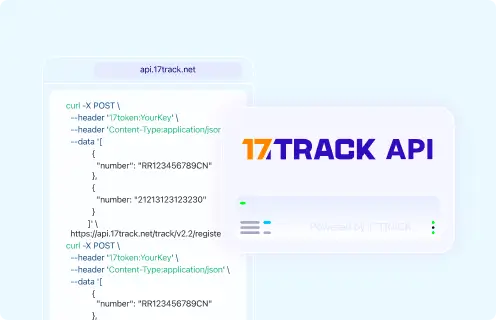
The company website links to a web lookup; do not treat that page as a documented official API. For 17TRACK integration, consult the current API documentation and replace CARRIER_CODE only after confirming the applicable carrier identifier for the shipment and account.
# 1. Land, Sea and Air Logistics official tracking API
# Current public official tracking API not confirmed.
# The company-linked WebTrack page is a web lookup, not an API specification.

# 2. 17TRACK API — illustrative registration request.
# Replace the key, tracking number and CARRIER_CODE after checking the docs.
curl -X POST 'https://api.17track.net/track/v2.4/register' \
  -H '17token: YourKey' \
  -H 'Content-Type: application/json' \
  -d '[{"number":"TRACKING_NUMBER","carrier":"CARRIER_CODE"}]'
Sources & References
17TRACK is an independent tracking platform and is not affiliated with Land, Sea and Air Logistics.