About JLH
JLH(嘉利华) is the name supplied for this tracking guide. The supplied website currently presents finance and news material rather than logistics services, parcel tracking, carrier contacts, or shipping policies. It therefore does not provide evidence that can safely establish JLH as a parcel operator or define its transport network.
Core Overview
| Field | Evidence-based result |
|---|
| Canonical display name | JLH |
| Supplied website | http://www.carnivalsup.cn/ |
| Website content | Finance and general news content rather than parcel-carrier information |
| Tracking page | The supplied website does not publish a parcel-tracking entry point. |
| Carrier identity | The supplied evidence does not establish a logistics operator. |
Pro Tip: Verify the carrier name shown beside the
tracking number in the merchant’s dispatch email or order page before sharing shipment information with any website.
Carrier Entity Relationships
| Entity | Entity type |
|---|
| JLH | Supplied page identity |
View all details for JLH
| Relationship to JLH | The name is the canonical display identity requested for this page. |
|---|
| Why it matters to tracking | A name alone cannot prove who issued a tracking number, physically holds a parcel, or performs delivery. |
|---|
| Official evidence | The supplied website contains no carrier profile, service catalogue, tracking tool, or shipping terms. |
|---|
|
| 17TRACK | Independent tracking platform |
View all details for the independent tracking relationship
| Relationship to JLH | 17TRACK can attempt carrier detection and display available events when a supported tracking number is submitted. |
|---|
| Why it matters to tracking | 17TRACK does not transport parcels, alter addresses, perform customs clearance, approve claims, or issue merchant refunds. |
|---|
| Official evidence | 17TRACK API documentation |
|---|
|
Quick Answer
To check a shipment described as JLH, copy the tracking number from the dispatch email, order page, shipping label, or receipt and submit it to 17TRACK. If no result appears, verify every character, remove spaces, confirm that the seller has actually dispatched the parcel, and ask the seller for the carrier-issued number and current carrier name.
The supplied website does not provide a parcel-tracking tool. Do not enter payment credentials, identity documents, or customs payments there for tracking purposes. 17TRACK is an independent tracking platform and cannot change delivery instructions, release customs holds, refund an order, or decide a shipping claim.
How to Track JLH Packages
- Open the seller’s dispatch email or order page and locate the shipment tracking number.
- Copy the identifier exactly. Remove accidental leading or trailing spaces, but preserve letters and zeros.
- Submit the number through 17TRACK and review the detected carrier and available events.
- If detection is inconclusive, ask the sender which carrier issued the number and whether a separate last-mile number exists.
- For delivery changes, customs documents, claims, or refunds, contact the party responsible for that action rather than 17TRACK.
Tracking number: identifies a shipment in a carrier network. Order number: identifies a purchase in the merchant’s system. Reference number: may be an internal seller or warehouse reference. Delivery notice number: usually refers to an attempted delivery or pickup notice. These identifiers are not interchangeable unless the responsible operator explicitly supports them.
Pro Tip: A label can exist before the parcel is physically accepted. If tracking shows only electronic information, ask the sender for the handover date and acceptance receipt.
Tracking Statuses and Meanings
The following are lifecycle categories for interpreting a shipment record, not official JLH event wording. The event source and detected carrier should be checked before assigning responsibility.
Status Quick Lookup
| Status | What it means |
|---|
| Label created | Shipment data exists, but physical acceptance may not have occurred. |
View all details for label created| Lifecycle stage | Pre-shipment |
|---|
| Current responsible party | Usually the sender or fulfillment partner until a physical acceptance scan appears. |
|---|
| What happens next | The parcel is handed to the first transport operator. |
|---|
| What you should do | Ask the sender for the handover date if the status persists. |
|---|
|
| Accepted | A transport operator recorded possession of the parcel. |
View all details for accepted| Lifecycle stage | Acceptance |
|---|
| Current responsible party | The operator named in the acceptance event. |
|---|
| What happens next | Origin sorting and routing normally begin. |
|---|
| What you should do | Monitor for the next processing event. |
|---|
|
| In transit | The parcel is moving through sorting or transport nodes. |
View all details for in transit| Lifecycle stage | Line-haul or network processing |
|---|
| Current responsible party | The operator identified by the latest physical scan. |
|---|
| What happens next | Additional sorting, departure, arrival, or handoff scans may appear. |
|---|
| What you should do | Compare the latest location and timestamp with the seller’s delivery estimate. |
|---|
|
| Customs processing | The shipment is undergoing import or export review; arrival does not equal release. |
View all details for customs processing| Lifecycle stage | Customs or border processing |
|---|
| Current responsible party | Customs authority, broker, postal operator, or carrier depending on the event. |
|---|
| What happens next | Release, document request, assessment, inspection, or return may follow. |
|---|
| What you should do | Respond only through an authenticated carrier, broker, customs, or merchant channel. |
|---|
|
| Handover pending | A partner may have sent data before transferring the physical parcel. |
View all details for handover pending| Lifecycle stage | Partner transfer |
|---|
| Current responsible party | The partner that last physically scanned the shipment. |
|---|
| What happens next | The receiving operator records its first possession scan. |
|---|
| What you should do | Do not treat electronic notice as proof of physical receipt. |
|---|
|
| Out for delivery | The local delivery unit has assigned the parcel for a delivery attempt. |
View all details for out for delivery| Lifecycle stage | Last mile |
|---|
| Current responsible party | The local delivery operator shown by tracking. |
|---|
| What happens next | Delivery, attempted delivery, pickup routing, or an exception scan. |
|---|
| What you should do | Keep access clear and follow authenticated delivery instructions. |
|---|
|
| Delivered | A delivery completion scan was recorded. |
View all details for delivered| Lifecycle stage | Delivery completion |
|---|
| Current responsible party | The delivery operator for scan evidence; the recipient should first check the delivery location. |
|---|
| What happens next | No further movement is normally expected unless a correction or return follows. |
|---|
| What you should do | Check safe places, household members, reception, neighbors, and proof-of-delivery information before escalating. |
|---|
|
| Available for pickup | The parcel is being held at a designated collection point. |
View all details for pickup| Lifecycle stage | Pickup |
|---|
| Current responsible party | The named local facility or delivery operator. |
|---|
| What happens next | Collection or return after the operator’s holding period. |
|---|
| What you should do | Check identification and authorization requirements with the named operator. |
|---|
|
| Exception or return | Normal delivery was interrupted or the parcel is moving back toward the sender. |
View all details for exception or return| Lifecycle stage | Exception or reverse logistics |
|---|
| Current responsible party | The operator named in the latest event, with sender action often required for corrections. |
|---|
| What happens next | Reattempt, pickup, address review, investigation, disposal where lawful, or return. |
|---|
| What you should do | Contact the identified operator and seller promptly with the tracking number and latest event. |
|---|
|
Services and Delivery Times
The supplied website does not identify shipping services, operating regions, weight limits, published delivery standards, or delivery guarantees for JLH. Destination estimates would therefore be speculative and are not presented as carrier facts.
Service Comparison
| Service | Service type |
|---|
| JLH shipping services | No logistics service catalogue appears on the supplied website. |
View evidence limits for JLH services
| Best for | Use the service name shown on the shipping label or merchant dispatch record. |
|---|
| Coverage | Determine coverage from the identified transport operator. |
|---|
| Tracking level | Determine tracking depth from actual events and the issuing operator. |
|---|
| Key size/weight condition | Follow the accepting operator’s current rules. |
|---|
| Included protection/extra service | Check the sender’s receipt or shipping contract. |
|---|
| Main limitation | The supplied website cannot support a JLH-specific service comparison. |
|---|
|
Delivery Time
| Service | Published delivery standard |
|---|
| Shipment described as JLH | Use the delivery estimate supplied by the merchant or identified carrier; the supplied site publishes no shipping standard. |
View all delivery-time considerations
| Business or calendar days | Check the estimate’s stated counting method. |
|---|
| Guarantee status | An estimate is not a guarantee unless the identified operator’s terms explicitly say so. |
|---|
| Starts counting from | Confirm whether timing starts at order placement, label creation, physical acceptance, export departure, or another milestone. |
|---|
| Main delay factors | Late handover, missed scans, weekends, holidays, weather, capacity, address issues, customs, and partner transfers. |
|---|
| Official source date/validity | Use the current terms for the actual operator and purchased service. |
|---|
|
Destination Country Delivery Times
| Destination Country / Region | Estimated Delivery Time Range |
|---|
| Route must be identified from shipment records | No evidence-based JLH destination range can be calculated from the supplied website. |
View destination-estimate requirements
| Primary Service Type | Obtain the purchased service from the sender or shipping label. |
|---|
| Average Delivery Days | Use lane-specific data only after the origin, destination, service, and physical acceptance date are known. |
|---|
| Last-Mile Partner / Handoff Carrier | Identify the local operator from a handoff event or linked local tracking number. |
|---|
| Customs & Clearance Tips | Follow destination customs instructions and verify any payment request through an authenticated official channel. |
|---|
|
Common Tracking Problems and Solutions
Start by identifying who issued the tracking number and who produced the latest physical scan. That distinction determines whether the sender, transport partner, local delivery operator, customs authority, or merchant should act.
Problem & Solution
| Problem/status shown | Immediate action |
|---|
| Invalid number | Re-copy the identifier and ask the seller to distinguish the tracking number from the order number. |
View all details for an invalid number| Likely cause | Typing error, inactive label, order ID used, or incorrect carrier selection. |
|---|
| Check first | Letters, zeros, spaces, dispatch date, and carrier name. |
|---|
| When to escalate | Escalate to the seller when the dispatch record cannot be validated. |
|---|
| Who to contact | Sender or merchant. |
|---|
|
| Label created with no movement | Ask the sender when and where the parcel was physically handed over. |
View all details for no movement after label creation| Likely cause | Electronic data was created before physical acceptance. |
|---|
| Check first | Look for an acceptance or origin-facility scan. |
|---|
| When to escalate | Use the sender’s dispatch commitment or marketplace protection deadline. |
|---|
| Who to contact | Sender, merchant, or fulfillment provider. |
|---|
|
| Long gap in transit | Check the latest location, service estimate, handoff stage, and any customs event. |
View all details for a long tracking gap| Likely cause | Line-haul travel, missed scans, consolidation, customs, disruption, or partner transfer. |
|---|
| Check first | Event source, local time, destination arrival, and linked tracking number. |
|---|
| When to escalate | Follow the identified carrier’s current inquiry eligibility and the seller’s buyer-protection deadline. |
|---|
| Who to contact | Sender first when the carrier requires the contract holder to open an inquiry. |
|---|
|
| Handoff pending | Wait for the receiving operator’s first physical scan and request the local number from the sender if needed. |
View all details for a partner handoff| Likely cause | Electronic pre-advice arrived before the parcel. |
|---|
| Check first | The latest operator with a physical scan. |
|---|
| When to escalate | Escalate when the purchased delivery estimate has passed or the responsible operator’s inquiry rules permit. |
|---|
| Who to contact | Shipping partner or sender until the receiving operator records possession. |
|---|
|
| Address problem or failed delivery | Contact the identified local operator promptly and ask the sender to assist if only the contract holder can change details. |
View all details for an address or delivery problem| Likely cause | Incomplete address, access restriction, unavailable recipient, or local routing issue. |
|---|
| Check first | Postal code, unit number, contact details, and attempted-delivery notice. |
|---|
| When to escalate | Act before the parcel enters return processing. |
|---|
| Who to contact | Local delivery operator and sender. |
|---|
|
| Customs hold | Review the event for a document, value, tax, inspection, or broker request. |
View all details for a customs hold| Likely cause | Assessment, inspection, restricted contents, missing data, or unpaid charges. |
|---|
| Check first | Authenticated notices from customs, the broker, operator, or merchant. |
|---|
| When to escalate | Respond by the deadline stated in a verified notice. |
|---|
| Who to contact | Named broker, customs authority, operator, or sender. |
|---|
|
| Delivered but not received | Check the exact delivery location, household members, reception, neighbors, safe places, and proof-of-delivery details. |
View all details for delivered but not received| Likely cause | Alternate placement, reception acceptance, premature scan, address error, or loss after delivery. |
|---|
| Check first | Timestamp, delivery address, photo or signature where available, and local delivery office. |
|---|
| When to escalate | Report promptly under the identified operator’s and merchant’s current procedures. |
|---|
| Who to contact | Local delivery operator and seller; report suspected theft through appropriate local channels. |
|---|
|
| Lost, damaged, or returned | Preserve the parcel, contents, label, packaging, photos, invoice, and value evidence; notify the sender. |
View all details for loss, damage, or return| Likely cause | Network loss, inadequate packaging, handling damage, refusal, address failure, customs decision, or expired pickup. |
|---|
| Check first | Purchased protection, contract holder, merchant policy, and current filing rules. |
|---|
| When to escalate | Act before any carrier, payment, marketplace, or insurance deadline expires. |
|---|
| Who to contact | Sender or merchant, plus the identified operator where direct recipient claims are permitted. |
|---|
|
International Shipping, Customs and Carrier Handoffs
No international network or partner list is established for JLH by the supplied website. If a shipment is cross-border, use its actual scans to identify each custodian and do not equate arrival in the destination country with customs release.
International Flow
| Stage | What is happening |
|---|
| Electronic pre-advice | Shipment data is transmitted before or around physical handover. |
View all details for electronic pre-advice| Physical custodian/responsible entity | Usually the sender or fulfillment partner until acceptance. |
|---|
| Typical tracking event | Label created, information received, or awaiting item. |
|---|
| Can the tracking number change? | A partner or local identifier may later be linked. |
|---|
| Normal visibility gap | No physical movement is proven until an acceptance scan appears. |
|---|
| What the customer should do | Ask the sender for handover evidence if the status persists. |
|---|
|
| Origin processing and export | The origin operator sorts the parcel and prepares it for departure and border controls. |
View all details for origin processing| Physical custodian/responsible entity | The operator named in the latest origin scan. |
|---|
| Typical tracking event | Accepted, processed, export clearance, or departure. |
|---|
| Can the tracking number change? | Usually the original identifier remains available, but a partner ID may be added. |
|---|
| Normal visibility gap | Line-haul transport may produce few public scans. |
|---|
| What the customer should do | Monitor the latest physical event and service estimate. |
|---|
|
| Destination arrival and customs | The parcel enters destination processing and may await customs assessment or release. |
View all details for destination customs| Physical custodian/responsible entity | Destination exchange facility, customs authority, broker, or operator depending on the event. |
|---|
| Typical tracking event | Arrived at destination, presented to customs, held, assessed, or released. |
|---|
| Can the tracking number change? | A destination operator may assign a local number. |
|---|
| Normal visibility gap | Public tracking may pause during review or data exchange. |
|---|
| What the customer should do | Provide accurate documents through authenticated channels and verify charges before payment. |
|---|
|
| Partner handoff and last mile | The destination operator records physical receipt and begins local delivery processing. |
View all details for the last-mile handoff| Physical custodian/responsible entity | The local operator after its first possession scan. |
|---|
| Typical tracking event | Received by local carrier, arrival at delivery unit, out for delivery, or pickup. |
|---|
| Can the tracking number change? | Yes; use any linked last-mile number where the original identifier stops updating. |
|---|
| Normal visibility gap | Electronic notice and physical receipt can occur at different times. |
|---|
| What the customer should do | Use the identified local operator for delivery-day questions. |
|---|
|
Delivery Management and Post-shipment Options
The supplied website does not publish JLH options for interception, address changes, redelivery, pickup, signatures, notifications, or proof of delivery. Use only the authenticated tools of the operator identified by the latest physical scan.
Delivery Management
| Option | Who can request |
|---|
| Delivery change, redelivery, pickup, or proof request | The sender or recipient only where the identified delivery operator permits the request. |
View delivery-management conditions
| Eligibility | Depends on service, sender restrictions, shipment stage, identity checks, and local rules. |
|---|
| Deadline/available stage | Request before delivery or return processing whenever the identified operator allows. |
|---|
| Fee | Verify through the operator’s authenticated channel before agreeing to a charge. |
|---|
| Guaranteed? | A request does not guarantee successful interception or redirection. |
|---|
| Official action link | Use the contact or delivery-management link shown by the carrier detected from the tracking record. |
|---|
|
Lost, Damaged, Claims, Insurance and Refunds
A tracking inquiry, transport investigation, insurance claim, postage refund, and merchant refund are separate processes. The supplied website contains no JLH claims terms or filing deadlines, so the shipment contract and seller policy control the next step.
Claims and Refunds
| Process | Use when |
|---|
| Carrier investigation or claim | Use for suspected transport loss, damage, or missing contents under the actual operator’s terms. |
View all details for a transport claim| Who files | Often the sender or shipping-account holder; recipient rights depend on the contract and jurisdiction. |
|---|
| Earliest/latest filing time | Check the current rules for the identified operator and purchased service immediately. |
|---|
| Required evidence | Tracking number, receipt, value proof, contents description, photographs, packaging, and damage evidence. |
|---|
| Possible outcome | Search, investigation, request for evidence, settlement, repair, return, or denial under applicable terms. |
|---|
| Official link | Use the claims channel of the operator named in the shipment contract. |
|---|
|
| Merchant refund or replacement | Use when the purchased goods were not delivered as agreed or arrived damaged. |
View all details for a merchant remedy| Who files | The buyer contacts the merchant or marketplace. |
|---|
| Earliest/latest filing time | Follow the order’s buyer-protection and dispute deadlines. |
|---|
| Required evidence | Order number, tracking record, photographs, communication history, and delivery evidence. |
|---|
| Possible outcome | Replacement, refund, partial refund, further investigation, or denial under the sales terms. |
|---|
| Official link | Use the authenticated order or marketplace support page. |
|---|
|
17TRACK cannot approve claims, determine liability, reimburse postage, issue an order refund, or change the transport outcome.
Shipping Restrictions and Special Handling
The supplied website does not publish JLH transport restrictions. Shippers must follow the accepting operator’s current rules and all origin, transit, destination, customs, aviation, and road-transport requirements.
Shipping Restrictions
| Category | Prohibited or restricted |
|---|
| Dangerous, regulated, perishable, battery, liquid, or high-value contents | Classification depends on the actual operator, transport mode, route, quantity, packaging, and applicable law. |
View restriction-checking guidance
| Typical examples | Batteries, aerosols, perfume, alcohol, medicines, food, plants, weapons, cash, and temperature-sensitive goods may face special rules. |
|---|
| Key condition/packaging | Use the operator’s current classification, declaration, labeling, quantity, and packaging instructions. |
|---|
| Transport limitation | Air, road, postal, and international routes can impose different restrictions. |
|---|
| Possible tracking/delivery impact | Screening, inspection, refusal, return, seizure, delay, or disposal where legally permitted. |
|---|
| Official rules | Consult the accepting operator and relevant government authority before shipping. |
|---|
|
Customer Service
The supplied website provides no parcel-support channel for JLH. Do not treat finance or news contact details as shipping support. Identify the sender and actual transport operator before escalating a shipment issue.
Customer Service
| Channel | Verified contact/link |
|---|
| Shipment tracking | Use 17TRACK with the carrier-issued number, then follow the detected carrier information. |
View tracking-channel details| Best for | Viewing available multi-carrier tracking events. |
|---|
| Region/language | Online service; available interface options depend on the platform. |
|---|
| Hours and time zone | Online tracking can be submitted without relying on office hours. |
|---|
| Information to prepare | Tracking number and carrier name where known. |
|---|
| Important limitation | 17TRACK cannot change, deliver, refund, or investigate the parcel as the contractual carrier. |
|---|
|
| Order and dispatch support | Use the merchant or marketplace channel attached to the purchase. |
View seller-support details| Best for | Carrier identification, handover evidence, replacement, refund, and sender-filed inquiries. |
|---|
| Region/language | Defined by the merchant or marketplace. |
|---|
| Hours and time zone | Use the hours displayed in the authenticated order-support channel. |
|---|
| Information to prepare | Order number, tracking number, dispatch date, address, latest scan, item description, value evidence, and photos. |
|---|
| Important limitation | The merchant may need to contact its contracted transport provider. |
|---|
|
Efficient escalation order: verify the identifier, identify the carrier, check the latest physical scan, contact the sender when handover is unclear, contact the local operator for delivery-stage issues, and preserve evidence for any claim or merchant dispute.
Ecommerce and Business Tracking
Businesses should retain the original carrier code, carrier-issued tracking number, order reference, handoff identifiers, event source, and event timestamp as separate fields. This prevents an order ID or downstream number from being mistaken for the primary shipment identifier.
Developer/API Comparison
| Option | Provider |
|---|
| Carrier-specific tracking API | JLH |
View carrier-specific API evidence
| Carrier coverage | The supplied website does not document logistics coverage. |
|---|
| Primary use | No carrier API use can be established from the supplied website. |
|---|
| Authentication | No logistics authentication method appears on the supplied website. |
|---|
| Tracking/batch/webhook capability | No tracking, batch, or webhook capability appears on the supplied website. |
|---|
| Current developer documentation | The supplied site contains finance and news material rather than developer documentation. |
|---|
| Migration/deprecation note | No logistics interface history is evidenced. |
|---|
|
| Multi-carrier tracking API | 17TRACK |
View 17TRACK API details
| Carrier coverage | Multi-carrier tracking subject to supported carrier mappings and available event data. |
|---|
| Primary use | Registering and monitoring shipments across multiple carriers. |
|---|
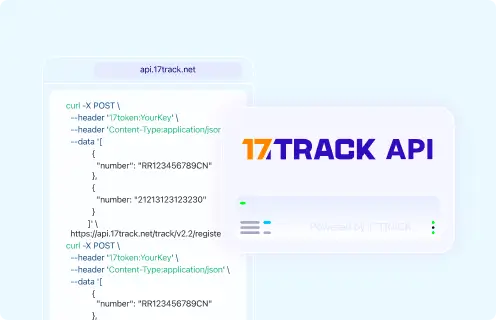
| Authentication | API key in the 17token request header. |
|---|
| Tracking/batch/webhook capability | Use capabilities documented in the current 17TRACK API documentation and account plan. |
|---|
| Current developer documentation | https://api.17track.net/en/doc |
|---|
| Migration/deprecation note | Integrations should follow the current documented API version rather than copied legacy examples. |
|---|
|
JLH Tracking FAQ
1. How do I track my JLH package?Enter the carrier-issued tracking number in 17TRACK, review the detected carrier, and compare the result with the merchant’s dispatch record. The supplied JLH website does not provide a parcel-tracking tool.
2. Where can I find my JLH tracking number?Check the shipping confirmation, marketplace order page, parcel label, receipt, or seller message. Ask the sender to identify which value is the carrier tracking number rather than the order or reference number.
3. What does a JLH tracking number look like?No JLH number format is evidenced by the supplied website. Validate the identifier through carrier detection and the sender’s shipping record instead of relying on a prefix or length.
4. When should the first JLH tracking event appear?A first physical event appears only after an operator scans or accepts the parcel. Label creation can occur earlier, so ask the sender for the physical handover date when only electronic information appears.
5. Why is my JLH tracking not updating?A gap can result from line-haul movement, missed scans, consolidation, customs review, or partner transfer. Check who produced the latest physical scan and whether a linked last-mile number exists.
6. How long does JLH delivery take?Use the estimate supplied by the merchant or actual carrier because the supplied JLH website publishes no shipping standard. Confirm whether the estimate uses business days and whether it starts at order placement or physical acceptance.
7. What should I do after a failed JLH delivery attempt?Contact the local operator identified in the latest delivery event and review any authenticated notice. Act before return processing begins, and ask the sender to help if only the contract holder can request a change.
8. What should I do if JLH shows delivered but I received nothing?Check the delivery location, household members, reception, neighbors, safe places, timestamp, and proof-of-delivery details first. Then report the issue promptly to the local operator and seller.
9. How do I report a lost or damaged JLH shipment?Notify the sender and identify the contracted transport operator. Preserve the parcel, packaging, label, photographs, invoice, contents description, and value evidence for the applicable claim or merchant remedy.
10. How do I contact JLH customer service?The supplied website does not publish a parcel-support channel for JLH. Contact the merchant for carrier identification, then use the authenticated support channel of the operator shown in the shipment record.
11. Does a JLH label-created event prove the carrier has my parcel?No. Label creation proves that shipment data exists, while an acceptance or facility scan is stronger evidence that a transport operator physically received the parcel.
12. Can a JLH tracking number change after an international handoff?A destination operator may assign a linked local number, although the original number may continue to work. Ask the sender or inspect the handoff event when tracking stops after destination arrival.
13. Does destination arrival mean my JLH shipment cleared customs?No. Destination arrival, presentation to customs, assessment, and customs release are separate events, and the responsible entity can change between those stages.
14. Who is responsible during a JLH partner handoff?The operator with the latest physical possession scan is the strongest indicator of custody. Electronic pre-advice from a receiving operator does not by itself prove physical transfer.
15. Can businesses track JLH shipments through an API?No carrier-specific logistics API is evidenced by the supplied JLH website. Businesses can use the documented 17TRACK multi-carrier API and should retain the original carrier code rather than guessing a JLH code.
16. Can 17TRACK change a JLH delivery address or approve a claim?No. 17TRACK displays available tracking information but does not transport parcels, alter delivery instructions, release customs holds, approve claims, or issue merchant refunds.
Tracking API
The supplied JLH website does not document a public parcel-tracking API. The 17TRACK carrier code for JLH cannot be established from the supplied evidence, so the required placeholder is retained below rather than guessed.
# 1. JLH official tracking API
# No public parcel-tracking API is evidenced by the supplied JLH website.
# Do not invent an endpoint, method, credential, or carrier code.

# 2. 17TRACK API
curl --request POST \
  --url https://api.17track.net/track/v2.4/register \
  --header '17token: YourKey' \
  --header 'Content-Type: application/json' \
  --data '[
    {
      "number": "TRACKING_NUMBER",
      "carrier": "CARRIER_CODE"
    }
  ]'

# Keep CARRIER_CODE as a placeholder until it is verified
# in current 17TRACK documentation or account tooling.
Sources & References
17TRACK is an independent tracking platform and is not affiliated with JLH.