S

ShipMonk

https://www.shipmonk.com/

Enter a tracking number that can be used for shipment tracking to check the logistics history of your ShipMonk order.

About Shipmonk

Shipmonk is an ecommerce fulfillment and third-party logistics provider. In a typical consumer order, Shipmonk may store, pick, pack and hand off a merchant’s order to a parcel carrier, but the merchant or marketplace that sold the item usually owns the customer relationship, order record, returns approval and refund decision. Official website: https://www.shipmonk.com/.

Brand Entity & Order Ownership

Entity / order partyRole in the order
ShipmonkFulfillment and logistics service provider for merchants.
View all details for Shipmonk
What it controlsWarehouse receiving, inventory handling, picking, packing, fulfillment workflows and shipment creation for merchant clients when the order is fulfilled through Shipmonk.
What it cannot controlIt usually cannot approve a consumer refund, change a marketplace policy, guarantee a carrier scan, or resolve a payment dispute for the buyer.
Why it matters to trackingA tracking page may show a package handled by Shipmonk even though the buyer purchased from a separate brand or marketplace seller.
Buyer accountThe account or checkout identity used on the merchant store or marketplace.
View all details for buyer account
What it controlsAccess to the order confirmation, shipping address shown to the seller, order history, return request and customer support case.
What it cannot controlIt cannot create a carrier scan or prove carrier possession before a parcel is accepted into the carrier network.
Why it matters to trackingThe buyer normally needs the merchant order email or account page to find the carrier tracking number.
Seller or merchantThe store that sold the item and owns the customer order.
View all details for seller or merchant
What it controlsOrder confirmation, item availability, cancellation rules, customer service, return authorization and refund decisions.
What it cannot controlIt cannot force every carrier scan to appear immediately after a label is created.
Why it matters to trackingIf the buyer only knows the merchant order number, the merchant is the first party that can map it to a shipment and tracking number.
Fulfillment partyShipmonk or another warehouse that prepares the parcel.
View all details for fulfillment party
What it controlsWarehouse processing, label generation and handoff to the selected carrier when the merchant uses that fulfillment model.
What it cannot controlIt cannot resolve payment chargebacks or change a buyer’s marketplace account.
Why it matters to trackingTracking may stay at label created until the parcel is physically inducted by the carrier.
Carrier / last-mile carrierTransports the parcel and produces shipping scans.
View all details for carrier or last-mile carrier
What it controlsPickup, acceptance scans, transit scans, out-for-delivery events, proof of delivery and attempted delivery records.
What it cannot controlIt usually cannot approve the merchant’s refund or replace the item without seller instructions.
Why it matters to tracking17TRACK and carrier pages depend on carrier tracking data, not private order records.
Payment / refund channelMerchant checkout, marketplace payment system, card issuer or wallet.
View all details for payment or refund channel
What it controlsPayment capture, refund posting, disputes or chargeback processing depending on how the purchase was paid.
What it cannot controlIt cannot confirm where the parcel is unless linked to a seller claim record.
Why it matters to trackingA delivered scan is evidence for delivery review, but it is not the same as a refund approval.
17TRACK relationshipIndependent multi-carrier tracking platform.
View all details for 17TRACK relationship
What it controlsDisplaying available tracking events for supported tracking numbers and helping identify possible carriers.
What it cannot control17TRACK cannot see private merchant order details, change an address, cancel an order, contact Shipmonk, approve a return or issue a refund.
Why it matters to trackingUse 17TRACK after you have a carrier tracking number, not only a merchant order number.

Quick Answer

To track an order fulfilled by Shipmonk, start with the store or marketplace where you bought the item. Open the order details or shipping confirmation email, copy the carrier tracking number, then track it on the carrier website or 17TRACK.

If there is no tracking number yet, the order may still be processing, the seller may have created an order record but not a parcel label, or the parcel may not have received its first carrier scan. 17TRACK can help track available carrier tracking numbers and may auto-detect carriers, but it cannot view private Shipmonk merchant portal records, modify orders, start refunds or contact sellers.

Pro Tip: If your confirmation email says an order is fulfilled by Shipmonk but the brand name is different, contact the selling brand for order questions and use the carrier tracking number for shipment scans.

How to Track Shipmonk Orders

Use the merchant store first, then the carrier or 17TRACK. A Shipmonk-fulfilled order may not be searchable by consumers inside Shipmonk unless the merchant has provided a customer-facing tracking link.

Tracking Path Comparison

Tracking pathUse when
Official merchant account / Your OrdersYou bought from a brand store or marketplace account.
View all details for merchant account tracking
Identifier neededLogin email, order number or marketplace order ID.
What you can seeOrder status, shipment split, seller notes, carrier name and tracking number when provided.
Best next stepSign in, open order details, select the shipment, then copy the carrier tracking number.
Important limitationPrivate order pages are controlled by the selling merchant, not by 17TRACK.
Official order email or SMSYou checked out as guest or need the shipping confirmation.
View all details for order email or SMS
Identifier neededEmail address or phone number used at checkout.
What you can seeOrder confirmation, shipping notification, tracking link and possible split-shipment notices.
Best next stepSearch your inbox for the store name, Shipmonk, tracking, shipment, order confirmation or the order number.
Important limitationEmail links may require the original buyer’s email or store account.
17TRACKYou have a carrier tracking number from the seller or shipment email.
View all details for 17TRACK tracking
Identifier neededCarrier tracking number, not a private merchant order number.
What you can seeAvailable carrier events such as label created, accepted, in transit, out for delivery, delivered or exception.
Best next stepPaste the tracking number and review the latest event, carrier and destination progress.
Important limitation17TRACK does not show private item details, invoice data, refunds or customer service case notes.
Carrier websiteThe merchant email names a specific carrier.
View all details for carrier website tracking
Identifier neededCarrier tracking number and sometimes destination ZIP or postal code for delivery management.
What you can seeCarrier scans, delivery attempt notices, pickup options and proof of delivery where available.
Best next stepUse the carrier page for delivery instructions, rescheduling or claim information if the carrier offers it.
Important limitationThe carrier usually cannot refund the purchase price or confirm item contents.
Seller or marketplace message centerThe order is from a marketplace or third-party seller.
View all details for seller message center
Identifier neededMarketplace order ID, seller name and item listing.
What you can seeSeller shipment promises, tracking updates, cancellation eligibility and dispute options.
Best next stepAsk the seller for the carrier tracking number if only a seller reference is visible.
Important limitationMarketplace policies decide dispute deadlines and refund routes.
Guest or gift order routeYou do not control the buyer account.
View all details for guest or gift tracking
Identifier neededOrder confirmation link, gift tracking link, recipient email, or information the merchant asks for.
What you can seeUsually limited shipment status; payment, refund and item details may be hidden.
Best next stepAsk the purchaser or merchant for the carrier tracking number or gift tracking page.
Important limitationPrivacy rules may prevent the merchant from sharing account or payment details with a recipient.
App notificationsThe selling brand or marketplace offers app alerts.
View all details for app notifications
Identifier neededBrand or marketplace account login and notification permission.
What you can seeOrder shipped, delivery alerts, return updates or message-center notifications depending on the seller platform.
Best next stepEnable notifications in the seller’s app and still save the carrier tracking number for independent tracking.
Important limitationShipmonk is not the shopping app for most consumer orders fulfilled through its warehouses.

Practical steps: log in to the seller’s site, open the order list, choose the order, open shipment or order status, identify whether the order was split into more than one package, then track each carrier number separately.

Order Numbers, Tracking Numbers and Where to Find Them

An order number identifies the purchase inside the seller’s system. A tracking number identifies a parcel inside a carrier network. 17TRACK generally needs the carrier tracking number.

Identifier & Tracking Number Guide

Identifier typeWhere users find it
Brand order numberOrder confirmation email, account order page or invoice from the selling brand.
View all details for brand order number
Looks like / exampleExample only: ORDER-#### or #SM-STORE-####; formats vary by merchant.
Who issues itThe seller, brand store or marketplace order system.
Can 17TRACK use it?Usually no; first find the carrier tracking number in the shipment details.
What it can and cannot proveIt proves a purchase record in the seller system, but not carrier possession of a package.
Shipment / tracking numberShipping confirmation email, tracking link or order shipment panel.
View all details for shipment tracking number
Looks like / exampleExample only: 1Z #### #### #### ####, 9### #### #### #### #### ##, or carrier-specific alphanumeric formats.
Who issues itThe parcel carrier or shipping label system used by the merchant or Shipmonk.
Can 17TRACK use it?Yes, when it is a supported carrier tracking number and scan data is available.
What it can and cannot proveIt can show carrier shipment events, but it does not prove refund approval or item condition.
Carrier tracking numberCarrier link, merchant shipment email, label or delivery notification.
View all details for carrier tracking number
Looks like / exampleCarrier-specific; do not assume one Shipmonk format because carriers vary by order, region and service.
Who issues itThe carrier or shipping system connected to the carrier.
Can 17TRACK use it?Yes, if the number is valid and the carrier is supported or detectable.
What it can and cannot proveIt can show movement through the carrier network, but not whether every item in a split order was included.
Internal delivery IDMay appear in a merchant portal or Shipmonk merchant-facing system.
View all details for internal delivery ID
Looks like / exampleExample only: internal fulfillment reference or shipment record ID; public format not standardized for buyers.
Who issues itThe merchant system, Shipmonk platform or connected ecommerce integration.
Can 17TRACK use it?No, unless it is also a carrier tracking number.
What it can and cannot proveIt may help merchant support locate the fulfillment record, but it is not a public carrier scan record.
Return tracking numberReturn label, return portal, carrier receipt or return confirmation email.
View all details for return tracking number
Looks like / exampleCarrier-specific return label number, often different from the outbound tracking number.
Who issues itThe carrier or the seller’s return label provider.
Can 17TRACK use it?Yes, when it is a carrier tracking number supported by 17TRACK.
What it can and cannot proveIt proves return parcel movement, not whether the seller has inspected the item or issued a refund.
Return authorization / RMASeller return portal, support email or marketplace return case.
View all details for return authorization or RMA
Looks like / exampleExample only: RMA-####### or RETURN-####; seller formats vary.
Who issues itThe selling brand, marketplace or return system.
Can 17TRACK use it?No; use it with seller support and track the return label number separately.
What it can and cannot proveIt proves a return request record, not carrier movement or refund posting.
Gift / order linkGift email, recipient notification or purchaser-shared link.
View all details for gift or order link
Looks like / exampleSecure store link; exact format depends on the merchant or marketplace.
Who issues itThe selling platform or merchant.
Can 17TRACK use it?No; open the link to find a carrier tracking number if available.
What it can and cannot proveIt may show limited shipment status but may hide buyer, payment and refund details.
Seller referenceMarketplace seller messages, packing slip or support conversation.
View all details for seller reference
Looks like / exampleMerchant-specific reference such as PO, batch, warehouse or fulfillment number.
Who issues itThe seller or merchant operations system.
Can 17TRACK use it?No, unless the seller reference is actually a carrier tracking number.
What it can and cannot proveIt helps the seller investigate internally but is not a public tracking number.
Marketplace order IDMarketplace order page, confirmation email or app order history.
View all details for marketplace order ID
Looks like / exampleMarketplace-specific format; do not convert it into a Shipmonk tracking number.
Who issues itThe marketplace where the purchase was placed.
Can 17TRACK use it?Usually no; use the marketplace to reveal the shipment and carrier tracking number.
What it can and cannot proveIt identifies the platform purchase and dispute route, but not carrier acceptance.

Fulfillment, Sellers and Carriers

Shipmonk may be one link in a larger fulfillment chain. The carrier varies by merchant, destination, parcel attributes, service level and connected sales channel.

Fulfillment & Carrier Relationship

Fulfillment modelWho ships it
Brand store fulfilled through ShipmonkShipmonk prepares the package for the merchant, then a carrier transports it.
View all details for brand store fulfilled through Shipmonk
Typical carriers or delivery networkCarrier varies by order, region, merchant settings, item type and shipping option.
Who updates trackingThe carrier updates transport scans; the merchant system may mirror those events.
Who handles delivery issuesStart with the selling merchant for order remedies; use the carrier for delivery attempts and proof of delivery.
What the customer should check firstMerchant shipment email and each package’s carrier tracking number.
Marketplace seller using ShipmonkThe third-party seller may route fulfillment through Shipmonk.
View all details for marketplace seller using Shipmonk
Typical carriers or delivery networkVaries by seller service level and marketplace integration.
Who updates trackingSeller uploads or syncs tracking; the carrier provides scans.
Who handles delivery issuesMarketplace and seller handle order disputes; carrier handles delivery scan evidence.
What the customer should check firstMarketplace order page, seller name and uploaded carrier number.
Seller self-fulfilled without ShipmonkThe seller or another warehouse ships the order.
View all details for seller self-fulfilled order
Typical carriers or delivery networkCarrier varies by seller; Shipmonk may have no role.
Who updates trackingSeller and carrier.
Who handles delivery issuesSeller, marketplace and carrier according to the sales channel policy.
What the customer should check firstDo not assume Shipmonk involvement unless the merchant identifies Shipmonk or uses a Shipmonk tracking link.
Cross-border merchant orderMerchant, fulfillment provider, international carrier and local last-mile carrier may all be involved.
View all details for cross-border merchant order
Typical carriers or delivery networkLine-haul, customs broker and local carrier can vary by lane and service.
Who updates trackingMultiple carriers may update at different milestones; scans may pause during handoff or customs.
Who handles delivery issuesSeller handles order remedy; carrier or customs-related contacts may be needed for delivery documents.
What the customer should check firstLatest carrier event, destination country handoff and any request for customs information.
Warehouse split shipmentOne order ships in multiple packages from one or more locations.
View all details for warehouse split shipment
Typical carriers or delivery networkEach package can have its own carrier and tracking number.
Who updates trackingEach package’s carrier updates its own scans.
Who handles delivery issuesMerchant investigates missing items; carrier investigates missing parcels.
What the customer should check firstOrder details for multiple shipments and packing slip item allocation.
Digital goods or servicesNo parcel carrier is involved.
View all details for digital goods or services
Typical carriers or delivery networkNot applicable to physical tracking.
Who updates trackingThe seller updates order or access status.
Who handles delivery issuesSeller or platform support.
What the customer should check firstEmail delivery, account access and seller support instructions.

Tracking Statuses and Meanings

Read statuses by lifecycle: order status comes from the seller, shipment status comes from fulfillment, carrier scan status comes from the carrier, and refund status comes from the seller or payment channel.

Status Quick Lookup

Status shownLifecycle stage
Pending / order receivedOrder placed, before fulfillment action is visible.
View all details for pending status
What it usually meansThe seller has the order but may still be verifying payment, stock or fulfillment routing.
Who is responsible nowSeller or marketplace.
What happens nextOrder moves to processing or cancellation if the seller cannot fulfill it.
What the customer should doCheck order email and seller account; do not expect carrier tracking yet.
Processing / preparing orderWarehouse or seller is preparing the items.
View all details for processing status
What it usually meansInventory, picking, packing or label workflow is in progress.
Who is responsible nowSeller and fulfillment party.
What happens nextA shipping label may be created and a tracking number may appear.
What the customer should doWait for shipment notification or contact the seller if the seller’s promised handling window has passed.
Label created / shipment information sentCarrier number exists but carrier may not have the parcel yet.
View all details for label created status
What it usually meansA label was generated in a shipping system; first physical scan may come later.
Who is responsible nowFulfillment party until carrier acceptance; then carrier.
What happens nextCarrier pickup or acceptance scan.
What the customer should doTrack again later and contact the seller if there are no scans after a reasonable merchant-stated period.
Shipped / acceptedCarrier has received or scanned the parcel.
View all details for shipped or accepted status
What it usually meansThe parcel has entered the carrier network or a manifest has been accepted.
Who is responsible nowCarrier for transport; seller for order-level service.
What happens nextTransit scans or a handoff scan.
What the customer should doUse the carrier tracking number with 17TRACK or the carrier website.
In transitParcel is moving between facilities or carriers.
View all details for in transit status
What it usually meansThe parcel is being transported; not every movement creates a public scan.
Who is responsible nowCarrier or handoff network.
What happens nextArrival at local facility, customs event or out-for-delivery scan.
What the customer should doCompare the latest event with the estimated delivery date shown by the seller or carrier.
Out for deliveryLast-mile delivery attempt is expected.
View all details for out for delivery status
What it usually meansThe parcel is assigned to a local delivery route.
Who is responsible nowLast-mile carrier.
What happens nextDelivered, delivery attempted, pickup available or exception.
What the customer should doMonitor carrier alerts and delivery location; follow carrier instructions for access or signature needs.
DeliveredCarrier records a completed delivery.
View all details for delivered status
What it usually meansThe carrier marked the shipment delivered to the address, pickup point, locker, mailroom or another recorded delivery location.
Who is responsible nowCarrier for proof of delivery; seller for order remedy review.
What happens nextIf missing, the buyer gathers evidence and contacts seller or carrier according to the order channel.
What the customer should doCheck all delivery locations, household members, front desk, neighbors, delivery photo and carrier proof of delivery.
Exception / delivery attemptedCarrier needs action or could not complete delivery.
View all details for exception or attempted delivery
What it usually meansAddress issue, access problem, weather, damaged label, customs issue, pickup notice or failed delivery attempt.
Who is responsible nowCarrier for delivery action; seller for order-level remedy if delivery fails.
What happens nextRedelivery, pickup, return to sender or investigation.
What the customer should doFollow carrier instructions quickly and notify the seller if the package is being returned or address correction is needed.
Return in transitReturn parcel is moving back to seller or return facility.
View all details for return in transit status
What it usually meansThe buyer or carrier has sent the return parcel using a return tracking number.
Who is responsible nowReturn carrier until delivered; seller after receipt and inspection.
What happens nextReturn delivered, inspection, exchange shipment or refund review.
What the customer should doKeep the drop-off receipt and track the return number separately from the outbound number.
Refund pending / refundedPayment or seller refund lifecycle, not parcel movement.
View all details for refund status
What it usually meansThe seller or marketplace is reviewing, approving or posting a refund.
Who is responsible nowSeller, marketplace and payment provider.
What happens nextRefund confirmation or request for more information.
What the customer should doCheck seller return policy and payment account; 17TRACK cannot confirm financial posting.

Delivery Time and Delay Factors

There is no single public delivery time for every Shipmonk-fulfilled order because the buyer’s service promise comes from the selling merchant, marketplace, selected shipping method and carrier.

Delivery Time & Delay Factors

Scenario/serviceTypical timing source
Domestic parcelSeller checkout promise and carrier estimated delivery.
View all details for domestic parcel
What can delay itOrder handling, warehouse cutoff, carrier pickup, weather, address issues or local delivery volume.
When tracking may updateAfter label creation, carrier acceptance and facility scans.
Who to contact firstSeller for order handling delays; carrier for active delivery exceptions.
Important caveatEstimated delivery is not the same as a guaranteed delivery date unless the seller or carrier states a guarantee with conditions.
Cross-border orderSeller shipping policy, international carrier and local last-mile carrier.
View all details for cross-border order
What can delay itExport processing, customs inspection, duties, handoff between carriers and destination-country delivery capacity.
When tracking may updateAt export, import, customs release or local carrier receipt; gaps can occur between countries.
Who to contact firstSeller if documents or order support are needed; carrier if customs or delivery notice asks the recipient to act.
Important caveatCustoms and taxes depend on destination rules and seller terms.
Third-party seller orderMarketplace estimate and seller handling time.
View all details for third-party seller order
What can delay itSeller stock, delayed tracking upload, marketplace review or carrier acceptance.
When tracking may updateAfter the seller uploads a valid tracking number and the carrier scans it.
Who to contact firstSeller through the marketplace message center.
Important caveatMarketplace dispute windows and evidence rules may apply.
Preorder or out-of-stock itemSeller product page and order email.
View all details for preorder or out-of-stock item
What can delay itInventory arrival, allocation rules, launch volume or payment authorization review.
When tracking may updateOnly after the seller releases the order for fulfillment and a label is created.
Who to contact firstSeller support.
Important caveatNo carrier can track an item that has not become a parcel.
Split shipmentSeller order detail page and shipment emails.
View all details for split shipment
What can delay itItems shipping from different inventory locations or at different readiness times.
When tracking may updateEach package updates separately.
Who to contact firstSeller if one item has no shipment; carrier if one shipped package is delayed.
Important caveatOne delivered tracking number does not prove every package in the order was delivered.
High-value, signature or special itemSeller shipping terms and carrier delivery management page.
View all details for high-value or signature item
What can delay itSignature requirement, appointment delivery, failed access, identity checks or restricted drop-off locations.
When tracking may updateAt attempted delivery, reschedule, pickup availability or return-to-sender events.
Who to contact firstCarrier for delivery instructions; seller for order remedy or reshipment decisions.
Important caveatRelease options depend on carrier and seller restrictions.
Peak season or holiday volumeSeller holiday notice and carrier service alerts.
View all details for peak season or holiday volume
What can delay itHigh order volume, carrier congestion, weather, staffing or local route limitations.
When tracking may updateScans may appear after batch processing or facility unloading.
Who to contact firstSeller if shipment has not started; carrier if the package is already moving.
Important caveatCarrier service alerts can change quickly and should be checked on the carrier page.

Common Problems and Next Steps

For Shipmonk-fulfilled purchases, separate order issues from carrier issues. The seller controls order remedies; the carrier controls delivery scan evidence; 17TRACK displays supported tracking events.

Problem & Next Step

Problem shownCheck first
No tracking numberOrder email, seller account and whether the order has actually shipped.
View all details for no tracking number
Likely causeOrder still processing, label not created, seller has not synced tracking or guest email was mistyped.
Immediate actionSearch inbox and spam; ask the seller for the carrier tracking number.
When to escalateWhen the seller’s handling window or marketplace ship-by date has passed.
Who to contactSelling merchant or marketplace seller.
Tracking number not workingNumber accuracy, carrier selection and whether it is a carrier number.
View all details for tracking number not working
Likely causeNew label, wrong identifier, typo, unsupported carrier or no first scan yet.
Immediate actionCopy the number exactly from the shipment email and try carrier auto-detection on 17TRACK.
When to escalateIf the seller confirms shipment but tracking never activates after carrier acceptance should have occurred.
Who to contactSeller first; carrier after a valid carrier number exists.
Shipped but no scansWhether status is only label created or truly carrier accepted.
View all details for shipped but no scans
Likely causeLabel generated before carrier pickup, batch handoff delay or carrier scan not yet public.
Immediate actionWait for first carrier scan and monitor both seller and carrier pages.
When to escalateIf the seller-stated handling period has passed with no acceptance scan.
Who to contactSeller or marketplace message center.
Package stuckLatest event location, date, customs status and carrier alert.
View all details for package stuck
Likely causeFacility backlog, handoff gap, customs processing, weather or missed scan.
Immediate actionCheck carrier page for service alerts and compare with seller’s estimated delivery date.
When to escalateAfter the carrier or seller’s investigation threshold is met.
Who to contactCarrier for scan investigation; seller for order remedy if delivery fails.
Delivery attemptedCarrier notice, pickup location, access code or signature requirement.
View all details for delivery attempted
Likely causeNo access, recipient unavailable, signature needed or unsafe delivery location.
Immediate actionFollow carrier instructions for redelivery, pickup or delivery management.
When to escalateIf the parcel is being returned or carrier options are blocked.
Who to contactCarrier first for delivery arrangements; seller if return-to-sender occurs.
Address problemShipping address in the order and carrier exception details.
View all details for address problem
Likely causeIncorrect address, missing apartment, inaccessible location or carrier address validation issue.
Immediate actionContact the seller immediately if not shipped; contact carrier if it is already in transit and carrier allows correction.
When to escalateWhen tracking shows return to sender or failed address correction.
Who to contactSeller for order record; carrier for active delivery options.
Customs holdCarrier customs message and any request for recipient action.
View all details for customs hold
Likely causeImport review, missing information, duties, taxes or restricted item review.
Immediate actionFollow carrier or customs instructions and ask the seller for invoice or product details if required.
When to escalateIf customs requests documents the buyer cannot provide or the parcel is returned.
Who to contactCarrier/customs contact listed in tracking and the selling merchant.
Delivered but not receivedDelivery photo, proof of delivery, address and all delivery locations.
View all details for delivered but not received
Likely causeHidden delivery location, mailroom/front desk receipt, neighbor delivery, premature scan, wrong address or theft.
Immediate actionCheck porch, mailbox, locker, side doors, office, building staff, household members, neighbors and carrier proof of delivery.
When to escalateIf the package remains missing after checking delivery evidence and the seller’s missing-package process applies.
Who to contactCarrier for proof of delivery and seller or marketplace for order remedy review.
Split shipment missing itemOrder page for multiple shipments and packing slip contents.
View all details for split shipment missing item
Likely causeAnother package is still in transit, item backorder, packing error or separate warehouse shipment.
Immediate actionTrack every package number and compare items assigned to each shipment.
When to escalateIf all packages are delivered and an item is still missing.
Who to contactSelling merchant with photos of packaging and packing slip.
Seller did not shipMarketplace ship-by date or merchant handling commitment.
View all details for seller did not ship
Likely causeOut-of-stock item, seller delay, payment review or failed fulfillment integration.
Immediate actionAsk seller for shipment confirmation or cancellation options.
When to escalateWhen marketplace or merchant policy allows cancellation, dispute or claim.
Who to contactSeller first; marketplace if seller does not respond under platform rules.
Wrong itemOrder confirmation, item label, packing slip and photos.
View all details for wrong item
Likely causePick/pack error, listing issue or seller substitution.
Immediate actionPhotograph the item, label, packaging and packing slip before returning anything.
When to escalateIf seller does not provide replacement or return instructions under its policy.
Who to contactSelling merchant or marketplace dispute channel.
Lost or damaged packageLatest carrier event, delivery evidence and photos of damage.
View all details for lost or damaged package
Likely causeCarrier loss, transit damage, packaging damage or misdelivery.
Immediate actionKeep packaging, take photos and save tracking history.
When to escalateWhen carrier investigation or seller claim requirements apply.
Who to contactSeller for order remedy; carrier for shipment investigation if allowed.
Return not updatingReturn tracking number, carrier drop-off receipt and label activation.
View all details for return not updating
Likely causeReturn label not scanned, drop-off delay, carrier handoff gap or wrong return identifier.
Immediate actionTrack the return carrier number and keep the drop-off receipt.
When to escalateIf the carrier has no scan after the drop-off proof or seller asks for return evidence.
Who to contactCarrier for scan issue; seller for return case.
Refund pendingSeller return status, refund confirmation and payment method.
View all details for refund pending
Likely causeReturn not received, inspection not complete, refund not approved or payment provider posting delay.
Immediate actionCheck return delivery, seller return case and payment account.
When to escalateWhen seller policy or marketplace timeline says a review should be complete.
Who to contactSeller, marketplace support or payment provider depending on purchase channel.

Returns, Exchanges and Refunds

Return approval and refund timing come from the seller or marketplace, not from 17TRACK. 17TRACK can help you follow the physical return parcel when you have a carrier return tracking number.

Returns & Refunds

ScenarioWhere to start
Return requestSelling merchant’s return portal, order page or marketplace return center.
View all details for return request
Who can start itBuyer account holder or eligible gift recipient depending on seller policy.
Identifier neededOrder number, email, item SKU, reason and photos if damaged or wrong item.
Return shipping/trackingUse the return label tracking number if one is issued.
Refund timing dependencyDepends on seller approval, return receipt, inspection and payment processing.
Important limitationShipmonk may receive or process returns for merchants, but the consumer should follow the seller’s return instructions.
ExchangeSeller support or return portal if exchanges are offered.
View all details for exchange
Who can start itBuyer or authorized account user.
Identifier neededOrder number, item, size/color or replacement request.
Return shipping/trackingTrack the return package and any replacement package separately.
Refund timing dependencyAn exchange may not create a refund unless price difference or seller policy requires it.
Important limitation17TRACK cannot reserve replacement inventory.
Cancel orderSeller order page or support before shipment is too far along.
View all details for cancel order
Who can start itBuyer account holder or seller support.
Identifier neededOrder number and buyer account email.
Return shipping/trackingIf already shipped, cancellation may become a return or refusal process.
Refund timing dependencyDepends on seller cancellation approval and payment capture status.
Important limitationA carrier tracking page cannot cancel a merchant order.
Return labelSeller return portal or support email.
View all details for return label
Who can start itSeller or return system after verifying eligibility.
Identifier neededReturn authorization, order number and item details.
Return shipping/trackingThe return label creates a separate carrier tracking number.
Refund timing dependencyRefund review usually depends on return delivery and seller processing.
Important limitationDo not send returns to an address unless the seller instructed it; warehouse addresses may not accept unauthorized consumer returns.
Refund statusSeller account, marketplace case or payment method statement.
View all details for refund status
Who can start itSeller, marketplace or payment provider after eligibility review.
Identifier neededOrder number, return case ID, payment method and return tracking evidence.
Return shipping/trackingReturn tracking can support the case but does not itself approve a refund.
Refund timing dependencySeller inspection, marketplace approval and payment provider posting.
Important limitation17TRACK cannot see or change the refund ledger.
Gift returnGift return link or seller support using recipient information.
View all details for gift return
Who can start itRecipient if seller allows gift returns, or original purchaser.
Identifier neededGift link, order number, recipient email or packing slip information.
Return shipping/trackingTrack the issued return label if provided.
Refund timing dependencyMay result in store credit or purchaser refund depending on seller policy.
Important limitationPrivacy limits may prevent disclosure of purchaser payment details.
Third-party seller returnMarketplace return center and seller message thread.
View all details for third-party seller return
Who can start itBuyer through marketplace rules.
Identifier neededMarketplace order ID, seller name and item evidence.
Return shipping/trackingMarketplace may provide or require tracking evidence.
Refund timing dependencyMarketplace policy, seller response and return delivery evidence.
Important limitationShipmonk is not the dispute forum for marketplace purchases.
Cross-border returnSeller instructions before shipping the item back internationally.
View all details for cross-border return
Who can start itBuyer if eligible under seller policy.
Identifier neededOrder number, return authorization, customs forms if required and return reason.
Return shipping/trackingUse a trackable service and keep customs and drop-off receipts.
Refund timing dependencyInternational return transit, customs clearance, receipt and inspection.
Important limitationDo not assume outbound customs or taxes are refundable; follow seller terms and local rules.

Customer Service and Escalation

Consumers should usually contact the store or marketplace that sold the item. Shipmonk’s official help resources are primarily for merchants using the fulfillment platform.

Customer Service

ChannelBest for
Selling merchant supportOrder status, missing item, cancellation, return approval and refund questions.
View all details for selling merchant support
Where to accessMerchant website order page, order confirmation email, help center or contact page.
Information to prepareOrder number, buyer email, shipping address, item name, tracking number, photos and latest tracking event.
Who should use itBuyers, gift purchasers and recipients when the merchant allows recipient support.
Important limitationThe merchant’s policy controls eligibility and remedy.
Marketplace message centerThird-party seller tracking, seller non-response and platform disputes.
View all details for marketplace message center
Where to accessThe marketplace order page, app or buyer protection center.
Information to prepareMarketplace order ID, seller name, messages, tracking history, photos and delivery evidence.
Who should use itMarketplace buyers.
Important limitationDeadlines and evidence requirements are set by the marketplace.
Carrier supportDelivery attempts, proof of delivery, pickup, address access and scan investigations.
View all details for carrier support
Where to accessCarrier tracking page or official carrier help center named in the shipment email.
Information to prepareCarrier tracking number, destination postal code, delivery address and proof of delivery question.
Who should use itRecipients with an active carrier tracking number.
Important limitationThe carrier usually cannot refund the order price or replace products.
Shipmonk merchant support resourcesMerchant platform help, fulfillment settings and operational support for Shipmonk clients.
View all details for Shipmonk merchant support resources
Where to accessShipmonk Support Center and merchant portal resources.
Information to prepareMerchant account, order or shipment reference, SKU, warehouse details and integration context.
Who should use itShipmonk merchant clients, not ordinary shoppers who purchased from a separate brand.
Important limitationConsumer refund or replacement requests should go through the seller that accepted payment.
17TRACKIndependent tracking of supported carrier tracking numbers.
View all details for 17TRACK support boundary
Where to access17TRACK tracking page or API documentation for developers.
Information to prepareCarrier tracking number and carrier name if known.
Who should use itBuyers, merchants and support teams who need multi-carrier tracking visibility.
Important limitation17TRACK cannot modify Shipmonk orders, merchant orders, carrier delivery instructions or refunds.

Seller, Marketplace and Buyer Responsibility

Shipmonk is not a consumer marketplace, but many merchants and marketplace sellers can use third-party fulfillment. Responsibility depends on where the buyer placed the order.

Marketplace Responsibility

IssueBuyer action
Seller has not shippedMessage the seller and check the marketplace ship-by date.
View all details for seller has not shipped
Platform roleShows order record and may enforce seller deadlines.
Seller roleConfirms stock, shipment creation and carrier number.
Carrier roleNo role until a parcel is tendered.
Evidence to keepOrder page, seller messages and promised ship date.
Seller provided wrong trackingAsk for correction and preserve the invalid tracking evidence.
View all details for seller provided wrong tracking
Platform roleMay review tracking validity in a dispute.
Seller roleMust provide the correct carrier tracking number for the buyer’s shipment.
Carrier roleCan show whether a number belongs to another destination when privacy rules allow limited verification.
Evidence to keepTracking screenshots, destination mismatch and seller response.
Item not receivedCheck carrier proof, then open seller or marketplace process.
View all details for item not received
Platform roleProvides claim or buyer-protection route if seller cannot resolve.
Seller roleInvestigates shipment, replacement or refund eligibility.
Carrier roleProvides delivery scans, proof of delivery or investigation.
Evidence to keepTracking history, delivery photo, messages and address confirmation.
Item not as describedPhotograph item and open the seller or marketplace return case.
View all details for item not as described
Platform roleMay adjudicate item-condition or listing disputes.
Seller roleProvides return authorization, replacement or response.
Carrier roleOnly relevant if damage happened in transit.
Evidence to keepListing screenshot, packaging, item photos and packing slip.
Return disputeKeep return tracking and all seller instructions.
View all details for return dispute
Platform roleMay decide whether return instructions were followed.
Seller roleReceives and inspects return, then approves or denies refund under policy.
Carrier roleShows return delivery or loss evidence.
Evidence to keepReturn label, drop-off receipt, tracking, photos and case ID.
Delivery scan conflictCompare carrier proof with the delivery address and local delivery location.
View all details for delivery scan conflict
Platform roleMay require proof before issuing remedy.
Seller roleReviews missing-package claim and carrier result.
Carrier roleInvestigates GPS, photo, signature or delivery station records where available.
Evidence to keepProof of delivery, photos of delivery area, building records and tracking screenshots.
Refund after delivery failureFollow seller or marketplace claim route after carrier outcome is known.
View all details for refund after delivery failure
Platform roleMay provide buyer protection or dispute handling.
Seller roleDecides replacement, reshipment or refund under policy.
Carrier roleProvides loss, return-to-sender or delivery-failure evidence.
Evidence to keepCarrier case number, tracking, seller messages and payment record.

Brand App, Notifications and Delivery Options

Shipmonk’s consumer-facing notifications depend on the merchant’s ecommerce store, email/SMS setup and carrier services. Delivery changes such as reschedule, pickup or delivery instructions are usually handled by the carrier or the selling platform.

App, Notifications and Delivery Options

FeatureUse case
Merchant email notificationsReceive order confirmation, shipping confirmation and tracking links.
View all details for merchant email notifications
Where to enableCheckout email preferences or merchant account settings.
When it appearsAfter order placement and when a shipment is created or updated.
What it can changeIt can notify you; it normally cannot change delivery after carrier pickup.
LimitationsDepends on the merchant’s notification configuration.
SMS notificationsReceive mobile shipment alerts when the seller offers SMS.
View all details for SMS notifications
Where to enableMerchant checkout or account notification settings where available.
When it appearsOrder and shipment events configured by the merchant.
What it can changeIt can alert you to tracking changes and links.
LimitationsSMS availability and consent rules vary by merchant and region.
Carrier delivery managementReschedule, pickup, delivery instructions or proof of delivery when carrier supports it.
View all details for carrier delivery management
Where to enableOfficial carrier tracking page or carrier app.
When it appearsAfter the carrier has a valid tracking number and the shipment is eligible.
What it can changeMay change delivery instructions, pickup location or redelivery depending on carrier rules.
LimitationsSeller restrictions, signature requirements or shipment type may block changes.
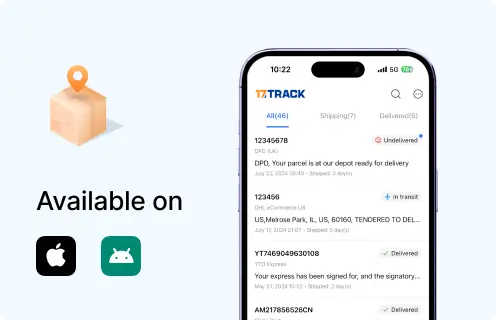
Merchant app alertsTrack an order inside a brand or marketplace app when that seller offers one.
View all details for merchant app alerts
Where to enableBrand or marketplace app notification settings.
When it appearsOrder processing, shipped, delivery, return or refund events depending on the platform.
What it can changeMay open support or return actions inside the seller platform.
LimitationsShipmonk itself is not the shopping account for most consumer purchases.
17TRACK alerts and APIMonitor supported carrier tracking events outside the seller account.
View all details for 17TRACK alerts and API
Where to enable17TRACK products or API integration.
When it appearsAfter a valid carrier tracking number is registered or queried.
What it can changeIt can centralize tracking visibility for supported carriers.
LimitationsIt cannot change carrier delivery instructions or merchant order settings.

Business, Seller or Developer API

Shipmonk provides merchant-facing technology and developer documentation for fulfillment operations. For public multi-carrier shipment tracking, 17TRACK API uses carrier tracking numbers, not Shipmonk merchant order numbers.

Developer/API Comparison

OptionPrimary use
Shipmonk developer documentationMerchant fulfillment integration, order and operational workflows.
View all details for Shipmonk developer documentation
ProviderShipmonk.
Order/tracking coverageMerchant-facing fulfillment data as documented by Shipmonk; consumer access depends on merchant account permissions.
Authentication/accessUse current Shipmonk developer documentation and merchant access requirements.
Webhook/batch capabilityRefer to current official documentation because integration capabilities can change.
Current documentationShipmonk Developer Documentation.
Important limitationDo not use merchant API access for unauthorized consumer lookup or payment/refund decisions.
Shipmonk merchant portal / support centerOperational review of orders, shipments, inventory and fulfillment issues for Shipmonk clients.
View all details for Shipmonk merchant portal or support center
ProviderShipmonk.
Order/tracking coverageMerchant account data and fulfillment records for authorized users.
Authentication/accessMerchant login or authorized support access.
Webhook/batch capabilityUse official documentation or support guidance for current capability.
Current documentationShipmonk Support Center.
Important limitationOrdinary shoppers should contact the selling merchant, not request Shipmonk merchant portal access.
17TRACK APIMulti-carrier tracking visibility for carrier tracking numbers.
View all details for 17TRACK API
Provider17TRACK.
Order/tracking coverageSupported carrier tracking events after a valid tracking number is registered.
Authentication/access17TRACK API token in the 17token header.
Webhook/batch capabilityRefer to 17TRACK API documentation for current endpoint behavior and notification options.
Current documentation17TRACK API Documentation.
Important limitationIt tracks carrier tracking numbers, not merchant order IDs, invoices, payment IDs or private Shipmonk fulfillment IDs.

FAQ

Basic FAQs

1. How do I track my Shipmonk order?

Track it through the store or marketplace where you placed the order, then use the carrier tracking number on 17TRACK or the carrier website. Shipmonk is commonly the fulfillment provider behind the seller, so your consumer order details normally live with the selling brand.

2. Where do I find my Shipmonk tracking number?

Look in the seller’s shipping confirmation email, order details page, SMS notification or marketplace app. If you only see an order number, open the shipment section or ask the seller for the carrier tracking number.

3. Can I track with a Shipmonk order number?

Usually no, 17TRACK needs a carrier tracking number rather than a merchant order number. Use the order number with the seller’s support team so they can locate the shipment and provide the carrier number.

4. Why does my Shipmonk order show shipped but no tracking scans?

The shipping label may have been created before the carrier physically scanned the parcel. Check whether the latest event says label created, shipment information sent or accepted, then contact the seller if no scan appears after the seller’s handling window.

5. Why is my Shipmonk tracking number not updating?

Tracking may pause during carrier pickup, facility processing, cross-border handoff, customs or a missed scan. Compare the last event with the carrier page and ask the seller or carrier for investigation if the package is beyond the applicable delivery or claim window.

6. How long does Shipmonk delivery take?

Delivery time depends on the selling merchant, shipping method, destination and carrier. Use the estimate shown at checkout, the seller’s shipping policy and the carrier tracking page rather than assuming one Shipmonk-wide delivery time.

7. What should I do if Shipmonk tracking says delivered but I did not receive it?

Check all delivery locations, household members, front desk, neighbors, parcel lockers, delivery photo and carrier proof of delivery first. If the package is still missing, contact the carrier for delivery evidence and the selling merchant or marketplace for a missing-package review.

8. How do I track a Shipmonk return?

Use the return label’s carrier tracking number, which is usually different from the outbound tracking number. 17TRACK can show return parcel movement when carrier data is available, but the seller decides whether the return is accepted.

9. Can 17TRACK show my Shipmonk refund status?

No, 17TRACK can show supported package tracking events but not private refund ledgers. Check the seller’s return portal, marketplace case or payment account for refund approval and posting status.

10. Who should I contact about a Shipmonk package problem?

Contact the selling merchant for order, refund, replacement and missing-item issues, and contact the carrier for delivery attempts or proof of delivery. Shipmonk support resources are mainly for merchant clients using the fulfillment platform.

Expert FAQs

11. Is Shipmonk the seller of my product?

Usually no, Shipmonk is a fulfillment provider, not the retailer that accepted your payment. The seller or marketplace owns the customer order and can map your order number to the Shipmonk-fulfilled shipment.

12. Why does my store email mention Shipmonk but the carrier is different?

Shipmonk may prepare the parcel in a warehouse while a parcel carrier performs transportation and last-mile delivery. Tracking scans come from the carrier, so the tracking number should be used with 17TRACK or the carrier page.

13. Can one Shipmonk-fulfilled order have multiple tracking numbers?

Yes, a seller can split one order into multiple shipments because of inventory location, item readiness, parcel size or service requirements. Track each package separately and contact the seller if all packages arrive but an item is missing.

14. Does Shipmonk use a fixed carrier list or fixed tracking number format?

Do not assume one fixed public carrier list or one Shipmonk tracking format for every order. The carrier and number format vary by merchant, region, item type, shipping option and connected fulfillment settings.

15. Can a marketplace seller use Shipmonk and still be responsible for my order?

Yes, a marketplace seller can use a third-party fulfillment provider while remaining responsible under marketplace rules. Use the marketplace order ID and seller message center for disputes, and use the carrier tracking number for shipment evidence.

16. What is the difference between return tracking and refund status for Shipmonk-fulfilled orders?

Return tracking shows the physical return parcel, while refund status shows the seller or marketplace’s financial decision. A delivered return scan helps support the case, but it does not automatically prove inspection completion or refund approval.

17. Can I use Shipmonk developer tools to track my consumer order?

No, Shipmonk developer tools and merchant portal resources are for authorized merchants and integrations. Consumers should use the seller’s order page or shipping email to obtain the carrier tracking number.

18. When should a merchant use 17TRACK API with Shipmonk shipments?

A merchant can use 17TRACK API after it has carrier tracking numbers for parcels created through Shipmonk or another fulfillment system. The API should receive carrier tracking numbers, not marketplace order IDs, payment IDs or private fulfillment record IDs.

Tracking API

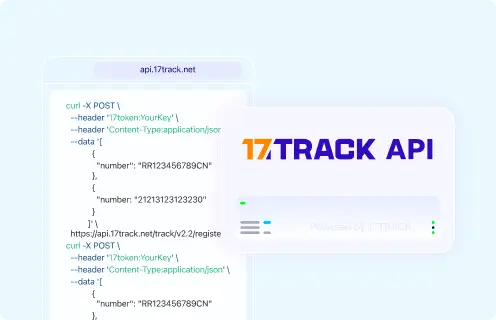
Use the 17TRACK API when you have a carrier tracking number for a Shipmonk-fulfilled parcel. The API does not register Shipmonk order numbers, payment references, invoices, RMA numbers or private merchant fulfillment IDs.

curl -X POST "https://api.17track.net/track/v2.4/register" \
  -H "17token: YourKey" \
  -H "Content-Type: application/json" \
  -d '[
    {
      "number": "TRACKING_NUMBER"
    }
  ]'

Sources & References

17TRACK is an independent tracking platform and is not affiliated with Shipmonk.
Loading