Package Opened by Customs? Why It Happens and What to Do Next
Customs may open an international package to check its contents, verify the declaration, assess applicable duties, or enforce import restrictions. An inspection does not automatically mean you did anything wrong or that the parcel has been seized. If your package arrives opened or resealed, photograph it before discarding any packaging, check the contents against your order, and keep any inspection notice. Your next step depends on whether everything is present, something is damaged or missing, or the shipment is still being held.
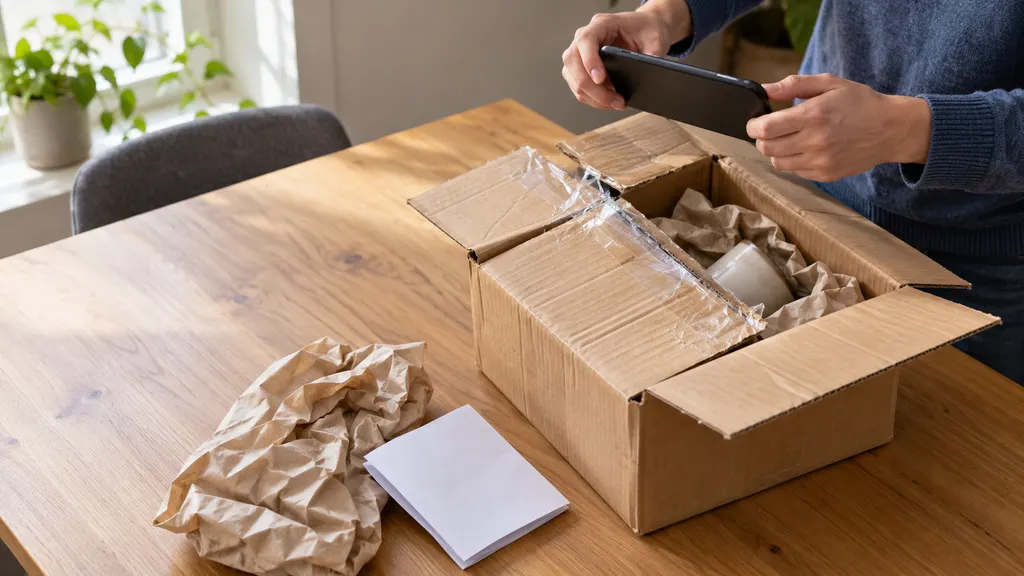
An opened box alone cannot prove who opened it. Customs inspections, carrier handling, damaged packaging, and unauthorized interference can leave similar signs. Treat the packaging, tracking history, and any official notice as separate pieces of evidence rather than assuming one explains everything.
Why customs might open your package
International parcels are subject to the importing country's customs rules. Authorities may need to establish what an item is, whether it can legally enter the country, and whether its declared value and description are accurate. The exact inspection process and legal powers vary by jurisdiction.
For example, the UK government's guidance on receiving goods from abroad explains that goods sent from outside the UK go through customs checks. U.S. Customs and Border Protection's guidance on internet purchases also explains that imported purchases remain subject to customs requirements. Neither framework means that every parcel is physically opened.
Reasons for a closer examination can include:
- Checking the description. A vague declaration such as “gift,” “accessories,” or “parts” may not provide enough information to identify the goods.
- Verifying value or classification. Customs may need to compare the contents with the invoice or determine how the goods should be classified for import purposes.
- Checking restricted goods. Food, plant material, animal products, medicines, and other regulated items may require additional review, depending on the destination.
- Investigating a possible discrepancy. The declaration, shipment details, or screening results may raise questions that require physical examination.
- Routine or risk-based enforcement. A parcel can be selected for inspection without the recipient having knowingly broken a rule.
These are possible reasons, not a diagnosis of your shipment. Unless a notice identifies the reason, the condition of the box usually will not tell you why it was selected.
Was it actually opened by customs?
Look for an inspection notice, agency-marked tape, or a message in the shipment record. These can help establish what happened, but practices differ between countries and delivery networks. There is no single worldwide customs tape color or label format that reliably identifies every inspection.
| What you find | What it tells you | What to do |
|---|---|---|
| An official inspection notice or agency-marked resealing material | Evidence that an official examination may have occurred; it does not by itself explain any loss or damage. | Keep it and follow any instructions addressed to you. |
| Plain tape, torn cardboard, or an open seam | The packaging was disturbed, but the cause is uncertain. | Photograph the condition and check the contents. |
| A tracking event mentioning customs | A customs-related processing event occurred; it does not necessarily confirm physical opening. | Read the complete event history and look for an action request. |
| A detention, seizure, or document-request notice | There is a specific administrative issue requiring attention. | Verify the notice and respond through the stated official process. |
Do not treat “customs clearance,” “presented to customs,” or similar wording as proof that someone physically opened the box. Tracking descriptions summarize processing events and may not provide the inspection details.
What to do when the package has been delivered
1. Document the condition before changing anything
Take clear photographs of every side of the parcel, the shipping label, any extra tape, visible tears, and any inspection notice. Then photograph the internal packaging and how the items were arranged. If you have already opened the parcel, document what remains rather than trying to recreate its original condition.
Keep the box, cushioning, labels, and notices until the issue is resolved. A carrier or insurer may need to inspect the packaging. USPS, for example, instructs customers making damage or missing-content claims to retain packaging and damaged articles and notes that an inspection may be required.
2. Compare the contents with the actual order
Check the order confirmation, invoice, and packing list. Count individual items and look for accessories packed separately inside cushioning or smaller cartons. If an item appears absent, first check whether the seller shipped the order in multiple parcels.
For damaged goods, distinguish damage to the shipping carton from damage to the product itself. If a food, medicine, cosmetic, or other safety-sensitive product has a compromised protective seal, do not assume that an inspection makes it safe to use. Ask the seller, manufacturer, or an appropriate professional for product-specific advice.
3. Choose the right next step
- Everything is present and undamaged: An opened outer carton alone usually does not require a customs complaint. Retain any useful notice and check whether it contains instructions.
- The product is damaged or contents are missing: Notify the seller and delivering carrier promptly. Describe the condition without asserting an unproven cause.
- A notice says an item was removed or detained: Use the agency's reference number and follow the stated procedure. A carrier claim alone will not resolve an official detention.
- The packaging appears unsafe or contains a suspicious substance: Stop handling it and seek appropriate local safety advice rather than continuing your inspection.
A useful first message is: “The parcel arrived with the outer packaging opened or resealed. Item A is missing, and item B is damaged. I have retained the packaging, photographs, invoice, and enclosed notice. Please confirm the investigation and claim procedure.” This gives the recipient actionable facts without prematurely assigning blame.
What to do if the shipment is still with customs
An inspection and a clearance hold are not the same thing. A parcel may be awaiting documents, a payment, another agency's review, or completion of customs processing. There is no reliable universal number of days after which every customs hold becomes abnormal.
- Read the latest detailed tracking events. Look for a request for information, a clearance exception, release, or a handover to the next carrier.
- Check your messages and mail. The seller, carrier, postal operator, broker, or authority may have sent instructions separately from the tracking page.
- Ask the carrier or broker what is outstanding. Request a specific answer: a missing invoice, proof of payment, an import authorization, payment of charges, or an agency decision.
- Ask the seller for accurate supporting documents. These may include a detailed invoice and product description. Do not alter values or descriptions to avoid charges.
- Follow any formal notice. If the notice identifies a deadline, appeal route, or designated contact, use that process rather than relying only on general customer service.
Tracking is useful for following progress, but it cannot authorize release, determine a legal outcome, or establish responsibility for damage. A carrier or broker is often a practical first contact for an unexplained clearance delay; an official detention or seizure notice may instead direct you to the responsible authority.
Before paying a customs-related demand, verify it independently through the carrier's or authority's official website or a known contact channel. Do not assume that a text message is genuine simply because you are expecting an international parcel.
Who handles missing items, damage, or compensation?
Start by separating two questions: who can help resolve the problem, and who is legally responsible. They are not always the same. The seller can investigate fulfillment, the carrier can investigate handling, and the customs authority can address an official action. None should be blamed solely because its name appears in the tracking history.
- Contact the seller about missing purchased goods, replacement or refund options, and whether the sender must initiate a shipping claim.
- Contact the carrier or postal operator about delivery-condition records, damage reporting, shipment investigations, and claim eligibility.
- Contact the customs authority identified in a notice about an official removal, detention, seizure, or complaint concerning an examination.
- Check insurance or purchase protection for applicable coverage, required evidence, and reporting deadlines.
Compensation is not automatic because customs opened a package. Eligibility depends on the facts, jurisdiction, shipping terms, coverage, and relevant claims process. Likewise, customs tape does not prove that customs caused damage or removed an item. Preserve the evidence so the responsible parties can investigate.
Report problems promptly rather than waiting for the cause to become certain. Deadlines differ by service and claim type, and some claims must be submitted by the sender. Keep copies of every report and reference number, and ask who is responsible for the next action.
Can you prevent customs from opening future packages?
You cannot guarantee that an international parcel will avoid inspection. Accurate paperwork can reduce avoidable questions, but it does not remove customs' inspection powers.
For future orders, ask the seller to use a specific, truthful goods description, accurate value, and any required supporting documents. Check destination-country restrictions before purchasing regulated goods. For fragile products, request packaging that protects individual items and can withstand ordinary handling. Do not request false “gift” labels or undervalued declarations; those can create additional problems instead of preventing an examination.
FAQ
Does an opened package mean I am under investigation?
Not by itself. Physical inspection can be part of ordinary customs enforcement. A formal notice alleging a violation is different from a parcel arriving with inspection tape. Read any enclosed document before drawing conclusions.
Will customs tell me every time it opens a parcel?
Notification and resealing practices vary. You may find a notice or marked tape, but you should not expect one universal notification method. If the parcel is damaged or incomplete, report the observable facts even when no notice is present.
Does an inspection mean I owe extra tax?
No. Opening a parcel and assessing import charges are separate matters. Taxes and duties depend on the destination's rules and the shipment's circumstances. Check any official assessment or carrier bill rather than inferring a charge from the packaging.
Should I refuse delivery if the box looks opened?
There is no universal answer. Ask the delivering carrier how to record visible damage and what accepting or refusing delivery means under that service's procedure. If you accept it, document its condition immediately. If you refuse it, retain the refusal record and notify the seller; refusal alone does not guarantee a refund.
Can customs remove an item and deliver the rest?
Depending on local rules and the circumstances, authorities may detain or seize particular goods while other contents proceed. A missing item alone does not establish that this happened. Look for official documentation and ask the seller to rule out split shipments or packing errors.
Sources
- GOV.UK: Tax and customs for goods sent from abroad — UK customs checks, import charges, and goods that may be seized.
- U.S. Customs and Border Protection: Internet Purchases — customs requirements and considerations for purchases shipped into the United States.
- USPS: File a Claim — evidence, packaging retention, inspection requirements, and service-specific claim procedures.