Rocket Logistics Tracking
Please enter the Rocket Logistics tracking number to check the latest shipping status.
About Rocket Logistics
Rocket Logistics is the carrier identity supplied for this tracking guide. Shipment-specific service coverage, operating territory, service catalogue and contact channels should be taken from the shipment documentation or the official Rocket Logistics website.
| Field | Verified reference |
|---|---|
| Carrier display name | Rocket Logistics |
| Official website | Rocket Logistics official website |
| Tracking role | Use the tracking reference supplied by the merchant, shipping label or Rocket Logistics documentation. |
Carrier Entity Relationships
| Entity | Relationship summary |
|---|---|
| Rocket Logistics | Rocket Logistics is the carrier name that should be selected when a shipment record identifies Rocket Logistics. |
| Shipment reference | The shipment reference is the identifier used to locate available movement events. |
| 17TRACK | 17TRACK is an independent tracking platform that may aggregate available events; it does not transport parcels or decide claims. |
Quick Answer
Enter the shipment tracking number shown in the dispatch email, shipping label, receipt or order page into the official Rocket Logistics tracking route when one is supplied, or into 17TRACK. If no result appears, first remove spaces and punctuation, check every character, and confirm that you are using a tracking number rather than an order or reference number.
How to Track Rocket Logistics Packages
Use the number associated with the physical shipment. An order number identifies a purchase, while a tracking number identifies a transport record; the two are not interchangeable.
| Route | Action |
|---|---|
| Official Rocket Logistics route | Open the official website, locate the shipment-tracking function supplied for your shipment, enter the tracking number, and review the latest event. |
| 17TRACK route | Open 17TRACK, enter the same tracking number, allow carrier detection where supported, and compare the event timeline with the seller’s dispatch record. |
| Merchant route | Ask the seller to confirm the carrier, number, handover date and any replacement or last-mile number. |
If the number is absent, request the shipping confirmation from the seller. If the number is accepted but has no events, retain the order evidence and ask the seller to verify physical handover. 17TRACK cannot create a scan, redirect a parcel, issue a refund or approve a claim.
Tracking Number Format
| Identifier family | Normalized pattern |
|---|---|
| Carrier shipment number | Use the exact letters and digits printed on the shipment record; carrier-specific length and prefix rules depend on the service. |
| Merchant order or reference | Usually a purchase or internal reference rather than a transport identifier; it may not produce carrier events. |
| Partner or last-mile number | A second number may appear after handoff; retain both numbers and test each through the relevant tracking route. |
| Postal-format identifier | A postal partner may issue a standardized identifier; a number being visible in a carrier system does not by itself prove who issued it. |
Services and Delivery Times
Delivery estimates depend on the shipment’s origin, destination, selected service, handoff arrangements, address quality, weekends, holidays, weather and customs activity. An estimate is not a delivery guarantee unless the applicable service terms expressly say so.
Service Comparison
| Service | Best use |
|---|---|
| Shipment service shown on the label | Use the service name printed on the receipt, label or dispatch record. |
| Partner or last-mile service | Use the partner’s reference after the shipment enters a destination network. |
Delivery Time
| Timing basis | How to interpret it |
|---|---|
| Merchant estimate | A planning window supplied by the seller; it can include handling time before carrier acceptance. |
| Tracking estimate | A projected date derived from available shipment events and may change. |
| Service standard | A published target whose conditions must be read in the applicable service terms. |
Destination Country Delivery Times
A reliable country-by-country range requires the shipment origin, destination, service name and current operating terms. Do not apply a generic country estimate to Rocket Logistics shipments without those inputs; customs and destination handoff events can materially change the delivery window.
Common Tracking Problems and Solutions
| Problem or status | First action |
|---|---|
| Invalid number | Check characters, remove accidental spaces, and ask the seller to confirm the carrier and identifier. |
| No tracking events | Check whether the seller has physically handed over the parcel; electronic label creation is not acceptance. |
| No update for an extended period | Compare the last scan with the expected route, then ask the seller to open the appropriate inquiry. |
| Customs or handoff event | Wait for the responsible authority or destination carrier to record the next event and prepare requested import information. |
| Delivered but missing | Check the delivery location, household members, reception desk and neighbours; then request proof of delivery and contact the seller. |
| Damaged or lost shipment | Photograph the package, preserve packaging and contents, and ask the eligible claimant to start the carrier or seller process. |
International Shipping and Handoffs
For an international shipment, responsibility can move between the origin carrier, export authorities, line-haul operators, customs authorities and a destination delivery operator. Arrival in a destination country is not the same as customs release.
| Stage | Customer meaning |
|---|---|
| Shipment preparation | A label or electronic record is created; physical acceptance may occur later. |
| Origin processing | The shipment is received, sorted and prepared for transport when an acceptance event appears. |
| Export and line haul | Security, export processing and international transport may create gaps between visible scans. |
| Destination customs | Authorities assess the import; taxes, documents or inspection can delay release. |
| Partner handoff and last mile | A destination operator may scan or deliver the parcel, sometimes using the original or a linked number. |
Customer Service
| Channel | Use it for |
|---|---|
| Official website | Open the official Rocket Logistics website for the current route supplied by Rocket Logistics. |
| Merchant or sender | Use this route for missing numbers, delivery disputes, refunds and shipment investigations where the sender controls the contract. |
| Destination operator | Use the destination operator after a documented handoff or local delivery scan. |
Prepare the tracking number, order reference, sender and recipient details, shipping date, service name, latest event, contents description, value evidence and photographs. 17TRACK can display available events but cannot alter delivery instructions or decide claims.
FAQ
Enter the shipment tracking number on the official Rocket Logistics website when the route is supplied, or use 17TRACK to view available events.
Check the dispatch email, shipping label, receipt or order page; ask the seller if the number is missing.
The identifier format depends on the shipment record and service, so copy the complete printed value rather than relying on a prefix alone.
The first event appears after the relevant system receives or processes the shipment; label creation alone does not prove physical acceptance.
A scan gap can occur during sorting, transport, customs or partner handoff; ask the seller to verify handover when the gap affects the expected delivery window.
Delivery depends on origin, destination, service, handling time, customs and the destination operator; use the shipment-specific estimate rather than a generic promise.
Read the latest exception, check the address and delivery instructions, and contact the seller or responsible delivery operator for the next available action.
Check the delivery location, household members, reception desk and neighbours, then request proof of delivery and contact the seller.
Preserve packaging and contents, collect photographs and value evidence, and ask the eligible sender or claimant to begin the applicable inquiry or claim.
Start with the official Rocket Logistics website or the seller that arranged shipment, and provide the complete tracking record and shipment details.
No. 17TRACK displays available tracking information and does not control delivery instructions, address changes or rerouting.
No. A label can be created before physical handover, so look for an acceptance or processing event.
A destination operator may use a linked identifier after handoff; retain the original number and ask the seller for any associated local reference.
No. Arrival and customs release are separate events, and authorities may request documents, payment or inspection.
The party eligible under the shipment terms should start the inquiry; buyers should normally ask the seller to coordinate when the seller purchased the transport service.
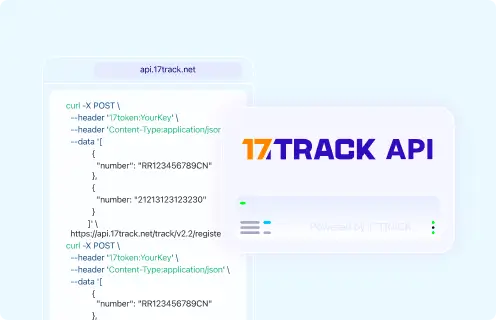
Businesses can review the current 17TRACK API documentation for supported carrier recognition and account capabilities, while carrier-specific API access depends on the carrier’s own published arrangements.
Tracking API
// Carrier official API:
// Current public official tracking API details are not included here.

// 17TRACK API reference:
// POST https://api.17track.net/track/v2.4/register
// Headers: 17token: YourKey
//          Content-Type: application/json
// Replace CARRIER_CODE only with a value confirmed in current 17TRACK documentation.
[
  {
    "number": "TRACKING_NUMBER",
    "carrier": "CARRIER_CODE"
  }
]
Sources & References
- Rocket Logistics official website. Rocket Logistics
- 17TRACK API documentation. 17TRACK
17TRACK is an independent tracking platform and is not affiliated with Rocket Logistics.
Track your package
Global express parcel tracking service