Priority1 Tracking
Please enter the Priority1 tracking number to check the latest shipping status.
About Priority1
Priority1 is the carrier name supplied for this tracking guide. Use the official Priority1 website and the shipment documents associated with the order to identify the service, shipment owner, and available tracking reference before taking action.
| Field | Verified information |
|---|---|
| Display name | Priority1 |
| Official website | https://www.priority1.com/ |
| Tracking role | The tracking result determines which party currently reports shipment events. |
A marketplace order number is not necessarily a Priority1 tracking number. The seller, freight provider, origin carrier, or delivery partner may issue a separate identifier.
Quick Answer
Enter the shipment identifier supplied by the seller or shipping document on the official Priority1 website or in 17TRACK. If no result appears, first remove spaces and punctuation, verify that you entered a tracking number rather than an order number, and ask the seller whether the label has been physically tendered.
How to Track Priority1 Packages
Use the official route when you need a carrier-specific result, and use 17TRACK when you need a consolidated view or the shipment may involve more than one carrier.
| Route | Steps |
|---|---|
| Official Priority1 route | Open the official website, locate its shipment-tracking entry, enter the identifier exactly as supplied, and save the latest event and reference number. |
| 17TRACK route | Open 17TRACK, enter the identifier, allow automatic carrier detection, and compare the result with the seller’s shipment record. |
| No identifier | Ask the seller or shipper for the tracking number, service name, ship date, and any partner or last-mile reference. |
| No initial scan | A label or booking record may exist before physical acceptance. The shipper should confirm tender and correct any identifier error. |
Tracking Number Format
A universal Priority1 number pattern should not be inferred from a prefix alone. Use the exact identifier shown on the shipment record and let the official tracking page or 17TRACK identify the carrier.
| Identifier family | Normalized pattern |
|---|---|
| Carrier or logistics tracking identifier | Use the exact alphanumeric or numeric value printed on the shipment document; preserve meaningful characters and remove only presentation spaces when instructed. |
| Merchant order or reference ID | A seller-created reference may identify the purchase but may not return carrier scans. |
| Partner or last-mile identifier | A second identifier may appear after handoff; the seller or tracking result should connect the records. |
| Example handling | Use masked values such as P1## #### #### or #### #### ####; never rely on a guessed complete number. |
Tracking Statuses and Meanings
| Status | Meaning and next action |
|---|---|
| Label created or pre-advice | Shipment data exists, but this does not by itself prove physical acceptance. Ask the shipper to confirm tender. |
| Accepted or picked up | A receiving scan has been recorded. Follow subsequent movement scans. |
| In transit | The shipment is moving between recorded facilities or transport stages. |
| Out for delivery | A delivery route has been assigned. Keep the address accessible and monitor for an exception. |
| Delivered | A delivery event was recorded. Check the delivery location, household, reception desk, and proof-of-delivery details. |
| Exception or return | A delivery or transport issue requires review. The shipper should contact the responsible carrier when recipient action is unavailable. |
Services and Delivery Times
A delivery estimate depends on the selected service, origin, destination, shipment characteristics, operating conditions, and any handoff. Do not treat an estimate shown by a marketplace or aggregator as a delivery guarantee.
Service Comparison
| Shipment record | What to verify |
|---|---|
| Selected service | Confirm the service name, origin, destination, handling requirements, and tracking coverage in the shipping record. |
| Delivery estimate | Use the estimate attached to the specific booking and allow for weekends, holidays, weather, address issues, and handoffs. |
Delivery Time
| Timing field | Interpretation |
|---|---|
| Published standard | Apply only to the service, lane, and conditions stated in the applicable shipment documentation. |
| Actual delivery | The recorded delivery event is the operational result and may differ from an estimate. |
Destination Country Delivery Times
| Destination | Shipment-specific guidance |
|---|---|
| Any destination | Use the booked lane and service record rather than a generic country average; customs, local delivery, address quality, and handoff scans can change the delivery sequence. |
Common Tracking Problems and Solutions
| Problem or status | Immediate action |
|---|---|
| Invalid number | Check every character, remove accidental punctuation, and ask the seller whether the value is an order ID or a carrier identifier. |
| No tracking events | Allow time for the first acceptance scan and ask the shipper to confirm physical tender. |
| No update for an extended period | Compare the last event with the promised service window, then have the shipper request an investigation if the applicable terms allow it. |
| Delivered but missing | Check the delivery location, household members, building reception, neighbors, and proof-of-delivery information before contacting the seller and responsible delivery party. |
| Address or delivery exception | Contact the shipper promptly; address changes and redelivery depend on the service stage and the party holding the shipment. |
| Damage or loss | Photograph the packaging and contents, preserve all materials, and ask the shipper which inquiry or claim process applies. |
International Shipping and Handoffs
| Stage | What customers should understand |
|---|---|
| Origin booking | Electronic shipment data may appear before the physical shipment is accepted. |
| Export movement | Origin handling, security review, and line-haul movement can create periods without a new public scan. |
| Import or customs processing | Arrival in a destination country does not by itself prove customs release. Taxes, documents, and restrictions are destination-specific. |
| Partner handoff | Electronic pre-advice, physical transfer, first receiving scan, and last-mile responsibility are separate events. |
| Final delivery | The responsible delivery party may provide the latest local event or proof of delivery. |
Customer Service
| Channel | Best use |
|---|---|
| Official website | Priority1 official website is the starting point for current contact and shipment instructions. |
| Seller or shipper | Use this route for missing identifiers, address corrections, commercial invoices, claims, refunds, and booking questions. |
| 17TRACK | Use 17TRACK for aggregated event visibility; it cannot alter the shipment or approve a claim. |
Prepare the tracking number, order reference, ship date, origin and destination, latest scan, service name, contents description, value evidence, and photographs where relevant.
FAQ
Basic FAQs
Enter the shipment identifier on the official Priority1 website or in 17TRACK, then compare the latest event with the seller’s record.
Check the shipping confirmation, label, receipt, or shipment document supplied by the seller or shipper.
The identifier format depends on the shipment record; use the exact value provided rather than inferring a service from a prefix.
Shipment data may exist before physical acceptance or the identifier may be incorrect; ask the shipper to confirm tender and the number.
Scans can be separated by transport, processing, customs, or handoff intervals; escalate through the shipper when the applicable service window has passed.
Use the estimate for the booked service and lane; actual delivery can change because of operating conditions, address issues, customs, or handoffs.
Review the exception, verify the address, and contact the shipper promptly about redelivery or available delivery instructions.
Check the delivery location, household members, reception desk, neighbors, and proof-of-delivery information before contacting the seller.
Preserve the packaging and evidence, then ask the shipper which inquiry or claim process applies to the booking.
Start with the official Priority1 website or the shipper that created the booking, using the tracking number and latest scan.
Expert FAQs
No. A label or electronic pre-advice record can precede the first physical receiving scan.
Yes. A shipment may have a carrier identifier, merchant reference, or partner identifier; the shipper should explain how the records relate.
No. 17TRACK displays available events and cannot redirect, refund, investigate, or adjudicate a Priority1 shipment.
No. Arrival, customs processing, release, and local delivery are separate stages.
The shipper or booking party is usually the most effective starting point because that party holds the shipment record and service terms.
Tracking API
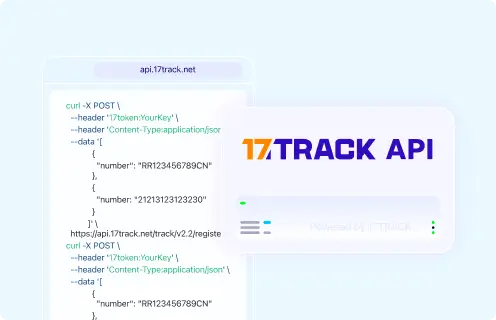
POST https://api.17track.net/track/v2.4/register
Headers:
  17token: YourKey
  Content-Type: application/json

Body:
[
  {
    "number": "TRACKING_NUMBER",
    "carrier": "CARRIER_CODE"
  }
]

# Carrier-specific official API:
# Current public official Priority1 tracking API endpoint and
# authentication details require confirmation from current
# Priority1 developer documentation.
Sources & References
- Priority1 official website. Priority1
- 17TRACK tracking platform. 17TRACK
- 17TRACK API documentation. 17TRACK
17TRACK is an independent tracking platform and is not affiliated with Priority1.
Track your package
Global express parcel tracking service