Mainfreight Tracking
Please enter the Mainfreight tracking number to check the latest shipping status.
About Mainfreight
Mainfreight is a global supply-chain logistics company providing domestic transport, international air and ocean freight, warehousing, customs-related services and end-to-end logistics solutions. Its network covers the Americas, Asia, Australia, Europe and New Zealand. Mainfreight tracking is primarily shipment and freight visibility rather than a universal postal-parcel numbering system.
| Fact | Confirmed information |
|---|---|
| Official name | Mainfreight |
| Official website | https://www.mainfreight.com/ |
| Carrier type | Multimodal freight carrier, freight forwarder, transport operator and warehousing provider. |
| Primary region | Americas, Asia, Australia, Europe and New Zealand. |
| Tracking page | Mainfreight Track |
| Network evidence | The official global page states 27 countries, 331 branch locations and 10,839 team members. |
Carrier Entity Relationships
| Entity | Relationship to Mainfreight |
|---|---|
| Mainfreight | Mainfreight operates an international supply-chain network combining transport, forwarding, warehousing and technology. |
| Transport | Mainfreight provides domestic, transborder, road and rail transport solutions, including palletised freight and full truck loads. |
| Air and Ocean | Mainfreight provides import and export air and ocean freight and supports customs clearance and tariff classification. |
| Warehousing | Mainfreight warehouses support inventory, pick, pack, dispatch and distribution activities. |
| Mainchain and Mobile App | Mainfreight technology products provide customers with supply-chain visibility and freight-management functions. |
| External carriers | Ocean, air and destination transport may involve selected strategic carriers or local delivery providers; the responsible party depends on the shipment leg and booking. |
| 17TRACK | 17TRACK aggregates available carrier events and does not transport Mainfreight freight or decide claims, refunds, rerouting or delivery outcomes. |
Quick Answer
Use the shipment, consignment, booking or reference identifier supplied by the shipper or Mainfreight, and enter it on the official Mainfreight tracking page. You can also try 17TRACK when the identifier and carrier are supported. An order number is not necessarily a transport identifier. If no result appears, check spelling, spaces, the shipment origin, whether the label or booking has been activated, and ask the shipper to confirm the correct reference.
How to Track Mainfreight Packages
The official Mainfreight tool is the best first route because Mainfreight controls the booking and shipment records. 17TRACK is useful as an independent multi-carrier view when a supported identifier is available.
| Route | Steps |
|---|---|
| Official Mainfreight tracking | Open Mainfreight Track, enter the shipment identifier supplied on the booking confirmation, freight document or shipper notice, and review the latest event and movement history. |
| 17TRACK | Open 17TRACK, enter the identifier, allow carrier recognition or select Mainfreight when available, and compare the displayed events with the official result. |
| No result | Remove copied spaces or punctuation only when the official page permits it, try the exact reference from the shipper, and ask the shipper or Mainfreight branch to confirm the active shipment identifier. |
| Wrong identifier | Separate the order number, invoice number, purchase reference, booking number and transport reference; the seller may need to provide the freight identifier. |
Tracking Number Formats and Examples
Mainfreight’s public pages direct users to shipment tracking but do not establish one universal public parcel-number pattern. The identifier may be created by Mainfreight, a freight partner, a shipping line, an airline, an origin forwarder or a destination provider. Use a real shipper-supplied reference rather than inferring a service from a prefix.
| Identifier family | Normalized pattern or example | ||||||||
|---|---|---|---|---|---|---|---|---|---|
| Mainfreight shipment or consignment reference | Use the exact alphanumeric reference printed on the Mainfreight booking, consignment record or shipper notice, for example MF-XXXX-####. | ||||||||
View all details for Mainfreight shipment references
| |||||||||
| House or master freight document number | Format depends on the shipment document and transport mode; use the exact document identifier supplied by the booking party. | ||||||||
View all details for freight document identifiers
| |||||||||
| Partner or last-mile identifier | A destination carrier may issue a separate local delivery number after handoff. | ||||||||
View all details for partner tracking identifiers
| |||||||||
Tracking Statuses and Meanings
A tracking event describes a recorded milestone; it does not always identify the party physically holding the freight. In particular, a booking or electronic pre-advice is different from acceptance, customs arrival is different from customs release, and a delivery scan is different from a seller refund.
Status Quick Lookup
| Status stage | Meaning and immediate action | ||||||
|---|---|---|---|---|---|---|---|
| Booking or label created | Shipment data exists, but physical acceptance may not have occurred; ask the shipper whether freight was tendered. | ||||||
View responsibility and next step for booking status
| |||||||
| Received or accepted | A transport or warehouse location has recorded receipt; monitor the next sorting, consolidation or departure event. | ||||||
| In transit | The movement is between recorded facilities or transport legs; gaps can occur while freight is moving without a scan. | ||||||
| Customs or clearance | Documents or goods are being assessed by the relevant customs process; arrival does not mean release. | ||||||
| Handover or destination processing | A destination branch, partner or delivery provider is preparing the next leg; confirm the local reference if supplied. | ||||||
| Out for delivery | The delivery leg has been dispatched; verify address, access instructions and receiver availability. | ||||||
| Delivered or signed | A delivery event was recorded; if the freight is missing, check the delivery evidence and contact the shipper promptly. | ||||||
| Exception, hold or return | A document, address, access, customs, damage or service issue needs review; the booking party should contact the responsible branch. | ||||||
Services and Delivery Times
Mainfreight’s service choice is determined by the freight profile, origin, destination, mode, capacity, documentation and booking. Its official service pages describe capabilities rather than one universal consumer parcel delivery promise.
Service Comparison
| Service | Best suited to | ||||||
|---|---|---|---|---|---|---|---|
| Domestic and transborder transport | Palletised freight, full truck loads, road, rail and specialised domestic movements. | ||||||
View all details for domestic and transborder transport
| |||||||
| Air freight | Urgent shipments, samples and time-sensitive or oversized freight. | ||||||
| Ocean freight | Cost-sensitive international freight, including consolidated LCL and full-container FCL movements. | ||||||
| Warehousing and distribution | Inventory storage, import processing, pick and pack, dispatch and domestic or international distribution. | ||||||
Delivery Time
| Service | Time guidance |
|---|---|
| Domestic transport | Quoted by route, origin, destination, freight type and service conditions; no universal public range applies to every region. |
| Air freight | Generally selected when speed is important, but the booking schedule, airport handling, customs and final delivery determine the actual date. |
| Ocean freight | Generally selected when cost is more important than speed; sailing, transshipment, port, customs and inland delivery affect timing. |
| Warehousing distribution | Depends on inventory availability, order release, pick and pack, transport booking and destination requirements. |
Destination Country Delivery Times
| Destination group | How to obtain a reliable delivery estimate |
|---|---|
| Americas | Request a route-specific Mainfreight quote that identifies origin, destination, mode, freight dimensions and delivery requirement. |
| Asia and Australia | Use the booked air, ocean or transport service and confirm the destination branch’s handling and customs requirements. |
| Europe and New Zealand | Ask the booking branch for the applicable lane schedule and delivery conditions; customs and final-mile arrangements can change the date. |
Common Tracking Problems and Solutions
The fastest resolution usually begins with the shipper or booking party because that party can identify the booked service, documents, declared contents and commercial relationship.
Problem & Solution
| Problem or status | First action | ||||||
|---|---|---|---|---|---|---|---|
| Invalid number or no result | Confirm the exact shipment or consignment reference with the shipper; do not substitute an order number. | ||||||
View all details for an invalid or missing result
| |||||||
| No update or stuck in transit | Compare the last physical scan with the planned route and ask the shipper to request a movement check. | ||||||
| Customs hold | Confirm invoice, packing list, importer details, permits and any duty or tax request with the importer or customs contact. | ||||||
| Address or delivery exception | Provide corrected access and contact details to the shipper or responsible branch; changes may require a new delivery instruction. | ||||||
| Delivered but missing | Check receiving dock, security desk, warehouse, neighbours and delivery evidence, then contact the shipper immediately. | ||||||
| Damage or shortage | Photograph packaging and contents, preserve all materials, record the discrepancy at delivery where possible, and ask the shipper to start the applicable transport claim. | ||||||
| Return or refused freight | Ask the shipper why delivery failed and confirm whether customs, address, receiver availability or commercial instructions caused the return. | ||||||
International Shipping, Customs and Carrier Handoffs
Mainfreight’s international service pages describe air and ocean import/export, customs clearance, tariff classification and door-to-door solutions. An international movement can involve several physical custodians and several identifiers.
International Flow
| Stage | What the customer should understand |
|---|---|
| Origin booking and pickup | A booking or pickup event identifies planned movement; physical custody begins when the freight is actually received. |
| Origin export processing | Documentation, consolidation, security and export requirements are prepared before departure. |
| Line-haul | Air, ocean, road or rail transport moves the freight between operational locations; scan gaps can occur. |
| Destination arrival and customs | Arrival at a port, airport or facility does not by itself mean customs release. |
| Partner handoff | Electronic pre-advice, physical receipt and first destination scan are separate events; a partner number may appear before physical handoff. |
| Final delivery | The responsible branch or destination delivery provider completes delivery under the booked instructions. |
Ecommerce and Business Tracking
Mainfreight’s business technology is designed for supply-chain visibility, freight management, inventory and reporting. The official technology pages identify the Mainfreight Mobile App and Mainchain customer portal; capabilities depend on the customer’s implementation and region.
| Option | Provider | ||||||||
|---|---|---|---|---|---|---|---|---|---|
| Mainchain customer portal | Mainfreight | ||||||||
View all details for Mainchain customer portal
| |||||||||
| 17TRACK API | 17TRACK | ||||||||
View all details for the 17TRACK API
| |||||||||
FAQ
Basic FAQs
Enter the shipment identifier on the official Mainfreight Track page, then compare the result with 17TRACK when the identifier is supported.
Look in the booking confirmation, freight document, dispatch notice or message from the shipper; ask the shipper if only an order number is shown.
Mainfreight does not present one universal public parcel-number pattern on the cited pages, so use the exact identifier supplied for your booked movement.
The booking may not yet have a physical acceptance scan, the reference may be wrong, or the shipment may be between scan points; confirm the reference and tender date with the shipper.
Timing depends on mode, lane, freight, capacity, customs and final delivery arrangements; request a route-specific estimate from the booking branch.
Review the exception, correct address or access information through the shipper, and ask the responsible branch whether redelivery or collection is available.
Check the receiving dock, security desk, warehouse and delivery evidence, then ask the shipper to request a delivery investigation.
Record the discrepancy, photograph the freight and packaging, preserve the materials and contact the shipper so the applicable claim process can be started.
The importer or consignee should first check requested documents, duties and declarations with the shipper or Mainfreight branch handling the customs process.
Use the official company directory to locate the relevant regional branch, then provide the shipment reference, origin, destination and latest event.
Expert FAQs
No; a booking or electronic pre-advice records planned movement, while acceptance requires a physical receipt or operational scan.
Yes; a consolidated international movement can have house, master, carrier and destination delivery references, so ask which identifier is active for each leg.
Mainfreight’s air and ocean service page describes customs clearance and tariff-classification support, while customs authorities retain control over examination and release decisions.
No; arrival identifies a location in the international flow, whereas customs release requires the relevant authority to complete its process.
Mainchain is Mainfreight’s customer portal for freight management and supply-chain visibility; access and functions depend on the customer relationship.
The cited public pages describe Mainfreight technology and customer tools but do not establish a universal public tracking endpoint; businesses should ask their Mainfreight contact about integration.
Mainfreight’s systems reflect its operational records, while 17TRACK independently aggregates available events from supported carriers and cannot alter Mainfreight records.
Tracking API
// Mainfreight official API:
// Current public official tracking API endpoint and authentication were not established
// by the cited public Mainfreight pages. Contact Mainfreight for integration details.

// 17TRACK API
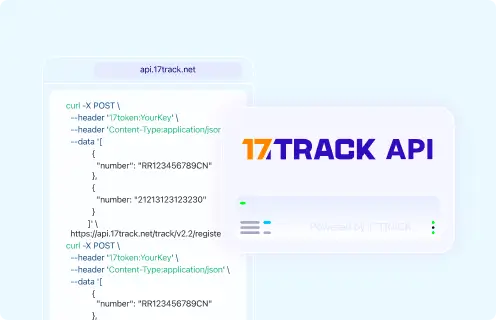
// POST https://api.17track.net/track/v2.4/register
// Header: 17token: YourKey
// Header: Content-Type: application/json

[
  {
    "number": "TRACKING_NUMBER",
    "carrier": "CARRIER_CODE"
  }
]

// Confirm the current Mainfreight carrier code in 17TRACK documentation
// before sending production requests.
Sources & References
- Mainfreight global company page. Mainfreight
- Mainfreight Services. Mainfreight
- Air and Ocean — Worldwide freight made simple. Mainfreight
- Domestic and Transborder Transport. Mainfreight
- Mainfreight Warehousing. Mainfreight
- Mainfreight Technology — Supply Chain Solutions. Mainfreight
- Mainfreight Company Directory. Mainfreight
- Mainfreight Track. Mainfreight
- 17TRACK API Documentation. 17TRACK
17TRACK is an independent tracking platform and is not affiliated with Mainfreight.
Track your package
Global express parcel tracking service